3 days in Rome is enough for the ancient core, the Vatican and the Baroque centre if you book the big three in advance and walk the rest. Day one is ancient Rome, day two is the Vatican and the old centre, day three is the Borghese and Trastevere. If you only have one day, take the Colosseum and Forum in the morning on a timed ticket, then walk to the Pantheon and Piazza Navona.
How to use your 3 days in Rome
Rome rewards sequence more than speed. The historic centre is small, only about 4 percent of the city’s area according to Wikivoyage, so most of your time goes on queues, not on distance. The aim is to hold timed tickets for the three sights that sell out and fill the gaps with streets, markets and churches, which are free and rarely need booking.
| Day | Morning anchor (book ahead) | Afternoon anchor | Area |
|---|---|---|---|
| 1 | Colosseum, Forum and Palatine | Capitoline Museums and Monti | Ancient Rome |
| 2 | Vatican Museums and St Peter’s | Pantheon and Piazza Navona | Vatican and the old centre |
| 3 | Galleria Borghese | Trastevere | Villa Borghese and the west bank |
Time-blocked plan for 3 days in Rome
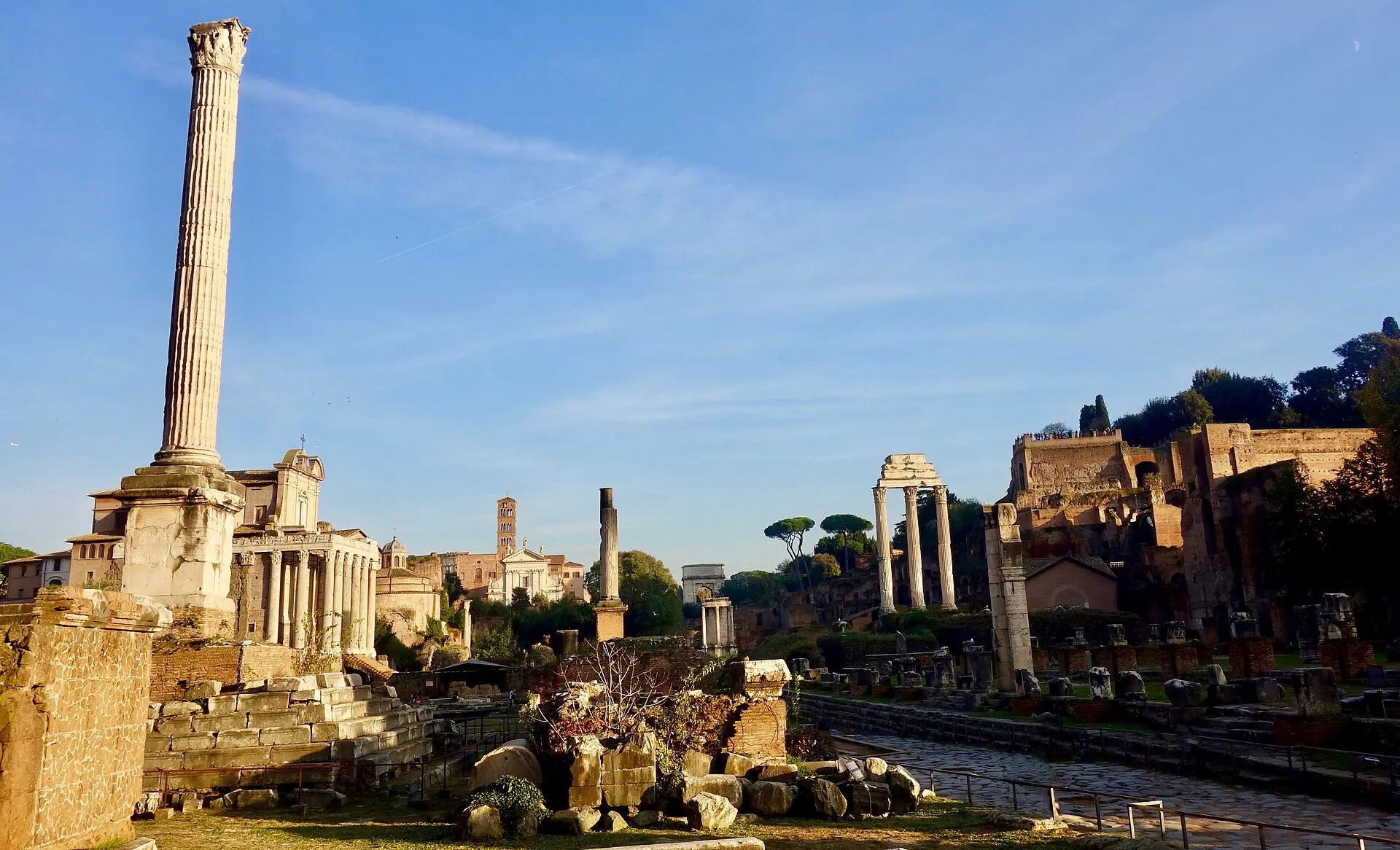
Day 1 morning: Colosseum, Forum and Palatine
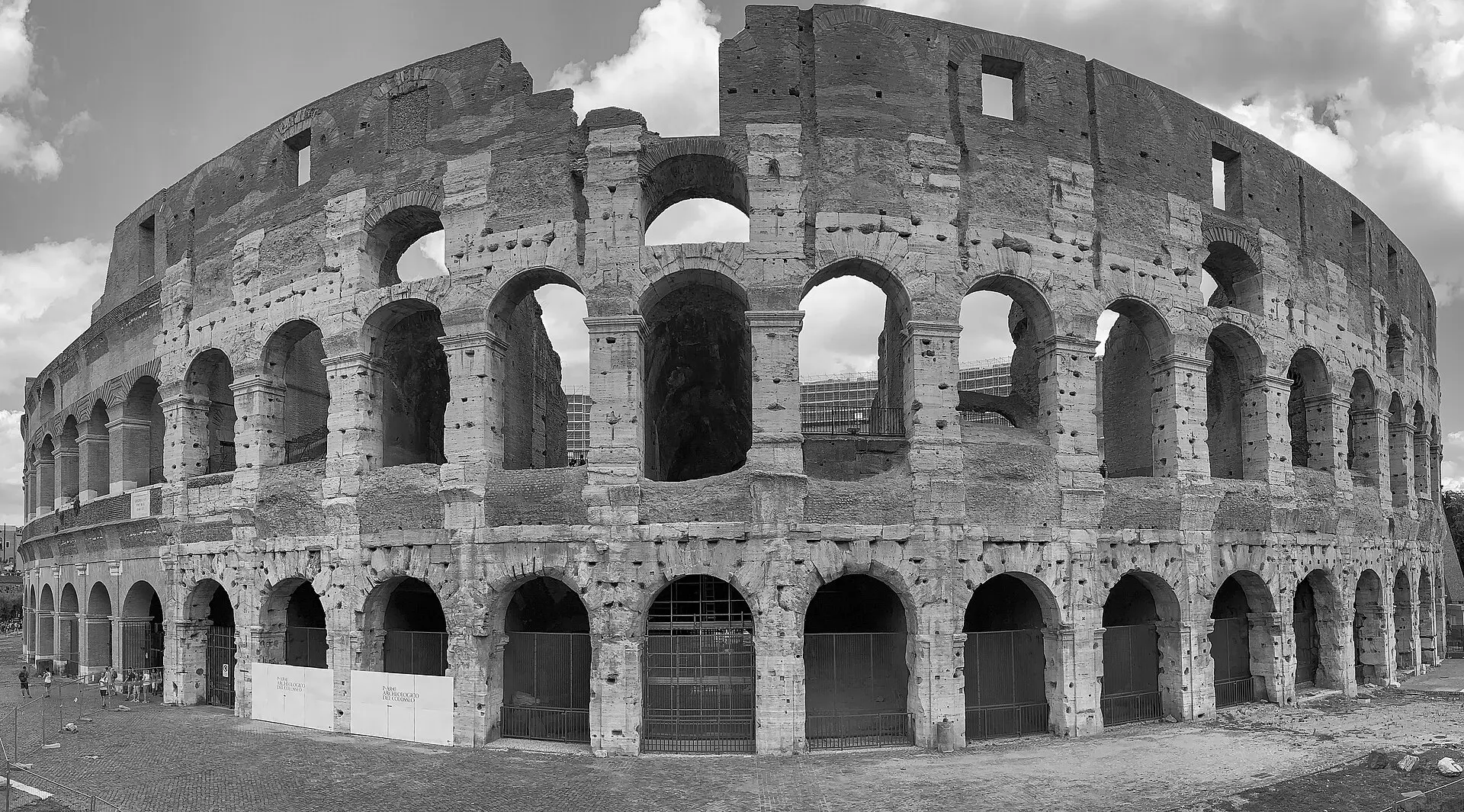
These three sit side by side and are usually sold on a combined ticket. Book a timed slot online for the earliest entry, and take the Colosseum first, since lines there grow fastest. Then walk the Forum and climb the Palatine Hill, where the crowds thin and the views run over the ruins. Allow three to four hours and carry water; there is little shade, and the stone floors reflect the heat from late morning. Ticket rules, including whether names must be registered, change, so check the official source.
Day 1 afternoon: Capitoline Museums and Monti
The Capitoline Museums sit on the hill above the Forum and hold some of the best ancient sculpture in the city. They are a good indoor anchor for the hottest hours. Allow 90 minutes, then walk down into Monti, a neighbourhood of small streets with cafes and vintage shops. It is a calmer place for a late lunch than the tourist belt around the Colosseum. Check the museum’s current hours and its weekly closing day.
Day 2 morning: Vatican Museums and St Peter’s
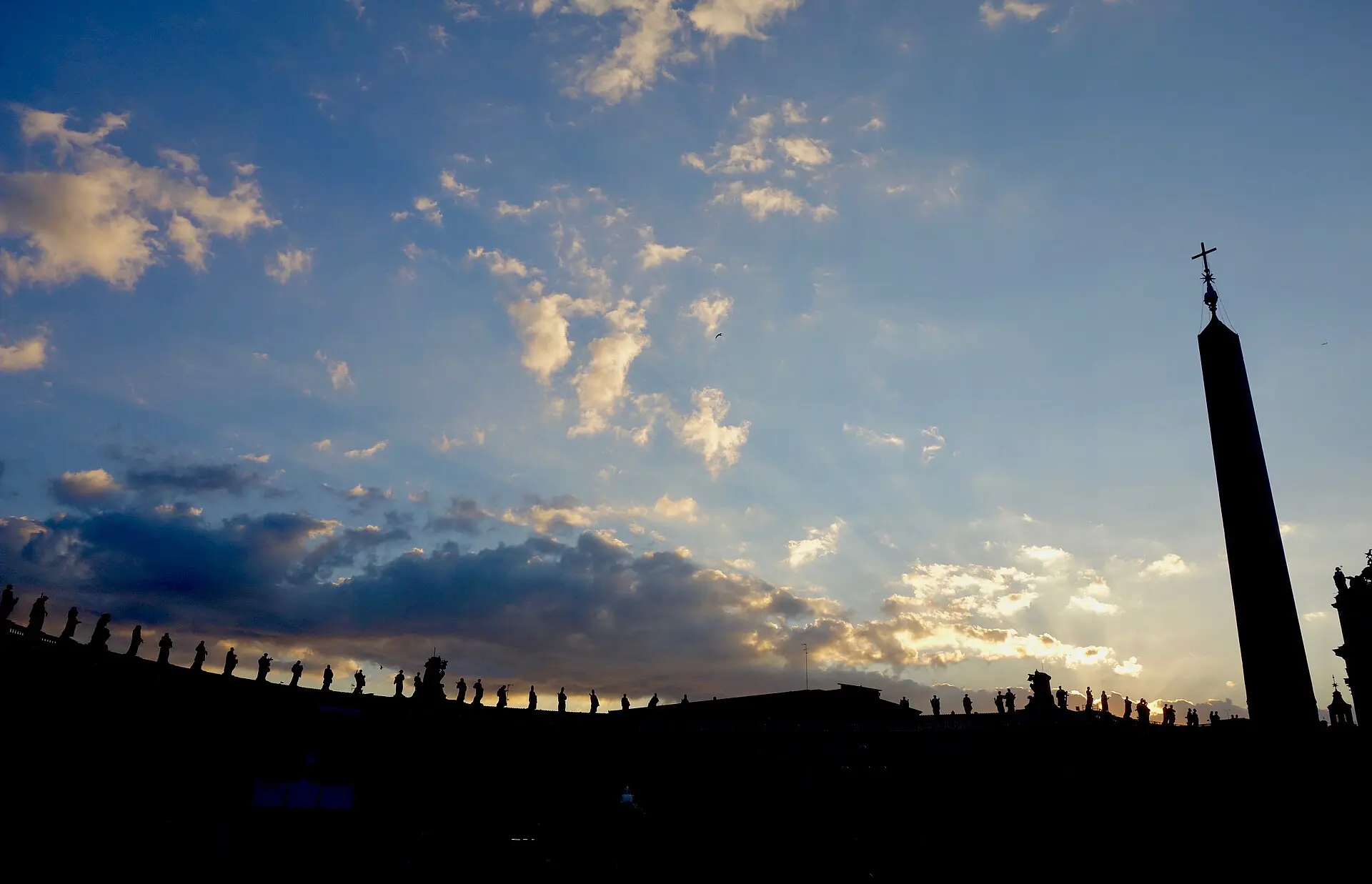
This is the other booked slot. The Vatican Museums normally close on Sundays, apart from a free-entry Sunday once a month, which draws very long lines, so avoid it. Reserve the first morning entry and head to the Sistine Chapel first, against the flow. Allow three hours for the museums, then St Peter’s Basilica, where the line moves quickly but there is a security check. Dress with covered shoulders and knees. Check opening times, since religious events can change them.
Day 2 afternoon: Pantheon and Piazza Navona
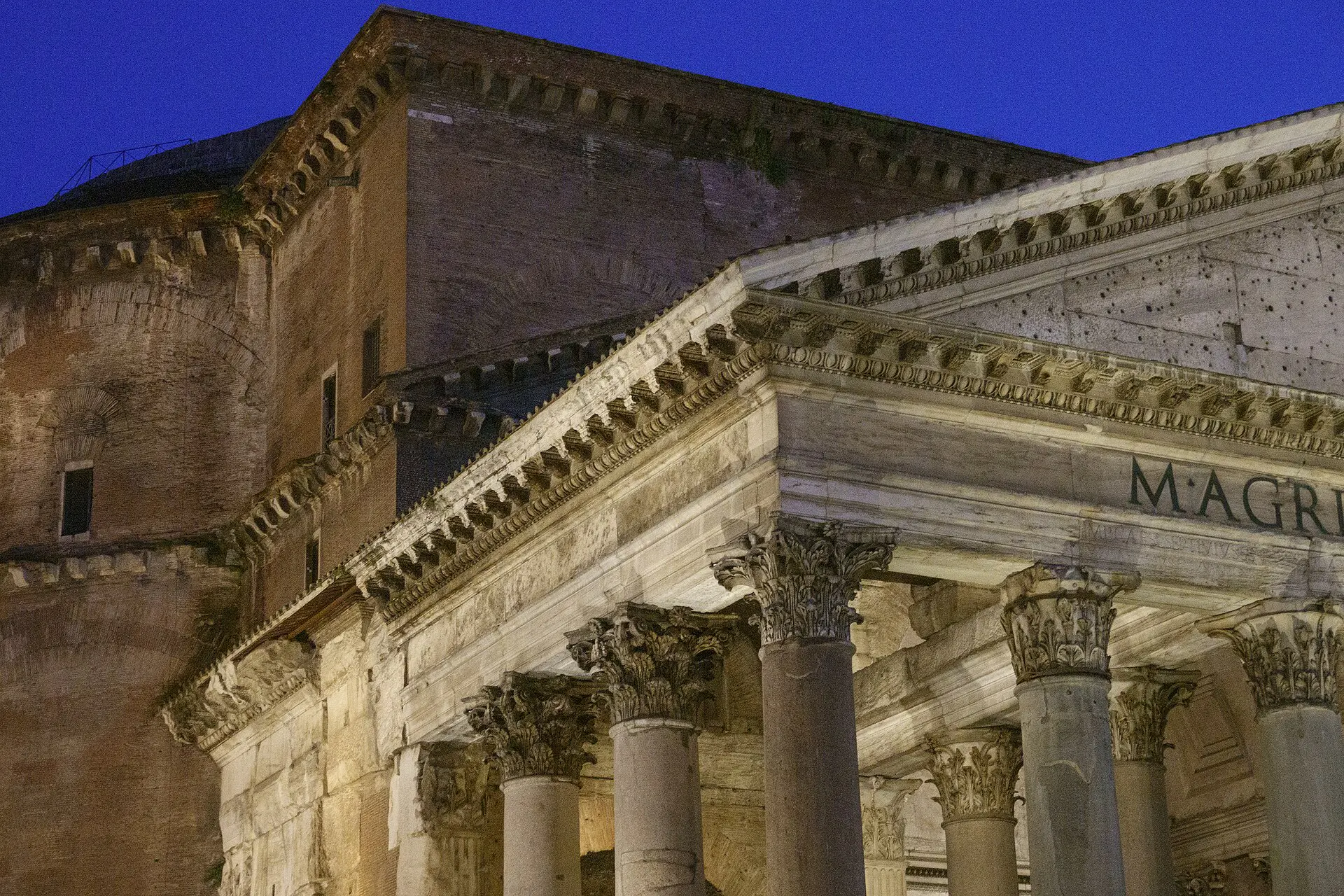
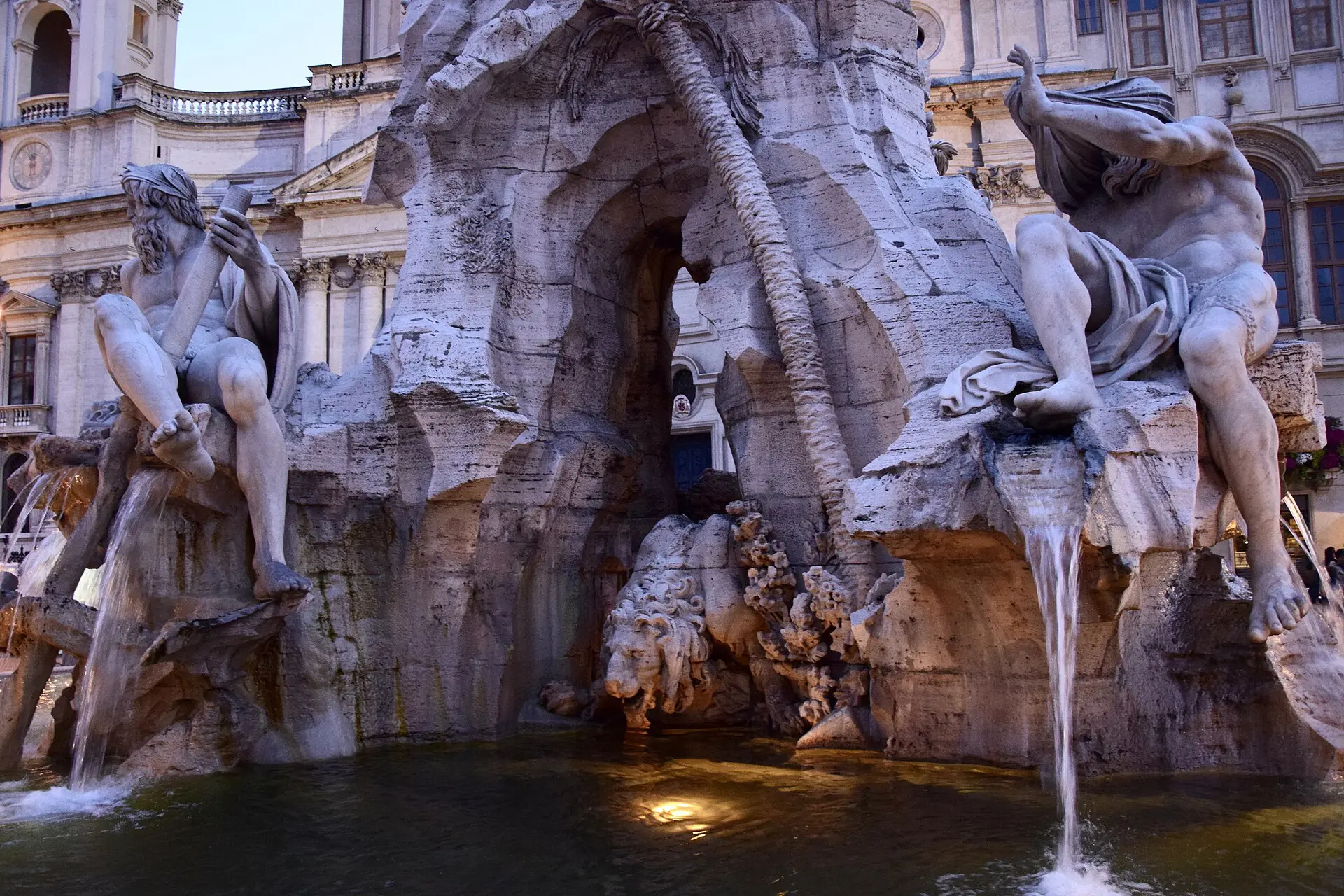
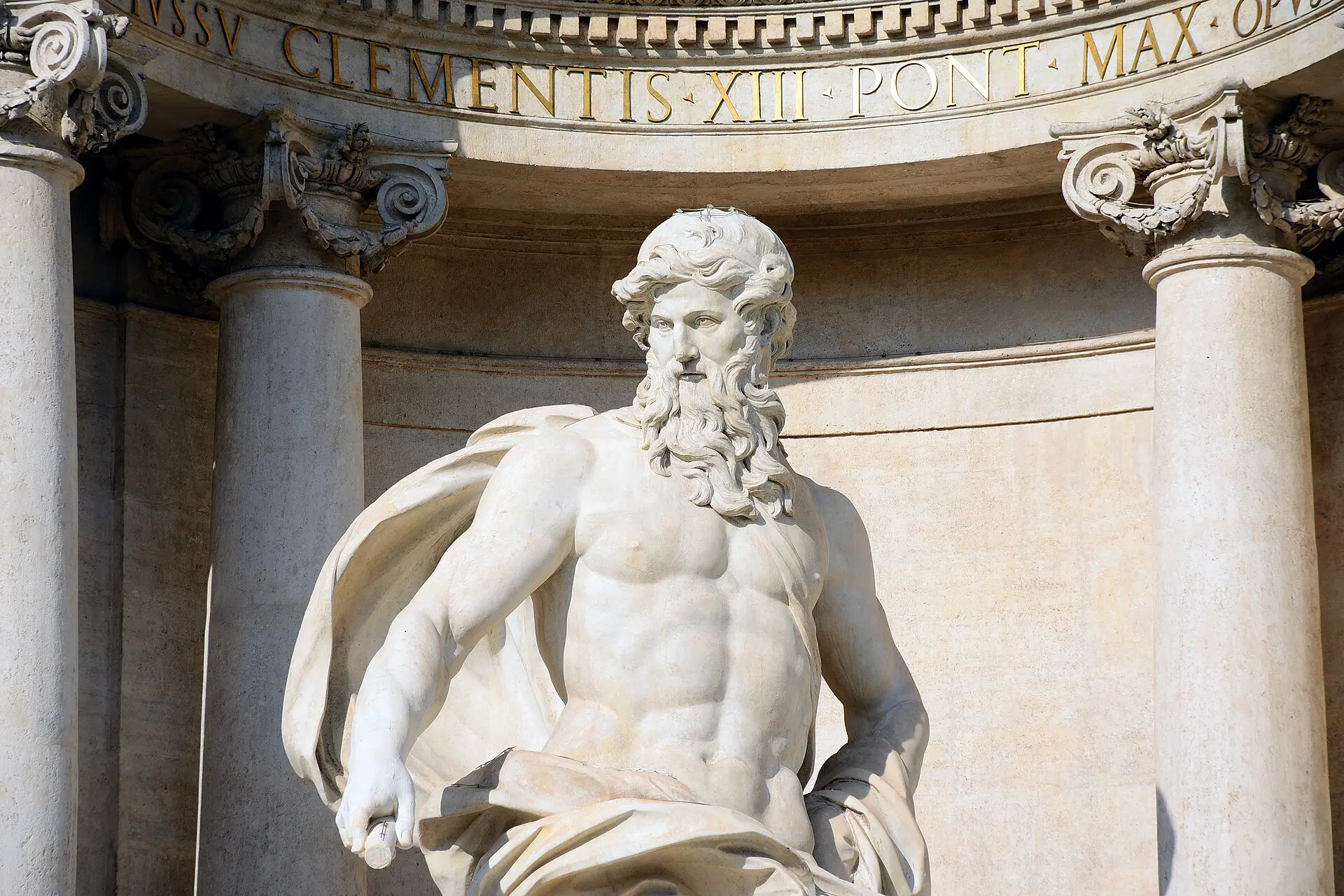
Walk or take a short taxi to the centre. The Pantheon is the best-preserved ancient building in the city, and visitors now commonly pay an entry fee, so check the current rules. Keep it to 30 minutes. Piazza Navona is a short walk and works best at dusk, when the fountains are lit. Campo de’ Fiori hosts a produce market in the morning, which is another reason to schedule the Vatican first and walk east after lunch. Treat the Trevi Fountain as a five-minute stop at the edge of the day, since crowds are heavy and access rules may change.
Day 3 morning: Galleria Borghese and Villa Borghese
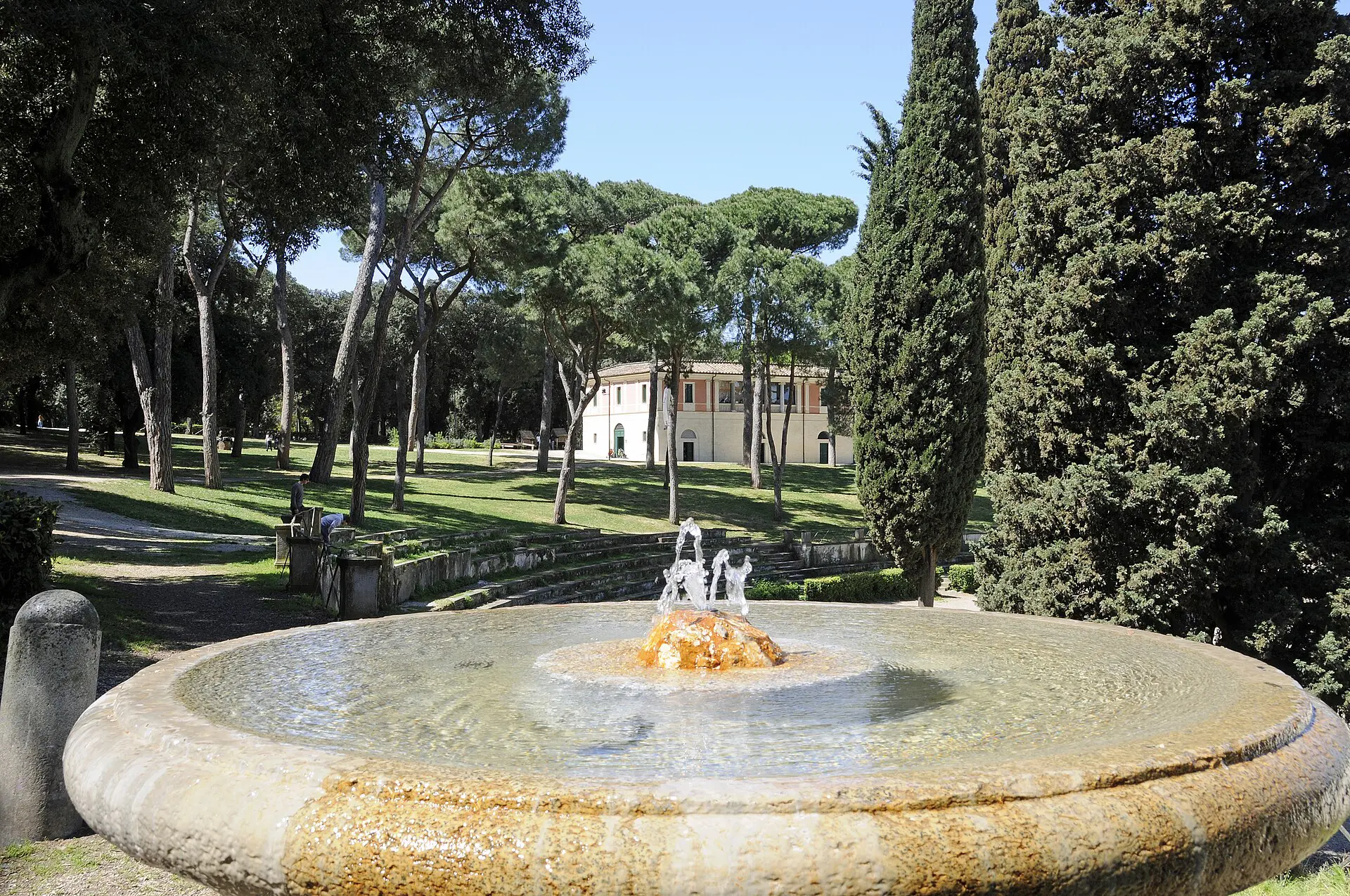
The Borghese Gallery admits visitors by timed reservation only, so book early, especially for spring and autumn. It holds Bernini sculpture and Caravaggio paintings in a compact villa, so two hours is plenty. Afterwards, walk in Villa Borghese, the large park around it, and look out over the city from the Pincian terrace. The gallery is generally closed on Mondays, so schedule this block on another day.
Day 3 afternoon: Trastevere
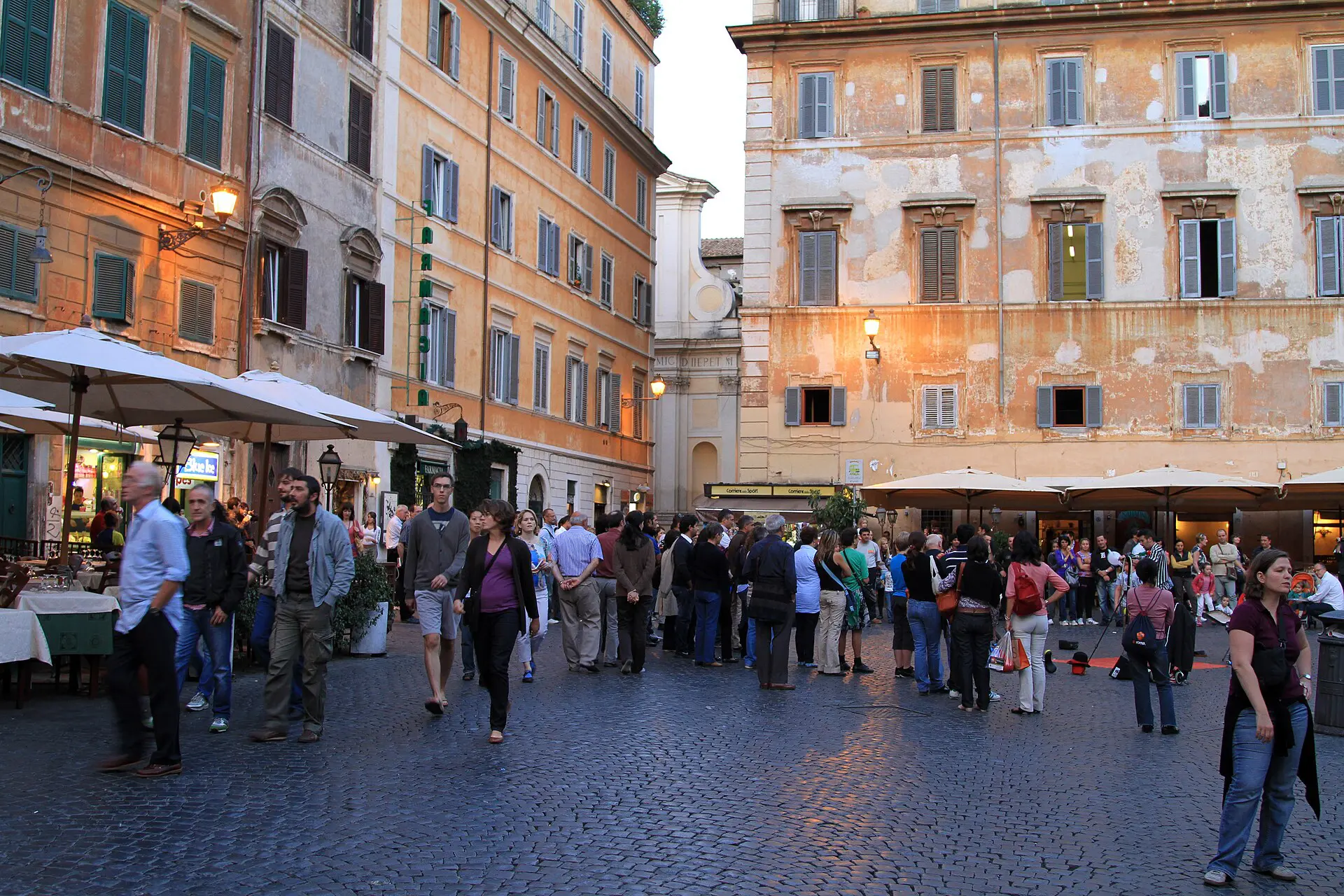
Cross the Tiber to Trastevere for the street scene. Santa Maria in Trastevere is the church to visit, with its mosaics, and the lanes around it are the most walkable in the city for a long, slow afternoon. Late afternoon is the time to sit down with a coffee in the main square and let the light change. Stay for an early dinner, since many restaurants open their kitchens only in the evening and crowds build from 8pm. For museums beyond the big three, see museums in Rome.
Queue-avoidance timing in Rome
- Book the big three: the Colosseum and Forum, the Vatican Museums and the Borghese all work best with a timed reservation.
- First slot of the day: the first entry beats the tour groups, which arrive from about 10am.
- Sundays: the Vatican Museums are mostly closed, and many shops and some restaurants keep short hours.
- Mondays: state museums commonly close, so check each site for its day off.
- Churches: many close for a midday break and for services, so visit in the morning.
August brings the heat and a quieter feel in the local neighbourhoods, since many residents leave and some small businesses close. Allow for that in your food plans.
Getting around Rome
A simple rule keeps the days efficient: walk when the next stop is under 20 minutes away, ride when it is not. The longest hop in the plan is between the Vatican and the centre, about 30 minutes on foot or a short metro and bus combination. Leaving the Vatican for the Pantheon on foot along the river is pleasant outside the hottest hours, and it gives you a view of Castel Sant’Angelo on the way.
The centre is walkable, but distances add up in summer heat. Buses and the metro fill the gaps, and the metro is useful for the Vatican and the Colosseum. Rome’s cobbled streets are hard on thin shoes, so wear comfortable ones. A short taxi suits a late return, though fares vary, so ask before you start. Keep valuables close on crowded buses and at busy sights, as pickpocketing is common near major attractions.
Read the Rome guide for more on districts and transport, or the Wikivoyage Rome guide for the wider background.
Where to stay for 3 days in Rome
- Monti: central, walkable to the Colosseum and the Forum, with good cafes. Choose it for day one convenience.
- Centro Storico: the Pantheon and Piazza Navona area. Atmospheric, but pricey and noisy at night.
- Prati: near the Vatican and the metro, quieter, with straightforward restaurants.
- Trastevere: lively and pretty, though a little farther from the ancient sites.
The full comparison is in where to stay in Rome.
What to skip if you are short on time
Cut the Capitoline block first if you need an hour back, since the Forum already covers the ancient world. Drop Trastevere before you drop the Borghese, which is the better art. I would skip the Trevi Fountain queue unless you pass it on the way, and I would also skip a second basilica if you have already seen St Peter’s. A day trip is a poor use of a three-day stay, but if you have a spare day, see day trips from Rome for the shortest options.
FAQ about 3 days in Rome
Is 3 days enough for Rome?
Yes, for a first visit. It covers the ancient core, the Vatican, the Borghese and the Baroque centre, if you book the three major entries. You will miss quieter districts and many churches, which is a fair trade.
What should you book in advance in Rome?
The Colosseum, Forum and Palatine, the Vatican Museums and the Borghese Gallery. Book them as early as your dates allow, especially in spring and autumn. Most other sights can be visited on the day.
What is the best day of the week to visit the Vatican?
Midweek is calmer. Avoid Sundays, when the museums are normally closed apart from a monthly free opening, and avoid Wednesday mornings if there is a papal audience, as traffic and crowds near St Peter’s increase.
What is the best time of year for 3 days in Rome?
Spring and autumn are the most comfortable. Summer is hot, with long lines by mid-morning. Winter is cooler and lighter on crowds, though some hours are shorter. Whatever the season, go early.