The best day trip from Rome depends on how many hours you can spare. Ostia Antica is the shortest, about 40 minutes each way on a local train. Orvieto and Tivoli sit in the middle. Naples with Pompeii and Florence are the long, full-day versions. If you only have one day, choose Ostia Antica or Orvieto: both are straightforward by train, and neither eats your whole day in transit.
Getting there: Rome day trips by train
Most day trips leave from Roma Termini or Roma Ostiense stations. Times below are approximate for 2026 and vary by service; fares for regional trains are low, and fast trains cost more. Check the timetable on the day, and book fast trains ahead if you want a fixed seat.

| Destination | Typical train time | Best for | Closing pattern |
|---|---|---|---|
| Ostia Antica | About 30 to 40 min | Roman ruins without the crowds | State sites commonly close on Mondays |
| Tivoli | About 1 hr including a bus or short taxi leg | Hadrian’s Villa and Renaissance gardens | Villa d’Este often closes on Mondays |
| Orvieto | About 1 hr 15 min to 1 hr 30 min | Cathedral and a hilltop town | Some churches close at lunchtime |
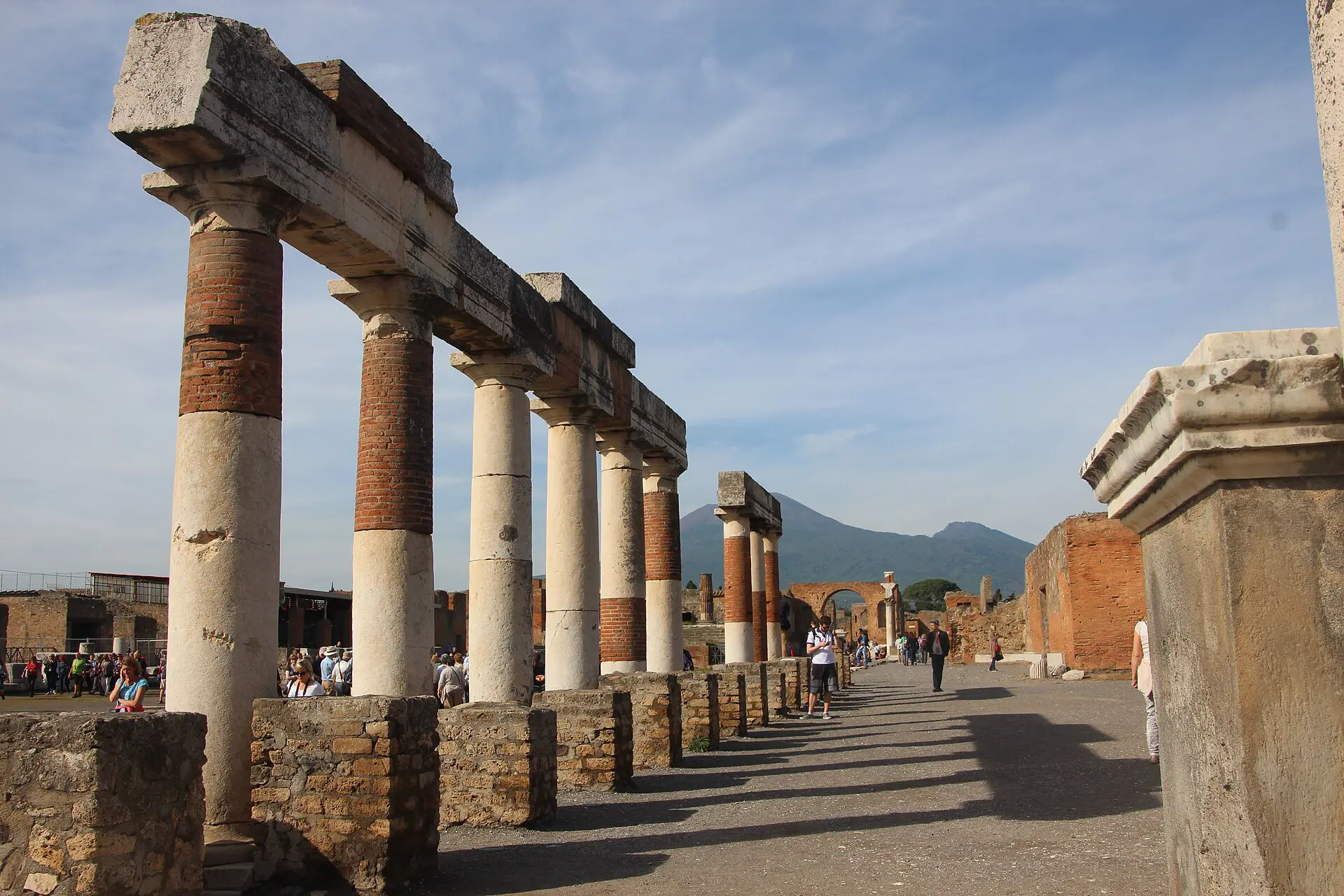
| Naples and Pompeii | About 1 hr to Naples by fast train, then a local line | Archaeology and food | Check site closing days |
| Florence | About 1.5 hrs by fast train | Art museums | Many museums close on Mondays |
Five day trips from Rome, time-blocked
Each option below is a half-day anchor plus one street or market scene, ordered so the booked or timed part comes first.
1. Ostia Antica: the efficient ruin
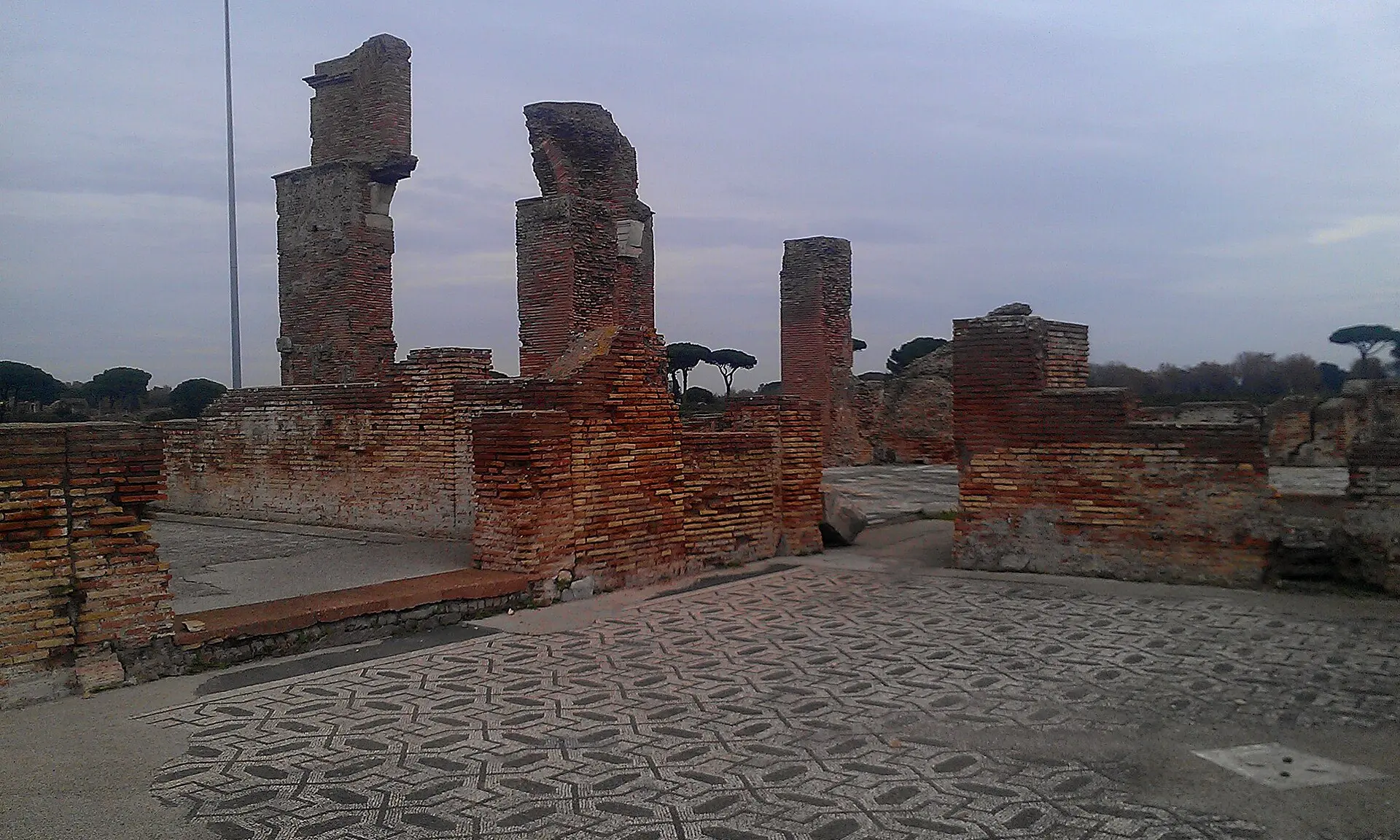
Ostia was the port of ancient Rome, and its ruins are extensive and uncrowded compared with the Forum. Take the local train from Roma Ostiense. 9:00 to 11:30 for the main streets, baths and theatre; 11:30 to 13:00 for the small museum; lunch in the modern village. Bring water, because shade is limited from late spring. It is the best value in the list if you want Roman ruins in a short block.
2. Tivoli: villa and gardens
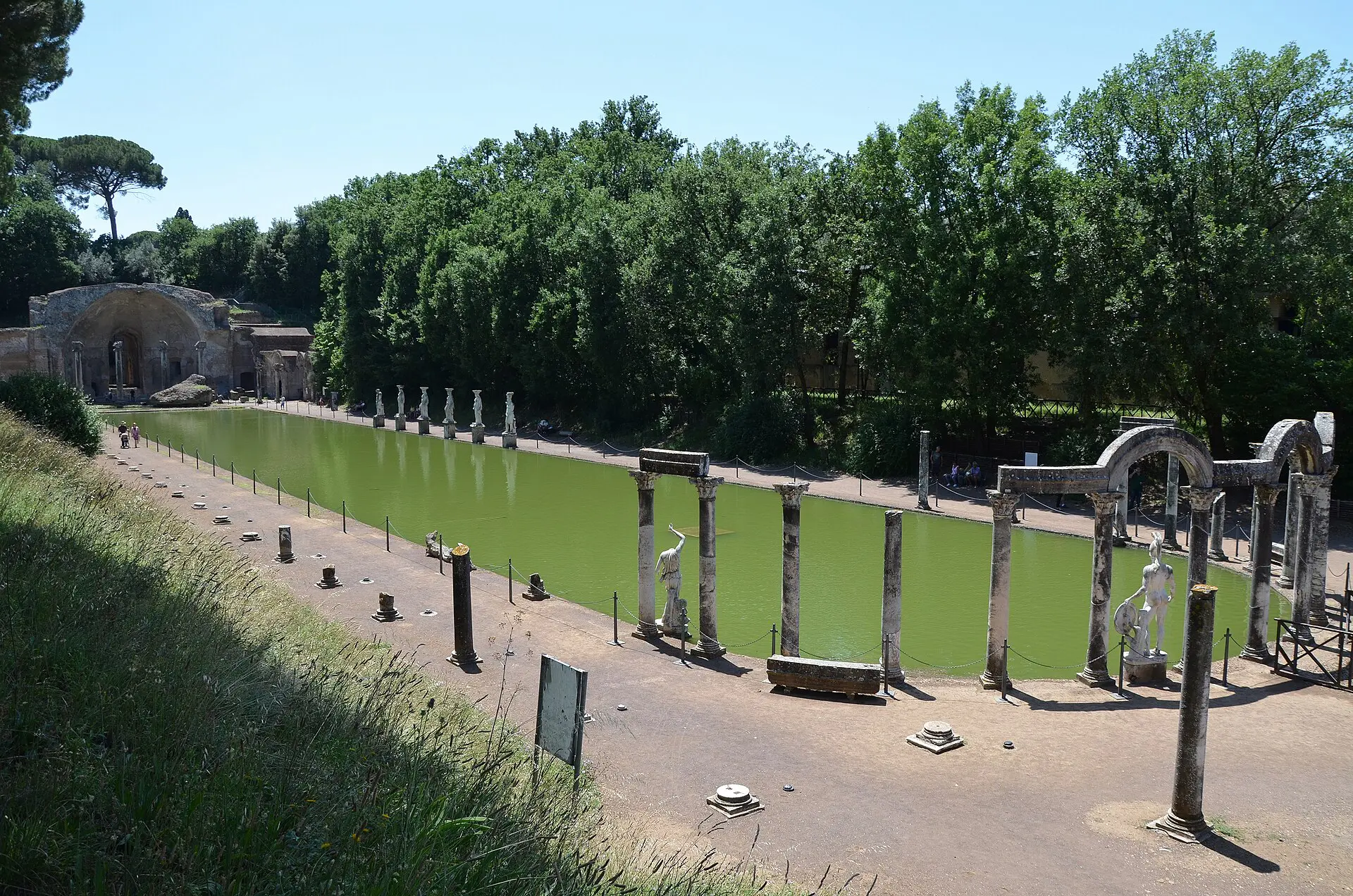
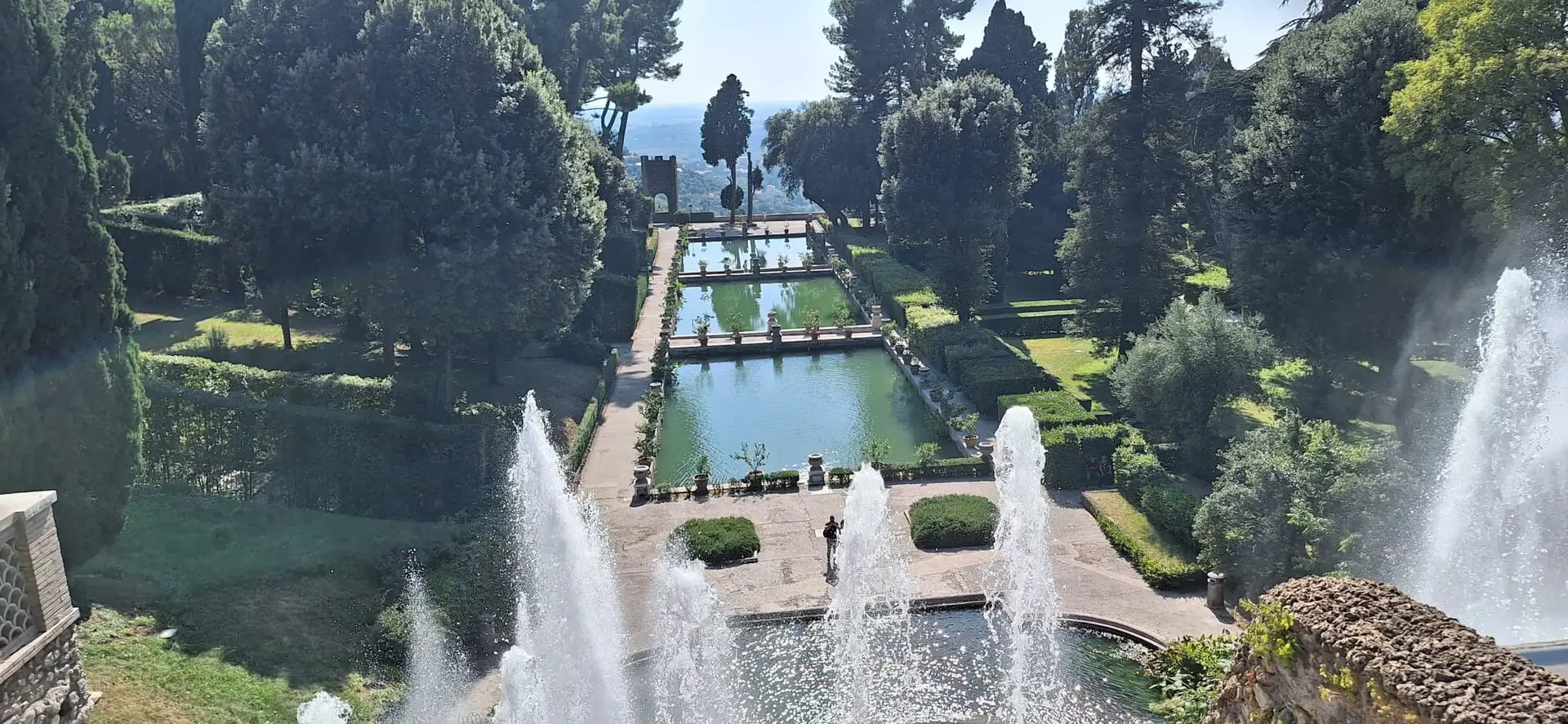
Tivoli pairs two anchors, Hadrian’s Villa and the fountains of the Villa d’Este. Do the villa first, from 9:00 to 11:30, then move to the garden by local bus or taxi, 13:00 to 15:30. Both need a lot of walking on uneven ground. If you are short of time, pick one: the villa for archaeology, the garden for fountains.
3. Orvieto: cathedral on a rock
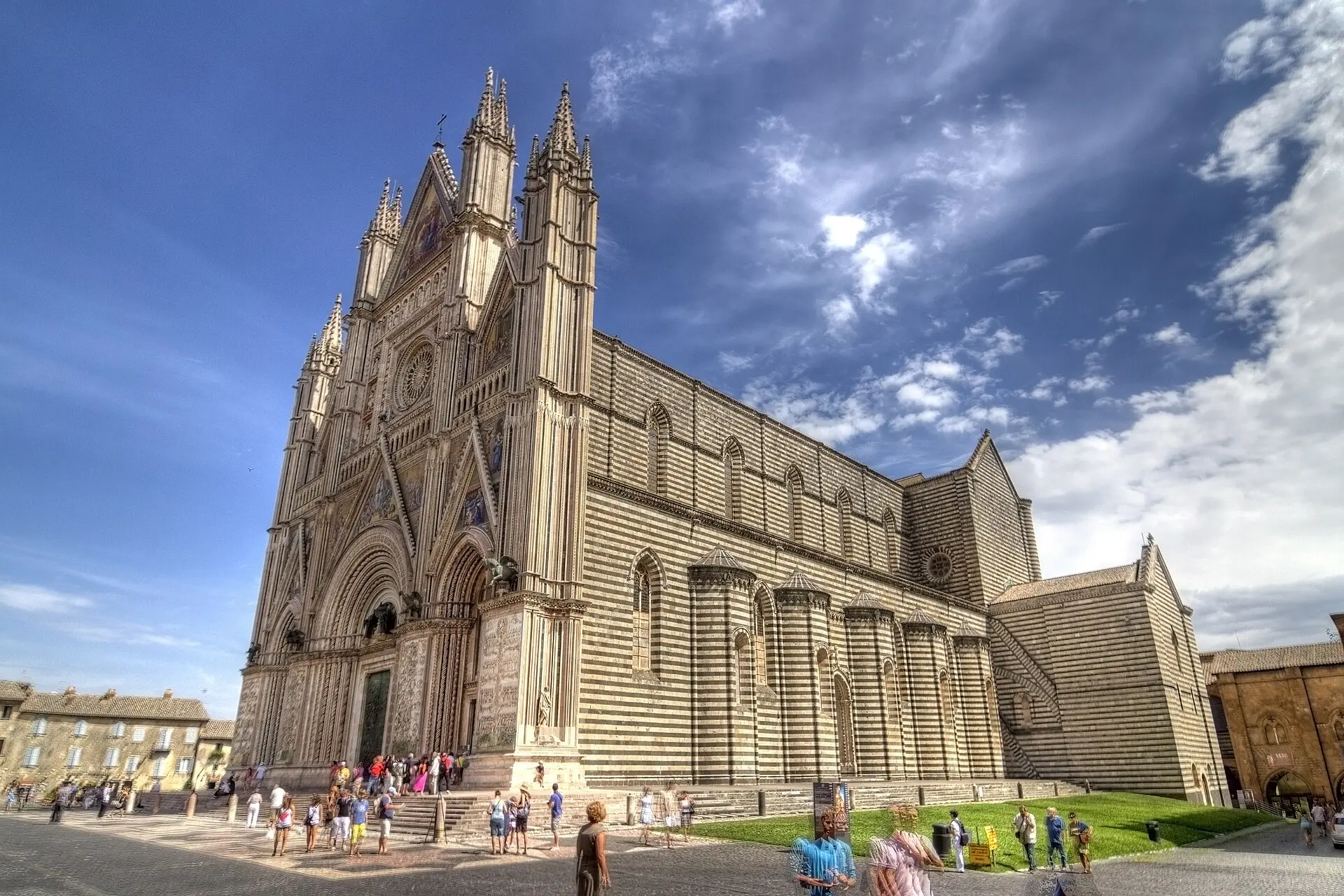
The town sits on a volcanic bluff and is reached by a direct regional or intercity train, then a funicular up to the old centre. Spend 10:00 to 12:00 at the cathedral and the narrow streets, then a long lunch. Check cathedral hours, since visiting windows can narrow around services. It is the calmest option here and works well in cooler months.
4. Naples and Pompeii: long but possible
Use the fast train to Naples, then a local line to Pompeii, which together take well over two hours each way. The site is large, so give it three hours at least, and choose either Pompeii or Naples’s own museum and streets, not both. Queues at the main gate build by 10:00, so start early. I would skip this on a first short trip to Italy unless archaeology is the main reason you came.
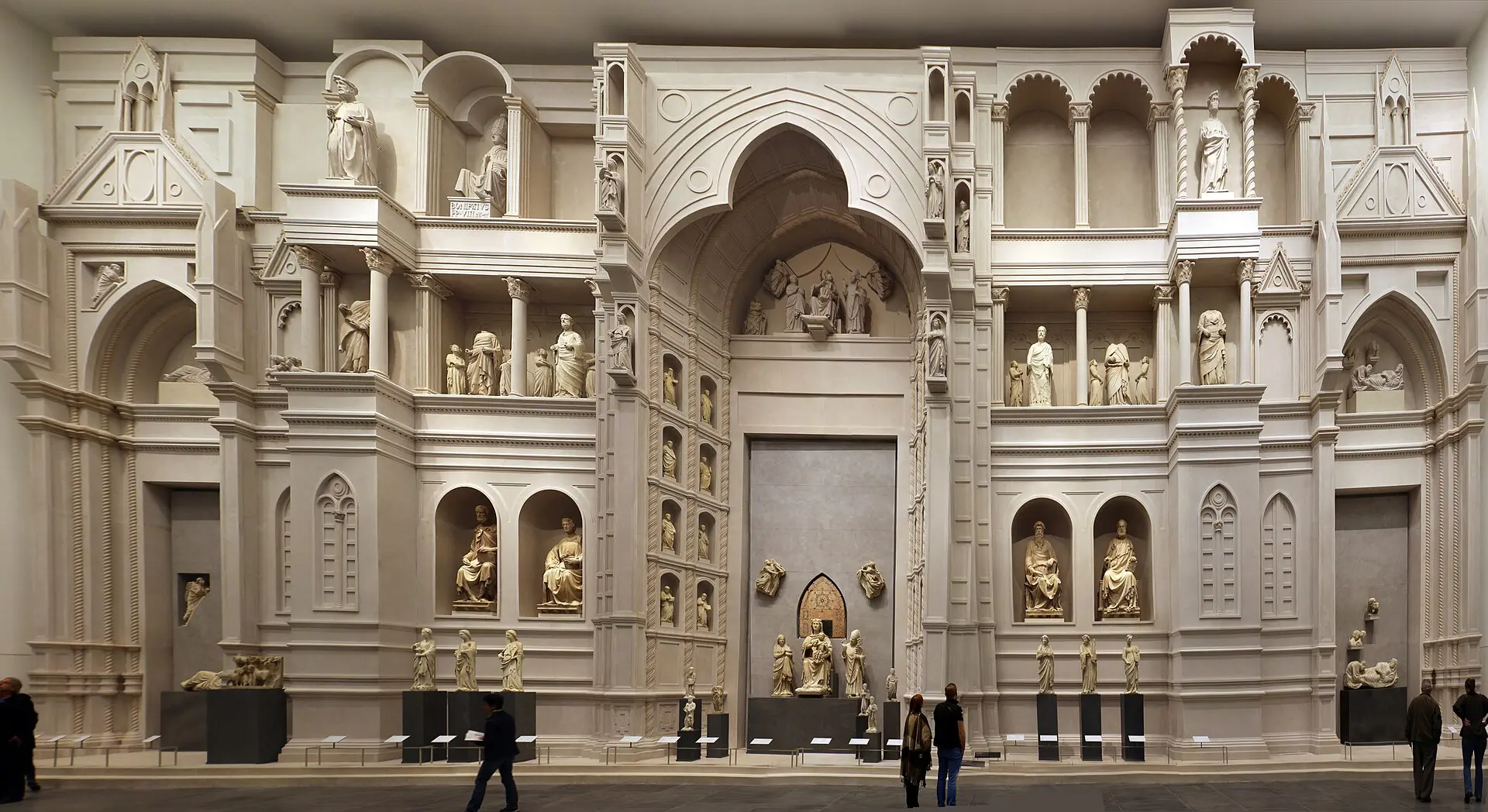
5. Florence: art in one dense block
Fast trains cover the distance in around 1.5 hours, which makes Florence possible as a long day. Book a timed museum slot before you go, and pair it with a market or the riverside, not a second museum. Expect to be tired by the return. If you have three days or more in Italy, it is better kept for an overnight stay than a rushed return.
Opening patterns and crowd timing for Rome day trips
- Mondays: many state museums and archaeological sites in Italy close, so check before choosing a Monday for Ostia, Tivoli or Florence.
- Weekends: trains to Naples and Florence fill up; reserve fast trains in advance.
- Summer: start at opening time, since midday heat at the ruins is severe.
- Lunch breaks: small churches and shops in hill towns may close for a few hours in the early afternoon.
Queue-avoidance rule: the first train out of Rome beats the 10:00 crowd at nearly every site above.
If you only have half a day from Rome
Ostia Antica is the only realistic half-day trip. Leave Rome by 9:00, see the main streets and be back by 14:00. Orvieto can work if you take the first morning train and a late-afternoon return, but it leaves little room. For a wider plan for the city itself, see 3 Days in Rome, and the guide to museums in Rome for what to book before leaving the city.
Getting back to Rome: last-train logic
Regional trains run into the evening, but frequency drops after dinner and on Sundays and public holidays. Set a rule: be on the platform at least 45 minutes before the last train you know about, and carry a fallback, such as a later regional train or a bus. Fast trains can be cancelled or delayed, so do not tie yourself to an evening commitment in Rome. Orvieto and Pompeii have the tightest return windows.
For orientation, see the Rome guide, the Italy travel guide and the Wikivoyage Rome page.
FAQ about day trips from Rome
What is the easiest day trip from Rome?
Ostia Antica. It is about 30 to 40 minutes by local train, needs no transfer in most cases and takes half a day. Tivoli and Orvieto are the next easiest, with a bus or funicular leg included.
Is Pompeii a good day trip from Rome?
It can be done, but it is a long day. Expect more than two hours each way once you add the transfer to the local line. Start early, take water and avoid doing it in midsummer heat.
Is Florence worth a day trip from Rome?
It is possible by fast train, in around 1.5 hours each way. It suits one anchor, such as a single museum, plus a walk. If you want several museums, stay overnight.
Do you need to book a Rome day trip in advance?
You do not need a tour for any of these, since trains are enough. Book fast trains and timed museum entries in advance, especially at weekends and in summer. Regional trains can be bought on the day.