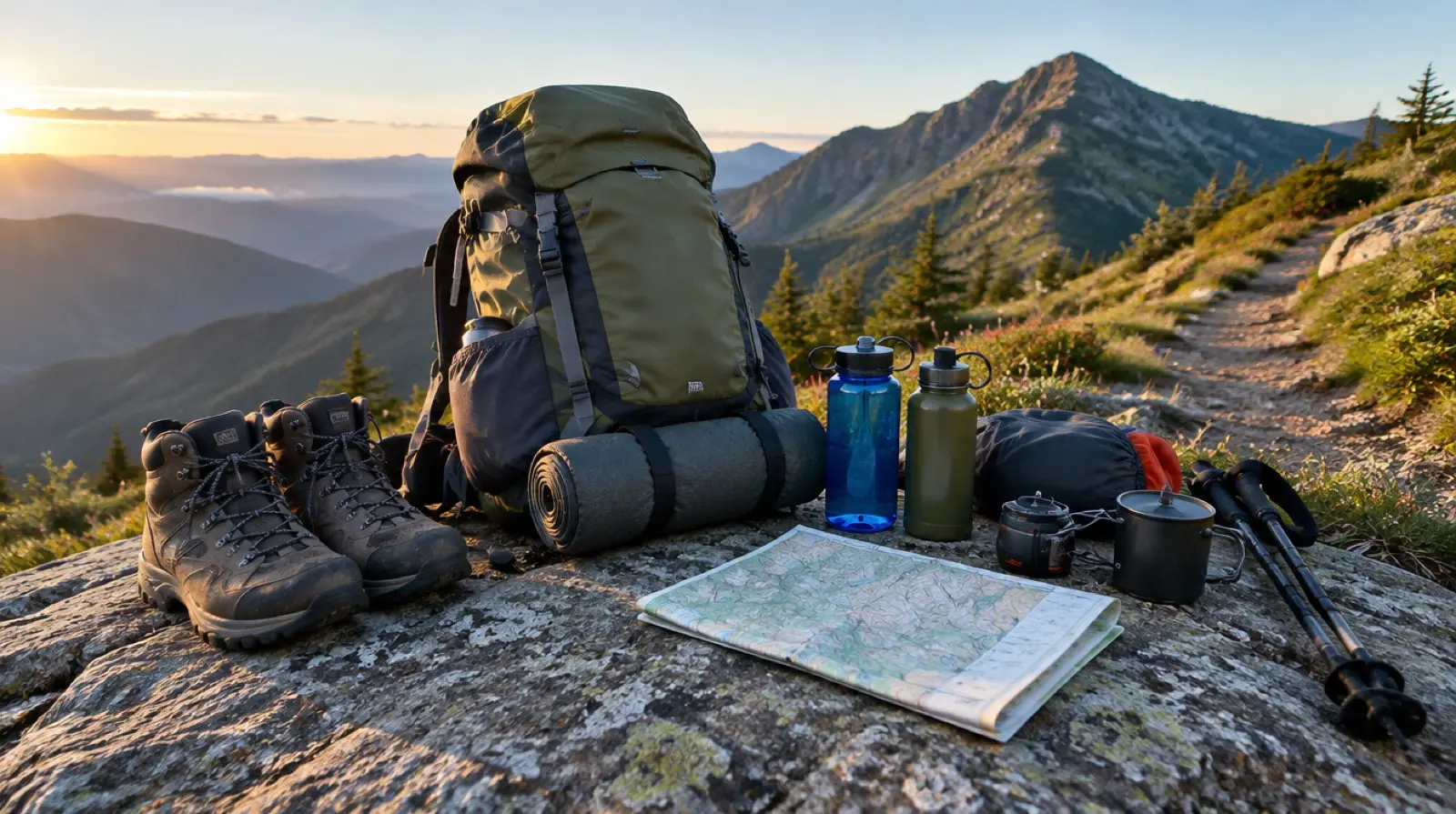
What is trekking? It is a multi-day walk through remote or rough terrain, where you sleep along the route and carry or arrange everything you need: food, water, shelter and a way out. Hiking is usually a day walk that ends where you started, near a road. In practice it is walking, with logistics added. The walking is rarely the hard part. Weather, permits, transport to the start and a fallback when a day goes wrong decide whether a trek works.
How to tell trekking from hiking
There is no official line, and usage differs by country. In the UK and North America, “hiking” often covers everything from a one-hour loop to a week on trail. In Nepal, Peru and Patagonia, “trekking” is the standard word for a multi-day route. Use three tests instead of the label.
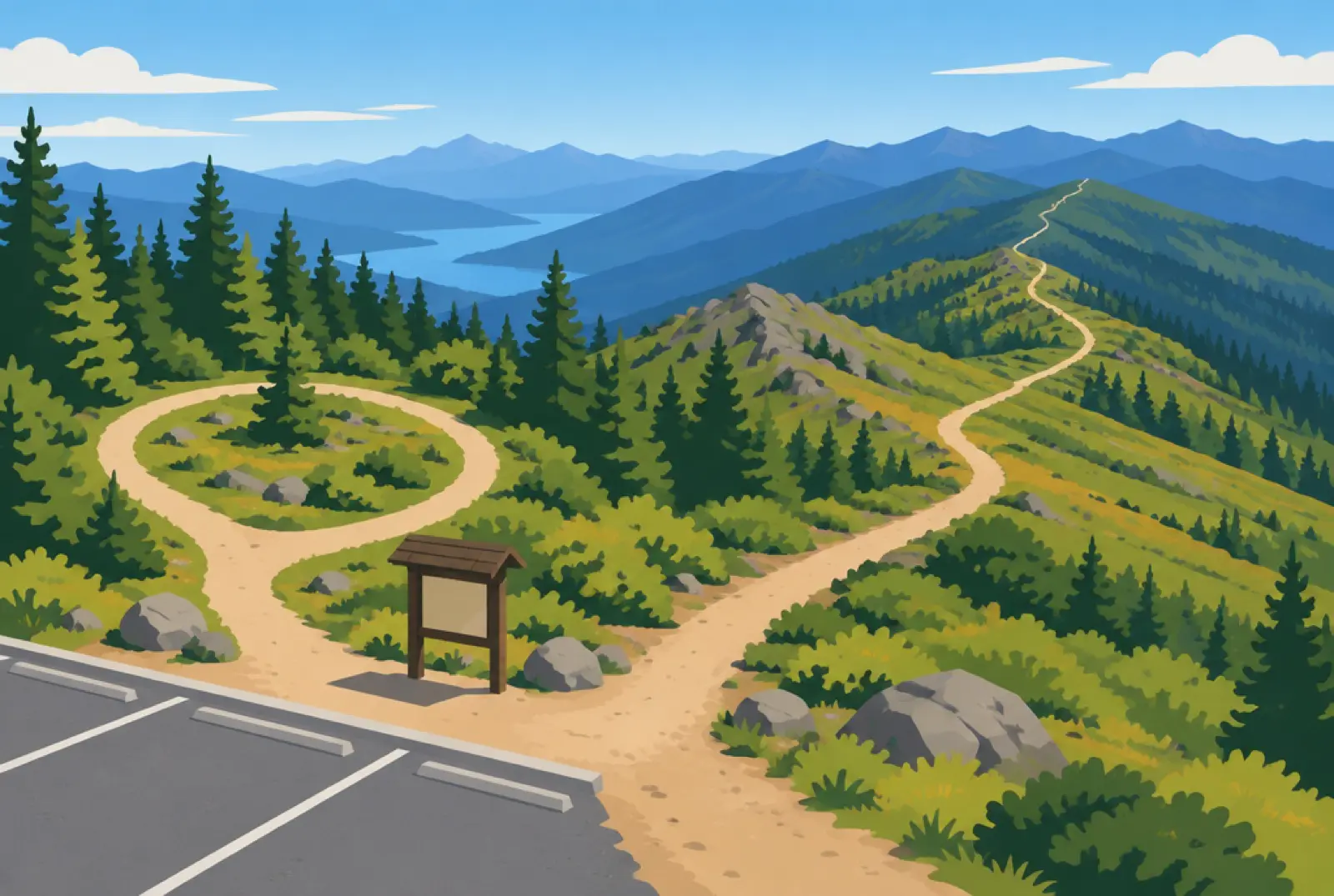
- Nights out: one or more nights away from a town or road-side bed means trek. A hike finishes the same day.
- Distance from help: on a trek, the nearest road or clinic can be one to three days away. That changes what you carry and what you can afford to get wrong.
- Dependence on planning: a trek needs bookings, permits, resupply points and transport at both ends. A hike needs a trailhead and a map.
The word also appears in “gorilla trekking” and “jungle trekking”, where it means a guided walk of a few hours. That is a hike with a permit. This guide uses the multi-day meaning.
What decides whether a trek is realistic
Judge any route on five criteria before you look at photos. Distance and daily ascent set the effort. Altitude sets the medical risk. Season sets whether the route is open and safe. Support sets how much you carry. Exit points set what happens when plans fail. A trek that scores badly on one of these needs a stronger answer on the others.
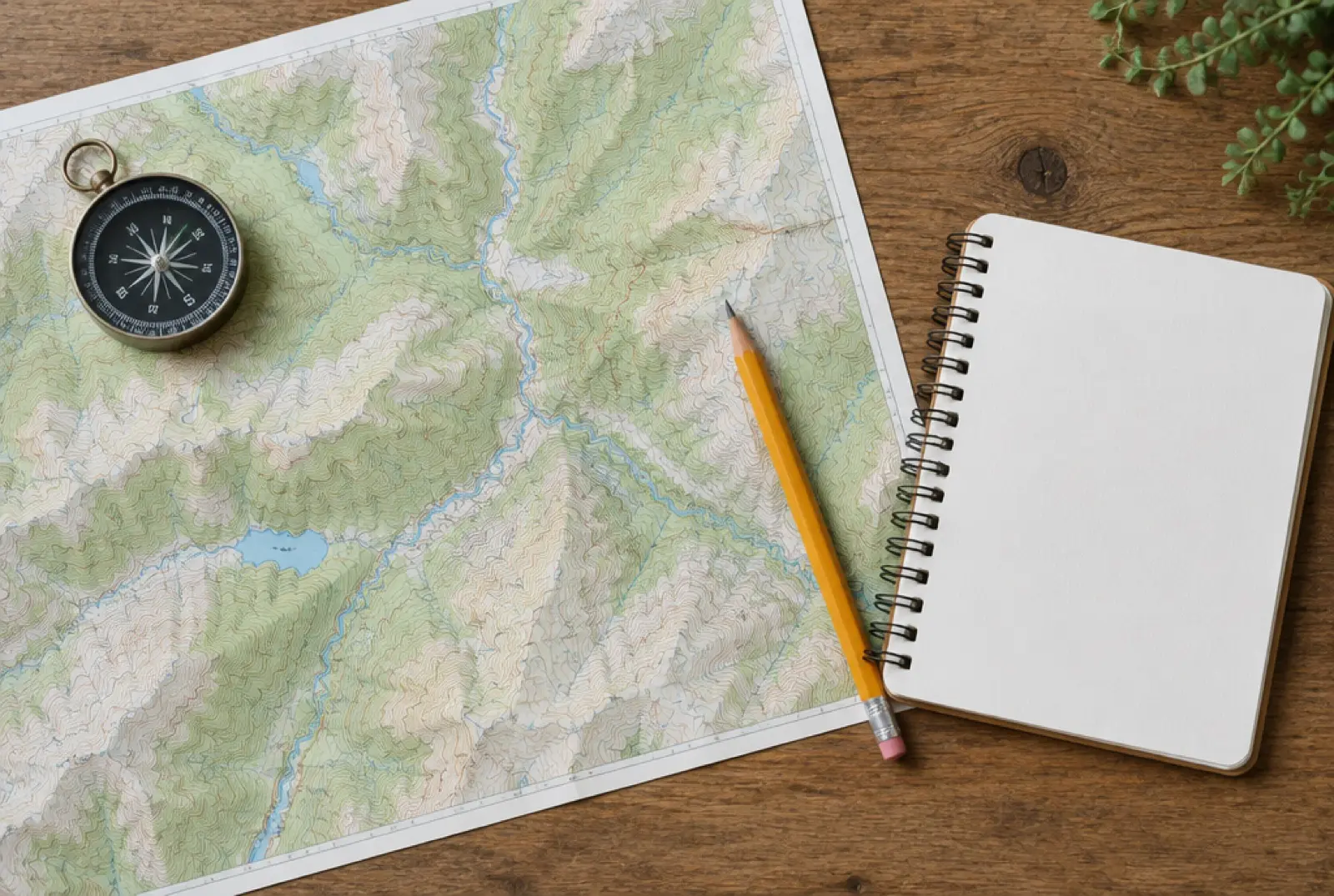
Count in time, not kilometres. A rough rule used by many guidebooks is about 4 km an hour on flat ground, plus an hour for every 300 to 400 m of climb, plus rests. Steep ground with a pack is slower. Treat the figures as a starting point and check them against the route description. Then add 20 to 30 per cent if you carry a full pack, hike in heat or cross loose scree, snow or mud.
Trek styles compared
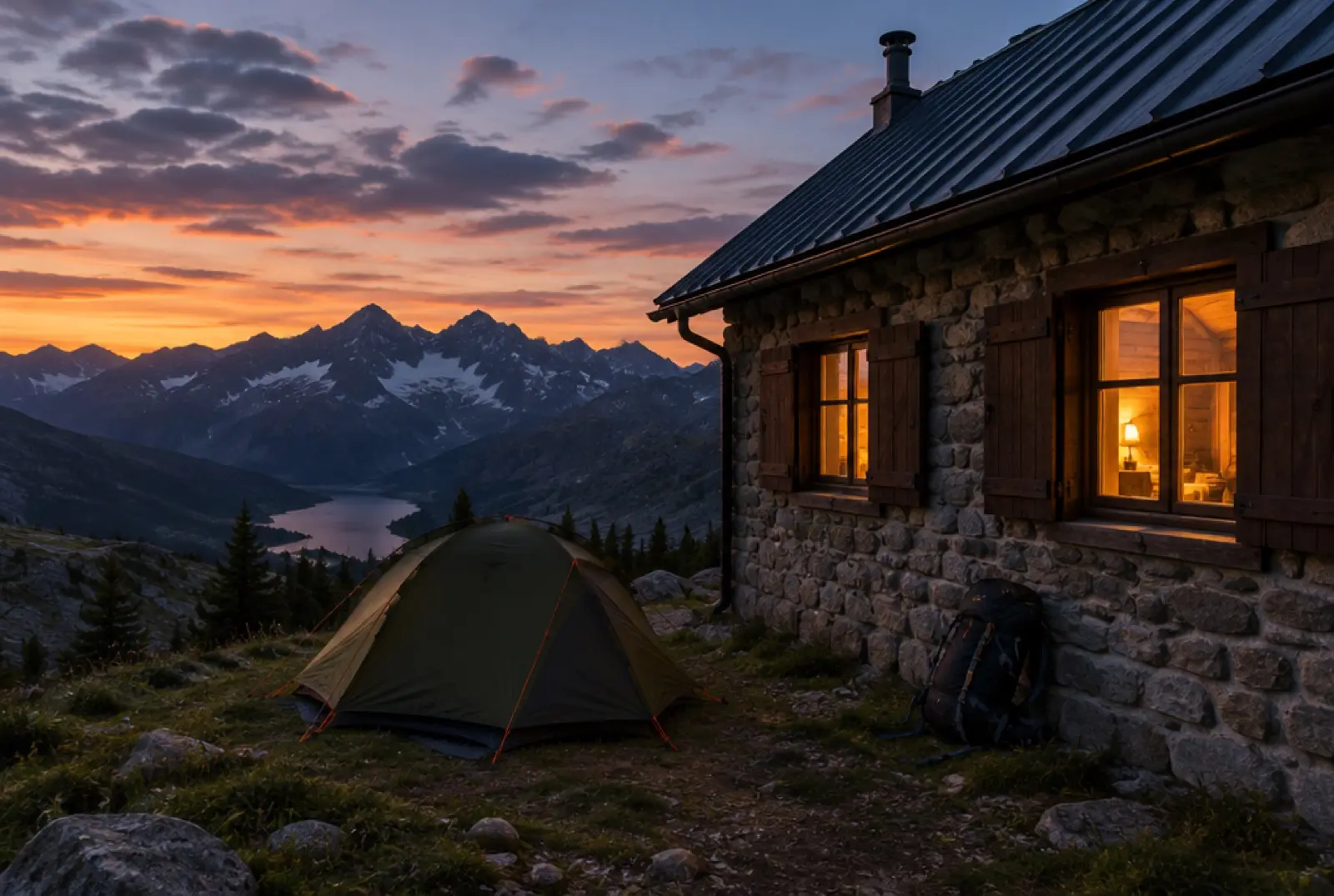
The same trail can be walked in several ways. The style changes the weight on your back, the cost and the failure modes. Figures are typical ranges, not promises; routes vary.
| Style | Typical day | What you carry | Main risk | Fallback |
|---|---|---|---|---|
| Hut-to-hut or teahouse | 5 to 8 hours, 10 to 18 km | Day pack plus sleeping layer, about 6 to 10 kg | Full huts in peak season | Carry a bivvy bag or tent; know the nearest valley exit |
| Guided and porter-supported | 4 to 7 hours | Day pack, about 4 to 7 kg | Pace set by the group, operator quality | Ask what the operator does if a pass is blocked |
| Self-supported camping | 4 to 8 hours, 10 to 20 km | Everything, about 12 to 20 kg | Water gaps, weather exposure | Shorter stages and a rest day built in |
| Wild or off-trail | Highly variable | Everything plus navigation gear | Navigation errors, no resupply | Do not start without a recent track and an agreed turnaround time |
Seven things to plan for any trek
This is what trekking asks of you beyond fitness. Work through each item before you book.
1. Distance and daily ascent
Most trekkers manage 12 to 20 km a day on moderate ground, less with a heavy pack or steep climbs. Read the daily ascent, not just the total distance. A 10 km day with 1,000 m of climb is harder than a 20 km day on the flat. Build the plan from your slowest day, not your best one.
2. Altitude
Above about 2,500 m, plan the profile. Common guidance from altitude medicine is to keep the gain in sleeping height to roughly 300 to 500 m a day above 3,000 m, with a rest day every three to four days. Headache, nausea and poor sleep are warning signs. The only reliable treatment is going down. Fit people are not exempt.
3. Water
Plan about 0.5 L an hour of effort in mild weather and more in heat. Know where each day’s water is before you set out, then carry enough to bridge the gaps. Treat stream water by filter, chemical tablets or boiling unless a local source says otherwise. Dry stretches on desert and ridge routes are where treks go wrong first.
A bladder or two bottles holding 2 to 3 L in total covers most days, and a 4 to 6 L carry is common on the driest stages. If a source is dry, the fallback is to turn back to the last reliable one, not to push on.
4. Food and resupply
A working day on trail commonly needs 2,500 to 4,000 kcal, depending on pack weight and terrain. Dense, simple food travels best: oats, nuts, cheese, dried fruit and noodles. On supported routes, food is part of the price; ask what is included. On self-supported routes, count days between resupply and add one spare day of food.
5. Season and weather
Trek seasons are narrow. Monsoon rain, snow on passes, wind and short daylight can close a route or make it unsafe. Check the official park or trail authority for the dates you plan, not a general “best month”. Cold matters too: temperatures drop roughly 6 degrees Celsius for every 1,000 m of climb, so a mild valley can mean frost at the pass. Cloud and wind matter as much as rain, because they hide the route and cut visibility on exposed ground.
6. Permits and bookings
Many treks need a permit, a fee or a bed reservation, sometimes weeks or months in advance. Rules and prices change, so use the official source for the specific route, and do not rely on a forum post. Some routes require a registered guide. Book the beds and the permit before you book flights where the system is quota-based.
7. Transport to the start and exits
The first and last day often decide the whole trek. Trailheads can sit hours from the nearest town on a road that closes in rain. Note the first bus or shared taxi, the last one, and what a private transfer costs as a backup. Know every point where you can leave the route early before you leave town. If a road is shut, the fallback is a day lost to a longer transfer or a rescheduled start, so keep the first and last day free.
Common mistakes and edge cases
People who search for what is trekking usually want the gentle answer. These are the errors that follow from it.
- Using day-hike fitness as the test. Five days at 15 km with a pack is a different load from a 20 km day with a small bag. Train with a loaded pack on hills for a few weeks first.
- Zero slack. A schedule with no spare day turns a delayed bus or a closed pass into a failed trip. Add at least one buffer day at each end.
- New boots on day one. Blisters end more treks than weather does. Wear footwear in before you leave.
- Treating guided as risk-free. A guide reduces navigation risk. It does not remove altitude, weather or river risk. Ask how the operator handles illness and turnarounds.
- Assuming phone coverage. Download maps and tracks offline, and carry a paper backup on remote routes. Consider a satellite messenger where there is no signal for days.
What to verify before you rely on a trek plan
- The route is open for your dates, according to the park, trail or local authority.
- Permits and beds are confirmed in writing, with the cancellation terms.
- Your insurance covers trekking at the highest altitude and, if relevant, evacuation costs.
- Someone at home has your route, start date and the date when they should raise the alarm.
- You know the exit options for each stage and the emergency number for that country.
Skip trekking if
Be honest about what trekking demands.
Skip a multi-day trek if you cannot take a spare day, if you cannot sleep cold or dirty for several nights, or if an altitude route is your first experience of walking uphill with a pack. A good alternative is a series of day hikes from one base, where you can bail out each evening. I would pick that over a trek you are not ready for.
Where to go next
Once you know what is trekking and what it is not, pick a route and read its specific guide. For a worked example of a classic trek with altitude, costs and a bad-weather plan, read the Salkantay trek guide. If you are weighing a short guided walk rather than a multi-day route, see gorilla trekking: permits, access roads and what can go wrong. For day routes where heat and shuttles matter, see best hikes in Zion, and for a mountain park where road closures shape the plan, Jasper National Park access.
FAQ about trekking
What is trekking in simple terms?
Trekking is walking for several days through remote or rough terrain, sleeping in huts, tents or villages along the way. You are further from roads and help than on a day hike, so you plan food, water, permits, transport and exit points ahead of time.
What is the difference between trekking and hiking?
Hiking is normally a day walk on marked trails that ends back at the start. Trekking runs over several days and nights, covers more remote ground and needs more logistics. Some places use the words interchangeably, so judge a route by its nights out and distance from help.
Is trekking harder than hiking?
Usually, yes, because the effort repeats day after day, often with a heavier pack and at altitude. The individual walking days can be easy. Fatigue, weather, sleep and water make the trip harder than any single day suggests. Training with a loaded pack helps.
Do you need experience to go trekking?
Not for every route. Hut-based or guided treks on well-marked trails suit people who can walk 5 to 7 hours a day for several days. Self-supported, off-trail or high-altitude trips need navigation skills, first aid and a tested kit. Start with a short supported route and build up.
How long is a typical trek?
Most popular treks last between two and ten days, though some run longer. Many routes can be shortened or extended using side valleys or exits. Check the stage lengths and where you can leave the route, so you can cut the plan if weather or health demands it.


