The Japan digital nomad visa is a Designated Activities status launched in 2024 that lets eligible remote workers live in Japan for up to six months, as long as they work for foreign clients or employers and meet an income test. As we understand it, it is not renewable and does not come with a residence card. Terms can change, so verify everything below with Japan’s Ministry of Foreign Affairs or your nearest embassy.
Japan digital nomad visa: routes and stay length
Most of us ask two questions: can I stay long enough, and can I actually work. Here is the picture as we understand it as of 2026, hedged.
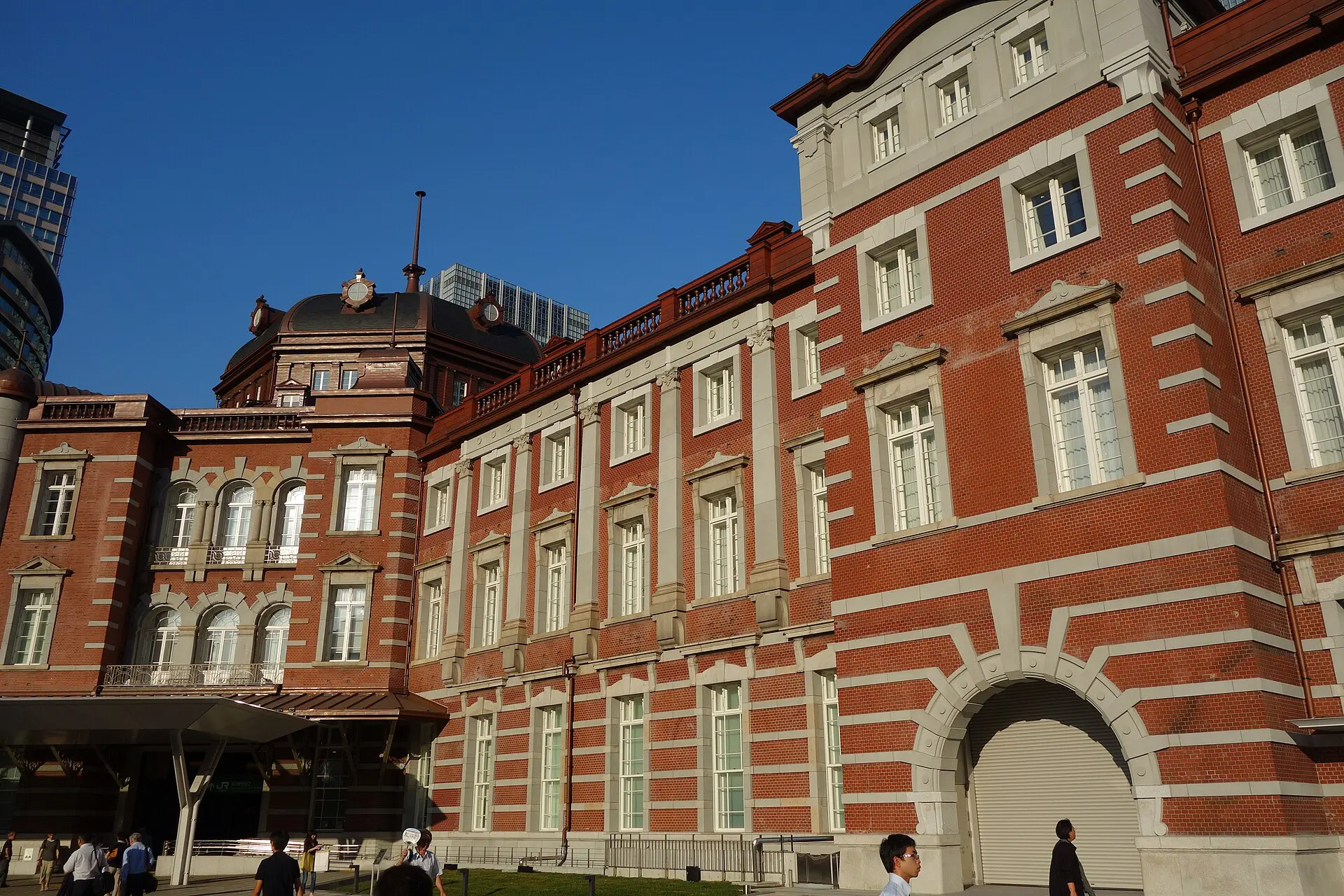
- Stay length: up to six months on the nomad status, reported as not extendable. A new application may be possible after a gap outside Japan, but check the current rule.
- Income test: an annual income threshold reported at around 10 million yen, roughly the equivalent of US$65,000 to US$70,000, depending on the exchange rate. Proof is required.
- Insurance: private health insurance that covers the stay is typically required.
- Who qualifies: citizens of a list of countries with tax treaties or similar agreements, which includes many western countries. Check whether your passport is on the list.
- Work rules: you may work remotely for an employer or clients outside Japan. Local employment is not allowed.
Visa-free short visits are a separate matter. Many passports can visit Japan for up to 90 days without a visa, but tourist status is for tourism, and remote work on it is a grey area. For a stay of a month or more, we would use the nomad route, or ask the embassy in writing. Our Japan travel guide has the practical entry basics.
A residence card is not issued on this status, which affects banking and long phone contracts, as covered in the admin section. Tax residency has its own rules, so ask an adviser how six months in Japan interacts with your home country’s tax system.
One-month budget band for Japan
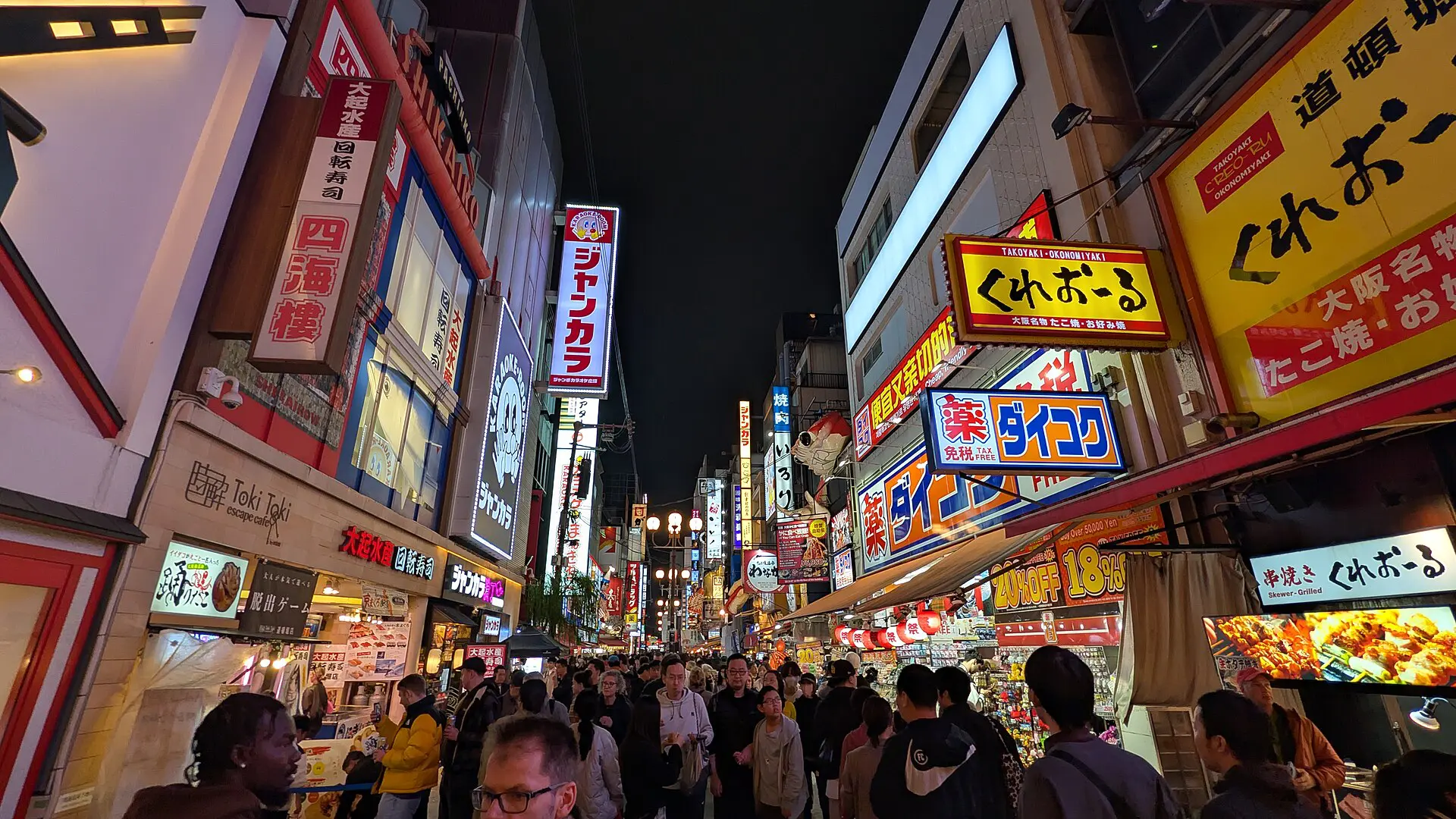
Japan costs less than its reputation for most daily needs, and more than expected for housing deposits. The table gives broad daily ranges for a single remote worker, plus a 10-day total for a short trial. Figures are in US dollars and move with the yen.
| Budget level | Daily range (US$) | 10-day total (US$) | What it covers |
|---|---|---|---|
| Lean | 60 to 100 | 600 to 1,000 | Business hotel, capsule or hostel, noodle shops and convenience stores, local trains |
| Comfortable | 120 to 200 | 1,200 to 2,000 | Furnished apartment or mid-range hotel, mixed eating out, cafe workdays |
| Generous | 250 and up | 2,500 and up | Central apartment or large hotel room, restaurants, bullet trains, coworking |
For a working month, we would plan on roughly US$1,800 to US$3,500 in Tokyo and US$1,400 to US$2,500 in cities such as Fukuoka or Kanazawa, hedged and as of 2026. See our cost of living in Japan for a remote worker for a fuller breakdown, and our Japan trip cost guide for shorter visits. Convert at the day’s rate.
Where to base yourself in Japan
Pick by work style. Time zone matters: Japan is far ahead of North America, so US calls often land in your evening. All of these are hedged and unverified for any single building.
1. Fukuoka
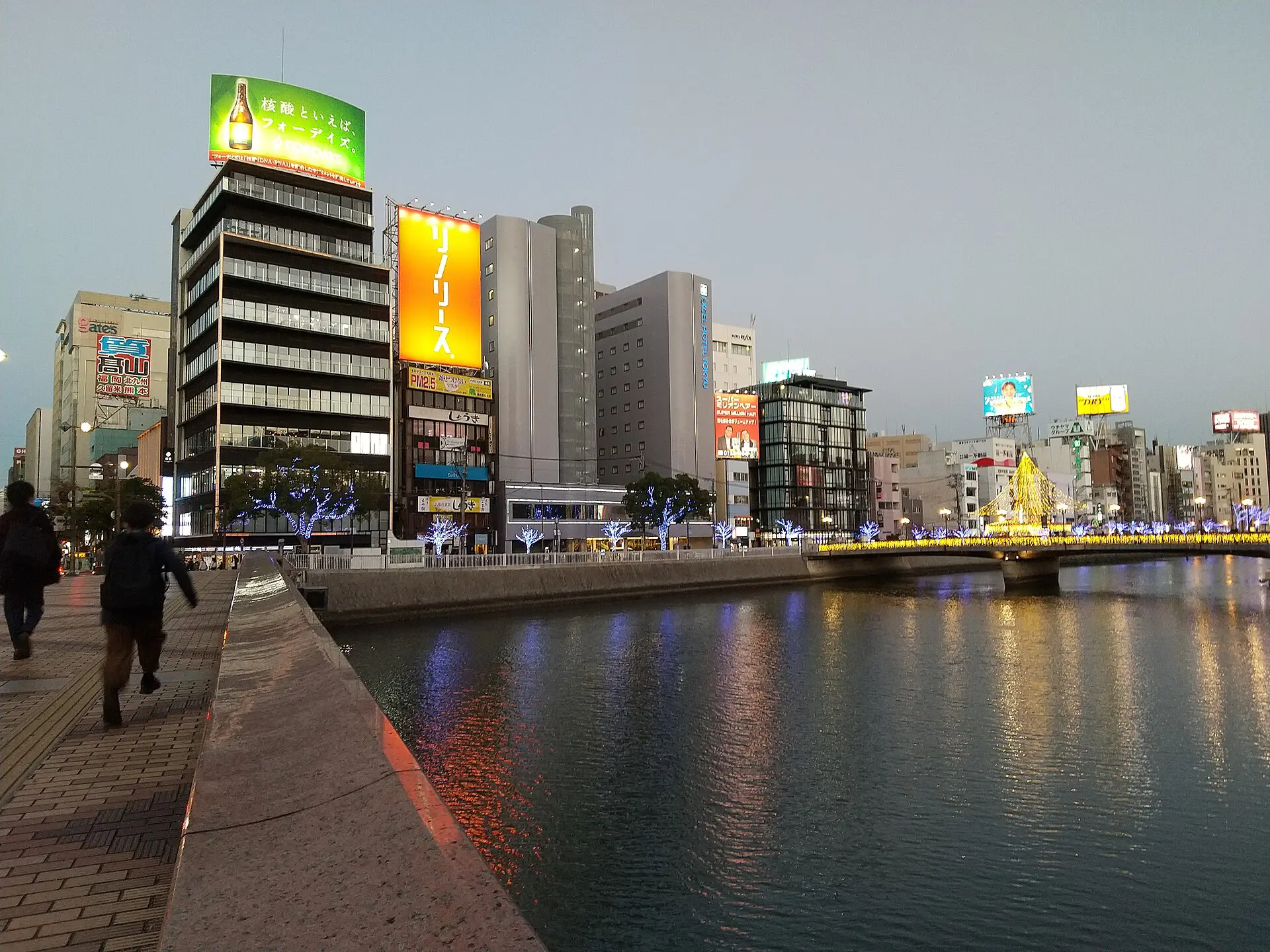
The most-cited base for remote workers. A compact city with an airport close to the centre, a lower rent than Tokyo, a strong food scene and cheap flights around Asia. Good for people who want city comfort without a Tokyo budget. See also the sea routes to Busan if you want a regional hop.
2. Tokyo
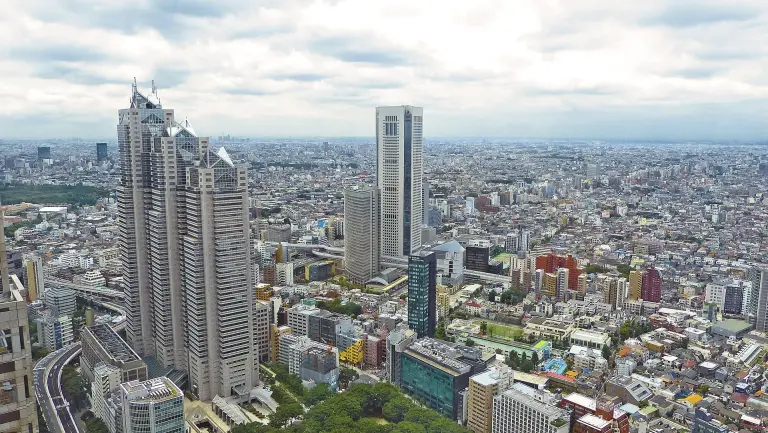
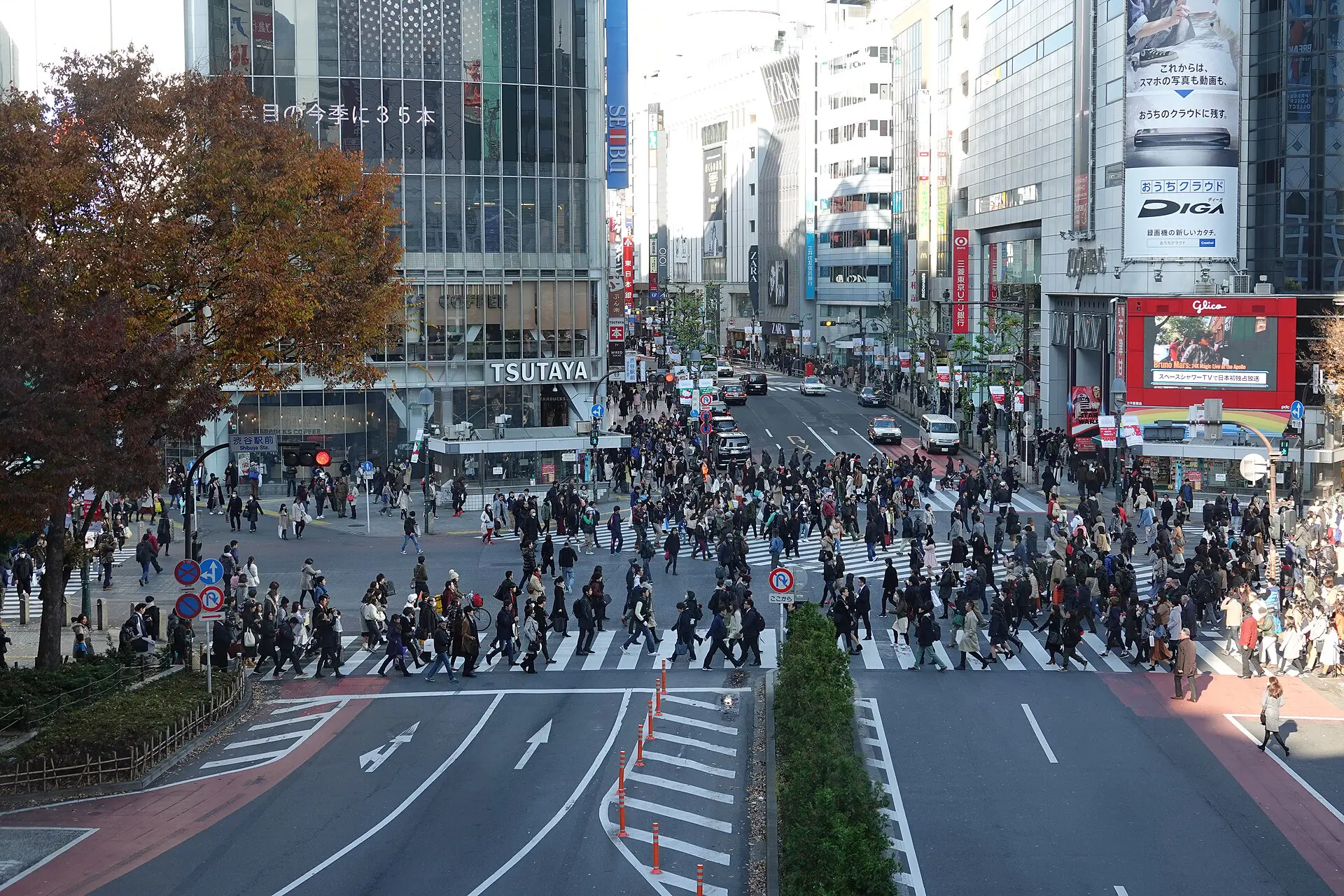
The widest choice of coworking, fast fibre and the best transport, with the highest rent. Choose a neighbourhood near a rail line, and expect small apartments. Best for call-heavy days and people who want everything within reach.
3. Osaka
Cheaper than Tokyo, with a loud, food-focused personality and good rail to Kyoto and Kobe. Good for people who work in short bursts and want a lively evening nearby.
4. Kyoto
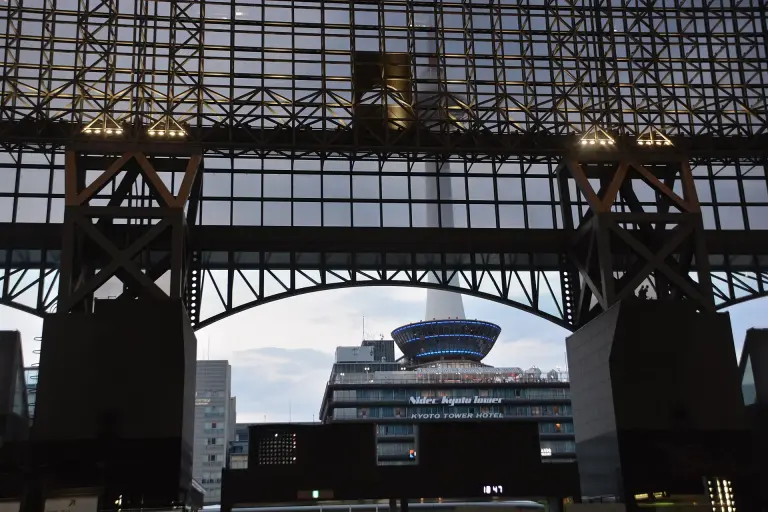
Calm, beautiful and more expensive than its size suggests, with short-let rules that have tightened. It suits quiet focus days, though the busy tourist seasons bring crowds and higher prices.
5. Kanazawa
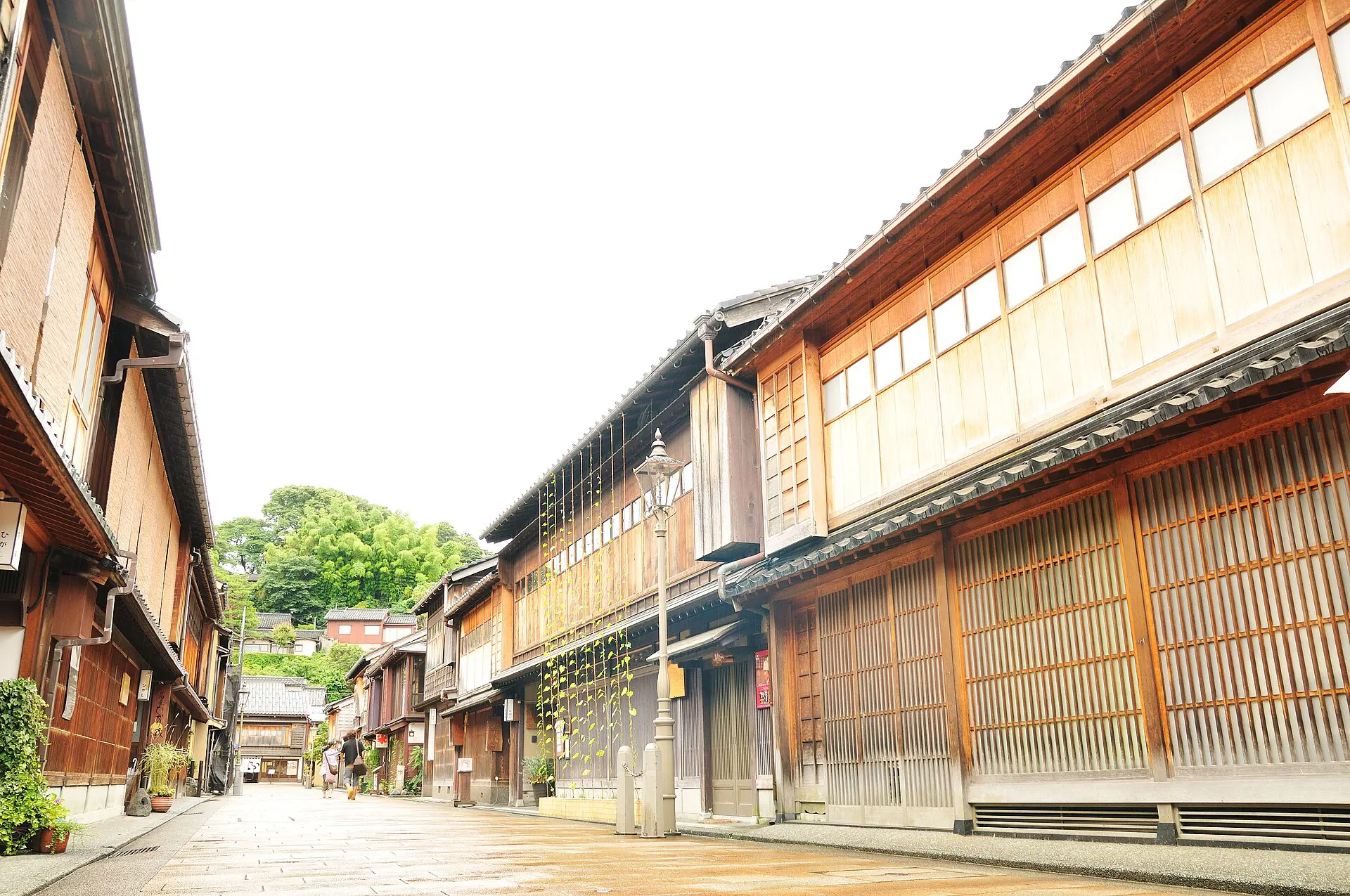
A quieter city on the Sea of Japan coast, with a preserved old quarter, and strong value. Winters are snowy and grey, so choose it for spring or autumn. It suits deep-focus work.
6. Sapporo
Cool summers and a long winter. A good option to escape Honshu’s humid summer, and rents are moderate. Plan for snow and heating costs if you stay in winter.
7. Naha, Okinawa
Warm, slower and beach-adjacent, with a smaller expat scene and a typhoon season. It suits people who want a quiet routine, but verify the internet and plan on a bit more for flights back to the mainland.
Work-friendly setups in Japan by type
We cannot vouch for any single place, so test each one yourself. Coworking spaces in Tokyo, Osaka and Fukuoka commonly sell day passes and monthly desks, and prices vary. Many Japanese cafes are small and may discourage long laptop sessions, so check the signs and order regularly. Public libraries and some hotel lobbies are quieter. Business hotels with a desk are underrated for a first week.
Power is 100 volts, with plugs that fit most devices, but check your chargers. Fibre is common in apartments, but quality varies by building, so ask for a speed test before you pay a deposit.
Month-to-month cost volatility in Japan
Three things swing your bill. The yen exchange rate moves the dollar value of everything, so watch it before you pay a big deposit. Season swings prices: cherry blossom weeks in spring, Golden Week in late April to early May, and autumn colour all raise rents and hotel rates. Short furnished apartments cost more per month than standard leases, and key money or cleaning fees can add to the first month.
For value, we would aim for late autumn, early winter or the quieter weeks outside the spring peak. Summer is hot and humid across most of Honshu, and typhoons arrive from late summer into autumn, so keep plans flexible.
Admin friction in Japan: banking, SIM and taxes
This is where Japan feels hard. All of the following are hedged; verify before you go.
- Banking: opening a bank account usually requires a residence card, which this status does not provide. Plan to use a foreign card and cash, and check which cards the ATMs accept.
- SIM: tourist SIMs and eSIMs are easy to buy. Longer contracts often need a residence card.
- Housing: some landlords require a residence card, a guarantor or a local phone number. Furnished short-term apartments and serviced residences are easier.
- Taxes: your home country’s rules apply, and Japan has its own residence tests. Ask a tax adviser.
- Cash: cards are widely accepted, but small shops and some restaurants still prefer cash.
Eating is the easy part. For market and street-food options, see our guide to Japanese street food, price bands and manners.
Routine and recovery in Japan
A six-month stay is long enough to build a routine. We would plan a quiet first week: settle in, check the connection, find a supermarket and a laundry, and test two workspaces. After that, tie your week to the trains: work in the morning, a short walk or a bath in the afternoon, and use weekends for a day trip. Shikoku and the Sea of Japan coast are quieter alternatives to the Tokyo to Kyoto circuit.
Recovery matters as much as routine. Japanese cities are busy and quiet at once, and a public bath, a park or a long lunch is cheap and resets a day. If you plan to use the Japan digital nomad visa for the full six months, we would schedule a lighter week every month, and leave room in the budget for one or two regional trips. Burnout is a bigger risk than boredom.
Run a one-week test before you commit to a longer stay:
- Speed test the apartment during your working hours and run a video call.
- Check that your client calls fit the time difference without wrecking your sleep.
- Walk to a supermarket, a station and a cafe, and see if your day works on foot.
- Check noise at night and in the morning.
- Track a week of spending and multiply by four.
For background on the country, see Wikipedia.
FAQ about the Japan digital nomad visa
Does Japan have a digital nomad visa?
Yes. Japan introduced a digital nomad status in 2024 that allows up to six months for eligible remote workers with foreign income and private health insurance. Details, including the income threshold and list of eligible countries, can change, so check the official source.
How much income do you need for the Japan digital nomad visa?
The threshold has been reported at around 10 million yen a year, which is a bit under US$70,000 at recent rates. The dollar figure moves with the exchange rate, so convert on the day and confirm the requirement with the official source.
Can I extend the Japan digital nomad visa?
As we understand it, the status is not renewable and does not allow a simple extension. Some people can reapply after leaving Japan for a period. Do not plan on this until you have read the current guidance or asked the embassy.
Can I work remotely on a tourist visa in Japan?
Tourist status is for sightseeing, and remote work on it sits in a grey area that officials may interpret strictly. For a stay of more than a short trip, use the nomad route or ask the embassy in writing before you travel.
Which city is best for digital nomads in Japan?
Fukuoka is the common pick for value and ease, Tokyo for infrastructure and Kanazawa for a quiet routine. The best city depends on your budget and how many calls you take, so use the base list above and run the one-week test.