The cost of living in Japan for a single remote worker is roughly US$1,800 to US$3,500 a month in Tokyo and often US$1,400 to US$2,500 in cities such as Fukuoka or Kanazawa, once rent, food, transport, phone and a workspace are counted. These are hedged ranges as of 2026 and move with the yen exchange rate, so check current listings and rates before you plan.
Cost of living in Japan: the one-month budget band
Most of us expect Japan to be expensive, then find that daily life is cheaper than the headlines. Convenience-store meals, cheap noodle counters and rail passes keep everyday costs modest. Rent and the up-front costs of a lease are where the money goes. The table shows broad daily ranges and what a 10-day stay might add up to, then a monthly view follows.
| Budget level | Daily range (US$) | 10-day total (US$) | What it covers |
|---|---|---|---|
| Lean | 60 to 100 | 600 to 1,000 | Hostel, capsule or basic business hotel, noodle shops and convenience stores, local trains |
| Comfortable | 120 to 200 | 1,200 to 2,000 | Private apartment or mid-range hotel, mixed eating out, one regional trip, cafe workdays |
| Generous | 250 and up | 2,500 and up | Central hotel or large apartment, restaurant dinners, bullet trains, coworking |
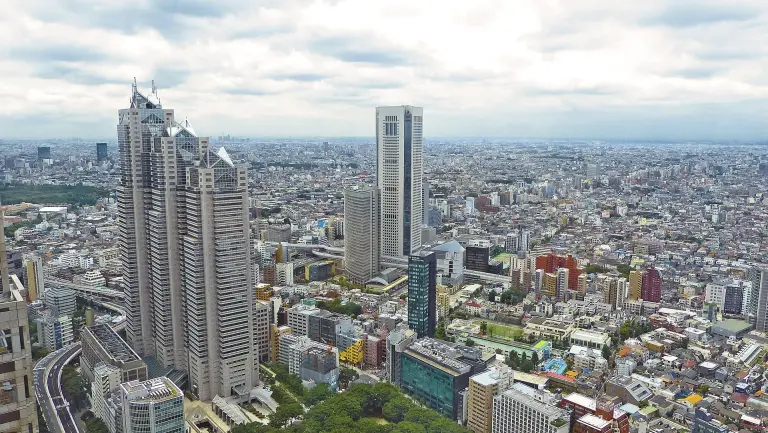
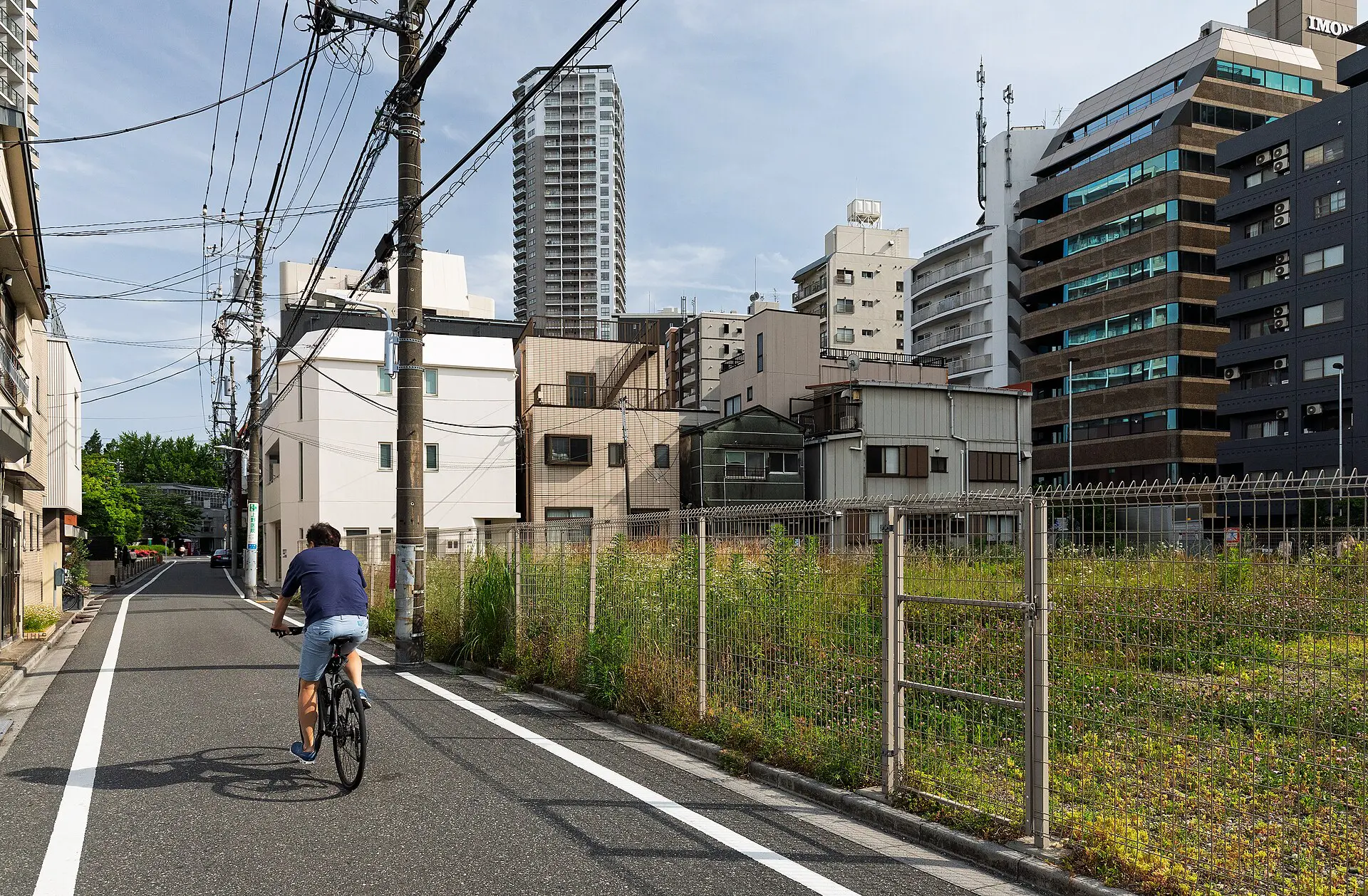
For a working month, a rough band for one person is around US$1,800 to US$3,500 in Tokyo, and often around US$1,400 to US$2,500 in smaller regional cities. Rent is the big swing. A small one-room apartment can run from about ¥70,000 to ¥150,000 a month depending on the city, ward and building age, and Tokyo’s central wards go higher. Convert at the day’s rate and treat these as starting points only.
A typical comfortable month for one person in a regional city might break down like this, as a rough guide: rent and utilities around a third to a half of the total, groceries and eating out another third, local transport and a phone plan a small slice, and the rest going to a workspace, laundry, entertainment and the occasional train trip. In Tokyo, the rent share grows. The split matters more than the total, because you can adjust each piece.
Where paying more pays off in Japan
1. A furnished apartment with a short contract
Ordinary Japanese leases come with deposits, key money, agency fees and sometimes a guarantor company, and a first month can cost several times the monthly rent. Furnished monthly apartments and serviced studios cost more per month but skip most of that. For a stay of three months or less, we would pay the premium and keep the cash flexible. Ask what is included, including utilities and internet.
2. A quiet desk and a good chair
Small apartments often mean working from a bed or a low table. A coworking membership or a monthly desk in a shared office is a real cost, but it gives you a proper chair, meeting rooms and decent connectivity. We cannot vouch for a specific space, so try a day pass first and check the Wi-Fi and noise yourself.
3. The bullet train when time matters
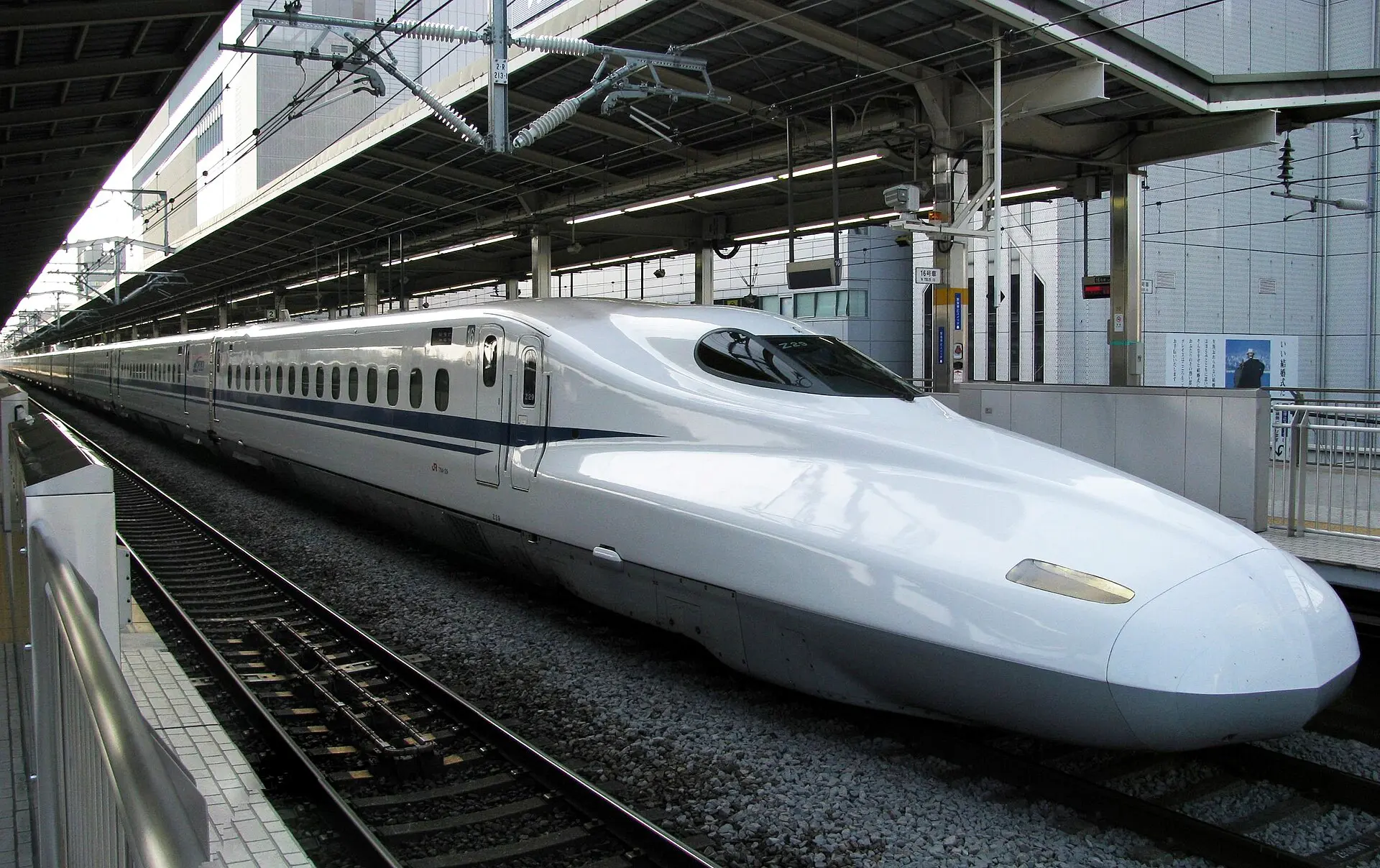
Shinkansen tickets are not cheap, and rail-pass prices rose sharply in recent years, so a nationwide pass rarely pays off for a stay based in one city. On a long trip, paying for a reserved seat and a straight run can save a day of lost work. Compare single tickets with a regional pass before you buy.
Where to save on the cost of living in Japan
4. Eat at local counters and convenience stores
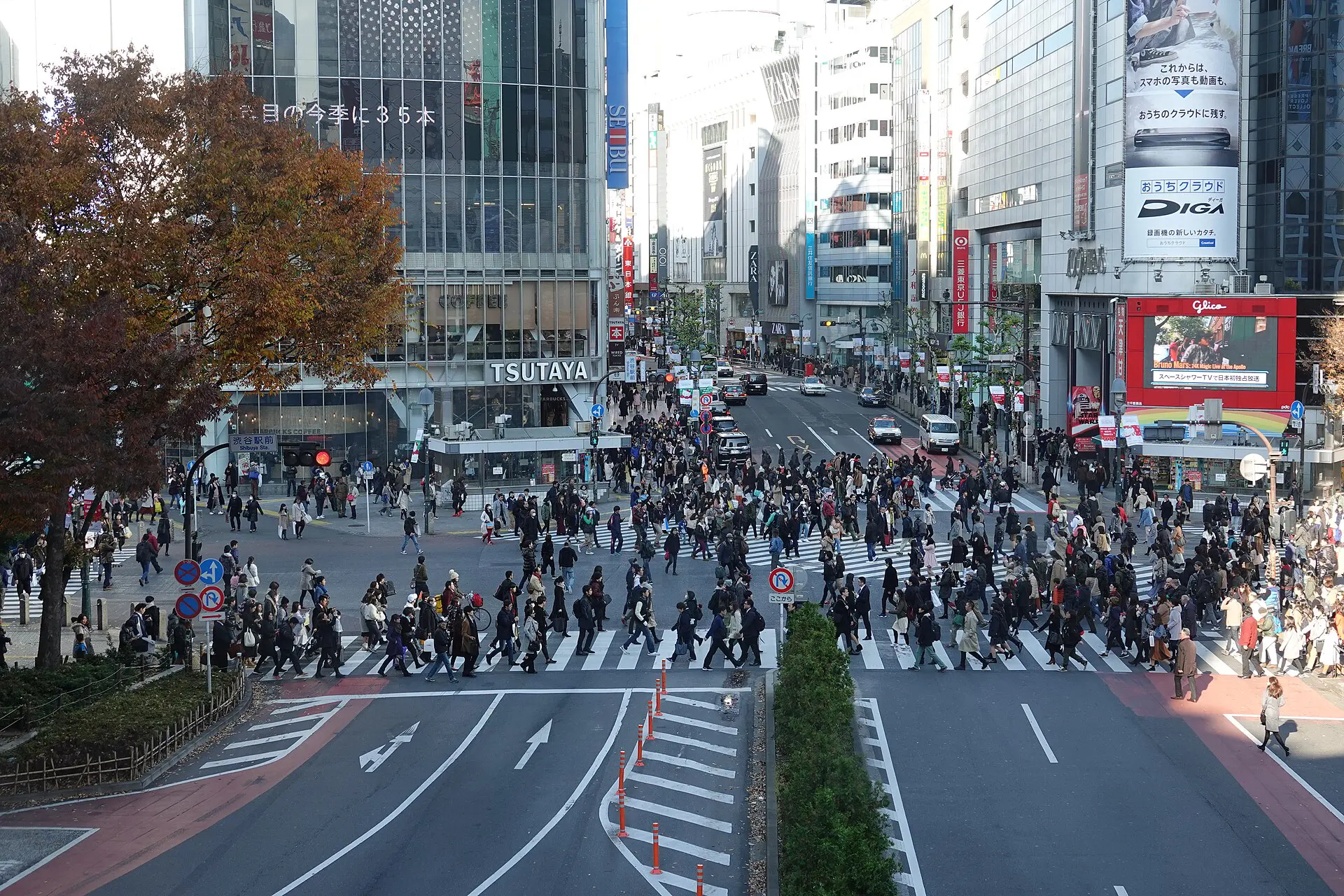
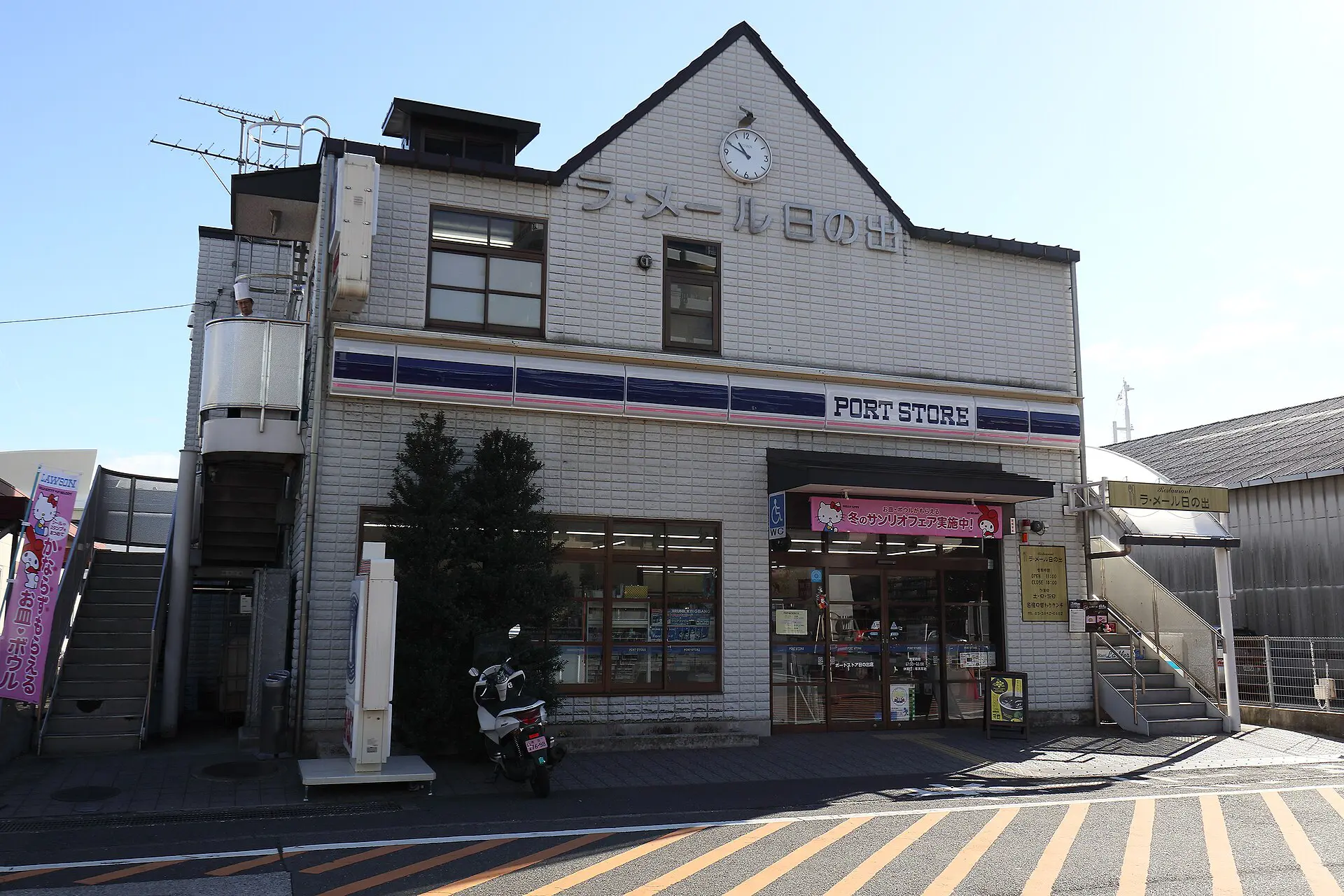
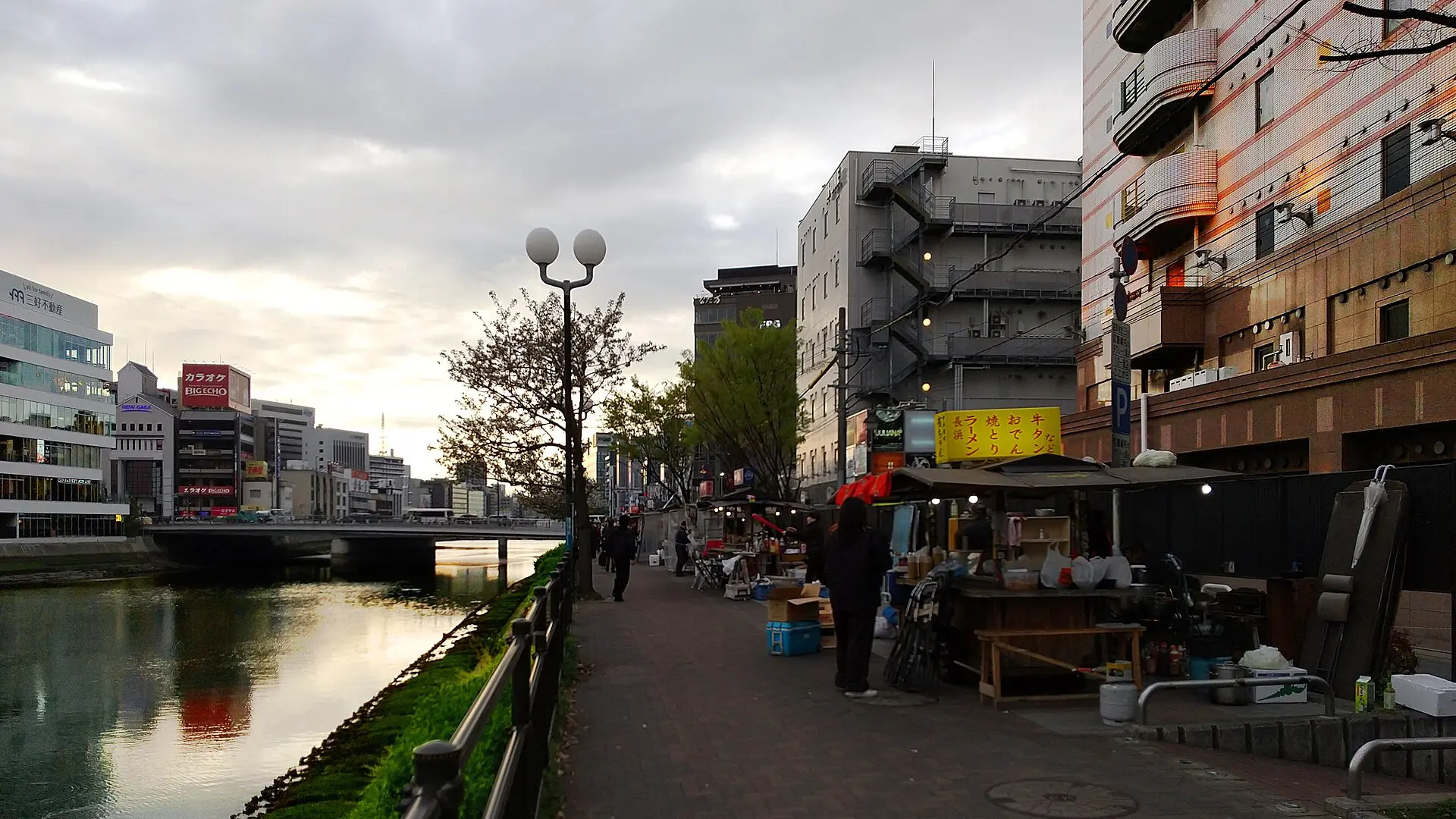
Set meals at casual restaurants, noodle shops and conbini are the single biggest saver. Lunch sets are often noticeably cheaper than dinner. Our guide to Japanese street food covers price bands by market and dish. Many places take cash only, so keep some yen on you. Supermarkets discount prepared food in the evening, which makes a cheap second meal, and a lunch set is often the best value on the menu.
5. Live outside the central wards
Tokyo’s rail network makes it practical to live twenty or thirty minutes from the middle and pay noticeably less. Pick a station on a direct line to where you work or meet people. Look at the commute time door to door, not the rent alone. Older buildings a little further from the station can be much cheaper, though they may lack good insulation, so ask about heating and the internet line before you sign.
6. Choose a second-tier city
Fukuoka is a common nomad pick for lower rents and an easy airport, and it connects by ferry to Busan in South Korea if you want a regional hop. Kanazawa, on the Sea of Japan coast, is a compact and calmer choice, while Shikoku suits people who want an island pace. Their connectivity and coworking choices are thinner than Tokyo’s, so verify before you commit.
7. Skip the big passes and pay-per-ride habits
An IC card such as Suica or Pasmo handles local trains and many shops, and it costs nothing in itself beyond a refundable deposit or a balance. Walking and cycling cut the rest. Japan is also flat and compact enough in many cities that a second-hand bicycle can replace a lot of paid rides. Monthly commuter passes may exist if you live on one line, so ask the operator.
Transport and booking windows in Japan
Japan runs on advance planning in busy weeks. Golden Week at the start of May, the Obon holidays in mid-August and the New Year break push prices up and fill trains and rooms, so book early or avoid them for a long stay. If your work has deadlines, build slack around those weeks, because even a simple train ride can need a reservation. Booking a monthly apartment directly, instead of nightly, is the single easiest way to cut costs on a stay beyond three weeks. Cherry-blossom weeks in spring and autumn leaf season do the same in popular cities.
Airport trains and express services have separate fees, and local trains use IC cards. For visa questions, see Japan’s digital nomad visa, and check the official source because the program has rules that differ by nationality and income.
Best months for value in Japan
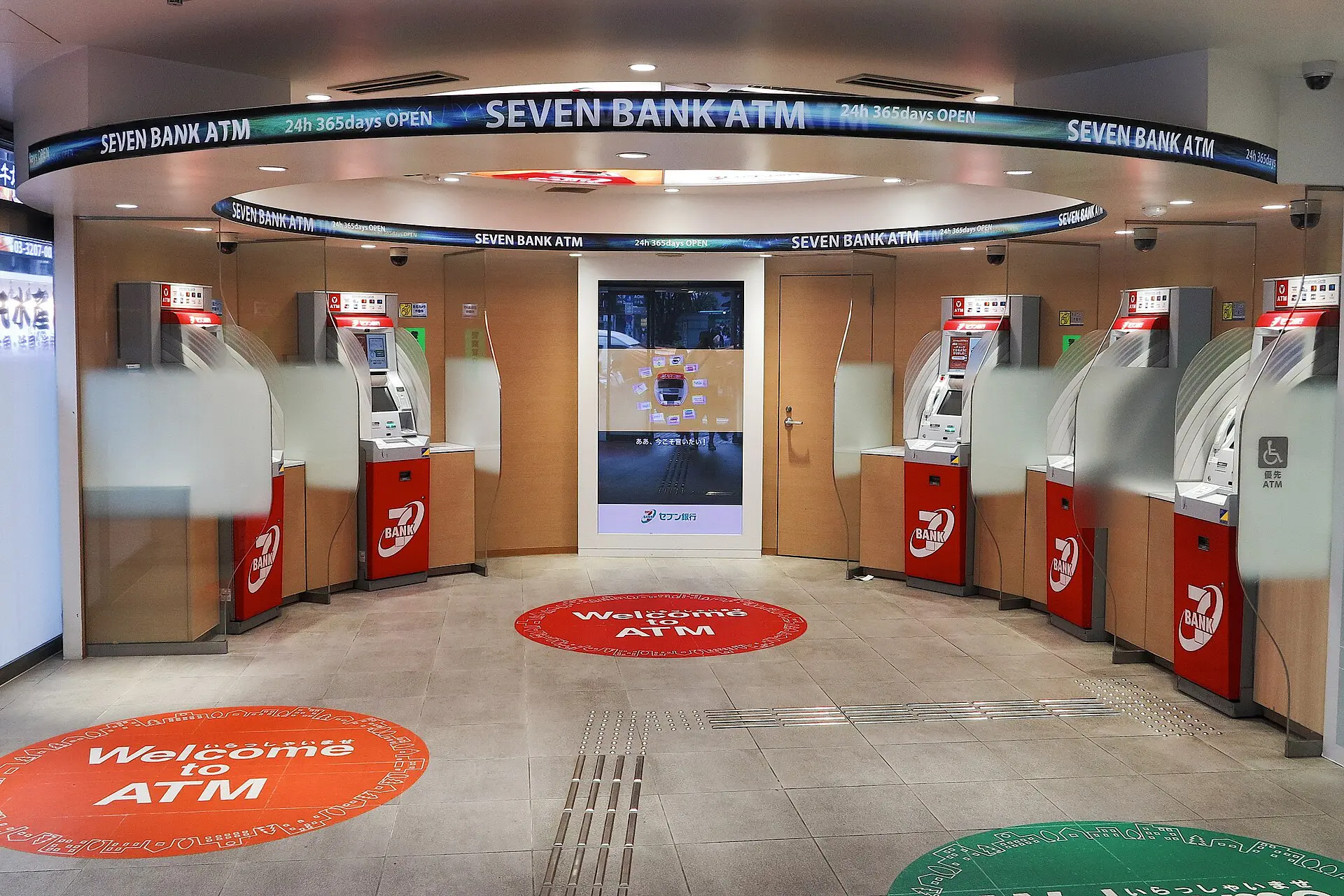
For the lowest hotel rates, aim for the shoulder windows: late January to February, early June and late November. The weather is cooler in winter and humid with rain in June, so expect more indoor days. Spring and autumn are the best weather but the most expensive. For a longer stay, a monthly rental in a quieter month is much cheaper than a hotel in peak season.
Where to base yourself in Japan by work style
- Tokyo: best for meetings, events and variety. Highest rent.
- Osaka and Kyoto: for a mid-range cost and a strong food scene.
- Fukuoka: for a compact city, low costs and an easy airport.
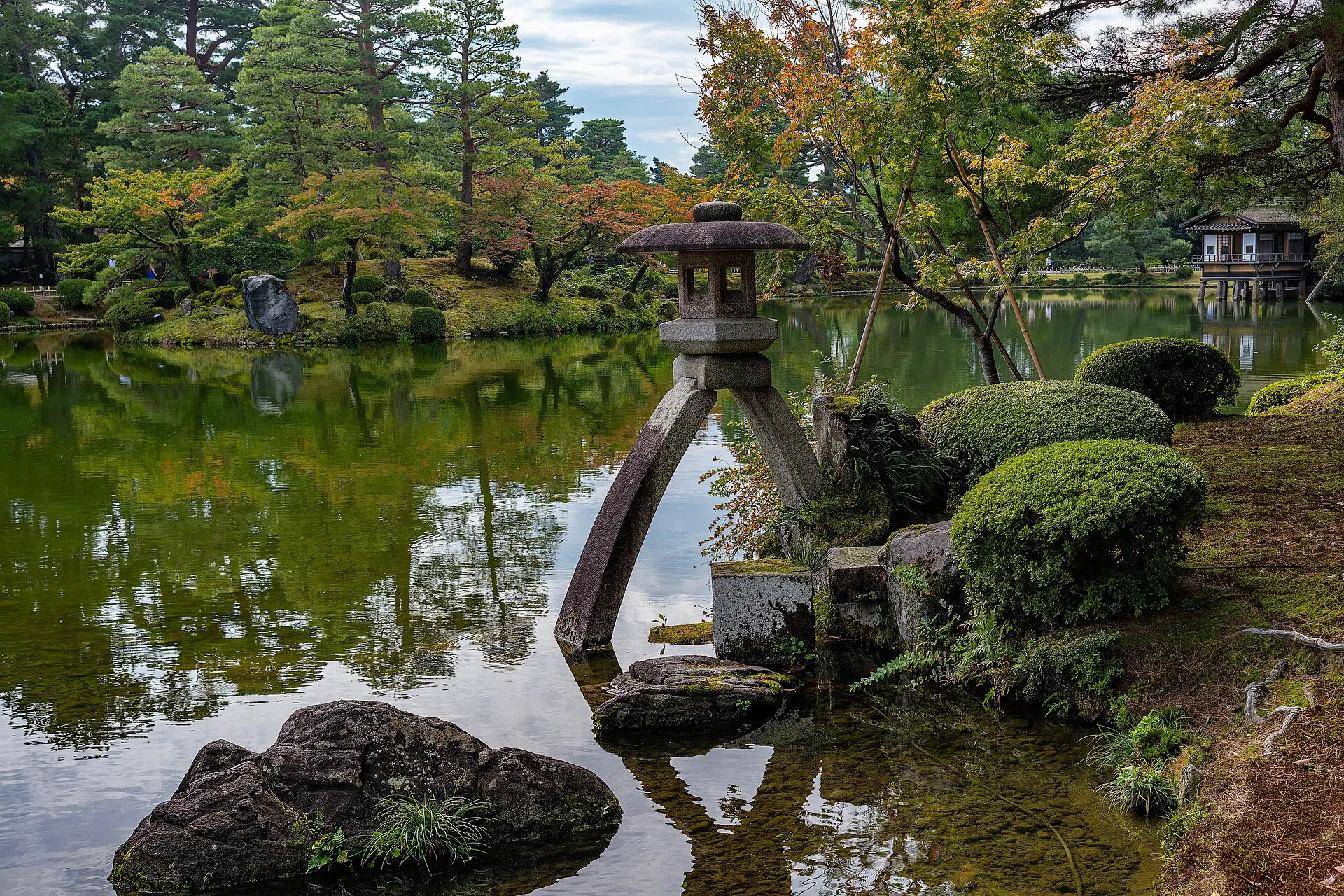
- Kanazawa: for a quiet routine, but smaller coworking scenes.
Work-friendly spots by type are similar everywhere: coworking spaces in business districts, chain cafes aimed at laptops, hotel lobbies and libraries. Quiet is valued, and phone calls in public are frowned upon, so plan calls for your apartment or a private room. Read more on Wikivoyage’s Japan page, our Japan travel guide and the comparison in our Japan trip cost article.
FAQ about the cost of living in Japan
Is Japan expensive to live in?
It is more mixed than people expect. Tokyo rent is high, but food, transport and daily services can be modest. As of 2026 a weaker yen has helped visitors paid in dollars or euros, though rates move. Compare current rent listings and a food budget rather than relying on a general reputation.
How much money do you need to live in Japan for a month?
Many single remote workers plan around US$1,800 to US$3,500 in Tokyo and less in regional cities, covering rent, food, transport, phone and a workspace. Costs vary widely with housing choice and exchange rates, so add a buffer and verify prices from real listings.
Is Tokyo or Fukuoka cheaper?
Fukuoka is generally cheaper for rent and everyday costs, with a compact layout that cuts transport spending. Tokyo offers more coworking spaces, events and flights. If you work mostly alone and online, Fukuoka tends to give better value. Check your own needs against both before choosing.
Can you live in Japan on a tourist visa?
Short stays are allowed for many nationalities, but a tourist stay is not designed for working and long residence. The length differs by passport. If you plan more than a few months, look at the proper long-stay options and confirm the current rules with the Japanese immigration authorities.
Do you need cash in Japan?
Cards and IC cards are widely accepted in cities, but small restaurants, some rural places and a number of landlords still prefer cash. Carry a modest amount of yen and know which ATMs accept foreign cards. Convenience-store ATMs are the most reliable choice for most visitors.