
How to compare total trip cost: price every option on the same list of lines, add the costs that sit outside the headline price, convert time into money where it matters, and compare the totals, not the headlines. The lines that most often decide the result are transfers, baggage, booking fees, local transport and food. The worksheet below covers them in order.
The method: how to compare total trip cost
A headline price answers one question: what does the provider charge. Total trip cost answers another: what will you have spent by the time you are home. The gap between the two is where cheap options turn expensive.
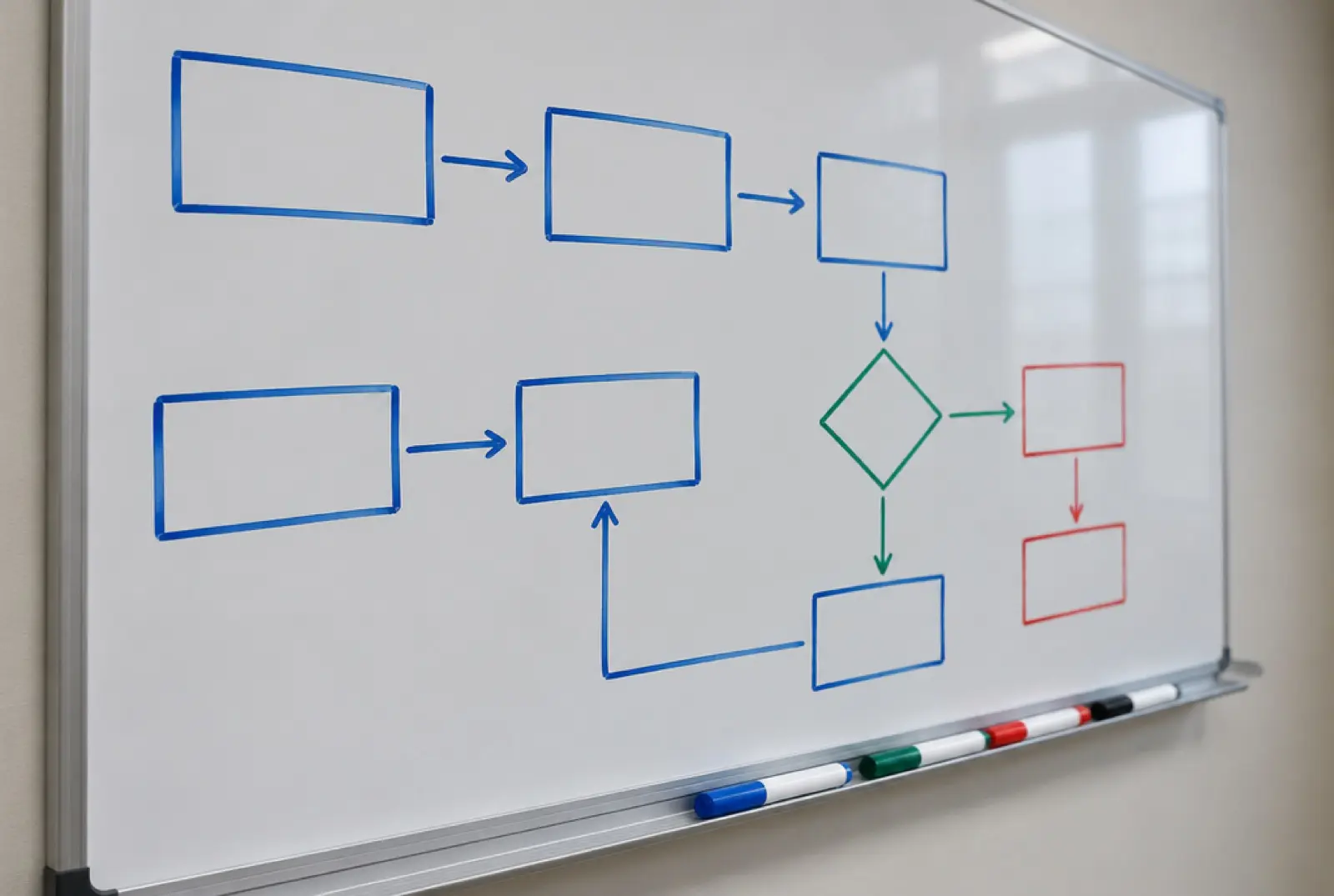
- Fix the trip: dates, travellers, and the things you will do. Two options are only comparable if they deliver the same trip.
- Write the same cost lines for every option, so nothing is counted for one and forgotten for the other.
- Fill each line with a range, not a single number. Mark each as quoted, estimated or unknown.
- Add the totals using the low and high ends of each range.
- Add a value for time, comfort and risk if they differ.
- Note what is refundable, and what happens if you cancel.
- Choose on the range, and treat a narrow gap as a tie.
I prefer ranges to a single total because a single number hides how uncertain the inputs are. If two totals overlap, price is not the deciding factor, so look at flexibility and time instead.
The worksheet: cost lines to fill in for each option
Copy this into a spreadsheet, one column per option. The notes column shows what to check.

| Cost line | Option A | Option B | What to check |
|---|---|---|---|
| Transport to the destination | Range | Range | Include every traveller and every leg |
| Baggage and seat fees | Range | Range | Cabin bag, checked bag, seat selection |
| Transfers at both ends | Range | Range | Airport or station to the bed, and back |
| Lodging | Range | Range | Taxes, resort and cleaning fees, parking |
| Local transport | Range | Range | Daily passes, fuel, car hire, rideshares |
| Food and drink | Range | Range | Breakfast included, kitchen access |
| Activities and entry fees | Range | Range | Booking fees, required reservations |
| Booking and payment fees | Range | Range | Card fees, foreign exchange, service charges |
| Insurance and extras | Range | Range | Cancellation cover, visas, SIM or data |
| Time cost | Hours | Hours | Extra travel time and what it costs you |
| Total range | Low to high | Low to high | Compare overlap, not single numbers |
Here is a worked example with made-up round numbers, to show the mechanics. Option A is a flight at $180 into a secondary airport, with a $25 checked bag, a $15 bus each way and a hotel at $120 a night for four nights. Option B is a flight at $260 into the main airport with a bag included, a $5 city train each way and a hotel at $135 a night. Option A sums to roughly $180 + $25 + $30 + $480 = $715. Option B sums to roughly $260 + $10 + $540 = $810.
The gap is about $95, but it is not the whole story. If the bus runs only until 9 p.m. and your flight lands at 11 p.m., Option A adds a $40 to $60 taxi. If the hotel in A is 25 minutes from the sights, add a daily transport line of $5 to $10. The range for A then runs from about $715 to $815, which overlaps B. That overlap is the point: a $95 headline gap can disappear once the missing lines are filled in.
The seven steps below show how to fill each part without fooling yourself.
1. Lock the trip before you compare prices
Prices only compare if the trips match. A hotel two kilometres from the old town and a hotel in the old town are different products, as are a flight that lands at 6 a.m. and one that lands at noon. Write down what must be the same: dates, number of nights, area, and the main activities. Anything that differs goes into the notes column.
2. Price the transfers at both ends
A cheaper flight into a secondary airport often needs a bus or train to the city, and the same applies in reverse on departure. Check the cost, the time and the last service of the day. A late arrival can force a taxi that wipes out the saving. Our guide to cheap flights to Bozeman shows how airport choice changes the total.
3. Add baggage and seat fees
Low-cost airlines unbundle their fares, so the base fare may exclude bags, seat choice and printing. Full-service fares often include one checked bag, though it depends on the route and fare class. Price both with the bags you will actually carry. Do not assume a fare family includes what you need; check the fare rules.
4. Count taxes and fees on lodging
Many places show a nightly rate before taxes, resort fees, cleaning fees and parking. In some destinations, those can add a noticeable share to a stay, so use the final checkout price, not the listing price. Compare cancellation terms too, since a refundable rate is worth a premium when plans may change.
5. Model local transport honestly
If one base is cheaper but needs a daily bus, a rental car or rideshares, include them. Country guides in this series use the same logic, for example in Ireland trip cost, where car hire, fuel and parking decide whether a rural route beats rail.
6. Compare packages by unbundling them
For an all-inclusive or a bundled package, price the same items separately: room, meals, drinks, transfers, activities. The package wins when you use most of what is in it, and loses when you leave the resort rarely or eat lightly. Jamaica all-inclusive vs independent works through one such comparison.
7. Put a price on time and flexibility
Time has a cost if it eats paid leave or a hotel night. Estimate a rough hourly value for yourself, and add it where one option adds several hours. Do the same for flexibility: a refundable rate that costs 10 to 15 percent more can be the cheaper choice if there is a real chance you will change plans. These adjustments are subjective, so show them in their own row.
Common mistakes and edge cases
- Comparing the lowest price in each category. You will not get the lowest flight, hotel and car at once, so build the actual combination.
- Ignoring currency effects. Compare in your own currency, and include card or exchange fees. Rates move between booking and travel.
- Treating a sale price as stable. Prices change, and a fare in a search result may not be available at checkout.
- Counting free breakfast as free. It saves money only if you would have bought breakfast.
- Forgetting the cheap place that costs a night. An early flight can add a hotel night, which reverses the saving.
Where paying more pays off, the worksheet shows it clearly. A central room might cost more per night, but remove the local transport line, which can reverse the ranking. The Iceland trip cost guide lists where that holds in a high-cost country.
What to verify before you rely on it
A worksheet is only as good as its inputs. Before you commit, confirm:
- The final price at checkout, including taxes and fees, for the same dates and travellers.
- Baggage and seat rules in the airline’s own fare conditions.
- Cancellation and change terms, and the deadline for a free change.
- Transfer timetables and the last service on your arrival and departure days.
- Any required reservations or permits for the activities you counted.
Treat any figure you could not verify as a range with a wide margin, and decide whether you can afford the upper end.
Where to go next
For a city example of the same method, Amsterdam on a budget compares a famous base with nearby cities. For the lines that matter in a high-cost country, see the Iceland guide above. Use the table for each new trip, and keep a copy of the filled-in version, so next time you can start from your own numbers. Over a few trips you will learn which lines you habitually underestimate, usually transfers, food and fees, and can raise their default ranges.
FAQ: how to compare total trip cost
What counts as total trip cost?
Everything you pay from booking to return home: transport, baggage, lodging with taxes and fees, local transport, food, activities, insurance and card or exchange charges. Time and flexibility are not cash costs, but they are worth noting separately in the worksheet.
Is a package holiday cheaper than booking separately?
Sometimes. Packages can win when flights and rooms are bundled at a discount, or when meals and transfers are included and you use them. They lose when you leave the property often. Price the same items separately, then compare the ranges.
How do I compare flights with different baggage rules?
Add the bag and seat fees you need to the base fare, using the airline’s own fare conditions, then compare totals. A fare that looks cheaper can end up higher once you add a checked bag, and the reverse can hold.

How much should I add as a buffer?
A buffer of 10 to 15 percent on the unverified lines is a reasonable starting point, and more where prices are volatile or you have not seen a final checkout price. Tighten it as you confirm lines.
Should I always pick the lowest total?
No. If totals overlap, choose on time, flexibility and fit for the trip. Cheapest is not the same as best value, and a slightly higher total that saves several hours or adds a refund option can be the better choice.