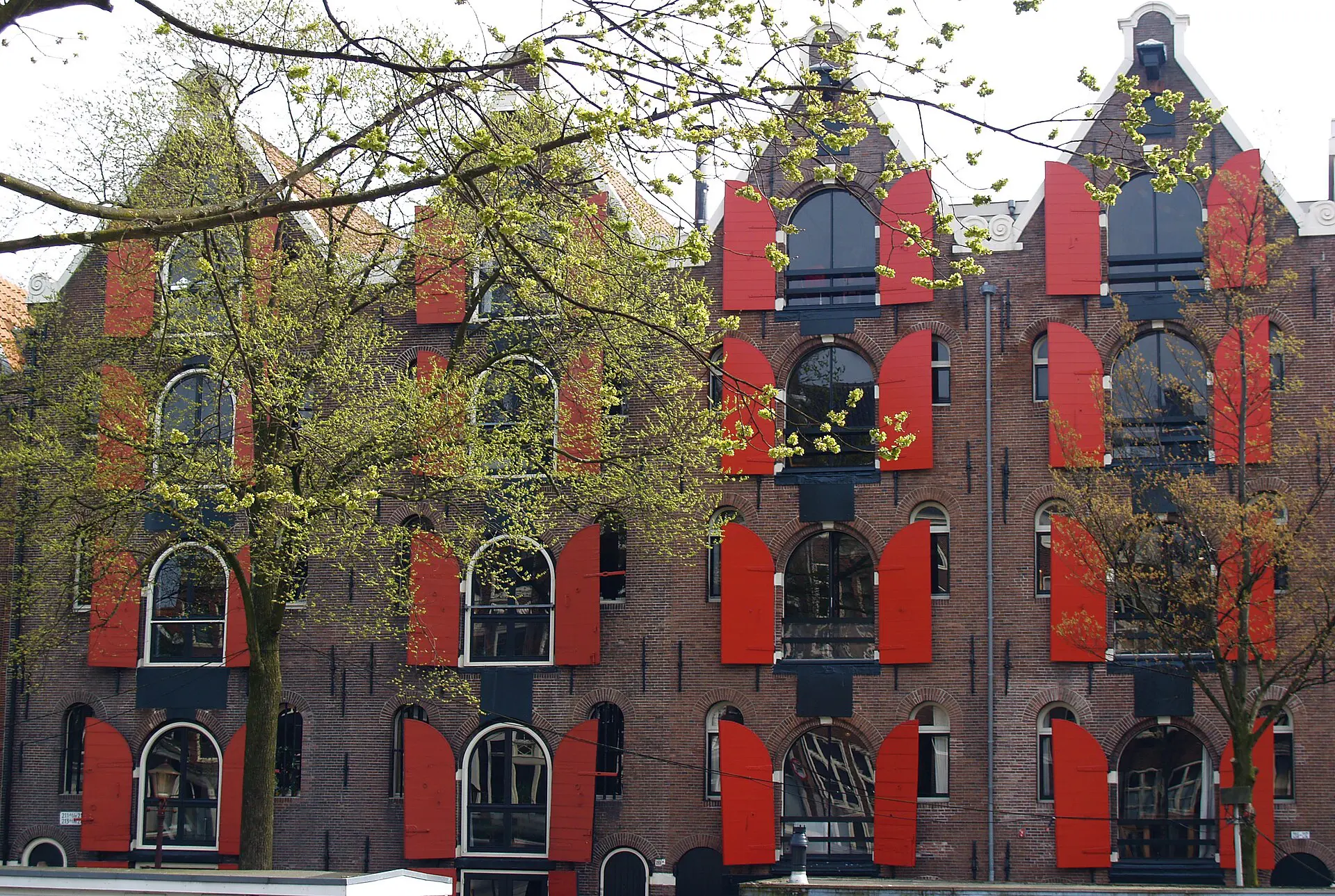
Amsterdam on a budget is possible, but the honest saving comes from where you sleep, not from what you skip. Utrecht, Haarlem and Rotterdam are all 15 to 45 minutes away by train, and rooms there often run 20 to 40 percent below Amsterdam’s for the same quality. The trade-off is that you give up the canal-belt setting. Below, the same three-night trip priced in four cities, where each costs more or less, and which traveller should pay the capital premium. Every figure is a range as of 2026.
Amsterdam on a budget: same trip, four cities
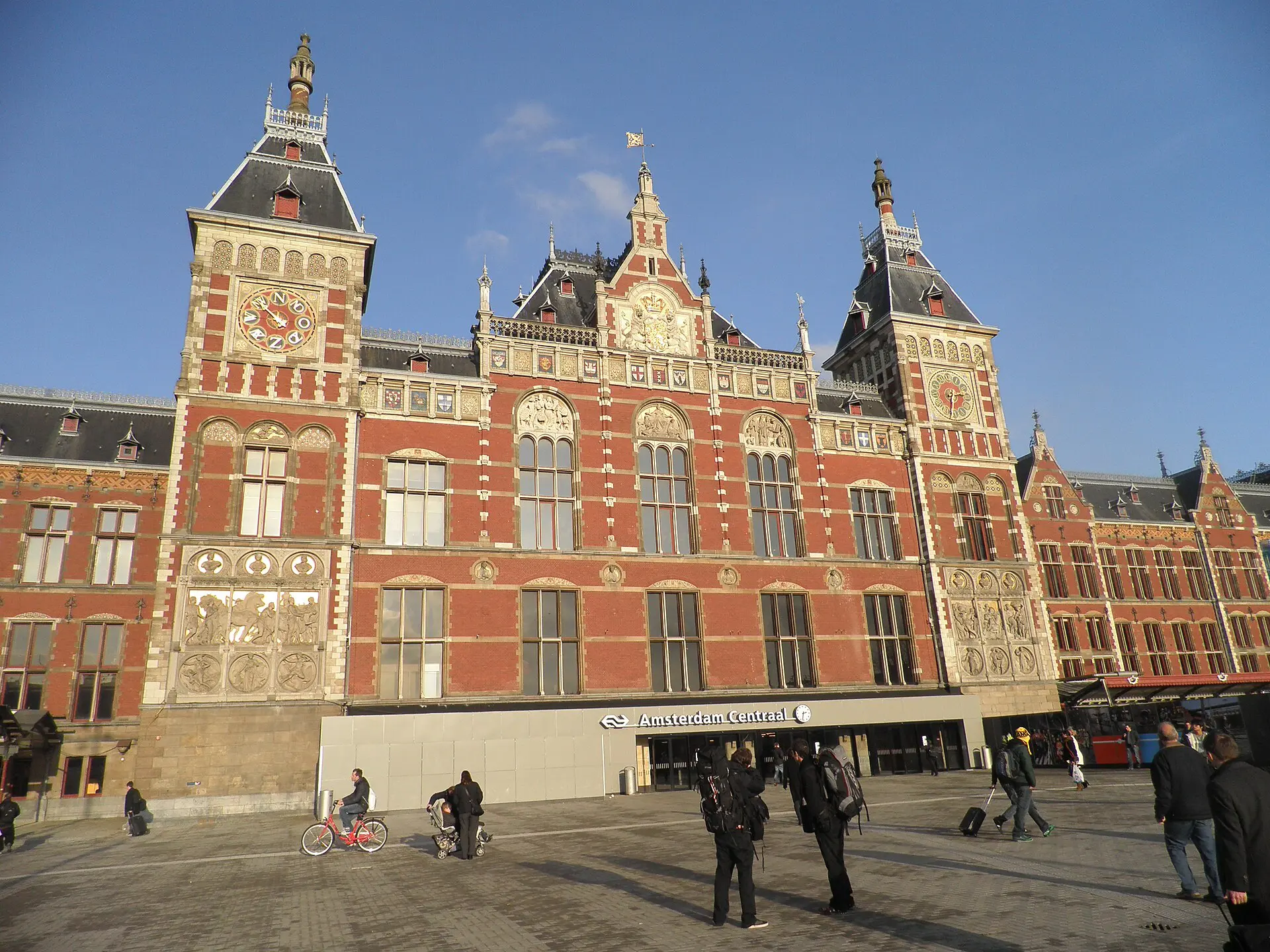
The table prices three nights for one adult in euros: a mid-range room, two paid sights a day, local transport and modest meals. Rooms are the lever, so they take the first column. Ranges move with season and event dates, so check before you book.
| City | Room per night (double, shared) | Daily extras | Three-night total per person | Train to Amsterdam Centraal |
|---|---|---|---|---|
| Amsterdam | About €130 to €260 | €50 to €90 | About €390 to €650 | n/a |
| Utrecht | About €95 to €180 | €40 to €75 | About €300 to €490 | Around 30 minutes |
| Haarlem | About €95 to €170 | €40 to €75 | About €290 to €470 | Around 15 to 20 minutes |
| Rotterdam | About €90 to €170 | €40 to €75 | About €280 to €470 | Around 40 minutes by fast train |
So a base outside Amsterdam typically saves €80 to €170 per person over three nights, before you count train fares for day trips. That saving is real but smaller than it looks if you spend every day in the capital.
Total cost box: Amsterdam only about €130 to €220 a day, cheaper base plus day trips about €100 to €170 a day, hostel or small guesthouse in the capital about €70 to €120 a day.
Pay more for / save on in Amsterdam
The split is simple. Pay more for a central bed only if you stay two nights or fewer, if you arrive late or leave early, or if mobility matters, because a 20-minute walk to the station is a real cost. Pay more, too, for timed tickets to the two or three sights you really want, since a missed slot means paying again or skipping.
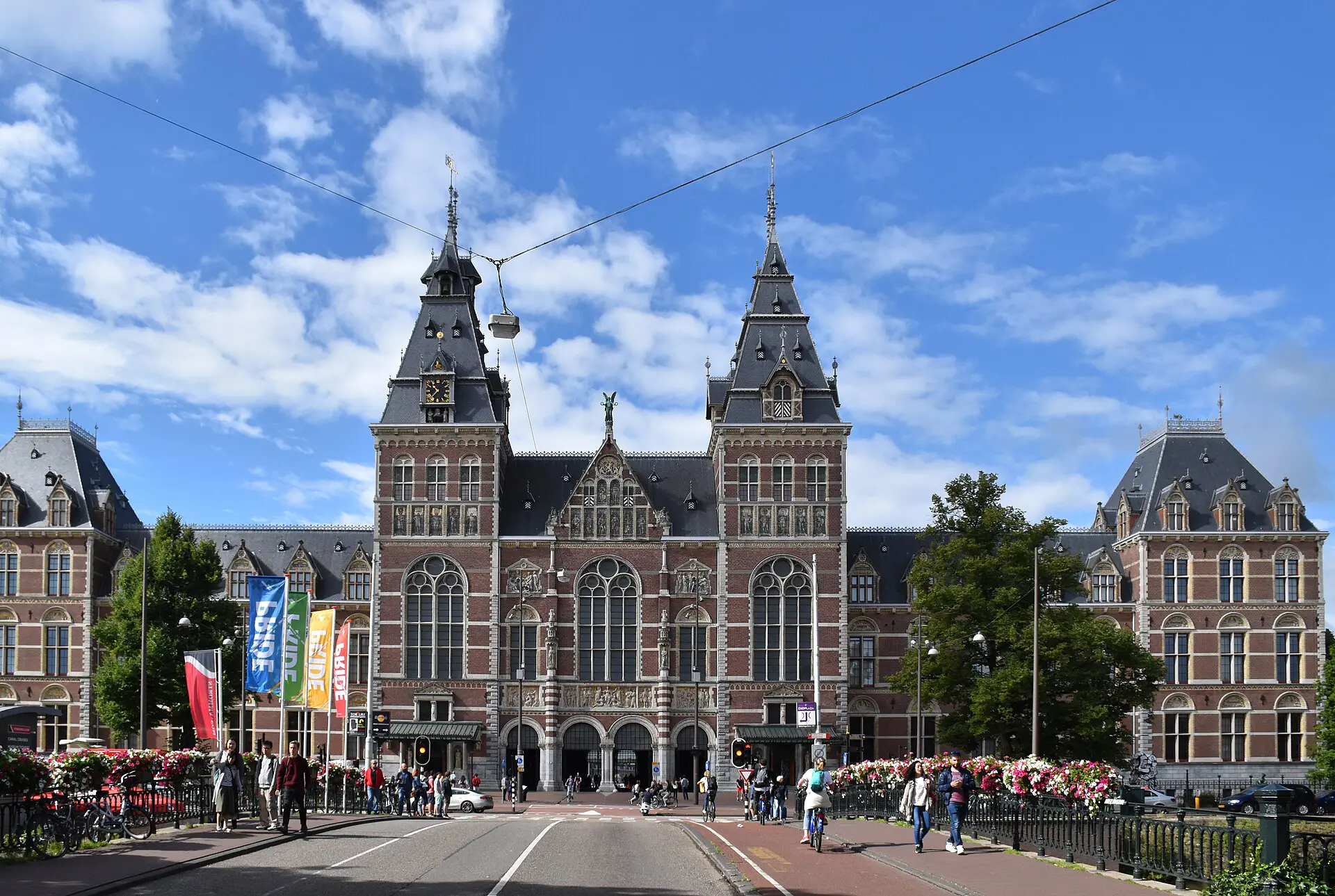
Save on everything that looks the same at any price: bike hire, canal cruises, coffee, souvenirs and second-tier museums. Choose free sights such as the canal belt on foot, the Jordaan lanes and the harbour ferries behind Centraal, which cross the IJ at no charge as of 2026. Eat your largest meal at lunch, when many places offer cheaper set menus.
Booking windows matter more here than almost anywhere in Europe. Rooms for spring and summer weekends sell out of the cheaper tiers two to three months ahead. In winter, a fortnight is usually enough. Train fares inside the Netherlands do not rise with booking time, so there is no reward for buying early.
Where each city costs more or less than Amsterdam
1. Rooms: the biggest gap
Amsterdam rooms cost more because supply is tight and the old centre is protected. Visitors also pay a tourist tax that can reach roughly 12 to 13 percent of the room price as of 2025, so confirm whether a quoted rate includes it. Utrecht, Haarlem and Rotterdam levy their own, usually smaller, charges.
2. Museums and big sights
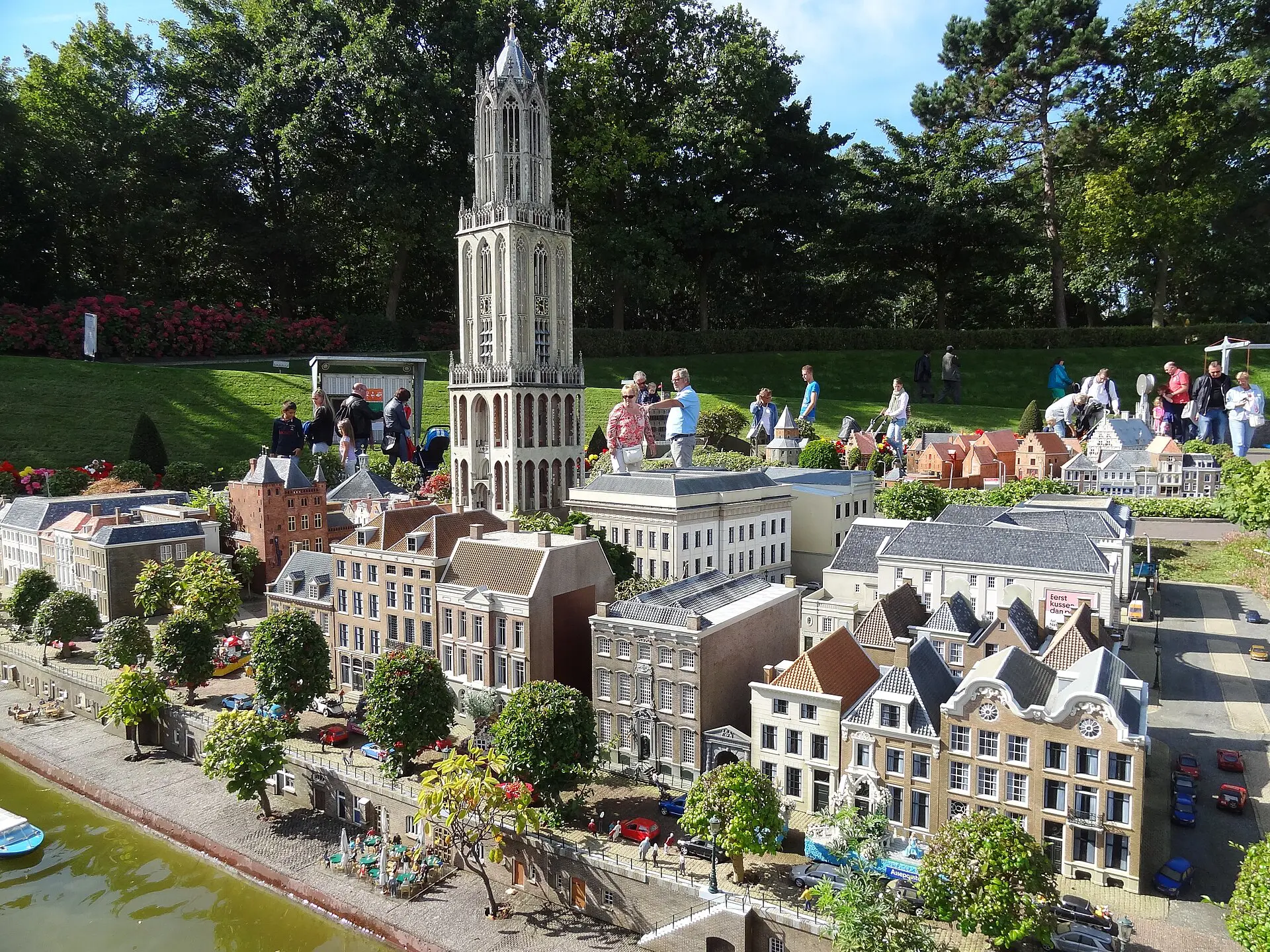
The Rijksmuseum, Van Gogh Museum and Anne Frank House each charge a similar entry fee of roughly €20 to €30 and all work best with timed tickets booked ahead. The Anne Frank House releases tickets in batches weeks in advance. Rotterdam’s architecture and Utrecht’s Dom Tower are comparable in price but rarely sell out. A Museumkaart pays off only if you visit about five paid museums in a year.
3. Eating out
A casual main course in central Amsterdam commonly runs €16 to €26. In the other three cities it tends to run €13 to €22. Markets and food halls give the best value: Rotterdam’s market hall and Haarlem’s weekly stalls are cheaper than a sit-down dinner. Supermarket lunches cost under €8 everywhere.
4. Local transport
Amsterdam’s trams and metro are covered by the same contactless or travel card system as the rest of the country. Day tickets run roughly €9 to €12 as of 2026, though many visitors walk and cycle instead. Utrecht and Haarlem are compact enough to cover on foot. Rotterdam is more spread out, so budget a day ticket there.
5. Bikes and canal tours
Bike hire costs roughly €12 to €20 a day in all four cities. A canal cruise in Amsterdam usually costs €15 to €25 for about an hour, a price that does not change much by operator. Utrecht’s sunken canal-side wharves can be seen free on foot or by paying for a short boat ride.
6. Queues and time
Time is a cost. The capital’s headline sights can mean 30 to 60 minutes of queuing without a booking. Utrecht and Haarlem rarely need pre-booking for their main sights, which lets you fit more into a day.
7. Nightlife and drinks
A beer in an Amsterdam bar usually runs €4.50 to €6.50, and a club night costs more. Rotterdam and Utrecht have large student populations, so drinks and snack bars are noticeably cheaper outside the tourist core.
Transport and lodging deltas around Amsterdam
The train is the hinge of the whole plan. A return from Haarlem, Utrecht or Rotterdam to Amsterdam costs roughly €8 to €25 depending on distance and whether you travel off-peak, as of 2026. Over three days of two daily trips, that is €25 to €75, which can wipe out part of the room saving. Rotterdam, the farthest, is the most expensive for repeat trips. Haarlem, the nearest, is the cheapest.
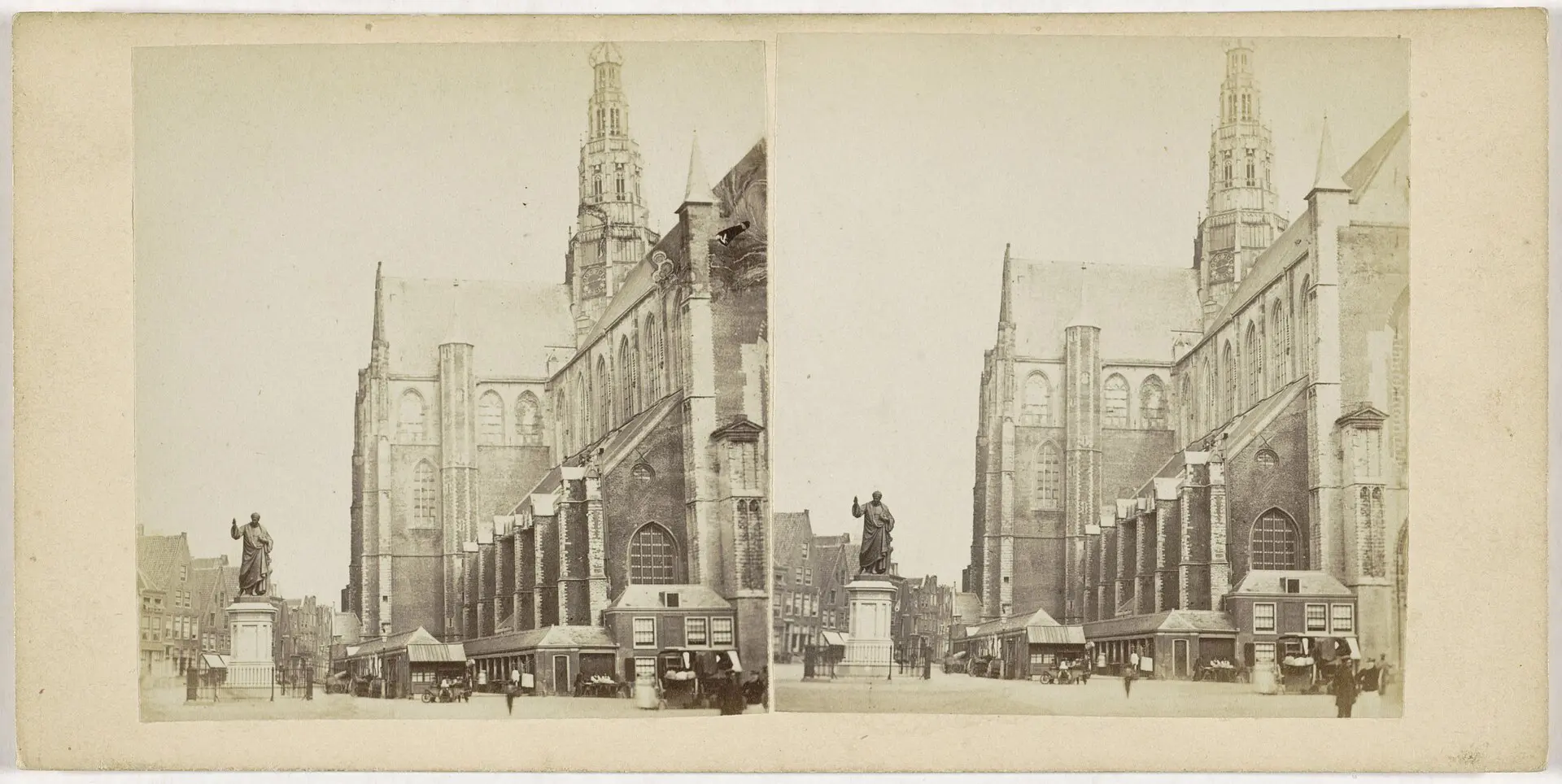
Lodging style matters too. A hostel dorm bed in Amsterdam may be €40 to €90 a night, which can be cheaper than a double room split in two. Outside the capital, small guesthouses and business hotels often charge less at weekends, because their weekday clientele is gone. Amsterdam is at its busiest and priciest at weekends, while those cities quiet down. See the Amsterdam guide for neighbourhoods and the Netherlands travel guide for rail tips.
Which base suits which Amsterdam traveller
- Comfort: stay in Haarlem. Quiet streets, short train ride, and a hotel room that costs less than a smaller one in the capital.
- Flexibility: stay in Utrecht. It is central on the Dutch rail network, so you can reach Amsterdam, Rotterdam and The Hague easily.
- Pace: stay in Amsterdam for a short stay of two nights or less. The train time and fares cost more than the room saving.
- Savings: stay in Rotterdam for four nights or more and treat Amsterdam as one day trip.
Families may prefer the ideas in the Amsterdam with Kids plan, while a first-time visitor on a short stay can follow the Amsterdam in 3 days itinerary and still pick a cheaper base.

What the cheaper Amsterdam option costs you
A base outside Amsterdam costs you time and atmosphere. You lose the early-morning canal walks before the crowds and the late-evening quiet that make the centre special. Last trains run late enough for dinner, but check the timetable before booking, since a missed connection can mean a taxi at €60 or more.
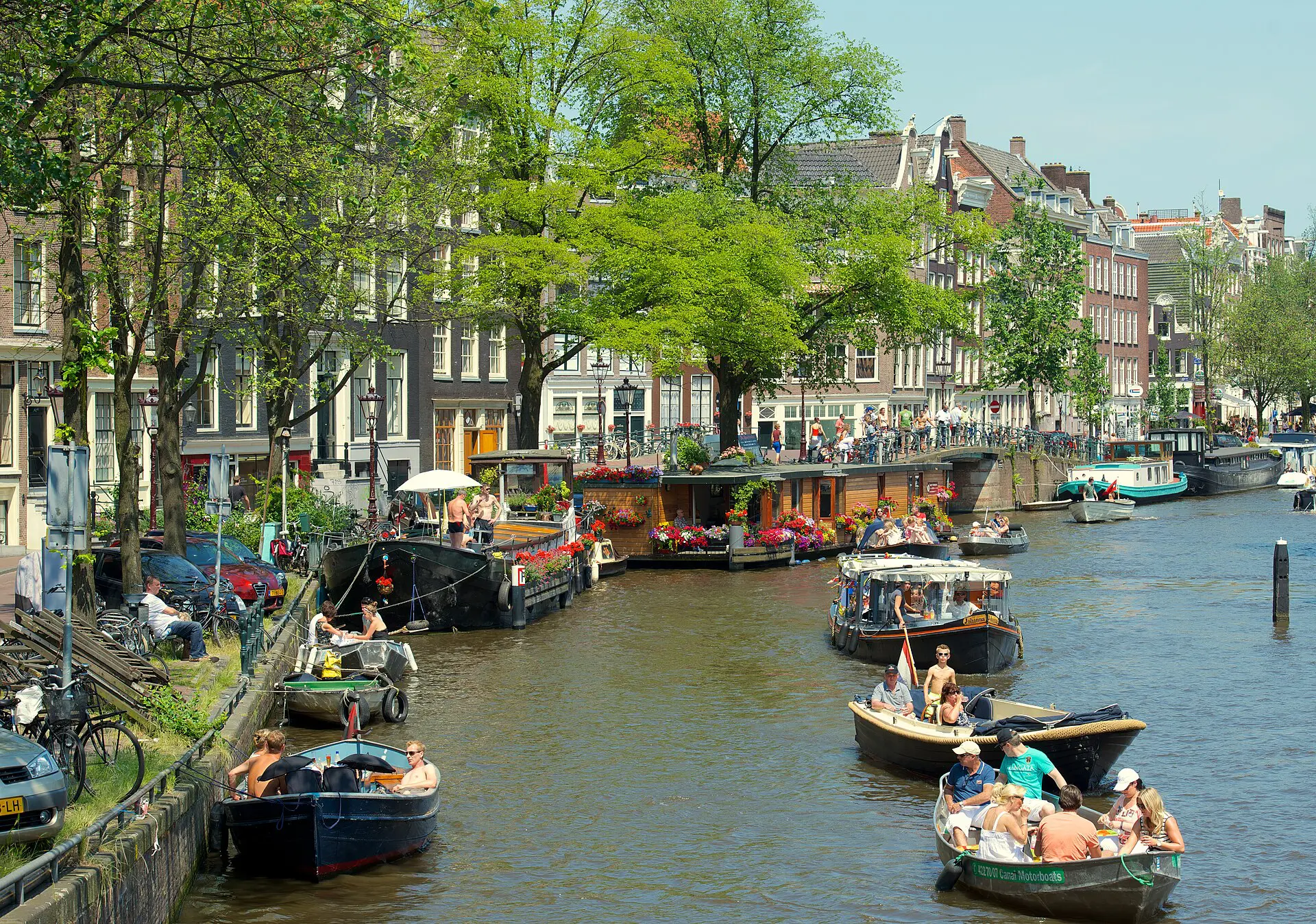
You also lose the option to be spontaneous. If your plans are a bit fluid, a hotel in the capital means no planning around departures. I would pay the premium for one night at the start or end of the trip, so the first and last mornings are unhurried.
Finally, cheaper cities are not cheap in absolute terms. Rotterdam and Utrecht are still among the pricier places in Europe. The saving is relative, and it is biggest in summer, over weekends and during events, when Amsterdam rates jump the most.
For background reading, the Wikivoyage guide to Amsterdam lists districts and neighbouring day trips.
FAQ about Amsterdam on a budget
How much does a day in Amsterdam cost?
Roughly €100 to €200 per person for a mid-range day, covering a room share, meals, one or two paid sights and transport. A hostel and supermarket lunches can bring it nearer €70 to €110. Check current rates for your dates.
Is it cheaper to stay outside Amsterdam?
Usually, by about 20 to 40 percent for a comparable room, but train fares reduce the gain. It works best for stays of three nights or more, with one or two Amsterdam days rather than daily trips.
When is Amsterdam cheapest to visit?
January to early March, excluding school holidays, usually has the lowest room rates. Tulip season in April and May, and July and August, push prices up. Book trains and museum tickets ahead in any month.
Is Utrecht or Haarlem better value?
Both are similar on price. Haarlem is closer and quieter, with a beach nearby at Zandvoort. Utrecht is livelier and better connected for onward trips. Choose Haarlem for relaxed stays and Utrecht for flexibility.

How early should I book Amsterdam?
Rooms for spring and summer weekends are worth booking two to three months out, as cheaper options go first. Anne Frank House tickets need booking as soon as they are released. Rotterdam and Utrecht can often be booked a few weeks ahead.