Why visit the Netherlands
The things to do in the Netherlands are easy to combine because the country is small, flat and tightly connected. It is a river delta of about 17 million people, with canal-lined cities, reclaimed land, tulip fields and a Golden Age heritage that produced Rembrandt and Vermeer. The Wikipedia overview explains how much of the land has been won from the sea. Visitors often say Holland when they mean the Netherlands, but Holland is only two of the twelve provinces, North and South Holland, and many Dutch people prefer the full name.
The Netherlands suits first-time European travellers, museum lovers, cyclists, families and anyone who prefers short train hops to long drives. Trains between Amsterdam, Utrecht, The Hague and Rotterdam run all day, English is spoken almost everywhere and the country is very safe. The trade-offs are cost, crowds in Amsterdam and the weather, which can turn quickly.
Best places to visit in the Netherlands
The best places to visit in the Netherlands are mostly in the west, within an hour or two of Amsterdam, so a base in one or two cities is enough.
Amsterdam
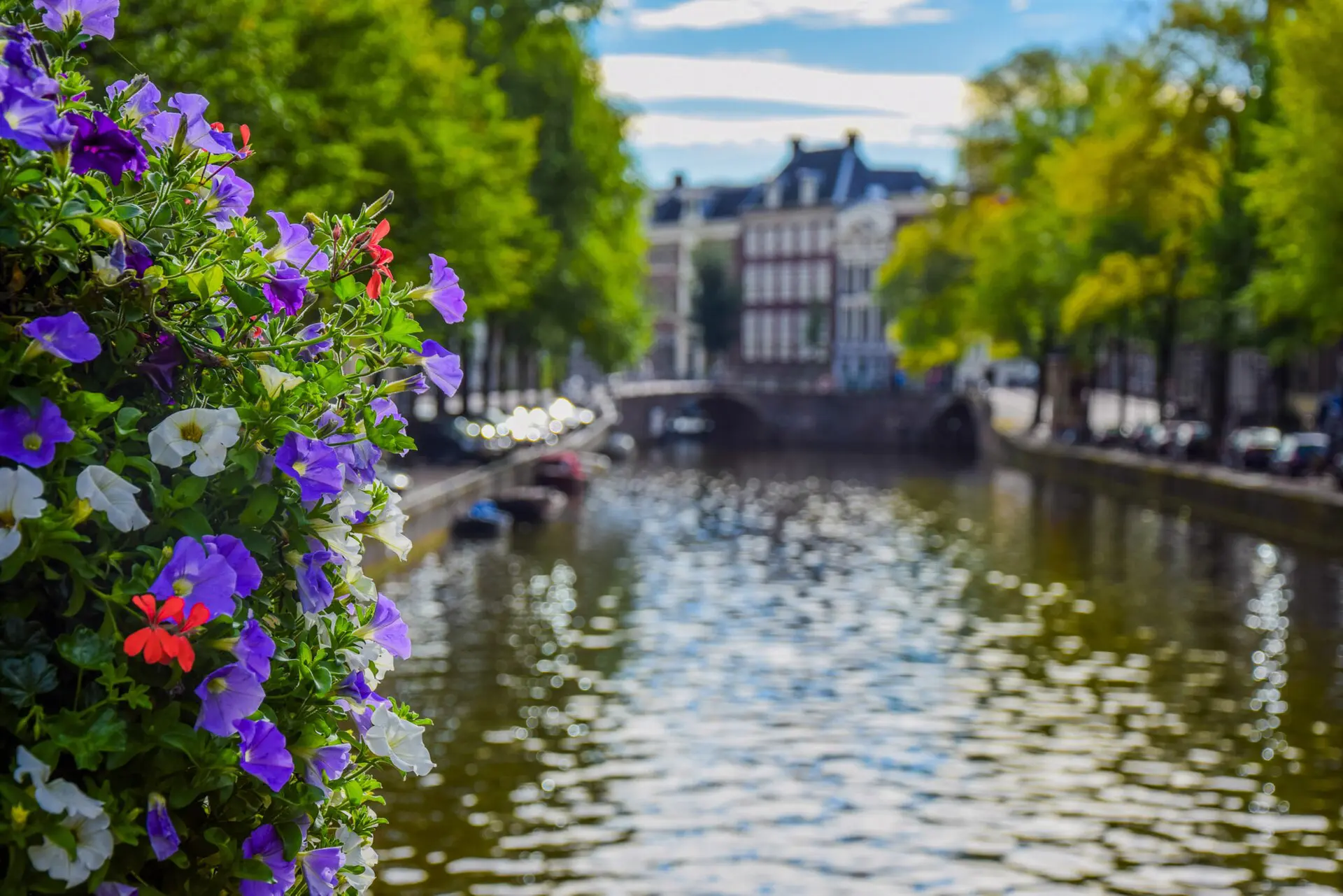
The capital has a 17th-century canal ring that is a UNESCO site, the Rijksmuseum, the Van Gogh Museum, the Anne Frank House and a lively food and nightlife scene. Book major museums ahead and walk away from the busiest streets.
Utrecht
Utrecht has a two-level canal with cafés at water level, a medieval centre and the Dom Tower, the tallest church tower in the country. It is quieter than Amsterdam and 30 minutes away by train.
Rotterdam
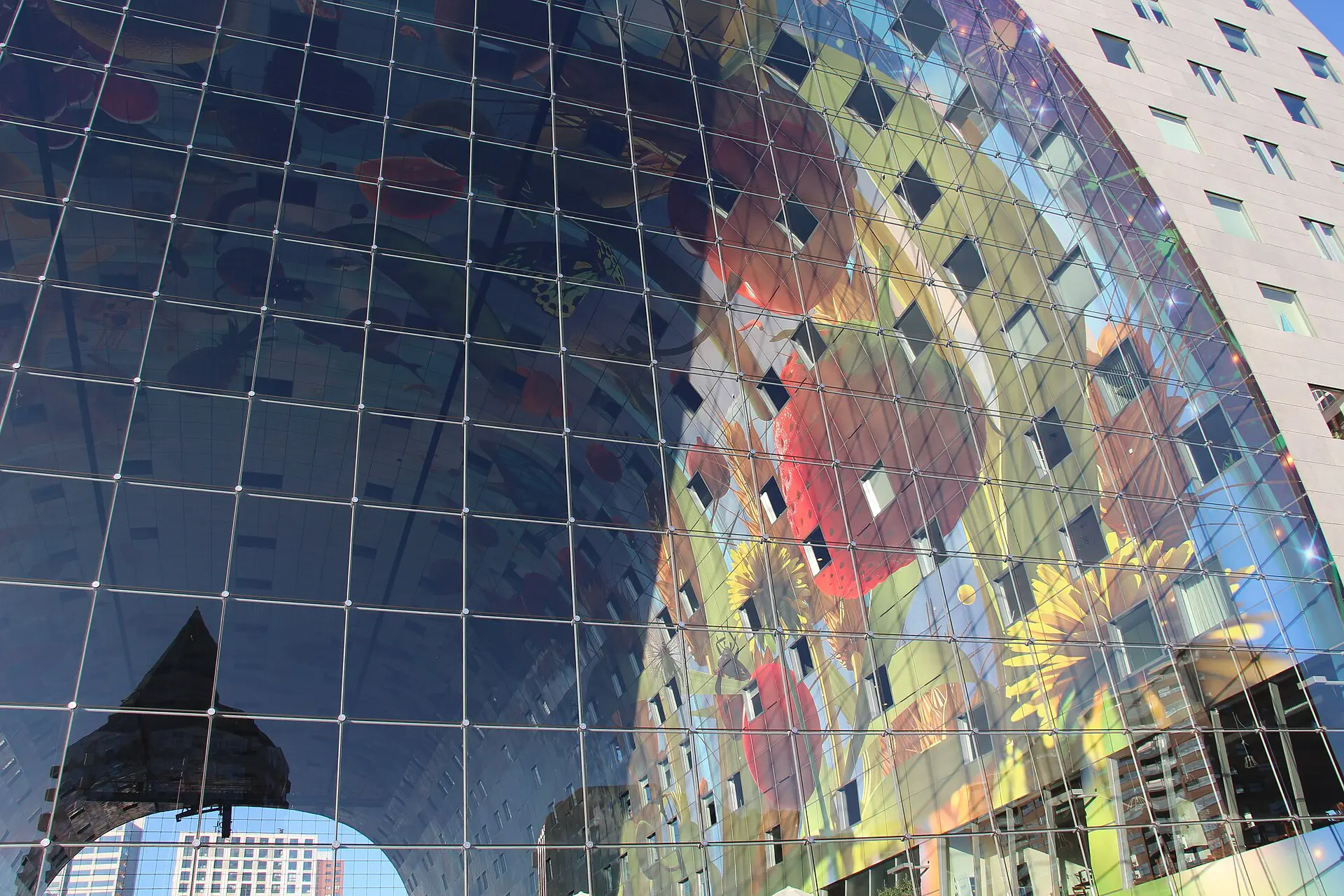
Rebuilt after the Second World War, Rotterdam is known for bold architecture, including the Markthal and the Cube Houses, plus a big harbour and street art.
The Hague and Delft
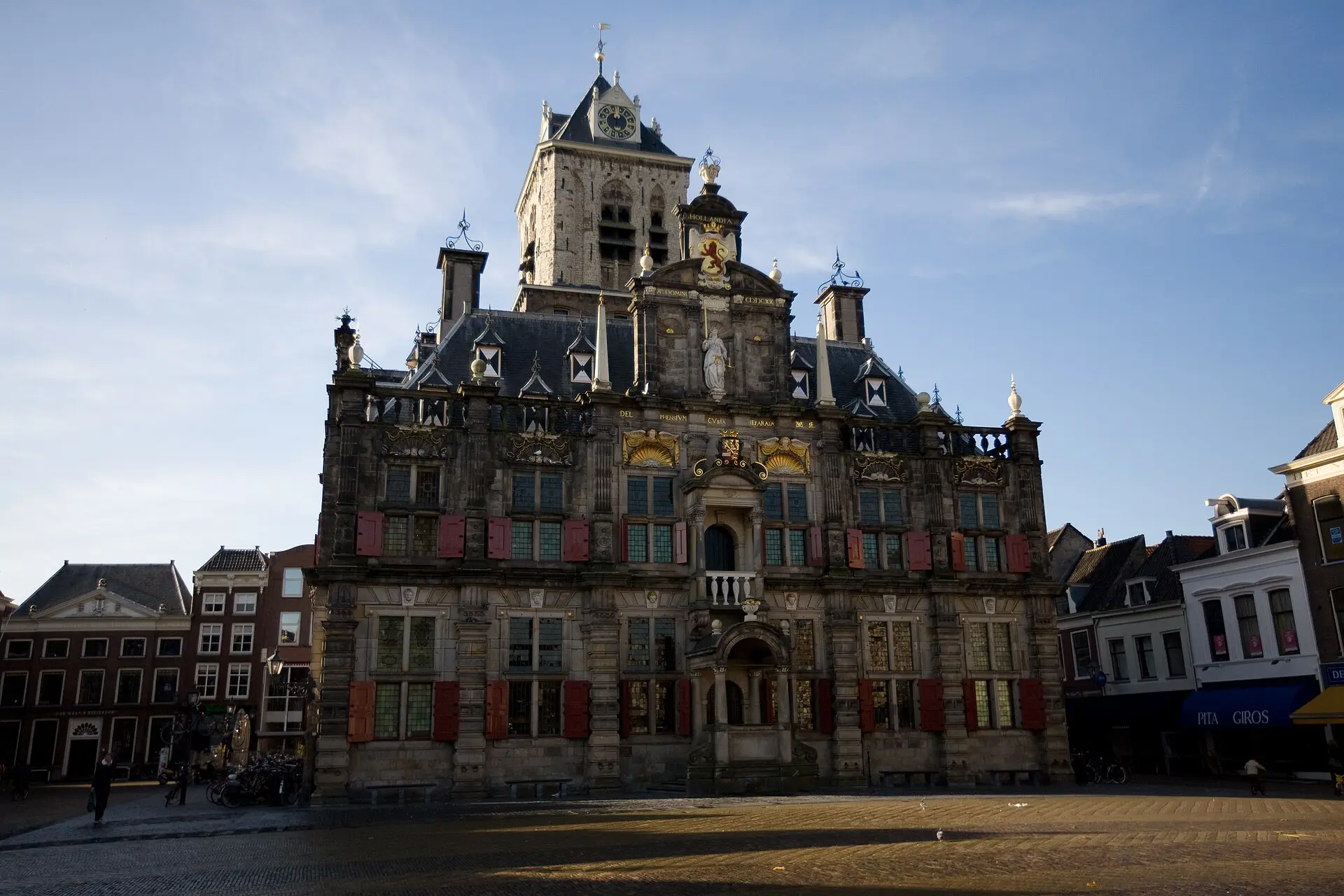
The Hague has the Mauritshuis, home of Vermeer’s Girl with a Pearl Earring, and the seat of government. Delft has canals, Vermeer history and blue-and-white pottery.
Kinderdijk and Zaanse Schans
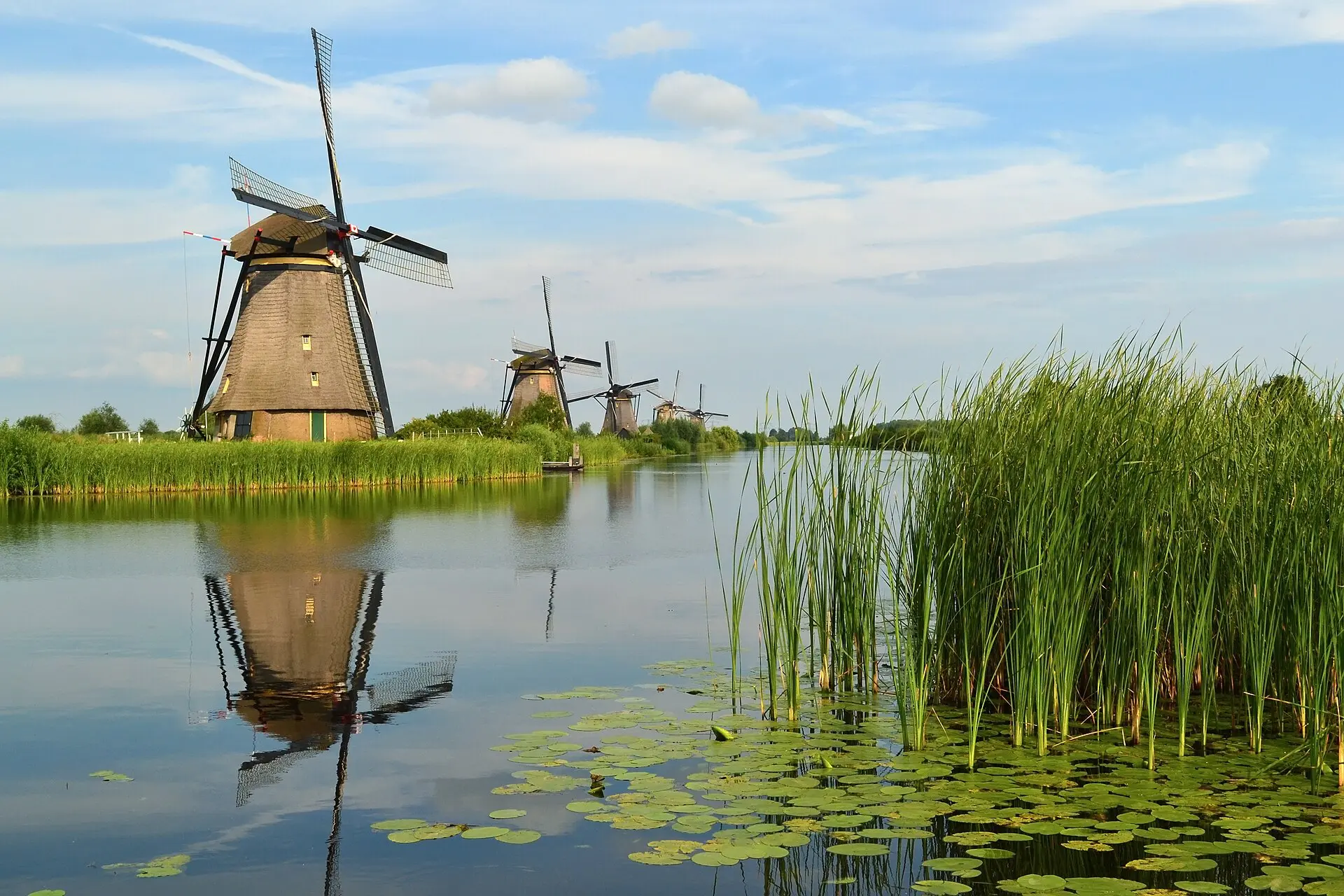
Kinderdijk has 19 historic windmills in a UNESCO polder landscape. Zaanse Schans is an easier day trip from Amsterdam.
Maastricht and Giethoorn
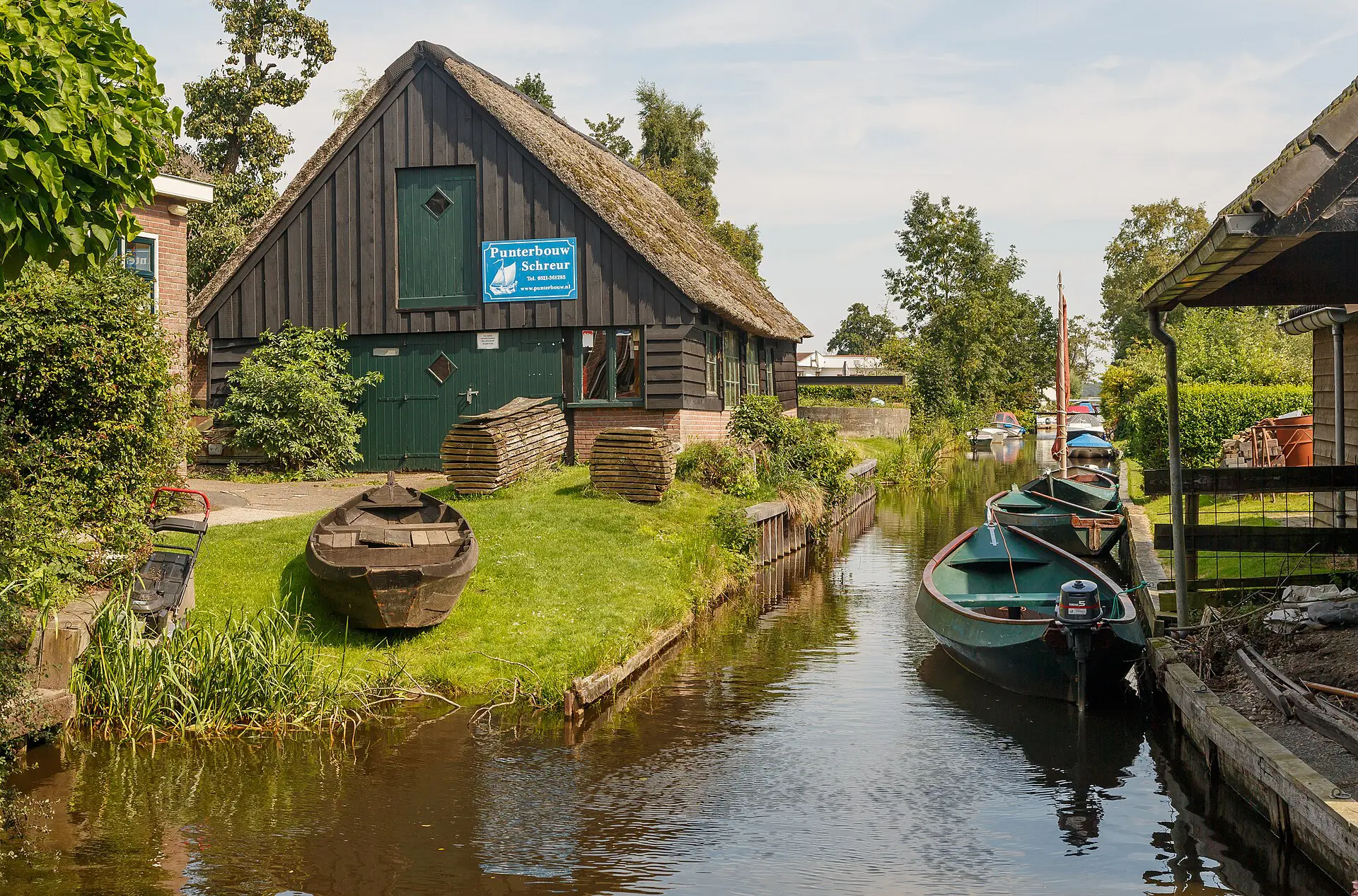
Maastricht is a southern city with Roman roots, and Giethoorn is a car-free village where visitors move by boat.
Top things to do in the Netherlands
The top things to do in the Netherlands mix art, water and the outdoors, and most are possible without a car.

- Visit the Rijksmuseum: Rembrandt’s Night Watch and Vermeer’s paintings are the highlights.
- See Van Gogh’s work: the Van Gogh Museum in Amsterdam holds the world’s largest collection.
- Take a canal cruise: evening boats show Amsterdam’s canal houses, and quieter electric boats are an alternative.
- Walk the Anne Frank House route: tickets are limited, so book early online.
- Cycle in the countryside: rent a bike and follow the dedicated paths through polders and dunes.
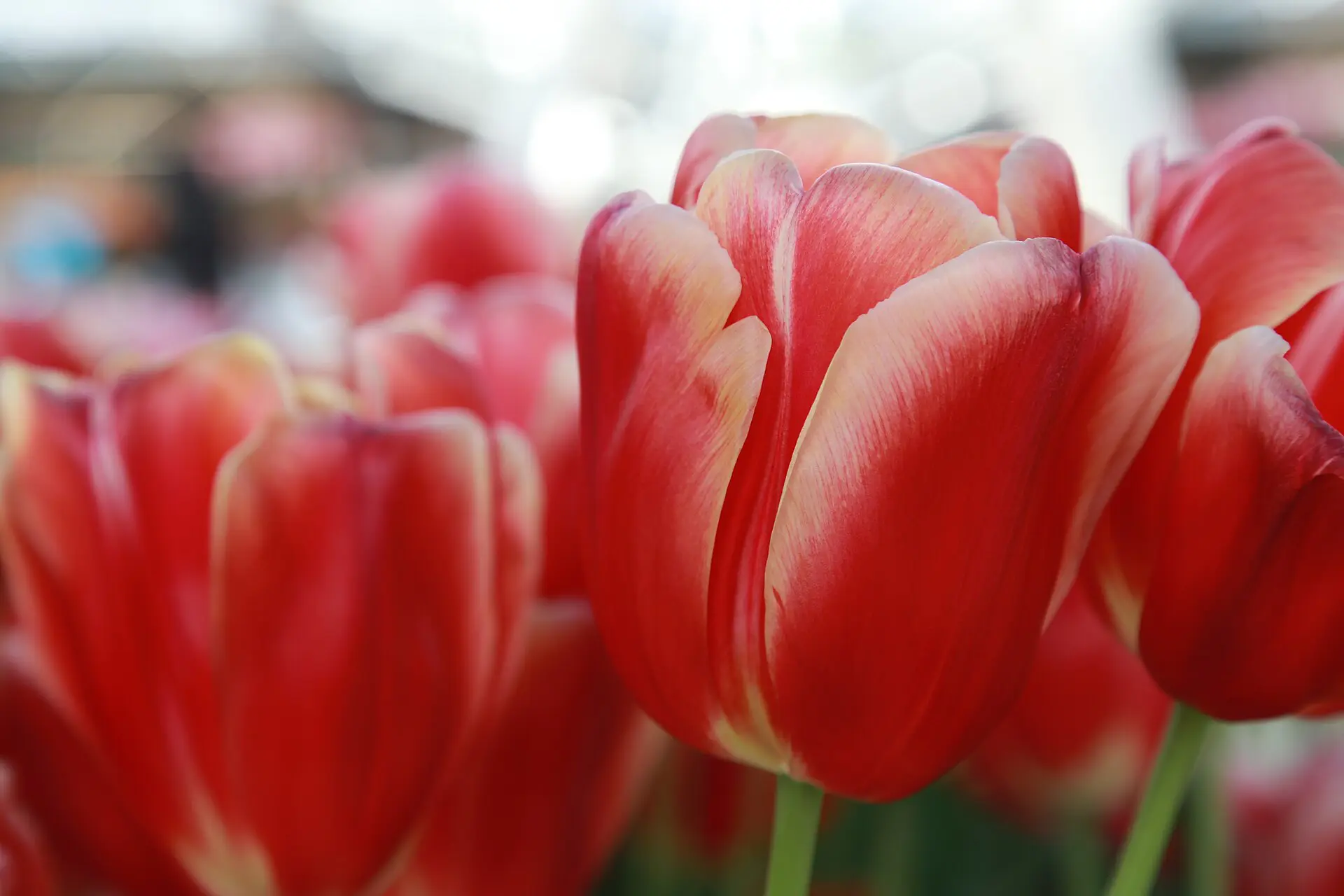
- Visit Keukenhof: the spring garden in Lisse opens for around eight weeks, usually from late March to mid-May.
- See the windmills of Kinderdijk: walk or cycle between them, or take a boat.
- Climb the Dom Tower: a guided climb in Utrecht gives a view over the city.
- Walk the Wadden Sea mudflats: guided wadlopen tours cross the tidal flats in the north.
- Hop between beaches: Zandvoort, Scheveningen and Texel are summer favourites.
Things to do in Holland
If you search for things to do in Holland, the answers above apply: Amsterdam, Haarlem, Leiden, Keukenhof, The Hague and the dune coast all sit in the two Holland provinces.
Best time to visit the Netherlands
The best time to visit the Netherlands is April to May for tulips and mild weather, or June to September for long days, terraces and festivals. April’s tulip fields and King’s Day on 27 April draw crowds, while July and August bring the highest hotel prices in Amsterdam. Winters are grey and cold but good for museums and Christmas markets, and the weather is changeable all year, so bring a rain jacket.
| Season | Weather | Crowds and prices | Good for |
|---|---|---|---|
| Spring (Mar-May) | Cool to mild, some showers | Busy at Keukenhof and on King’s Day | Tulips, cycling, gardens |
| Summer (Jun-Aug) | Mild to warm, long days | Highest prices and crowds | Beaches, canals, festivals |
| Autumn (Sep-Nov) | Cooler, windy, increasingly wet | Falling crowds | Museums, cities, bike rides |
| Winter (Dec-Feb) | Cold, damp, occasional frost | Lower prices, quieter | Museums, Christmas markets, light festival |
Tulip blooming times shift with the weather each year, so check the Keukenhof opening dates and bulb field updates before booking.
Is the Netherlands safe to visit?
Yes, the Netherlands is very safe for visitors, with low violent crime and strong public services. The main problems are pickpocketing, bicycle theft and traffic accidents involving bikes. Check your government’s current travel advice, such as the UK FCDO or US State Department pages, before booking.
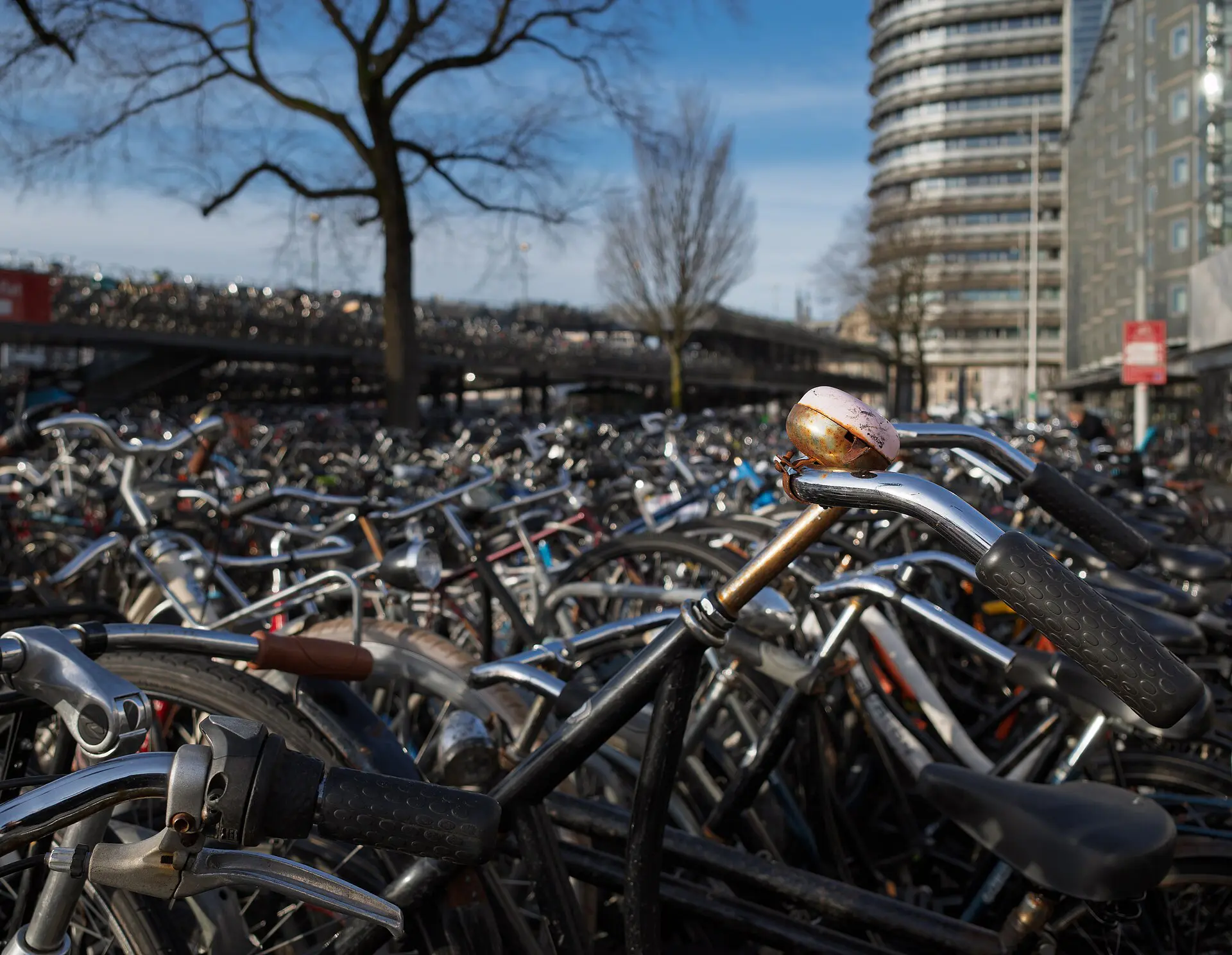
Theft. Pickpockets work in crowded places such as Amsterdam Centraal, trams, markets and tourist queues. Keep bags zipped in front of you and phones out of back pockets. If you rent a bike, use two locks and park it in a rack, as bike theft is common.
Cycling. Cyclists have priority on bike paths, and tourists often wander into them. Look both ways before crossing, and be careful of trams, e-bikes and scooters, which are fast and quiet.
Drugs and nightlife. Cannabis is tolerated in licensed coffeeshops but is not legal everywhere, and hard drugs are illegal. Avoid street dealers, who sell fake or unsafe products. Some areas of Amsterdam’s city centre have rules on public drinking.
Weather and water. Storms, floods and heat are rare but possible. Tap water is safe to drink.
Netherlands visa and entry requirements
Netherlands visa rules follow Schengen policy and depend on your nationality. Citizens of the EU and many other countries, including the US, UK, Canada and Australia, have generally been able to visit without a visa for up to 90 days in any 180-day period, while other nationalities need a Schengen visa from a Dutch embassy or consulate. Check the current requirement with the Dutch government or the official Schengen visa information source before booking.
The EU is rolling out new border systems, including the Entry/Exit System for biometric registration and ETIAS, a pre-travel authorisation for visa-exempt visitors. Timing has shifted more than once, so confirm the current status before you travel. Bring a passport valid for at least three months beyond your planned departure, issued within the last ten years, and keep proof of accommodation and funds in case you are asked.
Time spent in other Schengen countries counts toward the same 90 days. The UNESCO page for the Netherlands lists the World Heritage sites you can plan around, including Amsterdam’s canal ring and Kinderdijk.
Getting to and around the Netherlands
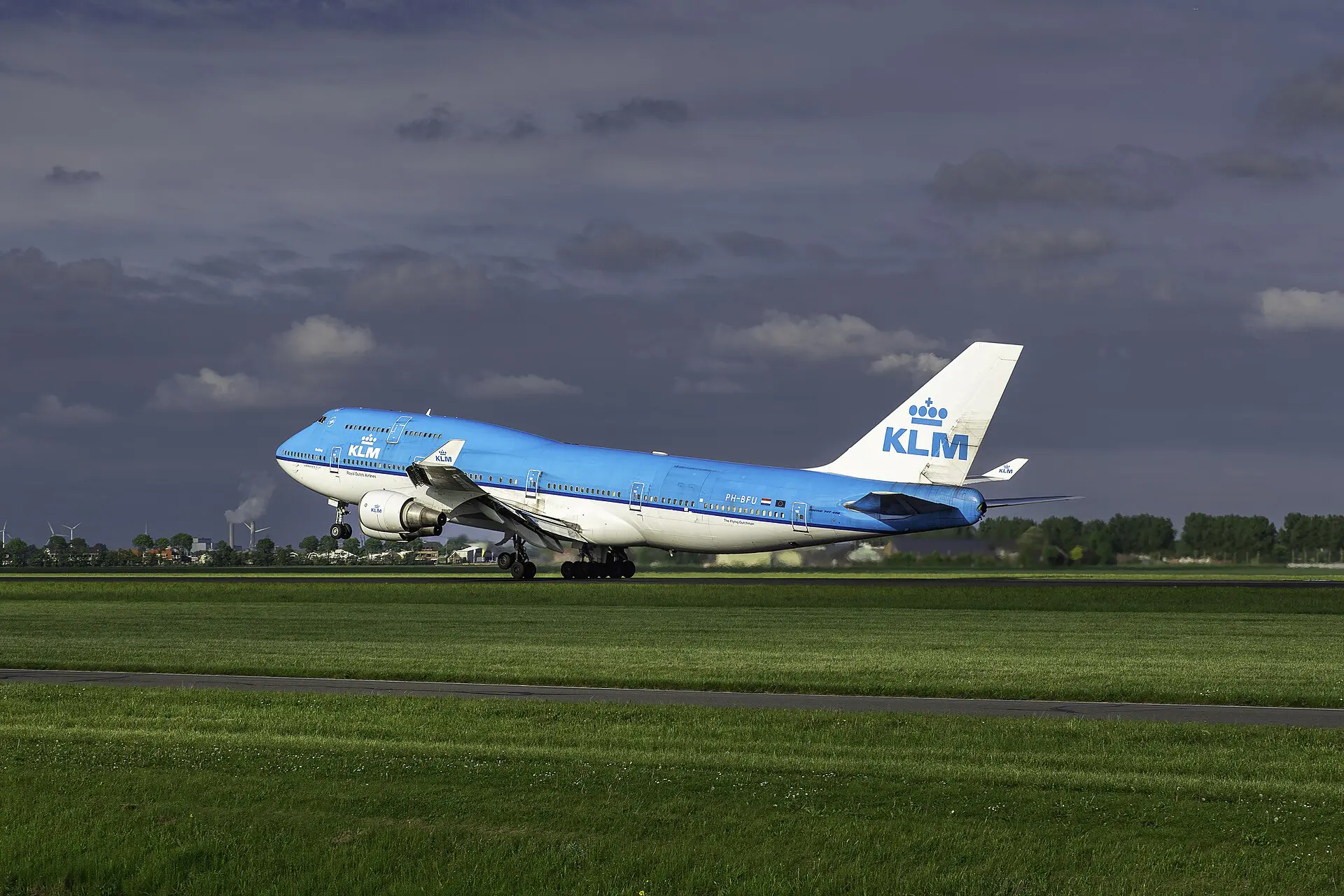
Most visitors fly to Amsterdam Schiphol, one of Europe’s biggest hubs, which has a train station under the terminal and a 15-to-20-minute ride to Amsterdam Centraal. Rotterdam The Hague Airport and Eindhoven take smaller airlines. International trains link Amsterdam with Brussels, Paris, London via Eurostar from Brussels, Cologne and Berlin, and ferries cross from the UK to the Hook of Holland and IJmuiden.
Trains are the best way to travel inside the country. The Dutch Railways network is dense, and typical journeys are Amsterdam to Utrecht about 30 minutes, to The Hague about 50 and to Rotterdam about 40 minutes on the fast service. Use a contactless bank card or an OV-chipkaart-style system for local transport, and check the 9292 app for routes. Trams, metros and buses cover cities.
Cycling is a standard way to get around, with a rental bike widely available and clear separate paths. Driving is not necessary and is expensive in city centres because of limited parking. Traffic drives on the right.
How much does a trip to the Netherlands cost?
The Netherlands is one of the pricier destinations in Western Europe, and Amsterdam hotels are expensive and book out in busy seasons. The currency is the euro. Figures below are rough per-person guides for 2026.
- Budget: around EUR 70 to 110 per day, with hostel dorms, supermarket food and local transport.
- Mid-range: around EUR 120 to 220 per day, with a private hotel room, restaurant meals, museum tickets and train trips.
- High-end: from around EUR 300 per day, with boutique hotels, fine dining and private tours.
Accommodation is the biggest cost, followed by museum entry, which often runs around EUR 20 to 25 per ticket. The Museumkaart pass can pay for itself if you visit several museums. Staying in Utrecht, Haarlem or Leiden and taking day trips can reduce hotel bills. Eating at bakeries, markets and snack bars is cheaper than sit-down dinners, and tap water is free. Train fares are fair for the distance, and off-peak discounts apply to some passes.
Netherlands food and drink
Netherlands food is practical and hearty, with a strong tradition of dairy, bread, potatoes and fish, and a modern scene shaped by Indonesian, Surinamese and Middle Eastern cuisines. Cheese markets, bakeries and snack bars are part of everyday life.

- Stroopwafel: two thin waffles glued with caramel syrup, best eaten fresh from a market stall.
- Haring: raw herring, served with onions and pickles, is eaten from street stalls, especially in spring.
- Gouda and Edam: cheese tastings in Gouda, Alkmaar and Amsterdam shops show the range from young to aged.
- Bitterballen: deep-fried meat ragout balls served with mustard at pubs.
- Poffertjes: small fluffy pancakes with butter and powdered sugar.
- Stamppot: mashed potatoes mixed with vegetables and served with sausage, a winter dish.
- Rijsttafel: an Indonesian rice table with many small dishes, a legacy of colonial links.
- Dutch beer and jenever: pilsner, Trappist ales and the juniper spirit jenever.
Vegetarian and vegan food is easy to find in cities. Frites with mayonnaise from a street shop are a classic snack. Lunch is usually light, with sandwiches or soup, and dinner is often early, around 6 to 8 pm.
Culture, language and etiquette in the Netherlands
Dutch is the national language, with Frisian also official in Friesland. English is spoken fluently by most people, especially in cities, so you can use it without apology, though a few Dutch words such as dank je (thank you) and alstublieft (please) are appreciated.
The Dutch are known for directness. Blunt opinions are not meant to be rude, and the same openness applies to praise, so do not be offended. Punctuality matters, so arrive on time for bookings and appointments. Queueing is generally orderly, and the culture values equality and modesty over showing off. Tolerance on personal matters, such as same-sex marriage and drug policy, is part of the modern national identity, though visitors should still follow local rules.
On the street, keep out of bike lanes, which are marked in red, and never step into them to take photos. In Amsterdam’s Red Light District, photographing sex workers is forbidden and signs warn of fines. Dutch homes are informal, and removing shoes may be expected when you visit. Birthdays are celebrated with congratulations to the whole family, not just the person.
Netherlands itinerary: a 7-day route
This route uses trains for all the major hops and keeps bases to three cities, which cuts down on packing and unpacking.
- Day 1, Amsterdam: arrive, walk the canal ring and eat dinner in the Jordaan district.
- Day 2, Amsterdam museums: visit the Rijksmuseum in the morning and the Van Gogh Museum or Anne Frank House with advance tickets.
- Day 3, Zaanse Schans and Haarlem: see the windmills in the morning, then spend the afternoon in Haarlem by train.
- Day 4, Keukenhof or Leiden (season-dependent): in spring visit Keukenhof, otherwise tour Leiden’s canals and museums.
- Day 5, The Hague and Delft: see the Mauritshuis, then Delft’s old centre in the afternoon.
- Day 6, Rotterdam and Kinderdijk: visit the Markthal and the harbour, then take a water bus to Kinderdijk.
- Day 7, Utrecht and departure: a stroll on the Oudegracht canal, then a 30-minute train to Schiphol.
With extra days add Giethoorn or Maastricht. In winter replace beaches and tulips with museums and Christmas markets.
Practical tips for the Netherlands
- Money: the euro is the currency. Many places are cashless and accept only debit cards or contactless payment, while some do not accept foreign credit cards, so carry a debit card and a little cash.
- SIM and eSIM: prepaid SIMs and eSIMs are widely available, and EU roaming rules apply for EU residents. Mobile coverage and Wi-Fi are excellent.
- Plugs: types C and F at 230 V, the same as most of continental Europe.
- Tipping: not required, but rounding up or leaving 5 to 10 percent for good service is normal.
- Transport: use contactless payment or a day ticket on trams and metros. Check in and out on train gates.
- Health: EU visitors should carry a European Health Insurance Card, and others need travel insurance. Pharmacies are widespread, and tap water is safe.
- Packing: waterproof jacket, comfortable shoes for cobbles and layers for changeable weather.
- Booking: reserve the Anne Frank House, Van Gogh Museum and Keukenhof weeks ahead for popular dates.
For more background, see the Wikivoyage Netherlands guide.
FAQ
Q1What is Netherlands food like?
Netherlands food is hearty and simple: cheese, bread, herring, stroopwafels, bitterballen, poffertjes and stamppot. Indonesian rijsttafel is a popular modern favourite. Street snacks are cheap, restaurant meals cost more, and vegetarian options are easy to find in cities.
Q2What are the best things to do in the Netherlands?
Top picks are the Rijksmuseum and Van Gogh Museum, a canal cruise in Amsterdam, windmills at Kinderdijk or Zaanse Schans, tulips at Keukenhof in spring, cycling through the countryside and day trips to Utrecht, Delft, The Hague and Rotterdam.
Q3What is the best time to visit the Netherlands?
April to May suits tulips and mild weather, and June to September offers long days and terraces but higher prices. Winter is cold and grey, though good for museums and Christmas markets. Weather is changeable all year, so pack a rain jacket.
Q4What are the best things to do in Holland?
Holland means North and South Holland, so the best things to do there include Amsterdam's canals and museums, Haarlem, Leiden, Keukenhof, The Hague, Delft and the dune beaches at Zandvoort and Scheveningen. They are all easy day trips by train.
Q5Do I need a visa for the Netherlands?
It depends on your nationality. Citizens of the EU and many other countries can visit visa-free for up to 90 days in 180 under Schengen rules, while others need a Schengen visa. New entry systems such as EES and ETIAS are being phased in, so check official sources.
Q6What are the best places to visit in the Netherlands?
Amsterdam is the top draw, followed by Utrecht, Rotterdam, The Hague and Delft. For landscapes visit Kinderdijk, Zaanse Schans, Giethoorn and the tulip fields near Lisse, and add Maastricht for a different southern feel.
Q7Is the Netherlands safe to visit?
Yes, it is very safe. The main risks are pickpocketing in crowded areas, bicycle theft and collisions with cyclists, so stay out of bike lanes. Avoid street drug dealers, keep bags zipped on trains and check your government's travel advice before you go.