
Why visit Amsterdam
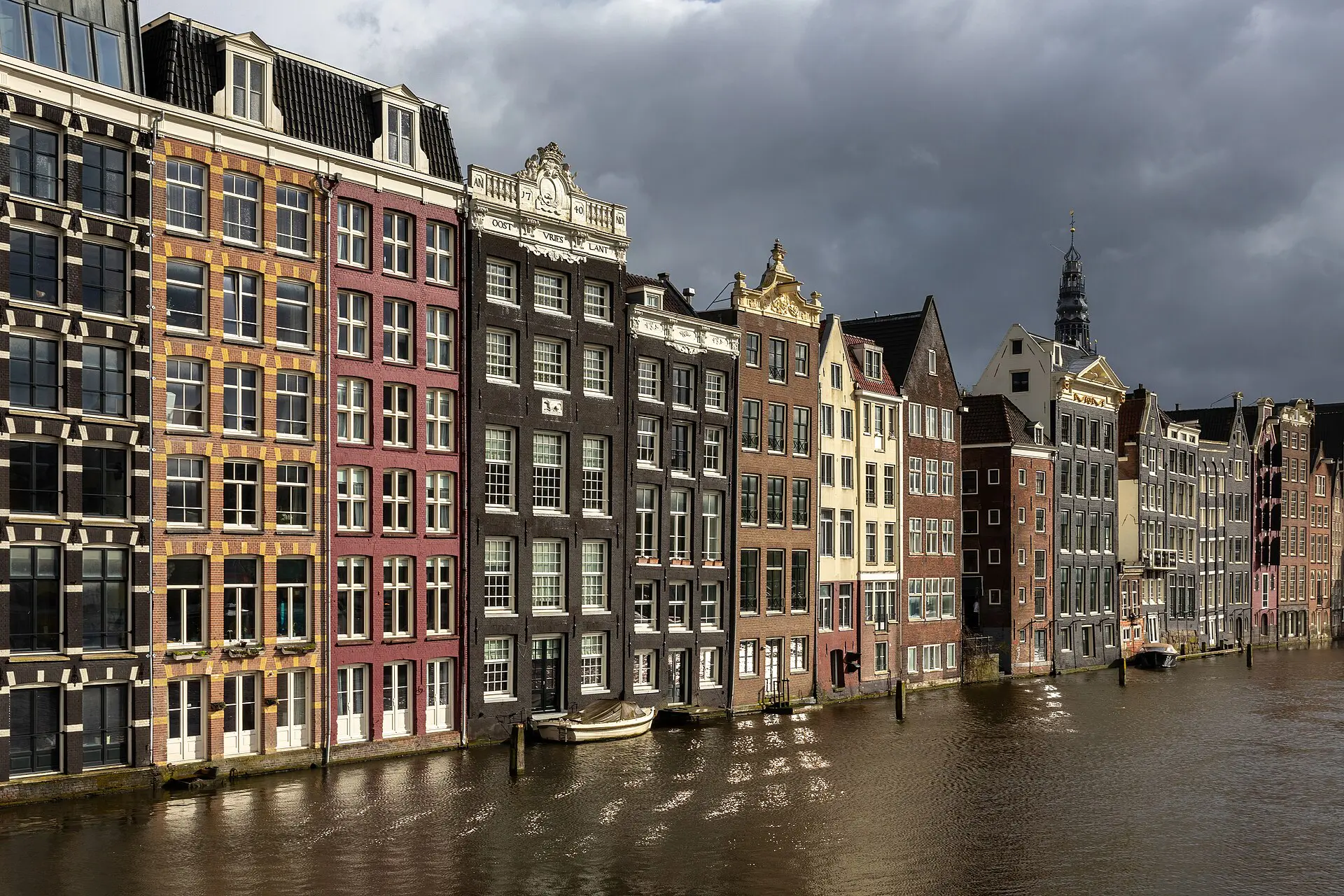
If you are searching for things to do in Amsterdam, the honest answer is that the city itself is the main attraction. It is the capital and largest city of the Netherlands, with a population of roughly 940,000 in the city proper. Its historic canal belt is a UNESCO World Heritage Site, and the web of waterways, narrow brick houses and more than 1,500 bridges earned it the nickname “Venice of the North”.
The city grew from a small fishing village in the 12th century into a major world port during the Dutch Golden Age of the 17th century, and that wealth still shapes its architecture and its art collections. Today it is also a city built around bicycles, with dedicated lanes almost everywhere.
Amsterdam is compact, so you can see a lot on foot, by bike and by tram. It suits first-time visitors, museum-lovers and anyone who enjoys wandering through neighbourhoods rather than ticking off a long list of sights.
Top things to do in Amsterdam


Walk the Canal Belt
The 17th-century canal ring is the heart of the city and the reason for its UNESCO listing. Allow two to three hours to wander along the main canals and across the side streets that connect them. Early morning is quietest, and the light on the water is at its best then. Stay alert for cyclists when you cross bike lanes.
Visit the Rijksmuseum
The Rijksmuseum is the Netherlands’ state museum, with a large collection of Dutch art and history. Plan a minimum of two to three hours, and more if you want to see it properly. Tickets are usually timed, so book online ahead of your visit, particularly in peak season. Check current opening hours and prices on the official website.
Explore the Jordaan
The Jordaan is a former working-class district and one of the city’s best-known areas. Its small streets, canals and independent shops reward slow wandering, and a couple of hours is plenty. Many visitors combine it with the western canals. Weekday mornings are calmer than weekends.
Hire a bike
Cycling is central to how Amsterdam works, and renting a bike lets you cover more ground. Take care at first: bike lanes are busy, tram tracks can catch wheels, and local riders move fast. Choose a quieter route on your first ride, and lock the bike properly whenever you stop.
Take a canal cruise
A boat trip gives a different view of the houses and bridges and usually lasts around an hour. Several operators run departures from the central area, so compare current options and read recent reviews rather than booking the first offer. Evening trips can be pleasant outside midwinter.
See Dutch art beyond the big names
Amsterdam has more museums than most visitors can fit in, including those devoted to individual painters and to the city’s own history. Pick one or two that match your interests instead of trying to see everything. Check each museum’s current opening days, as some close on certain weekdays.
Browse the markets and cafes
Amsterdam has plenty of street markets and brown cafes, the traditional local pubs, where you can sit for a coffee or a drink between sights. Budget an hour or two and look for places away from the busiest squares, where prices are usually lower. Cash is less common than cards, so carry a card.
Best time to visit Amsterdam
Amsterdam is a year-round city, but the experience changes with the season. Spring and early summer are popular for mild weather and the nearby tulip season, while summer is the busiest period. Winter is cooler and often grey, with fewer crowds and lower hotel prices.
| Season | Weather | Crowds and prices |
|---|---|---|
| Spring (March to May) | Cool to mild, showers likely | Busy around the tulip season, rising prices |
| Summer (June to August) | Warmest, with some rain | Peak crowds, highest prices |
| Autumn (September to November) | Mild, turning cool and wet | Quieter after early September |
| Winter (December to February) | Cold, often grey | Fewer visitors, lower prices except around holidays |
For a balance of weather and manageable crowds, aim for April to early June or September.
How to get to Amsterdam and around
Most international visitors arrive at Amsterdam Schiphol Airport, which is linked to the city centre by direct train. The journey normally takes around 20 minutes, but confirm current timetables and fares before you travel. Amsterdam Centraal is the main railway station, with domestic and international connections to other Dutch cities and neighbouring countries.
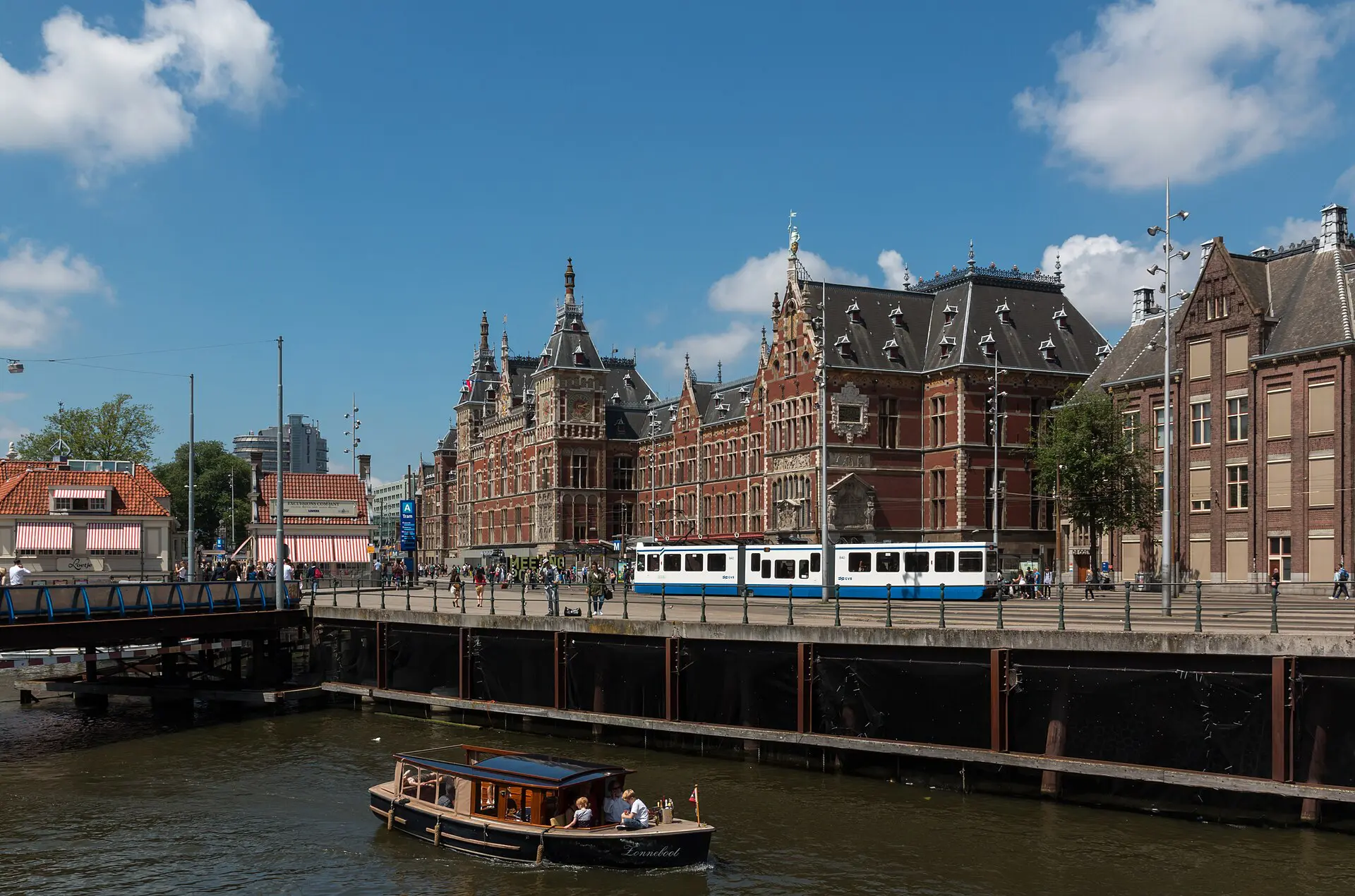

Within the city, most sights are reachable on foot. Trams, buses and the metro fill in the gaps, and many visitors use a contactless bank card or a transport card; check what the operators currently accept. Bikes are the local default and are widely available to rent. Driving in the centre is not worth the effort, as parking is limited and expensive.
Where to stay in Amsterdam
Amsterdam is small enough that most central areas work well, but each has a different feel, and prices are often high compared with other European cities, so book early.
- Canal Belt: the classic choice for first-time visitors who want atmosphere, walkability and easy access to museums and restaurants. Expect higher prices.
- Jordaan: quieter, residential streets with cafes and small shops. A good fit for couples and slow travellers.
- Near Centraal Station: convenient for arrivals, day trips and onward travel, though busier and more commercial.
- Outer districts: good for budget travellers and longer stays, with tram or metro links to the centre. Check the journey time before you book.
How many days do you need?
Two to three days is the sweet spot for a first visit. One day lets you see the canals and one major museum, but you will be rushing. Three days adds a slower neighbourhood or a day trip. A suggested outline:
- Day 1: walk the Canal Belt in the morning, visit the Rijksmuseum in the afternoon, and finish with dinner in the Jordaan.
- Day 2: rent a bike or take a canal cruise, then spend the afternoon at a smaller museum or a market.
- Day 3: take a day trip to Haarlem or, in spring, the Keukenhof flower gardens.
Add extra days if you plan several museums or want to explore the wider region.
Day trips and nearby

Haarlem
Haarlem is a historic city close to Amsterdam and reachable by train in a short ride. It has its own canals, museums and a more relaxed feel than the capital. Half a day is enough for a stroll and lunch, and a full day lets you go at an easier pace.
Keukenhof
Keukenhof is the well-known flower garden near the town of Lisse, open only for a limited spring season. Check the current opening dates and ticket options before planning, as the window is short and weather affects the bloom. Public transport and organised tours run from Amsterdam in season.
Utrecht
Utrecht is a lively university city with a medieval centre and old canals set below street level. It is usually an easy train ride from Amsterdam, and a day gives you time to explore the centre. It suits visitors who want a smaller, less crowded city.
The Hague and Rotterdam
The Hague, the seat of Dutch government, and Rotterdam, a port city known for modern architecture, both have regular train links from Amsterdam. Each works as a full day trip, and the contrast with Amsterdam’s old centre is the main draw. Check current train times before you go.
FAQ
Q1When is the best time to visit Amsterdam?
April to early June and September are usually the best balance of mild weather and manageable crowds. Spring is also tulip season in the region. July and August are the busiest and most expensive months, while winter is quieter and cheaper but colder and often grey.
Q2How many days do you need in Amsterdam?
Two to three days is enough for the main canals, one or two museums and a neighbourhood walk. With a fourth day you can add a day trip, for example to Haarlem, Utrecht or the spring flower gardens at Keukenhof.
Q3How do you get from Schiphol Airport to central Amsterdam?
A direct train links Schiphol with Amsterdam Centraal and usually takes around 20 minutes. It is the simplest option for most travellers. Check current timetables and ticket options on the day, as services and fares can change.
Q4Is Amsterdam expensive?
Amsterdam is often one of the pricier cities in Western Europe, mainly because of accommodation, which is expensive in peak months. Book early, consider staying slightly outside the centre, and use public transport or walking to keep daily costs manageable.
Prices, schedules and entry rules change. Check current details with official sources before you travel. Read the Netherlands travel guide.