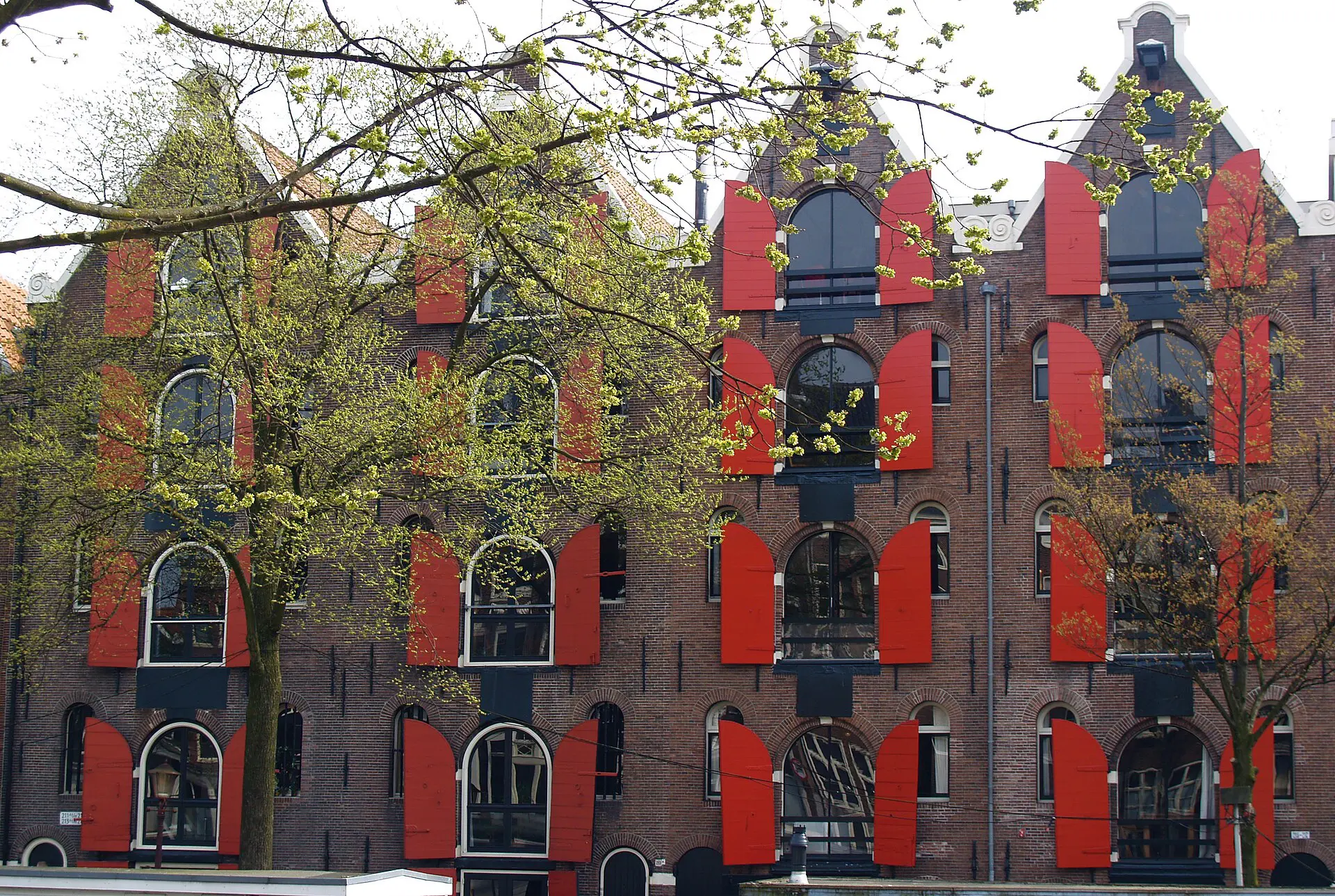
The best Amsterdam 3 day itinerary pairs one anchor museum with one street, market or district per block, and lets the rest of the map go. Three days is enough for the Rijksmuseum, the Anne Frank House, the Van Gogh Museum, the Jordaan and a trip across the IJ. If you only have one day: Rijksmuseum at opening, Jordaan streets at lunch, canal walk in the late afternoon. Everything below is ordered by time block, with the booking and closing-day risks flagged.
How to use your Amsterdam 3 day itinerary
Amsterdam rewards a simple rule: one anchor, one street. The anchors are the big museums, which run on timed tickets and fill by late morning. The streets are the markets and neighbourhoods between them, which need no booking and flex around the weather.
Book the anchors first, then fit the streets around the slots. The central semicircle is about 2 km in radius, so every block below is a walk or a short tram ride, never a transfer.
- Day 1: Museum Quarter and De Pijp.
- Day 2: Anne Frank House, Jordaan and the canal ring.
- Day 3: Van Gogh Museum, then the waterfront across the IJ.
Amsterdam 3 day itinerary: the time-blocked plan
1. Day 1 morning: Rijksmuseum, first slot
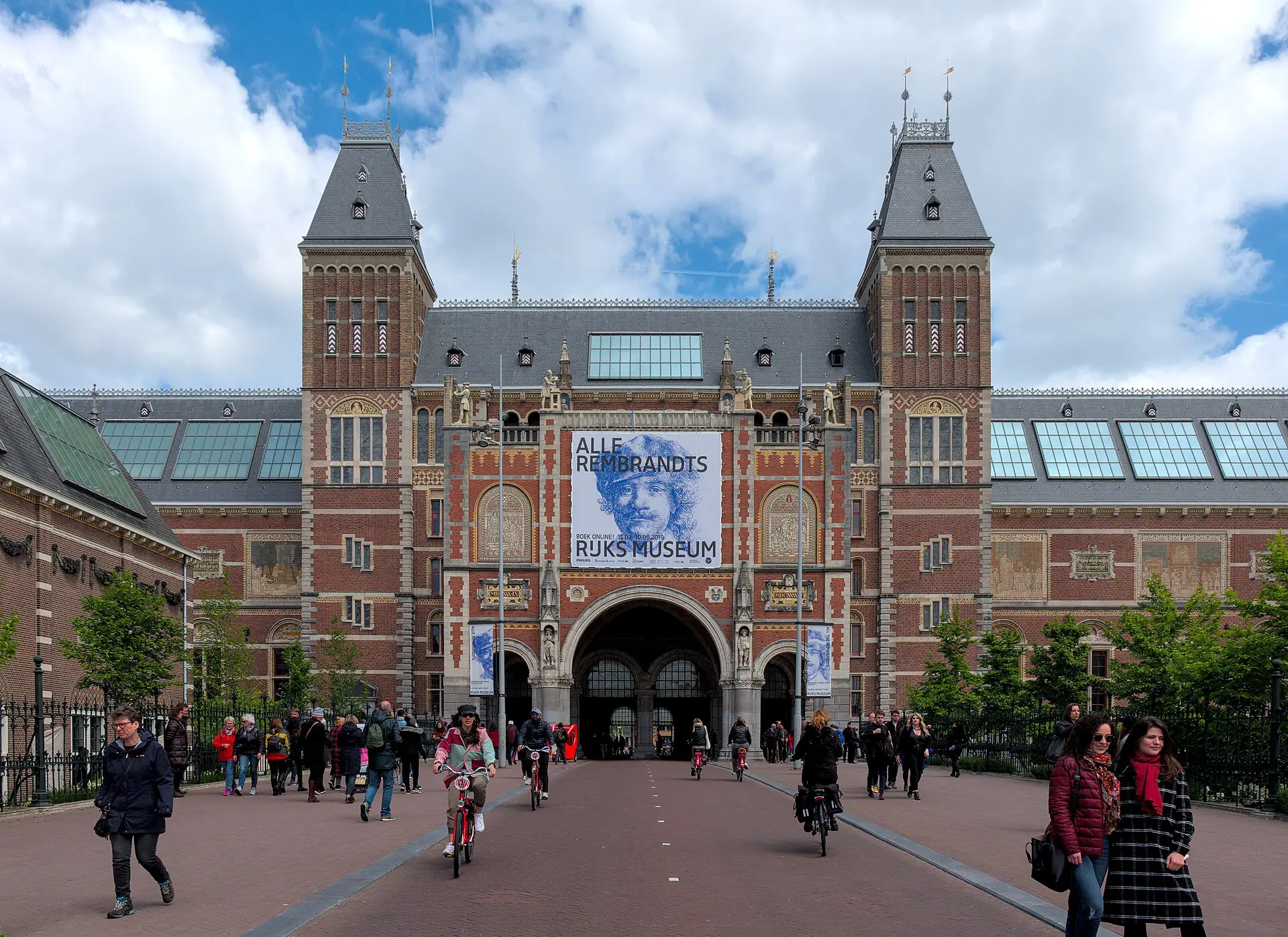
The Dutch national museum holds the Golden Age core: Rembrandt, Vermeer, Hals. Book the earliest timed entry and go straight to the Gallery of Honour on the upper floor before the tour groups arrive. Allow two and a half hours. Do not try to see everything; the Night Watch, the Vermeers and the Delftware rooms are a complete visit. The museum is normally open daily, but confirm hours and ticket terms before you go.
2. Day 1 afternoon: Albert Cuyp Market and De Pijp
Walk or tram south to De Pijp for lunch at the street market. Albert Cuypmarkt runs Monday to Saturday and is closed on Sundays, so swap this block with another day if you arrive on a weekend. Eat from the stalls, then walk the side streets for an hour. It is the quickest way to see the city as locals use it, and it balances a morning of oil paintings. Return via the Museumplein lawns if you want the light.
3. Day 2 morning: Anne Frank House, then Westerkerk
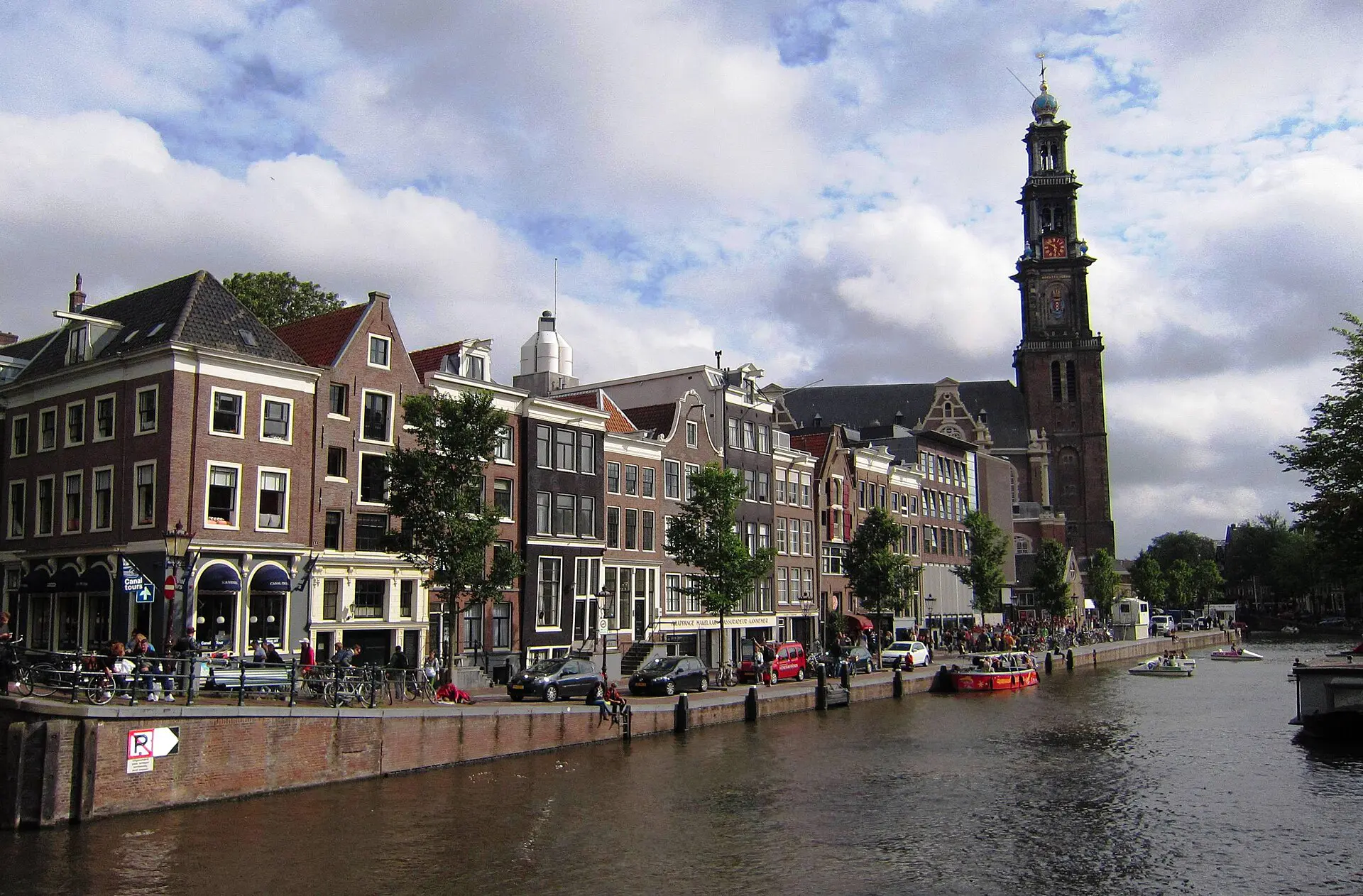
This is the hardest ticket in the city. Entry is by timed slot, released online in advance, and walk-up tickets are not realistic. Book as soon as your dates are fixed, and pick the earliest slot you can get. The visit takes about an hour and is quiet and heavy, so keep the next block light. Westerkerk is next door, with a tower that gives a high view over the canal ring when it is open.
4. Day 2 afternoon: Jordaan and the Noordermarkt
The Jordaan was a working-class district and now holds small galleries, brown cafes and narrow canals. Walk it west of the Prinsengracht with no fixed route. The Noordermarkt square has a Saturday organic market and a Monday flea-style market; check which is running before you plan around it. Many small shops close on Sunday mornings or Mondays, so treat this as a walking block rather than a shopping one.
5. Day 3 morning: Van Gogh Museum, then Museumplein
Another timed ticket and another early slot. The museum is organised chronologically, which makes it easy to read in 90 minutes. The Stedelijk Museum of modern art is on the same square if you want a second museum, and it suits a rainy hour. Book the Van Gogh slot for 9am if possible: queues build by 10:30, and the permanent galleries are cramped once the groups arrive.
6. Day 3 afternoon: the waterfront across the IJ
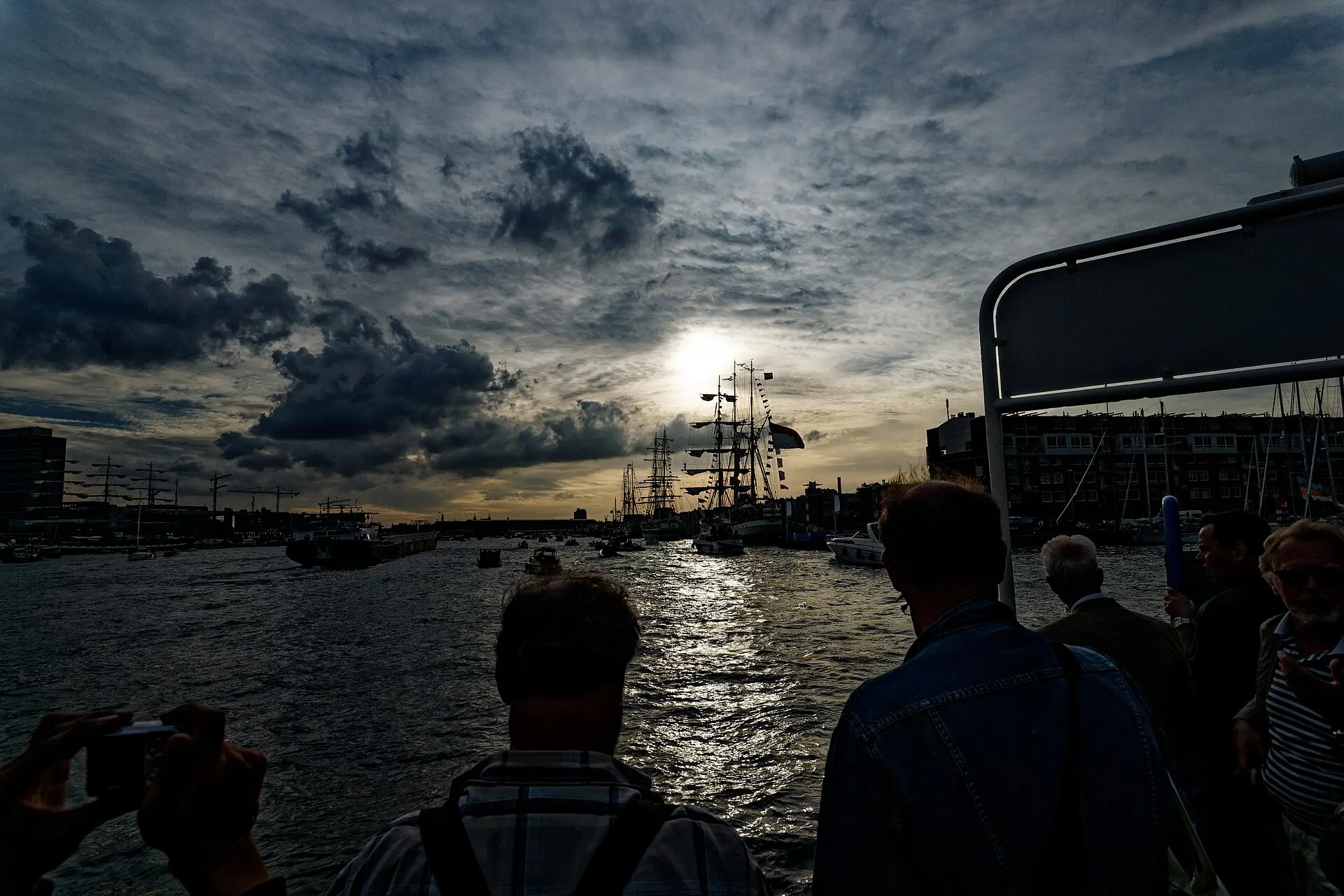
Behind Centraal Station, free GVB ferries cross the IJ to Amsterdam Noord in a few minutes. Take one to the EYE film museum for its waterfront terrace and building, or go to the former NDSM shipyard for studios, street art and a flea market on some weekends (check dates). It is the modern counterweight to the canal ring, and the ferry ride itself is the best free view of the harbour. Return to Centraal for dinner.
Queue-avoidance timing in Amsterdam
Amsterdam queues are mostly a ticketing problem, not a walking one. Three rules cover almost all of it.
- Book every anchor in advance. The Rijksmuseum, Van Gogh Museum and Anne Frank House all work on timed entry. Slots for peak months can be gone weeks ahead.
- Take the first or last slot. The first entry of the day is the emptiest; the last two hours before closing are the second best.
- Use midday for streets. Markets and canals do not care about slots, and the museum crush peaks between 11am and 2pm.
A museum pass can save money if you plan three or more paid sights, but it does not always replace a timed reservation. Check what the pass covers as of 2026 before you buy it. Mondays and Sundays change the picture: some smaller museums and many shops keep shorter hours, so check each venue the week you travel.
Getting around Amsterdam
Walk the centre. Most distances in this plan are 10 to 25 minutes on foot. For longer legs, use the GVB trams, which accept contactless bank cards and phones at the readers, and the free ferries behind Centraal Station. Bicycles are everywhere and the cycle lanes are fast; as a visitor, stay out of them when walking and look both ways for bikes before you cross.
From Schiphol airport, a direct train reaches Centraal in roughly 15 to 20 minutes. Rotterdam is about an hour by train and works as a separate day, not as a stop in this itinerary. For background, the Wikivoyage guide to Amsterdam lists the districts in more detail.
Where to stay in Amsterdam
- Museum Quarter and Oud-Zuid: best for the Rijksmuseum and Van Gogh Museum on foot, quiet at night, higher prices.
- Jordaan and the Canal Ring: central, scenic and walkable to the Anne Frank House; rooms are small and prices high.
- De Pijp: good food and market access, a tram ride from the centre, busier at night.
- Near Centraal Station: practical for trains and ferries; the streets nearest the station are busy and noisy at night.
Book early for weekends and for April and May, when the tulip season pushes up rates. For more of the local picture, see our Amsterdam city guide.
What to skip in Amsterdam if you are short on time
I would skip the canal-cruise upsell if you have only two days: the same views are free from the Singel and Herengracht on foot. I would also skip the Red Light District as a sight in itself; it is crowded at night and rewards little beyond a glance. Drop the brewery tours and the souvenir streets near Dam Square. If you have to cut one anchor from three days, cut the second museum on any day: one museum per half-day is the pace this plan assumes, and a second one is where fatigue and queues start.
Here is the one-day cut again, in order.
- 9am: Rijksmuseum, Gallery of Honour only.
- 12:30pm: lunch around the Jordaan or Albert Cuyp Market.
- 2pm: Jordaan streets and Westerkerk exterior.
- 5pm: canal walk to Centraal and the free ferry across the IJ.
FAQ about Amsterdam
Is three days enough for Amsterdam?
Yes, for a culture-first break. Three days covers the Rijksmuseum, the Anne Frank House, the Van Gogh Museum, the Jordaan and a waterfront half-day with time for meals. Two days works if you drop either the Van Gogh Museum or the IJ crossing.
What should I book in advance in Amsterdam?
Book the Anne Frank House first, then the Van Gogh Museum and Rijksmuseum, all on timed slots. Release dates and prices change, so use the official sites as of 2026. Markets, canals and the Jordaan need no booking.
Which day is best for Albert Cuyp Market?
Any day from Monday to Saturday. It is closed on Sundays, and Saturdays are the busiest. A weekday late morning gives you full stalls and room to walk, so put this block on your lightest museum day.
Is Amsterdam walkable?
Very. The old centre is a semicircle with a radius of about 2 km, and most sights sit within 25 minutes on foot. Use trams for the longer legs to De Pijp or Museum Quarter, and watch for cyclists at every crossing.
For more on the country, see our Netherlands guide. The Wikipedia entry on Amsterdam covers the city’s history and canal district.