On Jamaica all inclusive vs independent, the verdict is simple: all-inclusive wins on cost if you will mostly stay on the property and drink and eat steadily, and independent wins if you plan to roam, eat locally and travel for more than about a week. The break-even sits at roughly $60 to $100 per person per day of food and drink. Below, both options priced in ranges, seven places where one costs more than the other, and a verdict by traveller type.
Jamaica all inclusive vs independent: the side-by-side cost table
All figures are rough planning ranges in US dollars per person per night, for two people sharing a room, in the main season as of 2026. Rates swing widely by resort, month and booking date, so check live prices.
| Cost line | All-inclusive | Independent (mid-range) |
|---|---|---|
| Room | $180 to $450 (bundled) | $90 to $220 |
| Food | Included | $35 to $70 |
| Drinks | Included (house brands) | $10 to $30 |
| Airport transfer, per person each way | $20 to $50 shared, often via resort | $20 to $90 depending on route |
| Excursions, per day when taken | $40 to $120 extra | $20 to $100 |
| Typical total per person, per night | $180 to $450 | $150 to $380 |
The two ranges overlap heavily. That is the point: the winner depends on how you spend, not on the brochure.
A worked example shows how fast the answer flips. Take a couple on a five-night stay who would each spend about $70 a day on food and drink if left to choose. Independent: a $140 room plus $140 of food and drink for two comes to about $280 a night, so $1,400 over the stay. All-inclusive at $330 a night comes to $1,650, but covers the extras you would otherwise buy, such as snacks and a second round of drinks. Add a few resort activities and the gap closes to under $150.
Stretch the stay to ten nights and the same independent couple spends about $2,800 against $3,300 for the bundle, and cooking a few meals pushes the difference higher. These are illustrations with hedged inputs, not quotes.
Where each option costs more or less in Jamaica
Seven items decide the bill. Each one points one way.
1. Food and drink volume
This is the break-even driver. If you would spend about $60 to $100 a day each on meals, cocktails and snacks anyway, the bundled price usually wins. If you eat one proper meal and drink lightly, you pay for a buffet you do not use. Track your normal holiday spend before deciding.
2. Break-even nights
On a stay of three to five nights, all-inclusive tends to cost about the same or less, since the room premium is spread over a short trip and you eat on site. Past seven nights, independent usually pulls ahead because you can cook, use cheap local places and vary your base. I would run both numbers for your dates before paying.
3. What all-inclusive excludes
Read the inclusions list. Typical exclusions are premium spirits and wine, some specialty restaurants, spa treatments, motorised water sports, off-site tours, tips and the resort fee or taxes at some properties. Three exclusions can add $30 to $80 a day for a heavy spender. Where the rate says all-inclusive, ask for the exclusions in writing.
4. Airport transfers
Jamaica’s main resort areas sit one to three hours from the main airports, so transfers are a real line item. Resorts usually sell a shared transfer, and independent travellers can book a private driver or a licensed taxi. The mistake is leaving it to the arrivals hall: agree the fare before you get in, and know your route.
Jamaica excursions, tips and seasons compared
The last three items are smaller, but they add up over a week.
5. Excursions and day trips
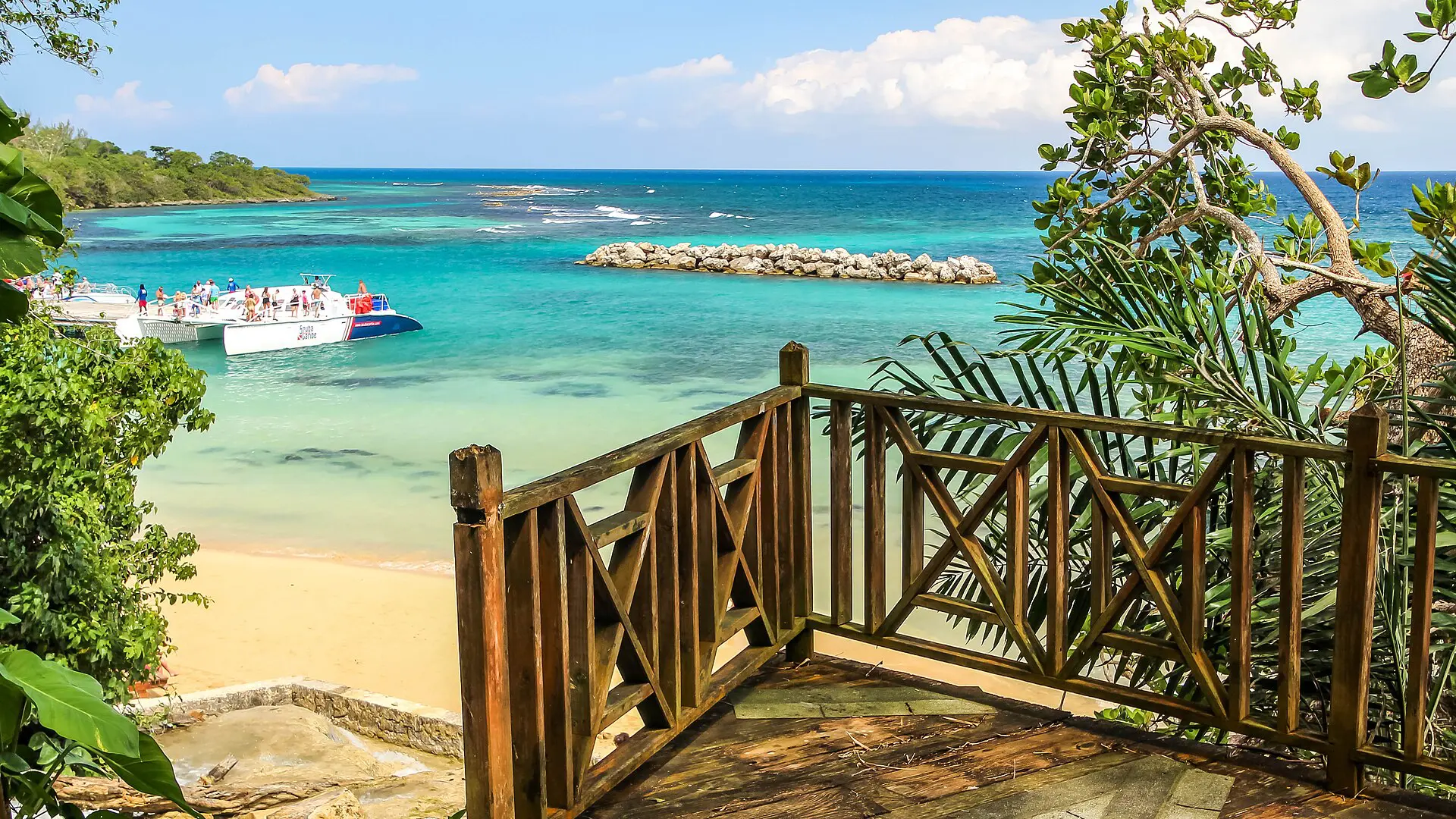
Independent travellers often pay less per outing, because they can book direct and bring their own lunch. All-inclusive guests tend to buy from the resort desk at a markup. The saving is real but small, usually 10 to 25 percent, and comes with more planning work.
6. Tipping and small cash
Tips are expected for porters, drivers, guides and servers in both modes. All-inclusive hides the cost in a steady flow of small notes, independent in larger single payments at restaurants. Budget about 10 to 15 percent of the service total, and carry small bills.
7. Seasonal pricing
All-inclusive rates move sharply with season, often by a third or more between peak winter and the wetter months. Independent guesthouses move too, but less. For value, shoulder periods such as late April to June, or November before the holiday rush, tend to cut both.
Jamaica transport and lodging deltas
Transfers and lodging are where the two options really differ, so look at them side by side. Resort stays concentrate cost in one place. Independent stays spread it across transport and lodging, which is where surprises show up.
- Pay more for: a private driver for arrival day, a room in a well-reviewed small property near the beach and a reliable rental car if you plan several regions.
- Save on: shared transfers where available, a self-catering kitchen on stays beyond a week and local food stands and cookshops for lunch.
- Booking window: book all-inclusive packages for peak winter four to six months out, and watch for price drops in shoulder months. Independent stays can be booked closer, but the best small properties go early.
Lodging outside the resort strip also varies more. Small guesthouses and villas can be excellent value, but a few lack reliable hot water or air conditioning, so read recent reviews and ask for a listing of what is included. Self-catering helps most on stays beyond a week, when a kitchen saves $20 to $40 a day per couple. A hire car costs more than a series of taxis for short stays, and driving is on the left. If you want to see more than one resort area, price a private driver by the day alongside the rental.
Jamaica all inclusive or independent: which suits which traveller
Choose by what you value, then check the maths.
- Comfort and low effort: all-inclusive. Everything is on site and you can budget once, up front.
- Flexibility: independent. You choose the neighbourhood, the meals and the schedule, and can change plan midweek.
- Pace: all-inclusive for a quiet beach week; independent for a trip that moves between regions.
- Savings: independent on stays over a week or for light eaters; all-inclusive on short stays with heavy use of the bar and buffet.
For broader planning, our Jamaica travel guide covers the main areas, and the Wikivoyage guide to Jamaica lists the north-coast resort towns where most all-inclusives cluster.
One more split worth making. Pay more for the things that remove failure points: a confirmed pickup, a room with air conditioning that works and a property that other travellers describe consistently. Save on things that do not affect the trip: a bigger room category, extra spa credits and a premium cocktail package that you may not finish.
What the cheaper option costs you
Cheaper is not the same as better value, so count what you give up.
- If you go all-inclusive: you may spend much of the trip inside one fenced property, eat a narrower range of food and see less of the country. The saving is real, but the trip is more uniform.
- If you go independent: you take on research, navigation and some uncertainty. Quality varies more, and a bad week at an indifferent guesthouse costs more in disappointment than it saved in money.
Whichever side of the Jamaica all inclusive vs independent question you land on, price both for your dates. The island is large, about 11,000 square kilometres according to Wikipedia, and road times are longer than the map suggests. A hybrid is often the best value: two or three nights at a resort, then three or four independent.
FAQ about Jamaica all inclusive vs independent
Is Jamaica all inclusive cheaper than independent?
It is cheaper if you will eat and drink heavily on site and stay under about a week. For light eaters, longer trips and people who leave the property daily, independent is usually the same cost or lower, depending on the rooms you choose.
How many nights does an all-inclusive need to pay off?
There is no fixed number. As a rule, if the premium over a room-only rate is less than what you would spend on food and drink anyway, it pays off from night one. For many travellers that is true for three to five nights.
What is not included in an all-inclusive in Jamaica?
Commonly excluded items are premium spirits, some restaurants, spa services, off-site tours, motorised water sports, tips and sometimes taxes or fees. Policies differ by resort, so read the list for your exact booking before paying.
Do I need a rental car if I stay independent?
Not if you stay in one area. Taxis and private drivers handle most trips. A rental makes sense if you move between regions over a week or more, but drivers should expect left-side traffic, narrow roads and variable surfaces.
When is the cheapest time for a Jamaica trip?
Late spring and the autumn months are generally lower priced than mid-December to April. The trade-off is heat, humidity and hurricane season, which runs June to November, so buy flexible fares and insurance that covers weather disruption.