Where to stay in Costa Rica as a solo traveler? Pick two or three bases rather than one: La Fortuna for volcano and hot-spring days, Monteverde for cloud forest, and a beach town such as Santa Teresa, Puerto Viejo or Manuel Antonio for the coast. Costa Rica is small, but roads are slow and the sun sets early, so each hop takes most of a day. Here is how the main bases compare.
Getting to Costa Rica and arrival-time advice
Most visitors fly into San José’s Juan Santamaría airport (SJO), which is actually near Alajuela, or into Liberia (LIR) in the northwest, which is closer to the Guanacaste beaches. Sunset comes at around 5:30 to 6 pm all year, and driving or walking in the dark is tiring and harder on rural roads, so aim to land in daylight.
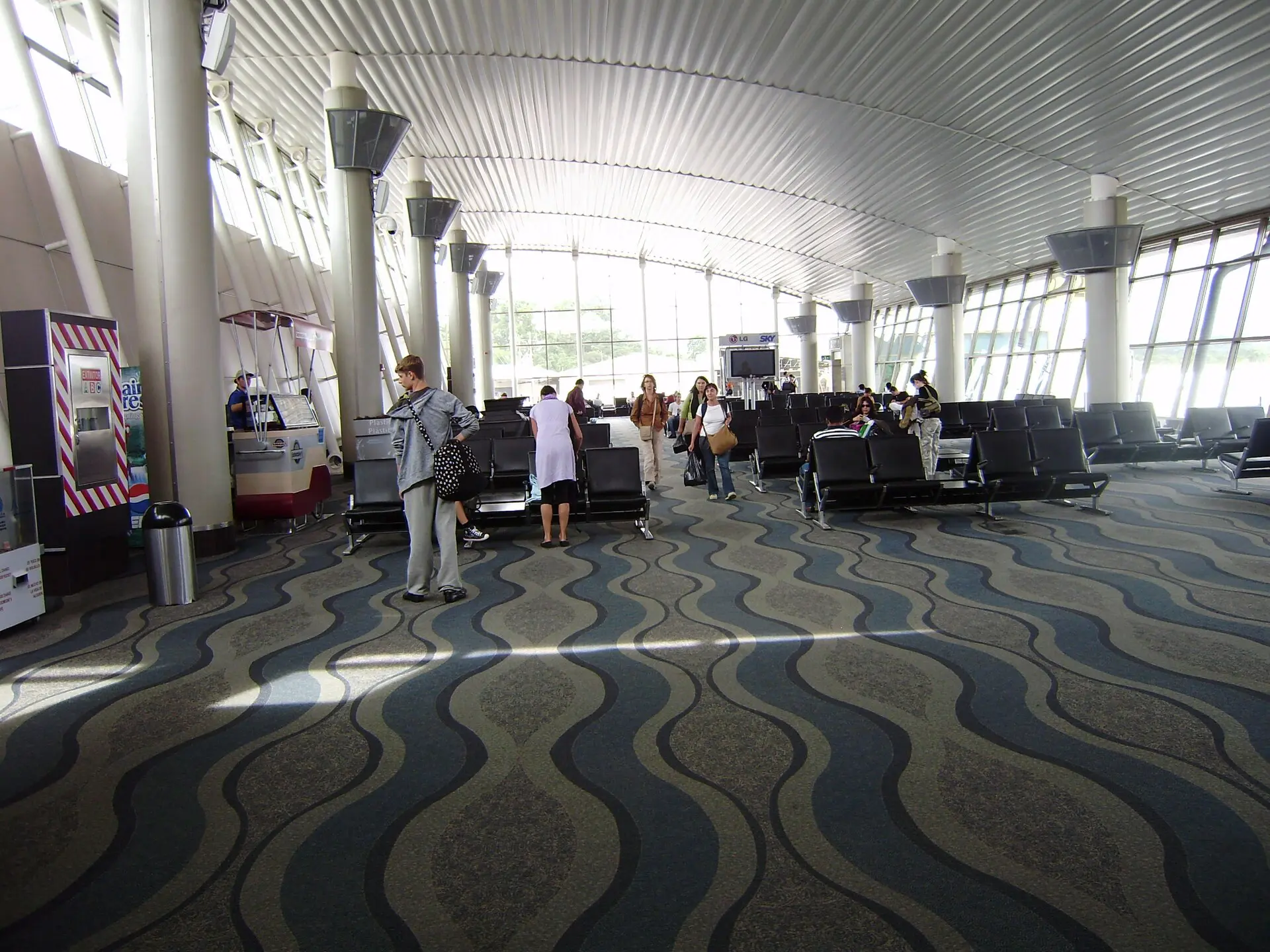
If your flight arrives late, sleep near the airport on the first night, and move on in the morning. Use the official airport taxi counter or a transfer booked by your accommodation, and avoid unlicensed drivers in the arrivals hall. Check current rules and fares, as they change. Pre-book the first night and know your address in Spanish.
From the capital, shared shuttle vans connect the main tourist towns door to door, public buses are cheaper and slower, and domestic flights save time on some routes. Book shuttles ahead in the dry season.
Where to stay in Costa Rica: bases compared for solo travelers
The country splits into regions with different weather and pace. Match your base to what you want to do, and then count the travel days.
| Base | Best for | Evening feel | Watch for |
|---|---|---|---|
| La Fortuna (Arenal) | Volcano views, hot springs, adventure tours, easy group trips | Small town, restaurants, social hostels | Busy tour season; rainy afternoons |
| Monteverde | Cloud forest walks, night wildlife tours, zip lines | Quiet and cool, early nights | Winding roads; bring a jacket |
| Santa Teresa | Surf, yoga, a social beach scene | Lively with a casual crowd | Dusty roads; ATMs are limited |
| Puerto Viejo de Talamanca | Caribbean beaches, bikes, a relaxed pace | Bars and music in town | Rip currents; lock bikes and keep valuables out |
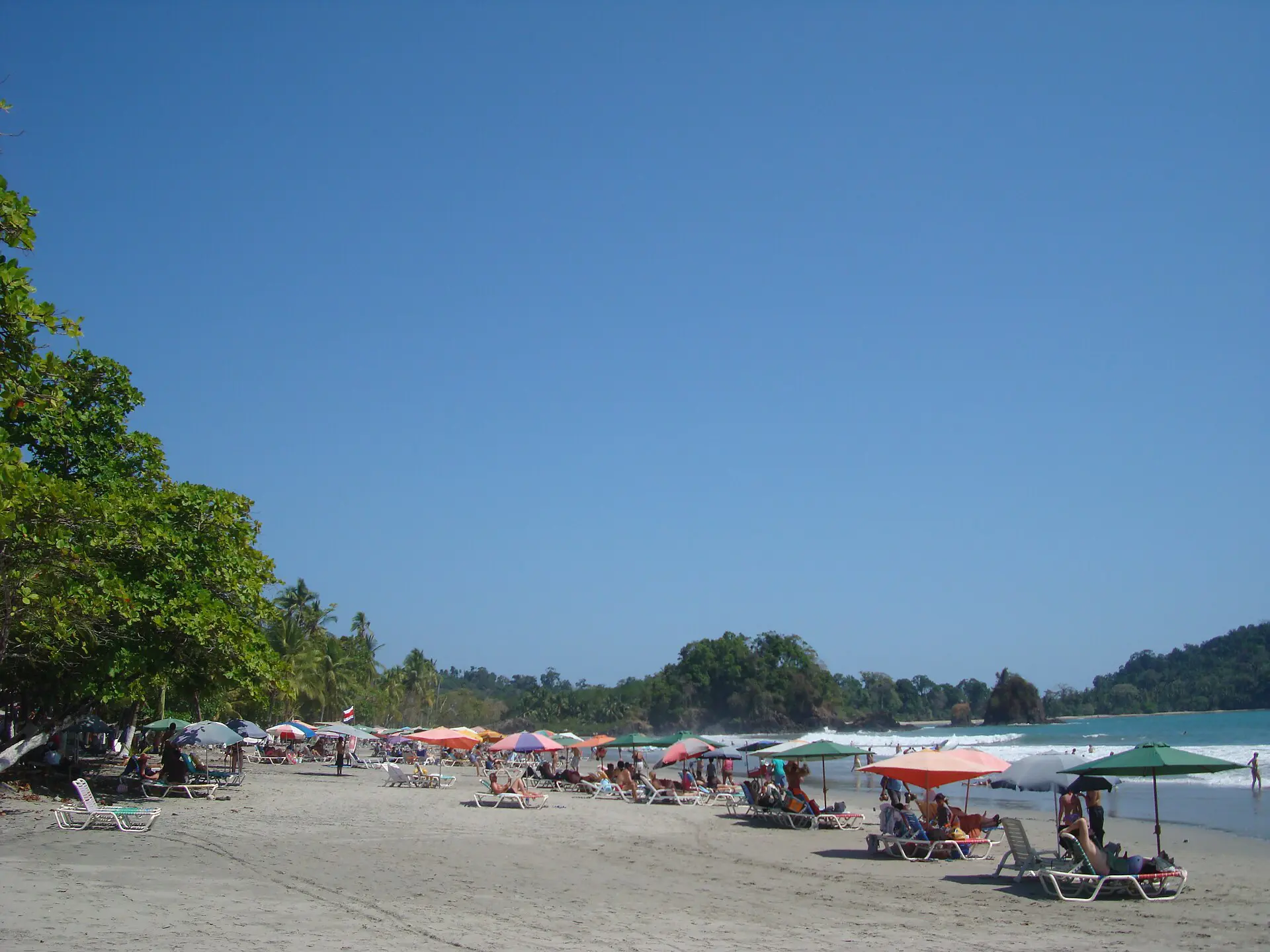
| Manuel Antonio | Wildlife park, beaches, simple logistics | Touristy, plenty of restaurants | Pricey in high season |
| San José | One night for flights and buses | Not a place to wander at night | Use taxis; do not carry a laptop bag around |
My pick for a first solo trip
I would start with La Fortuna, because tours collect you at your door and the town is small enough to walk, then add Monteverde and one beach town. That gives you volcano, forest and coast in about ten days, with fewer long transfers than a loop of the whole country.
Hostel or small hotel?
Hostels are the easiest social option, with shared dinners, surf lessons and tour desks, and many offer private rooms. Small guesthouses run by locals give privacy and good advice. Check recent reviews for security, gated entrances and whether the staff will arrange transport at night.
How to meet people in Costa Rica, low-pressure first
Group tours are the easy start. Guided night walks, waterfall hikes and river rafting put you with a small group, a guide and a clear end time. Book through your accommodation and ask what is included.
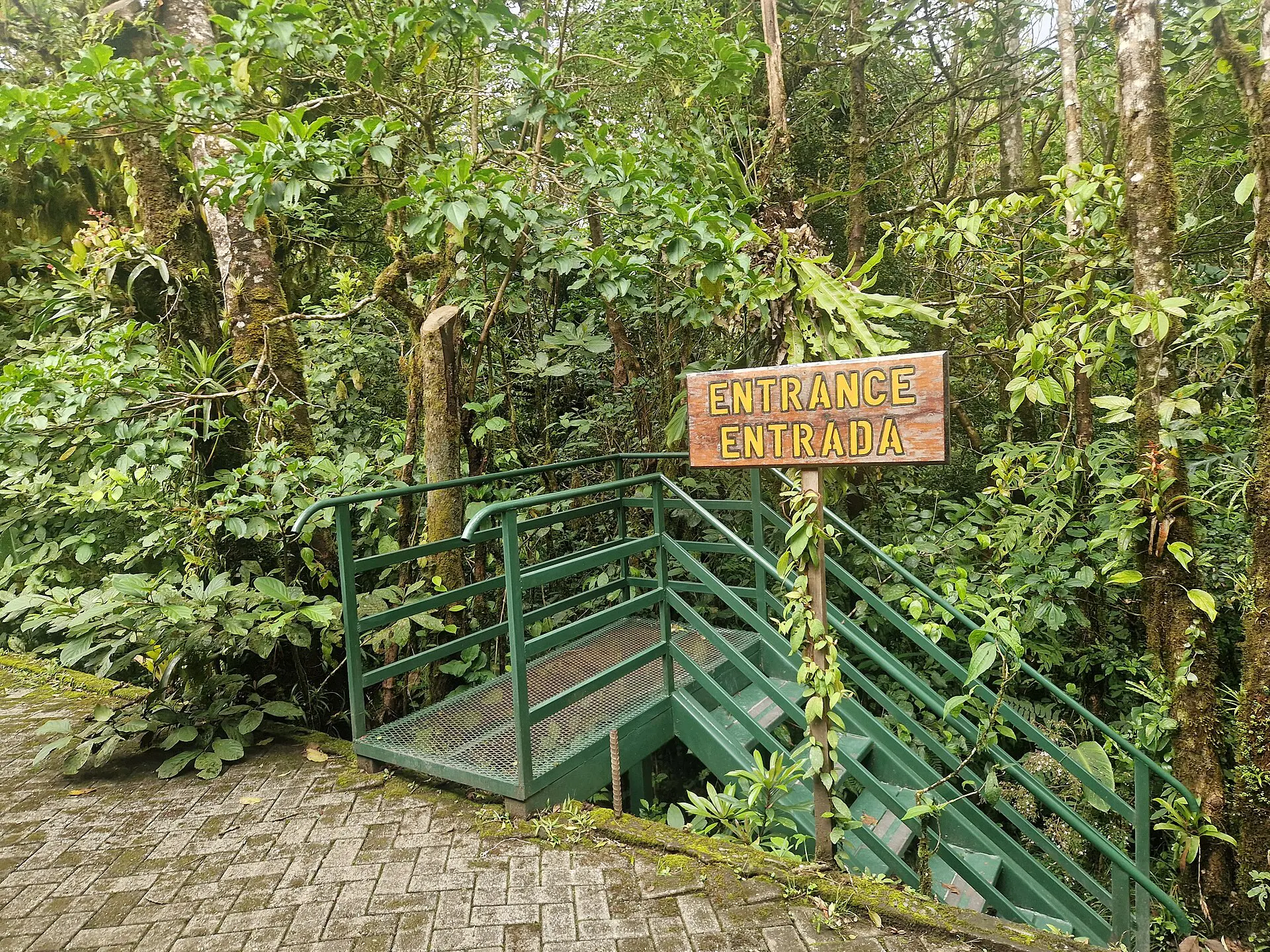
Next, try a class. Surf lessons, yoga classes and cooking sessions run daily in the beach towns, and most students are traveling alone too. Hostel dinners and communal tables are another gentle way in.
Shuttle vans are also social. You will share a ride of several hours with other travelers, which often turns into dinner plans at the next stop.
Things to do in Costa Rica alone
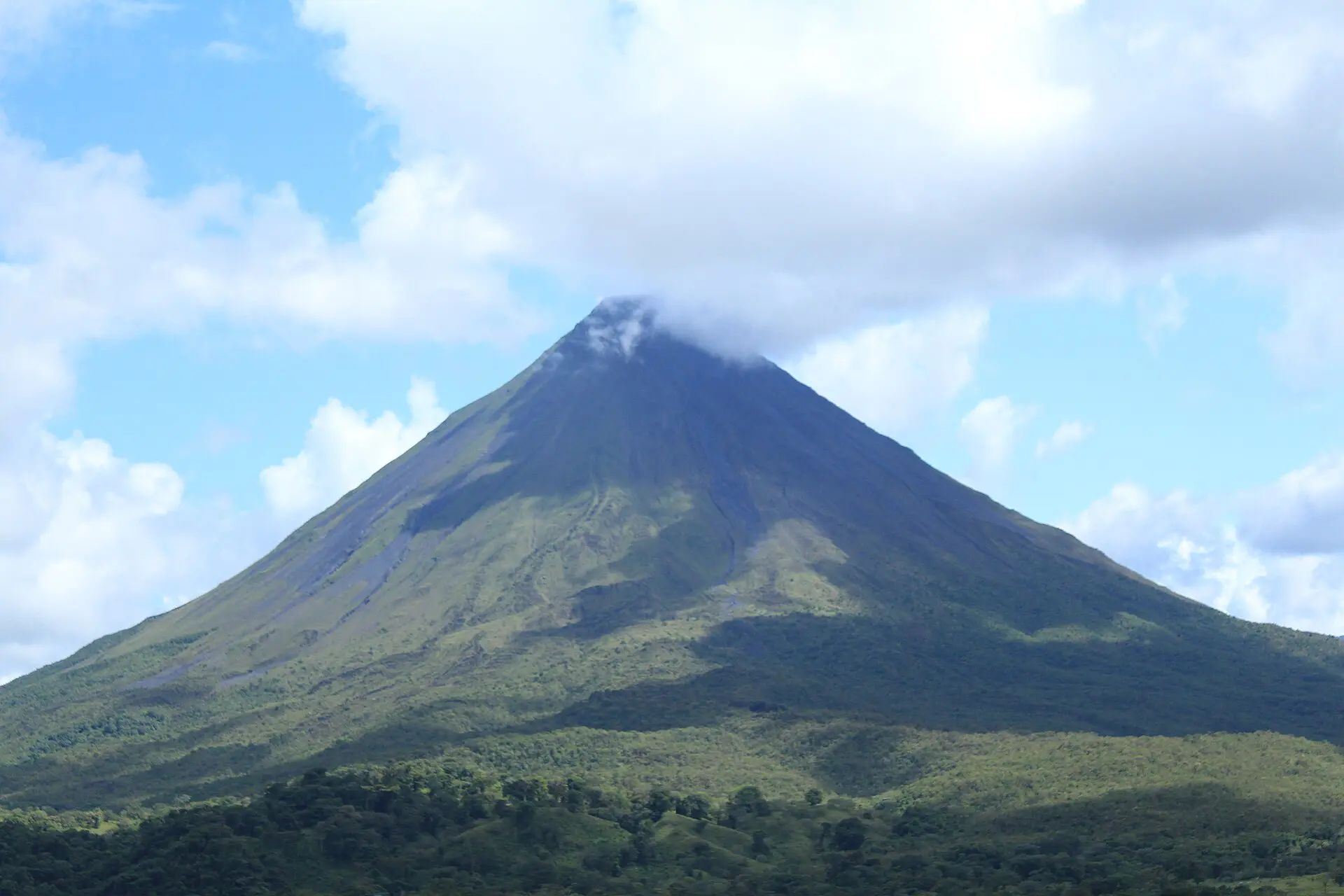
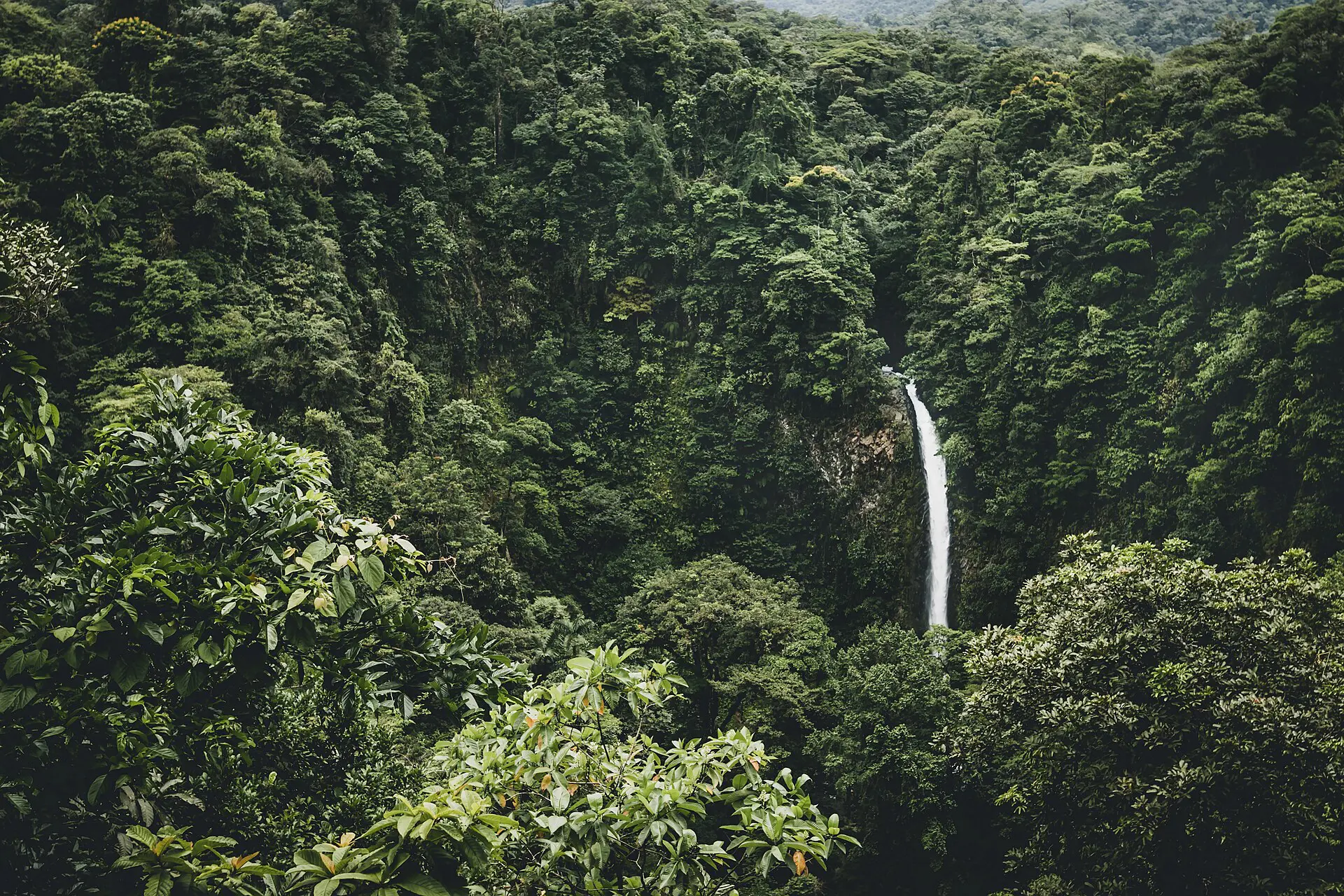
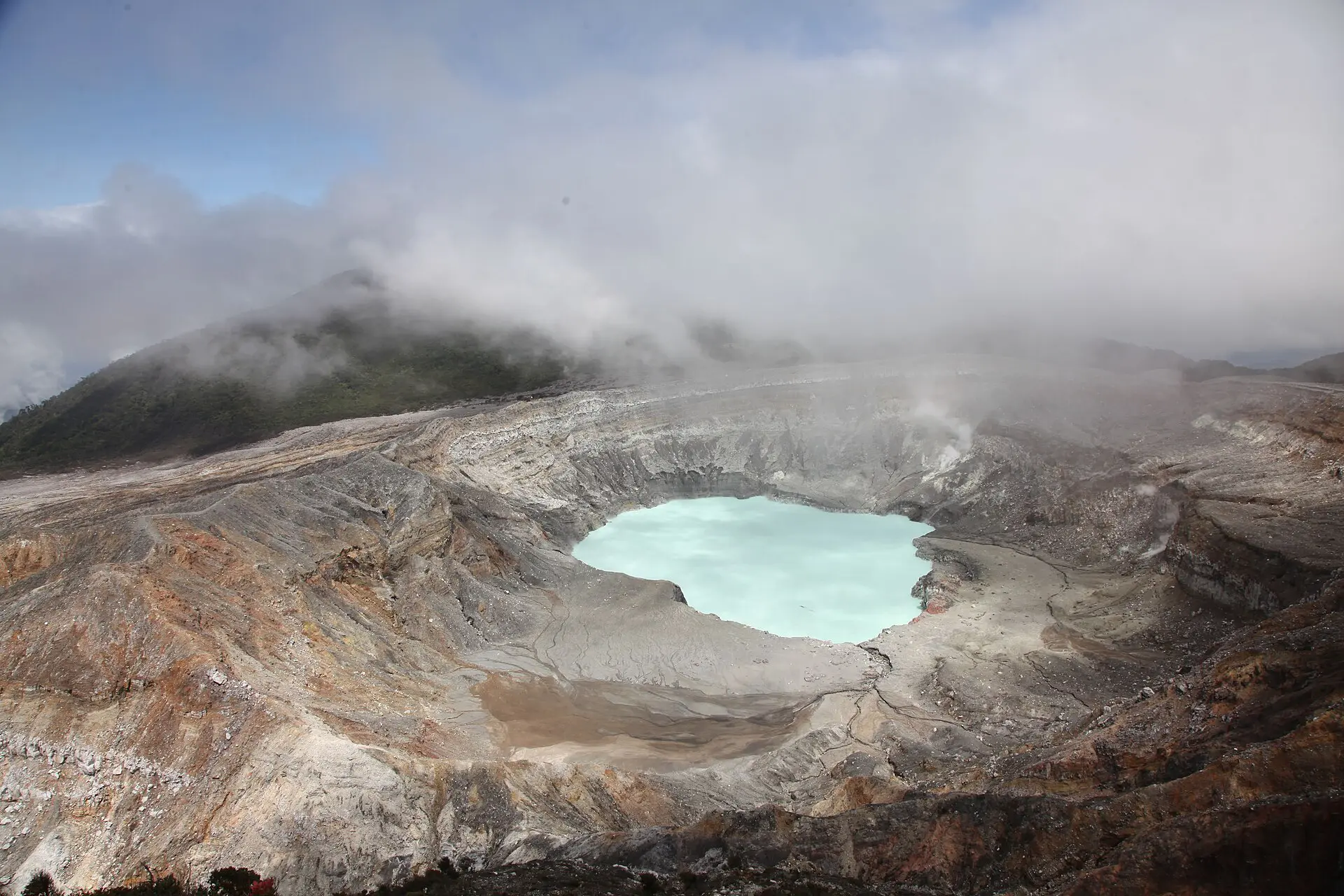
Hike or soak around Arenal Volcano
Several trails near the volcano cross old lava flows and forest, and hot springs in the area range from basic to resort-style. Go with a guided group or walk marked paths in daylight. Book hot springs ahead on weekends and holidays.
Join a night walk in Monteverde
Guided night walks are a popular way to spot sloths, frogs and insects, with a guide leading small groups. They are safer and better than wandering alone. Wear closed shoes and bring a light rain jacket.
Take a surf lesson in Santa Teresa
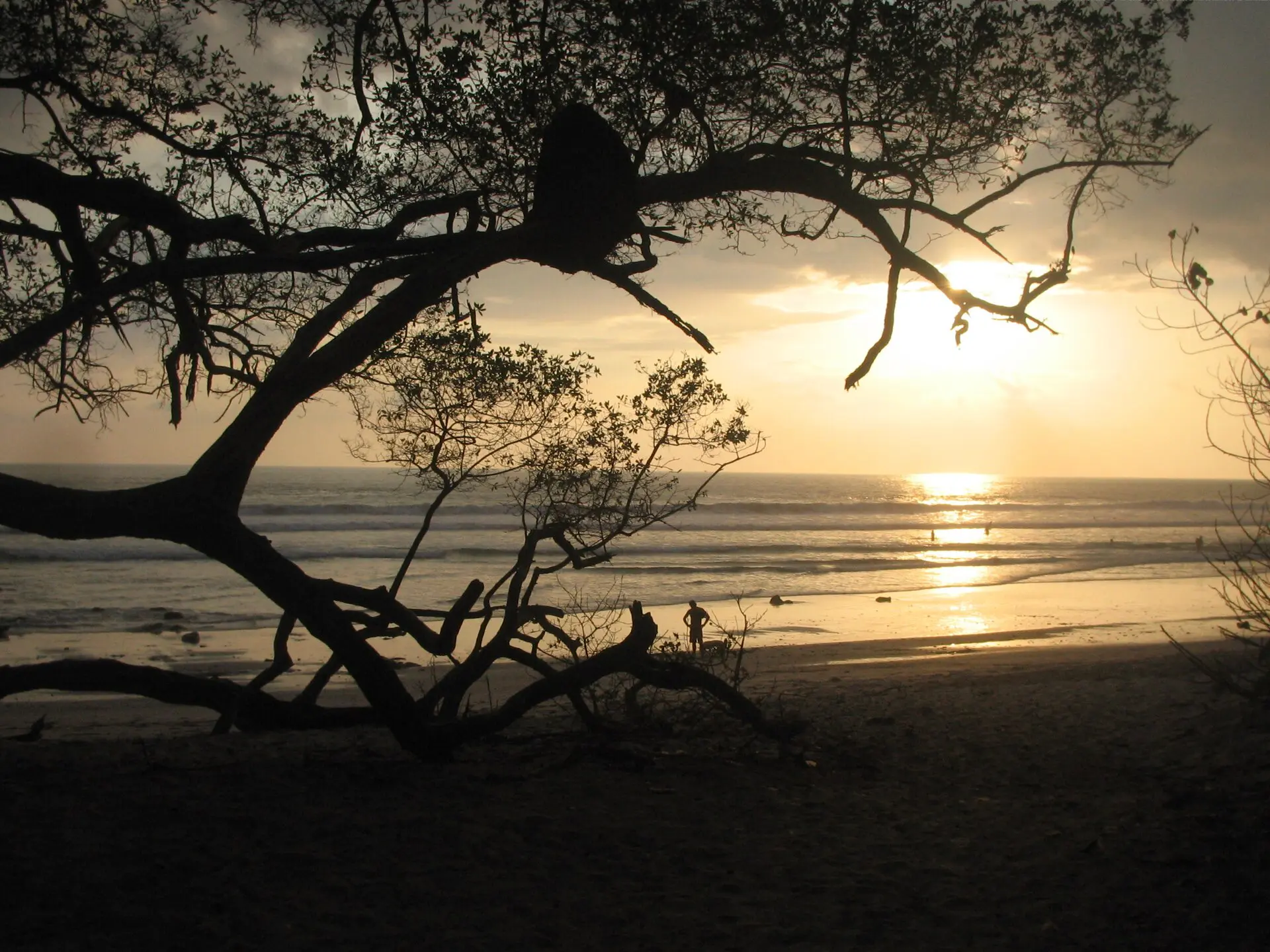
The beach is a base for beginners and experienced surfers, with schools and board rentals along the coast. Check conditions with the school, swim only near lifeguards or other people, and never swim alone in rip-current areas. For a longer stay, see our Santa Teresa guide.
Walk Manuel Antonio National Park with a guide
The park mixes beaches with forest and wildlife. A licensed guide helps you spot animals, and you can hire one at the entrance. Check opening days, since the park closes on some days, and bring water.
Cycle the Caribbean coast near Puerto Viejo
Flat roads run beside the beaches, and rental bikes are common. Ride in daylight, lock the bike every time, and carry little. Swim only where other people are in the water.
Add a coffee or chocolate farm tour
Farm tours near Monteverde and in the central highlands show how crops grow, and they are small-group and daytime. They break up long travel days, and shuttles often stop at them.
Evenings and after-dark options in Costa Rica
Costa Rica goes to bed early. Many towns are quiet by 9 or 10 pm, and rural roads have few streetlights. The social evening is usually dinner at your hostel or a nearby restaurant, followed by a drink in a lively spot, with the walk home short and lit.
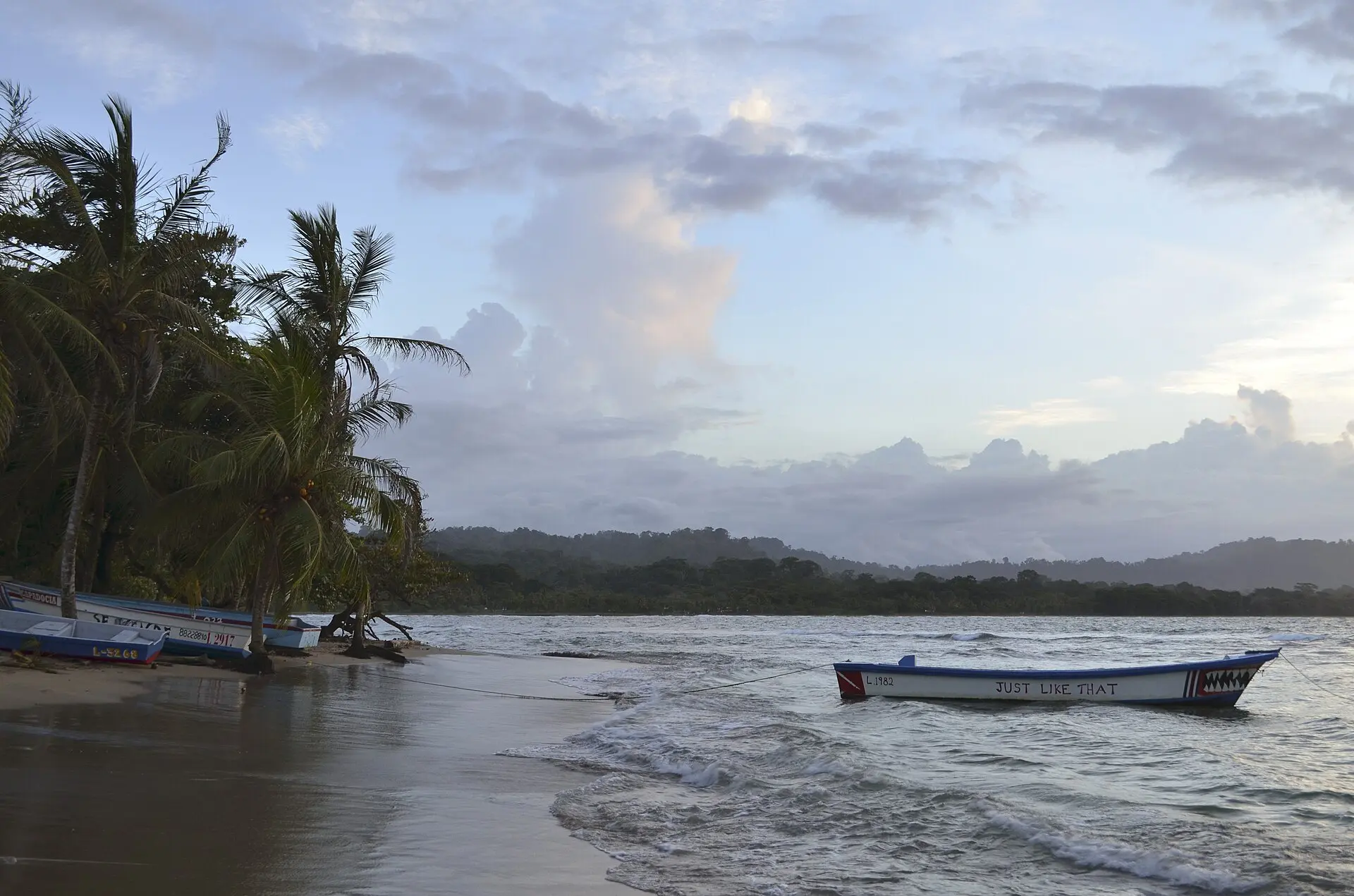
Beach towns such as Santa Teresa and Puerto Viejo have bars and live music, and it is normal to see travelers alone. Take a taxi or a lift with your hostel group if the walk is dark or has no pavement, and keep your drink in sight. Do not walk on beaches at night, because the dark and strong currents are a hazard.
Book night tours, such as wildlife walks, with a licensed guide who collects you and drops you back.
Getting around Costa Rica alone
Shuttles are the easiest choice, with door-to-door service between the main tourist towns and a clear price. Public buses are cheap and run on fixed schedules, though they are slower and less direct, and some stations are rough. Domestic flights fly between San José and places like Quepos or Tamarindo.
Renting a car gives freedom but needs care. Roads can be rough, signs are limited and rain can flood fords. Avoid driving after dark, and never leave valuables visible in a parked car. In towns, taxis and ride apps work in some places. Ask your host what is reliable.
Where to stay in Costa Rica on a budget
As of 2026, Costa Rica is among the pricier countries in Central America. Hostel dorms typically cost from around 15 to 30 US dollars, and private rooms cost more in the dry season, from December to April. Tours, park fees and shuttles add up, so check your budget before you book. The green season, from May to November, brings lower prices and afternoon rain.
For the wider picture, see our Costa Rica travel guide, our Costa Rica trip cost breakdown and Wikivoyage.
Where to stay in Costa Rica: FAQ
What is the best area to stay in Costa Rica for solo travelers?
La Fortuna is the easiest first base, with tours that pick you up, plenty of hostels and a walkable center. Monteverde and Santa Teresa are good second stops. Choose by interest, since moving between regions can take half a day or more.
Is Costa Rica safe for solo female travelers?
Many women travel there alone. Petty theft is the main concern, especially on beaches and in parked cars, and street harassment can occur. Use licensed taxis or shuttles at night, avoid dark beaches and rural roads after sunset, and choose hostels with secure lockers.
How many places should I visit in Costa Rica?
Two to four bases suit ten to fourteen days. Distances look short on a map, but roads are slow, so each move takes several hours. Fewer stops give more time on tours and with other travelers, and leave room for rain.
When is the best time to visit Costa Rica?
The dry season, from December to April, brings the most sun and the highest prices. The green season, from May to November, has afternoon rain, fewer crowds and lower rates. Mornings are often clear in both, so plan outdoor activities early.