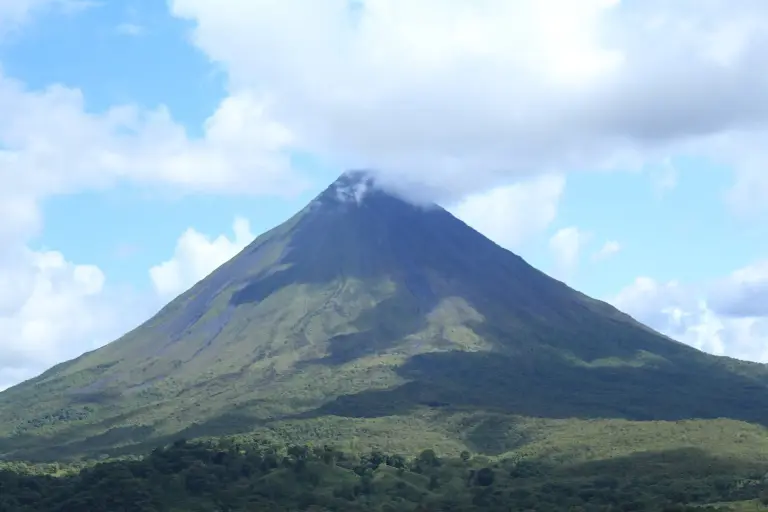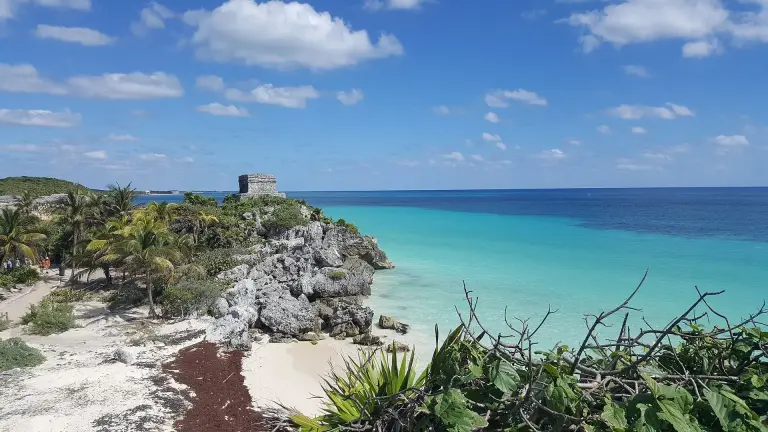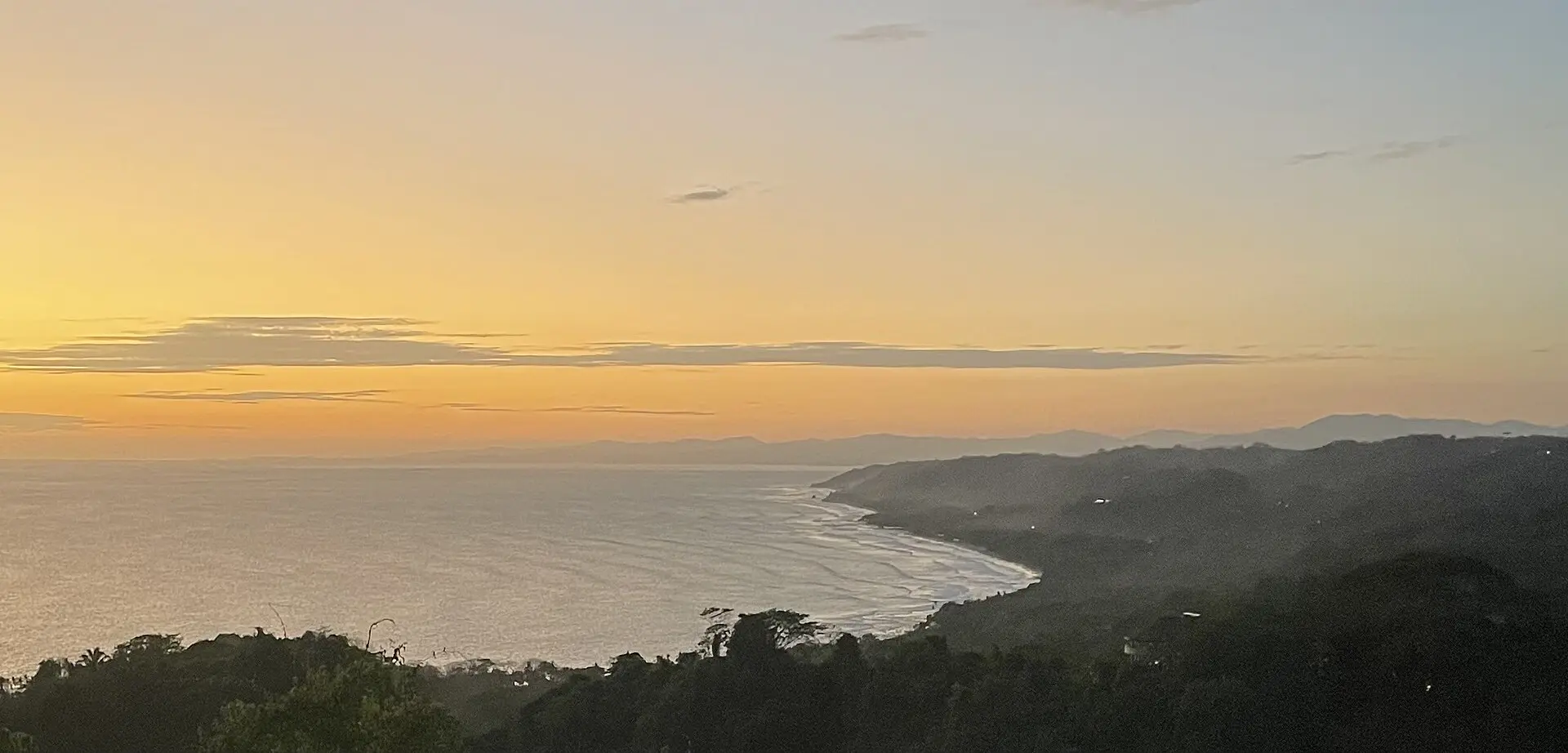
For a Santa Teresa Costa Rica digital nomad, the pitch is surf, heat and a slow routine on the Nicoya Peninsula, with the trade-off that power, internet and transport need planning. It suits people who can work around outages, enjoy a beach-first day and do not need a city. It is a poor fit for anyone who needs flawless video calls every day or hates dust, humidity and driving. Below: a monthly band, areas, power and internet checks, and a first-week test.
What does a month in Santa Teresa cost a remote worker?
Planning ranges in US dollars, as of 2026, and estimates only. Santa Teresa has grown fast from a fishing village into a surf destination, and prices follow the visitors. Hotels run from about US$10 to US$1,000 a night, which gives a sense of how wide the range is. Rents rise in the dry season, roughly December to April, so ask for off-season deals if your dates are flexible.
| Item | Range per month |
|---|---|
| Furnished room, studio or small house, off-season | US$800 to 1,800 |
| Same, in the dry-season peak | US$1,200 to 2,800 |
| Food (supermarket, local sodas, some restaurants) | US$450 to 900 |
| Transport (scooter, ATV or e-bike, some taxis) | US$100 to 400 |
| Coworking desk or cafe spend | US$0 to 200 |
| Backup internet and utilities | US$80 to 200 |
| Realistic total, single person | US$1,800 to 3,500 |
Costa Rica is not the cheapest part of Central America, and this is a tourist town. Imported groceries are expensive, local meals are the saving, and the biggest lever is rent.
Getting to and around Santa Teresa for a long stay
Wikivoyage places Santa Teresa about 150 km west of San Jose, on the Nicoya Peninsula. Many visitors fly to the capital and take a short connecting flight to Tambor, then a drive of roughly 45 minutes, while direct buses also run from San Jose, so check current timetables and road conditions. Allow most of a day for the journey, and do not book a call for arrival day.
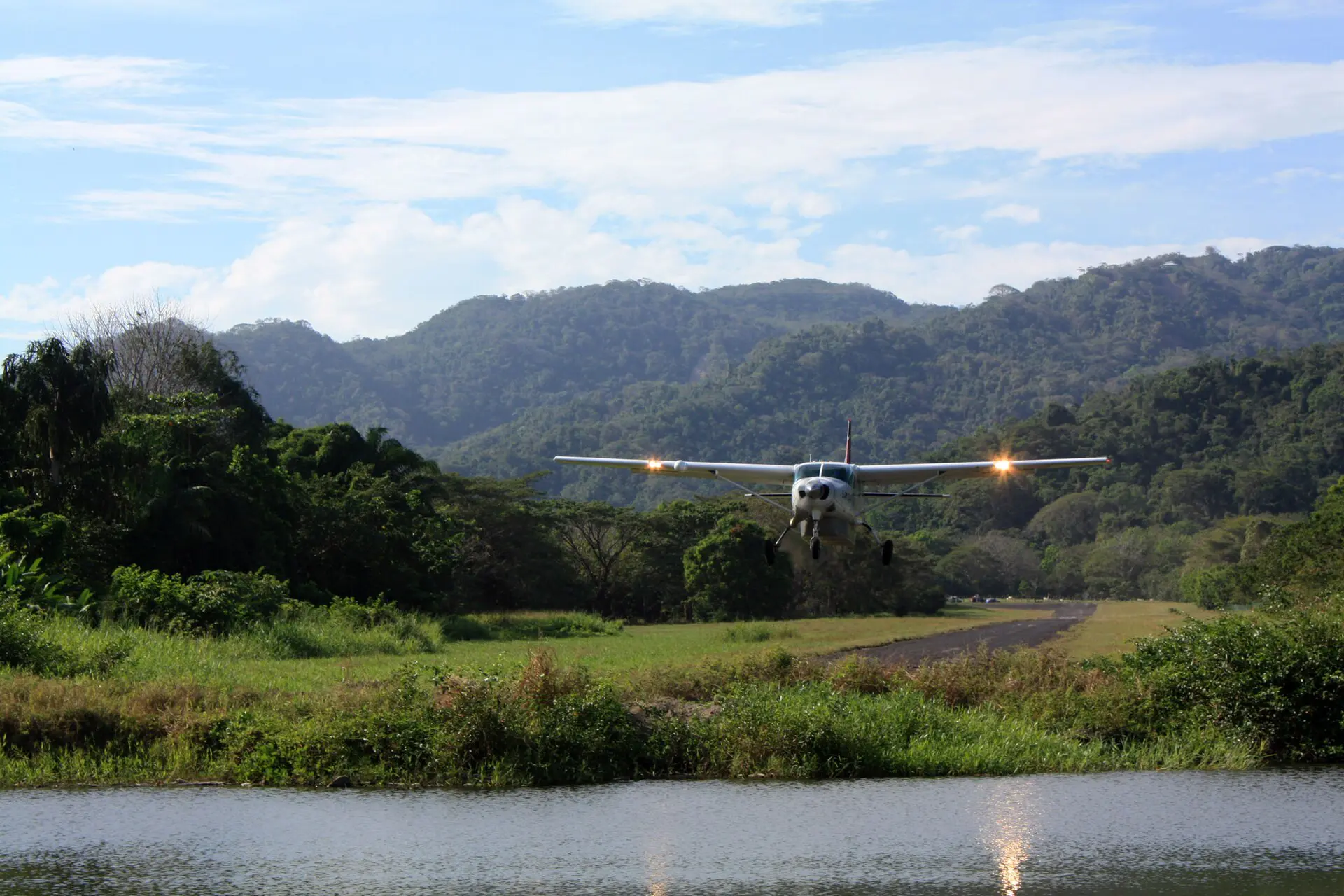
The main road through town was fully paved as of 2025, with a continuous paved link to Mal Pais, though gravel side streets and beach paths remain. Getting around is typically by scooter, ATV or shared e-bike, and a 4×4 is no longer required on the main road but is still suggested for beaches farther out. Rain can still make side roads difficult, so test your route before relying on it for a shop run.
Where to base yourself in Santa Teresa by work style
The town stretches over roughly 5 km, and the choice is mostly about how far you are from the beach, the shops and your desk. These are types of area, not endorsements.
1. Near the main road in central Santa Teresa
The practical choice. Shops, restaurants and rental places are close, and you can walk or ride a short distance to the beach. It is noisier and dustier, but the best option if you want convenience and do not own a vehicle.
2. Beachfront near the main surf breaks
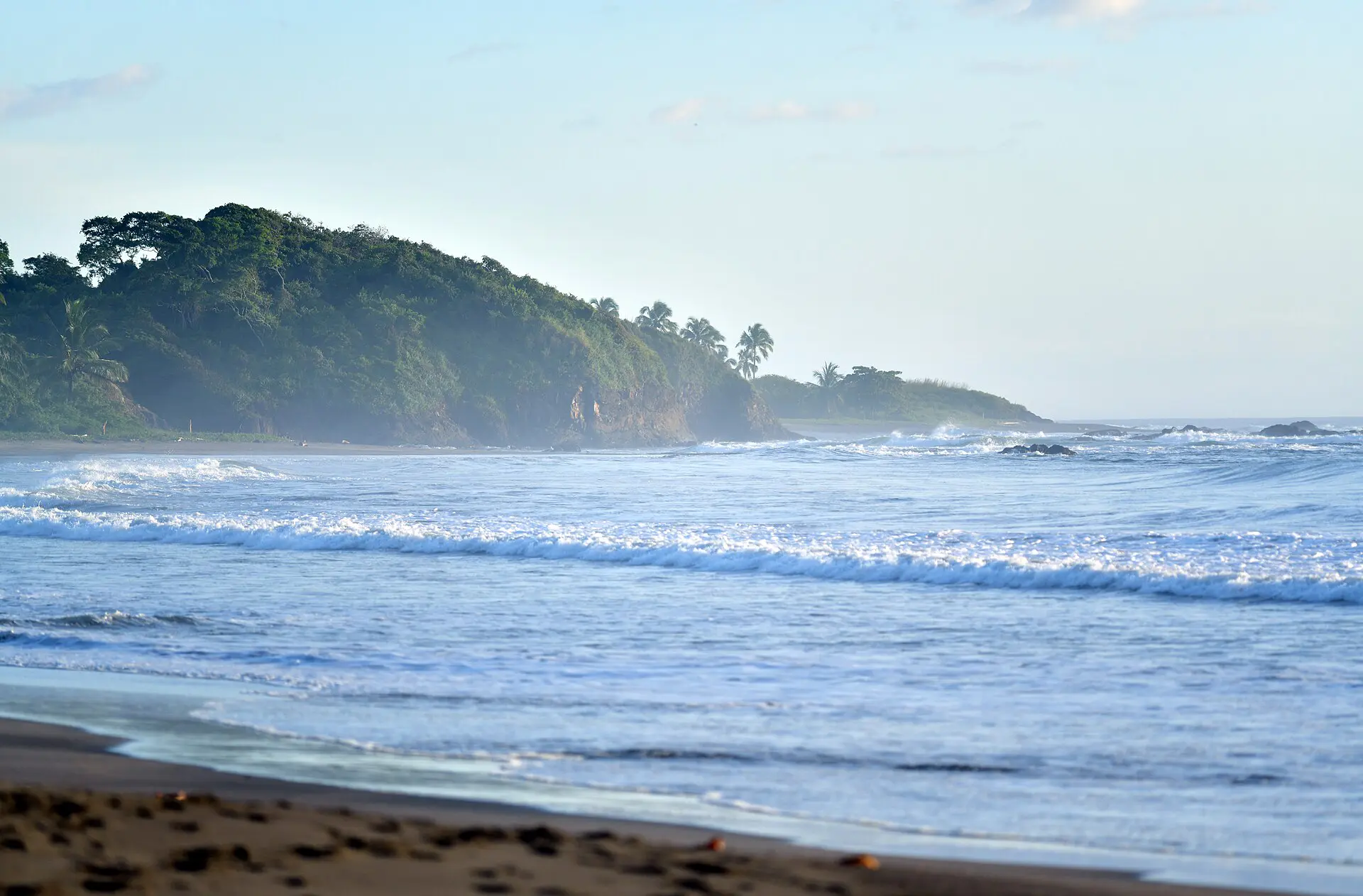
The northern end of Playa Santa Teresa is the place for the surf. It suits people whose day centres on the water. Salt air is rough on electronics, so keep gear covered and ask about backup power.
3. Up the hill with a view
Houses and villas on the slopes give ocean views and breeze, and often better cooling. You will need a scooter or ATV, and check the road to the house in wet weather before signing.
4. Mal Pais
The neighbouring settlement to the south, a little quieter and less built up. A decent option if you want a calmer base, but check how often you will need to travel back to Santa Teresa for supplies and a good desk.
5. Playa Hermosa and the north
A quieter stretch of coast to the north, usually more residential. Good for focus, but services are thinner, so ask about internet and how far the nearest supermarket is.
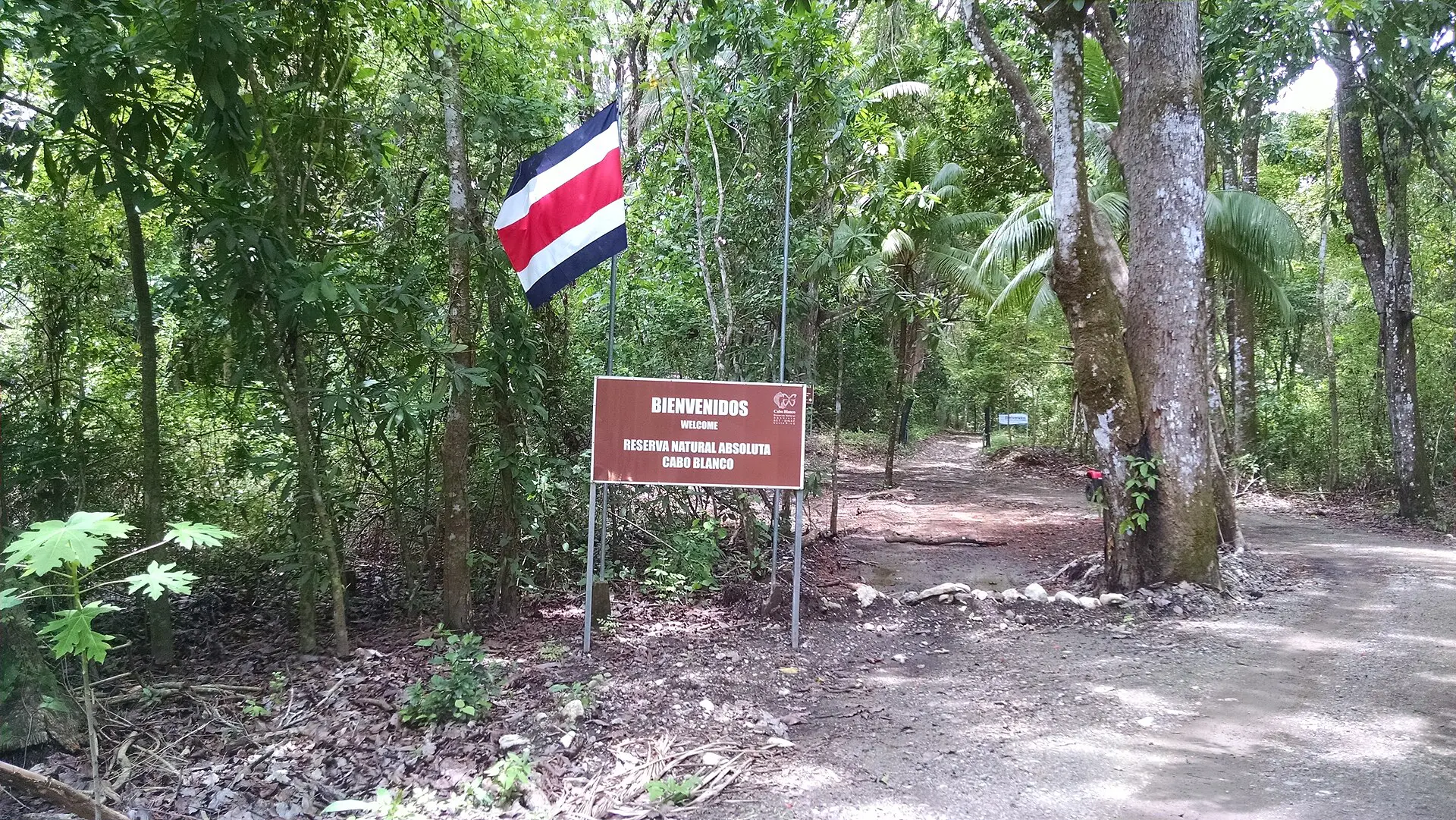
6. Near the Cabo Blanco side
The south end toward the nature reserve is greener and more remote. It suits people who want wildlife and calm, but a vehicle and a backup power plan are essential.
Work-friendly spots by type in Santa Teresa
We name no places, since we cannot vouch for any connection or seat. Look for these types and test them yourself.
- Coworking space: a few options have appeared as remote workers arrived. Ask whether they have backup power and satellite or fibre, and whether you can try a day pass.
- Cafe: good for a few focused hours in the morning, before the heat. Look for sockets, fans or air conditioning, and ask about wifi before you order.
- Apartment or house desk: the most controllable. Ask for the router, the provider and a desk that is not in direct sun.
- Hotel or restaurant terrace: a backup when your home connection fails, with permission and a purchase.
Power and internet in Santa Teresa: what to check yourself
The town is remote with basic infrastructure, and this is the part that decides the whole trip. Outages and slow days happen. We have not tested anything here, so run your own checks and plan redundancy.
- Ask the landlord what internet type the property has, who the provider is and how fast repairs happen.
- Run a speed test and a video call at your desk, in morning and evening hours.
- Get a local SIM or eSIM as a second connection, and check the signal inside the house.
- Ask about power cuts and water pressure, and whether the house has a backup.
- Bring a power bank, a spare charger and a surge protector, and keep a laptop battery above 50 percent.
- Schedule important calls for the hours that tested best, and tell clients you may drop.
Santa Teresa Costa Rica digital nomad visa and stay length
Costa Rica’s entry rules depend on your passport, and many visitors have been granted a stay of up to 90 days, but this is not automatic and can change. Costa Rica has also introduced a longer-stay status for remote workers with income and insurance requirements. Do not rely on a blog, including this one. Verify the current rules, the permitted stay, any onward-ticket requirement and whether remote work is allowed with the official Costa Rican immigration authority or your embassy.
Routine and recovery in Santa Teresa
Heat sets the rhythm. Work from early morning, break at midday, then surf, swim or rest in the afternoon, since late-day heat and storms in the rainy season can interrupt work. Keep a fixed start time, and keep your best focus work in the cooler hours.
The rainy season, roughly May to November, brings afternoon storms and can affect power and roads. The dry season is busier and pricier. Our Costa Rica travel guide covers the wider country and when to visit. Build in a monthly trip away, and watch for isolation if you have no regular contacts.
Test Santa Teresa in your first week
Book a short first stay, not a long lease, and treat week one as a trial.
- Speed-test your desk at morning, afternoon and evening, and join a real video call.
- Write down every outage, with the time and how long it lasted.
- Ride or drive your daily routes in the heat and, if possible, after rain.
- Price a week of groceries and two restaurant meals against the budget above.
- Check noise at night and humidity in the bedroom.
- Test a backup: a mobile hotspot or a cafe with a confirmed connection.
- Check your allowed stay with the official source, then extend or leave by day seven.
FAQ about the Santa Teresa digital nomad life
Is Santa Teresa good for digital nomads?
It suits people who want a surf-and-work routine and can handle outages, heat and some driving. It is less suited to jobs needing constant video calls. A Santa Teresa Costa Rica digital nomad should test power and internet before committing for a month.
How much does a month in Santa Teresa cost?
A single remote worker might plan on roughly US$1,800 to 3,500 a month in 2026, depending on rent, season and transport. Dry-season rents run higher, and imported groceries are expensive. These are estimates, so confirm the rent with the landlord.
Do you need a car in Santa Teresa?
Not necessarily. Many people use scooters, ATVs or shared e-bikes, and the main road is now paved. A 4×4 is still suggested for farther beaches and wet-season side roads. Check the road to your accommodation before you sign.
How reliable is the internet in Santa Teresa?
It varies by property and provider, and the town is remote with basic infrastructure. Some places have good fibre or satellite connections, others do not. Test your desk with a video call, keep a second SIM, and ask about power cuts.