Traditional Mexican food is built on maize, beans, chilli and a few regional signatures, not on the combination plates sold abroad. Corn is nixtamalised, ground and pressed into tortillas, tamales and masa for almost every meal. Start with a regional dish at the right hour: tamales and atole at breakfast, a long comida in mid-afternoon, tacos at night. Meals cost anywhere from a few dollars at a market to much more in a restaurant, as of 2026. Below is how the day works and what to order.
How traditional Mexican meals are structured and timed
The main meal in Mexico is the comida, a long lunch that usually begins between 14:00 and 16:00. Breakfast comes earlier and lighter, and dinner (cena) is often small, a snack or a few tacos after 20:00. That timing explains why restaurants fill at mid-afternoon and why many evening street stalls do not open until after dusk.
- Desayuno (breakfast), 07:00-10:00: eggs, chilaquiles, tamales, sweet bread and coffee or hot chocolate.
- Almuerzo (late breakfast), about 10:00-12:00: a heavier second breakfast in some regions.
- Comida (main meal), 14:00-16:00: often a set menu called comida corrida, with soup, a main dish and a drink.
- Cena (supper), 20:00 onward: tacos, pozole, tortas, sweet bread with hot drinks.
The system comes from maize, the base of the diet since the Mesoamerican civilisations named in the Wikipedia entry for Mexico. Different groups, from the Maya in the southeast to the Zapotecs in Oaxaca, shaped distinct regional kitchens, and Spanish colonisation added pork, beef, cheese, wheat and sugar.
Nixtamalisation is the quiet engine of the cuisine. Dried maize is soaked and cooked in water with lime (calcium hydroxide), which loosens the husk, improves flavour and makes the grain easier to grind into masa. A neighbourhood tortilleria often grinds and presses it in the early morning, so the freshest tortillas are on sale from about 07:00 until midday. Chillies work as a second base: dried ancho, guajillo and pasilla give depth to sauces, while fresh jalapeno, serrano and habanero give heat.
Traditional Mexican dishes to order first: 8 by region
A country of roughly 2 million square kilometres has no single cuisine. These eight dishes map the main regions and show the main techniques. For the wider picture, see the Mexico travel guide.
1. Tacos al pastor, central Mexico
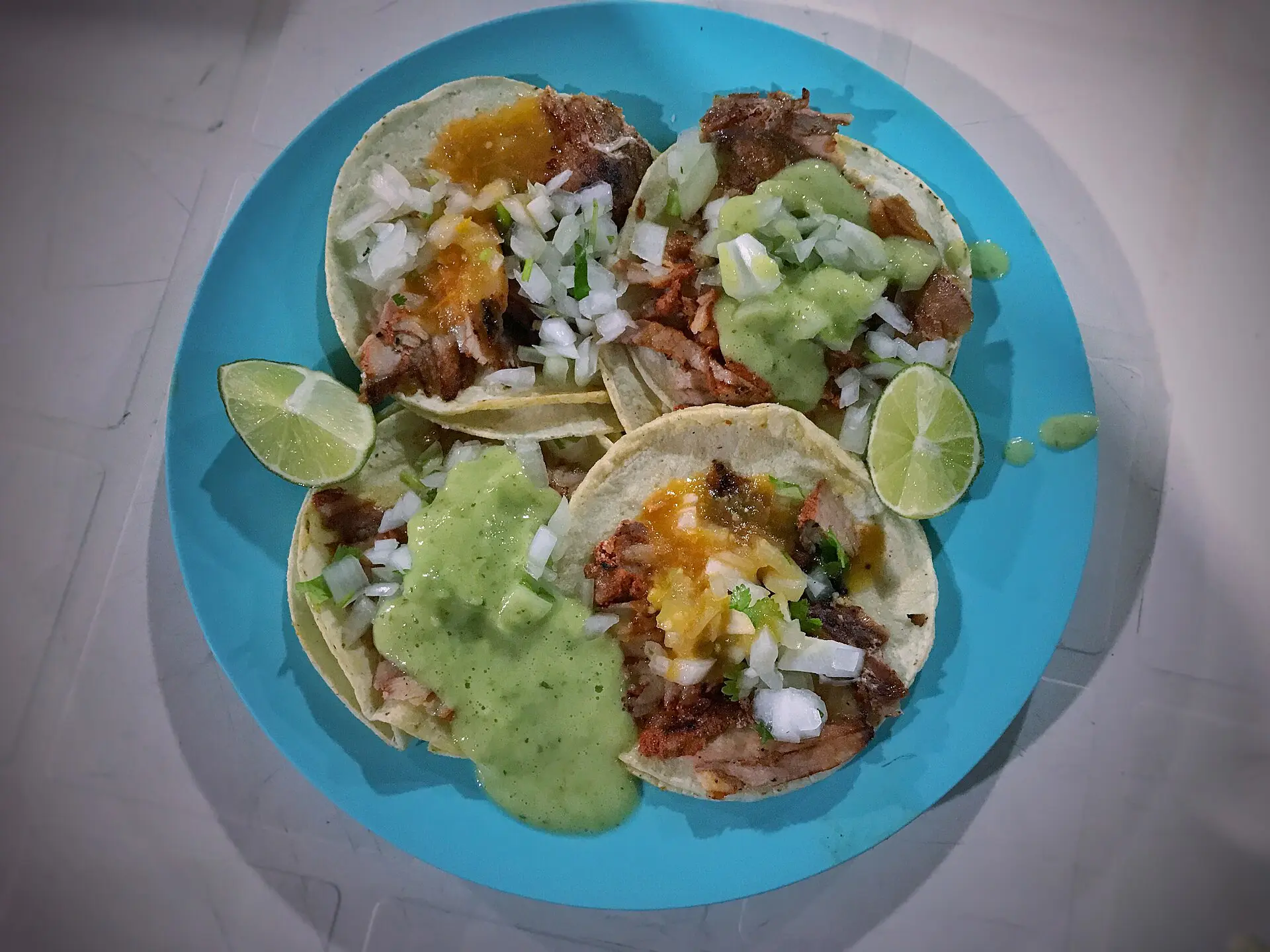
Pork marinated in chilli and achiote is stacked on a vertical spit, shaved off in thin slices and served on small corn tortillas with onion, coriander and pineapple. The technique came with Lebanese migrants and mixed with local ingredients. It is an evening dish in Mexico City and nearby. A portion of three tacos is typically a few dollars, as of 2026.
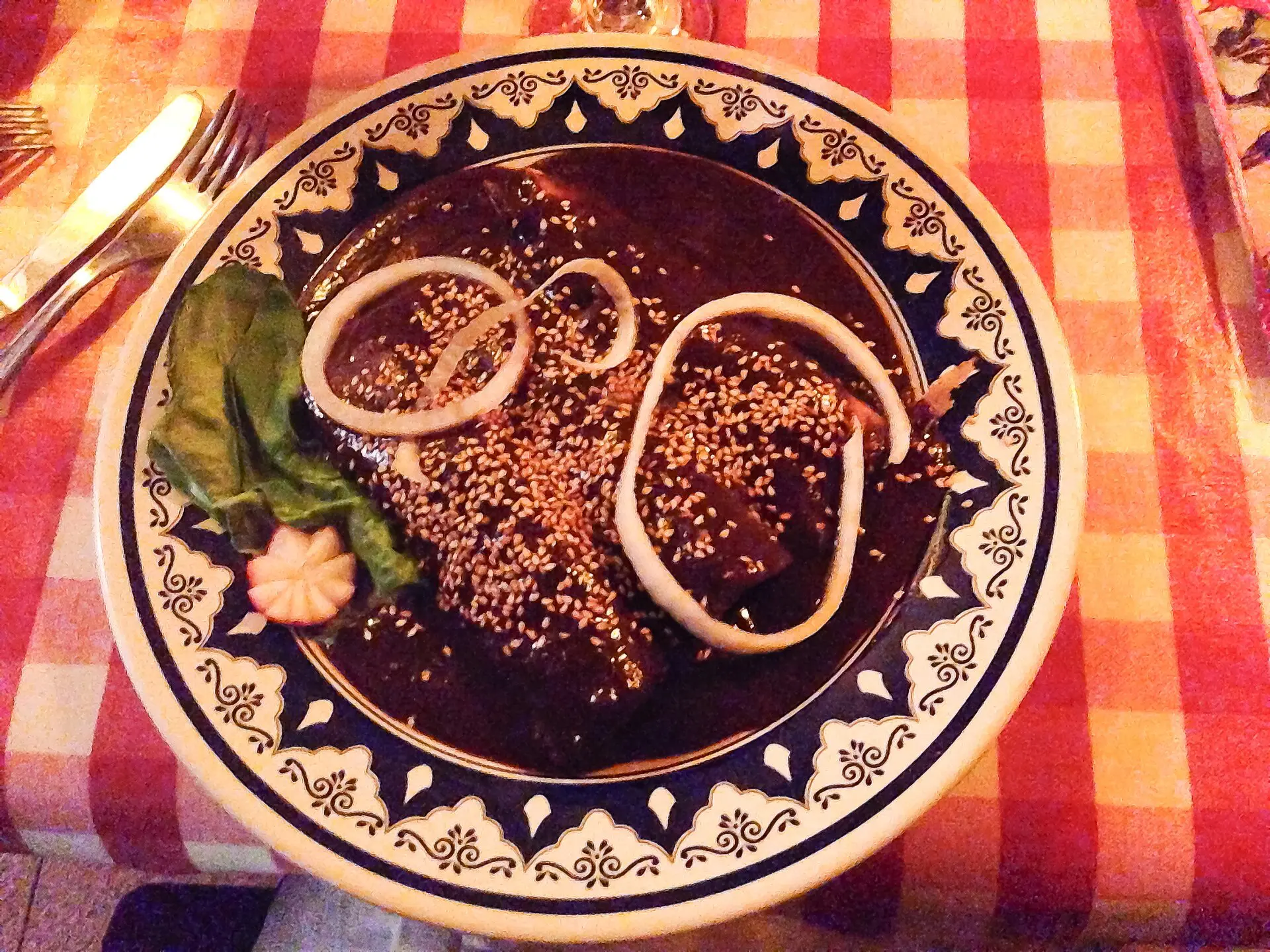
2. Mole poblano and mole negro, Puebla and Oaxaca
Mole is a sauce of dried chillies, nuts, seeds, spices and in some versions chocolate, ground and simmered for hours. Mole poblano is dark and slightly sweet; Oaxaca is known for several colours, including mole negro. It is served over turkey or chicken, with rice and tortillas, at the midday meal. Expect a mid-range price for a plate, higher than a taco.
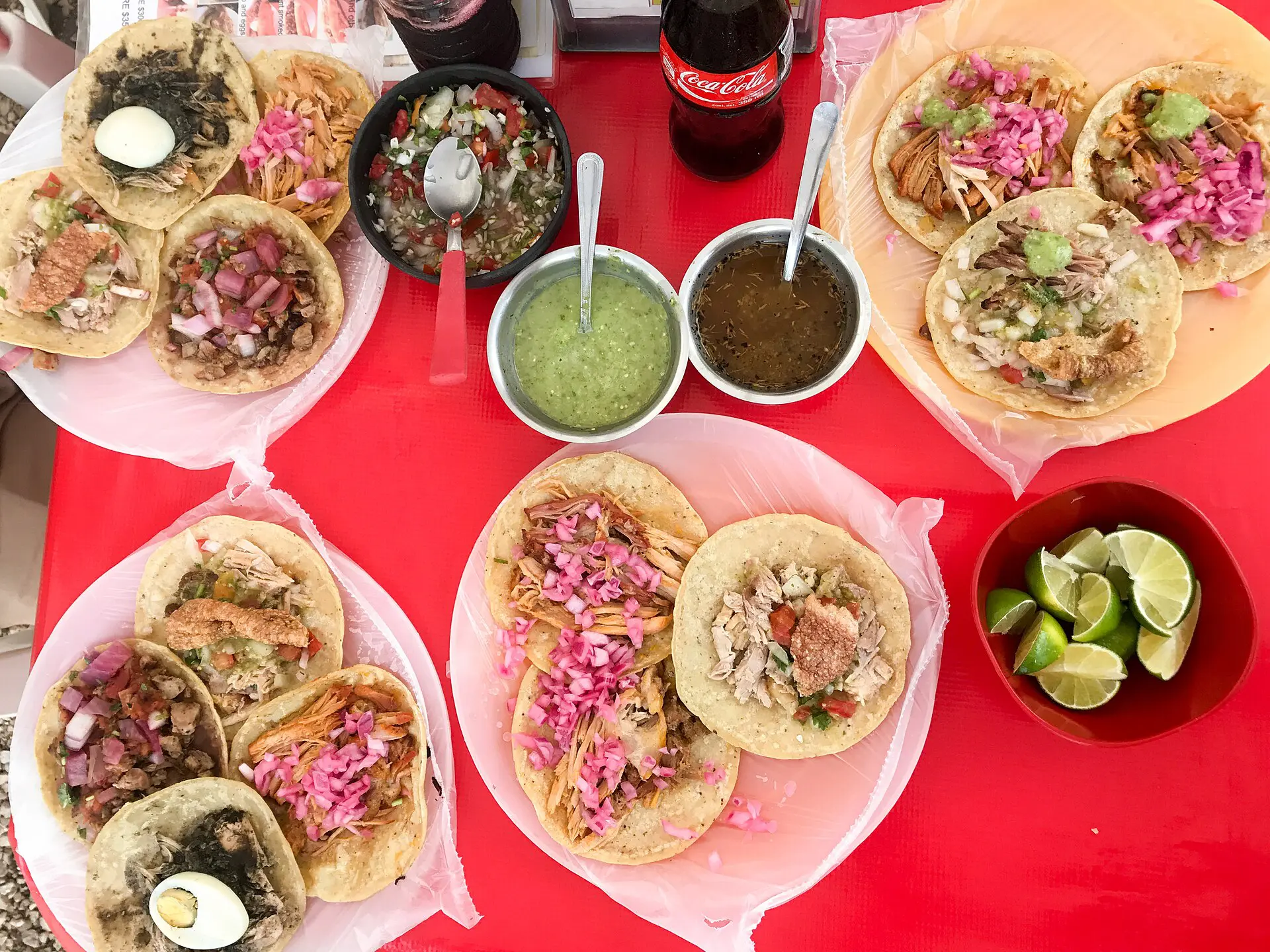
3. Cochinita pibil, Yucatan
Pork marinated in sour orange and achiote paste, wrapped in banana leaf and slow-cooked until it pulls apart, traditionally in an earth oven. It is served on tortillas or bread with pickled red onion and habanero salsa. Yucatecan cooking has Maya roots, and cochinita is a weekend and morning dish, often sold out by lunch.
4. Birria, Jalisco
Goat or beef stewed with dried chillies and spices until the meat falls apart, served in a bowl with its broth or in tacos dipped in the sauce. It is associated with Guadalajara and the state of Jalisco and eaten at weekends and late mornings. Ask whether the broth comes on the side. A bowl is generally inexpensive.
5. Tlayudas and memelas, Oaxaca
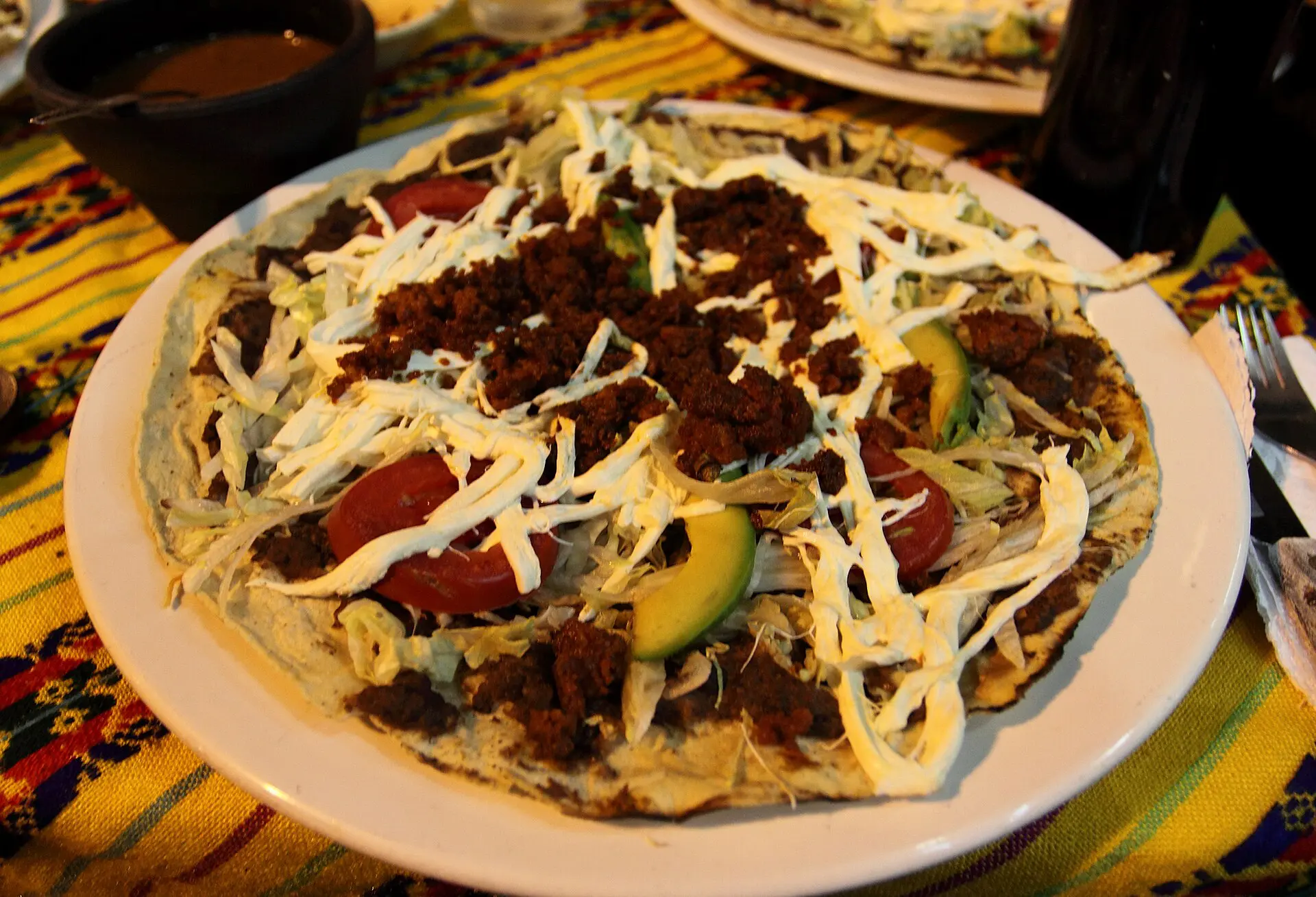
A tlayuda is a large, thin, crisp tortilla spread with bean paste, with Oaxaca cheese and meat on top, then grilled over charcoal. Memelas are smaller, thicker maize cakes with beans and salsa. Both are market and late-evening foods, and a good way to see how corn carries the whole meal.
6. Pozole, the festival stew
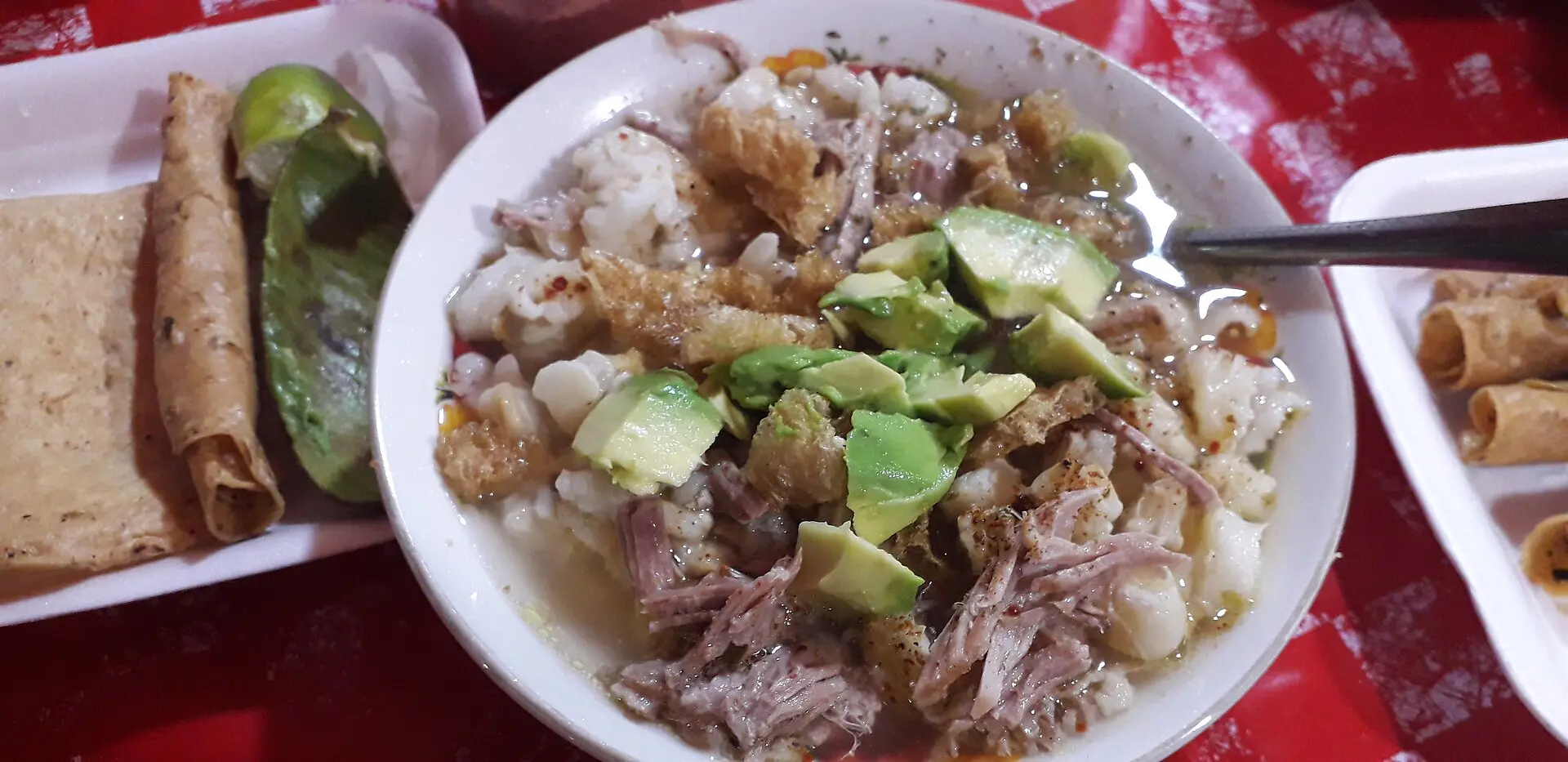
A broth of hominy (large treated maize kernels) with pork or chicken, served in red, green or white versions and topped with shredded cabbage, radish, onion, oregano and lime. It is eaten at celebrations and late suppers, with the toppings added at the table. A bowl is filling and priced as a regular meal.
7. Chiles en nogada, Puebla
A poblano chilli stuffed with minced meat and fruit, covered in a creamy walnut sauce and topped with pomegranate seeds. The red, white and green recall the national flag. It is seasonal, typically served in late summer when walnuts and pomegranates ripen. It is one of the more expensive traditional plates, and a good one to check for season before you go.
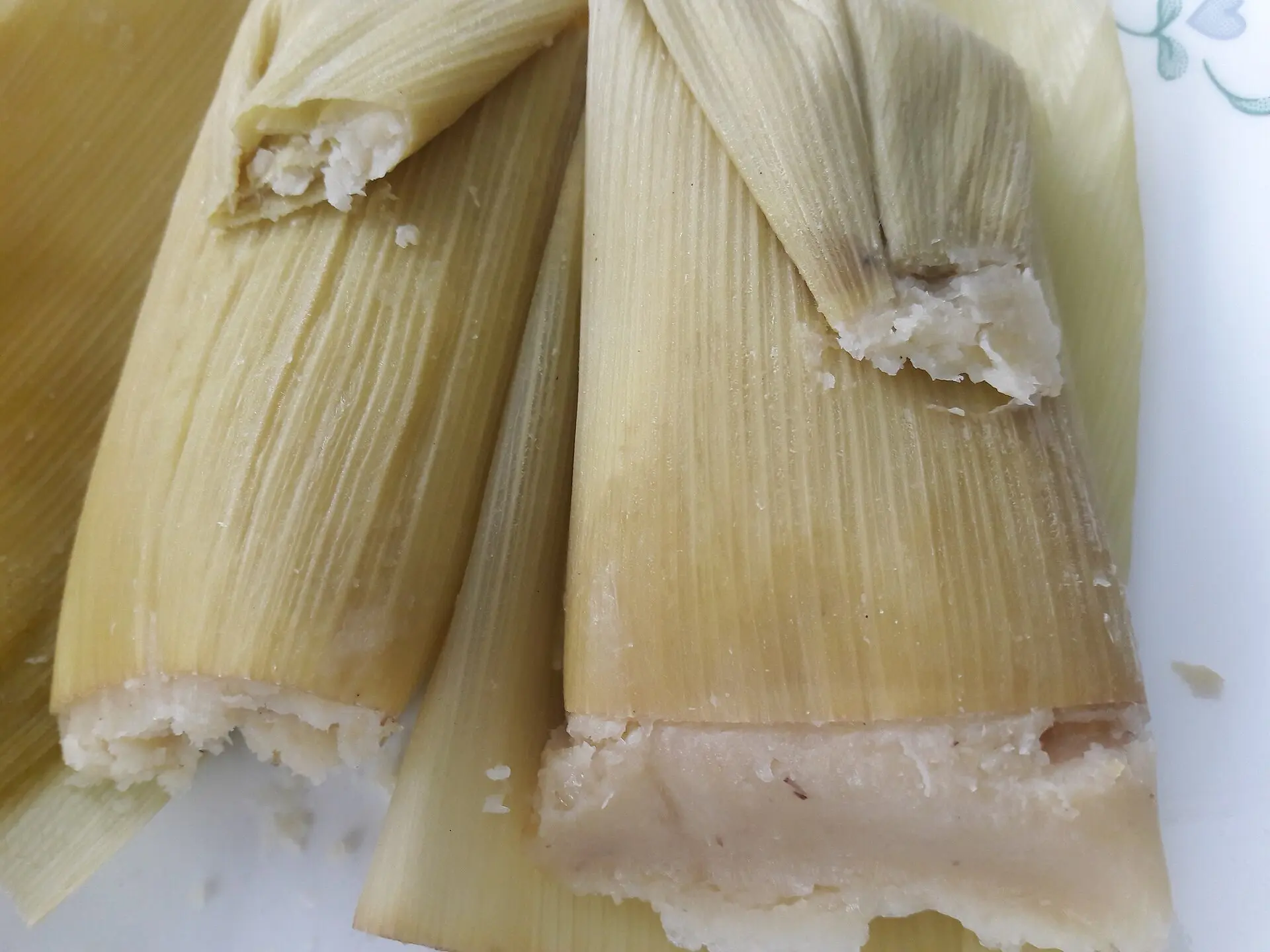
8. Tamales and atole, breakfast across the country
Masa dough, filled with pork in red salsa, chicken in green salsa, cheese with chilli or sweet fruit, steamed in corn husk or banana leaf. It is paired with atole, a warm maize drink, or hot chocolate. Tamales are a morning food, and vendors often sell out by 10:00. They are among the cheapest hot meals in the country.
Market timing for traditional Mexican food
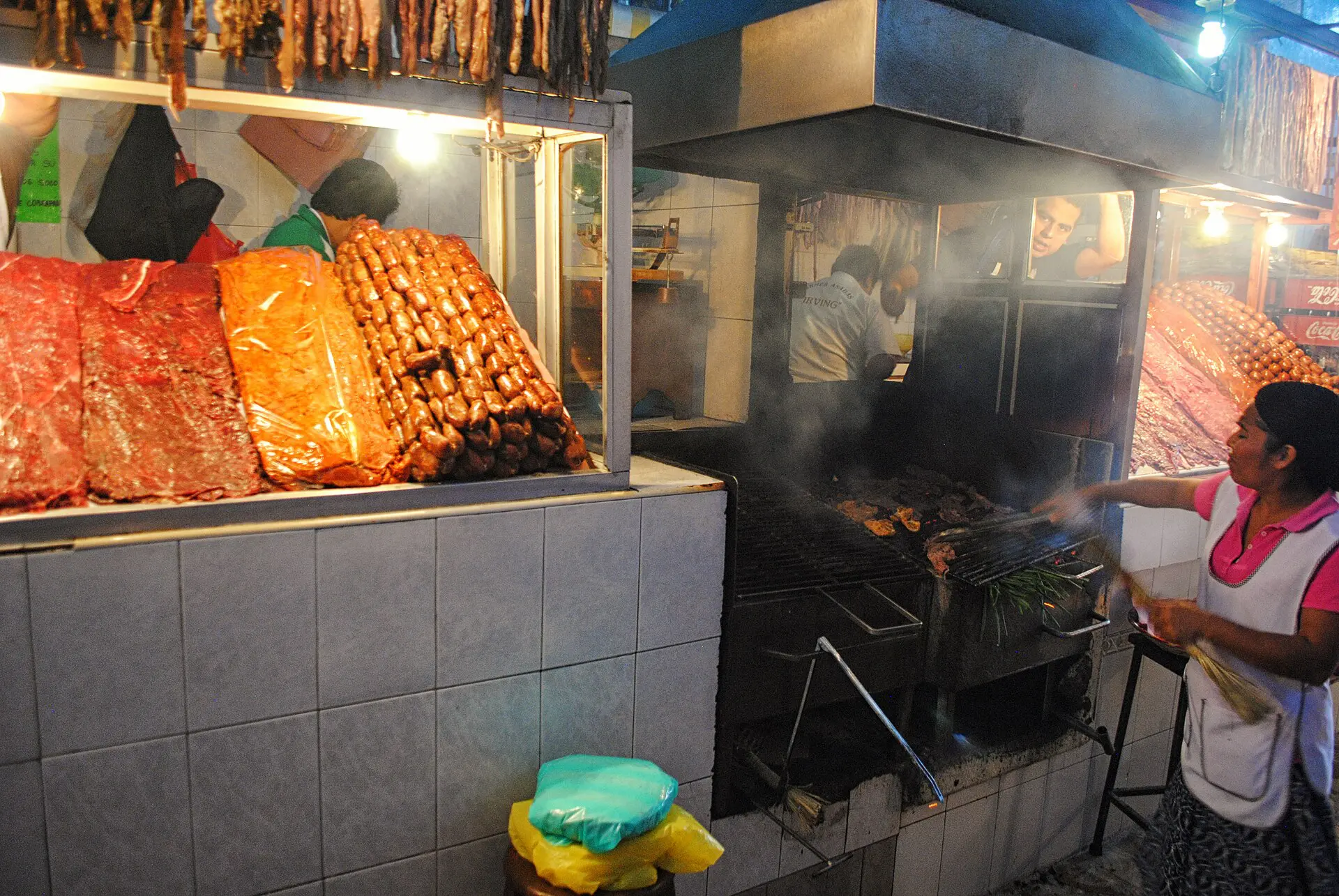
Markets are the shortest route to regional cooking. Many municipal markets open around 07:00, and their fonda counters (small family kitchens) serve breakfast and comida at fixed hours.
- Arrive between 08:00 and 10:00 for tamales, fresh tortillas, fruit and breakfast stews.
- Comida at 14:00-16:00 is when fondas serve set meals, and many run out of dishes by 16:30.
- Weekly tianguis markets rotate by day and neighbourhood. Ask locally for the day and check before you go.
Sunday is the big family meal day, and some stalls close or sell only specialities such as barbacoa, birria and pozole.
How much does traditional Mexican food cost?
Prices depend on region and the kind of place. These are rough per-person bands in USD, as of 2026, and tourist districts and resort areas run higher. Treat them as ranges to check on arrival.
| Meal | Typical option | Rough band (USD) |
|---|---|---|
| Breakfast | Tamales and atole, market breakfast | 2-5 |
| Street meal | Three to five tacos | 2-6 |
| Comida corrida | Set lunch with soup, main and drink | 4-9 |
| Sit-down dish | Mole, chiles en nogada | 8-25 |
Drinks add to the total. Agua fresca (fruit or hibiscus water) is usually 1-2 USD, a coffee or hot chocolate 1-3 USD, and beer more in a restaurant than in a shop. Menus in tourist and resort areas often list prices in pesos with a separate US-dollar column, so check which one applies.
Traditional Mexican food etiquette
Tacos are eaten with the hands, folded, and finished in a few bites. Add salsa by the spoonful, and ask which sauces are hot before pouring.
- Tipping: 10 percent is common in sit-down places, and more in resort areas where tipping is expected. Check your bill for a service charge.
- Table pace: waiters rarely bring the bill unprompted. Ask for it with “la cuenta, por favor”.
- Greetings: say “buen provecho” when entering or leaving a room where people are eating.
- Salsa and lime: the condiments on the table are for you to use freely, and refills are normal.
How to read a menu in Mexico with a language barrier
Many menus are in Spanish only outside tourist areas. A few words go a long way: “con” means with, “sin” means without, “picante” means spicy and “asado” means grilled. Ask for the plato del día (the dish of the day) and point at what others are eating.
- Guisado is a stew filling. Many fondas offer a rotating list of guisados you can order on tortillas.
- Chile relleno, enchiladas, chilaquiles: check whether they come “rojo” (red salsa) or “verde” (green).
- Tacos, tortas, tostadas and tlayudas are not the same format, so ask what each comes on.
If you want a different angle on the same food, the guide to Mexican street food by hour covers stalls and snacks.
What to skip with traditional Mexican food
I would skip menus built around nachos and combination plates, which belong to border and tourist cooking. Skip raw salads and unpeeled fruit in places where you cannot be sure of the washing water, and ice from unknown sources. Avoid dishes that sit in warm trays through the afternoon. Heat levels also vary, so start with mild salsas and add chilli gradually. Check the Wikivoyage guide to Mexico for health and safety notes, and ask a doctor about vaccines before you travel.
FAQ about traditional Mexican food
What is the most traditional Mexican dish?
There is no single answer, but tacos, tamales, mole and pozole are strong candidates. All are built on maize, chilli or both and have pre-Hispanic roots. Different regions claim different dishes, and Mexicans often argue over which version is correct.
Is traditional Mexican food spicy?
Not always. Many dishes, such as tamales, mole and pozole, are layered with chilli flavour but are not painfully hot. The heat usually sits in the salsa served on the side. Ask for it separately and add it gradually.
What do Mexicans eat for breakfast?
Common choices include chilaquiles (fried tortillas in salsa), eggs with beans, tamales with atole and sweet bread with coffee or hot chocolate. Breakfast is typically eaten between 07:00 and 10:00, and market stalls often run out by midmorning.
How much should I budget for food in Mexico?
A traveller eating at markets and fondas may spend roughly 10-25 USD a day, as of 2026, while sit-down restaurants and tourist areas cost more. These are rough ranges, so check current prices locally before you go.
Is Mexican food safe for travellers?
Most visitors eat well with simple precautions. Choose busy stalls and fondas, prefer food cooked hot, drink sealed or purified water and avoid ice from unknown sources. Wash your hands before eating, and ask your doctor about stomach precautions.