The Costa Rica trip cost for ten days is roughly $900 to $1,400 per person at a budget level, $2,000 to $3,200 mid-range and $4,000 or more for comfort, before flights. Costa Rica is the most expensive country in Central America for visitors, mainly because of transport, guided activities and park fees. Below, the same ten days priced three ways, plus the shuttle versus rental car maths and the low-season trade-offs.
Costa Rica trip cost: the total cost box
These are rough US dollar ranges per person, with two people sharing a room, as of 2026. They exclude international flights and insurance. Dollars are widely accepted, but prices are set in a mix of dollars and colones, so check the quote currency.
| Budget level | Daily range | 10-day total | What it covers |
|---|---|---|---|
| Budget | $90 to $140 | $900 to $1,400 | Hostels or basic cabins, local sodas, public buses, one paid activity every few days |
| Mid-range | $200 to $320 | $2,000 to $3,200 | Small hotels or lodges, restaurant dinners, shared shuttles or a rental car, a paid tour every other day |
| Comfort | $400 to $700 or more | $4,000 to $7,000 or more | Eco-lodges and upscale hotels, private transfers or 4×4, guided tours daily |
Three lines drive the total: lodging, transport and activities. Food is the most flexible. Even at mid-range, a local lunch is often under a third of the price of the same meal near a beach resort, so the choice of eating place changes the total more than the choice of hotel star rating.
Activities deserve their own line. A typical mid-range traveller books four to six paid activities in ten days, at roughly $50 to $120 each, which adds $300 to $700 per person. Budget travellers can cut that to one or two and fill the rest with free beaches, waterfall hikes and town walks.
Where paying more pays off in Costa Rica
Costa Rica charges tourist rates for most things, so selective upgrades matter more than across-the-board ones.
1. A rental car for a multi-stop trip, with proper insurance
A small SUV costs roughly $45 to $110 a day depending on season, but mandatory third-party insurance is often missing from online quotes and can add $15 to $30 a day. Even so, for three or more stops with two or more travellers, a car usually beats stacked shuttle tickets and saves hours. Choose a 4×4 for rural and mountain roads, especially in the wet months.
2. A guide for wildlife, not a package for everything
Local naturalist guides raise your chance of seeing sloths, toucans and monkeys, and they carry spotting scopes. A half-day guided walk may be $40 to $90 per person, as of 2026. This is a better use of money than an extra zipline. Some parks, such as Corcovado, require a licensed guide, so build that into the plan.
3. A room in the right location for your first night
Arrival days are tiring. Paying a little more for a safe, comfortable room near the airport or your first-day pickup, with air conditioning and secure parking, avoids a stressful late drive. It is a sound spot to spend $20 or so extra.
Where to save in Costa Rica
The next four items trim the bill without losing the main reasons for the trip.
4. Eat at sodas
Sodas are small local restaurants serving a casado, a plate of rice, beans, salad, plantain and a meat or fish, usually for about $6 to $10. A tourist restaurant meal can run $15 to $30. Eat at sodas for lunch and keep one restaurant dinner for a treat.
5. Use public buses for long, simple routes
Public buses between larger towns cost a few dollars to roughly $15 and run on fixed times. They are slower than shuttles but much cheaper, and work well along the San José to the Pacific coast and other trunk routes. Check current schedules locally, since timetables change.
6. Choose tours by type, not by brand
Zipline, hanging bridges, rafting and hot springs all have similar prices across operators, usually $50 to $120 per person for a half-day. Compare what is included, such as transport, lunch, and entry, and book the one that fits your route. A cheaper tour that adds a one-hour transfer costs you time.
7. Travel in the green season for a few days
Rates for rooms and cars often fall by a quarter to a third from May to November. Mornings are typically sunny and afternoons rainy, so plan outdoor activities early. The Costa Rica travel guide explains the regions and what each does well.
Shuttle or rental car in Costa Rica
This is the biggest transport decision in the budget. Shared shuttles between hubs such as San José, La Fortuna, Monteverde and Manuel Antonio usually cost about $50 to $100 per person per leg, as of 2026. A four-leg trip for two people is therefore around $400 to $800 in shuttles alone.
- Two travellers, three or more legs: a rental car, with insurance and fuel, is often cheaper once you reach seven to ten days.
- One traveller, two or three legs: shuttles usually win, as the car cost is not shared.
- You dislike mountain roads at night: pay for shuttles, as darkness arrives around 5:30 pm all year.
Public buses undercut both options but are slower. For family trips, the Costa Rica itinerary with kids compares pace and driving times.
One more point on cost per route: the distances look short on a map but drive slowly. San José to La Fortuna or Monteverde can take three to four hours, and to Manuel Antonio about three, so each extra stop costs half a day. Cutting one stop saves money and gives you a calmer trip.
Transport and booking windows for Costa Rica
- Flights: for the December to April dry season, three to five months ahead is common. For the green season, one to three months is typical. Fares change quickly.
- Lodging: book peak-season rooms, especially Christmas to Easter, four to six months ahead. In green season, two to six weeks is often fine.
- Rental cars: reserve early for December to April and compare the all-in price including insurance.
- Shuttles: book a few days ahead in peak season, since popular times sell out.
- Popular parks and permits: some parks limit daily visitors, so reserve entry early for peak months.
Best months for value in Costa Rica
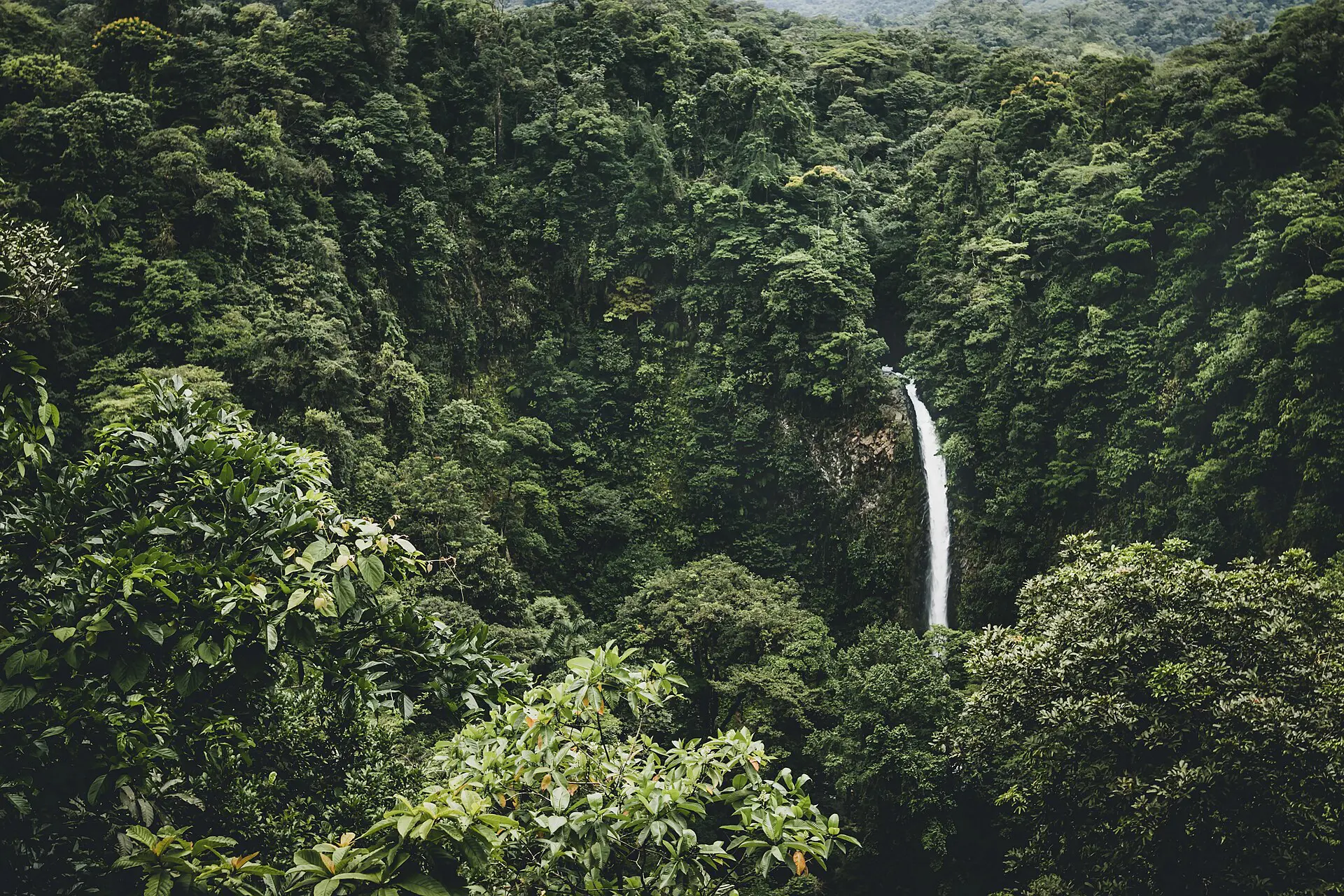
Costa Rica has a dry season from about December to April and a green season from about May to November. Dry season brings the best weather and the highest prices, with the peak running from mid-December through Easter. The green season is cheaper, greener and quieter, and rain tends to come in the afternoon.
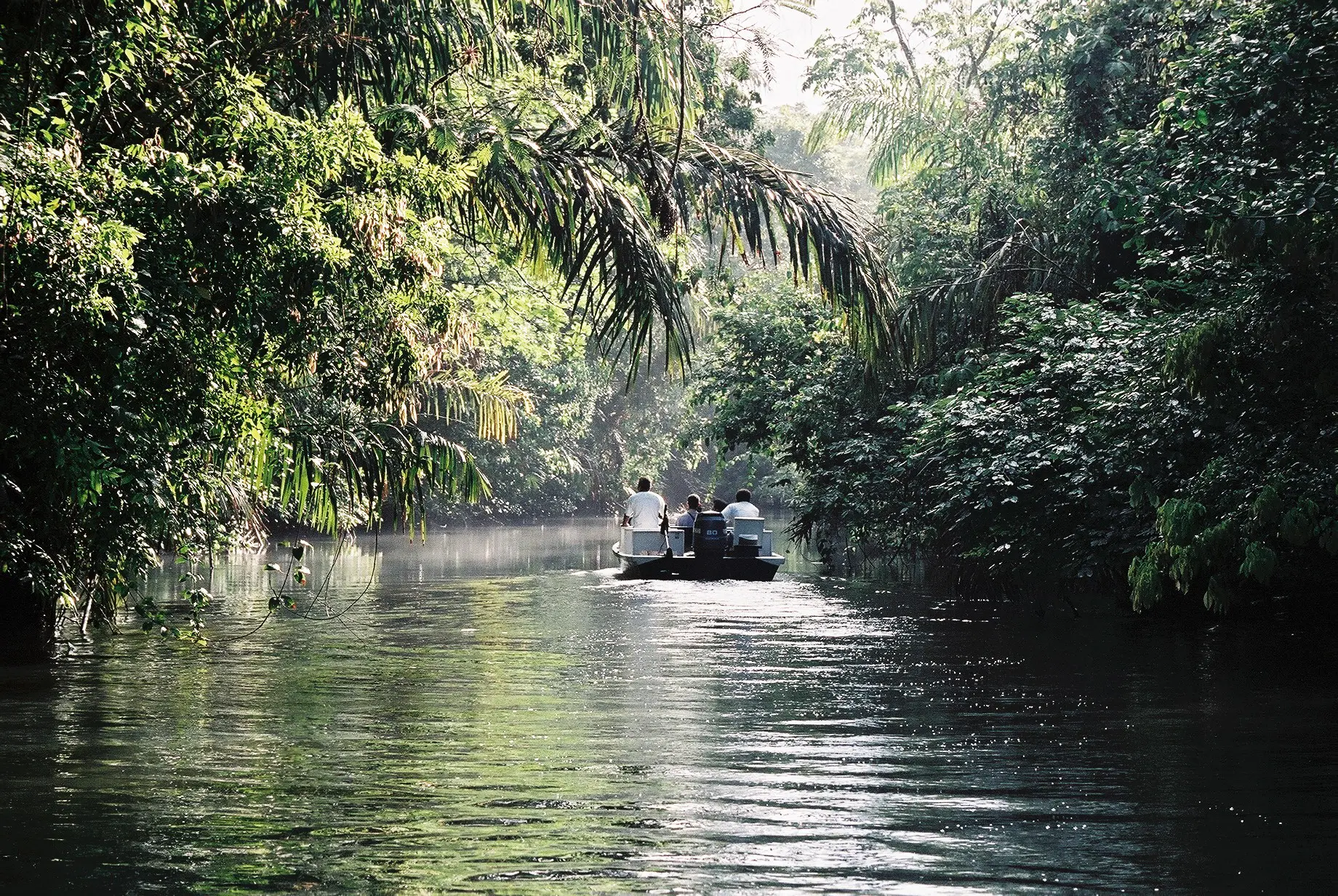
My pick for value is May to June and the first half of December, when rates are lower and the weather is workable. September and October are the wettest months on the Pacific side, though the Caribbean coast can be drier then. The Wikivoyage guide to Costa Rica covers regional climate, and the best time to visit Costa Rica with kids adds family timing.
FAQ about the Costa Rica trip cost
How much does a trip to Costa Rica cost for 10 days?
About $900 to $1,400 per person for budget travel, $2,000 to $3,200 mid-range and $4,000 or more for comfort, excluding flights. Lodging, transport and tours are the three biggest lines, so plan those first and treat food as the flexible one.
Is Costa Rica expensive?
By Central American standards, yes. Prices for tours, parks and rooms are closer to southern Europe than to neighbouring countries. Sodas, public buses and green-season rates keep the total manageable if you plan around them.
Is it cheaper to rent a car or take shuttles in Costa Rica?
For two or more people on a route with three or more stops, a car is often cheaper once insurance is included. For a solo traveller with only two moves, shuttles usually win, because the car cost is not shared.
What is the cheapest time to go to Costa Rica?
May to November, outside school holidays, has the lowest rates, often a quarter to a third below peak. Expect afternoon rain, plan outdoor activities in the morning and keep a flexible afternoon.
Do you need cash in Costa Rica?
Some, for small sodas, buses and park fees at rural entrances. US dollars are accepted in many tourist places, but change is often given in colones, so carry small notes. For general background, see the Wikipedia entry on Costa Rica.