A Costa Rica itinerary with kids works best as ten days in two bases, one inland and one on the Pacific coast, joined by a single shuttle day of about four hours. Costa Rica rewards short, repeated outings, such as a waterfall, a sloth walk, a beach, far better than long drives between sights. The plan below caps travel by age, puts the active blocks in the dry morning hours, and gives every day an indoor or tired-day alternative.
Costa Rica itinerary with kids at a glance
The route uses La Fortuna and the Arenal area as the inland base, then a Guanacaste beach town as the coast base. Fly into San José and out of Liberia, or the reverse, so you never repeat a drive.
| Days | Base | Longest transfer | Pace |
|---|---|---|---|
| 1 | Near San José airport | Under 30 minutes | Arrival only |
| 2 | La Fortuna | About 3 hours | Travel plus a short walk |
| 3 | La Fortuna | 30 minutes | Full morning, quiet afternoon |
| 4 | La Fortuna | 45 minutes | Medium |
| 5 | La Fortuna | 20 minutes | Light: rest day |
| 6 | La Fortuna to Guanacaste | About 4 hours | Shuttle day, nothing else |
| 7 | Guanacaste coast | Walking distance to 15 minutes | Beach morning |
| 8 | Guanacaste coast | About 1 hour 15 minutes each way | Medium, optional |
| 9 to 10 | Guanacaste coast | About 1 to 1.5 hours to Liberia airport | Light, then departure |
All drive times are approximate and depend on the road, traffic and weather, so add 30 to 60 minutes to every figure when you plan departure times.
Day-by-day Costa Rica itinerary with kids
Each day has a morning block, an afternoon block, a food or rest anchor and a swap for a tired day. In the green season, rain usually arrives after midday, so the outdoor blocks go first.
Days 1 to 2: Arrive, then shuttle to La Fortuna
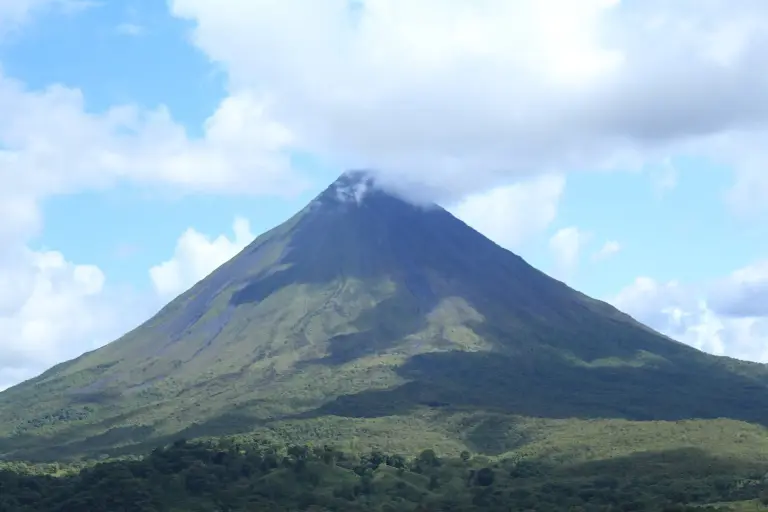
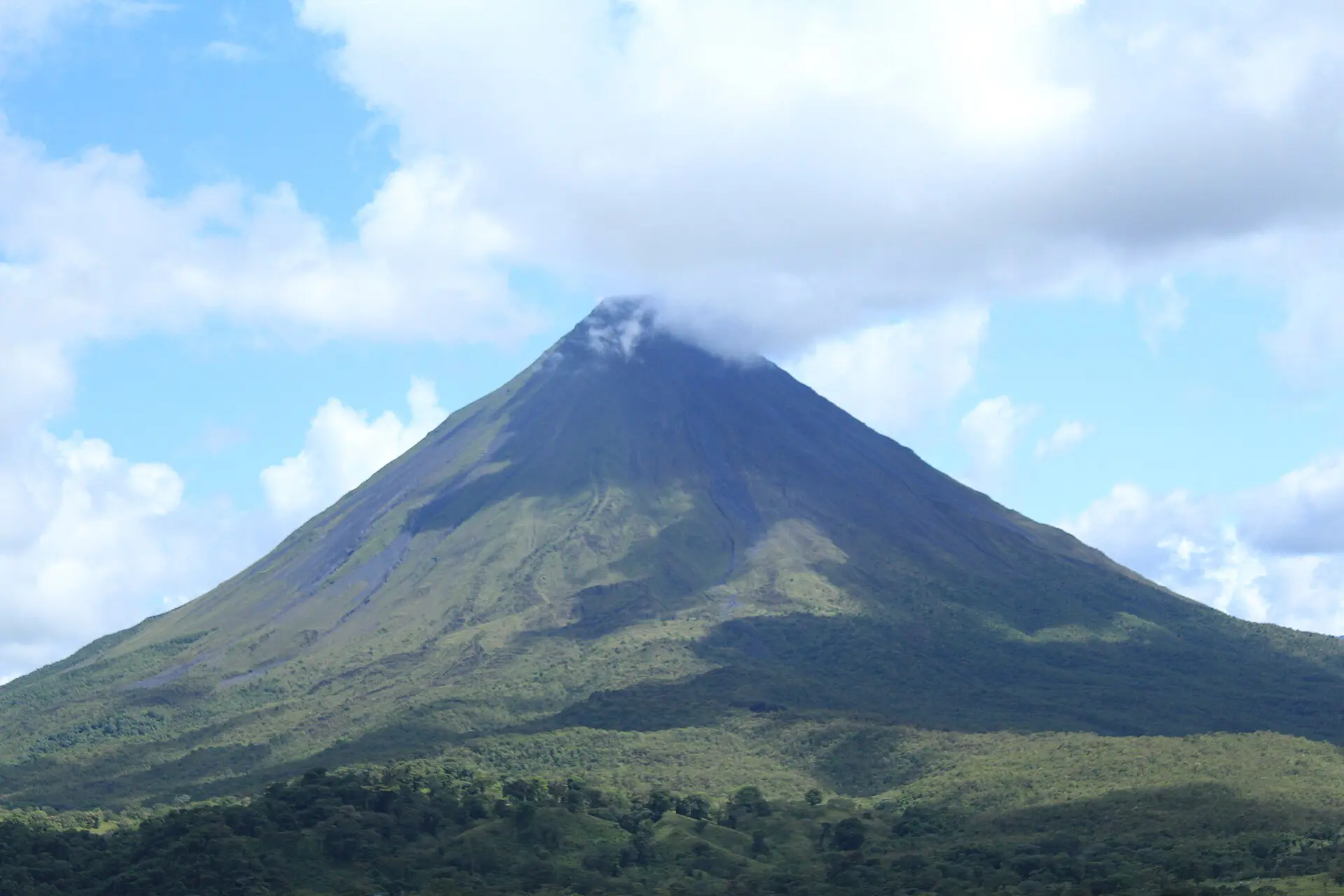
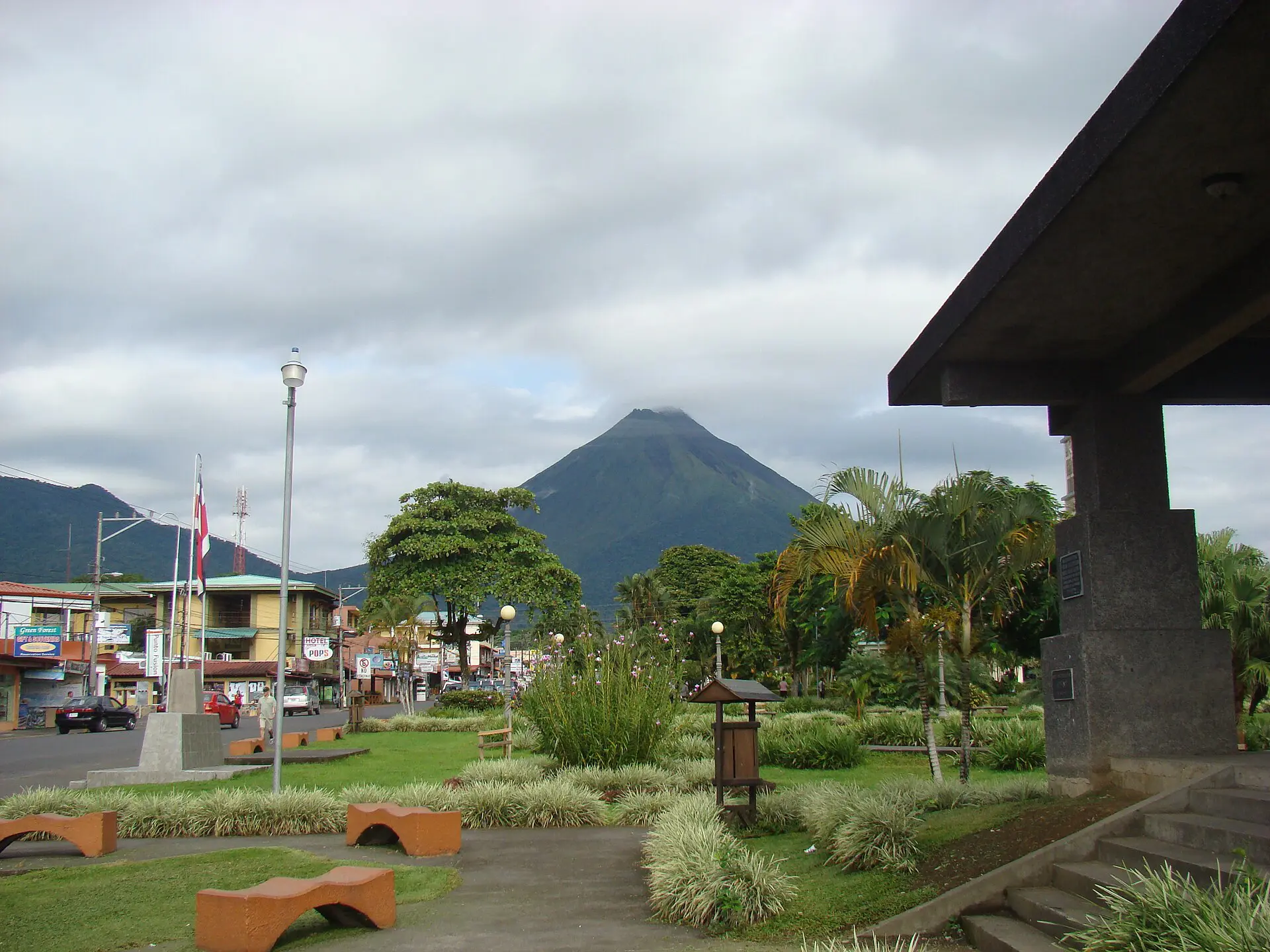
Sleep near the airport on day 1 and avoid driving after dark; rural roads are unlit and have potholes. On day 2, take a private shuttle or a taxi arranged in advance and leave by 8:00. Anchor: lunch about halfway, with a 30-minute leg stretch. Afternoon: check in, then take a short walk around the town square to see the volcano if the cloud has lifted.
Tired-day swap: go straight to the hotel pool and eat at the hotel. Nothing about day 2 needs to be seen.
Day 3: La Fortuna Waterfall
Morning: the main waterfall near town is reached by a stepped path of several hundred steps, which is steep on the way back up. Go at opening time, take water, and allow about two hours. Children aged 8 to 11 can manage it; with ages 5 to 7, decide at the top whether to walk down. Anchor: lunch in town and a two-hour break at the hotel.
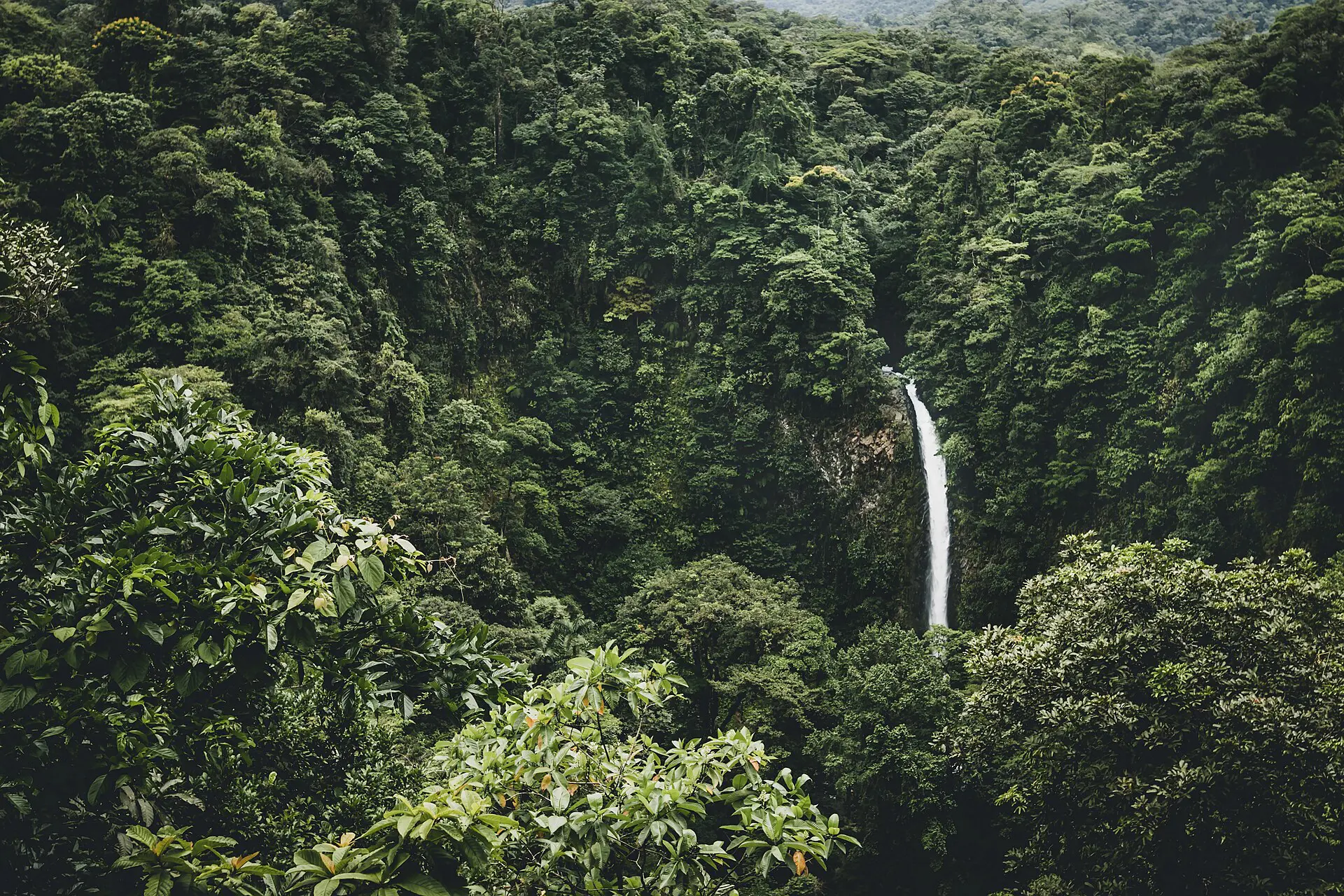
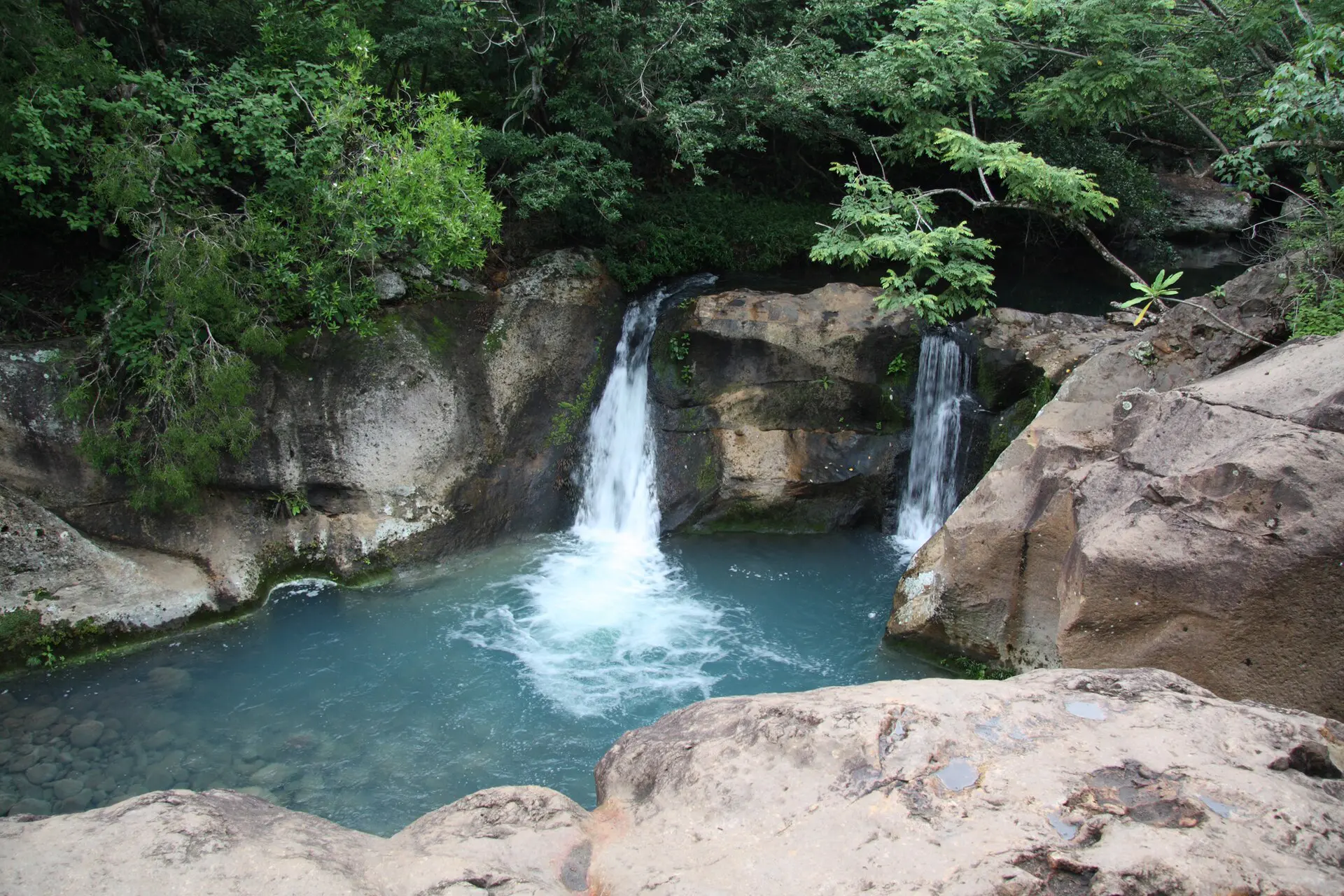
Afternoon: pool time. Tired-day swap: view the waterfall from the upper platform only and skip the swim; if the steps are too much, choose a flat farm tour with animals, chocolate and fruit tasting, which is shaded and seated.
Day 4: Hanging bridges or a volcano trail
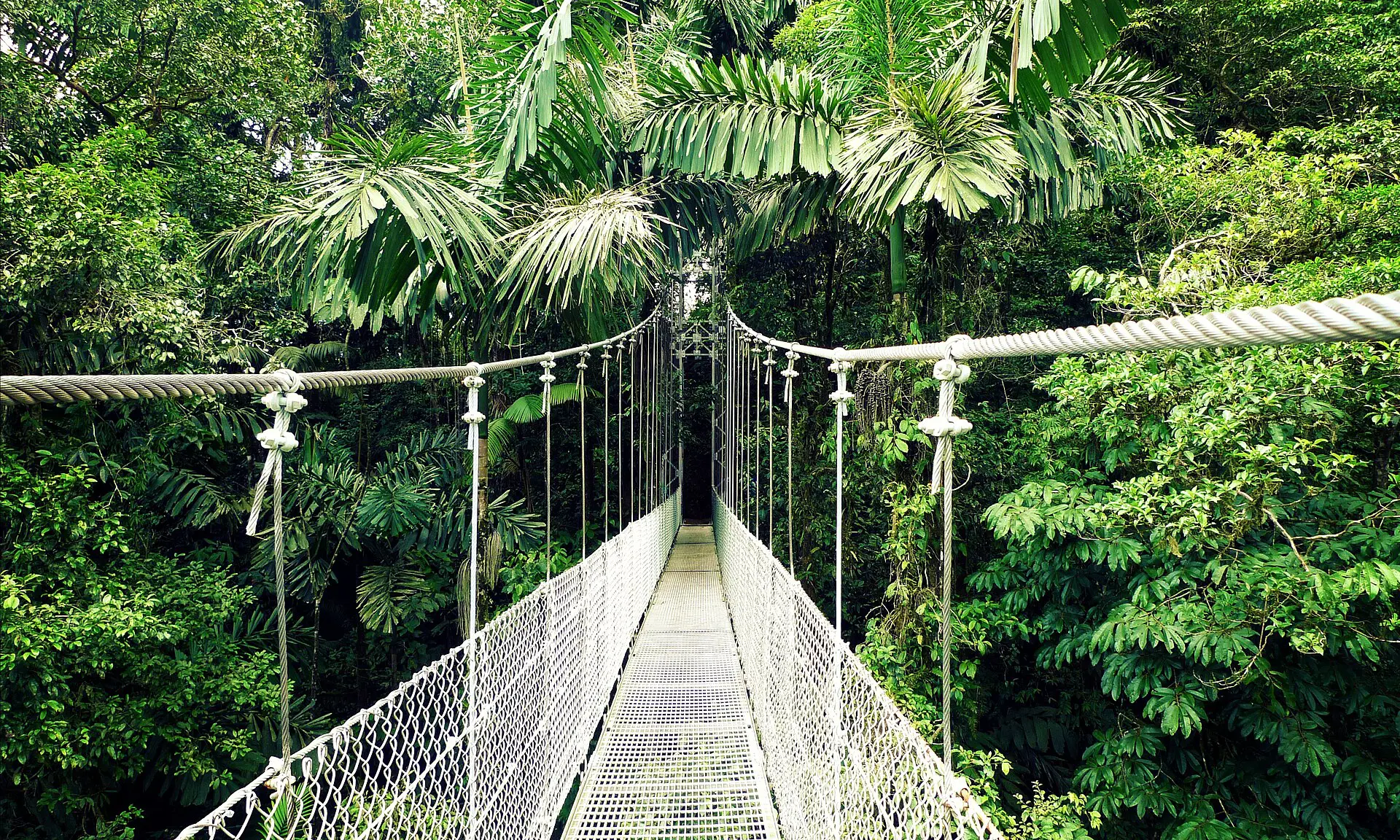
Morning: a guided walk across suspended bridges in the forest, usually two to three hours. Guides spot sloths, toucans and monkeys, which is the main reason to take one. Afternoon: back at the hotel by 13:00.
Alternatively, walk a short trail in Arenal Volcano National Park, with lava fields from older eruptions and good views on clear mornings. Anchor: a packed lunch and a bench rest at the hour mark. Tired-day swap: a wildlife centre or a butterfly garden, each under 90 minutes.
Day 5: Hot springs and a rest day
This is the lightest day. Morning: sleep late, then swim. Late afternoon: hot springs, which are warm rivers and pools managed at several resorts in the Arenal area. Children should use the cooler pools only and stay in for 20 to 30 minutes at a time. Check temperatures and age rules at the gate.
Anchor: early dinner. Tired-day swap: skip the springs and keep the hotel pool. Pack tonight, because tomorrow is a transfer.
Day 6: Shuttle to Guanacaste
This is the one long travel day. Leave around 8:00 and expect about four hours, plus a stop. Book a private shuttle with a child seat or booster, and ask the driver to stop every 90 minutes. In the dry season the road is usually fine; in the wet season, delays are more likely.
Afternoon: check in and walk to the beach at sunset. Anchor: snacks in the car, lunch at a roadside restaurant, early bed. Tired-day swap: none needed. Treat any extra stop as optional.
Day 7: Beach morning on the Guanacaste coast
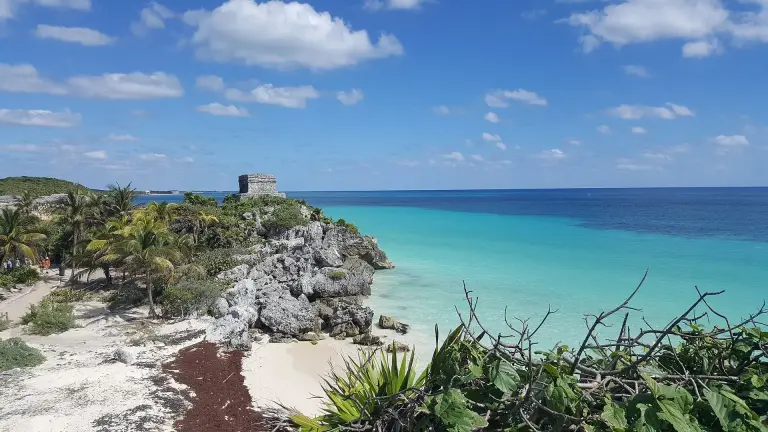
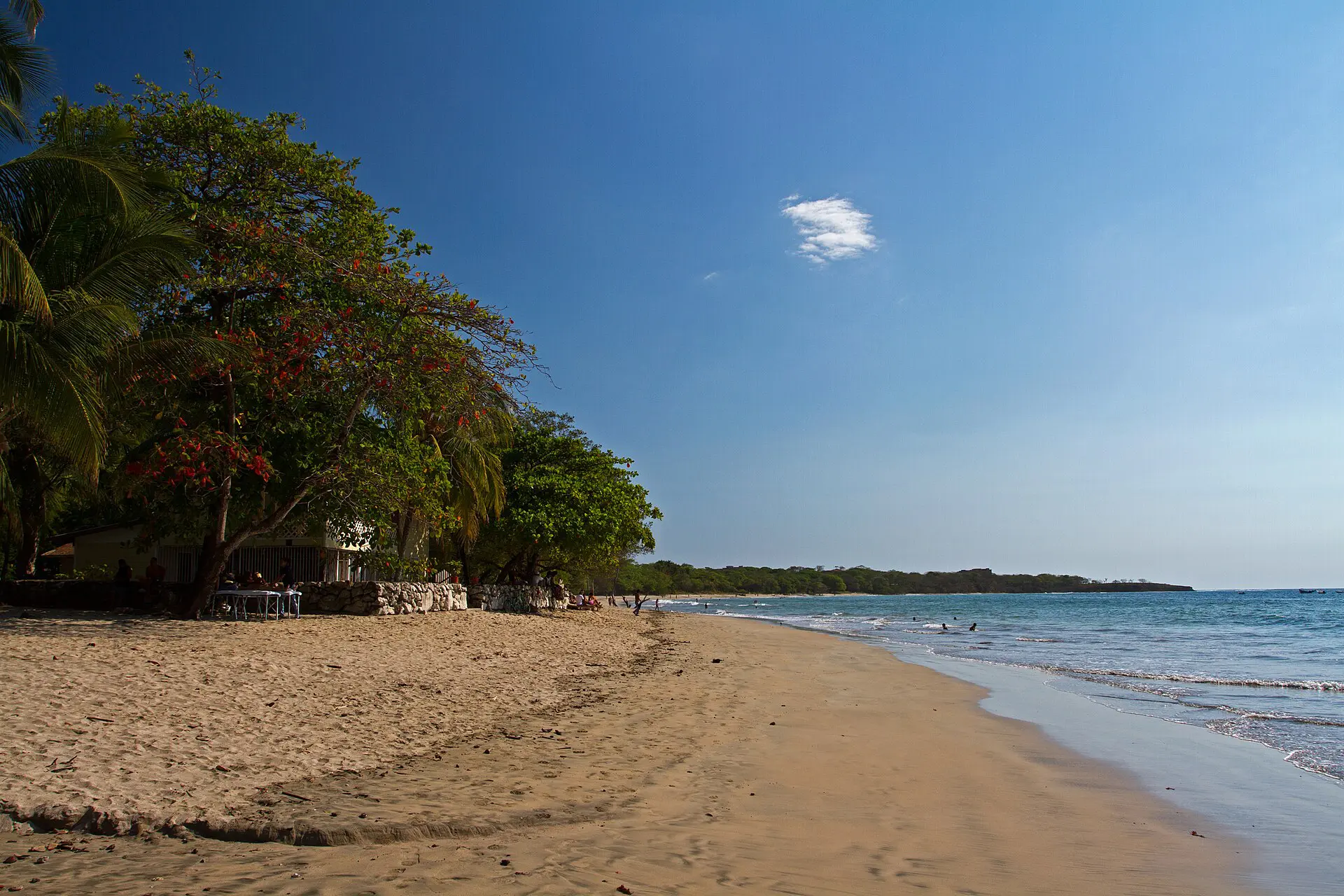
Choose a beach with calm water, shade and a lifeguard or hotel-managed swimming area. Pacific beaches can have strong currents, so check with locals and stay within standing depth with younger children. Morning: swim and play from 7:30 to 11:00, before the heat builds. Anchor: lunch in the shade and a nap or quiet time until 15:00.
Afternoon: a short walk at the water’s edge for shells and crabs. Tired-day swap: swap the beach for the hotel pool and eat dinner at the hotel.
Day 8: Rincón de la Vieja or a boat outing
Rincón de la Vieja National Park is the main day trip from the Liberia area, with short forest trails, fumaroles and waterfalls. It is a half-day outing, with a drive of roughly an hour and a quarter each way, so it is optional. Go in the morning, because afternoon storms are frequent.
If the drive is too much, book a short boat or snorkel trip from the coast instead. Tired-day swap: a second beach morning. This is the day I would drop first if anyone is flagging.
Days 9 to 10: Slow beach day and fly home
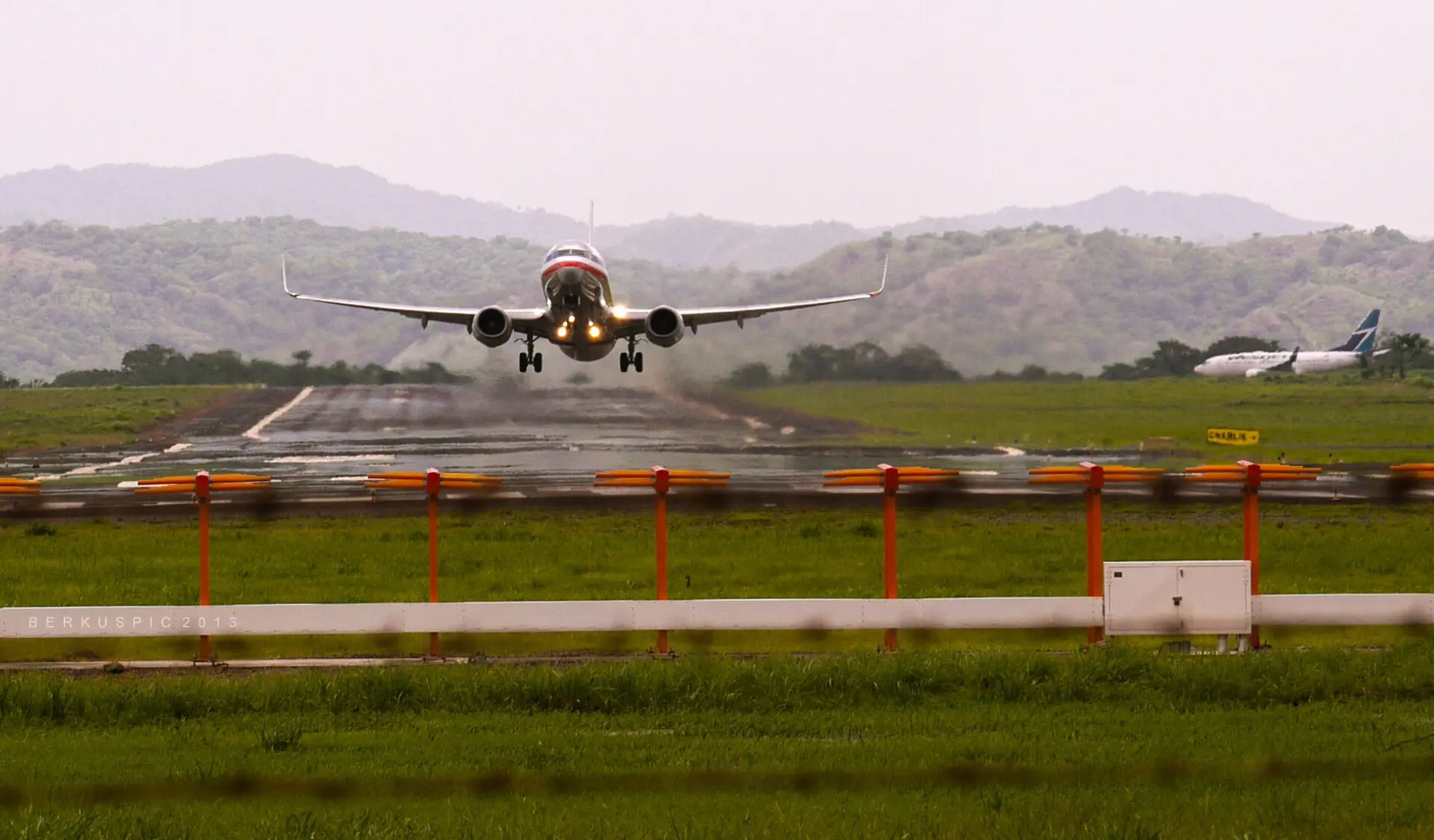
Day 9 is a copy of day 7 with no new plans. Pack in the evening. On day 10, check out after breakfast and leave for Liberia airport with at least three hours before an international flight. Anchor: a snack stop and a toilet break before the airport, since terminal queues can run long.
Ages and stamina on a Costa Rica trip
Ages 5 to 7: cap any single drive at about three hours, any walk at 90 minutes, and keep the wet-season afternoon for rest. Expect midday heat to bring sleepiness, even without a nap routine. Shoes with grip matter more than any piece of gear.
Ages 8 to 11: a four-hour shuttle is fine with breaks, walks of two to three hours work if you stop for water, and most of these children can handle the waterfall steps. Give them a job, such as spotting wildlife for the guide, and they last longer.
Getting around Costa Rica with children
For this route, use private or shared shuttles and short taxi rides. Roads can be narrow, with potholes, one-lane bridges and heavy rain. Rural signage is limited, and daylight ends around 17:30 all year, so avoid driving after dark. Child seat rules apply to private vehicles, so check the current requirements and ask the shuttle company to confirm a seat.
Decision points
- Rental car or shuttle? Shuttle for ten days with two bases. Rent a car only if you are comfortable with rural roads and need freedom between sights.
- Add a third base? No. Each extra base costs half a day.
- Fly the middle leg? Domestic flights exist but add airport time, so they rarely beat a four-hour shuttle with children.
Where to stay in Costa Rica with kids
- La Fortuna: a walkable town with a pool at most hotels, and several sights within 30 minutes. Suits ages 5 to 11.
- Guanacaste beach area: choose a hotel with a pool, shade and a short walk to calm sand. The Pacific side is drier than the Caribbean side, even in the green season.
- Near the airport on night 1: an easy first stop that avoids a night drive after a long flight.
Read the Costa Rica travel guide for the wider country, and the Wikivoyage Costa Rica page for regions beyond these two bases.
Rainy-day and tired-day fallbacks in Costa Rica
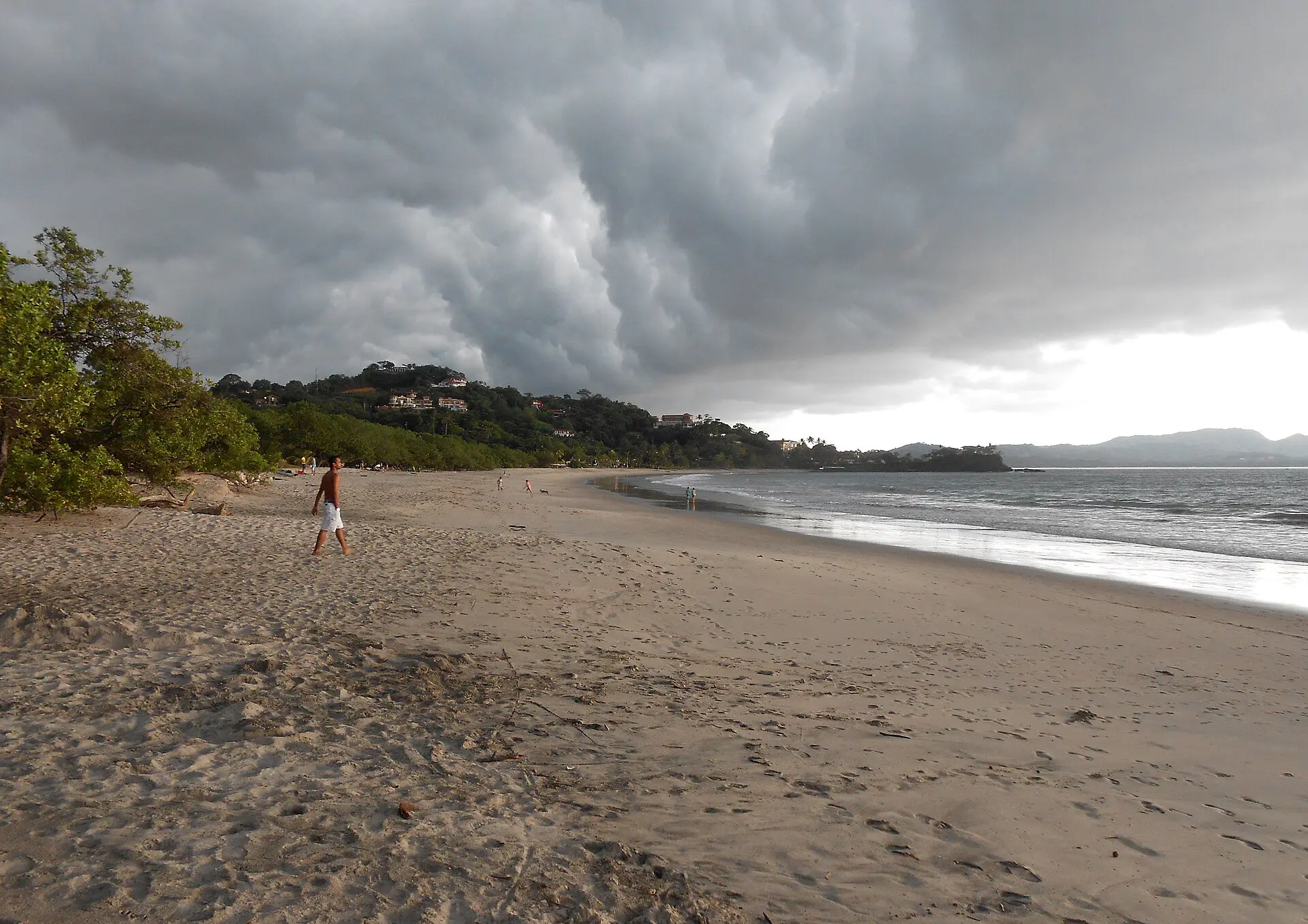
In the green season (roughly May to November), showers often arrive between 13:00 and 17:00. Plan outdoor blocks before noon, then use the afternoon for the pool, a seated farm tour, a chocolate workshop, a wildlife centre or a long lunch. A rain jacket and quick-dry clothes help more than an umbrella.
On a tired day, drop the afternoon, keep lunch and rest, and return to the pool. Do not trade a missed sight for a longer drive the next day.
How much does a Costa Rica itinerary with kids cost?
Costa Rica is pricier than many neighbours. As of 2026, rough ranges for a family of four per day, excluding flights: budget US$180 to US$300, mid-range US$320 to US$550, higher US$600 and up. Shuttles, park entry and accommodation drive the cost; meals at local restaurants cost much less than at tourist hotels. See the Costa Rica trip cost guide for a full breakdown.
Best time for families in Costa Rica
The dry season (about December to April) has the most reliable weather and the highest prices. The green season has lusher forest, fewer crowds and lower rates, but afternoon rain and some road delays. School holidays and Christmas fill hotels early. Read the best time to visit Costa Rica with kids for a month-by-month view.
FAQ about a Costa Rica itinerary with kids
How many days do you need in Costa Rica with kids?
Ten days is comfortable for two bases and one shuttle day. Seven days works if you choose one base, such as La Fortuna or the coast, and add one half-day trip. Avoid fitting three regions into a week, because the drives eat the free time.
Is Costa Rica good for children aged 5 to 11?
Yes, for families who like animals, short walks and water. Children in this age range can enjoy wildlife tours, waterfalls and beaches. The difficulties are heat, steps, long drives and strong ocean currents, so plan within those limits and swim only in safe spots.
Should we rent a car in Costa Rica with kids?
For two bases, a private shuttle is usually easier. Rural roads can be narrow and unlit, with river crossings in the wet season. Rent a car only if you are confident on rural roads, book child seats in advance, and avoid driving after dark.
What is the longest drive children can handle?
About three hours at ages 5 to 7 and four hours at ages 8 to 11, with a stop every 90 minutes. Schedule the longest drive for the morning, plan nothing demanding afterwards, and bring snacks, water and an offline game or audiobook.
What do we do if it rains all afternoon?
Keep a seated indoor option ready: a chocolate or coffee tour, a wildlife centre, the hotel pool or a long lunch. Rain is common in the green season, often in the afternoon, so the plan puts active blocks before noon and treats the afternoon as flexible.