The Iceland trip cost for ten days is roughly $1,800 to $2,800 per person at a budget level, $3,200 to $5,000 mid-range and $6,500 and up for comfort, before flights. Iceland is expensive mainly because of food, lodging and cars, not sights, since much of the best scenery is free. This guide prices the same trip three ways, works out when a rental car beats tours, and shows which levers move the total most.
Iceland trip cost: the total cost box
These are rough US dollar ranges per person, assuming two people share a room and a car, as of 2026. They exclude international flights and insurance. Icelandic prices are high and shift with the krona and the season, so check current rates before you commit.
| Budget level | Daily range | 10-day total | What it covers |
|---|---|---|---|
| Budget | $180 to $280 | $1,800 to $2,800 | Hostels, guesthouses or campsites, supermarket meals, small rental car shared, free sights |
| Mid-range | $320 to $500 | $3,200 to $5,000 | Guesthouse or hotel rooms, a mix of cooking and restaurant meals, rental car, two or three paid tours |
| Comfort | $650 to $1,000 or more | $6,500 to $10,000 or more | Upscale hotels, restaurant dining, 4×4 or private guides, lagoon and activity bookings |
Lodging and the car together usually make up half or more of the budget. The cheap line is sightseeing: waterfalls, black sand beaches and hiking trails cost nothing to enter. Entry fees do exist for a few places, such as some parking areas and lagoons, but they are small beside the room and the fuel.
As a rule of thumb, a cooking traveller can eat on $30 to $50 a day, while restaurant dining for every meal pushes food to $100 to $150 or more. That gap, repeated over ten days, is larger than the price difference between a mid-range hotel and a guesthouse.
Where paying more pays off in Iceland
Three upgrades tend to earn their price in Iceland, because the country punishes cheap choices with lost time or weather.
1. A better car for the season you travel in
In summer a small 2WD handles the Ring Road and most main routes. In winter and shoulder months, paying for a 4×4 or at least a car with winter tyres and good insurance is safer. Gravel and wind damage are common claims, so check what the quote excludes. Mountain F-roads need a high-clearance 4×4 and are only open in summer.
2. One or two guided experiences that you cannot do alone
Glacier walks, ice caves and snorkelling the Silfra fissure need guides and gear. Expect roughly $100 to $250 per person depending on length and season, as of 2026. A day tour from Reykjavik is poor value if you have a car, but a specialist guide is a good spend. Pick one or two and skip the rest.
3. A room with a kitchen
Paying $20 to $60 more a night for a guesthouse or apartment with a kitchen cuts food spending sharply. A good supermarket dinner for two costs a third of a restaurant meal. For stays of five nights or more, this is among the best upgrades in the country.
Where to save in Iceland
The four items below cut the bill without trimming the scenery.
4. Shop at supermarkets and carry a lunch
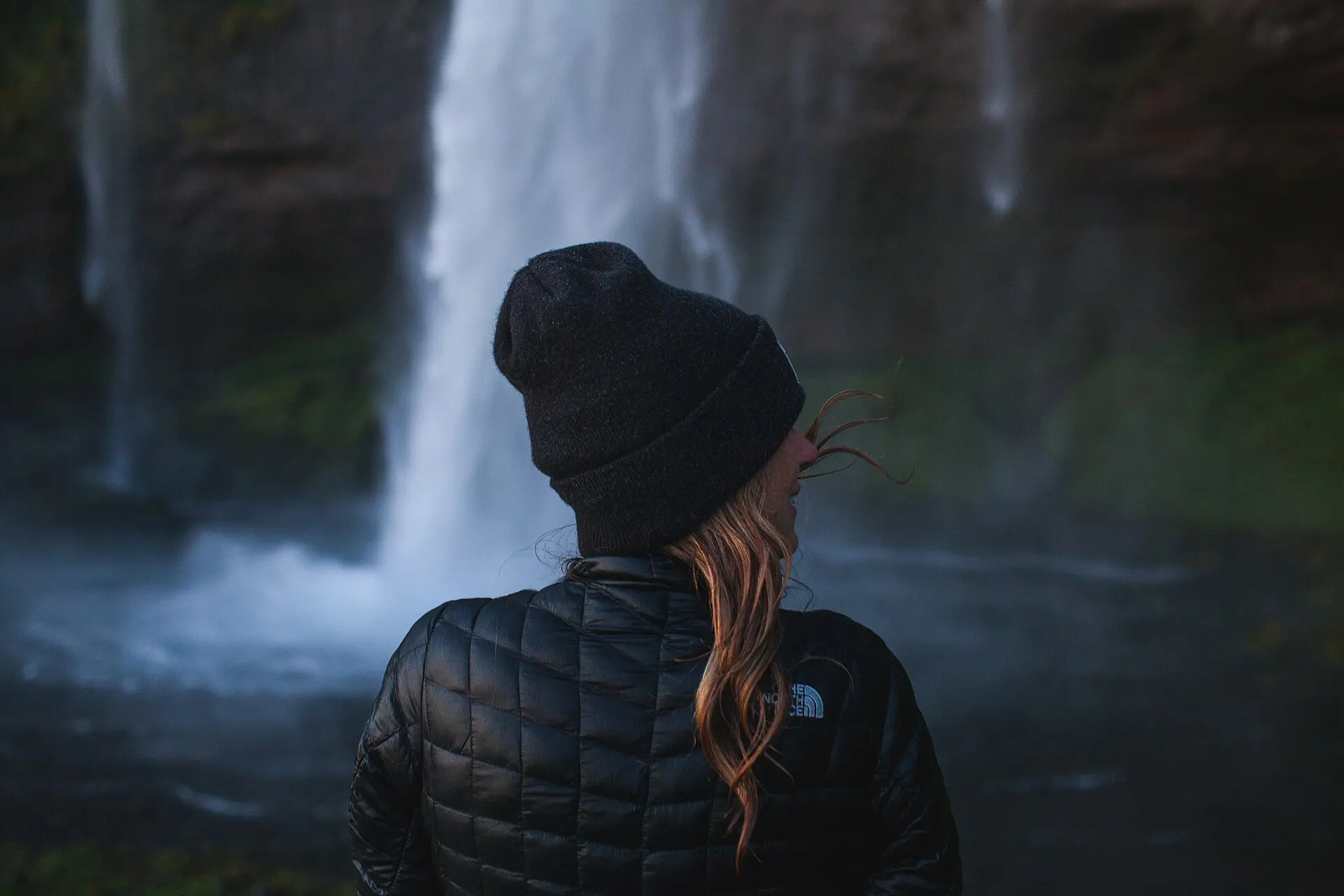
Discount chains such as Bónus and Krónan, plus Netto in some towns, sell bread, skyr, sandwich fillings, pasta and fruit at prices that are high by European standards, but far below restaurants. A restaurant main often costs $25 to $45 per person, as of 2026, before drinks. Make lunch a picnic and keep restaurants for one dinner a few days.
5. Drink the tap water and buy alcohol in the right place
Tap water is excellent and free, so a refillable bottle replaces bottled water. Wine and spirits are sold in state shops, and the airport duty free is often the cheapest place for visitors to buy a bottle on arrival. Bars charge a premium for beer, so a pre-dinner drink at your rental is cheaper.
6. Choose fewer, longer stays
Moving every night adds fuel and loses time. Three bases of three nights each, for instance the south coast, the north and Reykjavik, cost less and let you explore without repacking. Fuel runs high by international standards, so cutting kilometres matters.
7. Book lagoons and tours with flexible terms
Popular lagoons and tours sell time slots, and the cheaper slots are earlier or later in the day. Free cancellation lets you move a booking if the weather turns. Natural hot pools in many towns charge much lower entry than the large lagoons, often a few thousand krona.
Lodging works in a similar way. Campsites cost a few thousand krona a person, sleeping-bag spots in guesthouses are cheaper than made-up beds, and hotels in summer can be several times either. Camping is cheapest but is only comfortable in settled weather, and wind can be harsh outside July and August.
Car or tours: the break-even in Iceland
This is the biggest single decision on the cost side. A guided day tour from Reykjavik often costs $90 to $180 per person. A rental car, at roughly $60 to $140 a day depending on season and size, plus fuel, is shared between two or more people.
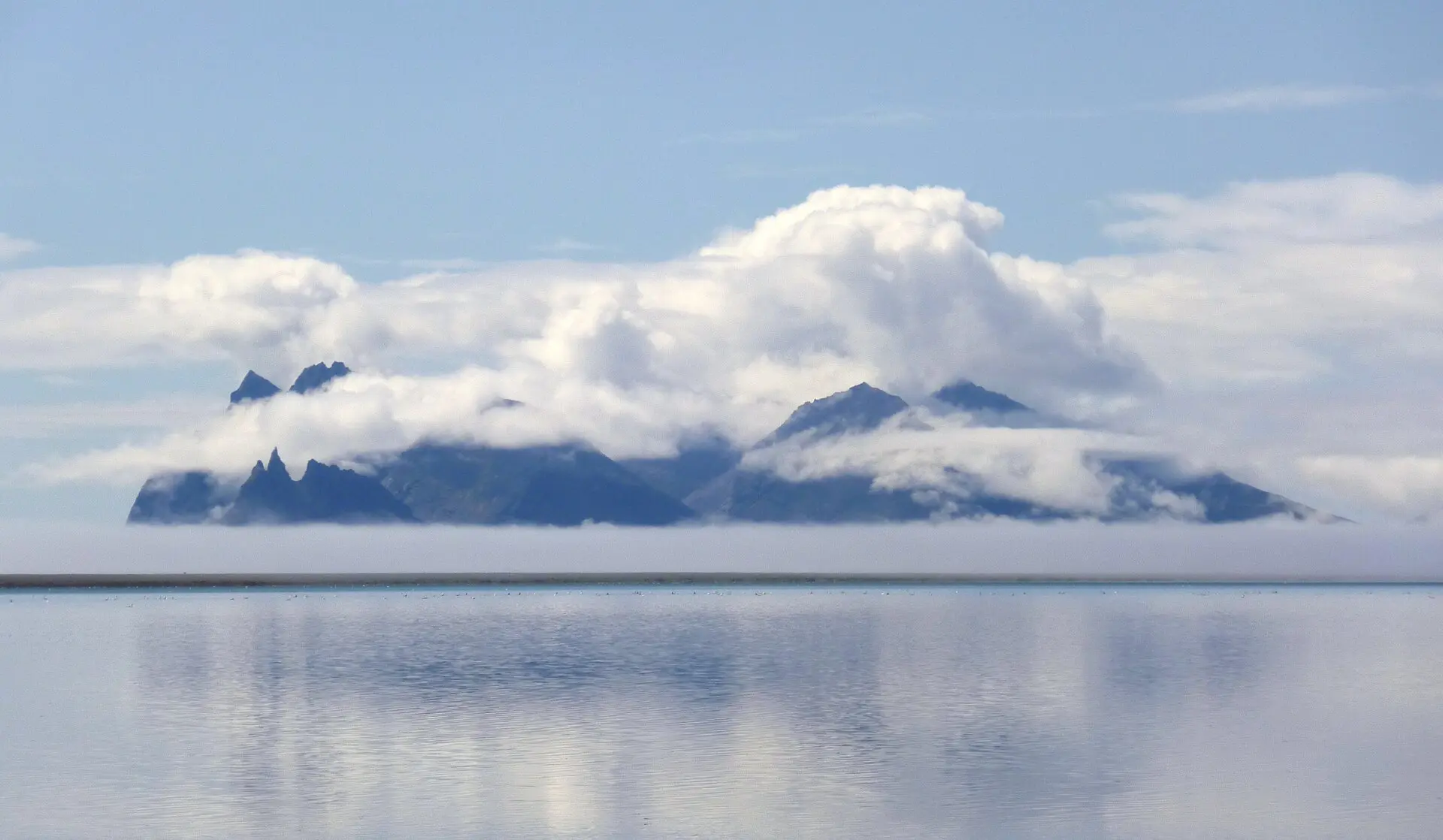
- One person, three days or fewer: tours and buses often win, especially in winter.
- Two people, four days or more: the car usually wins, because two tour tickets a day cost more than one car.
- Families or groups of three or four: the car wins almost always.
The caveat is winter driving: if you dislike snow and wind, a tour operator with a driver may be worth the premium. See the Iceland travel guide for route details, or the Iceland itinerary with kids if you are travelling with children.
Transport and booking windows for Iceland
- Flights: three to five months out is a common window for summer, and two to three months for winter, but fares move. Set alerts and compare nearby dates.
- Rental cars: reserve early for June to August, as supply is limited and prices rise close to travel. Free cancellation lets you re-check later.
- Lodging: summer rooms in popular regions can sell out four to six months ahead. Winter is looser, but aurora weekends fill.
- Airport transfer: the bus from Keflavík to Reykjavik is cheaper than a taxi, which can be $100 or more. Skip it if you collect a car at the airport.
- Tours: book specialist activities a few weeks ahead, and book lagoon slots earlier in busy months.
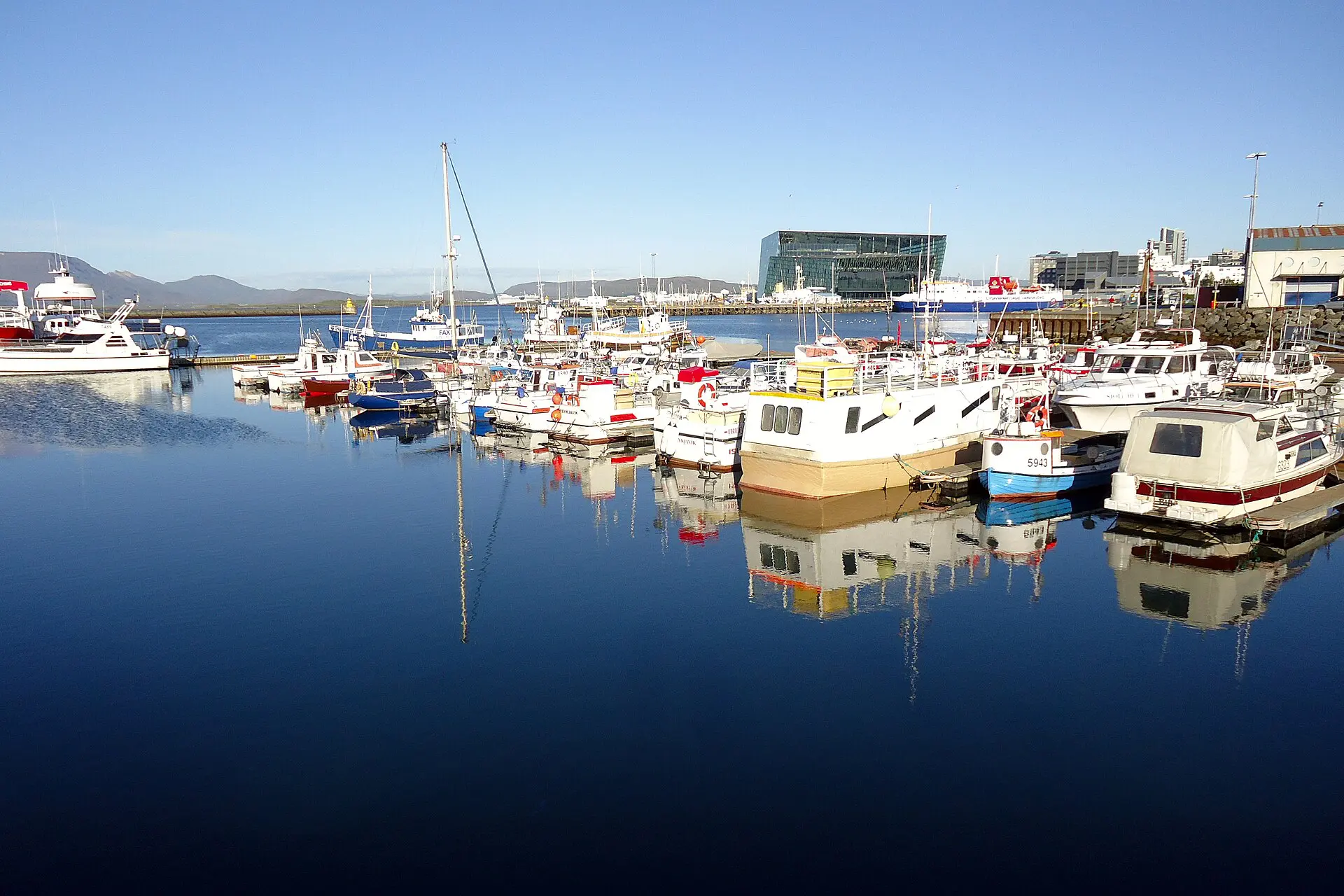
Fuel and fares also vary by route. Staying on the south coast between Reykjavik and Vík keeps daily distances short, while the north and the Westfjords add long driving days. If budget is the priority, a south-coast and Reykjavik trip gives the best scenery per kilometre and per dollar, and you can add the Snæfellsnes peninsula as a loop with only modest extra fuel.
Best months for value in Iceland
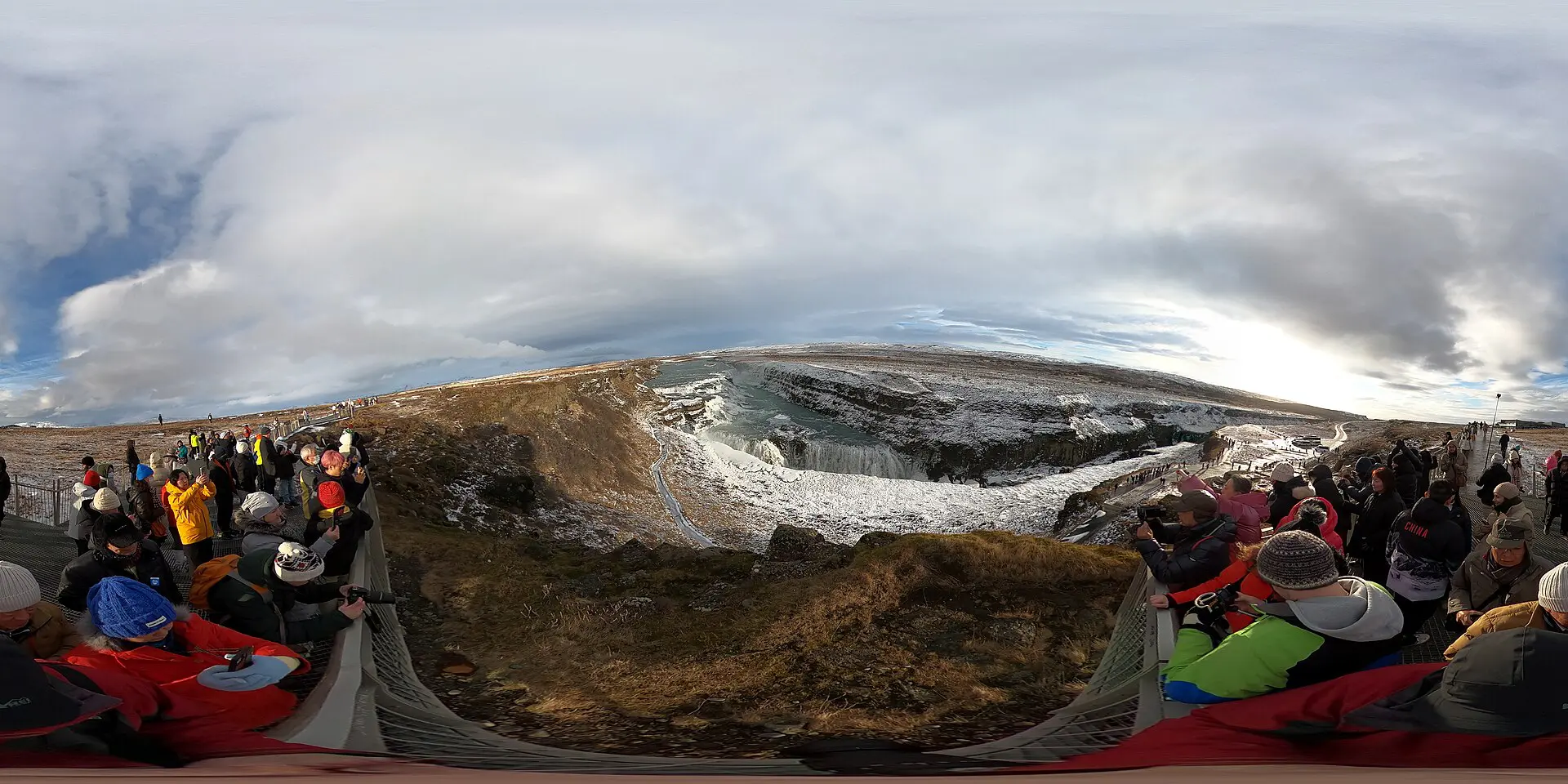
Iceland has three price seasons. July and August are the most expensive, with long daylight and full roads. May, June, September and early October are the shoulder months: good conditions in most places, with lower room and car rates. November to March is the cheapest, but days are short and weather can close roads, though it is the main time for northern lights.
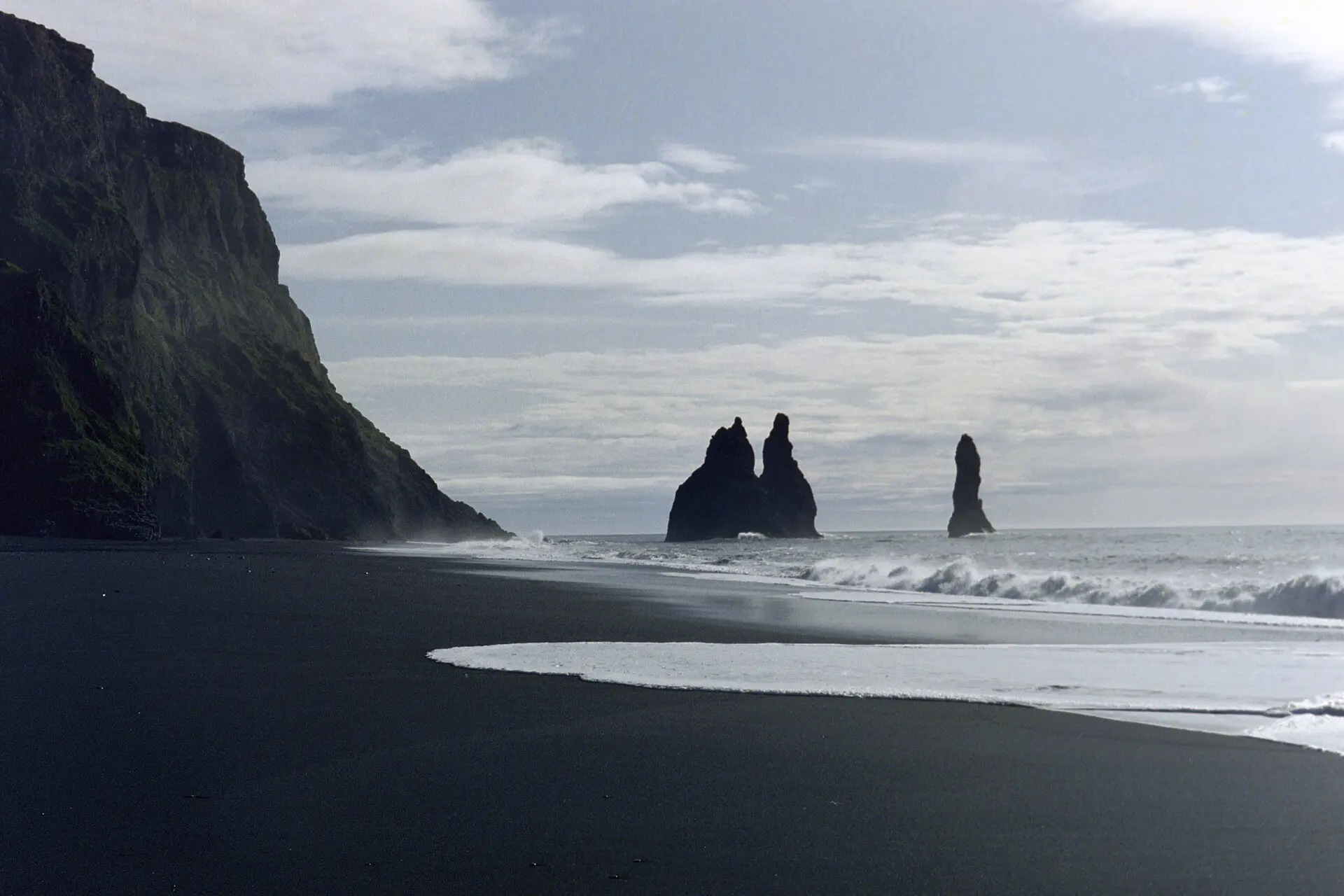
My pick for value is late May to mid-June or September: lighter crowds, usable roads and rates often a quarter to a third below peak. Puffins and midnight sun are summer features, so pick by what you want. The Wikivoyage guide to Iceland has region notes.
FAQ about the Iceland trip cost
How much does a 10-day trip to Iceland cost?
About $1,800 to $2,800 per person at a budget level, $3,200 to $5,000 mid-range and $6,500 or more for comfort, excluding flights. The car, lodging and food are the three largest lines, so those are the ones to plan first.
Is Iceland worth the money?
For landscapes, yes, since much of the value is free: waterfalls, beaches and hikes. It is poor value if you want restaurant dining and tours every day. Cook, drive yourself and pick a few paid experiences.
What is the cheapest month to visit Iceland?
Usually between November and March, outside the Christmas and New Year period, with some rate drops in late April and May. Short days and weather are the trade-off, so build in slack.
Is it cheaper to rent a car or take tours in Iceland?
For two people over four days or more, the car is usually cheaper. For a solo traveller on a short stay, tours or buses can win. Compare quotes for your dates, including insurance and fuel.
Can you visit Iceland on a budget?
Yes, at roughly $180 to $280 a day with campsites or hostels and supermarket meals. The cost is time spent cooking and a smaller choice of rooms. For background, see the Wikipedia entry on Iceland.