A realistic Iceland itinerary with kids covers seven days from two bases, Reykjavik and the south coast, with a longest drive of about two and a half hours and one rest day in the middle. Primary-school children enjoy Iceland’s waterfalls, black sand and geothermal pools, but they dislike long drives in wind and rain. So every day below states its drive time first, anchors the middle of the day to a pool and a lunch, and has a swap for bad weather.
Iceland itinerary with kids at a glance
The route runs along the Golden Circle to the south coast and returns by the same road. Fly into Keflavik, about 45 minutes from Reykjavik. Drive times are for a normal summer day; wind, rain, snow or road works add time, so check the weather and road conditions each morning.
| Day | Base | Longest drive | Pace |
|---|---|---|---|
| 1 | Reykjavik | 45 min from airport | Arrival, pool |
| 2 | Golden Circle to Hella area | About 1 hour between stops, 3 hours in total | Medium |
| 3 | South coast (Hella or Vik) | About 1 hour | Medium |
| 4 | South coast | About 1 hour 30 each way | Full |
| 5 | South coast | Under 30 min | Rest day |
| 6 | Back to Reykjavik | About 2 hours 30 | Travel plus a short walk |
| 7 | Reykjavik, then flight | 45 min to airport | Light |
If you are a family with children under seven, drop day 4 and stay near the coast base; the waterfalls on day 3 are the better half of the south coast.
Day-by-day Iceland itinerary with kids
Every day has a morning block, an afternoon block, a pool-and-lunch anchor and a weather swap. Summer gives long daylight, but children still need a rest in the middle.
Day 1: Arrive in Reykjavik and swim
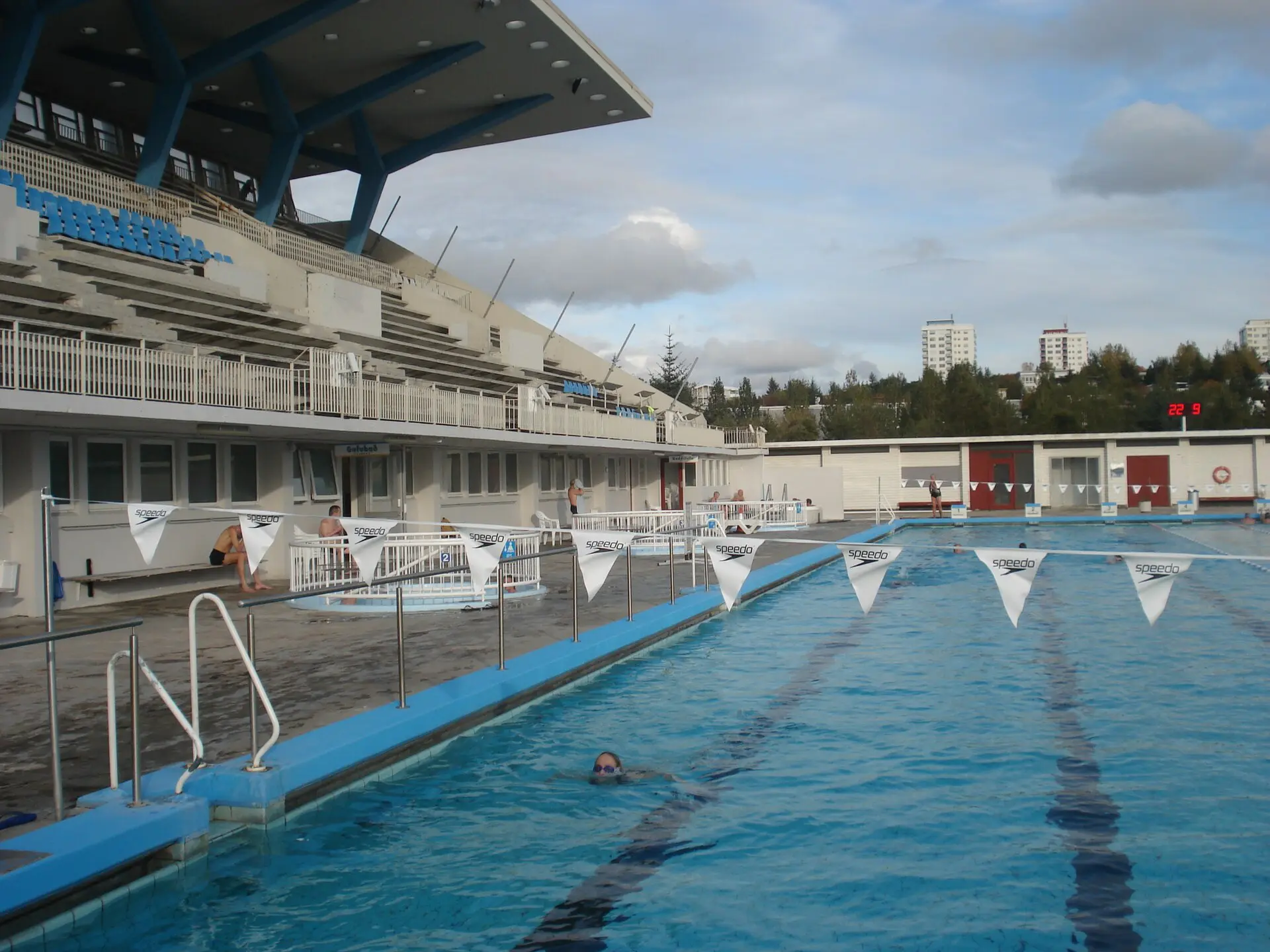
Collect the car or take the airport bus, and check in. Afternoon: a local swimming pool. Reykjavik has several public geothermal pools with shallow areas, hot tubs and slides; the rules require a soap shower without a swimsuit before entering, and children are expected to follow them. Anchor: an early dinner and bed, since the long light confuses body clocks.
Weather swap: if it is wet, the pool still works, and many are partly covered. Add a short walk by the harbour only if the rain eases.
Day 2: The Golden Circle, in the right order
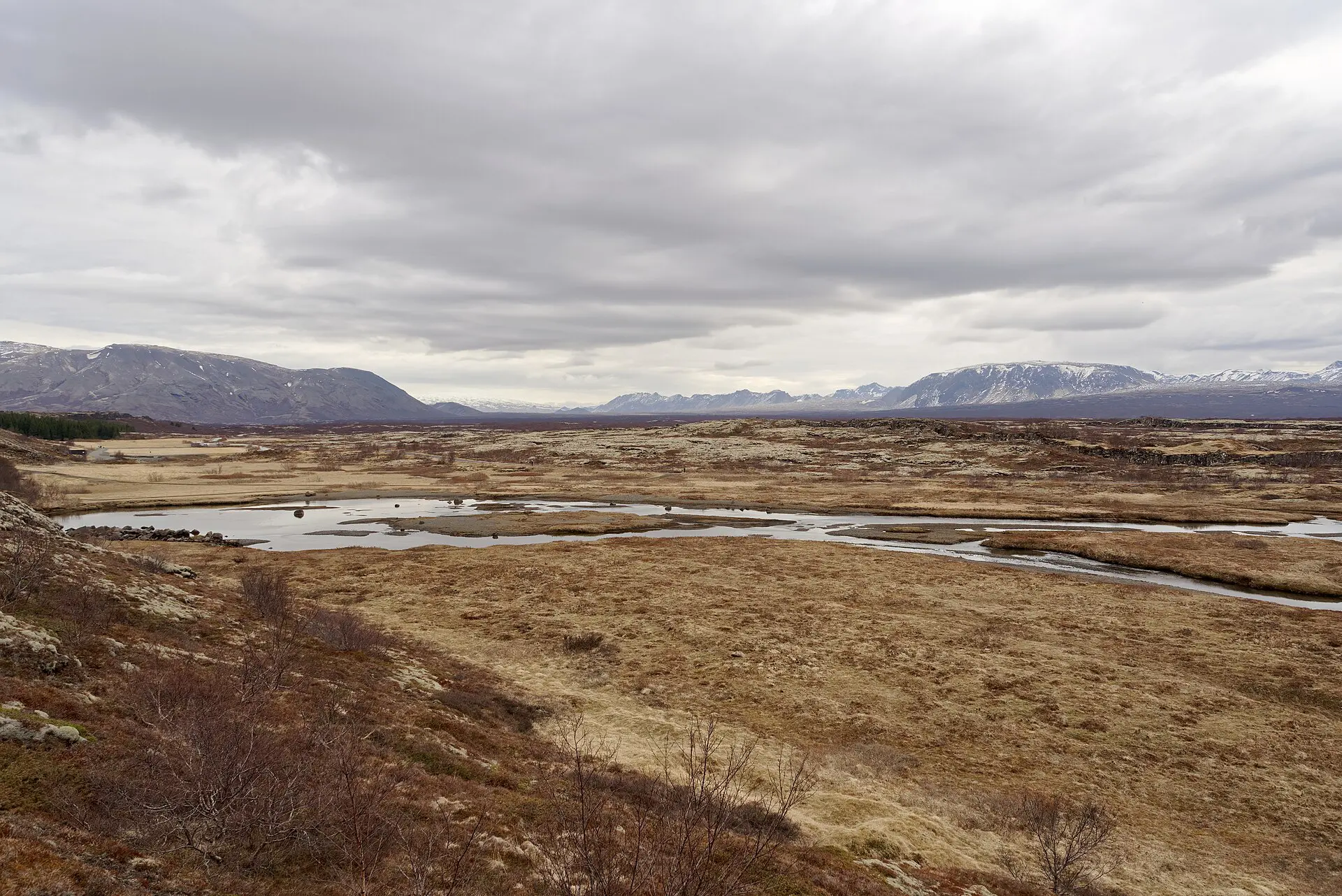
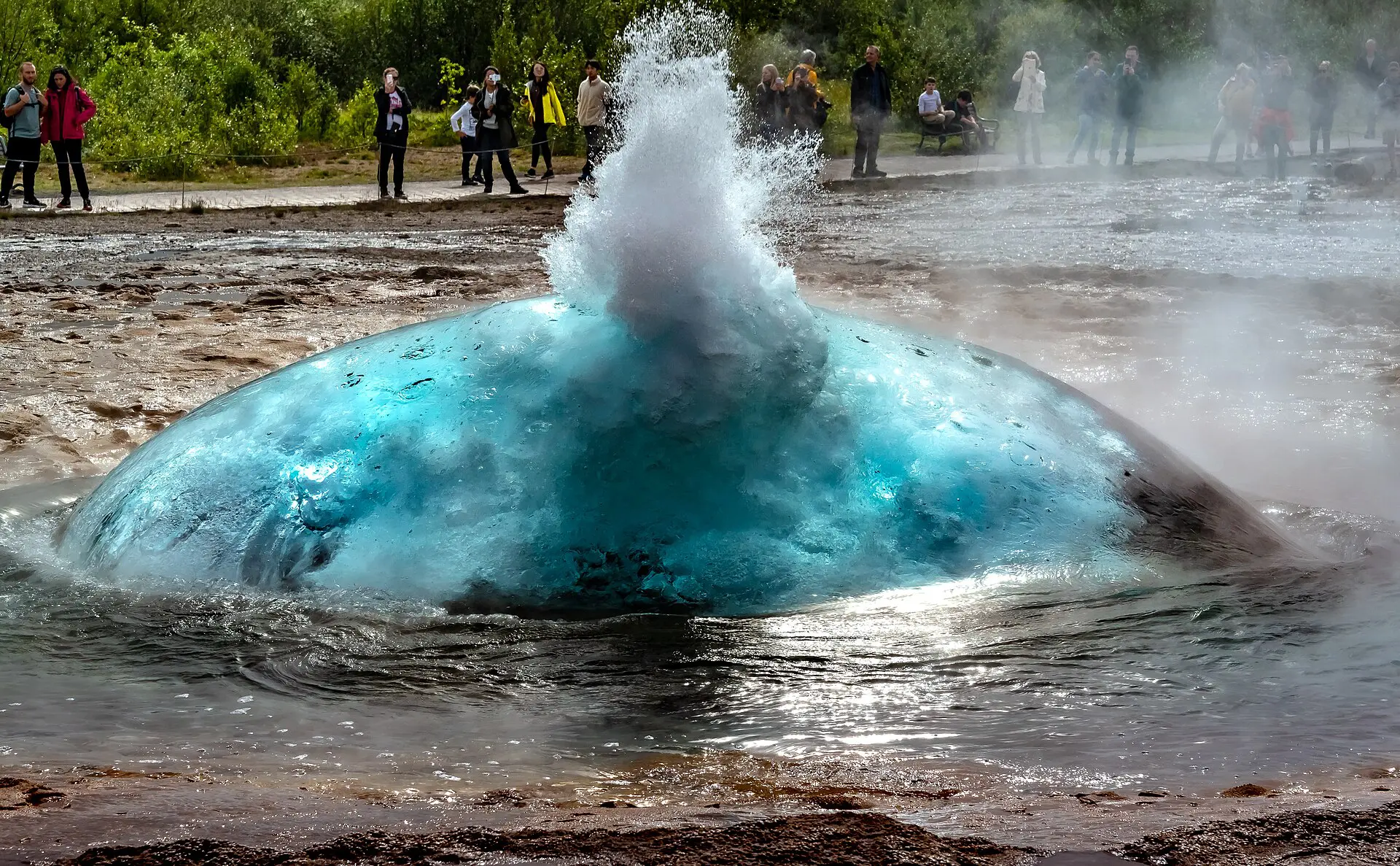
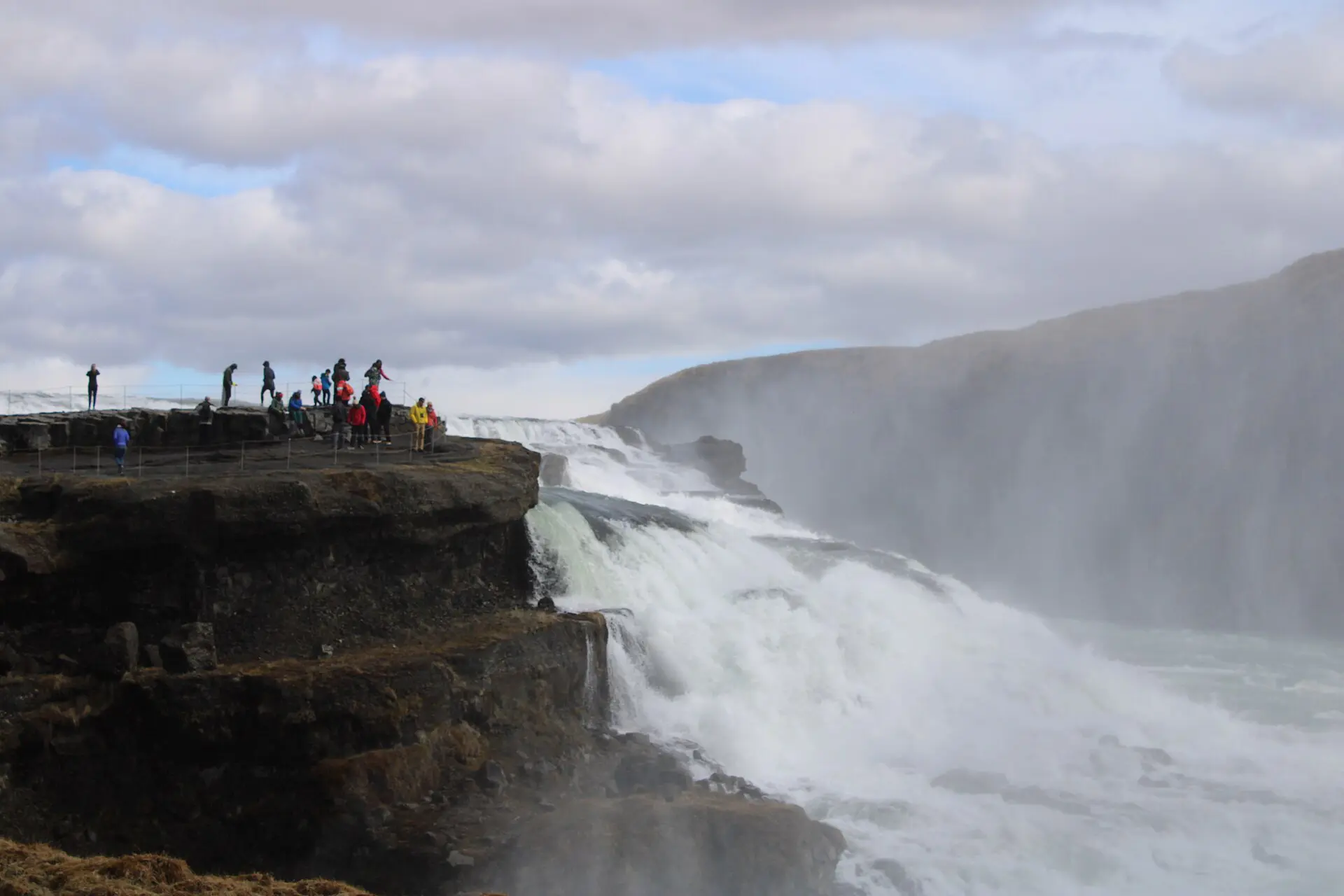
Leave at 9:00. First stop: Thingvellir National Park, a rift valley with wooden paths and a short flat walk of 45 to 60 minutes. Second: the Geysir area, where Strokkur erupts every few minutes, a well-timed attraction for short attention spans. Third: Gullfoss, a two-tier waterfall with spray; wear rain jackets and hold hands near the rails.
Anchor: lunch near Geysir by 12:30. Drive on to your south coast base, about an hour from Gullfoss. Weather swap: in strong wind or rain, drop Thingvellir and keep the other two, then arrive at the hotel by 15:30.
Day 3: Seljalandsfoss and Skogafoss
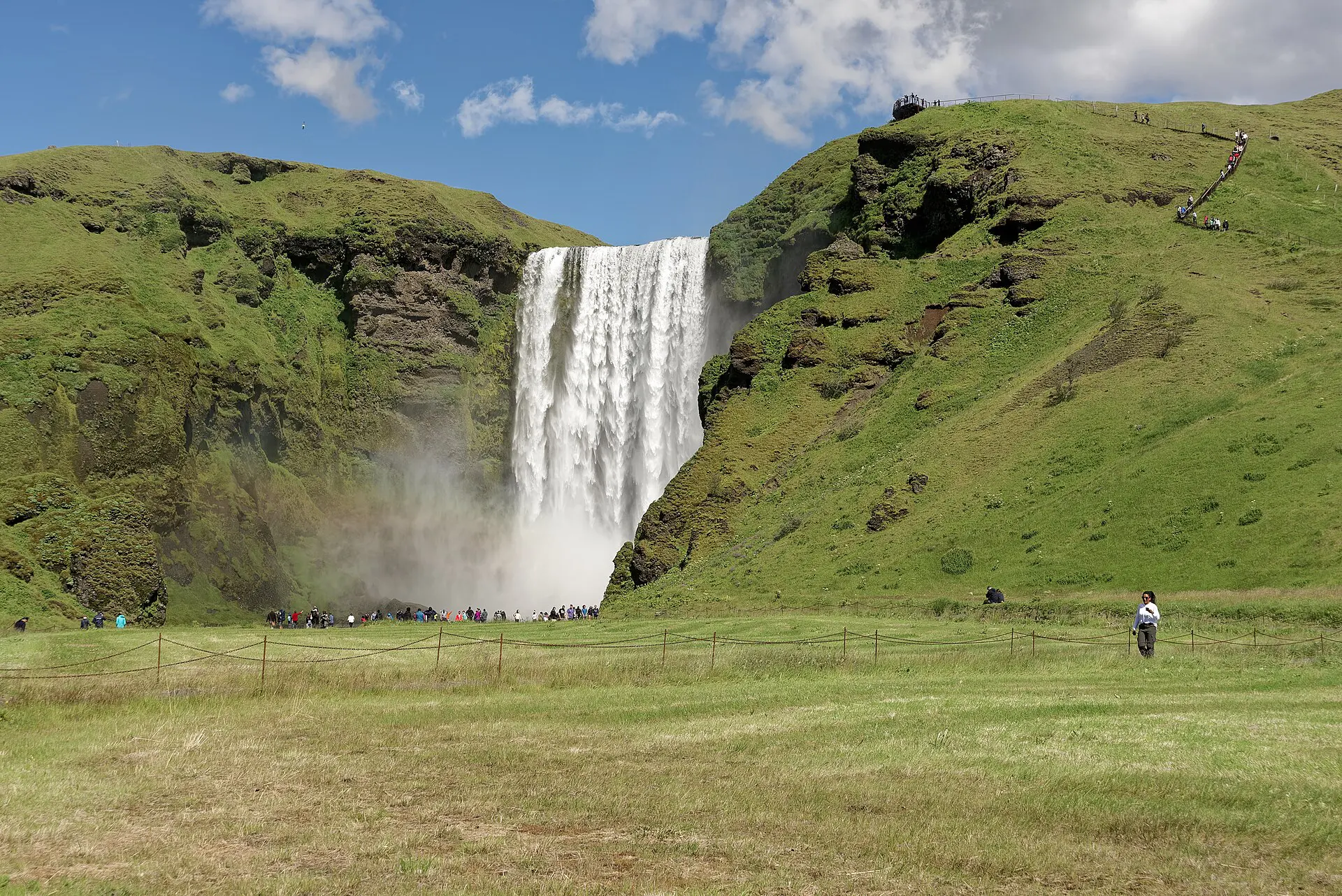
Morning: Seljalandsfoss, where a path lets you walk behind the falls; the rock is wet and slippery, so use boots with grip, and skip the walk-behind with a child who is unsteady. Afternoon: Skogafoss, a wide, tall fall with a viewing area at the bottom and a staircase to the top for older children.
Anchor: lunch between the two, then a pool or a hot tub at the hotel. Weather swap: in a storm, keep only Skogafoss from the car park and visit a small museum in the area, or return to the hotel for an indoor afternoon.
Day 4: Vik and the black sand beach
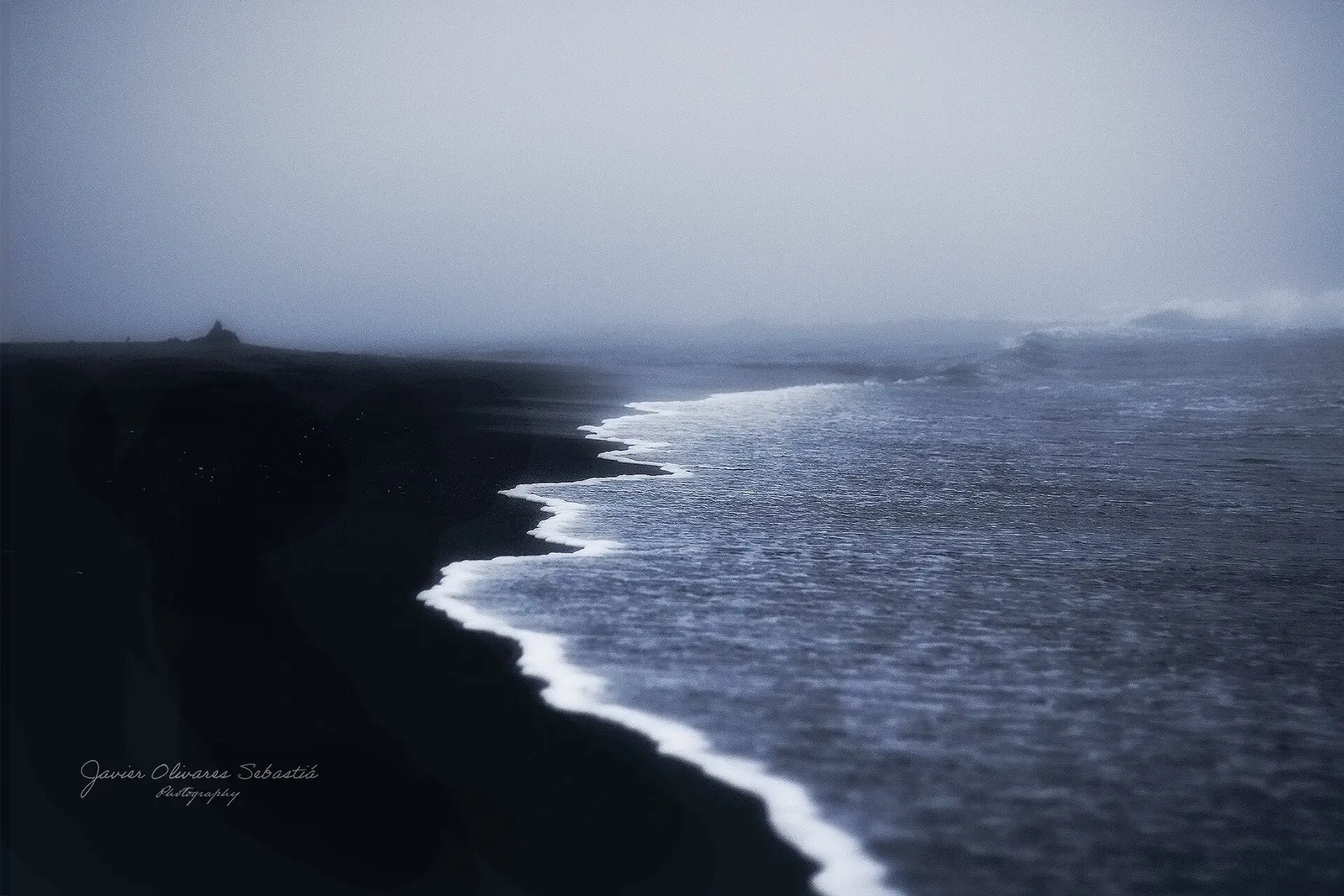
This is the longest day, about an hour and a half each way. Morning: Reynisfjara black sand beach near Vik. The waves here are dangerous, because sneaker waves can reach far up the beach without warning; stay well back from the waterline, obey warning signs and keep children by hand. Afternoon: a short walk in Vik, and ice cream before the drive back.
Anchor: lunch in Vik by 12:30, and a rest in the car. Weather swap: if the surf is high or the wind is strong, view the basalt columns from the car park and skip the beach. Cancel the day if the road is closed.
Day 5: Rest day by the pool
Nothing is booked. Morning: a slow breakfast and a short local walk. Midday: a swimming pool or hot tub, then lunch. Afternoon: read, draw, play cards. This day protects the rest of the trip, because it is usually the first one that parents are tempted to cut, and cutting it tends to produce an overtired family and a worse day 6.
Optional: a small folk museum or a farm visit within 30 minutes. Weather swap: none required; the plan already assumes the day may be wet.
Day 6: Drive back and walk Reykjavik
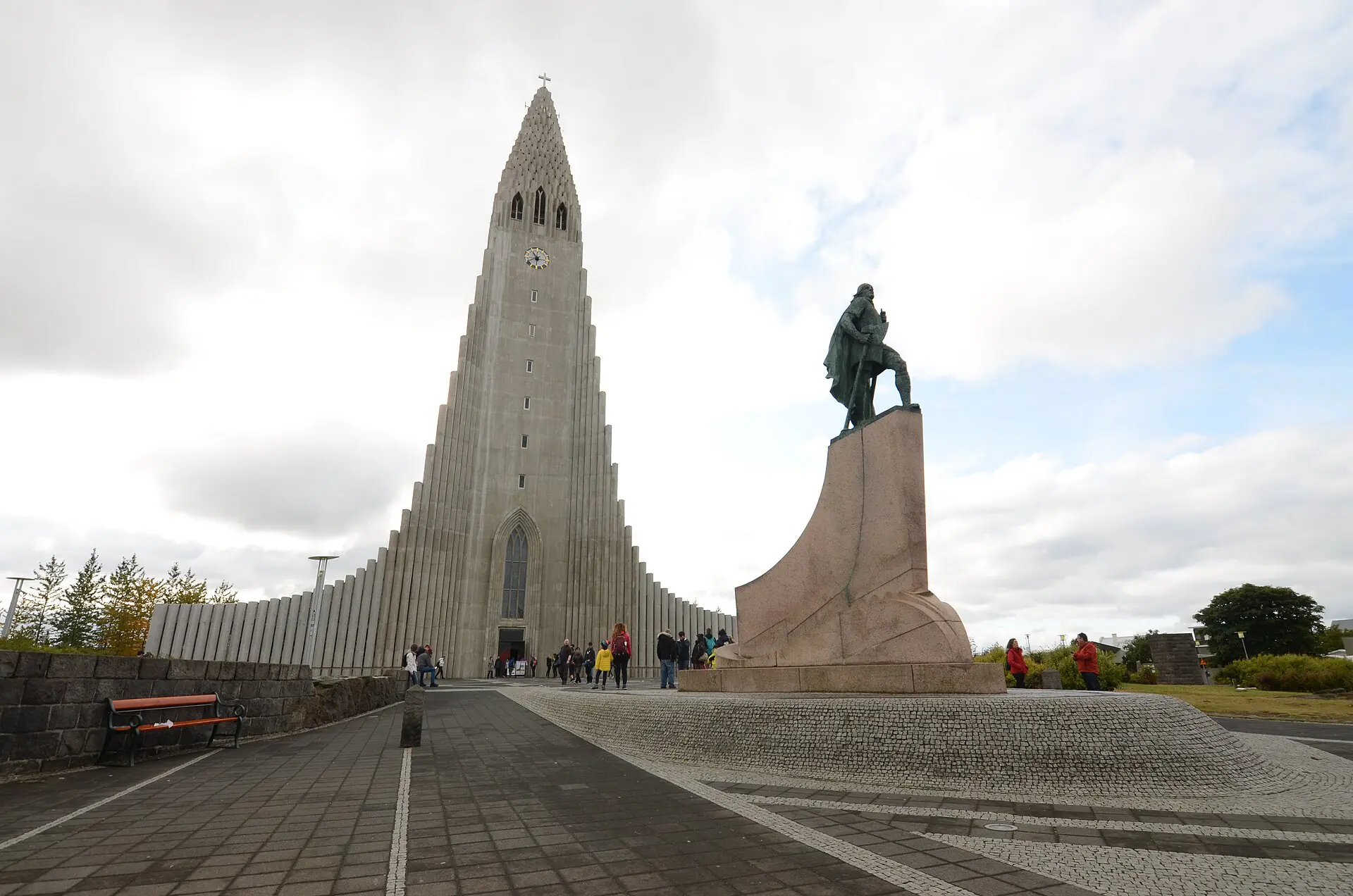
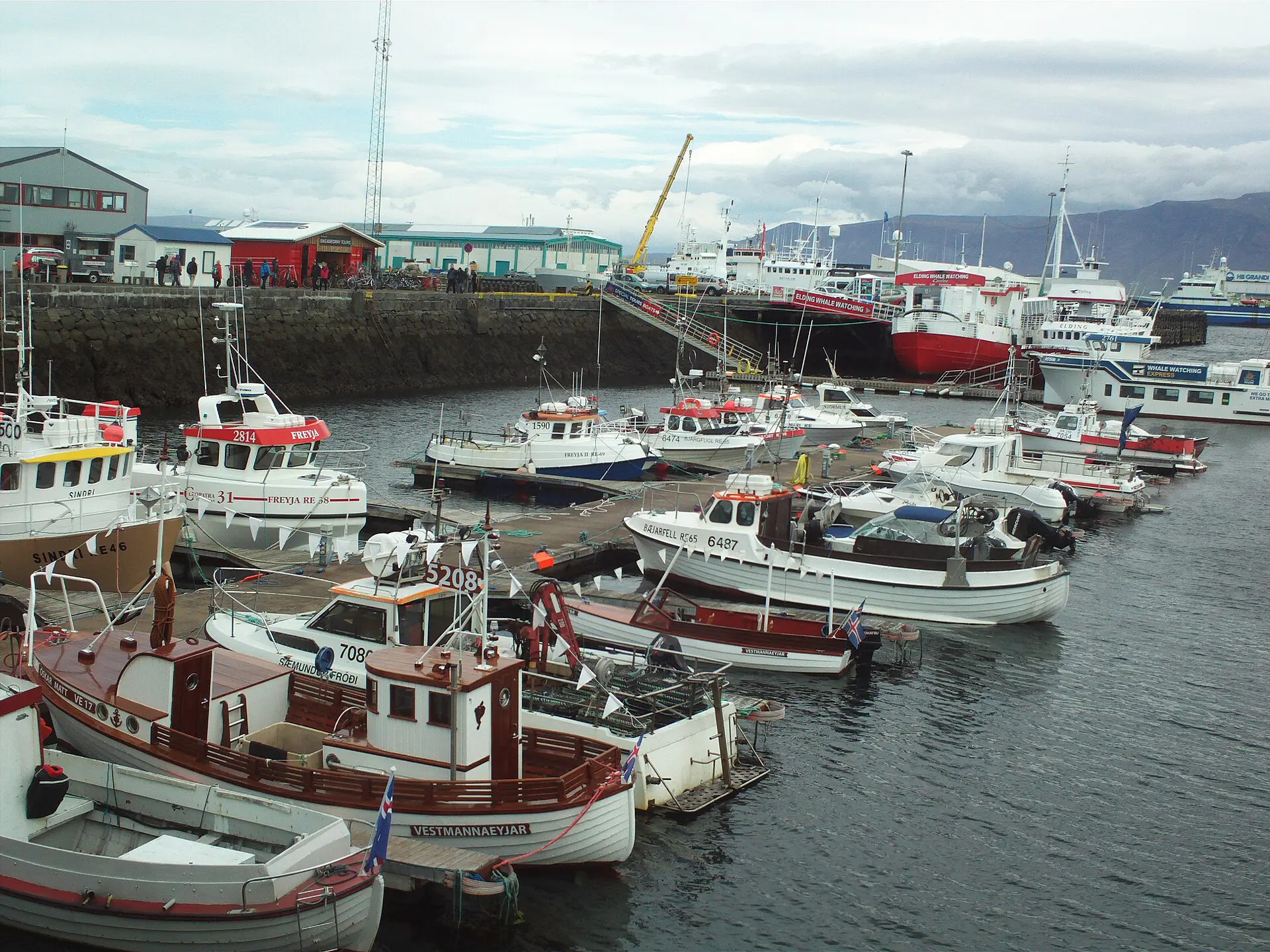
Leave at 9:00 for about two and a half hours back to the capital. Anchor: a lunch stop in Hveragerdi or Selfoss around halfway, which breaks the drive. Afternoon: check in, then walk to the Old Harbour and the Hallgrimskirkja church, whose tower has a lift and a view over the city.
Weather swap: a museum with hands-on exhibits, or another pool. I would not add a long outing on this day, as the children will already have covered most of the ground by lunchtime.
Day 7: Whale watching or a museum, then fly
If the flight is in the afternoon, book a short whale-watching tour from the Old Harbour, usually three hours. Dress warmly, because it is cold on deck; sea sickness is common, so give anti-nausea advice a day ahead and keep a plan B. Anchor: an early lunch near the harbour.
Weather swap: a children’s science museum or the Laugardalur area, which has a pool and a park. Leave for Keflavik three hours before departure.
Weather-swap day: how to move things around
Iceland’s weather changes quickly, so the plan works only if you are willing to swap days. Check the forecast each evening. If day 4 is stormy, swap it with day 5 and swim instead. Keep a hotel booked for each night, because rebooking outside the main towns is hard, and cancel nothing on the same day unless the road is closed.
Ages and stamina on an Iceland trip
Ages 5 to 7: keep any single drive under two hours when you can, and plan for 45 to 60 minutes of walking at a time. Keep hats, gloves and waterproofs for every day, even in July. Children this age tire quickly in the wind, so build in car breaks, keep a spare layer in the car, and use the pool as a reliable reward at the end of a demanding morning.
Ages 8 to 11: two to three hours of driving is acceptable, and walks of up to 90 minutes work on paths. They can take stairs at Skogafoss and enjoy the walk-behind at Seljalandsfoss. Give them a printed map and a role, such as watching for the next waterfall, which keeps them interested through the longer stretches of road and reduces repeated questions about arrival time.
Getting around Iceland with children
A rental car gives the freedom that this itinerary needs. Roads on this route are paved, signs are in English and Icelandic, and the speed limit on main roads is typically 90 km/h. Winds can be strong enough to damage a car door, so open it with both hands. Child seats are required, and rental companies provide them on request.
Decision points
- Car or day tours? Car for flexibility. Tours suit only one-day trips, and long coach days are hard on children.
- One base or two? Two bases cut the drive on days 3 and 4. One base in Reykjavik adds about 5 hours of driving.
- Winter dates? Short daylight and ice change the plan; use day trips from Reykjavik only.
Where to stay in Iceland with kids
- Reykjavik: an apartment or family room near the centre or Laugardalur, close to a pool and a park. Suits nights 1, 6 and 7.
- Hella, Hvolsvollur or Vik: a farm stay or guesthouse on the south coast. Suits nights 2 to 5, with a short drive to the waterfalls.
Book early for summer, because rooms are limited outside Reykjavik. See the Iceland travel guide for other regions, including Akureyri and the north, which need a flight or a long drive and are better for a second trip.
Rainy-day and tired-day fallbacks in Iceland
Rain is common all year. Use pools, museums, a hot lunch and short stops at waterfalls from the car park. On a tired day, drop the afternoon, keep the pool and the lunch, and eat dinner at the hotel. Do not add driving to make up for a missed sight.
How much does an Iceland itinerary with kids cost?
Iceland is among the more expensive destinations in Europe. As of 2026, rough daily ranges for a family of four, excluding flights: budget US$300 to US$450 with self-catering, mid-range US$500 to US$800, higher US$900 and up. Car rental, lodging and meals are the largest items. Supermarket lunches and pool entry for children cost far less than restaurant meals. See the Iceland trip cost guide.
Best time for families in Iceland
June to August is the easiest season: long daylight, open roads and the mildest weather, but also the highest prices. May and September are quieter and cheaper with more changeable weather. Winter has short days, ice and few services, and is better for older children. Check Wikivoyage’s Iceland guide for seasonal notes.
FAQ about an Iceland itinerary with kids
How many days do you need in Iceland with kids?
Seven days is comfortable for two bases and a rest day. Five days work with Reykjavik and the Golden Circle only. A full Ring Road loop needs at least ten days and long drives, so it is hard for primary-school children.
Is Iceland good for children aged 5 to 11?
Yes. Pools, waterfalls, black sand and whales hold the attention of this age group. The challenges are cold, wind, long drives and some dangerous spots, such as beaches with strong waves, so adult supervision is needed throughout.
What is the longest drive in this itinerary?
About two and a half hours on day 6, and about an hour and a half each way on day 4. Both can be shortened with an extra stop or removed. Add 30 to 60 minutes to any figure for weather, photo stops and children.
Is the Blue Lagoon right for children?
It can be, but it needs advance booking and has age rules and a high price. A public neighbourhood pool is cheaper and easier to fit around naps. If you want the lagoon, place it on day 1 or 7 next to the airport.
What if the weather ruins a day?
Swap it with the rest day, or move indoors to a pool, a museum or a long lunch. Check the forecast and road conditions each evening, keep the hotel bookings fixed and treat sights as optional, not promised.