
The cost of living in Thailand for one remote worker is typically somewhere between US$1,000 and US$2,500 a month, depending on city, apartment and how often you eat in air-conditioned places. Chiang Mai or a quiet town sits at the low end, Bangkok or an island in high season at the top. Every figure here is a rough range as of 2026, not a quote. Check current rents and prices before you commit to anything non-refundable.
Cost of living in Thailand: the monthly budget box
Most of us want one number for the cost of living in Thailand, so here is the shape of it. The table converts daily spending into ten days and then a month, because a month is the unit a nomad actually lives in. Treat every cell as an estimate. Exchange rates, season and your own habits move these figures by a fifth or more in either direction.
| Budget level | Daily range (US$) | 10-day total (US$) | What it covers |
|---|---|---|---|
| Lean | about 30 to 45 | about 300 to 450 | Fan or basic air-con room in a smaller city, local meals, scooter or songthaew rides, cafe working |
| Comfortable | about 55 to 85 | about 550 to 850 | Modern studio with air-con and a desk, mixed local and Western meals, ride-hailing, some coworking days |
| Generous | about 100 to 160 | about 1,000 to 1,600 | Condo with a pool in Bangkok or a resort island, regular dining out, weekend trips, a coworking membership |
That puts a one-month band at roughly US$900 to 1,400 for lean, US$1,600 to 2,500 for comfortable and US$3,000 and up for generous. Housing swings the most, so the next sections split spending into what is worth paying for and what is easy to trim.
Where to base yourself in Thailand by work style
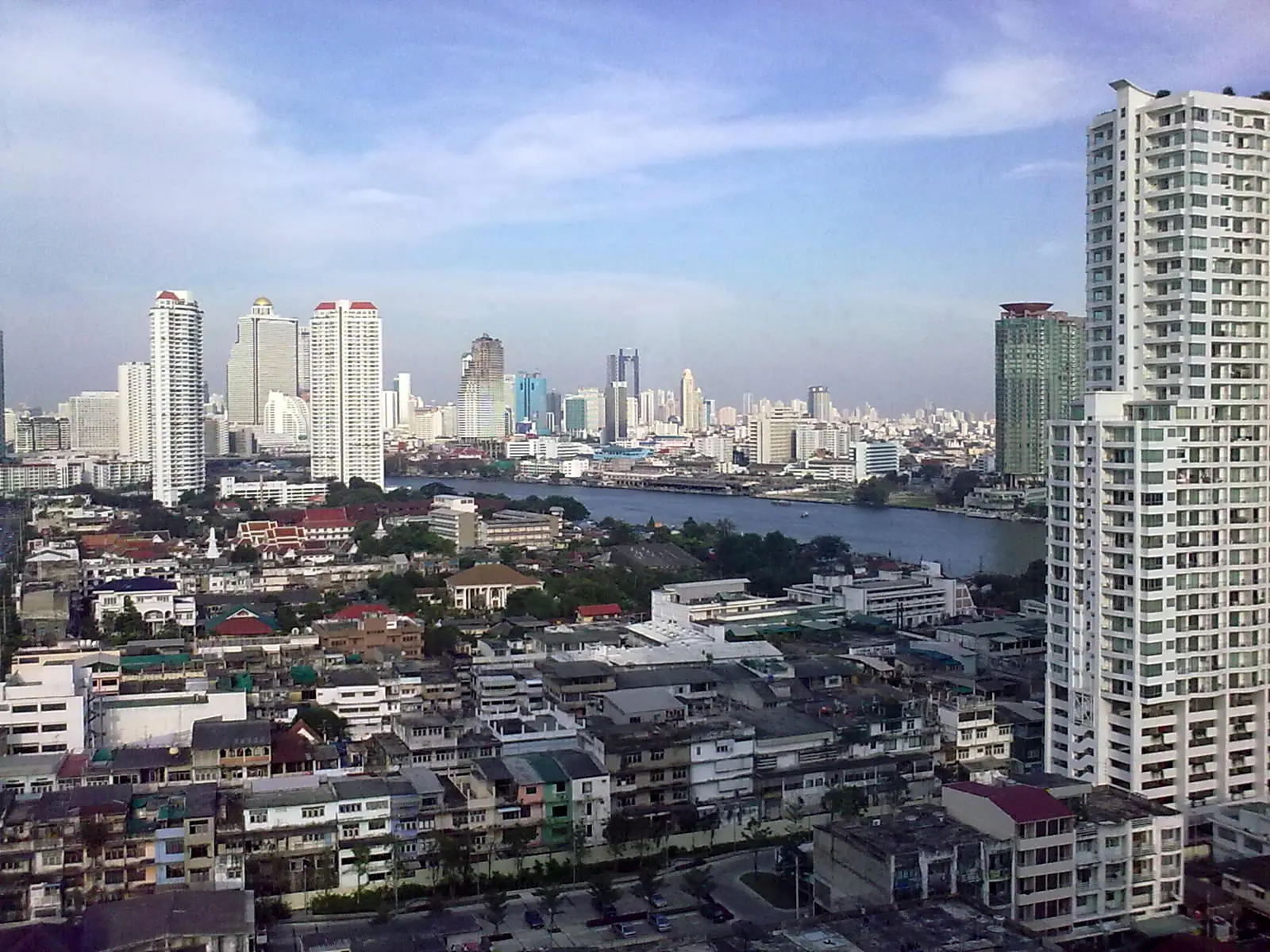
Thailand is not one price. The same lifestyle costs noticeably different amounts depending on the base, and the base also decides what a working day feels like.

- Deep-focus, long stays: Chiang Mai, in the north, is the classic pick. Wikivoyage calls it the de facto capital of Northern Thailand. Rents are generally lower than Bangkok and the cafe culture is strong.
- Calls with clients in other time zones: Bangkok has the most reliable serviced apartments and the widest choice of coworking, at a higher price.
- Surf, sea and slower days: islands such as Ko Samui or Ko Pha Ngan suit people who can tolerate weaker infrastructure. Island rents jump in high season.
- Small-town quiet: Chiang Rai and Kanchanaburi, both listed by Wikivoyage, are quieter and cheaper, with fewer remote-work services to rely on.
Where paying more pays off in Thailand
Three costs are worth spending on, because skimping tends to show up as lost working hours.
1. A proper desk and chair
A laptop on a bed or a low sofa wears you down within a week. Filter listings for a real desk, or budget for a coworking pass for the days you need focus. A mid-range monthly pass, perhaps US$80 to 200 in the bigger cities, often costs less than the time lost to a bad setup, though prices vary widely, so check current rates.
2. Reliable air-conditioning and power
Heat is the quiet productivity killer, especially from March to May. Air-con raises the electricity bill, and some landlords bill power by the unit at higher rates than residents pay. Ask how electricity is charged before you sign, and whether the rate is a fixed per-unit price or a markup, since the difference can be 20 to 30 percent on a hot month.
3. A better neighbourhood for the commute
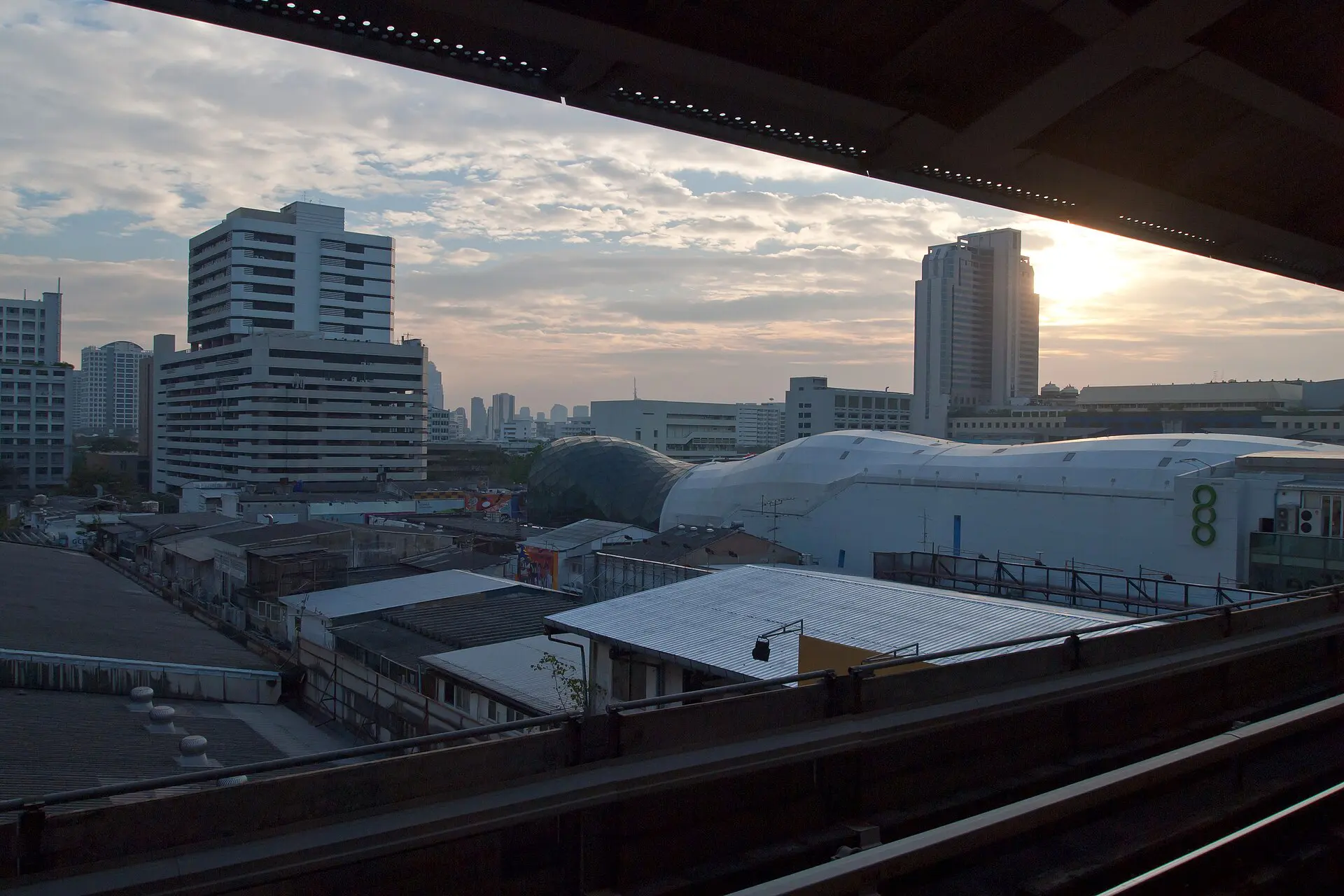
Paying more to be walkable or near a train line can save daily taxi spending and time in traffic. In Bangkok this matters more than the apartment itself. A slightly dearer place near the BTS or MRT often beats a cheaper one across town.
Where to save in Thailand
Four lines are the easy savings. None of them cost you much comfort.
4. Eat local most days
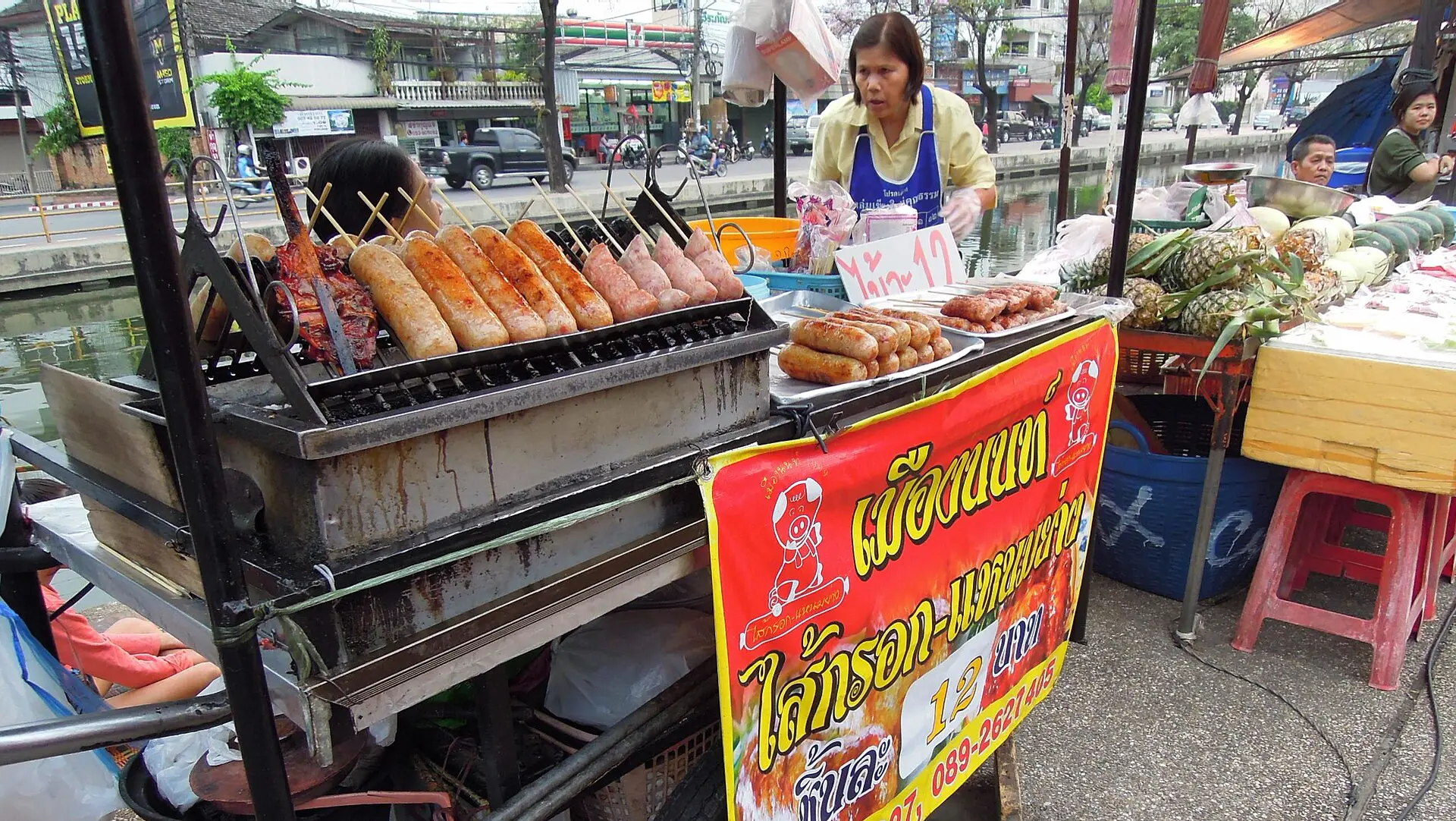
Thai street and food-court meals are the biggest saving in the whole budget, usually a few US dollars a meal. Our guide to Thai street food covers how stalls work and what to order first. Keep Western brunches and imported groceries for treats.
5. Skip the tourist-zone rent
A streets-back apartment or a monthly rate negotiated in person is often much cheaper than the same unit booked by the night. Look a few minutes from the beach or the main nightlife strip. Check the listing’s real distance rather than the photos.
6. Use local transport and ride-hailing
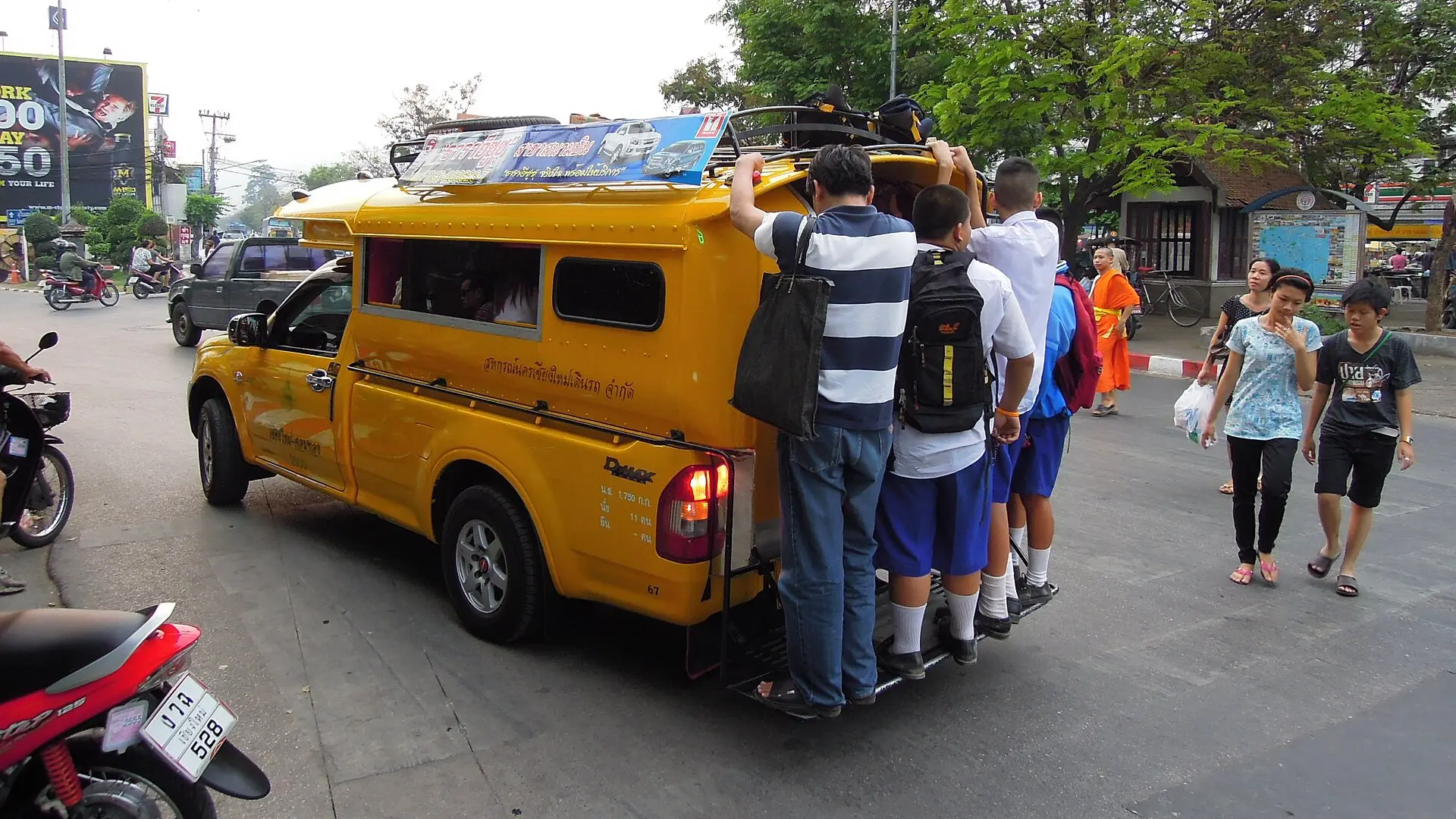
Songthaews, buses and metro systems cost a fraction of private taxis. Ride-hailing apps give a price up front, which avoids meter arguments. Renting a scooter is cheap but needs the right licence and insurance, and I would skip it unless you already ride confidently.
7. Get a local SIM or eSIM
Data plans for visitors are generally inexpensive and fast in cities. Compare a few options on arrival rather than paying airport prices. Carry a hotspot-capable plan as a backup for your work Wi-Fi.
Transport and booking windows for Thailand
Flights into Bangkok, a major intercontinental hub, are the main cost of arriving, and fares vary a lot by origin and season. Book flights to and from Thailand a few months ahead for peak months, and check budget airlines for domestic hops between Bangkok, Chiang Mai and the islands. Overnight trains and buses are cheaper but slower.
For accommodation, book the first week or two online and then negotiate a monthly rate in person once you have seen the place. Island accommodation in high season can sell out, so book earlier there. Our best time to visit Thailand guide has the month-by-month price picture.
Visa and stay length in Thailand, hedged
As of 2026, Thailand has offered several routes for longer stays, including visa exemptions, tourist visas and long-term residence options aimed at remote workers. Allowed days differ by passport, and the rules have changed repeatedly. Verify with the official Thai immigration or embassy source for your nationality before you book flights.
Also check tax and permit rules. Working for an overseas employer on a visitor stay is a grey area in many places, and what applies to you depends on your situation. If you plan to stay more than a few months, a local adviser is worth the fee.
Best months for value in Thailand
The cheapest period is generally the rainy season, roughly May to October, when rates can fall by 20 to 40 percent, when hotels discount and cafes are quiet. The trade-off is weather, with heavy afternoon showers and, on the Andaman side, rougher seas. November to February is the most comfortable and the most expensive, especially around the Christmas and New Year peak.
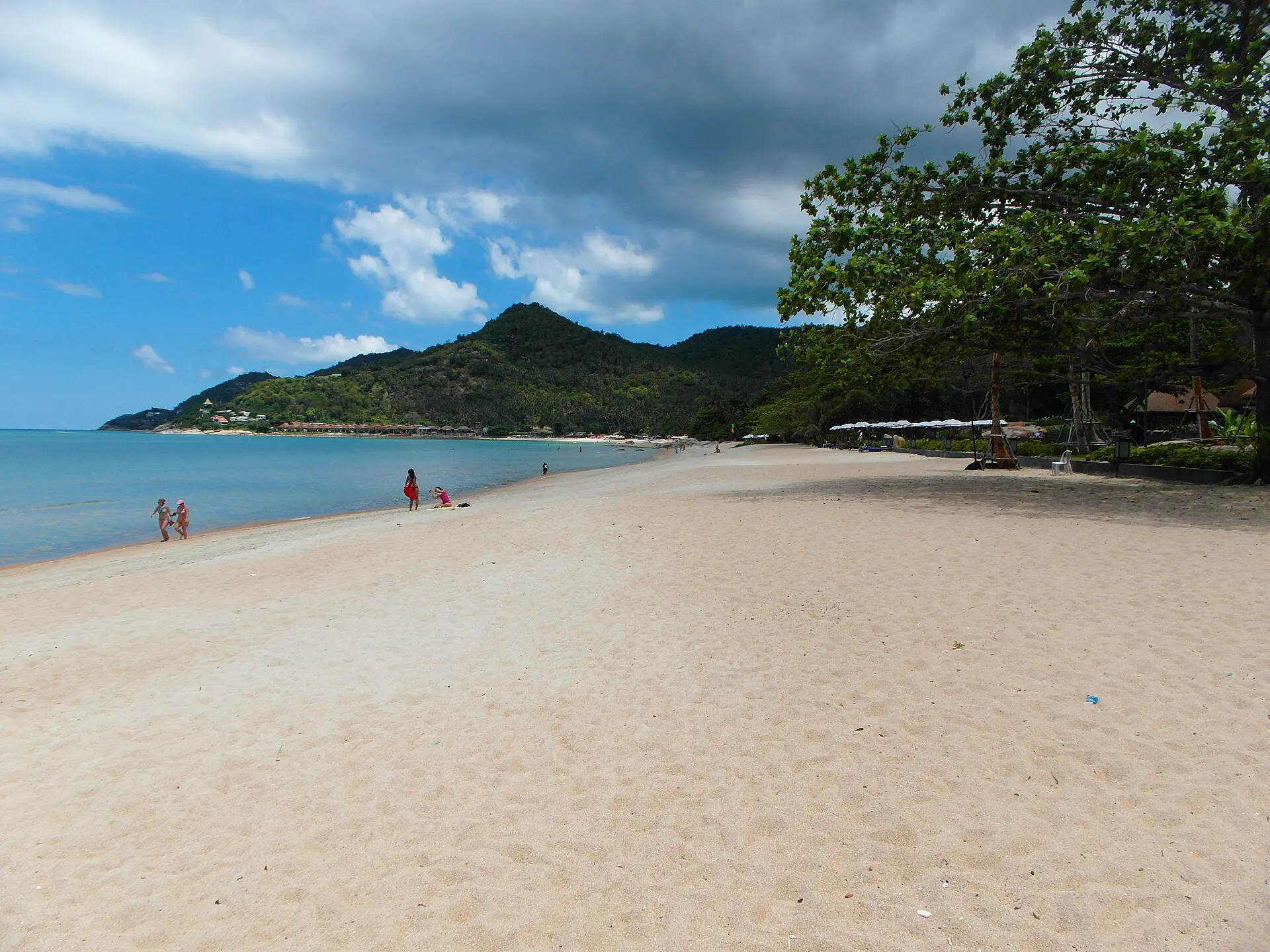
March to May is hot, and the north can get hazy from smoke in the dry season. If you work indoors and want value, the shoulder months either side of the high season usually give the best mix of price and weather.
Test-it-yourself checklist for a month in Thailand
We cannot tell you a specific connection or cafe is fast. What we can suggest is a short test you run yourself in the first days.

- Run a speed test at your desk at morning, afternoon and evening, and note the upload speed as well as download.
- Join a video call from the apartment, not the lobby.
- Check that the air-con and fan run quietly enough to work with.
- Ask the landlord what happens during a power cut and who fixes the internet.
- Work from a cafe, a coworking day pass and your desk for a day each, then decide.
- Add up the first week of real spending and multiply by four.
Work-friendly spots tend to fall into four types: air-conditioned cafes, coworking spaces, shopping-mall food courts with power outlets, and hotel lobbies. Each has different noise and day-pass costs, so confirm hours and Wi-Fi in person.
Is Thailand worth it?
For most remote workers, yes, mainly because the cost of living in Thailand stays low for food and transport while infrastructure is solid. For general background, see Thailand on Wikipedia and our Thailand travel guide. It is less good if you need cold weather, quick bureaucracy or the cheapest rent in the region.
FAQ about the cost of living in Thailand
How much money do you need to live in Thailand per month?
A single remote worker can generally manage on about US$1,000 to 1,500 on a lean budget, US$1,600 to 2,500 for a comfortable one and more in Bangkok or on an island. Housing is the swing factor. Treat these as ranges and check current prices before you commit.
Is Thailand cheaper than the US to live in?
Usually yes, mostly because rent, local food and transport cost less. Imported goods, private healthcare, electronics and international schools can be as expensive as at home or more. Your total depends on whether you live like a local or like a visitor.
Which city is cheapest for a remote worker in Thailand?
Smaller northern and central cities such as Chiang Mai, Chiang Rai or Kanchanaburi generally cost less than Bangkok, Phuket or the popular islands. Chiang Mai has more remote-work services than the smaller towns. Compare real listings, because prices change by season.
Can you work remotely in Thailand on a tourist stay?
The rules are unclear for many people and change over time. Some long-stay options exist for remote workers, but conditions differ. Verify with the official Thai immigration source for your passport before relying on a tourist entry for ongoing work.
Is Thailand safe for a long stay?
It is widely visited and generally regarded as manageable for long stays. Common risks are traffic, scooter accidents, overcharging and petty theft. Read our solo female travel Thailand guide for more detail, and check current government advice.