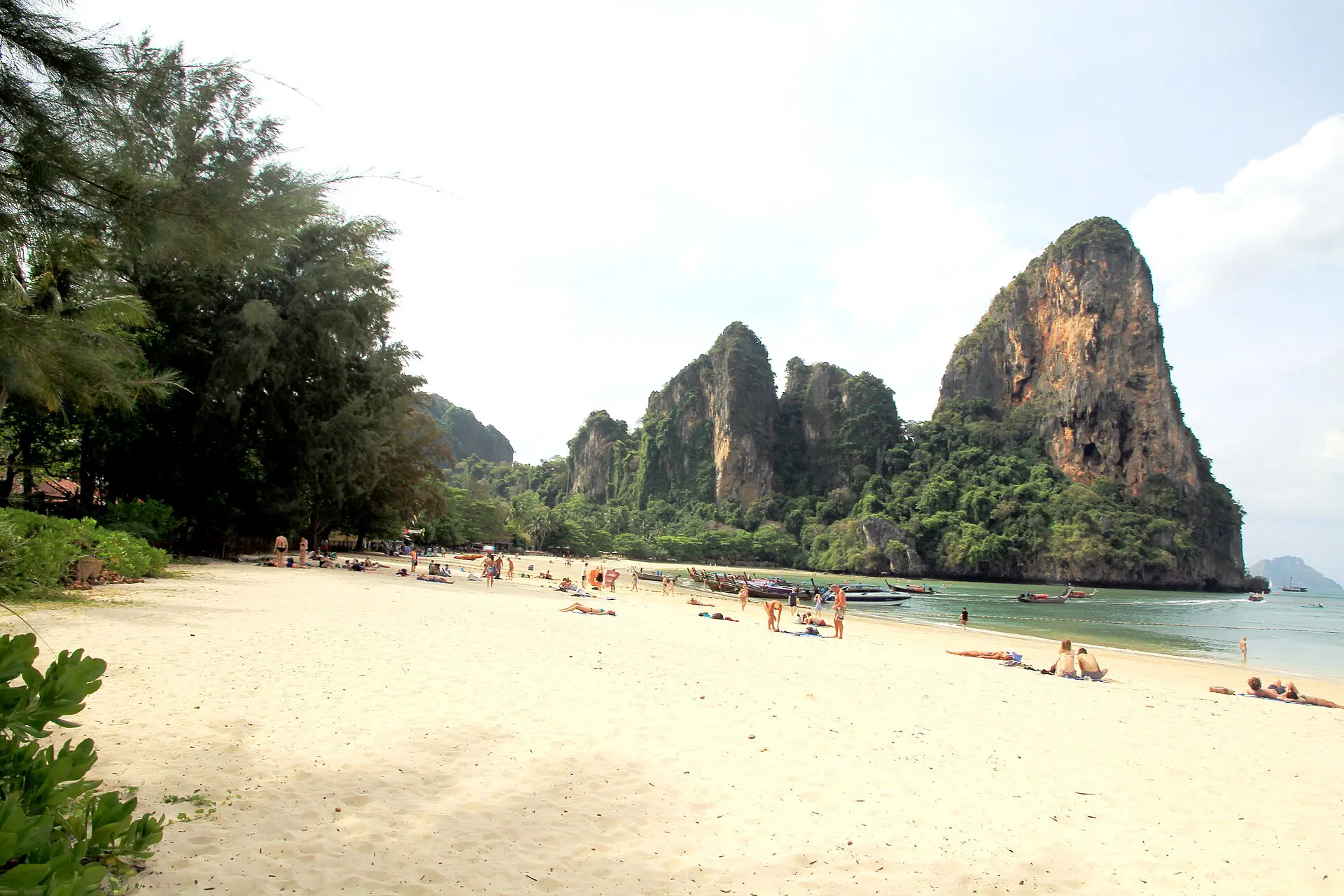
The best time to visit Thailand for most people is November to February, when it is dry and cooler, but that is also the dearest window. For value, aim for late October to mid-November or March to early May on the north and Gulf coasts, or May to June on the Andaman side if you accept some rain. Prices can swing by 30 to 60 percent between peak and low season, so month matters more than region.
Best time to visit Thailand: month-by-month table
Thailand is long, and the Andaman coast (Phuket, Krabi) and the Gulf coast (Koh Samui, Koh Phangan) follow different rain patterns. The table shows the main picture, with price levels as relative bands for hotels and flights, not actual rates, as of 2026.

| Month | Weather | Price level | Crowds | Verdict |
|---|---|---|---|---|
| January | Dry, cooler, sunny | High | Heavy | Great weather, pay for it |
| February | Dry, warming up | High | Heavy | Good, book early |
| March | Hot, hazy in the north | Medium | Moderate | Fine for beaches, poor for northern views |
| April | Very hot, Songkran mid-month | Medium, spikes at Songkran | Moderate | Value on the coast, heat is a cost |
| May | Hot, first rains | Low to medium | Light | Strong value, mixed weather |
| June | Rainy, Gulf drier | Low | Light | Cheap, best on the Gulf side |
| July | Rainy, Gulf drier | Low, small bump for holidays | Light to moderate | Good value on Samui side |
| August | Rainy, Gulf drier | Low | Moderate | Value with a rain plan |
| September | Wettest in many areas | Lowest | Light | Cheapest, weather risk |
| October | Rain easing, Gulf wetter | Low rising | Light | Cheap start, check the coast |
| November | Drier, comfortable | Medium to high | Building | Best balance of weather and price |
| December | Dry, pleasant | Highest at Christmas and New Year | Heaviest | Beautiful, costly |
Pay more for / save on by season in Thailand
- Pay more for: a December to February stay if you need reliable sun for a short trip, a tight schedule or a beach wedding. Dry weather is the product you are buying.
- Save on: the rainy months if you can handle afternoon downpours. Rain often falls in short heavy bursts, leaving mornings usable. Hotels in low season often cut rates by 30 to 50 percent, and some include breakfast or discounts for longer stays.
- Pay more for: flights in late December, around Chinese New Year and at Songkran, when fares and rooms peak.
- Save on: shoulder weeks, such as the last two weeks of October or the first two of November, which are cheaper than the main peak.
The best value window for Thailand
For most itineraries, the best value is the shoulder either side of peak. Late October and November give falling rain and rising crowds, and rooms are usually cheaper than in December. March to early May is hot, but beaches work and rates are lower. Hot means 35 degrees Celsius or more in many places, so plan sights for early morning.

For the north, Chiang Mai and Chiang Rai are pleasant in the cool season and can be smoky from burning around March and April. If you plan to visit Chiang Rai or Kanchanaburi, aim for November to January, when it is drier and clearer. Kanchanaburi is a short trip from Bangkok. See the Thailand travel guide for how the regions fit together.
Months to skip, or to buy only with a plan B
September is typically the wettest month in much of Thailand, and flooding can affect parts of the centre and north. On the Andaman coast, rough seas in the monsoon months can close some boat trips and make swimming unsafe on some beaches. Heed red flags. On the Gulf side, October to December gets more rain than the rest of the year.

If you travel in these months, book flexible rates, buy travel insurance that covers weather disruption, and keep a backup day for each outdoor plan. I would skip island-hopping on the Andaman side in the heaviest rain unless the price cut is deep.
Booking timing for Thailand
For peak months, book flights 4 to 6 months ahead, and rooms 3 to 5 months ahead for popular beaches. For low season, 4 to 8 weeks is usually enough, and last-minute deals are common outside the holidays. Songkran and Loy Krathong rooms in Chiang Mai go early, so book those first.

Daily costs are lower than in most of Europe or North America, but they follow the same season curve. For monthly figures, see Cost of Living in Thailand for Remote Workers, Month by Month. For food, Thai Street Food: What to Order First and How Stalls Work shows where daily meals can stay cheap in any season.
Event spikes that move prices in Thailand

1. Songkran, mid-April
The Thai New Year water festival is held on fixed dates, April 13 to 15, though celebrations can run longer in some cities. Many Thais travel, buses and trains fill and hotels in Bangkok and Chiang Mai may rise. Book early, or avoid the dates if you dislike being soaked.
2. Loy Krathong and Yi Peng, November
The dates follow the lunar calendar, usually in November. Chiang Mai is the busiest place, with lantern events. Rooms go quickly and rates can be double the usual. Check dates for the year before you book.
3. Christmas and New Year
This is the single most expensive fortnight on the calendar, with high airfares and minimum-stay rules at some beach hotels. A short trip in early December or mid-January costs much less.
4. Chinese New Year
Dates move between late January and February. Bangkok and some other cities fill with regional visitors, and flights from East Asia become costly. Booking early helps, and so does shifting by a week.
5. Full Moon Parties on Koh Phangan
These are monthly and cause a short spike in nearby rooms and boats. If you want sleep, pick a different week or a different part of the island, and compare rates for the nights around the party.
6. Phuket Vegetarian Festival, around October
This Chinese-Thai festival falls in the low season, so rooms are still affordable, though some streets and food stalls are busier. It is a cultural event more than a price driver.
FAQ about the best time to visit Thailand

What is the cheapest month to visit Thailand?
September is usually the cheapest, followed by June and October. Rain is heaviest in September, so the discount comes with weather risk. May and June are a better compromise, since you pay less and still get a good share of sun.
Is the rainy season in Thailand worth it?
Often yes, if you are flexible. Rain tends to arrive in short bursts, hotels cut rates and attractions are quieter. It is less worth it for island-hopping on the Andaman coast or if your dates are fixed and weather would ruin the trip.
What is the best month for Thai beaches?
December to March is best on the Andaman coast, while the Gulf coast is often good from January to August. Check which coast you are visiting, since they do not match. Samui and Phangan are drier in the middle of the year than Phuket.
When is Thailand too hot?
March to May can be very hot, with temperatures often above 35 degrees Celsius and heavy humidity. It is manageable on a beach or in air-conditioned places, and harder for temple days in Bangkok or Ayutthaya. Start early and rest at midday.
How far ahead should I book Thailand flights?
For December to February, 4 to 6 months ahead usually gives the best choice, though fares move often. For other months, 2 to 3 months is typically enough. Check the Wikipedia page on Thailand for climate background, and verify entry rules with the official source.