
The cost of living in Ireland for one remote worker is roughly US$2,600 to US$4,500 a month in Dublin and about US$2,000 to US$3,400 in Cork, Galway or Limerick, once rent, food, transport, a phone and a desk are counted. These are hedged ranges as of 2026. Rent is the swing factor, especially in Dublin, so check live listings before you pick a base.
Cost of living in Ireland: the one-month budget band
Most of us hear that Ireland is expensive and then find the detail matters. Housing is the real pressure, with a tight rental market in Dublin and the other big cities. Eating out is dear, but groceries, buses and a phone plan are manageable. This guide covers the Republic of Ireland, which uses the euro. Northern Ireland is part of the United Kingdom and uses sterling, so prices and rules differ. The table gives broad daily ranges and what each level covers.

| Budget level | Daily range (US$) | 10-day total (US$) | What it covers |
|---|---|---|---|
| Lean | 70 to 110 | 700 to 1,100 | Room in a shared house or hostel, groceries, bus or bike, free walks and pubs without a long tab |
| Comfortable | 130 to 200 | 1,300 to 2,000 | Own studio or one-bed outside the centre, mixed cooking and eating out, a few cafe days |
| Generous | 230 and up | 2,300 and up | Central Dublin flat, restaurants, rail trips, rental car at weekends, coworking desk |
For a working month, we would plan on roughly US$2,600 to US$4,500 in Dublin and US$2,000 to US$3,400 elsewhere, hedged and as of 2026. A one-bedroom home in Dublin often runs from about 1,800 to 2,800 euros a month, with other cities typically less, and a room in a shared house can cost a fraction of that. Convert at the day’s rate and treat these as starting points only.
A rough split for a comfortable month: rent and utilities take around half or more, food about a quarter, and the remainder covers transport, a mobile plan, a workspace and trips. Short furnished lets cost more than a standard lease, and supply is limited, so book early.
Where to base yourself in Ireland by work style
Pick by how you work, and by how much rain you can tolerate. Ireland is mild but wet, and indoor routines matter.
- Call-heavy days, best infrastructure: Dublin. The widest choice of coworking spaces and fastest fibre, and the highest rents. Many of us look at commuter suburbs on rail or tram lines.
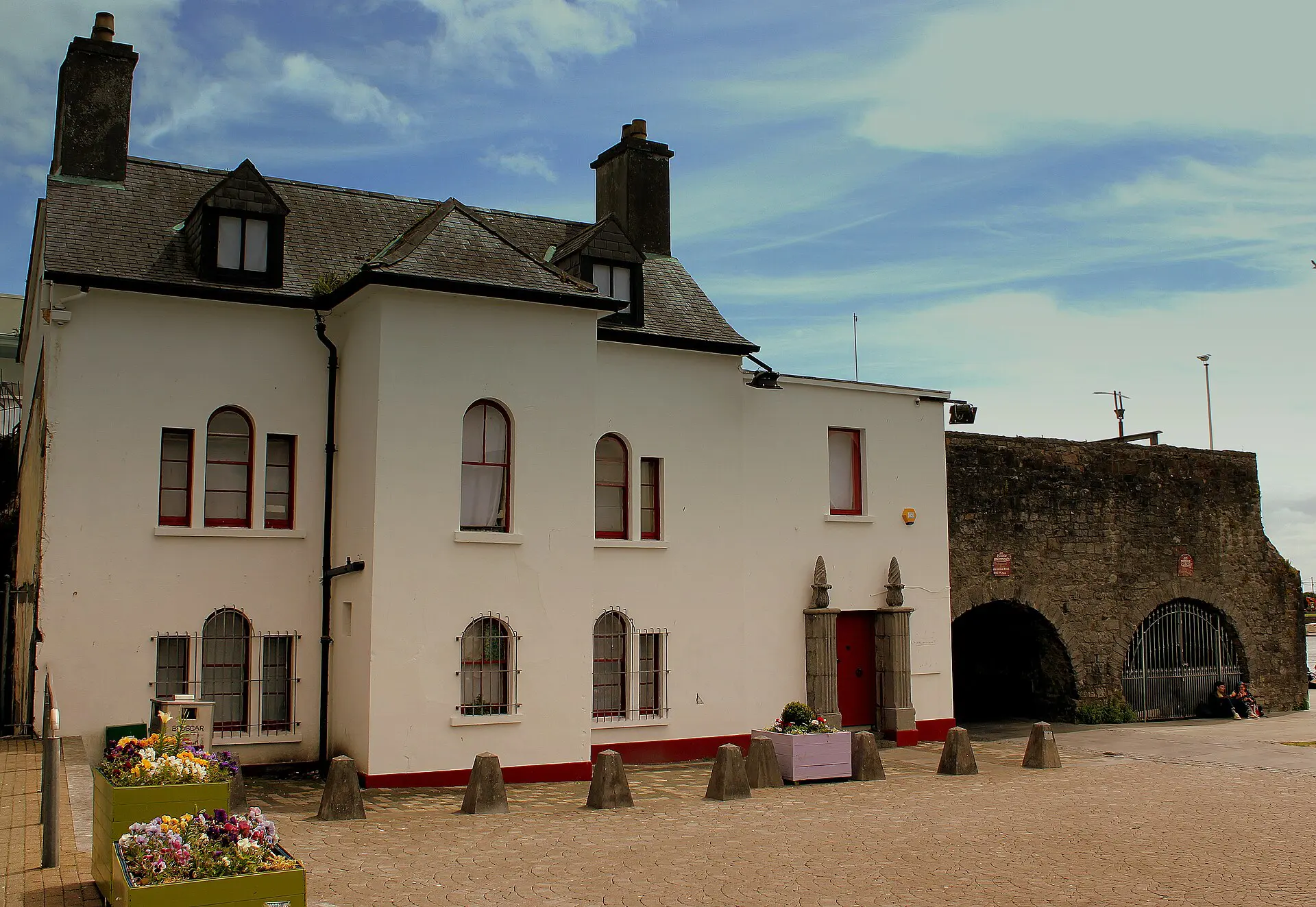
- Balance of cost and city life: Cork and Galway. Compact, walkable, lively, and cheaper than Dublin. Galway is more festival-driven and busy in summer.
- Quieter and cheaper: Limerick, Waterford or Kilkenny. Lower rents and good road and rail links, with a smaller coworking scene.
- Rural and coastal: the west coast and islands. Beautiful, but broadband varies and transport is thin, so verify the connection before you book.
Our Ireland travel guide has more on the regions, and Wikivoyage’s Ireland page lists the main cities.
Work-friendly spots come in three types, and none is guaranteed until you test it. Public libraries in the larger towns are quiet and free. Cafes and hotel lobbies suit lighter work if you order regularly, though many close by early evening. Coworking spaces in Dublin, Cork and Galway offer day passes and monthly desks at varying prices, so ask for a trial day. For the island’s geography and population, see Wikipedia.
Where paying more pays off
Three upgrades are worth the money over a month. The rest can be trimmed.

1. A home with confirmed fibre and heating
Check the provider and speed with the landlord and run a test at the viewing. Rural broadband varies, and we cannot vouch for any address. Also check heating, because older Irish homes can be cold and damp, and bills in winter climb.
2. A location on a transport line
Dublin rents drop fast with distance, but a long commute eats the saving. A home near a tram, rail or frequent bus line is worth a few extra euros, because you can reach a coworking desk or the airport without a car.
3. A flexible term
The rental market is tight, and many landlords prefer long leases. Short lets cost more per month but let you leave if the base fails the test. For a first stay, pay the premium and sign a longer lease only later.
Where to save in Ireland

4. Cook and use supermarket own brands
Restaurant prices are high, especially in Dublin, so cooking is the main everyday saving. Own-brand products and weekly offers cut a grocery bill. Eating a hot lunch deal rather than a restaurant dinner also helps. For the dishes themselves, see our guide to traditional Irish food.
5. Skip central Dublin for a base
Rents inside the canals are the highest. Suburbs on rail, tram or bus lines, or a second city, cost noticeably less. A room in a shared house cuts the bill further, if you can accept house rules.
6. Buy a local transport card
Dublin and other cities use a stored-value card and capped daily or weekly fares, which are cheaper than paying cash. A weekly or monthly pass can pay off if you commute. Check current fares with the transport operator.
7. Compare mobile plans, not roaming
Local plans with large data allowances are usually cheaper than roaming from home for a stay of more than a few weeks. You will need a passport, and sometimes a local address, to register a SIM.
Transport and booking windows
Cities are walkable, and buses cover most routes. Intercity rail and coach link Dublin with Cork, Galway, Limerick and Belfast, and fares are lower when you book ahead. Outside the cities, a car makes life easier, but rental prices, fuel and insurance can be high, and driving is on the left.

Flights to Europe are cheap on low-cost carriers, with extra fees for bags. Summer and festival weekends push both rentals and flights up, so book those early. For the cost of a shorter visit, our Ireland trip cost guide breaks down a typical trip, and the best time to visit Ireland shows how months change prices and crowds.

Best months for value in Ireland
Ireland is mild all year but rarely hot. For value, we would aim for late April to early June or September to early October, when days are long or stable and rents have not reached the summer or festival peak. July and August are busiest and dearest. Winter is cheapest, but short days and rain make it a harder month for working outdoors, so choose a home with good heating.

Whatever month you pick, run a one-week test before you pay for a longer stay:
- Speed test the home during your working hours and run a video call.
- Check heating and damp on a cold evening.
- Time the commute to a cafe, library or coworking space on foot or by bus.
- Check noise on a Friday night, especially near pubs.
- Track a week of spending and multiply by four.
FAQ about the cost of living in Ireland
How much does it cost to live in Ireland per month?
For a single remote worker, roughly US$2,600 to US$4,500 in Dublin and US$2,000 to US$3,400 in other cities, as of 2026. Rent drives the total. Check current listings, because the rental market is tight and prices move.
Is Ireland cheaper than the US?
Rent in Dublin is similar to a large US city, and restaurant prices are often higher, though tipping is lower. Healthcare for visitors is private, so insure yourself. Groceries and public transport are comparable or somewhat cheaper. Compare actual listings for your target area.
What is the cheapest city to live in in Ireland?
Smaller cities such as Limerick, Waterford and Kilkenny generally cost less than Dublin, Cork or Galway. Rural areas cost less still, but internet and transport are weaker. Weigh price against work needs before you choose.
Can I work remotely from Ireland as a US citizen?
US citizens can usually visit for a short period without a visa, but permission to work, even remotely for a foreign employer, is a separate question. Verify the current position with the Irish immigration authorities before you plan more than a short stay.
Is Ireland worth it for a one-month stay?
If you want an English-speaking base with strong infrastructure and easy travel to Europe, yes. If your priority is low cost or hot weather, other countries suit better. Ireland costs more than southern Europe, and rain is common, so plan indoor routines.