Traditional Irish food is built on a short list of ingredients: potatoes, cabbage, bacon, lamb, oats, dairy and fish from the Atlantic coast. The dishes to try first are Irish stew, colcannon, soda bread, boxty and a full Irish breakfast, followed by seafood chowder where you are near a harbour. Most are cheap to make and hearty to eat, and a plate at a pub or cafe typically costs about 12-25 EUR, as of 2026. Below: what goes into each dish, when to eat it and how pub meals work.
How traditional Irish meals are structured and timed
Irish eating follows a plain pattern. Breakfast is substantial, lunch is often soup and bread or a sandwich, and the main meal in many homes is called dinner, eaten early evening, though in some rural areas dinner still means the midday meal and the evening meal is tea. Pubs serve food through the afternoon and early evening, usually from about 12:00 to 21:00, with kitchens closing earlier in small towns.
- Breakfast, 07:00-10:30: porridge, brown bread, eggs, rashers and tea.
- Lunch, 12:00-14:30: soup of the day with brown bread, sandwiches, carvery (roast meat and vegetables served from a counter).
- Dinner or tea, 17:30-20:30: stew, fish and chips, bacon and cabbage, pies.
The system exists because the island’s food came from small farms and the sea. Potatoes, oats and dairy fed families for centuries, and the grain and meat that were left went to market. The island’s climate, described in the Wikipedia entry for Ireland as mild, wet and Atlantic-influenced, suits grass, cattle and root crops.
Traditional Irish dishes to order first: 8 to know
These eight cover the staples in the order a visitor will meet them. For the wider picture, see the Ireland travel guide.
1. Irish stew
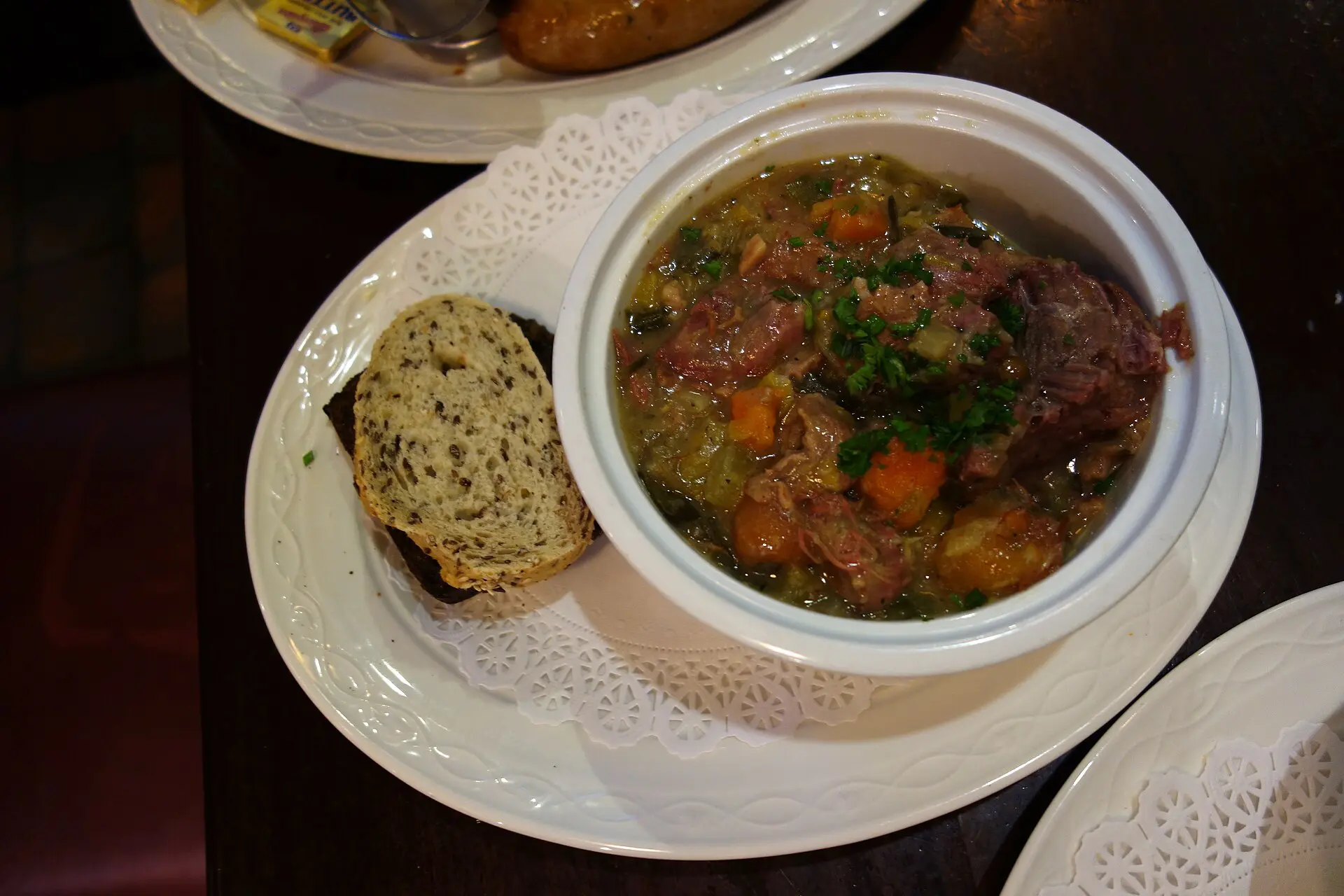
Traditionally lamb or mutton, potatoes, onions and water or light stock, simmered slowly until the potatoes break down and thicken the broth. Carrot and herbs appear in many versions, though purists keep it to the basics. It is a lunch and dinner dish, found in pubs and family kitchens. A bowl typically costs about 14-22 EUR in a pub, as of 2026.
2. Colcannon and champ
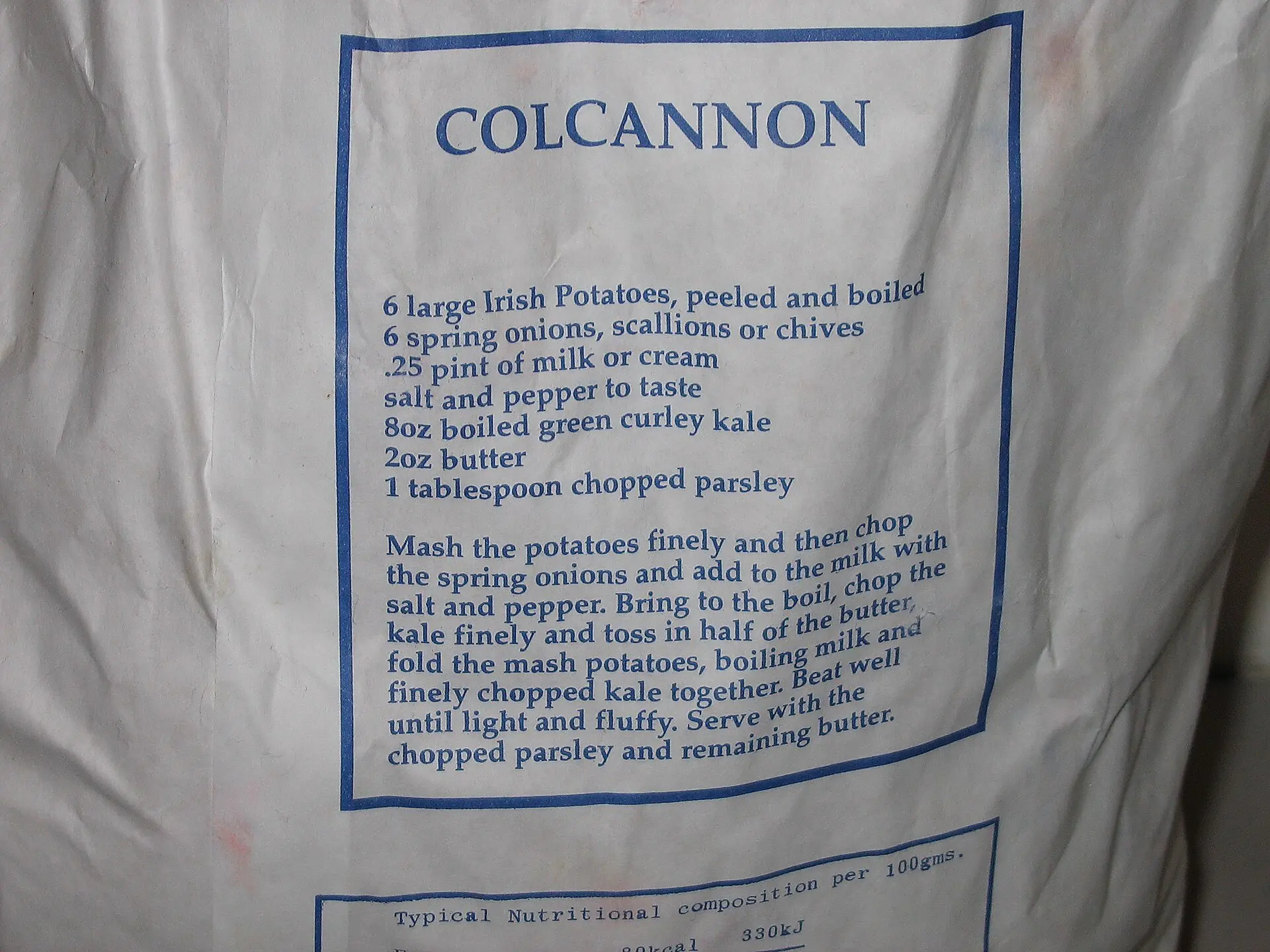
Both are mashed potato dishes. Colcannon mixes in kale or cabbage, and champ adds chopped spring onion, often with a pool of butter in the middle. They sit beside a main plate, and are eaten with a fork or spoon. Colcannon is associated with Halloween, when charms were once hidden in it. Both are very cheap to make and usually come as a side.
3. Soda bread and brown bread
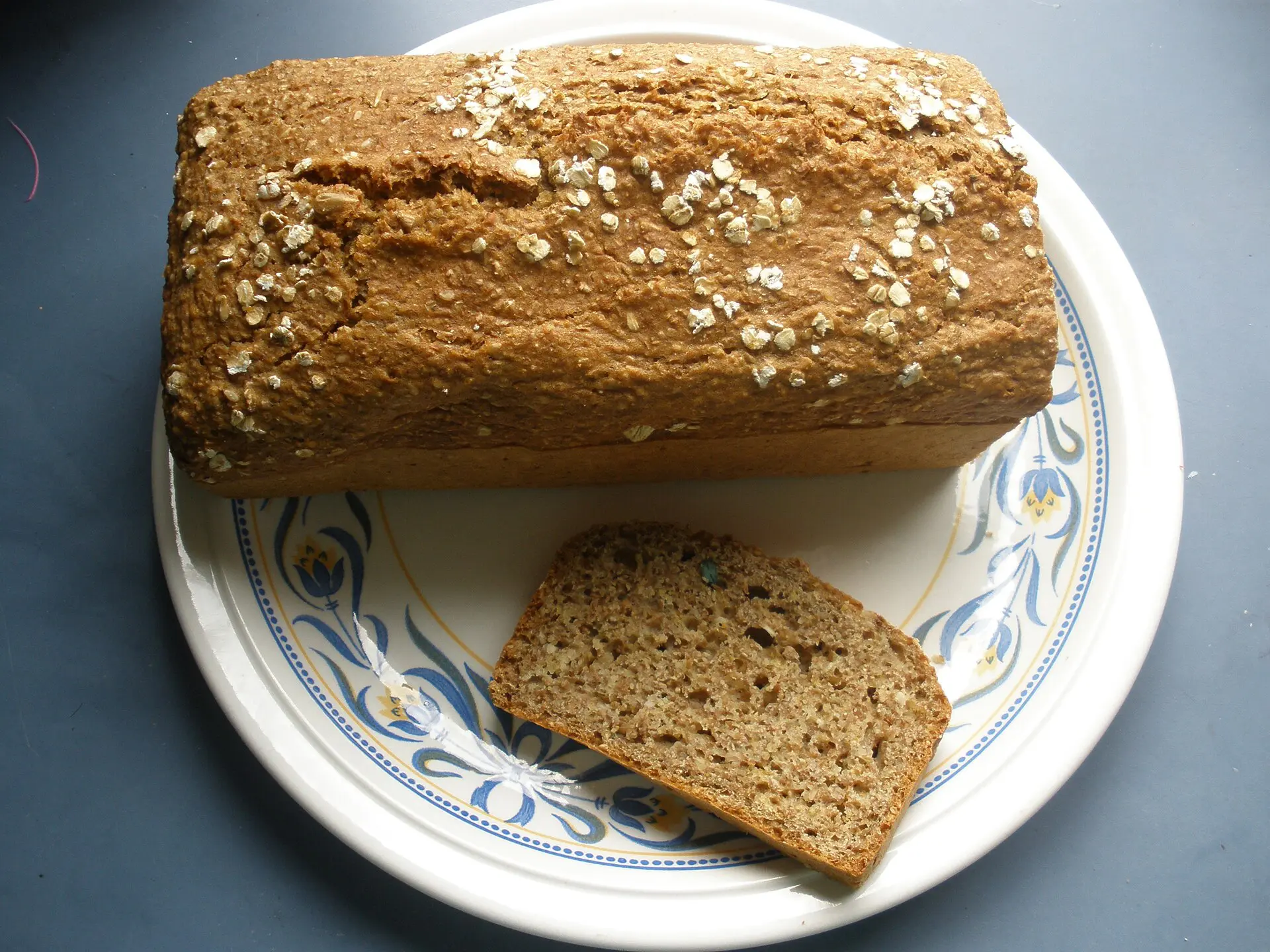
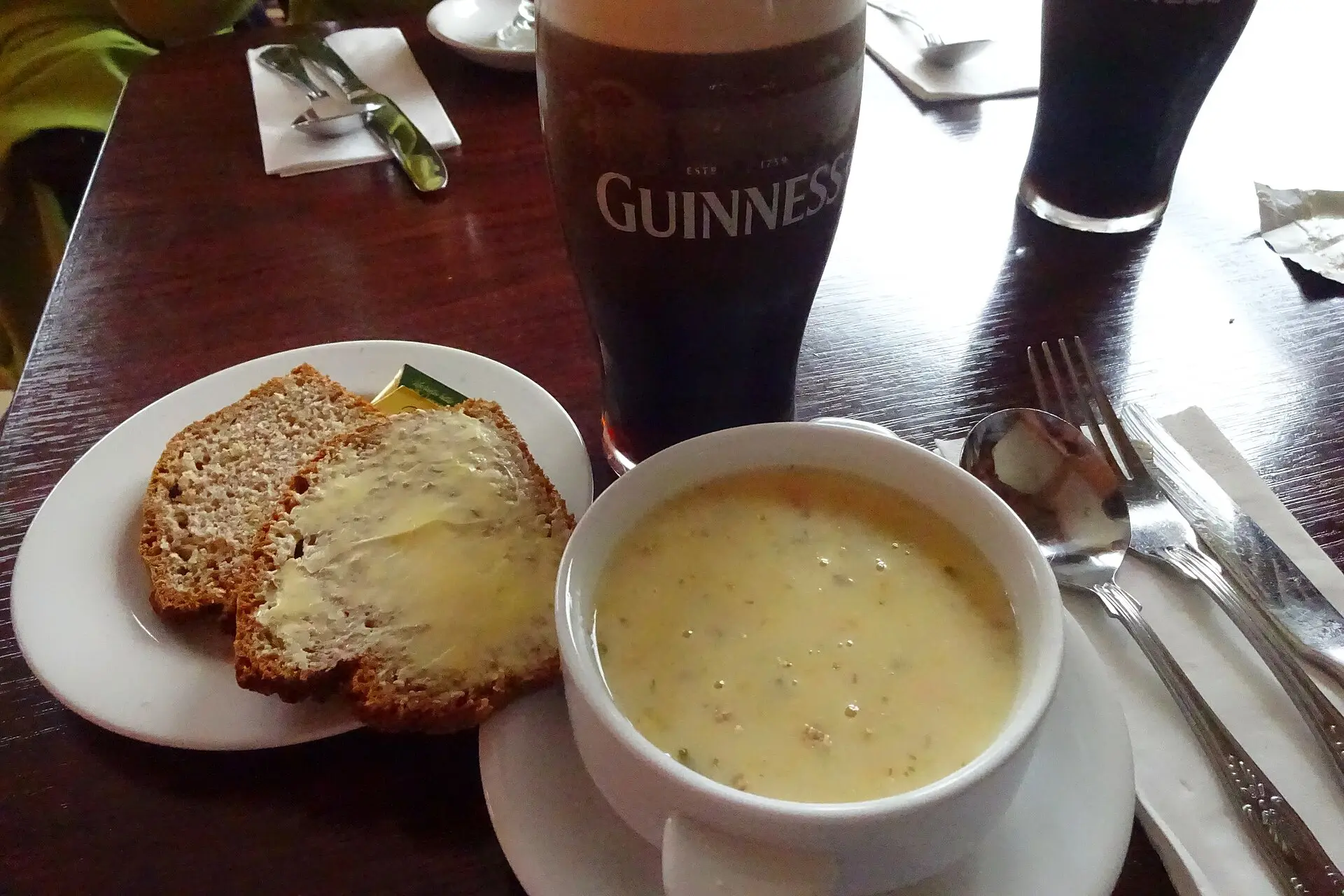
Soda bread uses bicarbonate of soda and buttermilk instead of yeast, so it needs no proving and bakes quickly. Brown soda bread, made with wholemeal flour, appears at nearly every breakfast and soup lunch, usually with butter. It is mixed by hand and baked in a round, cut with a cross. A slice with soup is part of the soup price.
4. Boxty
A potato pancake made from grated raw and mashed potato, flour and buttermilk, fried on a griddle. It is a northwestern and midlands speciality, served plain with butter or wrapped round a filling. The old rhyme says “boxty on the griddle”, and it is a good example of making a meal from very little. Prices are low to mid-range.
5. Full Irish breakfast
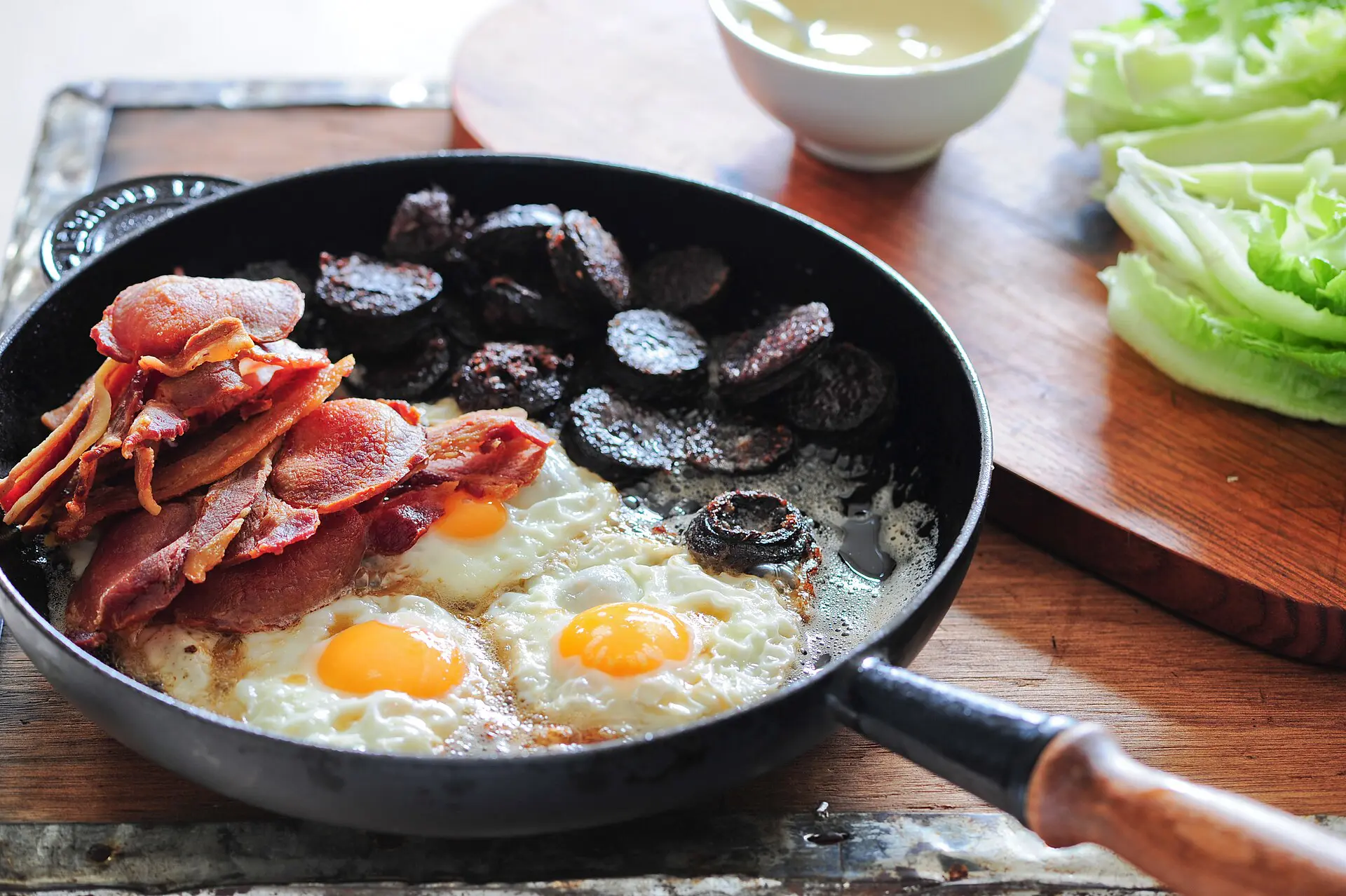
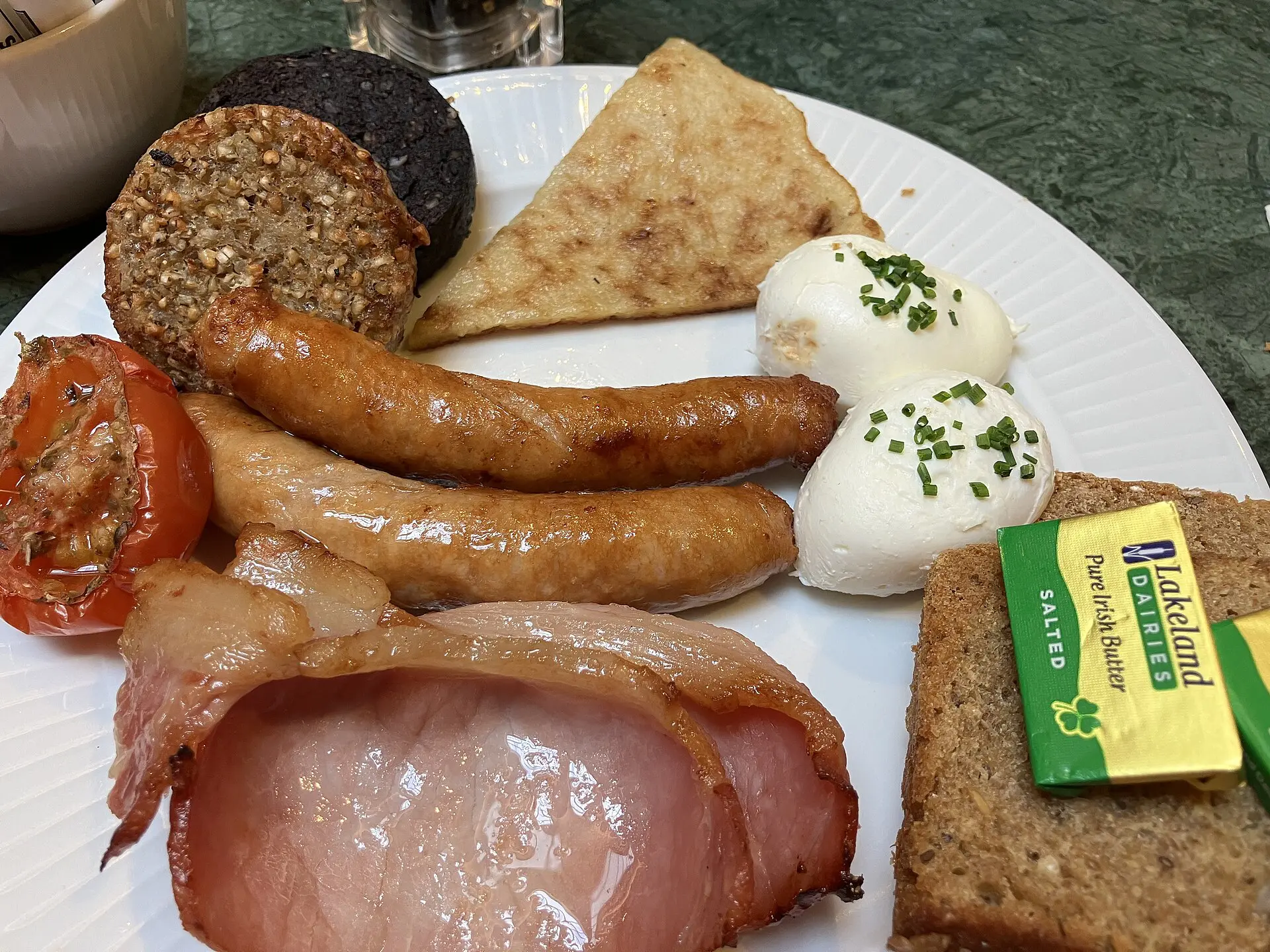
Rashers (back bacon), sausages, fried eggs, black and white pudding (blood and oatmeal sausage, and a pale version without blood), fried tomato, mushrooms and soda bread, with tea. It is a morning meal and a weekend lunch. Black pudding is an acquired taste, so ask for it on the side if you are unsure. A full plate is usually 10-18 EUR.
6. Bacon and cabbage
A boiled cut of cured pork with cabbage and potatoes in a parsley sauce. It is a home-style dinner, rarely on a visitor menu outside traditional pubs. The cooking water carries the salt and flavour, so the cabbage is rich. It tends to be a mid-range main in pubs and a Sunday dinner at home.
7. Dublin coddle
Sausages, bacon slices, potatoes and onions slowly stewed in a pale broth. It is a Dublin dish, traditionally cooked on a Thursday night, and simple to make from leftover bacon. It is a cool-weather dish, typically a modest price, and worth ordering where a menu lists it.
8. Seafood chowder and Atlantic fish
A creamy soup of white fish, salmon, smoked fish and shellfish, served with brown bread. Coastal areas also serve fish and chips, oysters, mussels and smoked salmon. Seafood is a regional strength on the west and south coasts, and quality depends on the day’s catch. A bowl runs about 8-14 EUR, a bit more with a side or salad.
Dairy is the other pillar. Irish butter is yellow because the cattle graze on grass for much of the year, and it appears on bread, in mash and in the middle of champ. Farmhouse cheeses, made in small batches, are sold at markets and in delicatessens, and a cheese board of 3-4 local varieties is a better introduction than a generic platter. Oats show up as porridge at breakfast and in brown bread, and the best porridge is made with pinhead or steel-cut oats, simmered for 20-30 minutes.
Market timing for Irish food
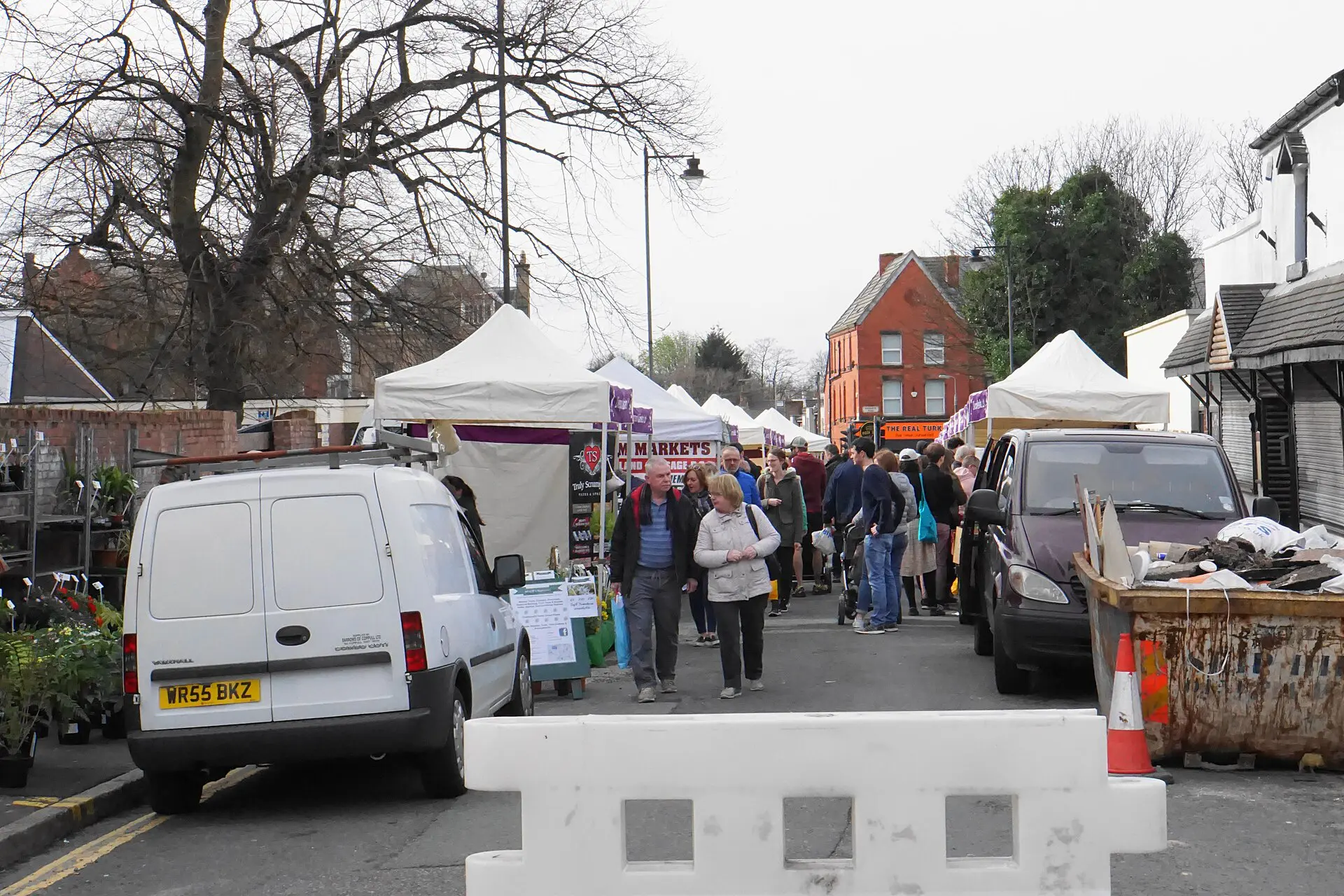
Farmers’ markets and food markets run mostly on one or two fixed days a week, so confirm the day for the town you are in. Many open around 09:00-10:00 and wind down by 14:00.
- Go in the morning for breads, cheeses, smoked fish, cured meats and jams.
- Look for local producers. Cheesemakers, bakers and smokehouses often sell direct and explain what they make.
- Check seasonal hours. Small markets can run reduced hours in winter. Confirm locally.
Fish is freshest near harbours, and coastal towns often have small fish counters. Pub kitchens, not markets, are where you will eat most cooked dishes.
How much does traditional Irish food cost?
Ireland is one of the pricier countries in Europe, and eating out costs more than in many neighbouring countries. These are rough per-person ranges in EUR, as of 2026, and cities and tourist areas cost more. Check before you go and see the guide to ireland trip cost for wider budgets.
| Meal | Typical option | Rough band (EUR) |
|---|---|---|
| Breakfast | Full Irish or porridge and tea | 8-18 |
| Light lunch | Soup and brown bread, sandwich | 8-14 |
| Pub main | Stew, bacon and cabbage, fish and chips | 14-25 |
| Seafood plate | Chowder, mussels, fish of the day | 12-30 |
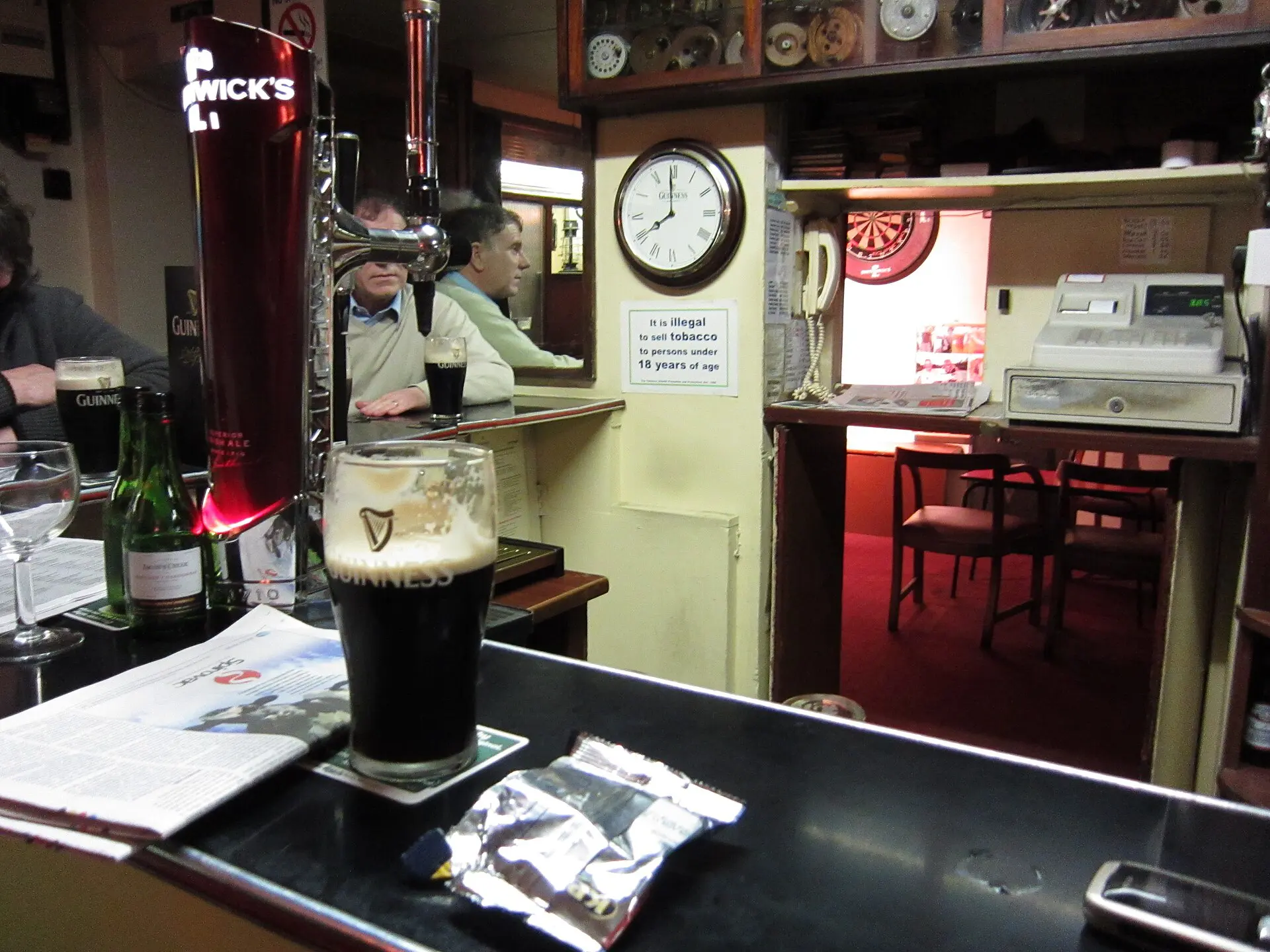
A pint of stout or lager is a separate cost, typically 5-8 EUR in many pubs. Prices rise in Dublin and in busy tourist towns.
Traditional Irish food etiquette
Pub dining is relaxed. In many pubs you order and pay at the bar, then the food comes to your table. In others, staff take orders at the table. Look for a sign or watch what others do.
- Tipping: 10 percent is common in sit-down restaurants where no service charge is added. In a pub where you order at the bar, a tip is optional, though rounding up is appreciated.
- Rounds: when drinking in a group, people buy in turns. Join in or say you will pass on the round.
- Toasts: “sláinte” (SLAWN-cha) means health, and is said before the first sip.
- Tea: offered often, and refusing politely is fine.
How to read an Irish menu
There is no language barrier in English, but the vocabulary can trip you up. Rashers are back bacon, spuds are potatoes, a chipper is a fish and chip shop, and a mineral is a soft drink. Irish may appear on signs, and menu translations are rare.
- Carvery: roast meat, potatoes and vegetables carved or ladled to order.
- Toasted special: a toasted sandwich with ham, cheese and tomato, a standard pub lunch.
- Soup of the day: served with brown bread, and usually a good value.
If you travel in winter or summer, the best time to visit Ireland also affects which kitchens are open and when.
What to skip with traditional Irish food
I would skip anything marketed as a “leprechaun” meal, green-dyed dishes and heavily themed menus in the busiest tourist strips. Skip chowder that is thick with flour and light on fish, and pre-made soda bread in plastic. Black pudding is worth trying once, but you can decline politely. Also skip the idea that Irish food is only potatoes: modern kitchens use local lamb, seafood, cheese and seasonal vegetables. For more background, see Wikivoyage’s Ireland guide.
FAQ about traditional Irish food
What is the national dish of Ireland?
There is no official national dish. Irish stew is the most commonly named, with colcannon, boxty and bacon and cabbage close behind. Each has its supporters, and regional versions differ. Try several and judge for yourself.
What is in a full Irish breakfast?
A typical plate has rashers, sausages, fried eggs, black and white pudding, grilled tomato, mushrooms and soda or toast, with tea. Hash browns and baked beans appear in some places. It is a large meal, so many people share or skip lunch.
Is traditional Irish food vegetarian friendly?
Some of it is. Colcannon, champ, boxty, soda bread and vegetable soups work, though check whether stock or bacon was used. Most pubs now offer a vegetarian main. Traditional stews and breakfast plates centre on meat, so ask before ordering.
How much does a pub meal cost in Ireland?
Roughly 14-25 EUR for a main course in many pubs, as of 2026, with soup and sandwiches cheaper and seafood dearer. Drinks and service are extra, and Dublin and tourist towns cost more. Check menus posted outside before you go in.
What drinks go with traditional Irish food?
Tea is the everyday drink, served strong with milk. Stout, cider and Irish whiskey are the best-known alcoholic drinks, and craft beer is common in towns. Pubs usually sell soft drinks and coffee too, and many have a reasonable range of alcohol-free beer.