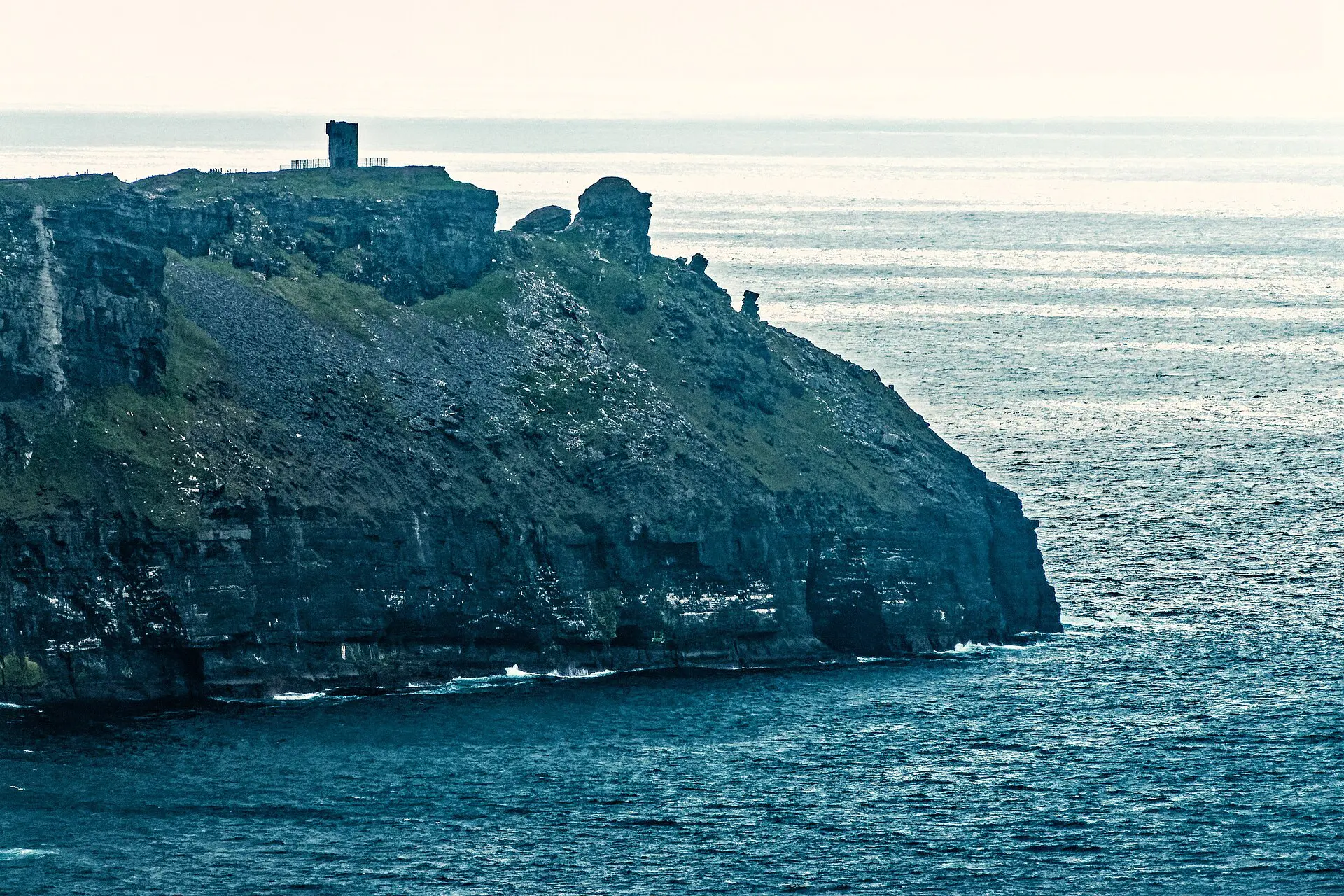
The best time to visit Ireland for value is May, early June and September. You get long daylight, decent odds of dry days and rates well below the July and August peak. Ireland is mild but wet all year, so no month guarantees sun, and the real question is what you pay for the odds. This guide prices each season, splits where paying more helps from where to save, and lists the dates when rooms and car hire jump. All price levels are relative, so check live rates.
Best time to visit Ireland by month
Price level is a relative index (Low, Mid, High) for rooms and car hire together. Weather figures are tendencies, since Atlantic systems can swap a day of sun for rain within hours.
| Month | Weather | Price level | Crowds | Verdict |
|---|---|---|---|---|
| January | Cold, wet, very short days | Low | Very light | Cheap, but limited daylight |
| February | Cold, windy, some storms | Low | Very light | City breaks only |
| March | Cool, changeable; days lengthen | Low, High around 17 March | Light, spikes in Dublin | Value, avoid the festival weekend |
| April | Cool, showery, brighter | Low to Mid | Light, Easter busy | Good value outside Easter |
| May | Mild, often the driest stretch | Mid | Moderate | Best value overall |
| June | Mild, very long evenings | Mid to High | Rising | Excellent, book early |
| July | Warmest, still showery | High | Heavy | Pay more only for the daylight |
| August | Warm, damp, busy | High | Heaviest | Skip if you can |
| September | Mild, settled spells | Mid | Moderate | Second best value |
| October | Cooler, wetter, golden light | Low to Mid | Light | Good for cities and food |
| November | Dark, wet, cold | Low | Very light | Some attractions closed |
| December | Cold, wet, festive | Mid to High near Christmas | Busy in cities | Christmas trip, book early |
For background on the island and its two jurisdictions, see Ireland on Wikipedia. The Wikivoyage page on Ireland lists the main cities.
Pay more for / save on by season
Pay more for
- A rental car with a few buffer days. Outside the cities, bus and rail routes thin out, and rural stays depend on driving. Book a car before June if you need an automatic, since those are scarcer and cost more.
- Rooms in popular west-coast bases in summer. Galway, Kerry and Clare fill by late spring. Paying more for flexible terms protects you from a wet week and a forced change of plan.
- Weather insurance by flexibility. A refundable room costs more than a locked one, but in a country where rain decides the day, the option to move your drive day is valuable.
Save on
- Guesthouses and B&Bs over hotels. Many include breakfast, which cuts a meal from the daily bill.
- Dublin outside event dates. Rates there swing more than anywhere in the country, so a quiet midweek night can cost far less than a festival weekend.
- Pub food and bakery lunches. A main meal in a pub typically costs much less than a restaurant dinner. Our guide to traditional Irish food explains what to look for on a menu.
The best value window for Ireland
Aim for May to mid-June, or the first three weeks of September. Both stretches have long daylight, most attractions open and prices a notch below peak. May is the driest for much of the island in many years, and September often brings settled spells after the summer rush eases.
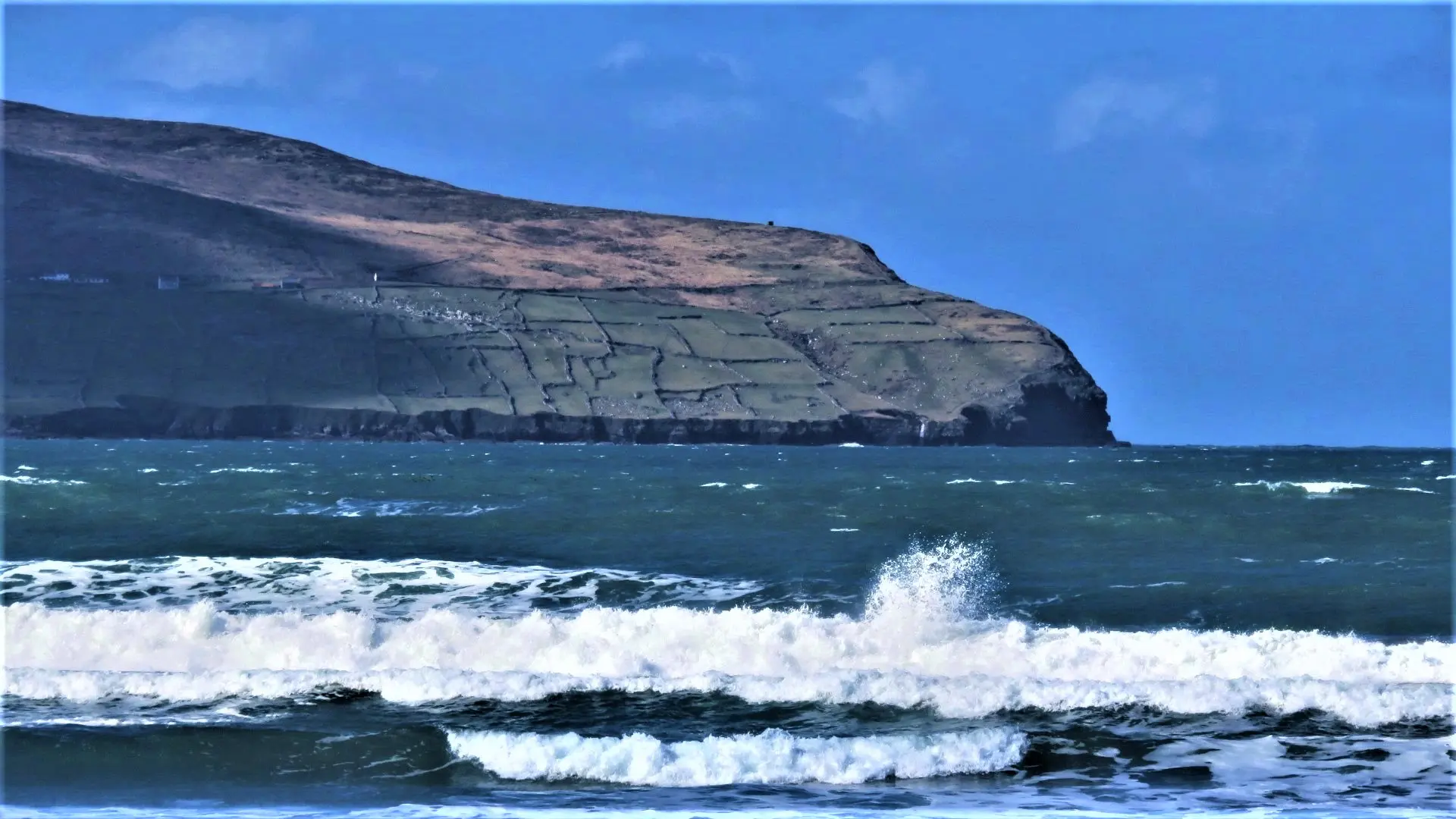
Use the second window if you want warmer seas or longer family-friendly days, as school holidays end in early September.
Total cost box
- Value window (May, early June, September): a couple sharing might plan on roughly $150 to $260 per person per day for a room, food, fuel and entry fees, as of 2026, though Dublin sits at the top of that range.
- Peak (July and August): the same trip can run 20 to 40 percent higher, mostly through rooms and car hire.
- Not included: flights, insurance and any excess waiver. For a full breakdown, see our Ireland trip cost guide.
Months to skip in Ireland
- August. It is the most crowded and priciest month, and weather is no better than June. I would skip it unless school dates force you.
- The weekend around 17 March. St Patrick’s weekend raises room rates in Dublin and across the country, and some towns book out entirely.
- November to early February in the west. Many rural attractions, ferries and seasonal restaurants close or cut hours, and daylight can be under eight hours.
- Bank holiday weekends. In June and August, domestic travellers fill coastal towns and prices climb for two or three nights.
If you are travelling with children, our Ireland itinerary with kids shows how to adjust the timing.
When to book Ireland flights, cars and rooms
| Item | Peak (Jul to Aug) | Shoulder (May, Jun, Sep) | Low (Nov to Mar) |
|---|---|---|---|
| Transatlantic flights | Book roughly 4 to 6 months out | Book roughly 3 to 5 months out | Watch for sales, 6 to 10 weeks |
| Rental car | Book as soon as flights are set | Book 2 to 3 months out | Usually fine closer in |
| Rooms, west coast | Book 3 to 4 months out | Book 6 to 10 weeks out | Often available on arrival |
Windows are guides, not guarantees. Compare prices on your own dates, and check cancellation terms before you pay.
Ireland events that spike prices
St Patrick’s Day
The national day on 17 March draws crowds to Dublin and other towns. Rooms rise, pubs fill and transport is busy. Book as early as you can or travel the following week.
Easter
The date moves between March and April. Domestic travel climbs over the long weekend, and rural rooms in popular areas tighten.
June and August bank holiday weekends
Locals head to the coast, so seaside towns charge more and fill up. If your dates are flexible, travel midweek or shift by a few days.
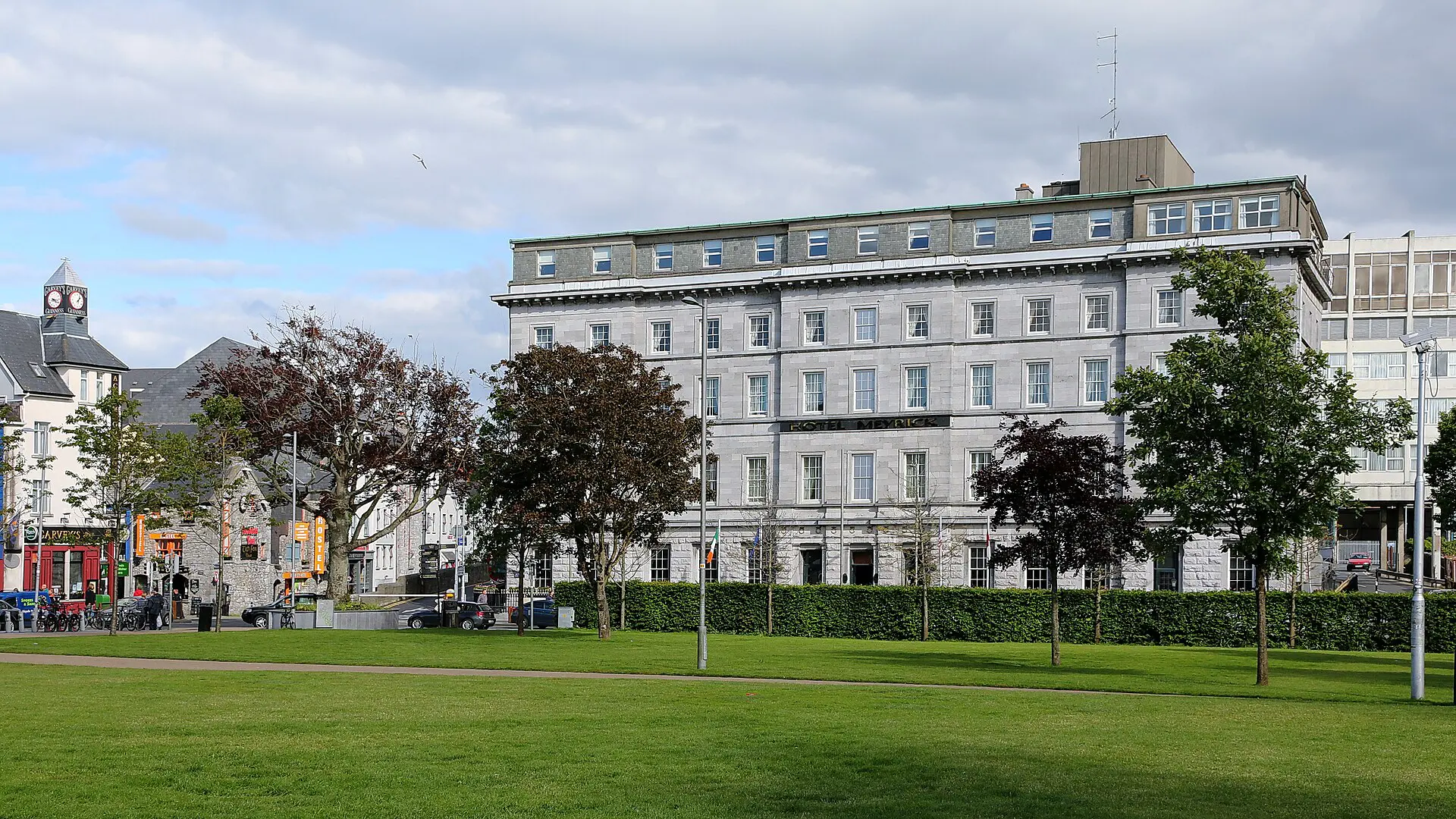
Galway International Arts Festival
Held in July, it lifts Galway rates and restaurant demand. If you want Galway outside the festival, aim for June or September.
Fleadh Cheoil na hÉireann
This large traditional music festival is usually held in August and changes host town each year. The host town and nearby areas can sell out, so check its location before you book that week.
Christmas and New Year
City hotels and festive events raise rates in Dublin, Cork and Galway. Rural areas are quieter, but many places close for several days around 25 December.
Best time to visit Ireland FAQ
What is the cheapest month to visit Ireland?
January and February are usually the lowest for rooms and car hire, with Dublin sometimes quoting lower rates than in summer. The trade-off is short days, cold rain and closed rural attractions, so it suits city breaks better than road trips.
Which month is the driest in Ireland?
May and June tend to be among the drier months in many parts of the country, with April close behind in some years. No month is reliably dry. Pack a waterproof jacket and plan indoor options for each day.
Is Ireland worth visiting in winter?
Yes, for cities, pubs and low rates, especially Dublin, Cork and Galway. Days are short and some rural sites shut from November to March. Skip long coastal drives then, and keep a flexible schedule for storms.
How many days do I need in Ireland?
Plan on 7 to 10 days for a loop that includes Dublin and the west. Four days works for Dublin plus one region. Our Ireland travel guide maps the main routes, and the daily costs vary with the season.
Is it cheaper to visit Ireland in September?
Often yes, because rates fall from July and August levels while weather is still mild. Expect prices a notch below peak but above winter. Book rooms ahead for the west coast, since late summer remains popular with independent travellers.