
This tipping abroad guide skips the country list, because norms shift and a list goes stale. Use a method instead: read the bill for a service charge, watch what locals leave at the same kind of place, and keep small change ready. Where service is already included, a tip is usually a small extra or nothing at all. Below, the method in six steps.
The short version
- Look at the bill: a line for service, “cover” or a percentage means the staff are partly paid already.
- Match the kind of place: a market stall, a counter and a table with waiters follow different habits.
- Watch the table next to you for one round, then copy the gesture, not the amount.
- Carry small notes and coins in the local currency so you are never forced to round up wildly.
- If unsure, ask a hotel desk or a host what people usually do, and check an official or reliable source.
Tipping abroad, step by step
1. Read the bill before you reach for your wallet
The most useful habit is also the quietest. Many restaurants in many countries add a service charge, sometimes called service compris, servizio or a cover line, and the bill says so. If it is there, you have already paid for service, and an extra tip is optional, often a few coins or a rounded-up total. If the line is missing, the tip may be expected, or the culture may not tip at all. Reading the bill tells you which world you are in.

2. Sort the meal by type, not by country
Think of three kinds of eating. At a market stall or street cart, you pay the listed price, and tipping is typically unusual or a small rounding-up. At a counter or bar, loose change left in a dish is common in some places and unheard of in others. At a sit-down restaurant, habits are the most varied, from a set percentage to simply paying the bill. Sorting by type gives you a sensible starting point anywhere you land.
3. Watch one round of payments
You learn more from ten minutes of observation than from a guide. Notice whether people leave cash on the table, tell the server to keep the change, press the terminal’s tip button or just stand up and go. The second two are worth noting. Then copy the gesture, in about the same proportion. In busy market areas, mornings are good for watching, because the same regulars pay at the same stalls, and the rhythm is easy to read.
4. Carry small change, and keep it separate
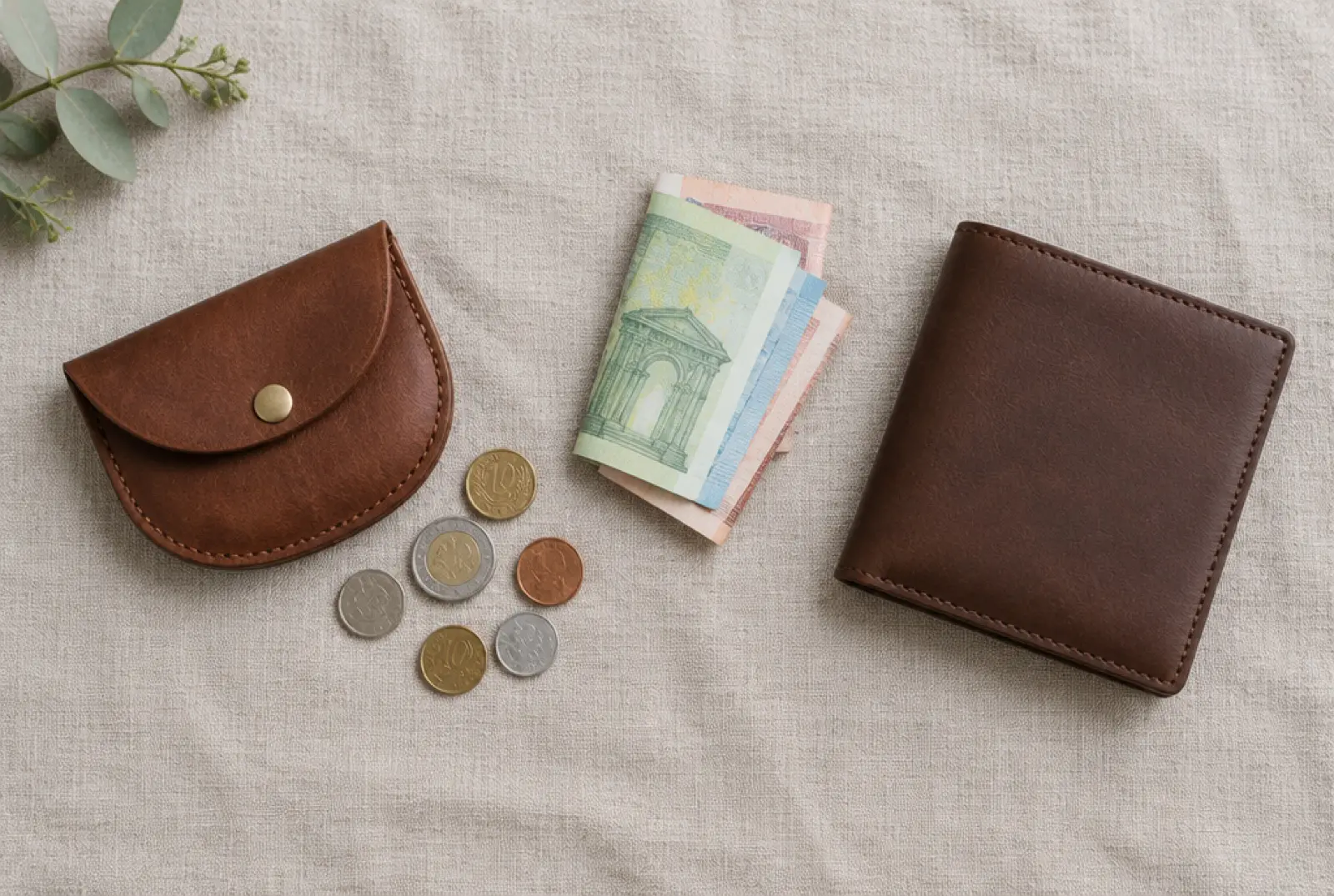
Tipping falls apart when your smallest note is large. Break big notes at a shop or at your first coffee, and keep a few small notes and coins in a pocket apart from the main wallet. That lets you hand over a modest amount without fuss, and it avoids the awkward moment of overpaying because there is no change. Check that coins are still in use, as a few places have moved almost fully to cards.
5. Understand how the staff are paid
A tip is a different thing in a country where servers rely on it for a large share of income than in one where wages are meant to cover the job. Where tips are central, leaving nothing can cost the person serving you. Where they are not, a large tip can read as odd, or as showing off. As of 2026 the practice is changing in both directions, with more card terminals asking for a tip and more places adding service to the bill, so treat every old rule as a hint, not a fact.
6. Tip the small services in small ways
Porters, drivers, guides and housekeeping each have their own habits, and a modest gesture in cash is generally enough where tipping is common. For guides, a quiet word before the end of a tour is better than a public handover. For taxis, rounding up the fare is the usual move in many places. On a food tour or a cooking class, ask the host whether tips are shared with staff. See our table etiquette by country notes for how the rest of the meal tends to run.
A quick tipping checklist
| Situation | What to check | Typical habit (hedged) |
|---|---|---|
| Street stall or market cart | Is the price listed? Do locals pay the exact amount? | Pay the price; rounding up is a courtesy, not a rule |
| Counter, bar or bakery | Is there a dish or jar for change? | Small coins at most, or nothing |
| Sit-down restaurant | Does the bill include service? | Extra is optional when included; more expected when not |
| Taxi or ride | Is the fare metered or agreed? | Round up or keep the change in many places |
| Hotel porter or housekeeping | Is a service charge in the room rate? | A small amount in cash where it is the custom |
For what a basic meal may cost, which helps you judge a sensible gesture, see street food prices by country.
Common tipping mistakes
- Applying one country’s rule everywhere. A habit from home may be generous, odd or insulting somewhere else.
- Tipping twice. A service charge plus a large extra is double payment. Look for the line first.
- Leaving large notes. A big note can confuse staff and starts an awkward negotiation about change.
- Letting a terminal decide. Preset tip buttons are suggestions. You can choose another option or skip it.
- Making a show of it. In many places, a calm, brief gesture is more polite than a flourish.
What to verify before you go
Any tipping abroad guide ages quickly, because norms, service charges and card use change. Verify before you travel. Ask your hotel or host, read recent traveller notes on the official tourism site for your destination, and check with your bank about card fees and the way tips are handled on a card. Wages, laws and payment rules are not covered here, and nothing in this guide is legal or financial advice. If a tour or class says tips are included, ask what that means in writing.
FAQ about tipping abroad
Should I tip if service is already included?
Usually you do not have to. A service charge is meant to cover the staff, so an extra is optional. Some people leave small change or round up for good service, which is polite but not required in most places.
Is it rude not to tip abroad?
It depends on the place. Where tipping is a large part of pay, leaving nothing can be hurtful. Where it is not the custom, leaving nothing is normal. Check the bill and watch locals, then follow what they do.
Should I tip in cash or on a card?
Cash is often the simplest, because it reaches the person directly, but practice varies. In places with card terminals, a tip on the card may be shared with the team. If you want it to go to one person, ask the staff.
Do I tip at a market stall or street cart?
Typically not. You pay the posted or agreed price. If you want to thank a vendor, rounding up a small amount is usually enough. Do it quietly, and never insist if they refuse it.