How to visit a big museum quickly: choose three rooms in advance, enter at opening or in the last two hours, and skip the rest on purpose. Ninety focused minutes covers the core of most large collections. If you only have one day, give the museum the morning and spend the afternoon on a market or a street.
The short version
- Pick three rooms or works from the museum’s own highlights page before you go.
- Book a timed slot or arrive at opening, and check the weekly closing day.
- Walk to the furthest room first and work back towards the exit.
- Stop at 90 minutes, sit down, and leave while you still want more.
Step by step: the 90-minute method
1. Pick three rooms, not three hours
Large museums are built to hold more than anyone can absorb. Open the official floor plan and choose three rooms, or one room and two single works, that match your interest. One should be the famous anchor, one a quieter period you care about, and one a wildcard. Write them down in the order you will walk. A fixed list makes skipping the rest feel like a decision rather than a failure.
2. Time the entry to beat the queue
The two quietest windows are usually the first hour after opening and the last two hours before closing. Midday is when tour groups and school visits peak. If the museum sells timed tickets, book the earliest slot, since that is the cleanest way to avoid the ticket queue. Many museums also have a separate entrance for pre-booked visitors. Check the official site as of 2026, because entry systems change.
3. Check closing days and late openings
Many museums close one weekday, often Monday or Tuesday, and some stay open late on one evening a week. A late evening is often the best time for a short visit, with fewer groups and cooler rooms. Our guide to how to plan a 3 day city break shows how to place a museum in the day. Confirm the hours the day before.
4. Walk to the far end first
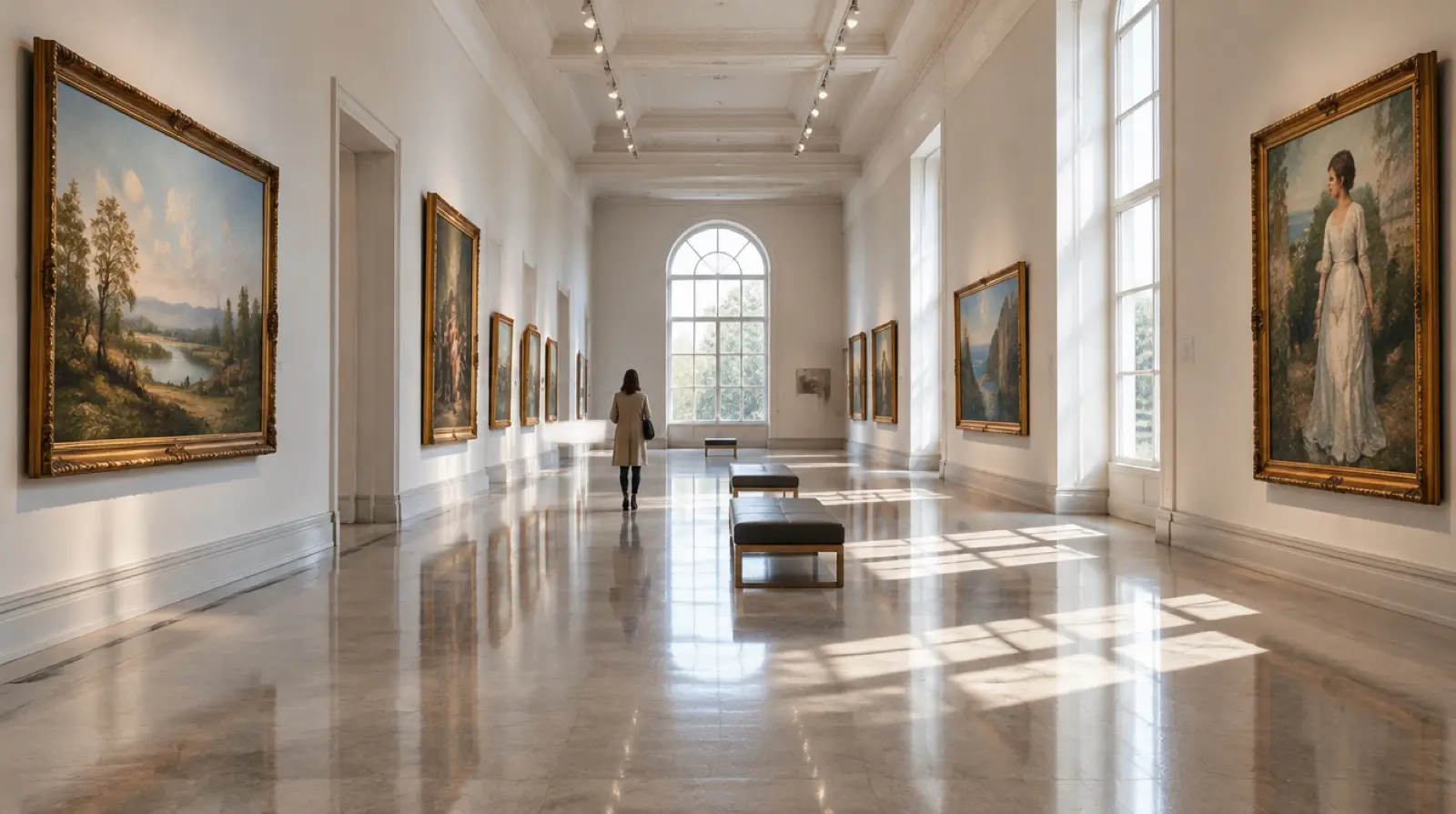
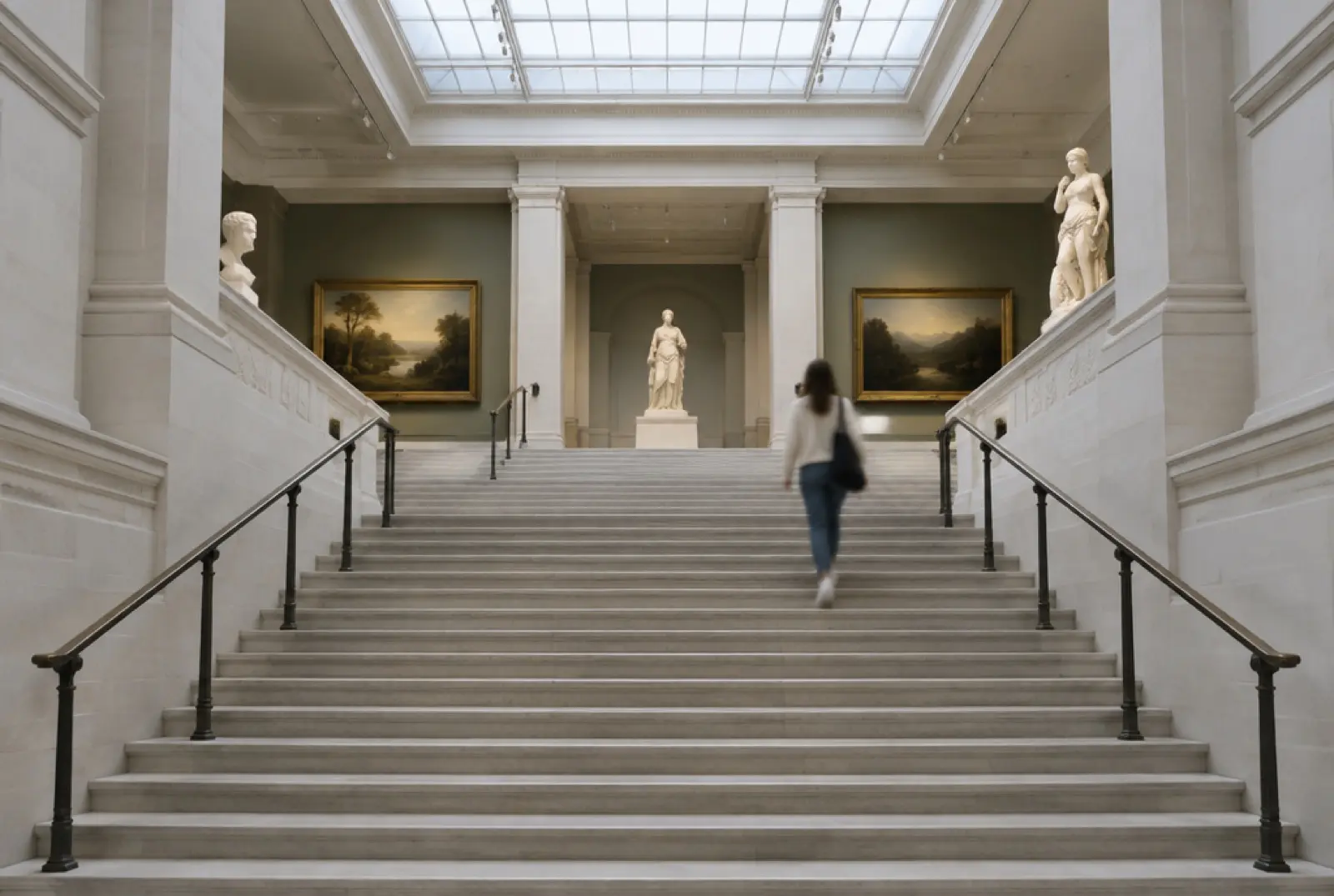
Most visitors start at the entrance and stall at the first galleries. Take the lift or stairs to the furthest room on your list, then work back. You see the busiest highlight while energy is high, and the crowd thins as you move away from the entrance. If the famous work is mobbed, look at it from the side, move on, and return at the end. A dry rule: never queue twice for the same painting.
5. Skip on purpose
Audio guides, special exhibitions and gift shops each add about 30 minutes. Decide in advance which one you will take, if any. The permanent collection is usually included in the standard ticket, while special exhibitions may cost extra, so check the terms. I would skip anything that needs a separate queue unless it is the reason you came. Read the wall text for your three rooms and ignore the rest.
6. Build in a rest and an exit
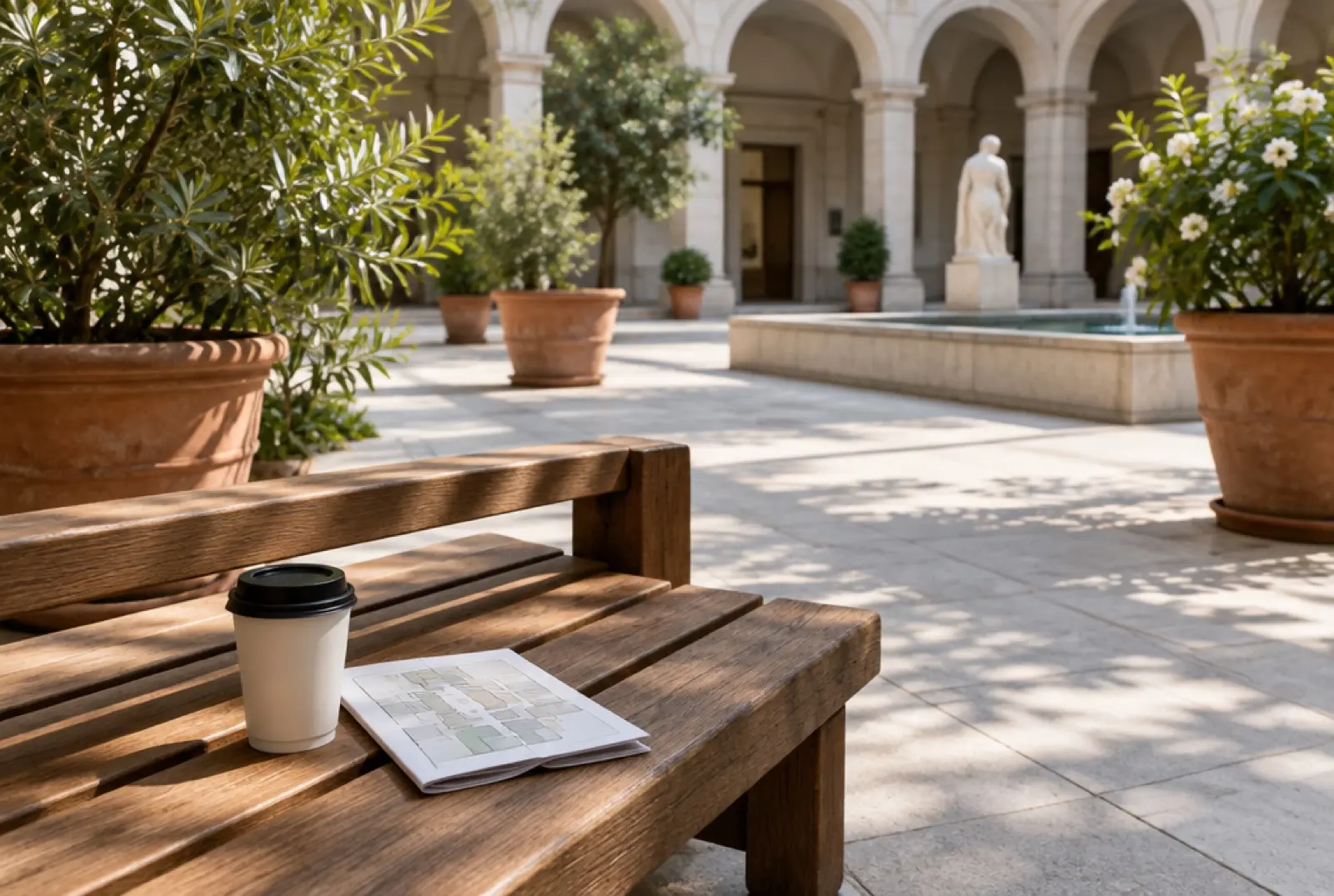
Museum fatigue arrives after about an hour. Plan a sit-down at 60 minutes: a bench, the cafe or an inner courtyard. Then use the last 30 minutes for your final room. Leave at 90, and pair the visit with something outside: a nearby market or a street walk resets your attention. For a city example, see the Amsterdam 3 day itinerary, which pairs anchors with street scenes.
A 90-minute time budget
| Minutes | What to do | Why |
|---|---|---|
| 0 to 10 | Security, tickets, bag check, toilets | Do the admin before you start walking |
| 10 to 40 | Furthest room, then second room | Highlights while energy is high |
| 40 to 60 | Third room | Keep the wildcard for the middle |
| 60 to 75 | Sit, water, check the plan | Reset before fatigue sets in |
| 75 to 90 | One last look, then exit | Leave while you still want more |
Treat the minutes as a guide. The point is the order, not the stopwatch. If a room turns out to be closed, drop it and use the time to stay longer in the others. A short list is easier to adjust than a long one, and you will remember three rooms better than thirty.
What to do with the rest of the morning
A tight museum visit leaves time for something that costs nothing and adds texture. Pair the anchor with a market, a covered arcade or one street within a ten-minute walk. Markets are usually best before lunch, and many close on one weekday, so check that too. This pairing is how to visit a big museum quickly without feeling you rushed it: the second stop gives you the city, and the museum gives you the collection. Then eat, and keep the afternoon free for a second block or for rest.
Common mistakes
- Entering at the front door with no list, then following the crowd for three hours.
- Arriving at midday on a weekend, when queues are longest.
- Buying a special exhibition ticket without checking whether you have time.
- Carrying a large bag and spending ten minutes at the cloakroom.
- Reading every label in the first two rooms and rushing the rest.
What to verify before you go
Use the museum’s official website for opening hours, weekly closing day, timed-ticket rules and bag policy. Check whether photography is allowed in your chosen rooms, whether any galleries are closed for rotation or renovation, and whether the highlight you want is on display. Free-entry days can mean much longer queues, so weigh the saving against your time.
FAQ
How long does it take to see a big museum?
A full visit can take most of a day, but 90 minutes is enough for the core if you choose three rooms in advance. Add time only for a special exhibition you came to see.
What is the best time to visit a big museum?
Usually the first hour after opening or the last two hours before closing, on a weekday. Midday and weekends are the busiest. Late-opening evenings, where offered, can be quiet. Check the official site, because hours and crowd patterns change by season.
Should I buy skip-the-line tickets?
If a museum sells timed or pre-booked tickets directly, they are often the simplest way to cut the ticket queue. Be careful with resellers and bundled tours, and confirm the terms and cancellation rules with the official seller.
Is an audio guide worth it on a short visit?
Only if it lets you listen to just your three rooms. A full guide will push you past 90 minutes. Many museums offer a free app or highlights tour, so check the official site before paying for one.