The photography etiquette museums temples ask for comes down to four habits: read the sign at the door, turn off flash and sound, do not photograph people without asking, and stop when staff or worshippers show discomfort. Rules differ by site, and what is fine in a gallery may be banned in a prayer hall. If you only have one day, photograph in the museum and keep the camera down in the temple.
The short version
- Look for the pictogram at the entrance or the ticket desk. It tells you if photos, flash, tripods or video are allowed.
- Turn off flash, shutter sound and screen brightness before you go in.
- Ask before photographing any person, and never photograph people praying or children.
- If a guard or worshipper asks you to stop, stop and put the phone away.
Photography etiquette in museums and temples, step by step
1. Read the signs before you shoot
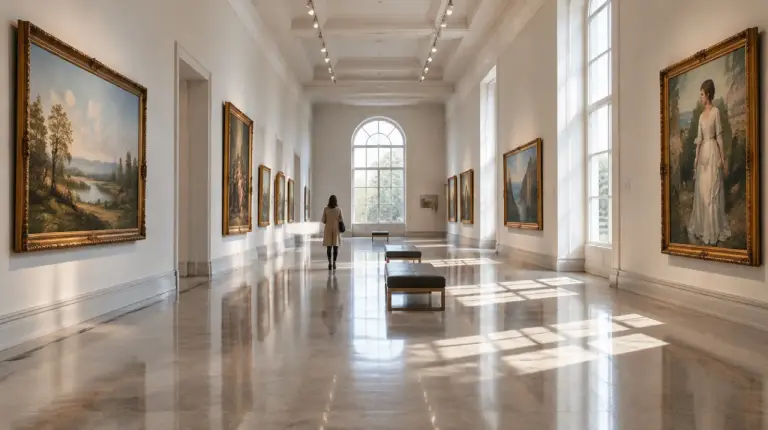
Most large museums post a pictogram at the entrance: a camera with or without a line through it, sometimes with a flash symbol. Photography is often allowed in permanent galleries and banned in special exhibitions, because loaned works carry lender conditions. Look again at the door of each room. If a sign is missing, ask a guard. A 10-second question costs less than a confiscated ticket or an awkward exchange.
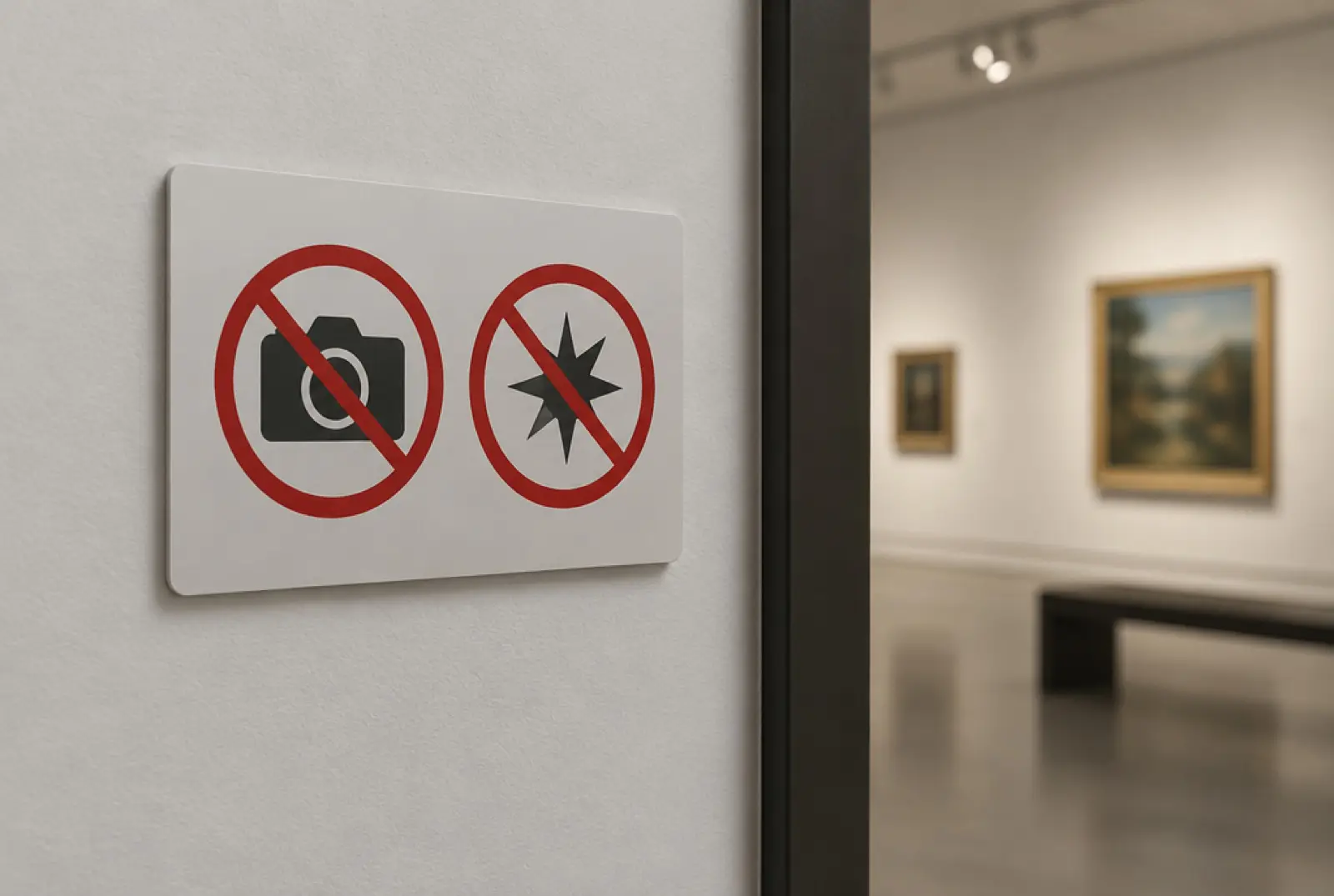
2. Switch off flash and sound
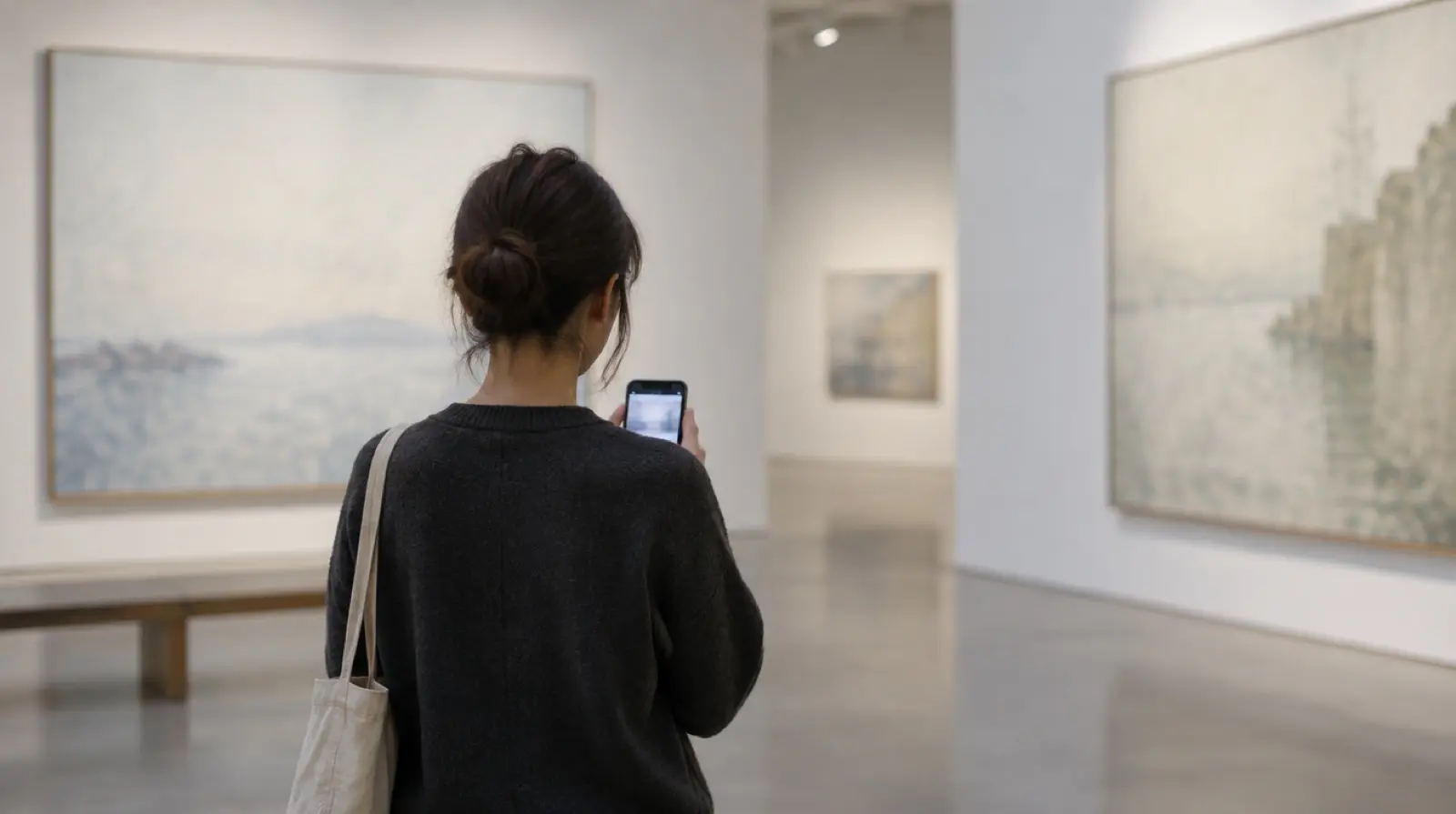
Flash can damage sensitive materials such as old paper, textiles and pigments over many exposures, and it distracts other visitors. Many museums ban it outright, and at the busiest ones a guard may check every 5 to 10 minutes. Silence the shutter sound too, or use silent mode, so you do not interrupt people looking closely at a work. Raise your phone only after other visitors have stepped back, and take one photo rather than a burst.
3. Keep your time cost low
Photography is the quiet time sink of a museum visit. Five photos at each of 20 works adds up to a long visit and a camera roll you will not sort. Decide the three works you want to remember, photograph those and then put the phone away. For a day built around timing, this matters as much as queue planning. Our guide to planning a 3 day city break shows how to keep each visit to a set block.
4. Tripods, selfie sticks and large bags
Tripods and selfie sticks are often banned in museums, churches and many temples, because they obstruct narrow spaces and risk knocking art. Large camera bags may have to go to the cloakroom. Plan for a handheld shot with a small camera or a phone. If you want to use a tripod at an exterior or in a garden, check the site rules first and ask staff.
5. People, worshippers and guards
Do not photograph strangers without asking. In a temple, church or mosque, do not take photos of people praying, kneeling or taking part in a ceremony, even from a distance. Guards and staff may also ask you not to photograph them, security equipment or entrances. If a person gestures no, accept it with a nod. Take pictures of architecture, objects and empty spaces rather than people, and wait for a clear frame instead of working around visitors.
6. Sacred spaces: a stricter default
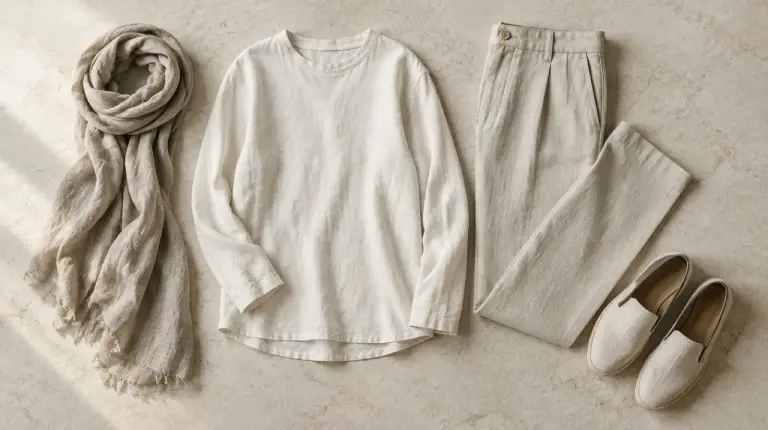
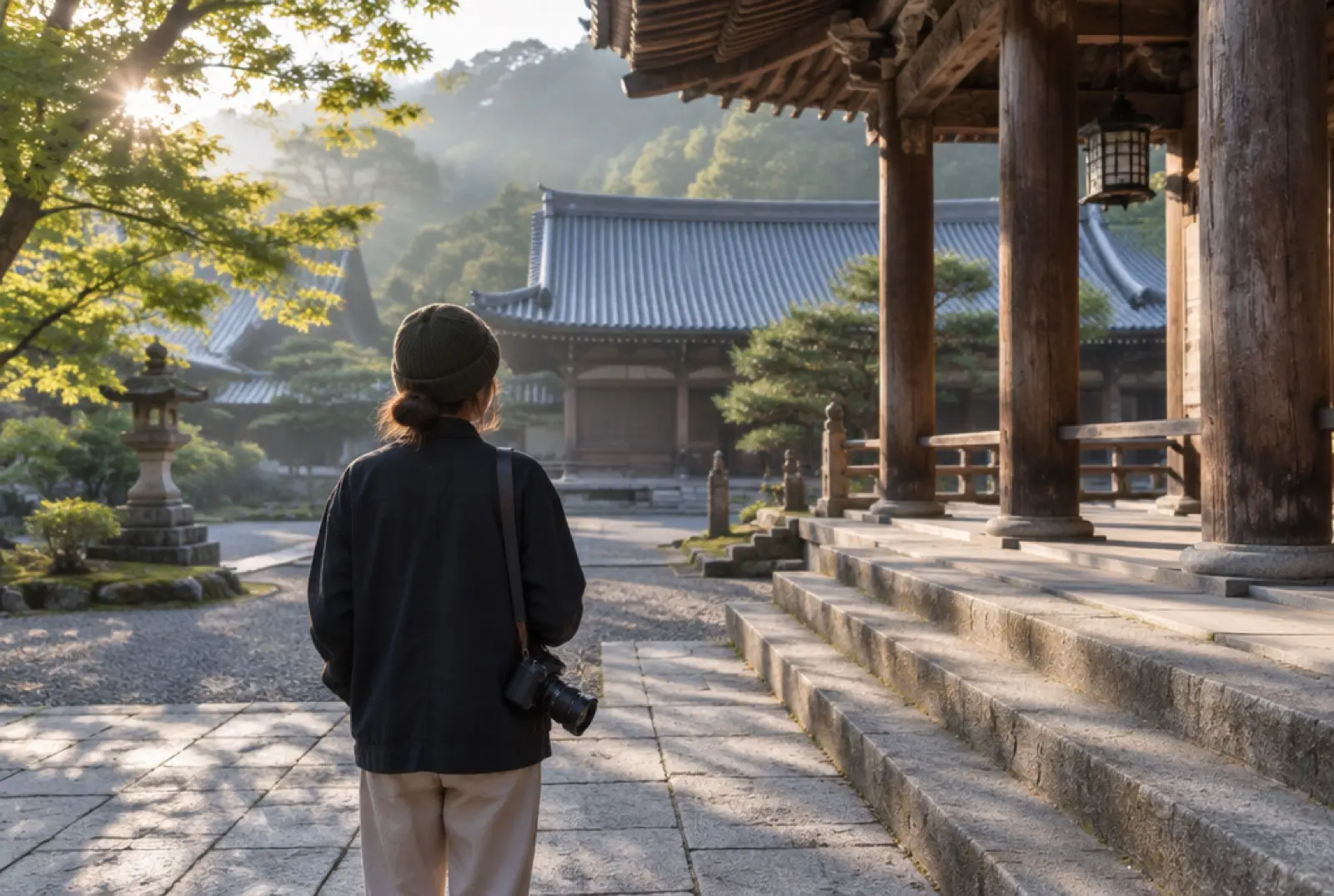
Rules in places of worship vary more than in museums. Some allow photography in outer courtyards but not inside the main hall, some ban it during services, and some charge a camera fee. The safe rule is no photography inside active prayer spaces unless a sign or staff says it is fine. Keep voices low, do not stand in front of altars or shrines for selfies and keep your phone pocketed during rituals. Dress rules are a separate question: cover shoulders and knees and carry a scarf.
Quick rules of thumb
| Situation | Usual default | What to do |
|---|---|---|
| Permanent museum galleries | Photos often allowed, no flash | Check the sign at the room door |
| Special exhibitions | Often banned | Ask at the ticket desk |
| Church or cathedral, outside services | Often allowed, no flash | Keep out of roped-off areas |
| Mosque or temple prayer hall | Varies, often restricted | Ask staff, never photograph worshippers |
| Tripod or selfie stick | Often banned indoors | Keep them in your bag or the cloakroom |
| Photographing people | Ask first | Accept no without comment |
Common mistakes
Most photography etiquette museums temples enforce is about three things: flash, people and obstruction. These are the errors that cause most trouble at the door.
- Assuming that because photos are allowed in the main galleries they are allowed in every room.
- Using flash once, to see if it works. One flash is enough for a guard to approach you.
- Photographing a ceremony from the back of the room because you are not close.
- Blocking a doorway or a narrow corridor to frame a shot while a queue forms behind you.
- Posting photos of other visitors online without asking them.
A time-blocked way to photograph
Treat photos as a short block, not a constant habit. Spend the first 10 minutes of a museum visit looking without a phone, take your chosen shots in the next 15 minutes and keep the rest of the visit for looking. In a temple, take outside shots on arrival, at the courtyard or gate, then keep the device away inside. Opening hour, usually 9:00 or 10:00, is also the best light and the fewest people in frame, so you rarely need to wait or crop strangers out.
What to verify before you go
Photography rules are set by each site and can change, so check the official website or the notice at the entrance. Look for whether tripods, video, drones and flash are allowed, whether special exhibitions are excluded and whether there is a fee. Check for any rules on photographing staff or security areas. Government travel advice pages for your destination sometimes cover local rules about photographing police, military sites and religious ceremonies, so read the one for your destination before you go.
FAQ about photography in museums and temples
Is photography allowed in most museums?
In many museums, yes, for personal use and without flash, especially in permanent galleries. Special exhibitions, loaned works and some rooms are often excluded. Check the pictogram at the entrance and ask a guard if you are unsure.
Can I take photos inside a temple or mosque?
It depends on the site. Some allow photos in courtyards and halls outside prayer times, while others ban them inside. Never photograph worshippers. If there is no sign, ask staff before raising your camera.
Why is flash banned in museums?
Repeated flash can damage light-sensitive materials over time, and it disturbs other visitors. Many museums also allow only handheld photography, so a no-flash rule makes it easier to enforce the same policy across all visitors.
Can I photograph people at religious sites?
Not without asking, and not at all during prayer or ceremonies. Treat worshippers as participants, not subjects. If you want a photo of a person, ask clearly, accept a no and keep a respectful distance.