Motion sickness in kids travel is common and usually manageable with planning. Seat position, a light meal, fresh air, regular breaks and looking at the horizon help most children on roads, boats and planes. For medication, speak to a doctor or pharmacist before you travel. The steps below set out what to do, in order.
The short version
- Pick the seat with the smoothest ride and the best view of the horizon.
- Give a light meal about an hour before, and keep a small snack and water within reach.
- Stop early and often, before the queasy feeling builds, not after.
- Ask a doctor or pharmacist about medication well before travel day, and test any advice at home.
Motion sickness in kids travel, step by step
1. Choose the seat first
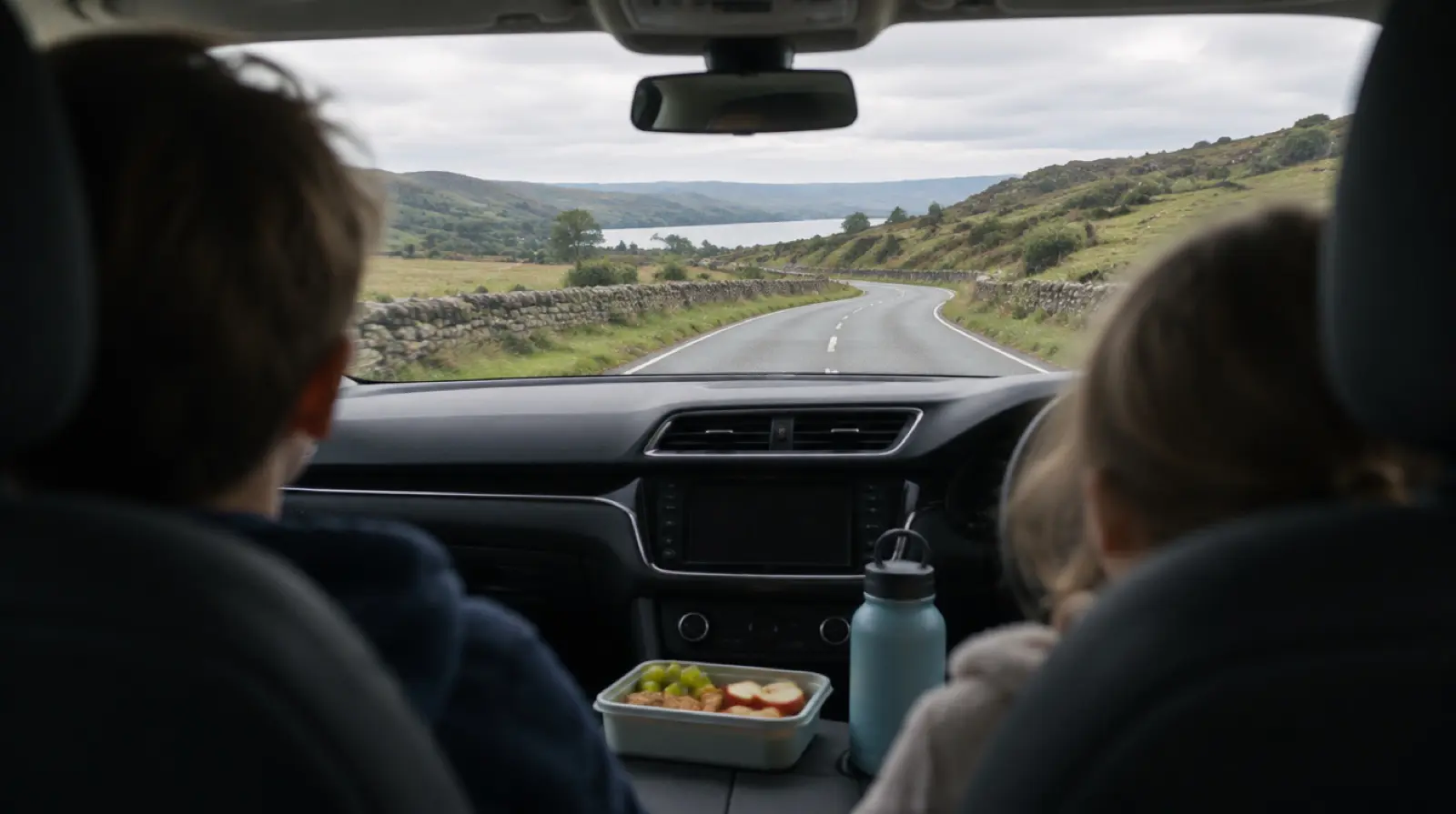
On the road, a child who sits in the front of a car, where it is safe and legal for their age, or in the middle row with a clear view forward, often does better than one in the back looking sideways. Check local rules for child seats and front seats, which vary by country. Age and stamina note: children from about two to twelve are the most prone, and many grow out of it. Decision point: if a child is sick within the first twenty minutes, change seat before you change the plan.
2. Time the meal and the journey
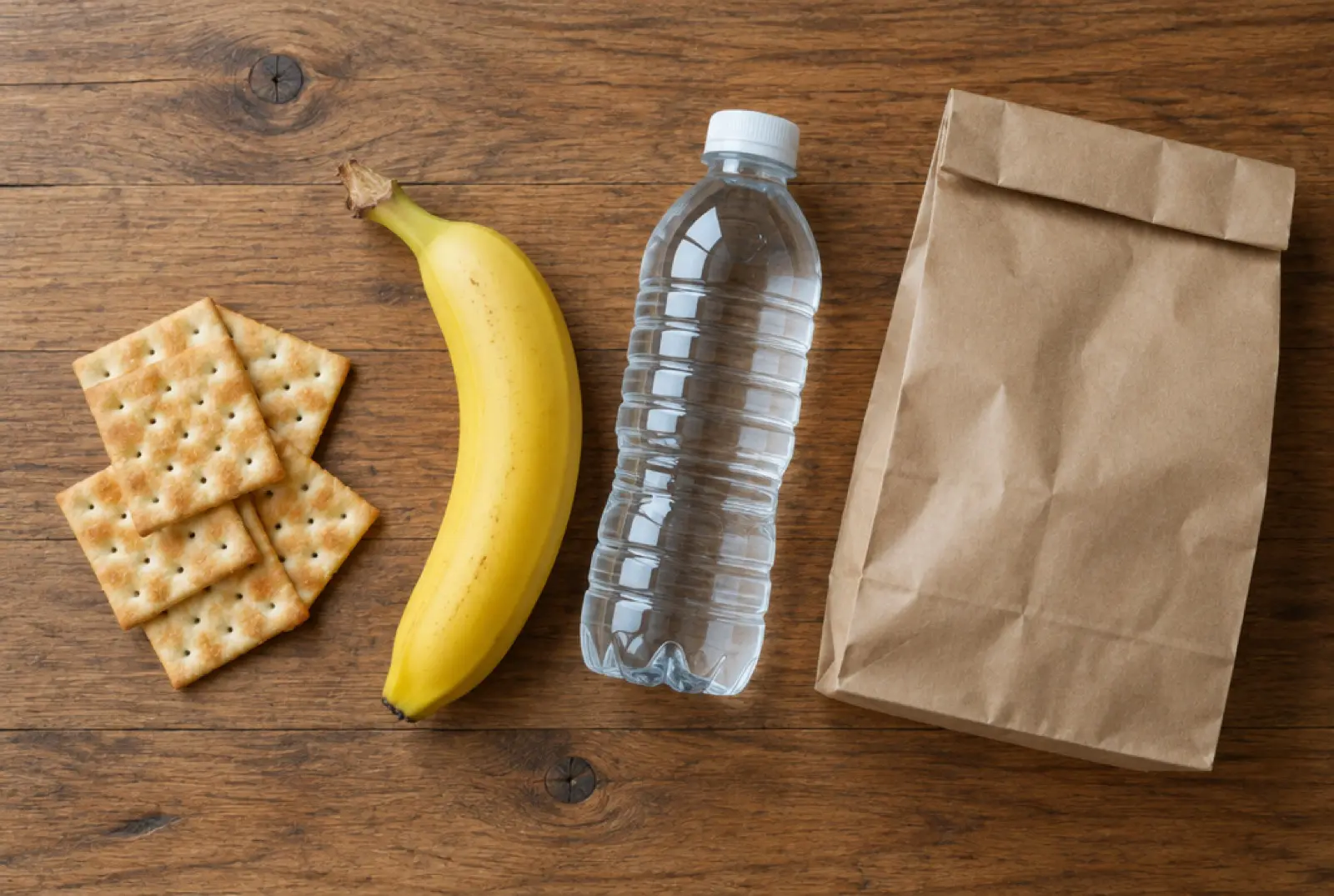
An empty stomach and a heavy, greasy meal are both poor starts. Offer a light meal, such as plain bread, fruit or a small portion of rice, about an hour before you leave. Meal anchor: pack dry crackers, a banana and water, and offer sips often. Where you can, choose the time that suits the child: for many families a journey during the morning, or during an afternoon nap, causes fewer problems than the late afternoon, when children are tired and hungry.
3. Fresh air, horizon and distraction
Looking at a distant point through the front window helps the eyes and inner ear agree. Open a vent or window for cool, moving air. Screens, books and colouring, which pull the eyes down, can bring the feeling on, especially on winding roads. Try audio instead, such as stories, songs or simple word games. If a child says they feel odd, stop the screen at once, not after the second complaint.
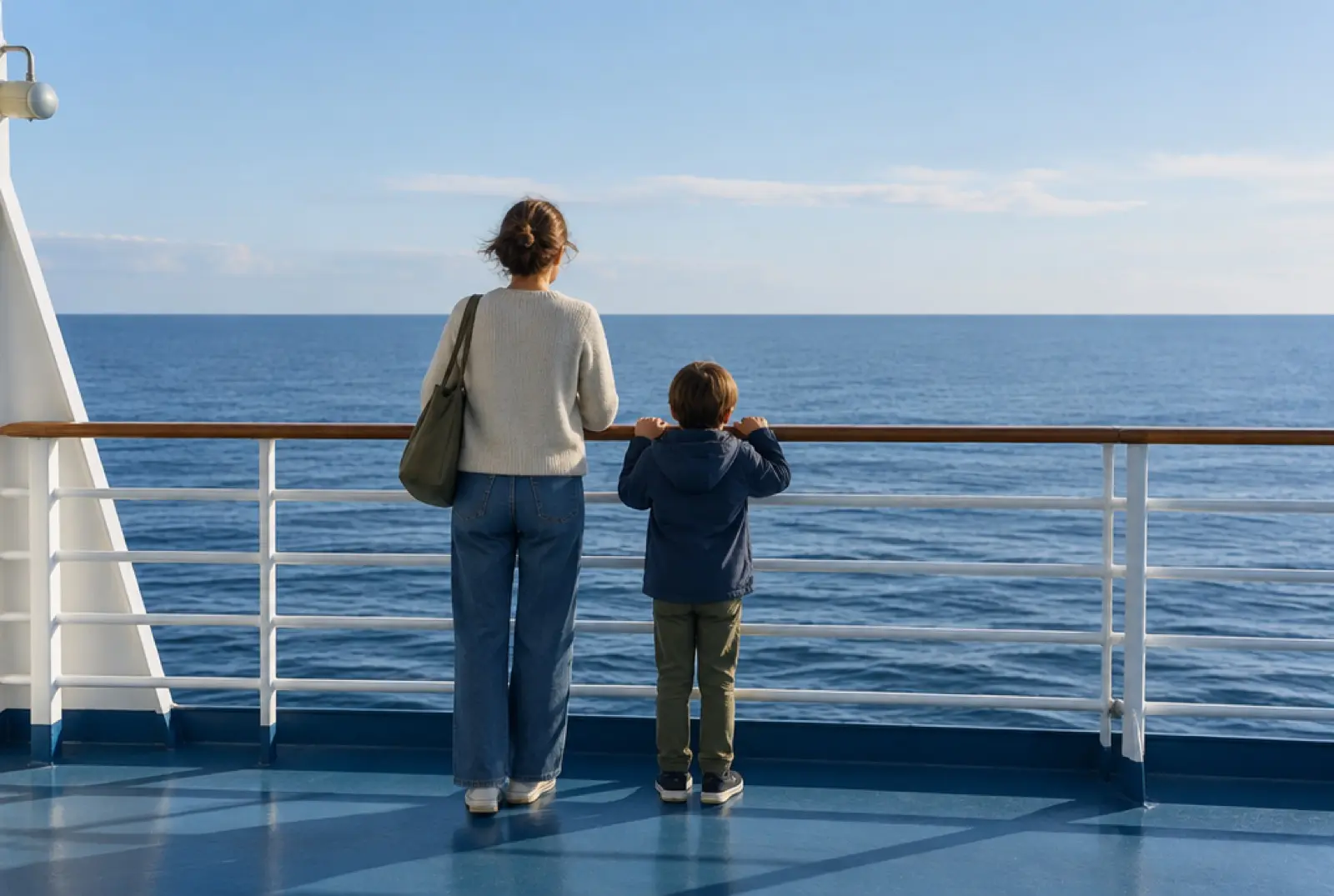
4. Boats and ferries: sit low and central
Motion is smallest in the middle of the boat, low down, near the waterline. Avoid the front, the top deck and the back. Go outside for fresh air and look at the horizon, and avoid sitting inside facing sideways. Check the sea forecast on the day. Fallback: if conditions are rough, move the crossing to another day or take a shorter route, because a cancelled morning costs less than a miserable one.
5. Planes: seat over the wing, air on
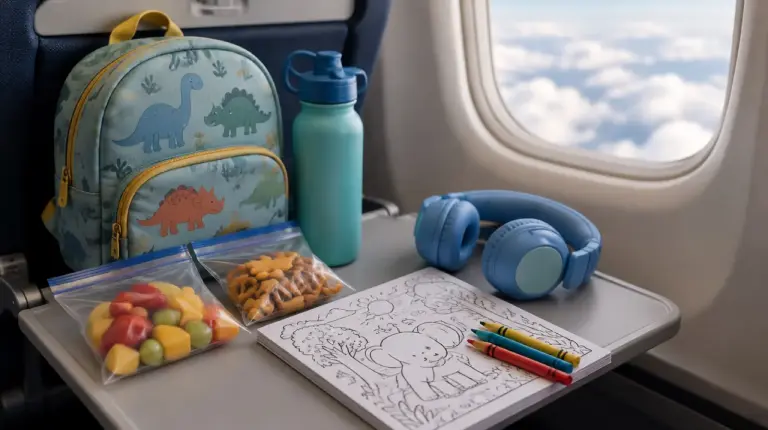
The area over the wing moves least. Open the overhead air vent, which gives a cool stream of air on the face. Keep a sick bag in your seat pocket and a spare set of clothes in your cabin bag, and a plastic bag for wet clothes. Turbulence can cause problems even for children who are fine in a car. Hold a hand and breathe slowly, and keep the snack light until landing is complete.
6. Build in rest and a tired-day fallback
Journeys that are long, winding or on a boat should end with rest, not a sightseeing stop. Rest anchor: allow at least an hour of quiet after arrival, with water and a plain snack. Do not stack a hilly drive and a boat in the same day. A pacing grid helps: one hard journey, one easy day. Keep a flat, local activity in reserve for the day after a bad crossing.
A short pacing grid keeps the day honest. Morning: the longest or windiest journey, after a light breakfast. Midday: a flat, calm stop with a proper lunch and a walk in fresh air. Afternoon: a short, easy leg, or nothing at all. If the morning went badly, drop the afternoon and keep the evening plain.
Quick reference: by type of journey
| Journey | Best seat | Plan |
|---|---|---|
| Car or coach | Front or middle row with a forward view | Stop every 45 to 60 minutes on winding roads, windows or vents open |
| Ferry or boat | Middle, low down, or outside on deck | Look at the horizon, light snack, check conditions |
| Plane | Over the wing, vent open | Sick bag at hand, spare clothes in the cabin bag |
| Train | Facing forward, by a window | Walk the aisle, avoid reading on rough track |
Common mistakes with motion sickness
- Waiting until the child looks pale before stopping. By then it is late.
- Giving a large or fatty meal just before a winding road.
- Handing over a tablet or book during the worst stretch.
- Packing the sick bag in the hold. Keep it in reach.
- Trying medication for the first time on the day of travel.
- Planning a sightseeing stop straight after a rough crossing.
If you are planning routes that include long drives and boats, see how we pace them in our Greece itinerary with kids and Iceland itinerary with kids.
Signs to act on early
Most children give a warning before they are sick: going quiet, looking pale, yawning, rubbing the stomach or asking for water. Treat any of these as the cue to open a window, stop the screen, switch the child to a better seat and, if you can, pull over. A five-minute break on foot often resets the whole afternoon. If vomiting continues after the journey, or a child seems unwell in other ways, speak to a doctor.
What to verify before you go
Do not guess about medicines. Ask a doctor, pharmacist or travel clinic what is suitable for your child’s age and health, and how and when to use it. Rules on carrying medicines differ by country, so check with the airline and official sources. The CDC travel health pages give general health advice for travellers. Also check ferry cancellation terms and the sea forecast.
FAQ about motion sickness in children
At what age does motion sickness start?
It is rare in babies and toddlers, and most common between about two and twelve years old. Many children grow out of it as they get older. If symptoms are severe or unusual, speak to your doctor.
Which seat is best for a child who gets car sick?
A seat with a clear forward view, in the front where it is legal and safe for the child’s age, or the middle of the back row, usually works best. Check local rules on child seats and front seats before you drive.
Do snacks help with motion sickness?
A light snack can help, and an empty stomach can make things worse. Plain, dry foods such as crackers, bread or a banana are common choices. Avoid greasy or very sweet food before the journey, and sip water regularly.
Should I give my child medicine before a trip?
Ask a doctor or pharmacist first. Suitable options depend on age and health, and some cause drowsiness, which affects the plan for the day. Test any advice at home before the trip, not on the travel day itself.