A Greece itinerary with kids should use two bases, not five. Nine days split between Athens and Paros gives you two ferry days in total, never more than one ferry in any four days, and a long midday rest every day. It suits children aged five to eleven and parents who would rather swim and rest than island-hop. Every day below has a shade block and a plan for rough seas.
Greece itinerary with kids at a glance
| Days | Base | Longest transfer | Pace |
|---|---|---|---|
| 1 to 2 | Athens | Airport to centre, about 40 to 60 minutes | Easy: one site, one park |
| 3 | Athens to Paros | Ferry from Piraeus, roughly 3 to 5 hours depending on the boat | Transfer day: nothing else planned |
| 4 to 8 | Paros | Under 30 minutes by road | Slow: a beach morning, a rest, one short outing |
| 9 | Paros to Athens | Ferry or short flight, then the airport | Transfer day: leave a buffer |
Ferry times vary by operator, boat type and season, and schedules change every year, so confirm current timetables before you book.
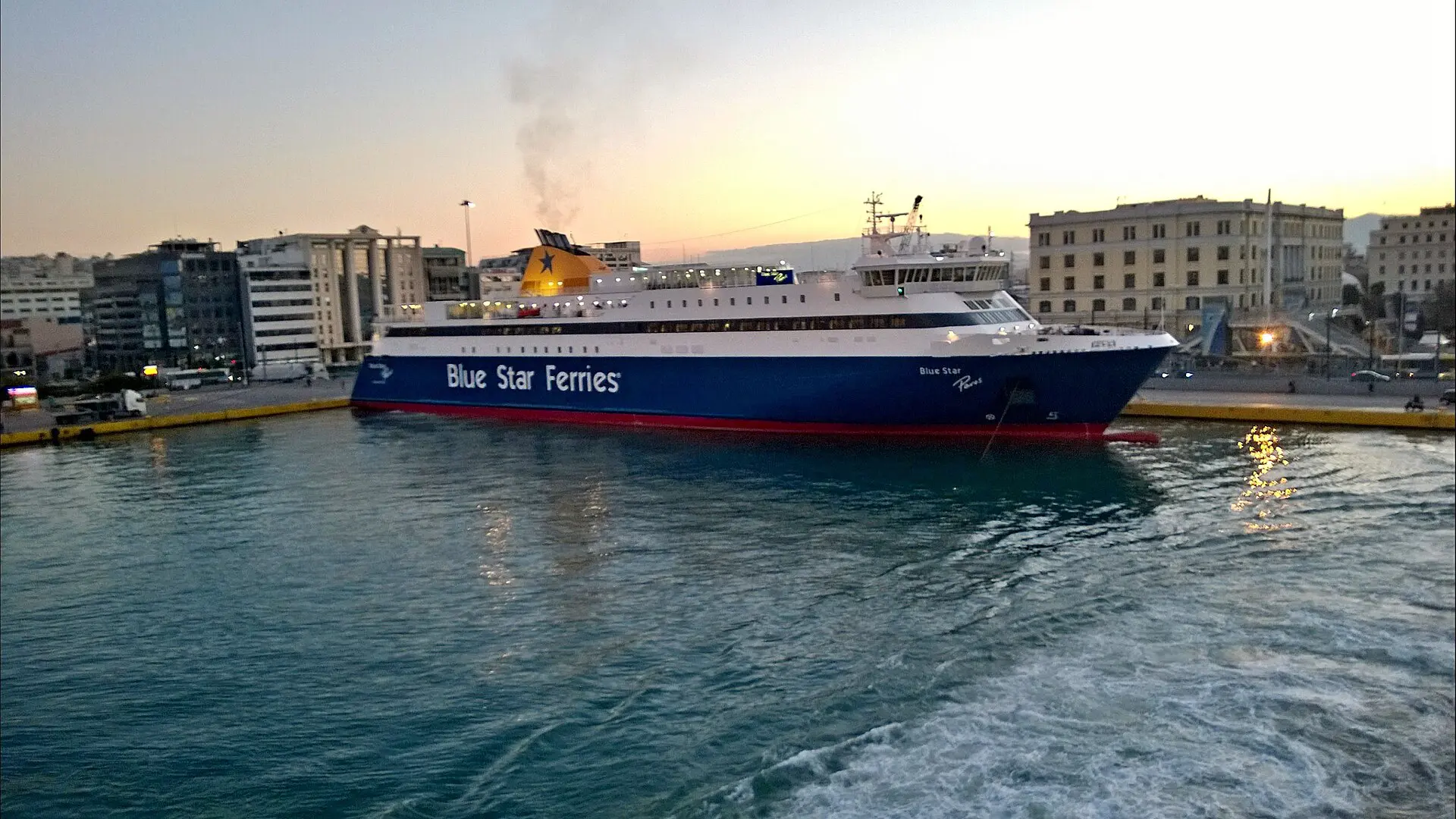
Day-by-day Greece itinerary with kids
Day 1: Arrive in Athens and rest
Morning: nothing planned, as flights land at awkward times. Afternoon: a short walk to a square near your hotel and an early dinner. Greek families eat late, but many places will serve children earlier. Rest anchor: an hour indoors with the shutters closed, since the afternoon sun is the main hazard in summer. Tired-day swap: stay in, and move everything one day later.
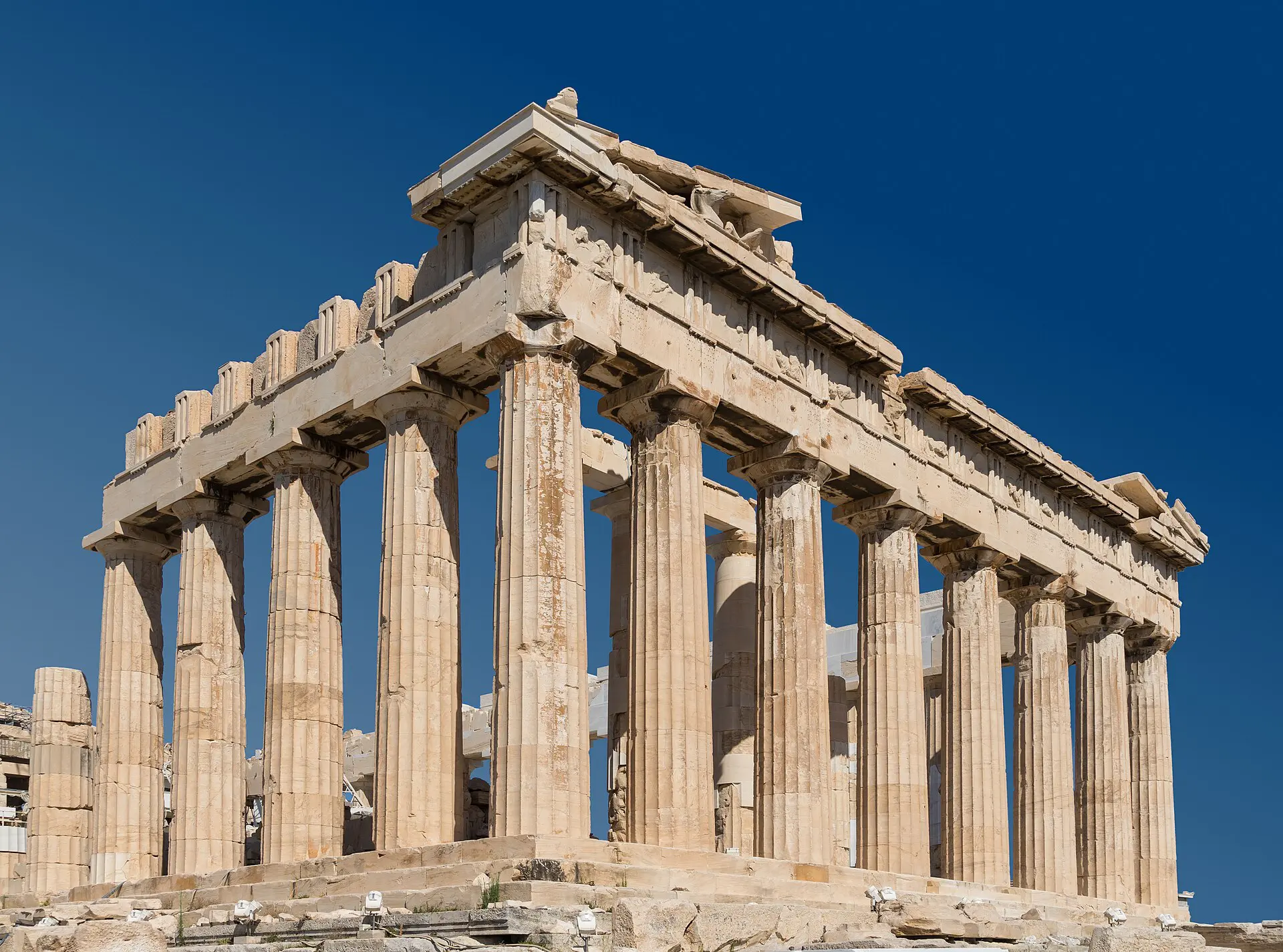
Day 2: The Acropolis early, then shade
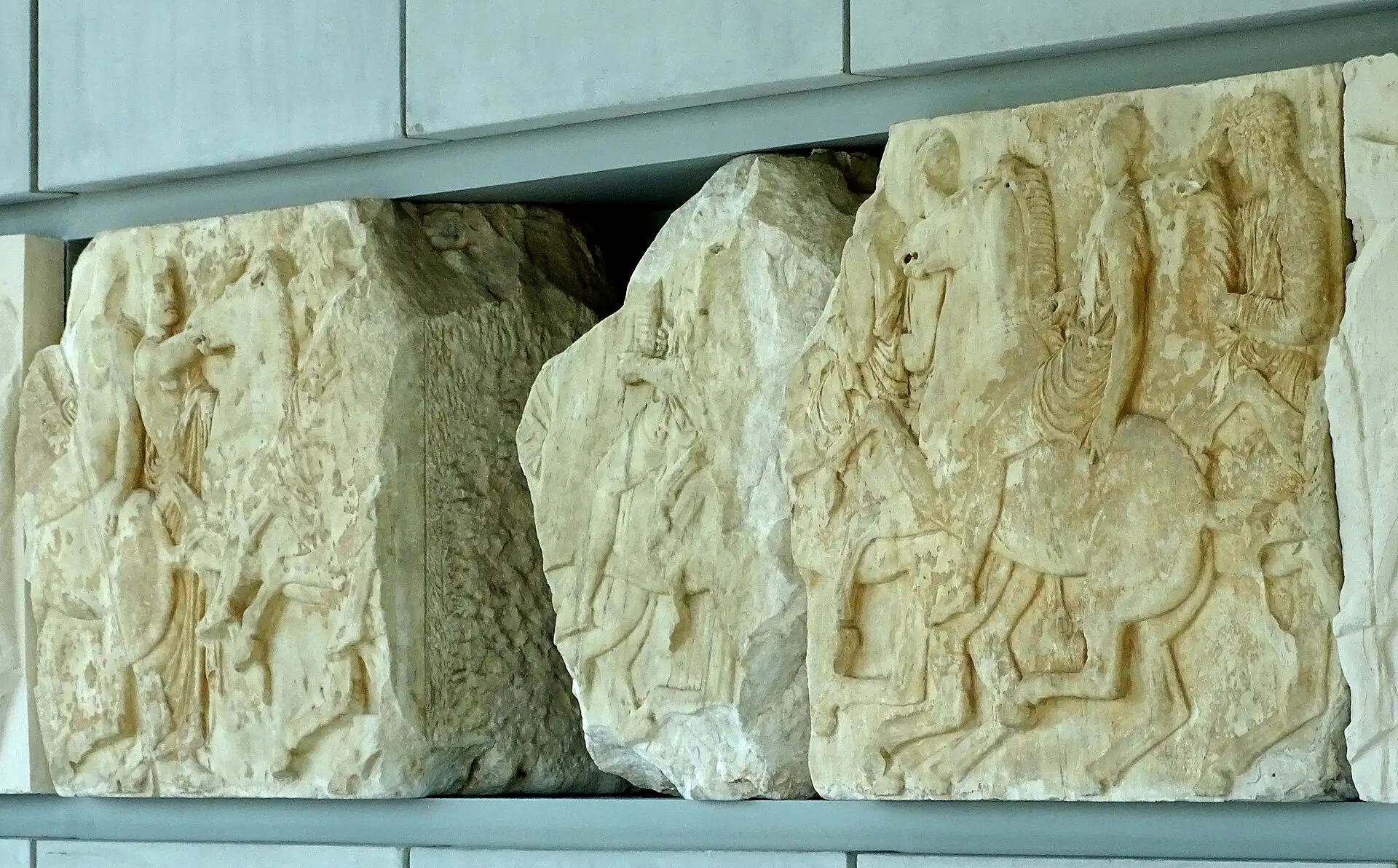
Morning: be at the Acropolis when it opens, because the marble reflects heat and there is almost no shade on the rock. Book timed tickets online if the site offers them, and bring water and hats. Allow about 90 minutes, as the climb is steep and uneven. Afternoon: lunch, a rest, then the National Garden for shade and ducks. Rain or heat swap: the Acropolis Museum, which is air-conditioned and shows the same sculptures at a child’s eye level. Ages five to seven manage an hour there.
Day 3: Athens to Paros by ferry
This is the first of two ferry days, so plan nothing else. Morning: reach the port of Piraeus with at least an hour in hand, as boarding can be crowded and slow. High-speed boats take around three hours and conventional ferries longer, but the faster boats rock more in wind. Sit near the middle of the boat, and eat a light breakfast. Afternoon: check in at Parikia or Naoussa and swim only if everyone still wants to.
Sea-conditions fallback: in strong wind, ferries can be delayed or cancelled, so have a flexible ticket and a second night in Athens as the backup.
Day 4: Parikia old town and the harbour
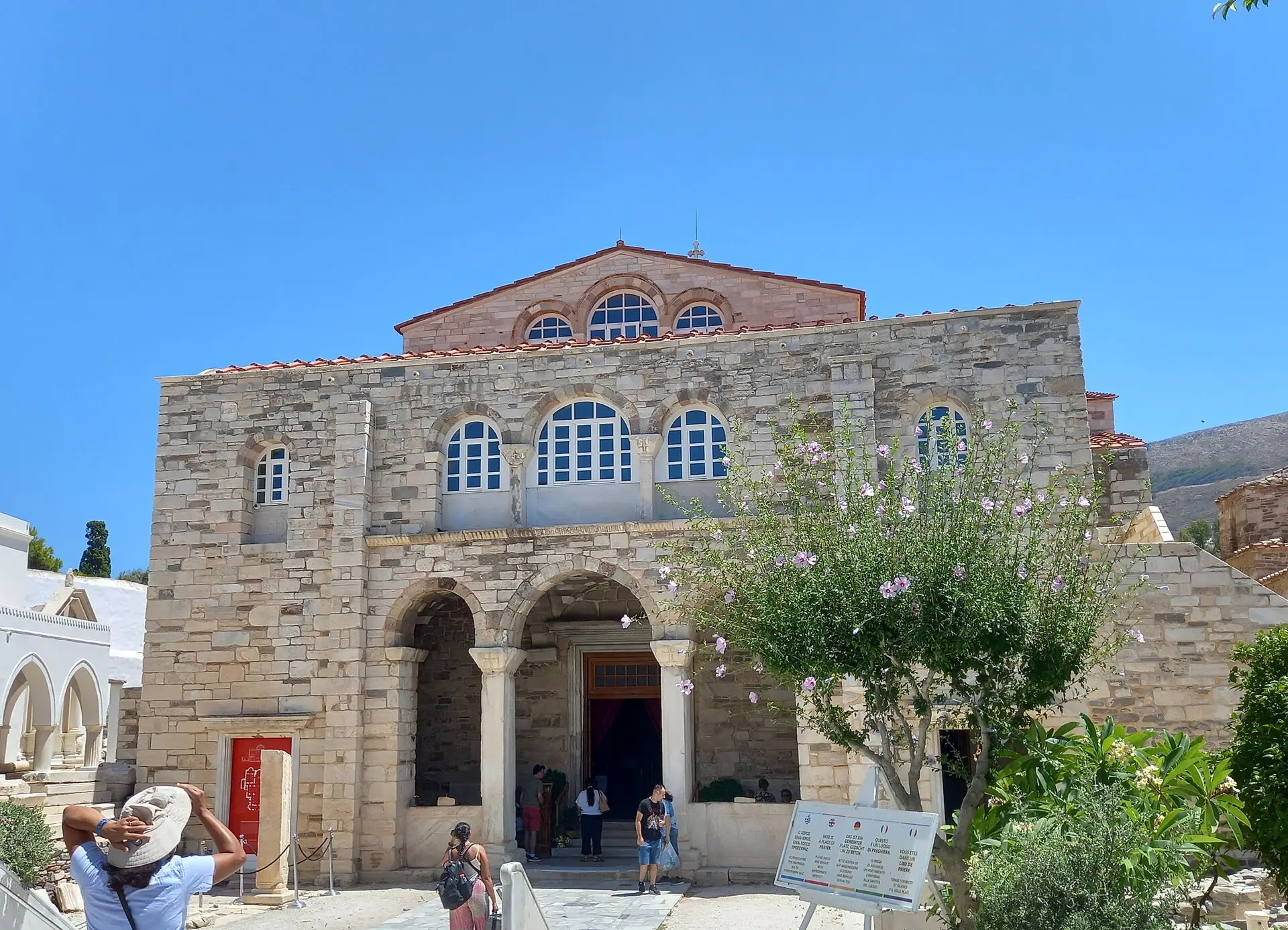
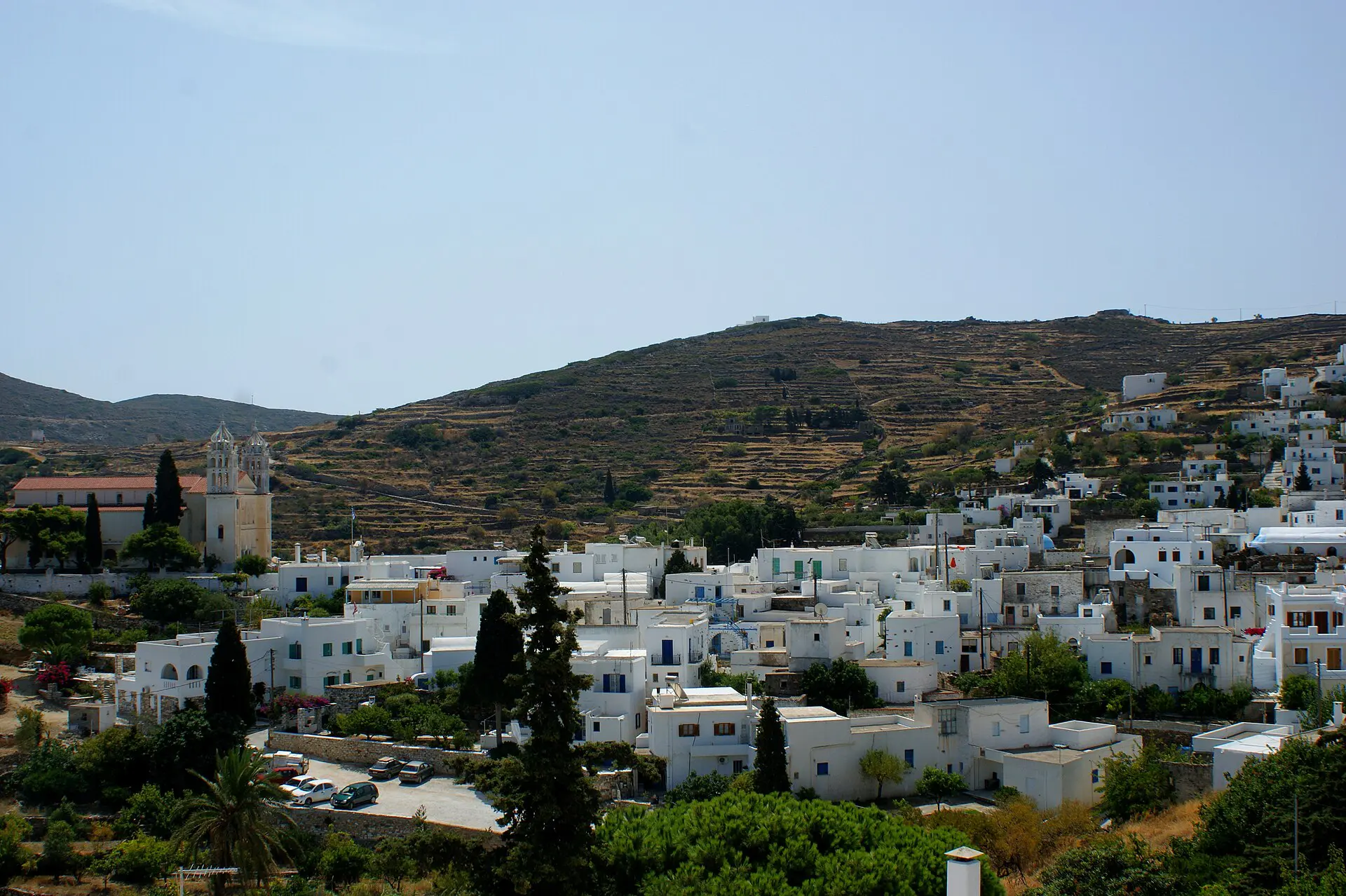
Morning: walk the white lanes of Parikia, the port town, and visit the Byzantine church known as Panagia Ekatontapiliani, which has a quiet courtyard. Plan about an hour of walking. Afternoon: a swim at the town beach, where the water is shallow, then a long shaded lunch. Rest anchor: back at the room from 14:00 to 16:30. Tired-day swap: skip the church and spend the morning on the beach.
Day 5: A sandy beach morning
Paros has many beaches, and a sandy one with shallow water is the best choice with children aged five to seven. Golden Beach and Santa Maria have wide sand but can get windy, while Kolymbithres is known for its rounded granite rocks and calm pools. Go by 9:30 and bring an umbrella or rent one, because natural shade is limited. Rest anchor: leave by 13:00 for lunch and a siesta. Wind swap: if the meltemi blows, choose the side of the island sheltered from it, and ask locally which beach is calm that day.
Day 6: A rest day
Build one empty day into a nine-day trip. Plan a late breakfast, a short swim and a nap, with nothing after that. Ferry days and early starts add up, and a rest day in the middle protects the rest of the week. If your children are older and want an activity, a short boat trip along the coast is the most they should take on.
Decision point: some families use this day for the short crossing to Antiparos, a small island next to Paros. It is a brief hop, but it is still a boat, so only take it if the sea is calm and nobody is tired. Otherwise the empty day is the better choice, and the island will still be there on the next trip.
Day 7: Naoussa harbour and Lefkes
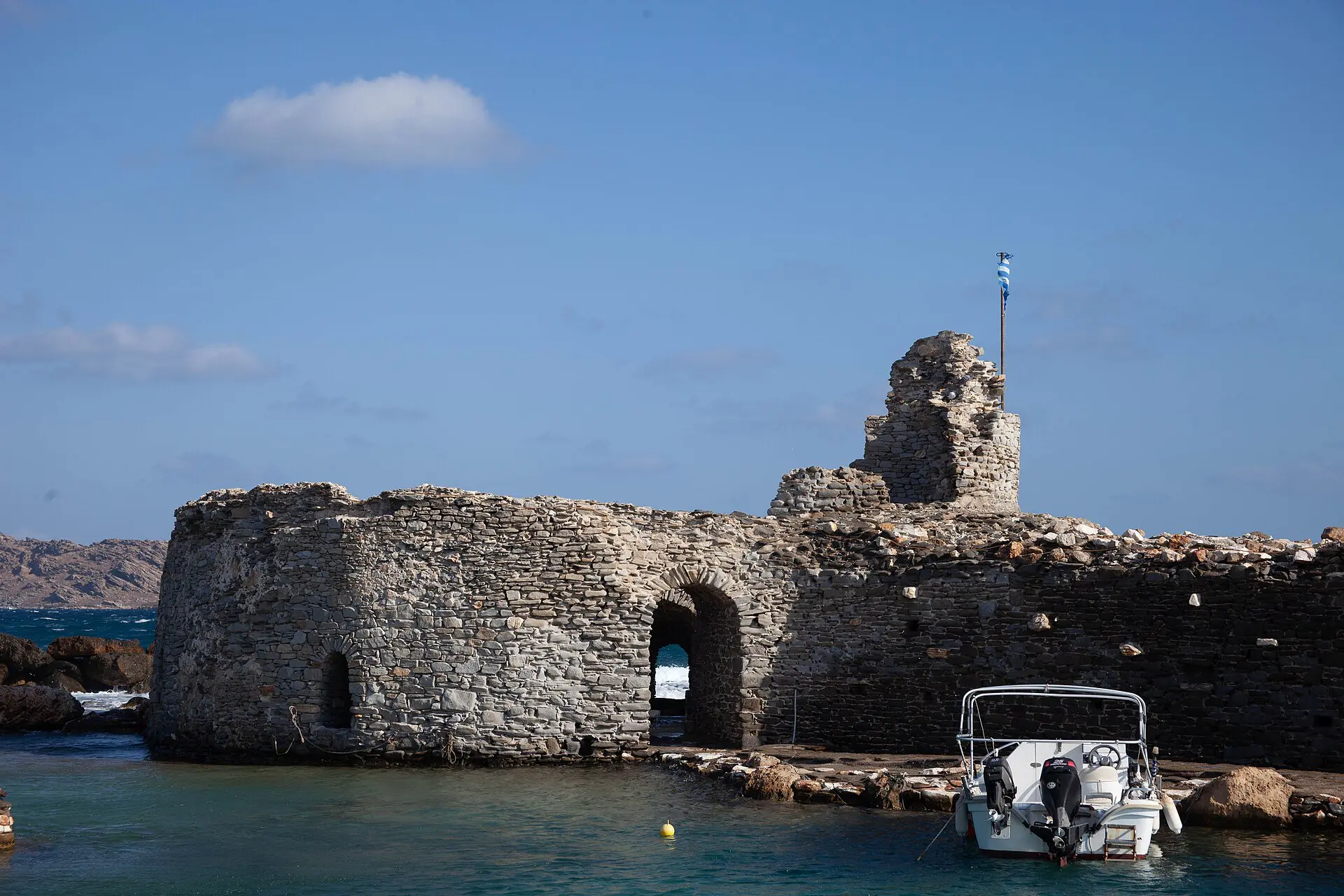
Morning: Naoussa is a fishing harbour with small boats, a ruined fort in the water and easy streets, about 20 to 30 minutes from Parikia. Afternoon: the hill village of Lefkes has shaded lanes and a Byzantine path for older children who like walking. It is cooler than the coast, but steps are common. Check bus times or take a taxi. Tired-day swap: stay in Naoussa for a long lunch and skip Lefkes.
Days 8 and 9: Last swim and the return to Athens
Day 8 is a beach morning, packing and an early bed. On day 9, take the ferry or a short flight back to Athens. Do not book an international flight that day with a ferry in the chain, because delays happen. Leave a night in Athens before a long-haul flight, or at least a gap of four to six hours. Fallback: if sea conditions are poor, check whether a short domestic flight is available.
Ages and stamina on a Greece trip with kids
Ages five to seven: keep walking to under an hour at a time, choose shallow sandy beaches, and cap morning activity at about three hours. Children this age feel heat quickly, so use hats, shade and a rest. Boats are fine for most, but the faster ones rock, so carry sick bags and a snack.
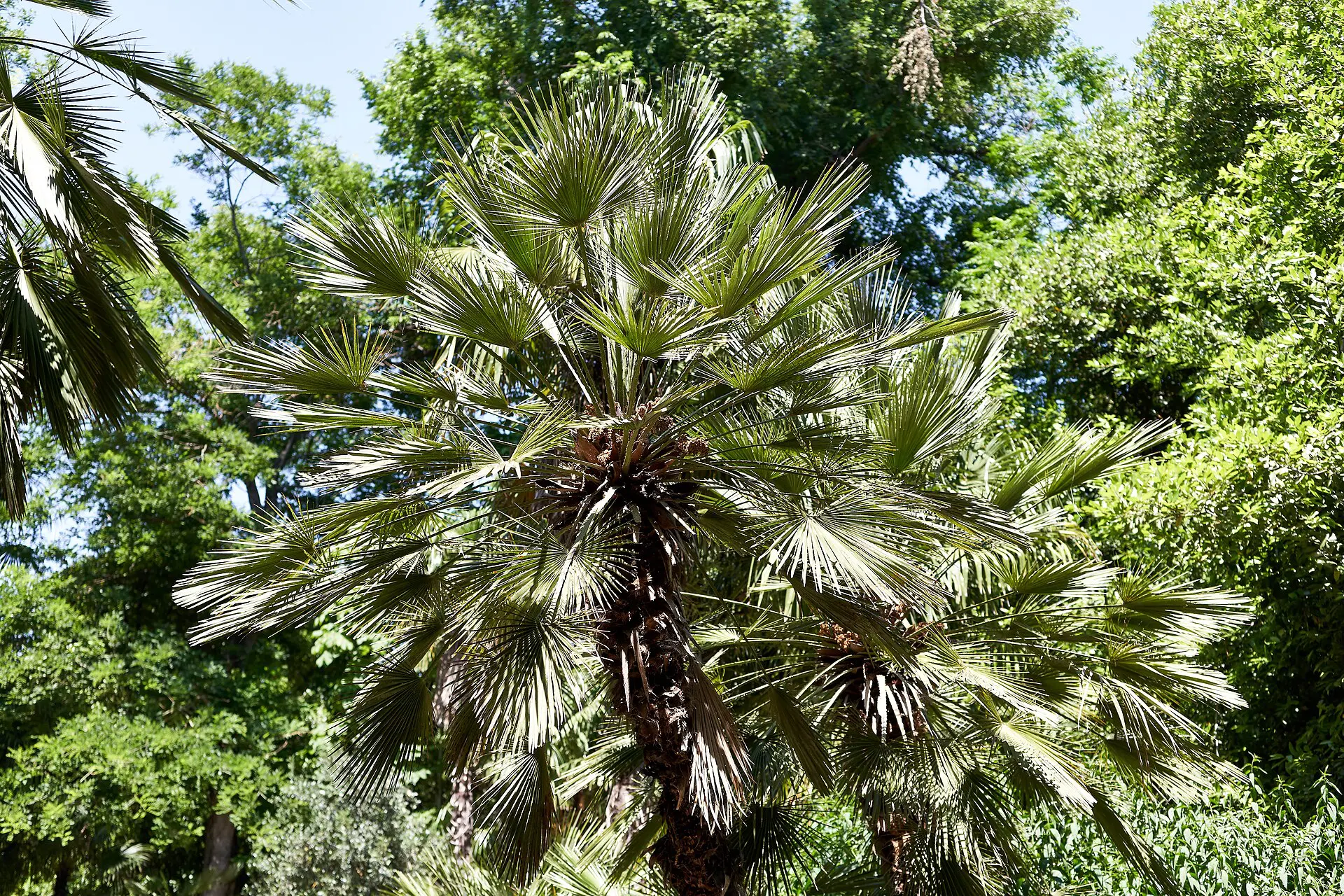
Ages eight to eleven: they can handle the Acropolis steps, a village walk and a longer swim. They still need the midday break. A good job for them is carrying the ferry tickets and checking the departure board, which makes the transfer days feel like a task rather than a wait.
Getting around Greece with children
On Paros, a rental car or a quad is common, but a small car is safer with children, and quads are not suitable. Roads are narrow, parking is tight in the towns and drivers are fast, so many families take taxis and local buses between the main towns instead. Child seats must be arranged in advance, and availability varies. In Athens, use the metro, which is quick and air-conditioned. Read the best time to visit Greece guide for the season, and the Greece travel guide for the wider country.
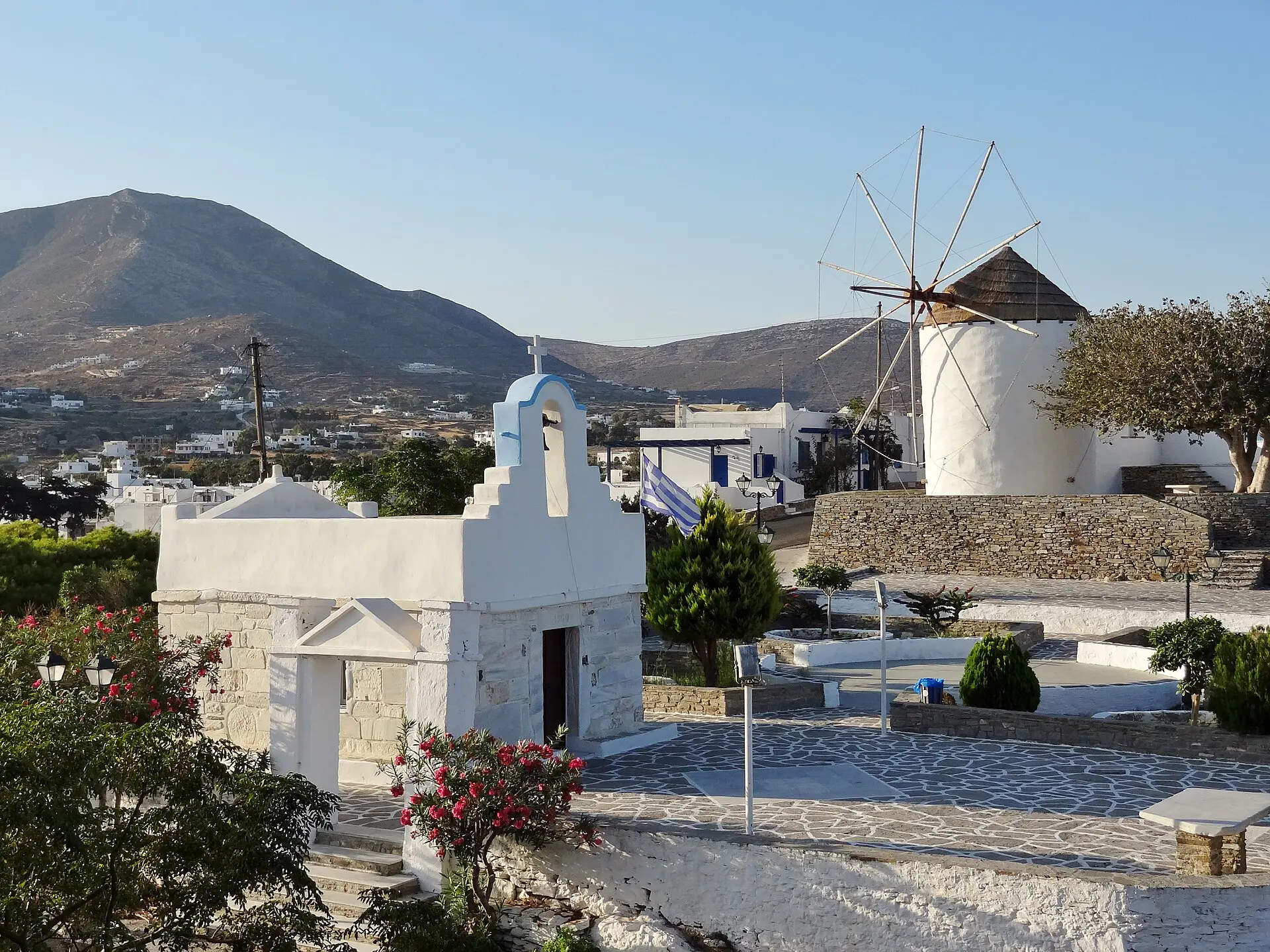
Where to stay in Greece with kids
- Athens: choose a hotel near the Acropolis side of the centre, with air conditioning and a short walk to the Acropolis and National Garden. A family room saves a second booking.
- Parikia, Paros: the port town, easy for ferry arrivals and departures, with shops, a beach and food close to each other. Best for the first-time ferry family.
- Naoussa, Paros: a prettier harbour town, quieter by day and busier by night, with short drives to beaches. Choose a place a short walk from the harbour, so bedtime is not disturbed.
Greece rainy-day and tired-day fallbacks
Summer rain is rare, but wind and heat are the real fallbacks. Plan a shade and midday rest block every day, usually from 13:00 to 16:30, and move sightseeing to the early morning or evening. For a windy day, find a sheltered beach or stay in town. In spring and autumn, rain is possible, so keep the Acropolis Museum and a cafe in reserve.
- Carry water, a hat and high-factor sunscreen for each child.
- Keep one sandwich and fruit in the bag for delayed ferries.
- Book ferry tickets with flexible dates when the option exists.
How much does a Greece itinerary with kids cost?
These are rough daily ranges for a family of four in euros as of 2026, excluding flights, with higher prices in July and August on the islands. Check before you go.
- Budget: about EUR 180 to EUR 280. Apartments, simple tavernas, buses and free beaches.
- Mid-range: about EUR 300 to EUR 500. Family rooms, taxis, sun beds and ferries.
- High: EUR 600 and up. Villas, a rental car and private transfers.
Ferry tickets for four can be a large single cost, so check fares early. Fares differ between high-speed and conventional boats, and a child discount often applies below a set age, so read the conditions. Apartments with a kitchen cut the cost of lunches, which matters when the midday rest means eating in rather than out.
Best time to visit Greece with kids
Late May to June and September to early October give warm swimming water without the worst heat. July and August are hot, busy and expensive, and the meltemi wind can disrupt boats. Spring is cooler, and some island businesses open late. Winter is quiet and many seasonal places close. More background is in the Wikipedia article on Greece.
FAQ about a Greece itinerary with kids
How many islands should you visit with kids?
One is enough for a nine-day trip, and two is the limit for two weeks. Each extra island adds a ferry and a packing day. A single island base with day trips by road gives children a routine, which makes for calmer days.
Is Paros good for families?
Yes. It has sandy and shallow beaches, small towns that are easy to walk and regular ferry links to Athens. It can be windy in summer, so choose beaches by wind direction. It is a smaller and quieter choice than the busiest islands.
Is Athens worth a night with children?
Yes, two nights give the Acropolis in the morning and a rest in the afternoon. Athens is hot in summer, so use a morning start and an air-conditioned afternoon. Thessaloniki is a good alternative to Athens if you are flying into northern Greece, with a waterfront and fewer crowds.
What happens if the ferry is cancelled?
Strong wind can cancel sailings, mainly in summer. Keep a flexible ticket, avoid booking a flight the same day and check with the operator on the morning of travel. If cancelled, you can usually move to the next sailing, but this may take a day. Travel insurance may cover the cost, so read the terms.
When should we book ferries?
Book several weeks ahead for July and August and with a car, and closer to the date in spring or autumn. Official operator sites show the real timetable. Ask whether you can change the date for free, and take screenshots of the tickets. Further information is in the Wikivoyage Greece guide.