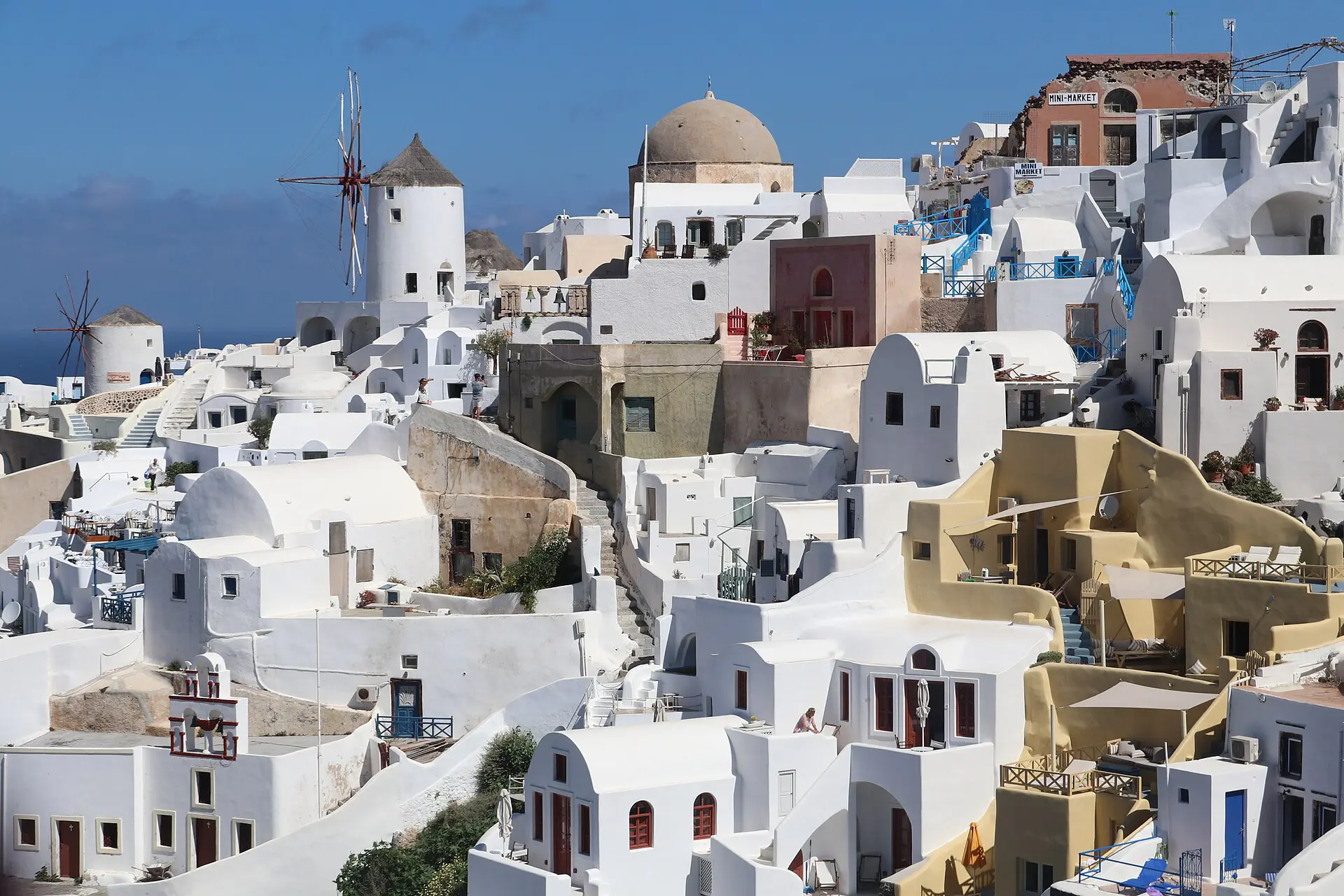
The best time to visit Greece for value is May to mid-June and mid-September to mid-October, when the weather is warm, the sea is swimmable and island rooms cost roughly 20% to 40% less than in July and August. Peak summer is the most expensive and crowded stretch, and winter is cheapest but many islands run reduced ferries and closed hotels. Below is a month-by-month price table, with the places where timing changes the total most.
Best time to visit Greece: month-by-month table
The price levels below are a rough index, not a quote: low means the cheapest rates of the year, high means peak. They apply to islands and coastal resorts. Athens moves less with the season. Check current rates for your dates.
| Month | Weather | Price level | Crowds | Verdict |
|---|---|---|---|---|
| January to February | Cool, wet, some snow inland | Low | Very low | Athens and mainland only; islands quiet |
| March | Cool, changeable | Low | Low | Good for sites and cities |
| April | Mild, spring flowers | Low to medium | Low, except Easter | Good value, sea still cold |
| May | Warm, mostly dry | Medium | Moderate | Best all-round value |
| June | Hot, dry, long days | Medium to high | Rising | Best in the first half |
| July | Very hot, windy in the Aegean | High | High | Pay for it or skip it |
| August | Very hot, windy | Highest | Highest | Peak prices; mid-month is the busiest |
| September | Warm, sea at its warmest | Medium to high | Easing | Best in the second half |
| October | Mild, some showers | Low to medium | Low | Good value, some islands wind down |
| November to December | Cool, rainy | Low | Very low | Cities only; Athens at Christmas is livelier |
Greek island prices follow demand with a lag. The turn happens around the start of June and the end of September, so a few days either side of those dates can change the nightly rate by a third.
Pay more for or save on, by season in Greece
Timing, not star rating, decides most of the budget. Here is how the trade-off splits.
- Pay more for: a sea view or a beach location in the shoulder months, when the premium is smaller; a flexible rate in July and August; and a direct ferry or flight rather than a cheaper route with a risky connection.
- Save on: the room category in May, June and September, when most rooms are available. Also car hire, which falls sharply outside July and August.
- Save most on: travelling a week earlier or later than a holiday weekend. The same room can be 25% to 50% cheaper.
See the Greece travel guide for the islands and regions behind these patterns.
The best value window for Greece
The two best windows are the second half of May to mid-June and the second half of September to early October. In both, daytime highs are usually warm enough for beach days, ferries run full timetables, and rooms are widely available. May suits walking, ruins and cooler hiking, but the sea is still cold for many. Late September has the warmest water of the year, since the sea holds summer heat.
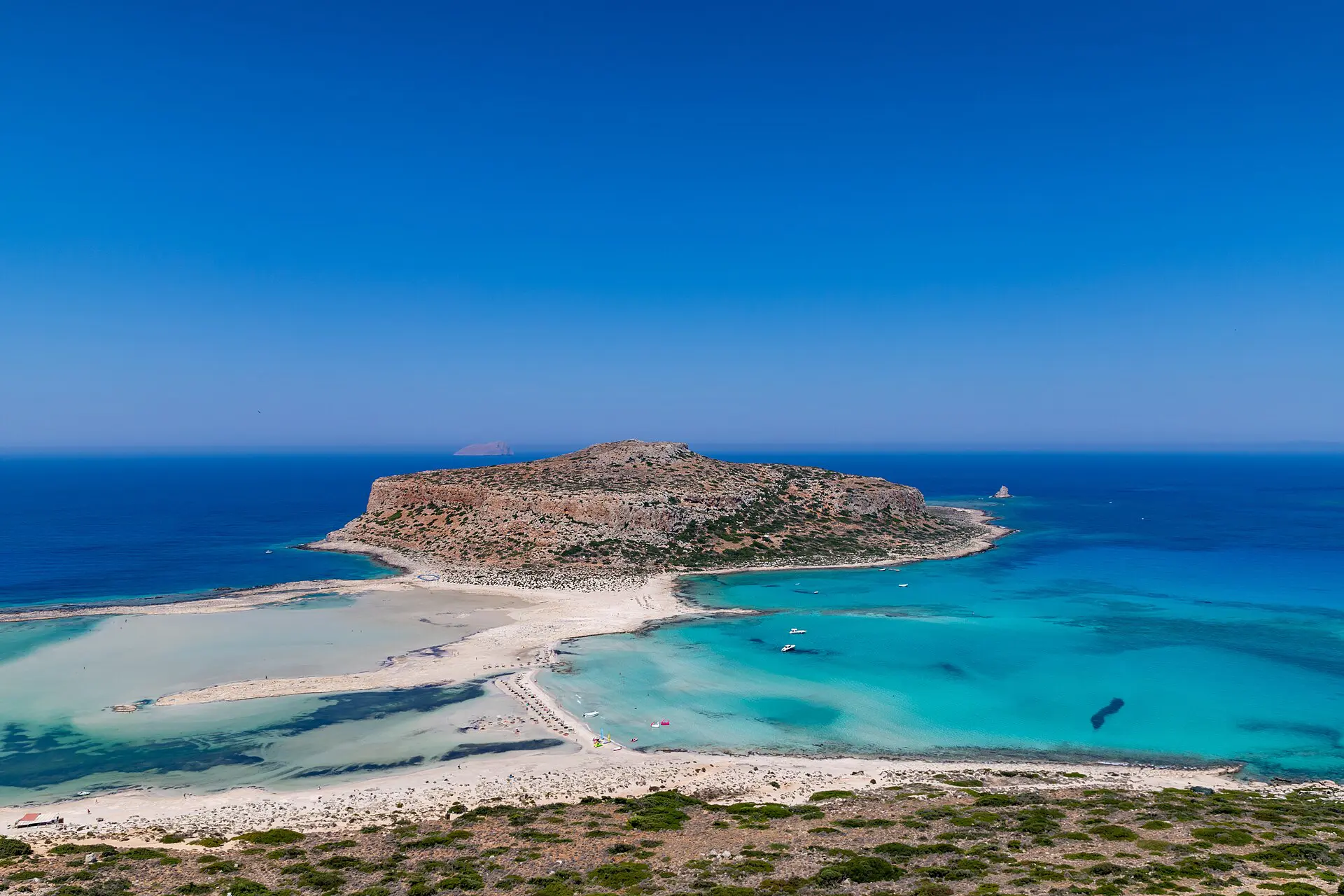
If you want one pick, choose the second half of September: the heat has eased, the crowds are thinner and rates drop from August by often a quarter to a third. I would book that window first and fill the rest of the plan around it.
Months to skip in Greece
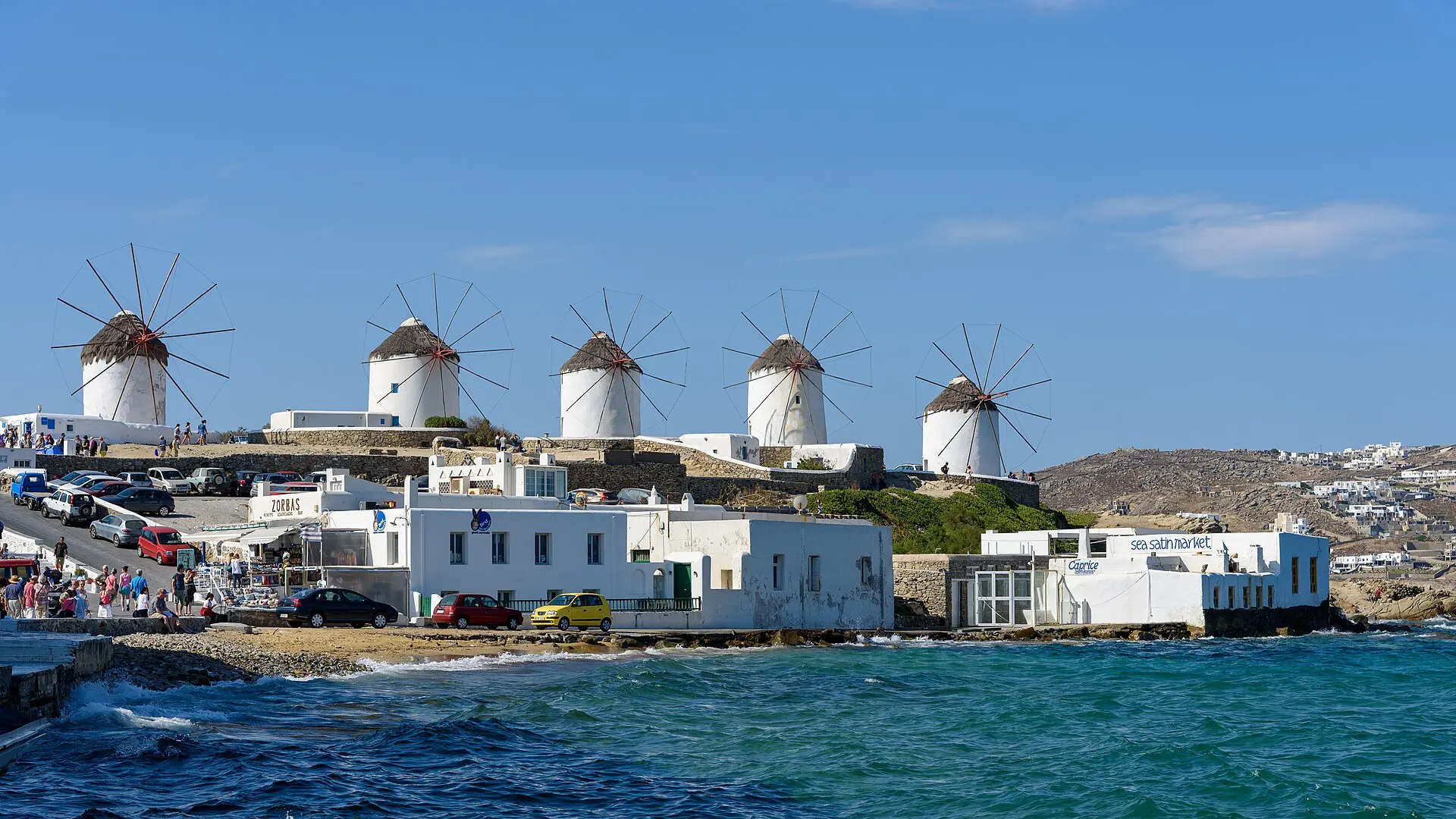
Skip the middle of July to the end of August if value matters. Heat reaches the high 30s Celsius in many places, the meltemi wind blows in the Aegean, and rooms cost the most. The peak is around 15 August, a national holiday when Greeks themselves travel. Few visitors find that the extra cost buys a better trip.
Skip November to March for island holidays. The sea is cold, many hotels close and ferries run a reduced winter timetable, so a missed boat can cost days. For cities, winter is cheaper, and the Athens and Thessaloniki museum schedule runs all year.
Booking timing for Greece
- Flights: two to five months ahead for summer, two to three for the shoulder months. Fares change often, so compare nearby dates.
- Island rooms: book July and August stays four to six months out, and May, June and September rooms two to three months out. Small family-run places sell out first.
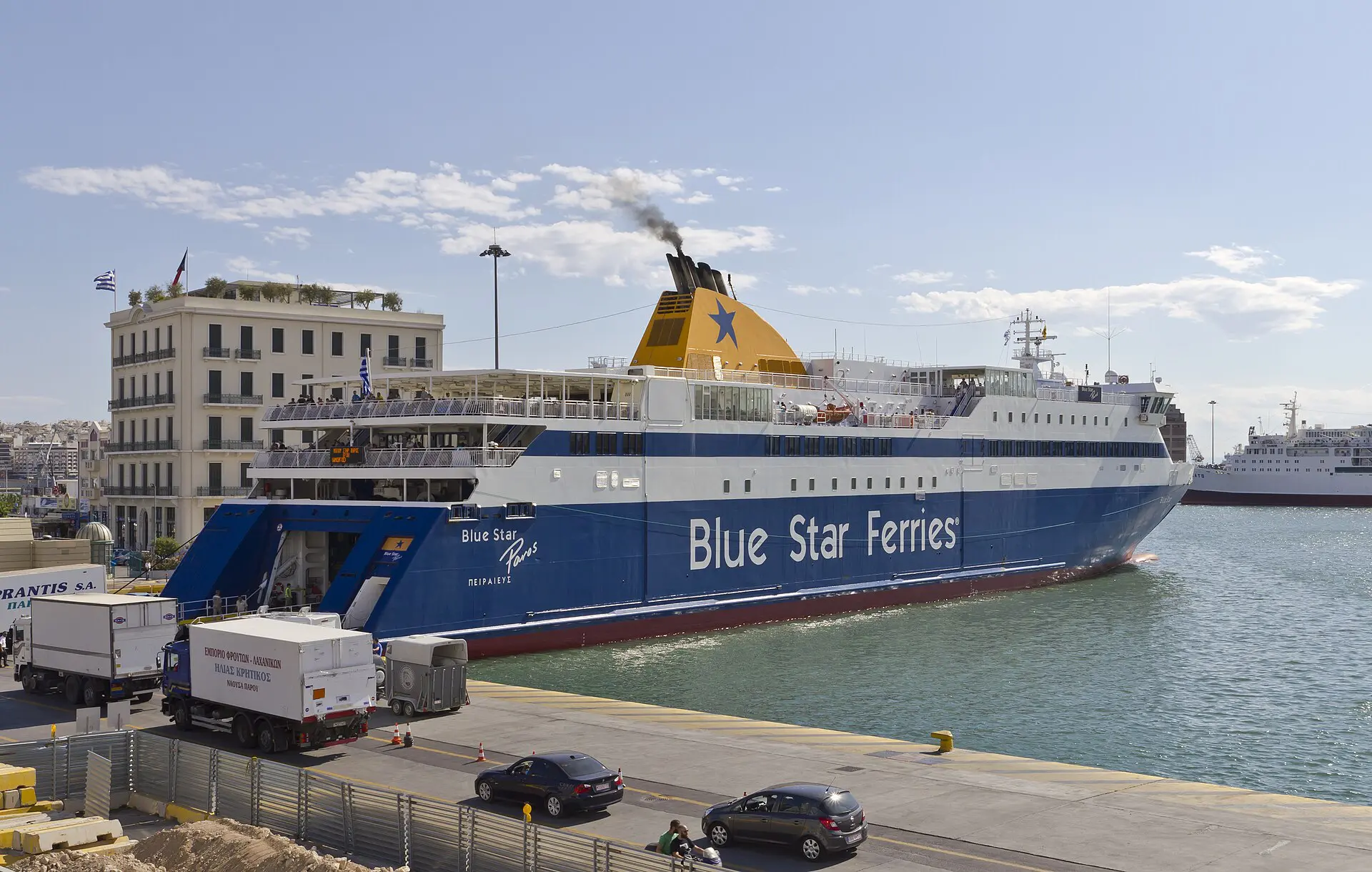
- Ferries: book at least one to two weeks ahead for August and holiday weekends, and sooner if you travel with a car. Check the timetable for your month, as services are cut from October.
- Cars and transfers: reserve early for summer. In shoulder months, same-week booking is often fine.
A useful rule: pick refundable rates for ferries and rooms in July, August and Easter week, when plans shift because of wind or strikes. For family travel, the Greece itinerary with kids covers pace.
Event spikes that change prices in Greece
Six dates move rooms and ferries more than the month alone suggests.
1. Orthodox Easter
The date differs from Western Easter in most years. Greeks travel to villages and islands for the long weekend, so ferries and rooms fill and prices rise, while city restaurants close. Check the date for your year and book a month or more ahead.
2. 15 August, the Assumption holiday
This is the single busiest day of the Greek summer. Islands such as Tinos, which hold a major pilgrimage, are especially full. Expect high prices and sold-out boats in the days before and after.
3. Clean Monday and Carnival season
Seven weeks before Orthodox Easter, a public holiday weekend brings a short domestic travel peak, with kite flying and picnics. Patras and some islands also hold Carnival events. It is a low-season period, so a modest bump on a low base.
4. Athens and Epidaurus Festival, June to August
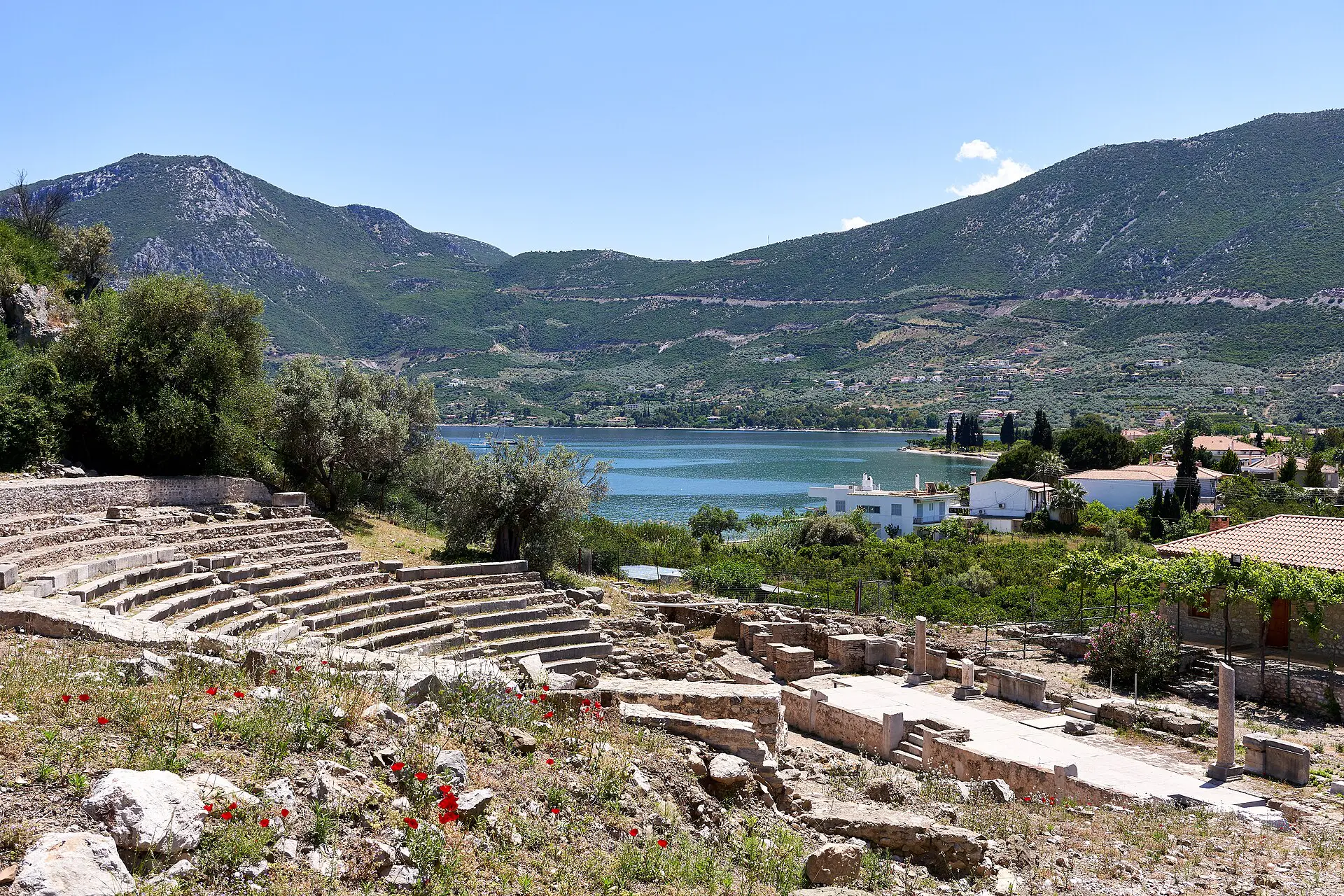
Evening performances at ancient theatres are a draw for visitors, and they can lift Athens and Argolid hotel rates on show nights. Check the programme, and book performances early.
5. Ohi Day, 28 October
A national holiday with parades. It creates a long weekend, so ferries and rooms book up for domestic travellers. It is a short bump in an otherwise cheap month, so avoid it if possible.
6. Christmas and New Year
Athens and some mountain towns have a seasonal peak, with higher rates and busy flights. Islands are mostly quiet. Fares and rooms are often highest from about 20 December to 5 January.
FAQ about the best time to visit Greece
What is the cheapest month to visit Greece?
January and February are usually the cheapest, but the islands are quiet and many places close. For a mix of low prices and workable weather, choose April, October or early November, with the caveat that the sea is cooler.
Is September a good month to visit Greece?
Yes. The sea is warm, the heat has eased and crowds are lighter than in August. Prices are often a quarter to a third lower by mid-month, and ferry schedules are still close to the summer timetable.
Is Greece too hot in July and August?
Often, yes, for sightseeing. Highs reach the high 30s Celsius in many places, and Athens can be hotter. Visit ancient sites early in the morning, and choose islands with a breeze, but expect the highest prices of the year.
When do Greek ferries run the full schedule?
Generally from about May to late September, with the most frequent service in July and August. From October the timetable thins and in winter some small islands have only a few boats a week, so check your dates.
When should you book Greek island trips?
For July and August, four to six months ahead. For May, June and September, two to three months ahead is often enough. See the Wikivoyage guide to Greece for island-by-island notes.