Is street food safe? Often it is as safe as a sit-down meal, and sometimes safer, because you can watch every step. The risk is not “street” but heat, turnover and handling. A busy stall that cooks to order over high heat, with separate hands for money and food, is a good bet. A quiet stall with warm, pre-cooked trays is not. No stall is risk-free, so learn the cues below.
The short version
- Pick the stall with a queue of locals, not the empty one with the best sign.
- Order food cooked in front of you and served steaming hot.
- Watch the hands, the water and the chopping board for thirty seconds before you commit.
- Skip raw, lukewarm or long-held items if your stomach is not used to the region.
- Check official health advice for the country before you go.
How to judge street food step by step
1. Read the queue and the timing
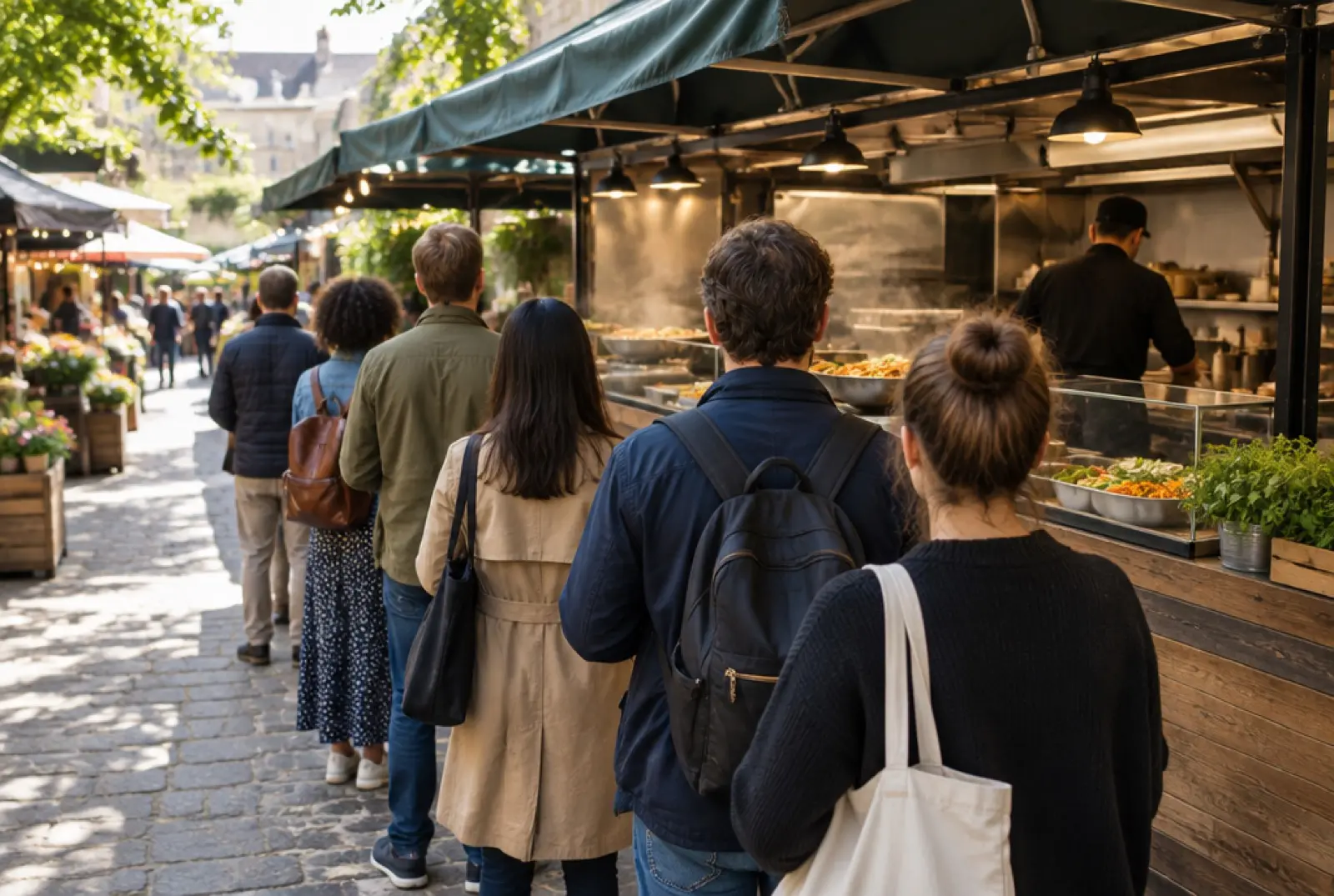
Turnover is the best single cue. A stall that sells out its pot every hour never lets food sit in the danger zone between cool and hot. Markets run on a rhythm: breakfast stalls are busiest early, noodle and rice stalls peak around the midday meal, and grill stalls come alive after dark. Eat during a stall’s peak, not at the edge of its day, and be wary of anything left over at closing time.
2. Choose food cooked to order
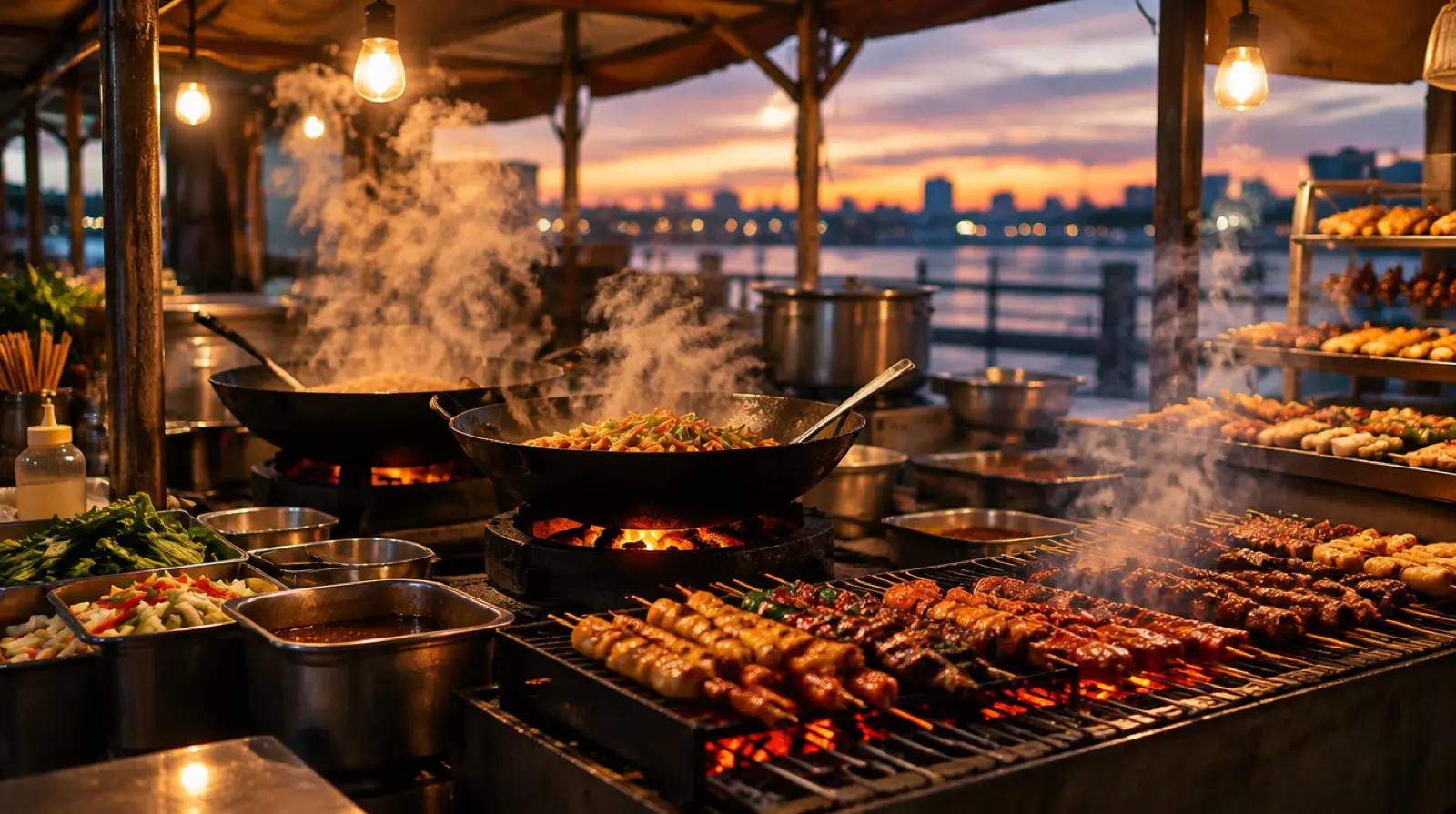
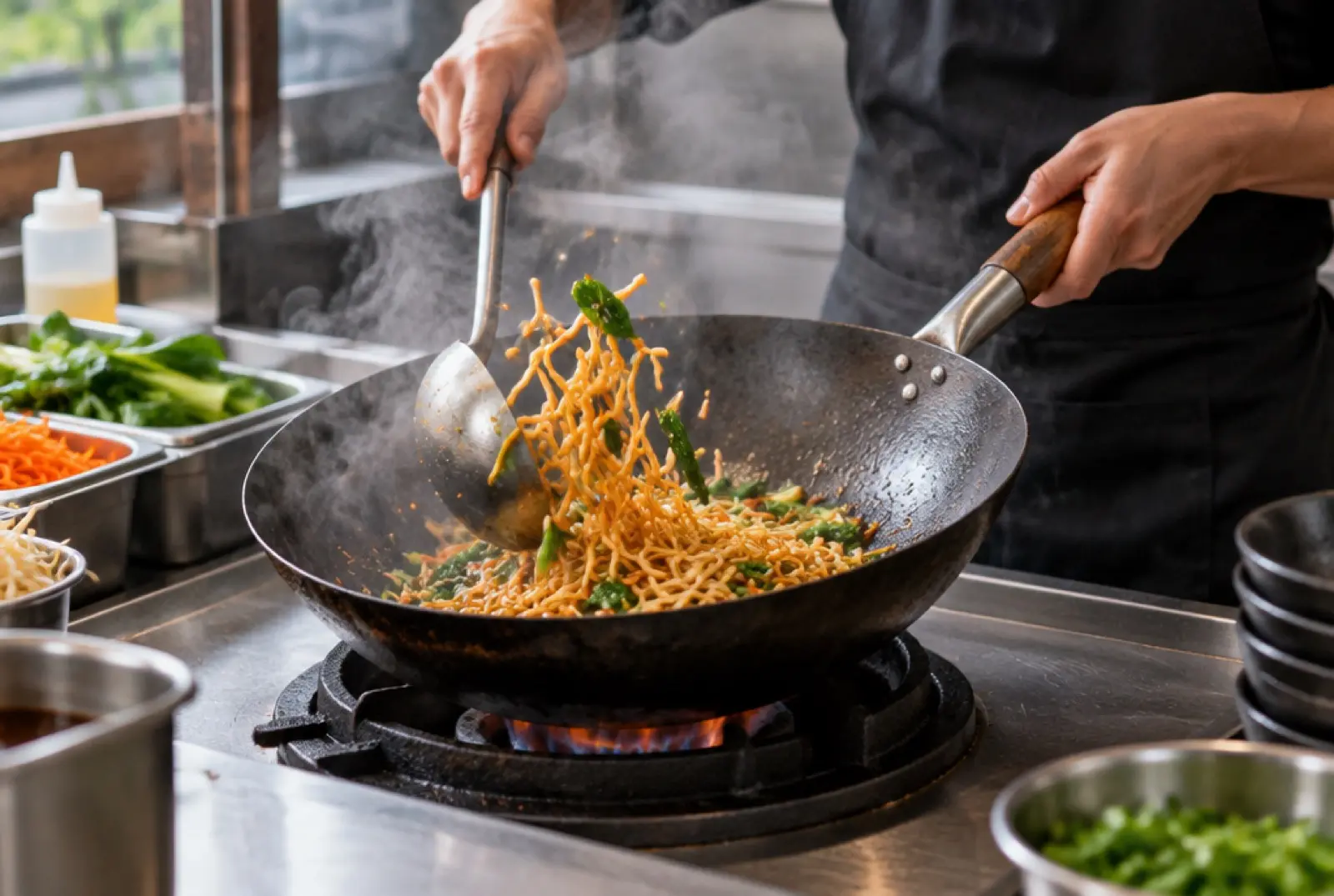
Heat does most of the safety work. Soups kept at a rolling simmer, skewers turned over coals, noodles tossed in a hot wok and flatbreads slapped onto a griddle are all in the safe zone. What to order first: whatever the stall was built for, usually one dish made again and again. Fried and grilled items that arrive too hot to hold are better choices than anything that has sat out warm.
3. Watch the handling
Spend half a minute observing. Does the cook handle cash and then food with the same hands? Is raw meat kept apart from cooked food and from garnishes? Are cooked items covered or on a hot surface? Stalls with a tap, a bucket for washing or a second person taking the money tend to be more careful. None of this is a guarantee, but it tells you a lot about habits.
4. Check water, ice and raw garnish
Water is the usual weak point. Ice, fruit juices, rinsed salad and washed herbs can carry the water’s quality into your meal, depending on where you are. If you are unsure, take the dish without raw garnish, drink sealed bottled water and skip ice. In many places, ice from commercial suppliers is made differently from home ice, but you cannot always tell which you are getting.
5. Know your own limits
Your gut matters as much as the stall. Rich, oily, very spicy or unfamiliar food can upset an unprepared stomach even when it is perfectly clean. Start with small portions in the first days, eat bigger meals earlier in the day and pace yourself. If you are pregnant, immunocompromised, elderly or travelling with small children, speak to a doctor or travel clinic before you rely on street stalls.
6. Price band and etiquette as signals
A street meal is typically a small fraction of a restaurant bill; for a rough sense of ranges, see street food prices by country. A price that is far below the going rate for the district is a reason to look harder at what is in the pot. Stand where locals stand, keep your hands off shared condiments if others are using them, and pay when the vendor signals, since many stalls take cash only. Etiquette follows the same rhythm as in how to eat at a local market when travelling.
Street food safety at a glance
| Cue | Good sign | Reason to walk on |
|---|---|---|
| Crowd | Steady queue of locals | Empty stall at peak hour |
| Heat | Cooked to order, steaming | Lukewarm trays, food sitting out |
| Hands and money | Separate people or visible washing | Cash and food in the same bare hand |
| Water and ice | Sealed bottles, boiled water | Unknown ice, rinsed raw salad |
| Flies and smell | Covered food, clean surfaces | Flies on open meat or seafood |
| Raw items | Peel-it-yourself fruit | Raw shellfish, pre-cut fruit left in the sun |
Common mistakes with street food
- Judging by looks: a rough cart can be excellent and a smart-looking one can be careless. Judge by heat and turnover.
- Eating at the quiet end of the day: leftover trays at closing time are the main risk.
- Ignoring the drink: a perfect skewer can be undone by a glass of ice.
- Starting with the riskiest items: raw seafood, unpeeled fruit and soft cheese are poor first-day choices in an unfamiliar country.
- Assuming a clean stall means a safe meal: cleanliness lowers risk but never removes it.
What to verify before you go
Food and water risks differ by country and change over time. Before you travel, read the destination page on the official travel health advice from the CDC, or your own government’s equivalent, and talk to a doctor or travel clinic about vaccines and anything specific to your health. Check also whether your travel insurance covers illness abroad, and what to do and who to call if you become ill.
FAQ about street food safety
Is street food safe for first-time travellers?
It can be, with care. Choose busy stalls, hot food cooked in front of you and sealed drinks, and start with small portions. Avoid raw items in your first days. If you have a medical condition, ask a doctor or travel clinic before leaving.
Is street food safer than restaurant food?
Not automatically, and not necessarily less safe. At a stall you can see the cooking and the handling, which helps. A restaurant kitchen is hidden from you. High turnover and thorough cooking matter more than the setting.
What street food should I avoid abroad?
Be cautious with raw or lightly cooked seafood and meat, food that has been sitting out warm, pre-cut fruit, unwashed salad, and drinks made with ice of unknown origin. Hot, freshly cooked and peeled items are usually the lower-risk choices.
What if I get sick after eating street food?
Rest, keep drinking safe fluids and seek medical help if symptoms are severe, include blood or a high fever, last more than a couple of days or affect a child or older person. Check your insurance and the local advice for a clinic.