Knowing how to order food when you can’t read the menu comes down to four moves: look at what people nearby are eating and point, ask for the set meal or the dish the place is known for, use a photo or a translation app for anything with allergies or ingredients, and confirm the price before you sit down. Nobody minds a polite point, and it usually gets you a better meal than guessing.
The short version
- Arrive at a busy time and look at the tables around you.
- Point to a dish you like the look of, or ask for the set meal.
- Use a translation app or saved photos for details such as allergies.
- Confirm the price and size before the order is cooked.
- Smile, say thank you in the local language and pay the way the room pays.
How to order step by step
1. Use market timing and watch the room
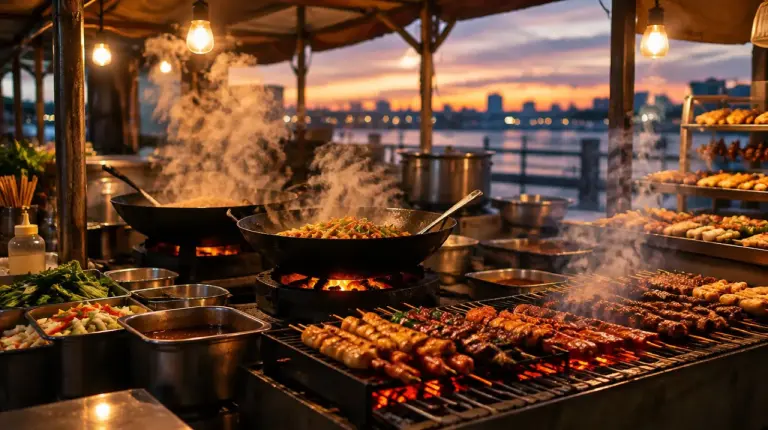
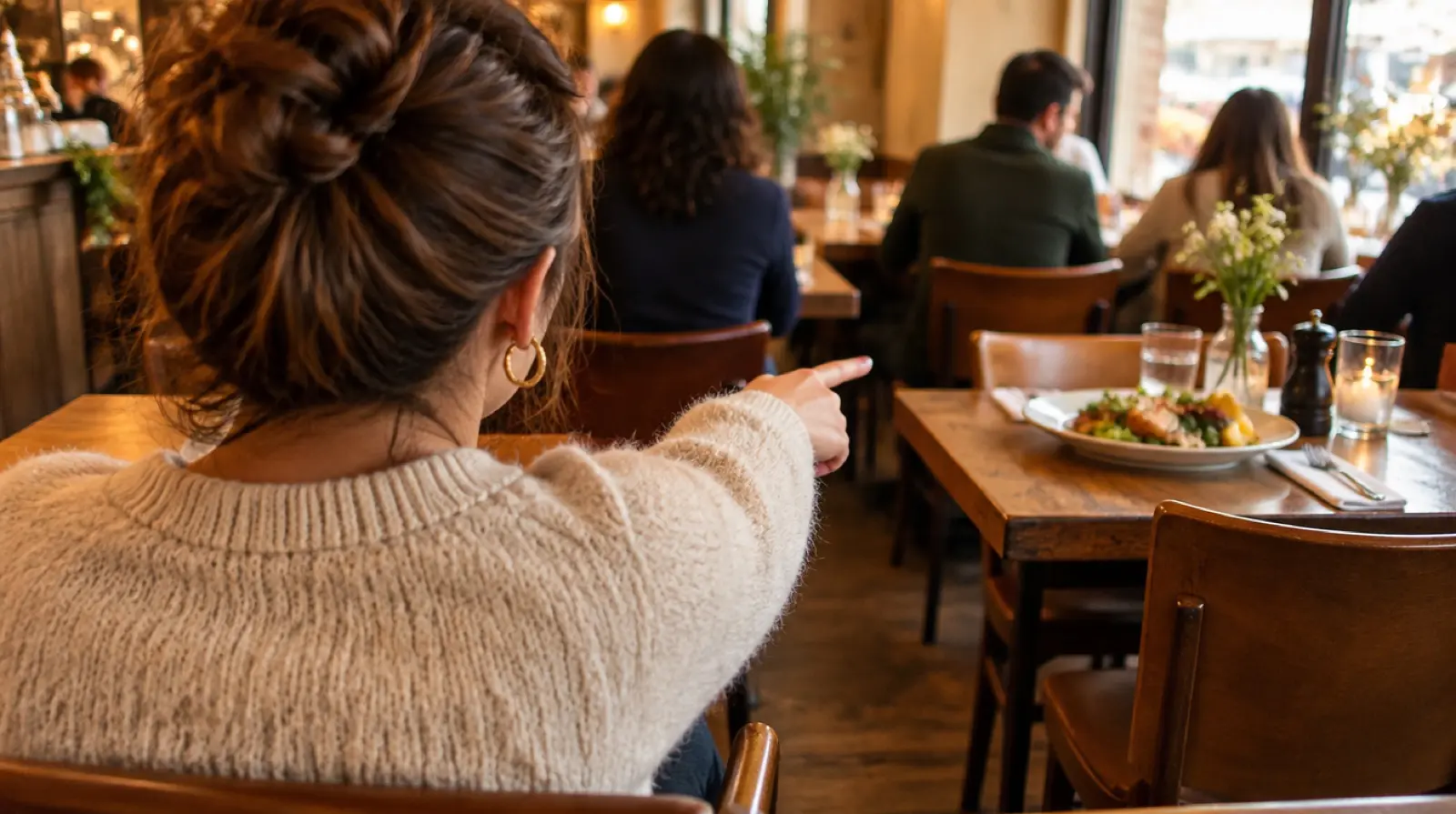
A place is easiest to read when it is full. Many markets and small restaurants have a peak: breakfast dishes early, a single lunch rush, a night market after sunset. At peak hours the dishes are fresh, the staff are in rhythm and the tables show you exactly what is selling. Look first, then order what the table next to you is eating. A discreet nod toward it and a smile is enough.
2. Point and use your hands
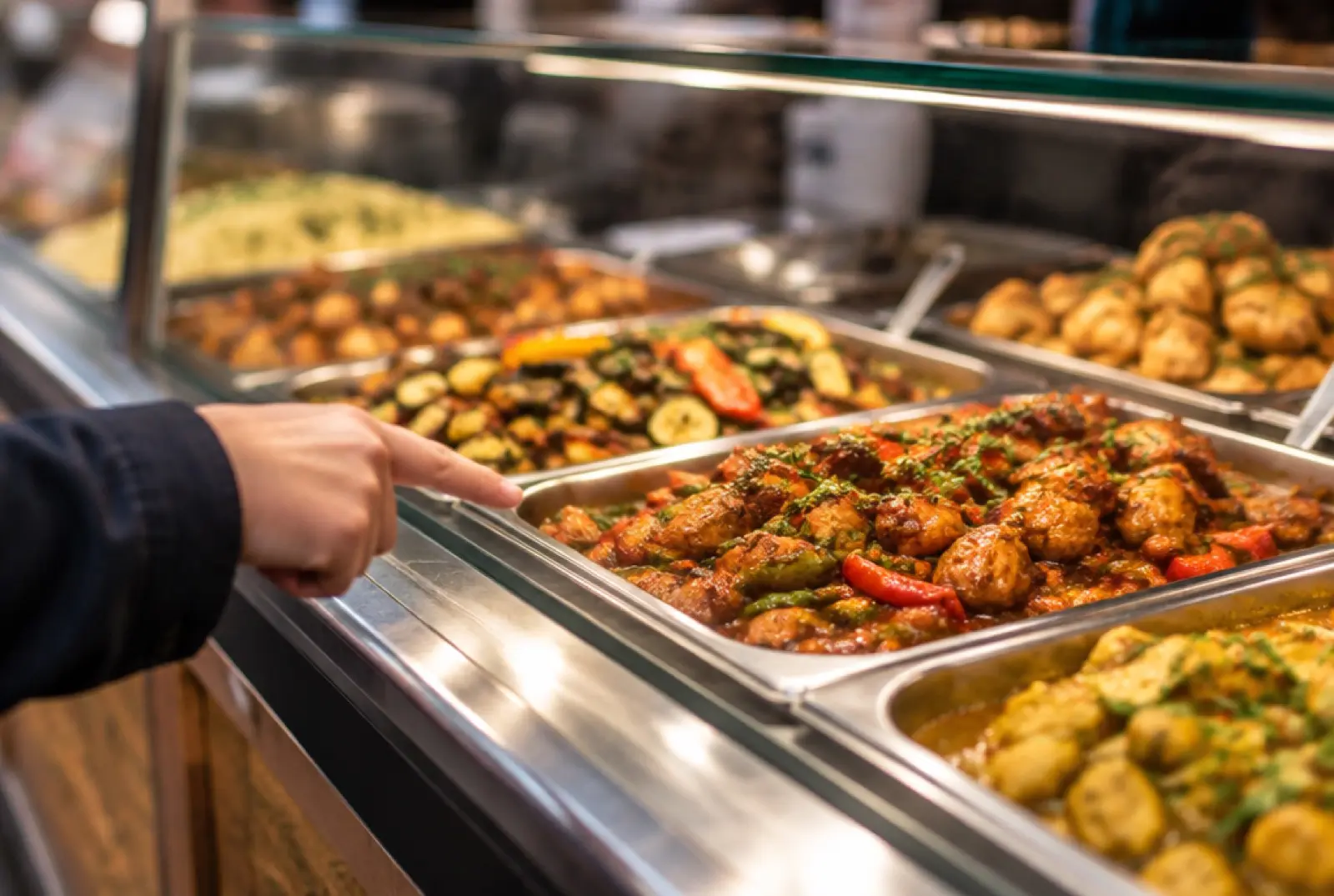
Pointing is the oldest menu translation. At a stall, point to the pot, the tray or the finished plate you want. In a restaurant, wait for staff to come over and then point to the dish at another table, or to a line on the menu. Hold up fingers for the number of portions. Add a gesture for size, such as small or large, and a thumbs-up when the dish arrives. It is polite, quick and universally understood.
3. Ask for the set meal or the house dish
What to order first: the thing that the place is built around. Many eateries serve a set meal, a fixed lunch or a single signature dish, and the cooks make it best because they make it most. Say or point to “set”, “menu of the day” or “house special” with a question in your tone. A set meal also usually removes decisions about sides, bread or rice, and helps with price, because the menu is fixed.
4. Learn three phrases and one number set
A few words in the local language change the mood immediately. Learn “hello”, “please” and “thank you”, plus the numbers one to five for portions and prices. Write them on a phone note in the local script. Add “this one, please”, “what do you recommend?” and “how much?”, and you can handle most orders. Say them slowly, and accept that your pronunciation will be imperfect. Effort is usually welcomed.
5. Use photos and translation tools wisely
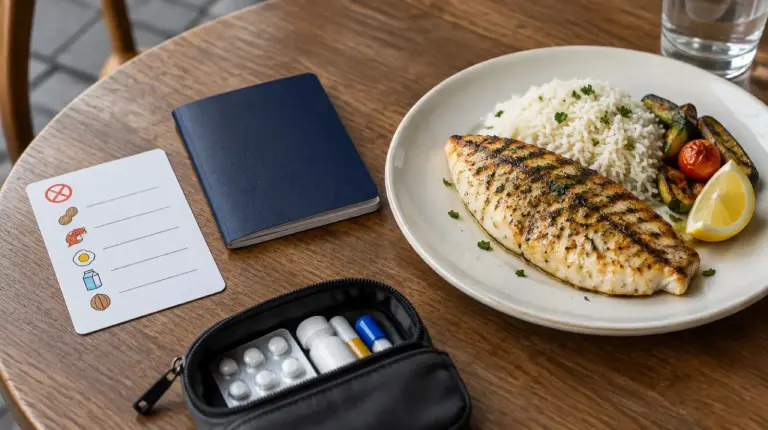
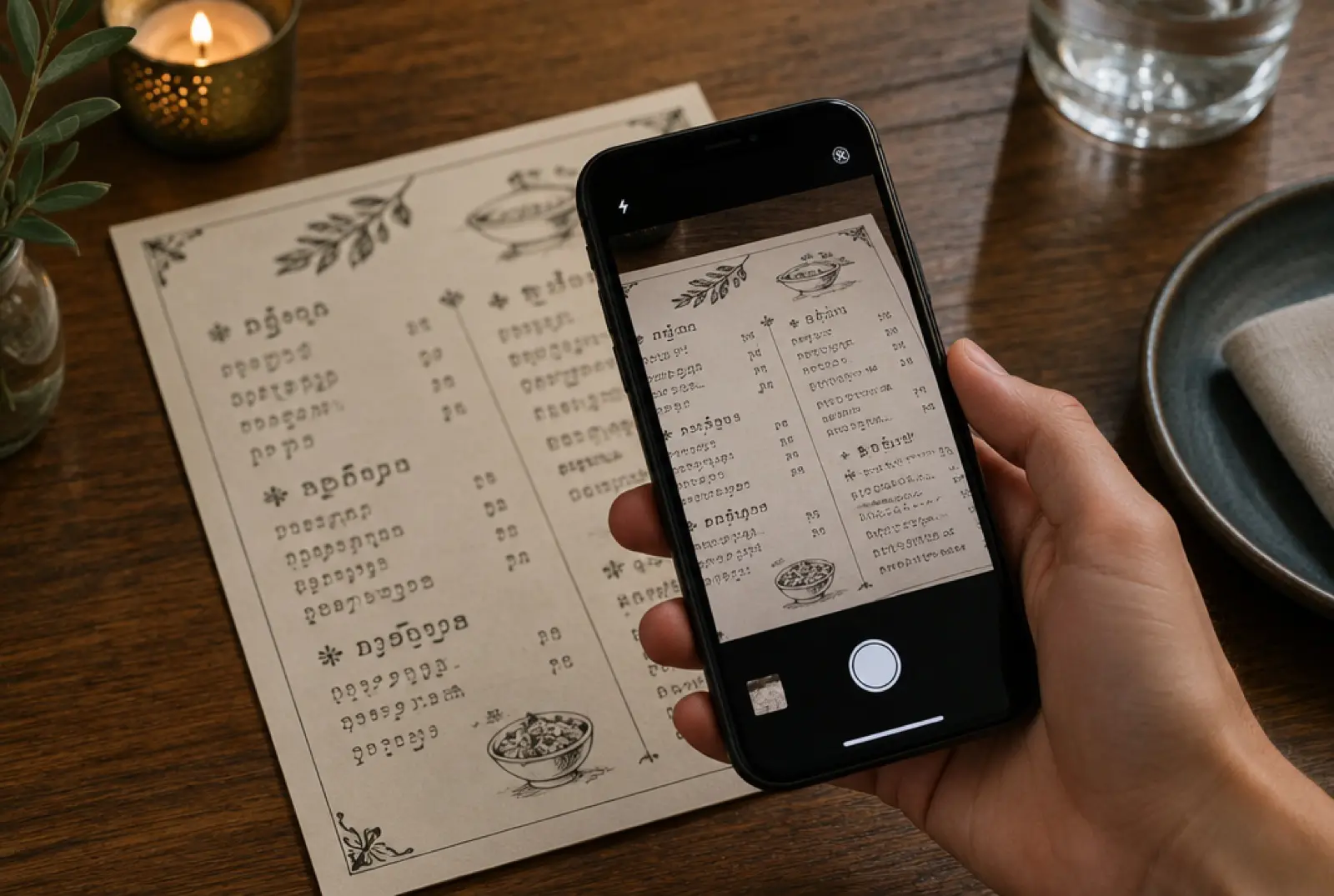
Photo menus and wall pictures are useful, and a camera translation app can read printed menus in many languages. Use them for guidance, not as a guarantee: dish names are often translated literally and sometimes oddly. For anything critical such as allergies, show a written card in the local language rather than relying on a quick scan. Download offline language packs before you travel in case you have no signal.
6. Check the price habit and the etiquette
Price band per meal varies widely by place, so ask before you sit or before the cook starts, particularly at tourist-heavy spots or places without printed prices. Ask “how much?” and watch the answer on a phone calculator or fingers. At sit-down places, find out whether you pay at the table, at the counter or on leaving. Local customs differ, and table etiquette by country covers sharing, chopsticks and tipping.
Common mistakes when ordering
- Ordering too much because it is hard to ask for less: start with one dish per two people and add more, as many places serve large portions.
- Skipping the price check: seafood, meat and anything sold by weight can cost more than expected.
- Trusting a literal translation: a menu line that reads like a strange mix of ingredients may be a normal local dish.
- Not looking at the next table: it is free information.
- Treating gestures as enough for dietary needs: use words and cards for anything medical.
What to verify before you go
Local customs about payment, tipping, sharing dishes and what is eaten at which time of day change from place to place, so look up the basics before you travel, using sources like how to eat at a local market when travelling. For food and water precautions in your destination, check the official travel health advice from the CDC or your government’s equivalent. Download translation languages and save useful phrases offline before leaving.