How to purify water when travelling comes down to three methods: boil it, filter it, or treat it with chemicals. Boiling is the most reliable. Filters are fast but vary in what they remove. Chemicals are light but slow. Choose by situation, and carry a second method in case the first fails, clogs or breaks. Here is how each option compares and when each one wins.
Which method fits your situation
| Situation | Best choice | Why |
|---|---|---|
| Hotel or guesthouse with a stove and a kettle | Boiling | Needs no gear and kills the full range of germs |
| Multi-day trek, clear mountain streams | Filter, plus tablets as backup | Fast flow, low weight per litre |
| Cloudy or muddy water | Settle or pre-filter, then boil or treat | Cloudiness blocks filters and weakens chemicals |
| Ultralight or emergency carry | Chemical tablets or drops | Very light and small |
| Region with viral risk and poor sanitation | Boil, or filter plus chemical | Many filters do not stop viruses |
| Short city trip, tap water of unknown quality | Sealed bottled water, or a bottle with a built-in filter | Convenience, though not every product is equal |
Choose the method before the trip, not at the first stream. Skip all of this if the area has a trusted, advertised supply that locals drink and your doctor says it is safe for you.
When each option wins
1. Boiling when you have fuel and time
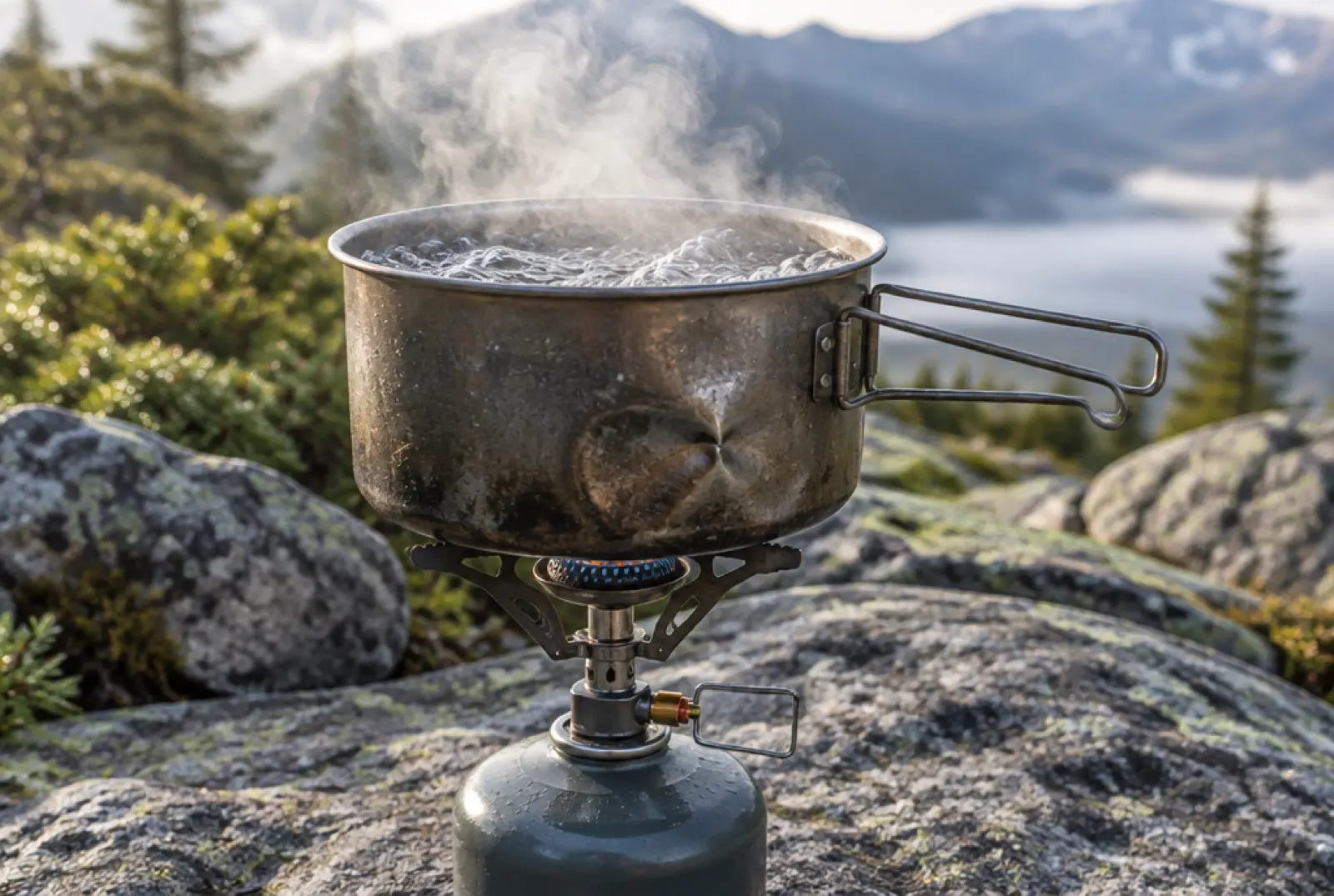
Boiling is the method that works against bacteria, viruses and parasites. Bring the water to a rolling boil and keep it there for at least 1 minute, or about 3 minutes at high altitude, then let it cool in a clean, covered container. Allow time and fuel: a litre takes roughly 5 to 10 minutes on a small stove. It does not remove chemical contamination or improve the taste. Fallback: if fuel is short, use a filter or tablets and save the stove for food.
2. A filter when the water is clear and you are moving
Pump, squeeze and gravity filters strain out bacteria and protozoa, and some of them stop only that. Many do not remove viruses, which matters in places with poor sanitation. Filters work in minutes, but they clog in silty water, crack if frozen and fail without warning. Weight is typically 50 to 500 g. Check the maker’s stated pore size and what the filter claims to remove, and do not let a wet filter freeze.
3. Chemical treatment when weight matters most
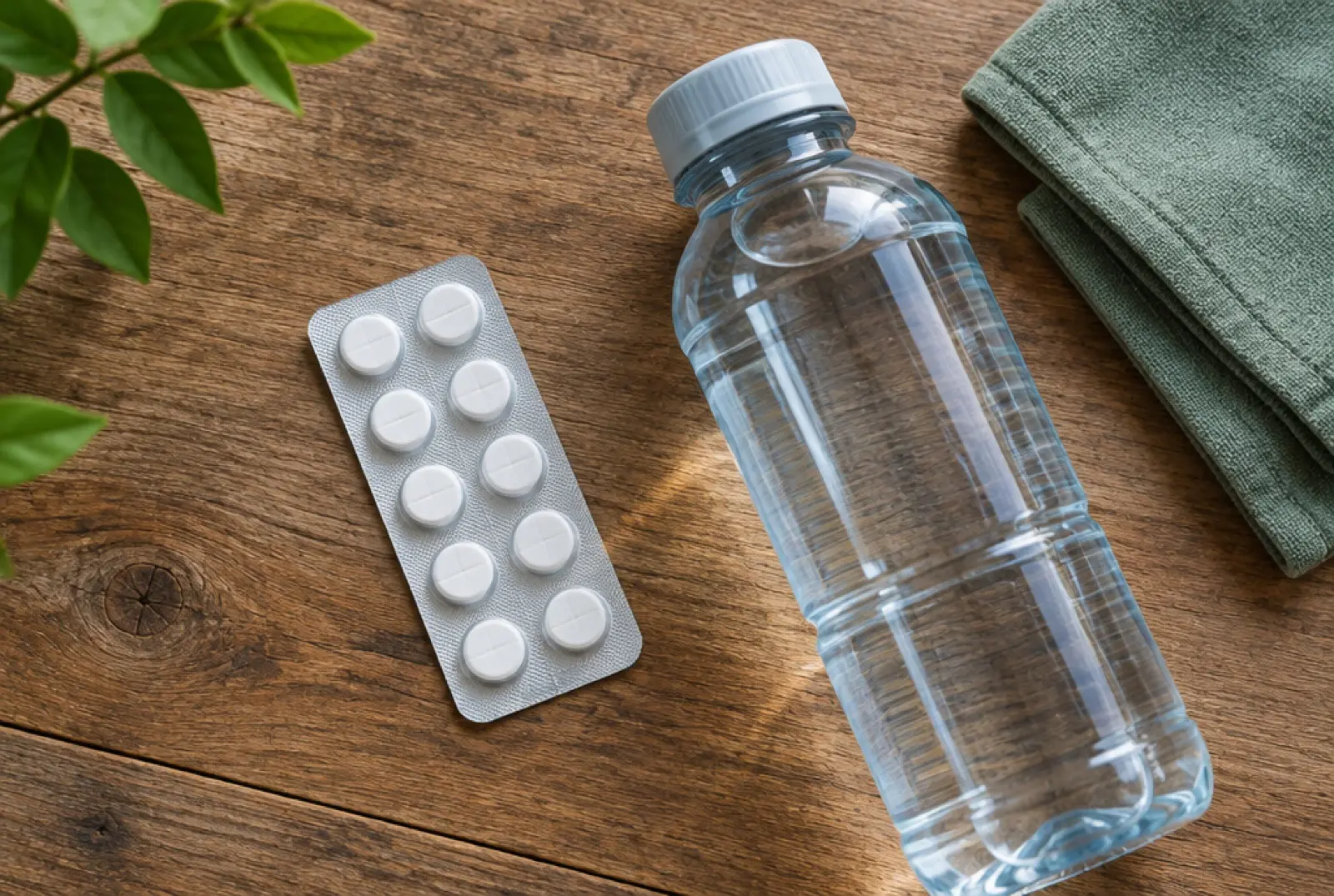
Tablets and drops, usually based on chlorine or similar compounds, weigh almost nothing and last a long time in a pack. They need contact time, often 30 minutes to 4 hours depending on the product and the germ, and longer in cold or cloudy water. They leave a taste. Some are weaker against certain parasites. Read the instruction sheet, check the expiry and keep them dry. I would carry them as a backup on every trek.
4. Combining two methods for higher risk
A filter plus a chemical step covers more germs than either alone, since the filter removes bacteria and parasites and the chemical step addresses viruses. This is worth the extra time in places with open sewers, flood-affected areas or after heavy rain. It is slower and heavier than one method. Fallback: if you have only one, boil, and treat any filtered water you are unsure about.
5. Bottled and sealed water, and what to check
Sealed bottled water is the easy option in towns and on buses. Check the seal is intact, as refilled bottles are sometimes resold. Carbonated water is harder to fake. Plastic waste is the cost, and in remote areas bottles may not be available at all. Ice, unwashed salads and tooth-brushing water carry the same risk as drinking tap water. Plan one safe-water source per day.
6. Cloudy water and pre-treatment
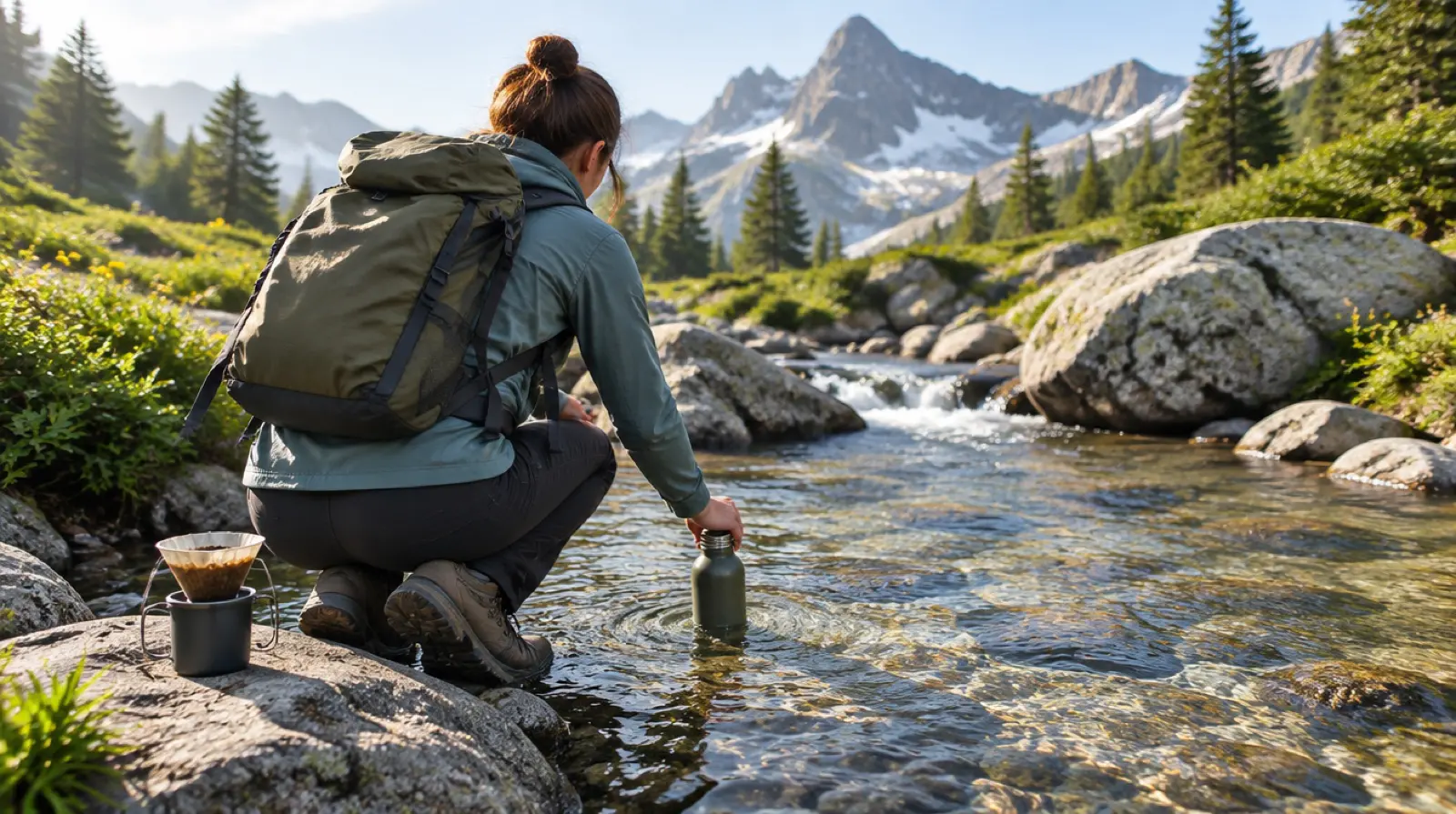
Silt and organic matter shield germs and clog filters. Let the water settle for 30 minutes in a container, then pour off the top through a clean cloth or a coffee filter. After that, boil or treat it as normal. Take the water from fast-moving flow, not from still pools or downstream of villages, herds and campsites. For trek context, see our guides to the W Trek logistics and Pokhara and Annapurna trek logistics.
Costs and trade-offs
As of 2026, learning how to purify water when travelling is cheap. Chemical tablets or drops typically run from a few dollars to about 15 dollars per trip. A compact filter may cost from about 20 to 100 dollars and up, depending on type and lifespan. Boiling costs only fuel. The trade-offs are weight, time and coverage.
- Boiling: slowest, uses fuel, kills the widest range of germs.
- Filter: fast, no taste, may miss viruses, can clog or crack.
- Chemicals: lightest, slow in cold water, leave a taste, shelf life limits.
When to carry two: any trip longer than a day away from a reliable supply, any route with a single point of failure, and any trip with a filter that could freeze or crack.
Mistakes to avoid
- Using a filter as if it were a full purifier without checking what it removes.
- Pouring treated water into a dirty bottle, or touching the rim with unwashed hands.
- Rushing the contact time on tablets, especially in cold water.
- Filling up downstream of a village, camp or herd.
- Assuming clear water is safe. Clear does not mean clean.
- Relying on one method with no spare.
What to verify before you go
- Local water risks and health advice for each destination, from the CDC travel health pages or the WHO travel advice.
- Vaccines and any personal health considerations, with a doctor or travel clinic.
- What your filter removes, the maker’s claims and how to store it.
- Whether chemical products are allowed in your luggage and are in date.
This is general information, not medical advice.
FAQ about how to purify water when travelling
What is the safest way to purify water?
Boiling is the most reliable single method because it deals with bacteria, viruses and parasites. Bring it to a rolling boil, hold it for at least a minute, and cool it in a clean covered container. It will not remove chemical pollution.
Do water filters remove viruses?
Many do not. Most travel filters target bacteria and protozoa, and only some are designed for viruses. Read the maker’s claims. If viruses are a concern, add boiling or a chemical step, and ask a travel clinic about the region.
How long should I wait after adding purification tablets?
It depends on the product, water temperature and clarity. The range is often 30 minutes to several hours, and cold or cloudy water needs longer. Follow the instruction sheet exactly and do not shorten the wait to save time.
Is bottled water always safe?
Usually, but not always. Check the seal is unbroken and buy from a busy shop rather than a street seller with refilled bottles. In remote areas it may not be available. Carry a purification method as a backup anyway.