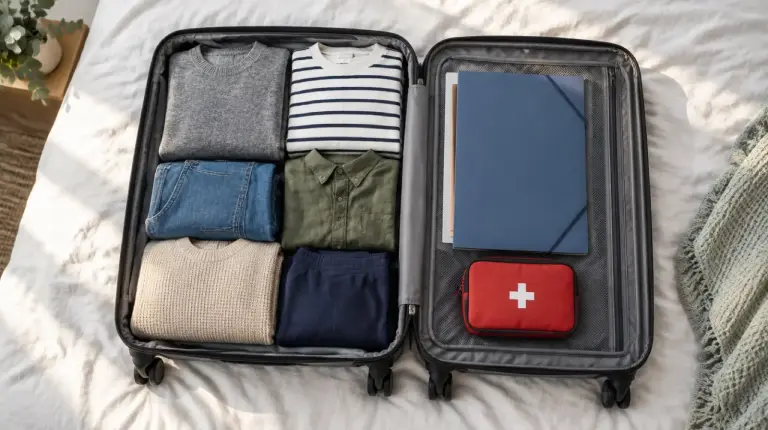
The EU entry exit system (EES) is an automated border register for non-EU visitors on short stays. At your first crossing you give a face photo and/or fingerprints, your passport is not stamped, and later crossings only verify you against that record. ETIAS, the separate travel authorisation, was not yet in operation as of 20 October 2026.
What the EU entry exit system is
The EES records each entry and exit, and each refusal of entry, of non-EU nationals on a short stay: up to 90 days in any 180-day period. It replaces manual passport stamps with a digital file. According to the official EU travel site, 29 European countries use it, including Iceland, Norway, Liechtenstein and Switzerland.
Two EU members sit outside it. Cyprus and Ireland still stamp passports by hand. The 90/180-day count is a single period across all the countries using the system, so days in France and days in Italy draw from the same allowance.
Skip this if
You may not need to read further if you hold an EU, Iceland, Liechtenstein, Norway or Swiss passport, or if you hold a residence permit or a long-stay visa for one of the participating countries. The official exemption list also covers nationals of Andorra, Monaco and San Marino, and some family members of EU citizens. Check the official list if you are in a special category, because exemptions have conditions.
What happens at the border
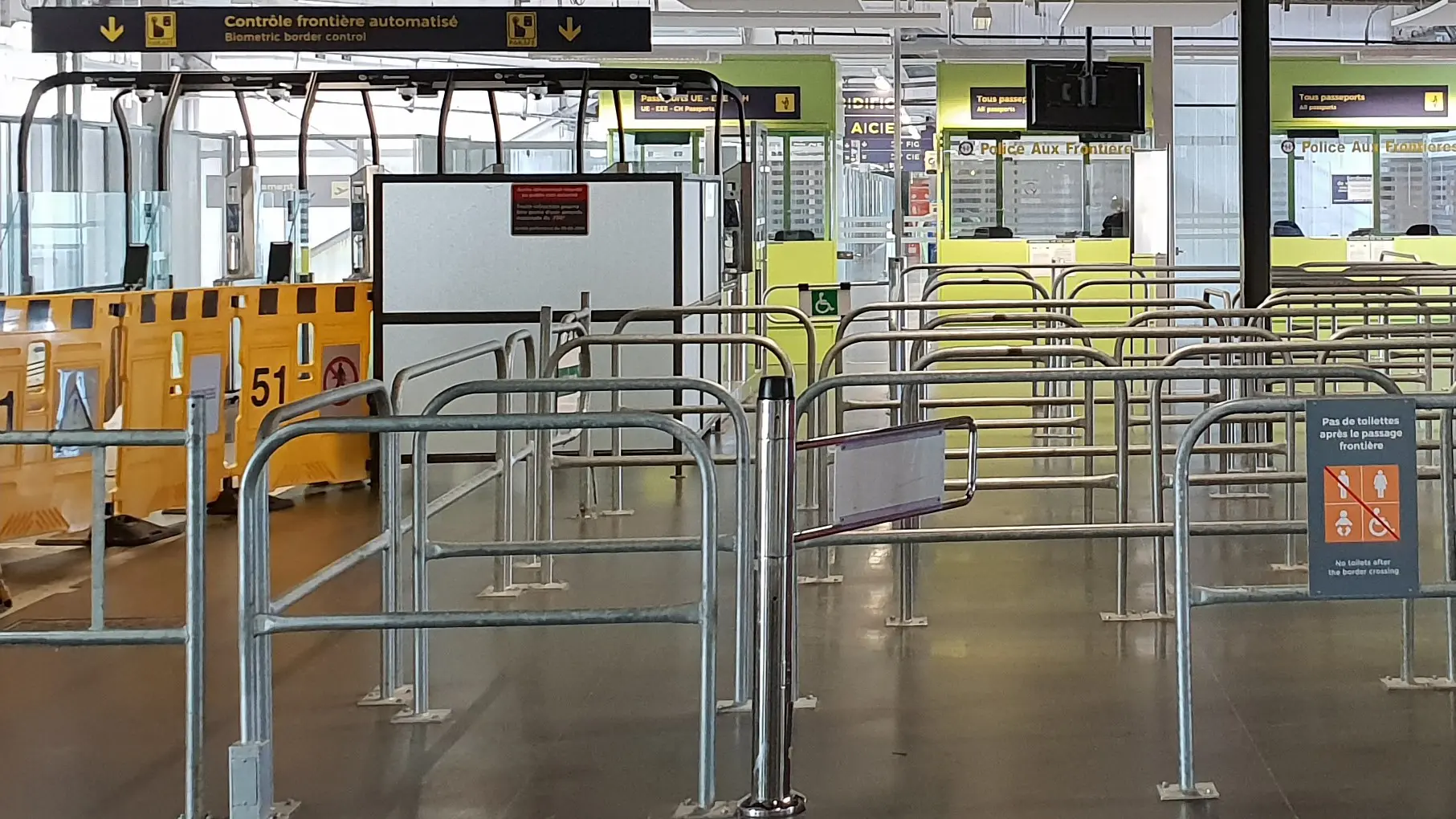
First entry since the system started
A passport control officer takes your photo and may scan your fingerprints, then creates a digital file. Your passport, biometric or not, is not stamped. If you refuse to give biometric data, the official guidance says you will be denied entry.
Later entries and exits
Your face and fingerprints are already on file, so officers verify them, which should take less time. In rare cases your data may be collected again. If your file is clear and you hold a biometric passport, you may be able to use a self-service system at some crossings, usually without a desk check.
Registering in advance
Some crossings have self-service equipment for part of the registration, and some countries offer a mobile app. Availability varies by country and crossing, so treat it as a bonus, not a plan.
Situations and what to do
| Situation | What to expect | What to do |
|---|---|---|
| First crossing, visa-exempt traveller | Photo and/or fingerprints, no stamp | Carry your passport in hand, allow extra time |
| Repeat crossing, same passport | Photo or fingerprint check, sometimes self-service | Use the same passport every time |
| Short-stay visa holder | Fingerprints already held in the visa system | Expect to be registered at the border all the same |
| Entering Cyprus or Ireland | Manual stamp, no EES registration | Carry your passport and plan for ordinary manual checks |
| Unsure how many days you have left | The official stay-check tool shows days remaining | Check it before booking a long trip |
Checking your remaining days
The EU runs an online stay-check tool. You enter the participating country, your passport type, number and issuing country, and your planned dates. It returns an OK or not OK and the number of days left. The official page warns that the tool does not count time spent in the Schengen area that began before 10 April 2026. Officers at the border can also tell you your remaining days.
Delays and problems: a fallback for each plan
Queue length depends on the crossing, the hour and how many first-time registrations are in the line. Official sources do not promise a fixed extra time, so plan with margin instead of a number.
- Flying in: keep at least a generous gap before a connecting train or transfer, and do not book a tight same-day onward ticket you cannot change.
- Flying out: arrive earlier than you would have for exit checks, especially at large hubs in peak season.
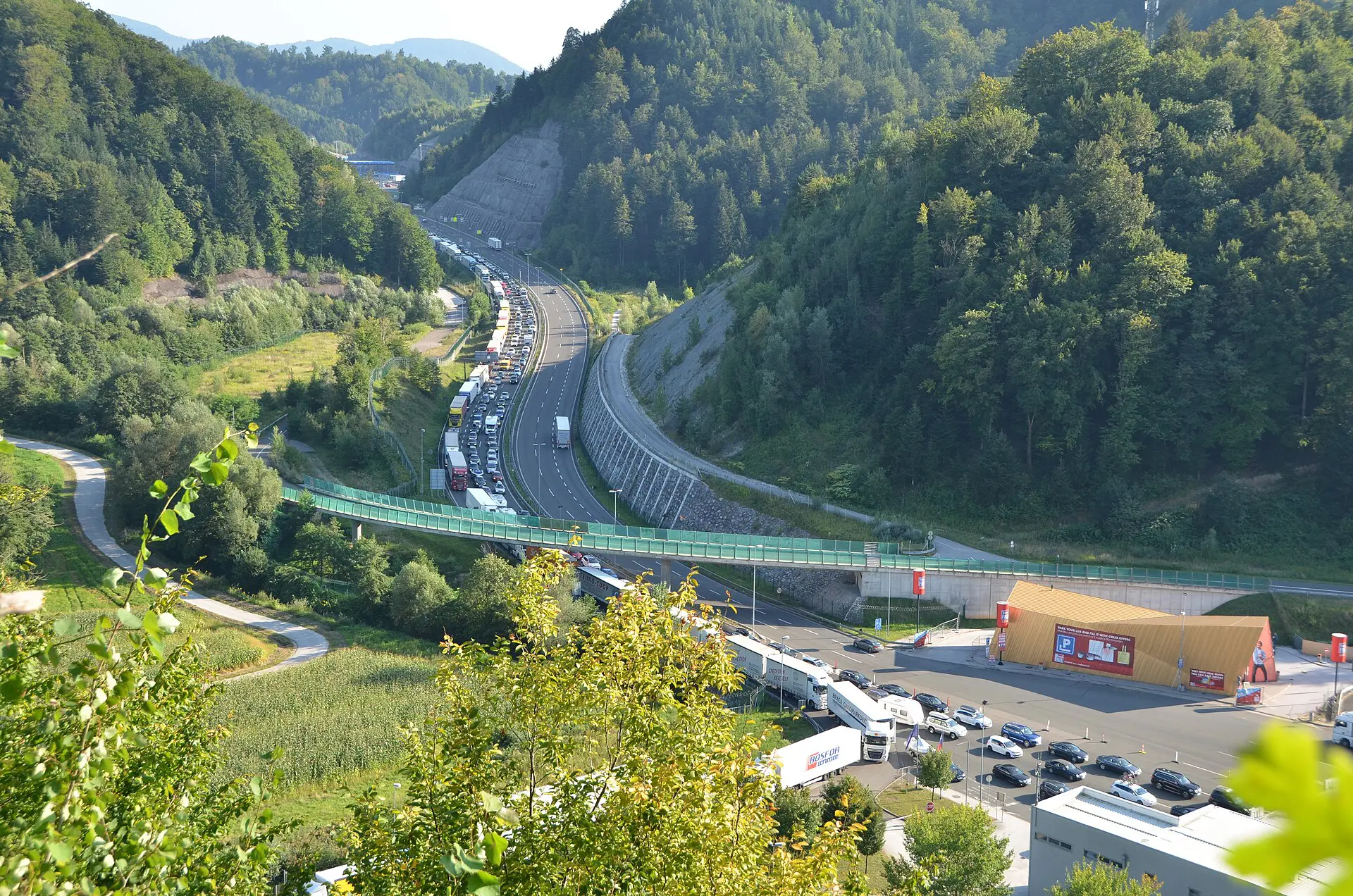
- Driving or train crossings: check the border page of the country you enter for current instructions, since some crossings may handle registration differently.
- Self-service not working: go to the officer desk; the manual route still exists.
- A fault in your record: you have the right to ask for access, correction or deletion through the data controller of a participating country.
How long your data is kept
According to the EU, entry, exit and refusal records are kept for three years from creation, and the individual file for three years and one day from your last exit. If no exit is recorded, the file is kept for five years from the date your authorised stay ended. After that the data is erased automatically. If you stay longer than allowed, you are added to an overstayer list that border and immigration staff can see, and national consequences can follow: fines, detention, removal or being barred from re-entering.
Where ETIAS fits in
ETIAS is a separate, online travel authorisation for visa-exempt travellers, covering 30 European countries (the EES list plus Cyprus). It costs EUR 20, with some travellers exempt from the fee, is linked to your passport and is valid for up to three years or until the passport expires. The official site states that ETIAS is not in operation, and that the start date will be announced several months before launch. Do not pay any website that claims to issue ETIAS today.
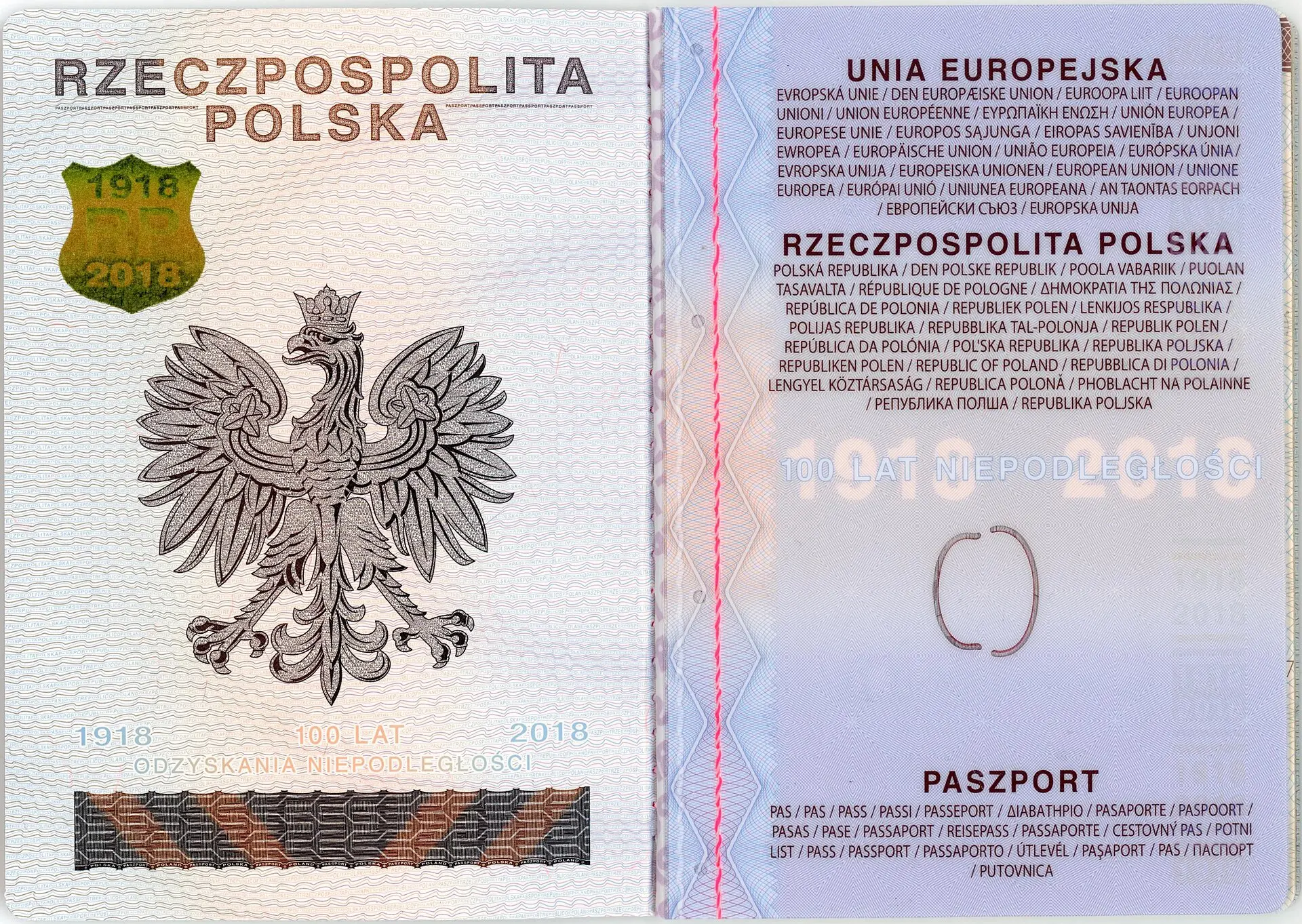
The EES works without ETIAS. When ETIAS goes live, it adds a pre-trip step, while the EES stays the border register. For country-level entry notes, see the guides for Spain, Greece and France, and check the official EES page and ETIAS page before you travel.
Before you go checklist
- Use the same passport for entry and exit, and every later trip.
- Check your passport validity against the country’s entry conditions.
- Count your 90/180 days across all participating countries.
- Allow extra time at borders for a first registration.
- Use only the official EU sites for EES and ETIAS information.
FAQ
Is the EU entry exit system in operation?
Yes, as of this writing. Registration happens at the border of the participating countries, and the EU’s stay-check page counts days from 10 April 2026. Border practice can differ by crossing, so check the instructions of the country you are entering.
Do I need to do anything before I travel for the EES?
No advance application is required. You register at the border, and self-service equipment or a national app may speed it up where offered. You can use the official stay-check tool to see how many days you have left, but it is optional and does not replace the border check.
Does the EES apply in Ireland and Cyprus?
No. Both are EU members, but according to the official page they still stamp passports manually. ETIAS is different: Cyprus is among the 30 countries that will require it, and Ireland is not. The time you spend in Cyprus is counted separately from the other ETIAS countries.
Will my fingerprints be taken on every trip?
Not necessarily. On your first registration your photo and/or fingerprints are recorded. On later crossings officers verify them against the file, and at some crossings a self-service system can do the check. Occasionally an officer may need to collect your data again.