Why visit Turkey
This Turkey travel guide starts with scale: the country covers more than 780,000 square kilometres, with a European sliver in East Thrace and most of its territory in Anatolia in West Asia. That gives travellers an unusual choice, from Byzantine and Ottoman Istanbul to Greek and Roman cities on the Aegean, rock-cut valleys in Cappadocia and long beaches on the Mediterranean. The country’s official name in Turkish and increasingly in English is Türkiye, and you will see both on signs and in guides. The Wikipedia overview gives the background.
Turkey suits almost every travel style: city breakers, history lovers, road-trippers, families and food-focused travellers all find something. Hospitality is a big draw, and prices are lower than in most of Western Europe, although Istanbul and the resort coasts have become more expensive. It is less suited to travellers who want everything tightly scheduled, since distances are long and the best places are far apart.
Best places to visit in Turkey
The best places to visit in Turkey are spread over a very large country, so choose two or three regions rather than trying to see everything.
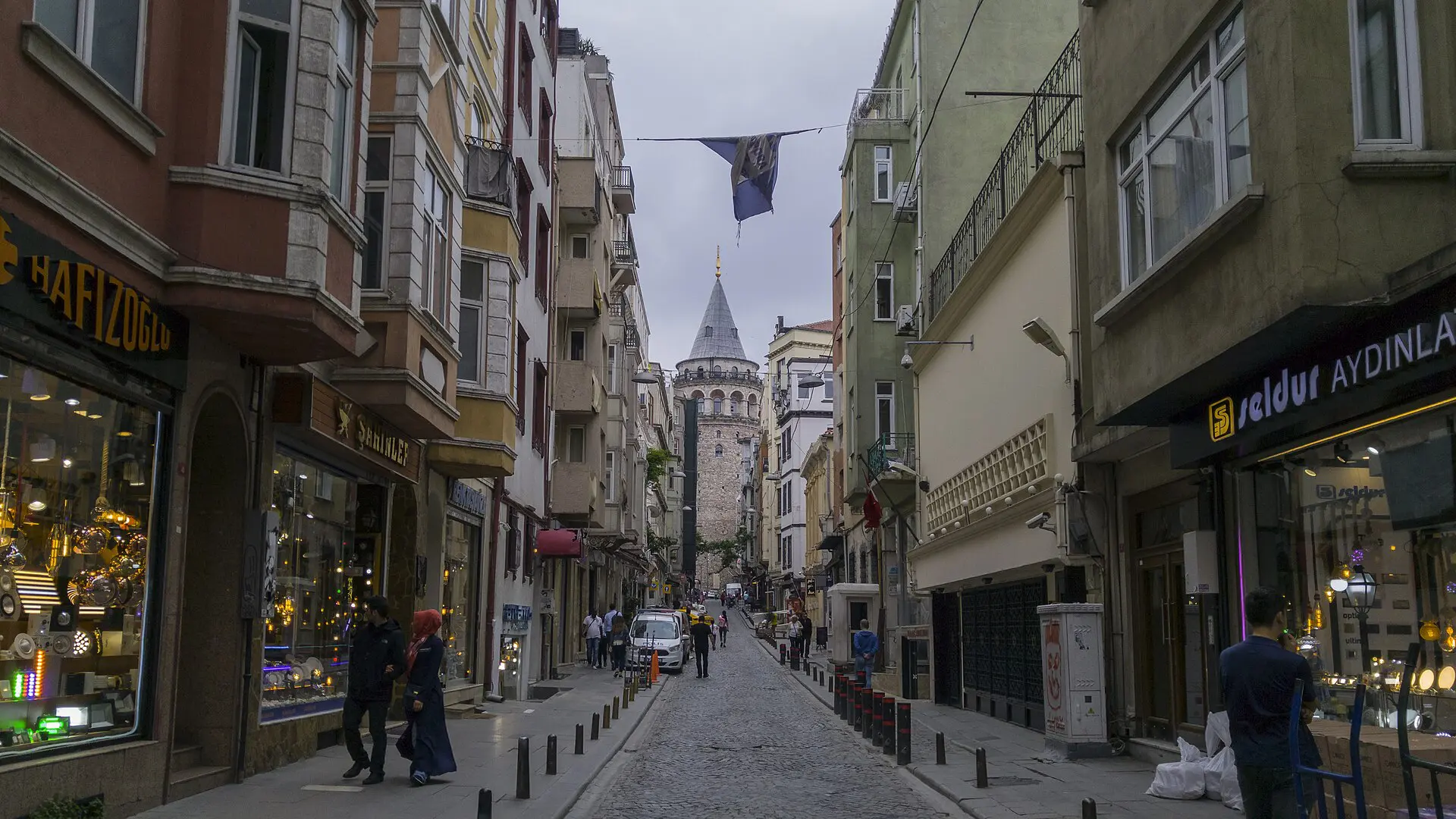
Istanbul
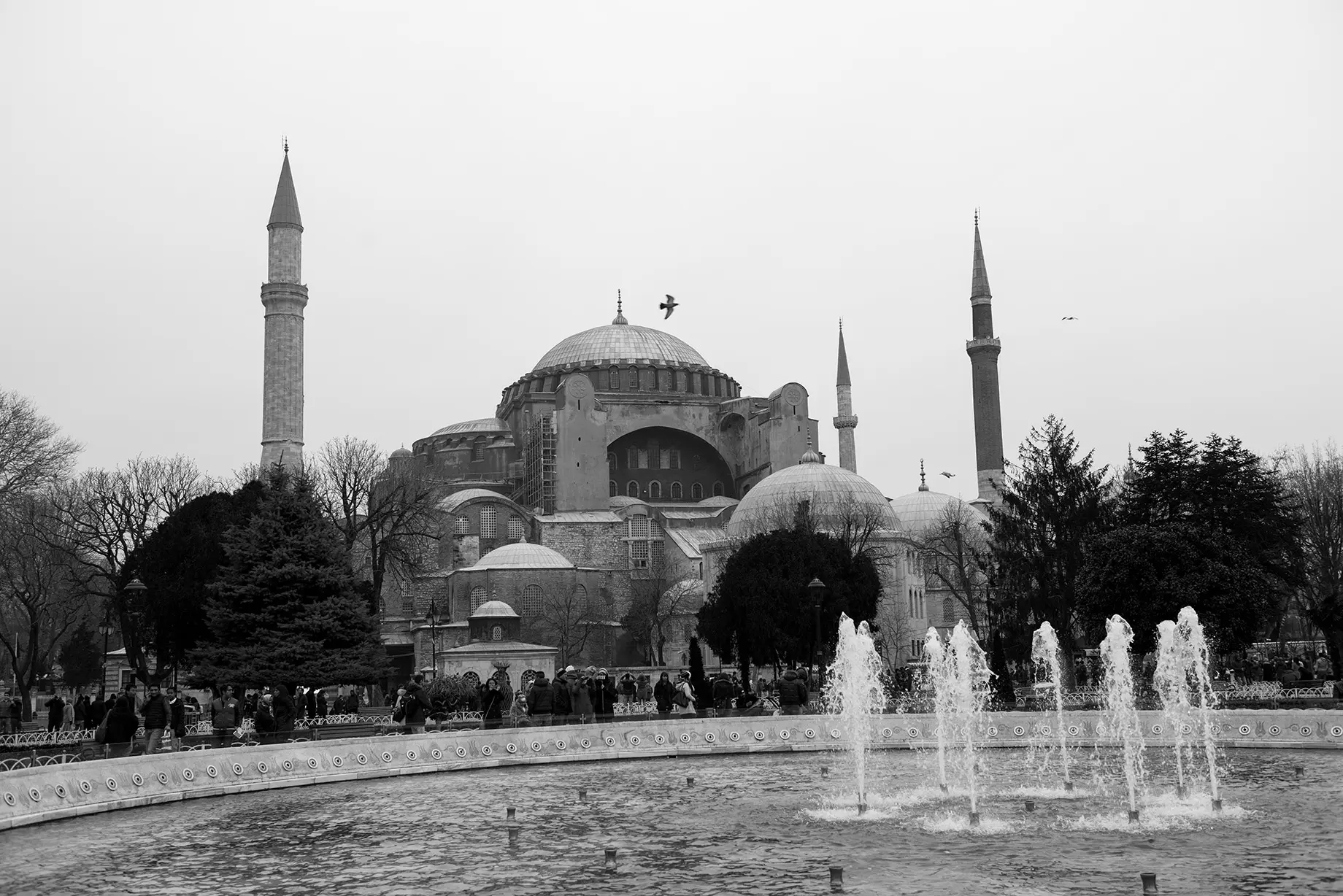
The city straddles the Bosphorus and has the Hagia Sophia, the Blue Mosque, Topkapi Palace, the Grand Bazaar and ferries between Europe and Asia. Spend at least three nights, and stay in or near Sultanahmet or Karaköy to cut transit time.
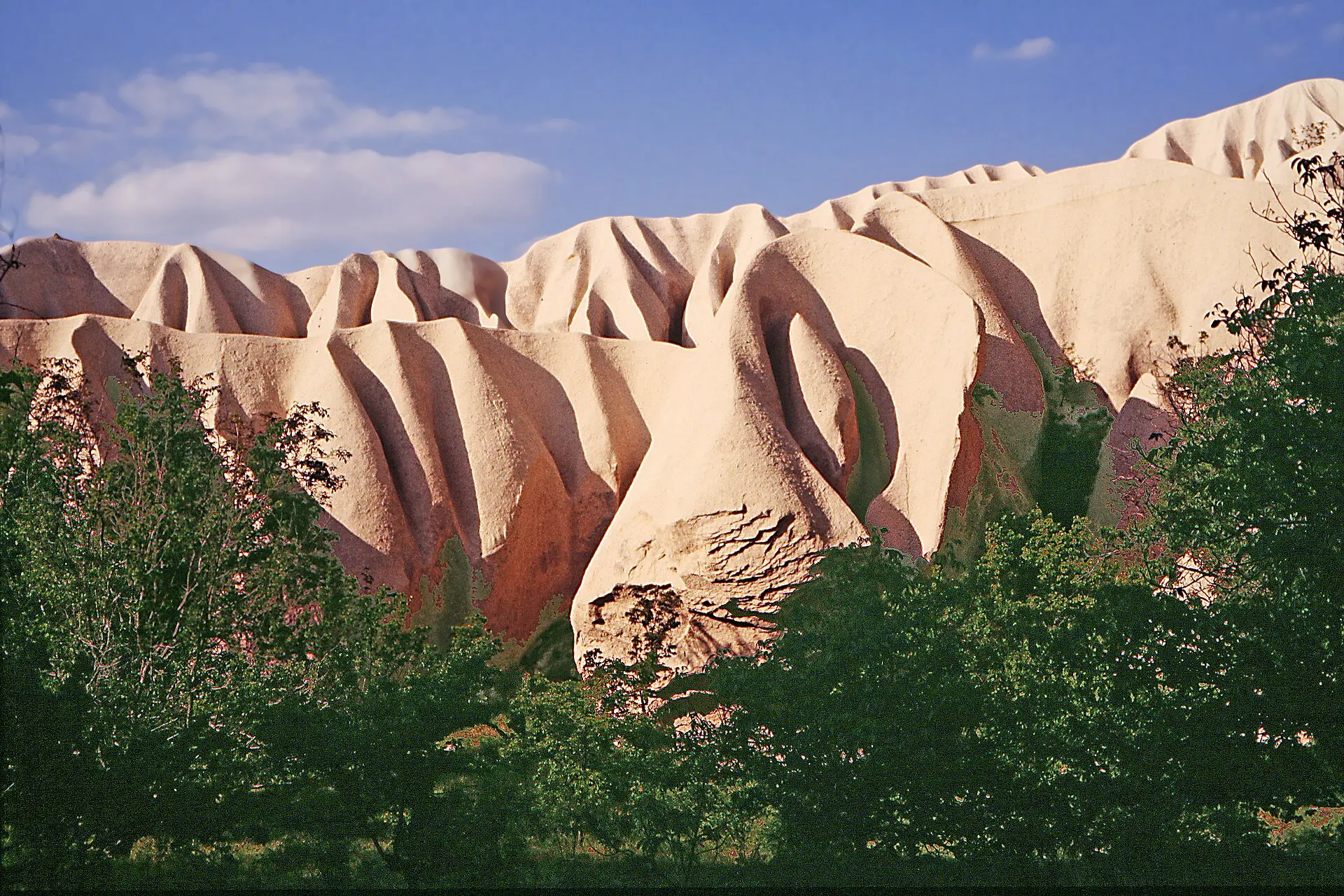
Cappadocia
In central Anatolia, volcanic valleys with fairy chimneys, cave hotels and rock churches draw visitors to Göreme and Uçhisar. Hot-air balloon flights at dawn are the signature activity, weather permitting.
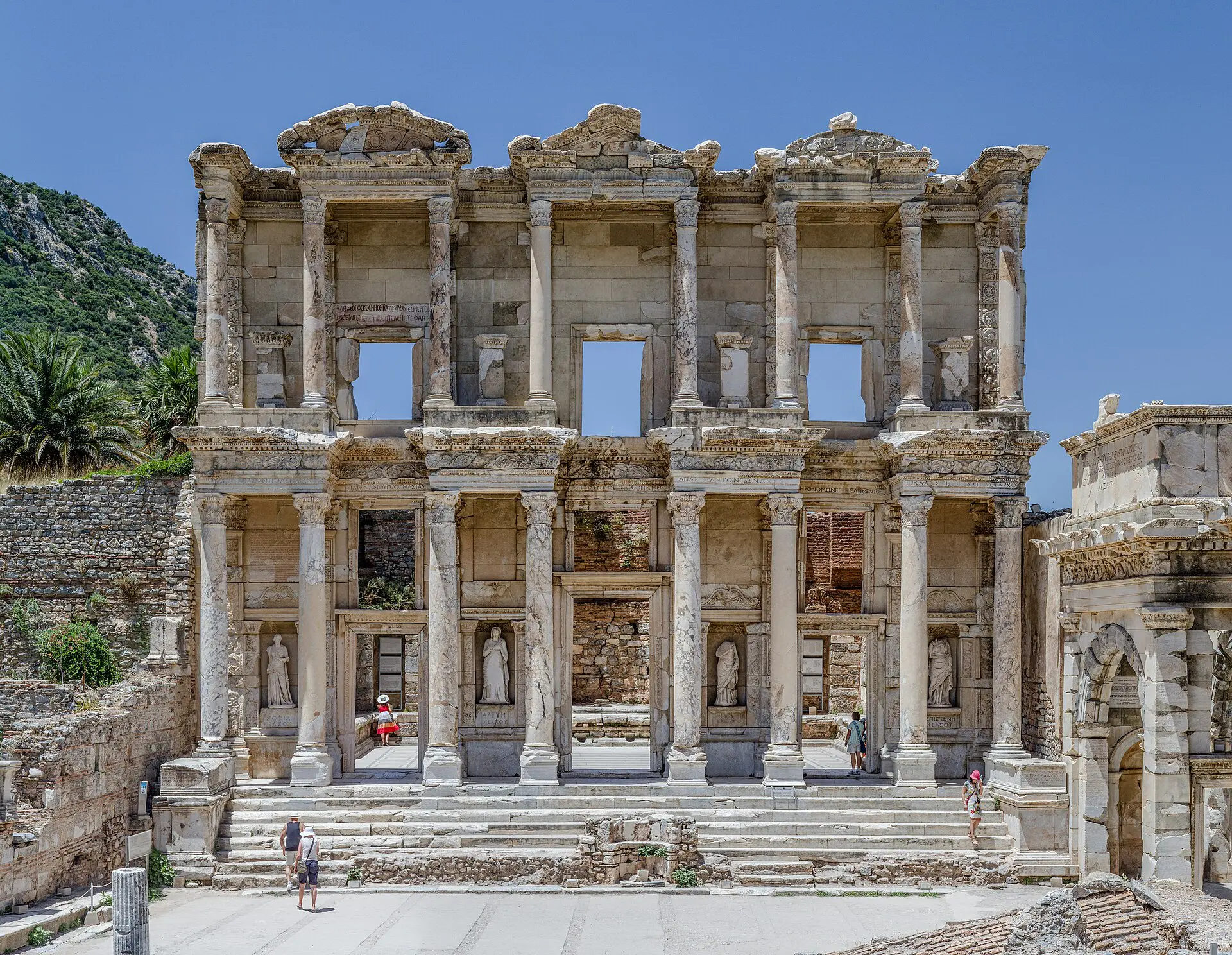
Ephesus and the Aegean
Ephesus is one of the best-preserved Roman cities in the Mediterranean, with the Library of Celsus and a grand theatre. Nearby Selçuk and Şirince make easy bases, while İzmir is the regional hub.
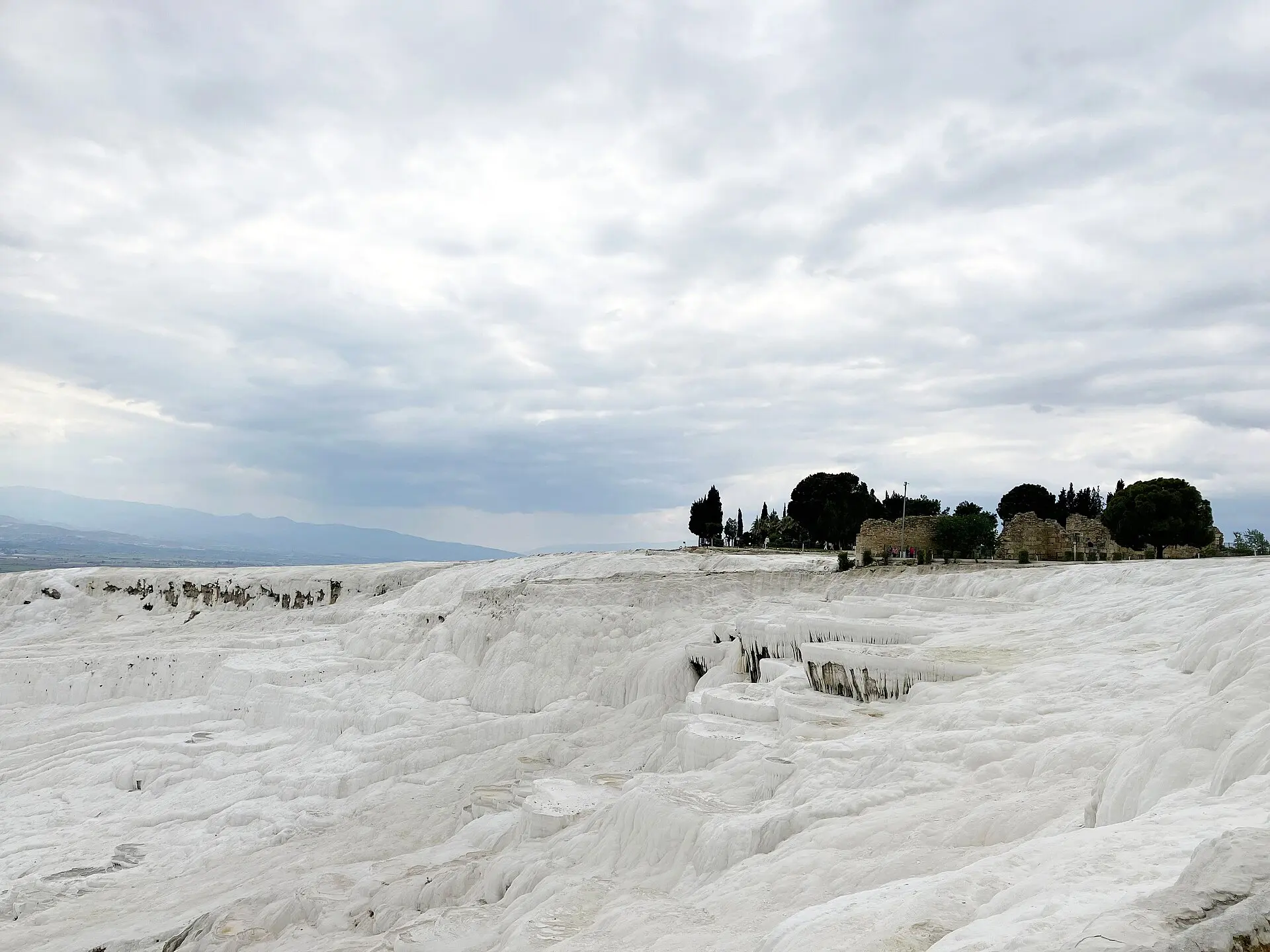
Pamukkale
White travertine terraces and the ruins of Hierapolis, a UNESCO site, sit above a hot spring pool. Go early or late to avoid the busiest hours.
Antalya and the Turquoise Coast
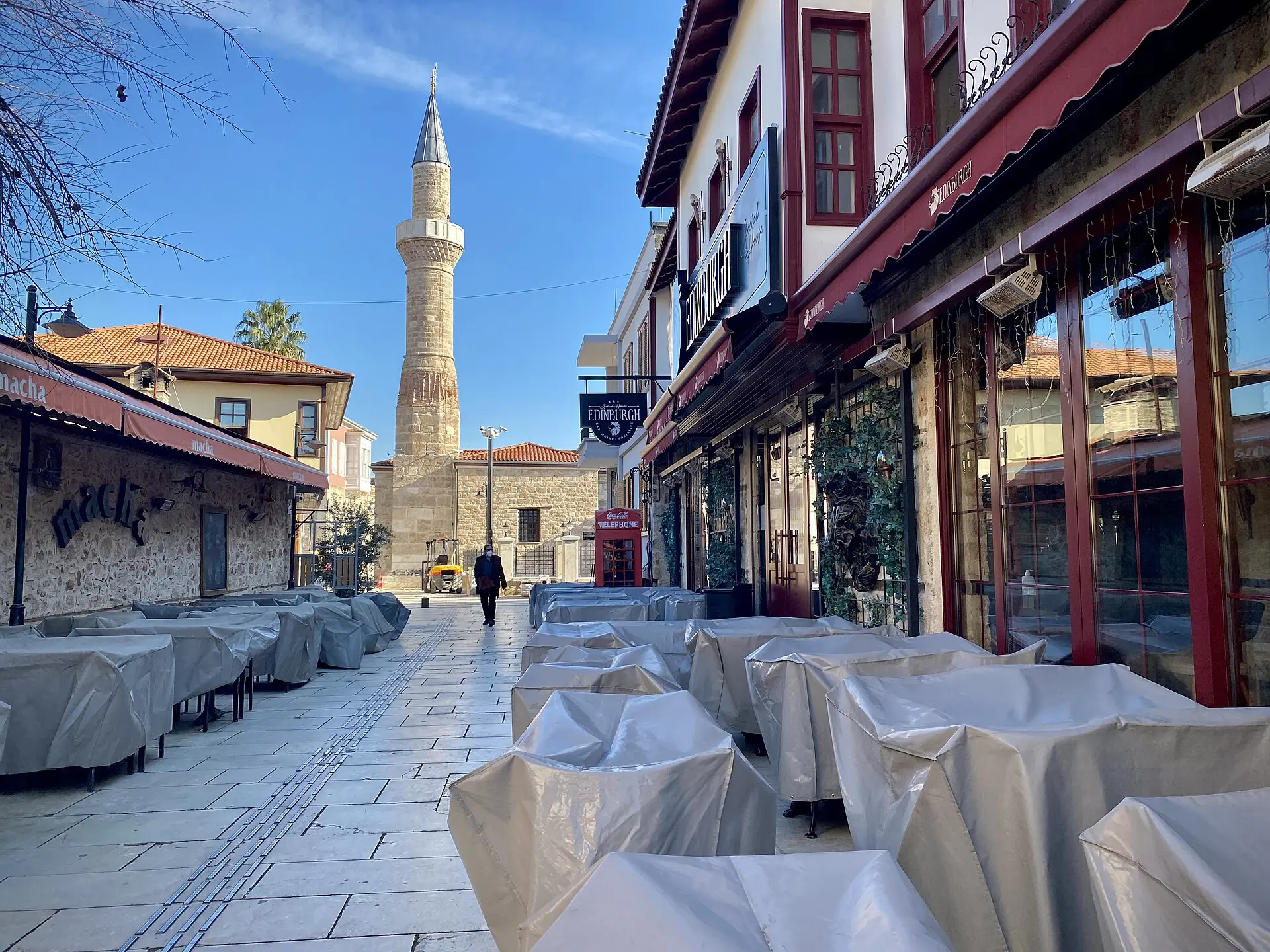
Antalya has a walled old town and is the gateway to Lycian ruins, beaches and boat trips from Kaş and Fethiye.
Eastern Turkey
Trabzon, Sumela Monastery, Mount Nemrut and Mardin offer remote landscapes and rich history, but check government advice for areas near the southeastern border.
Top things to do in Turkey
The top things to do in Turkey combine landmark sites with food, markets and outdoor days.
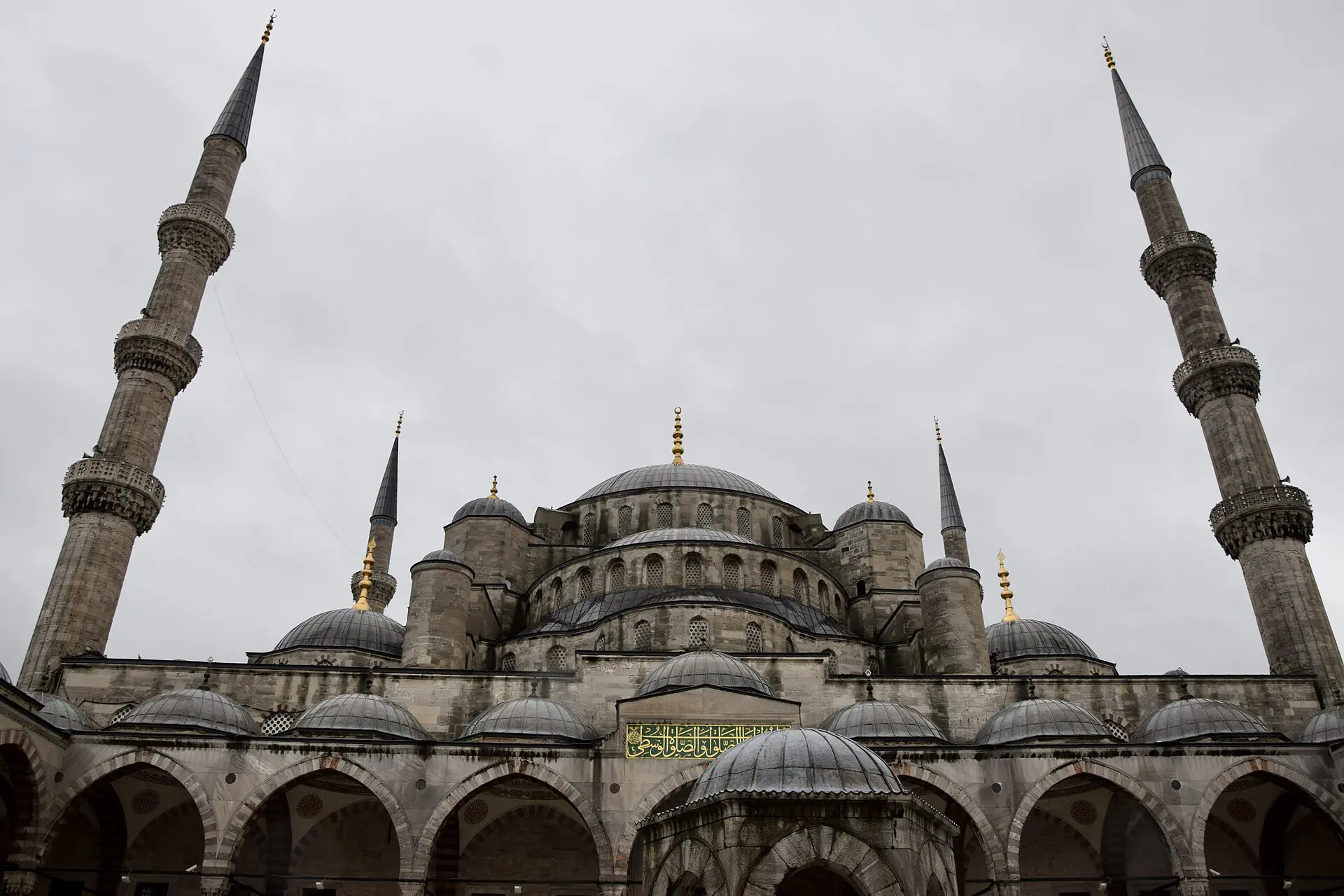
- Visit Hagia Sophia and the Blue Mosque: two of Istanbul’s great domes stand near each other in Sultanahmet; dress modestly and expect queues.
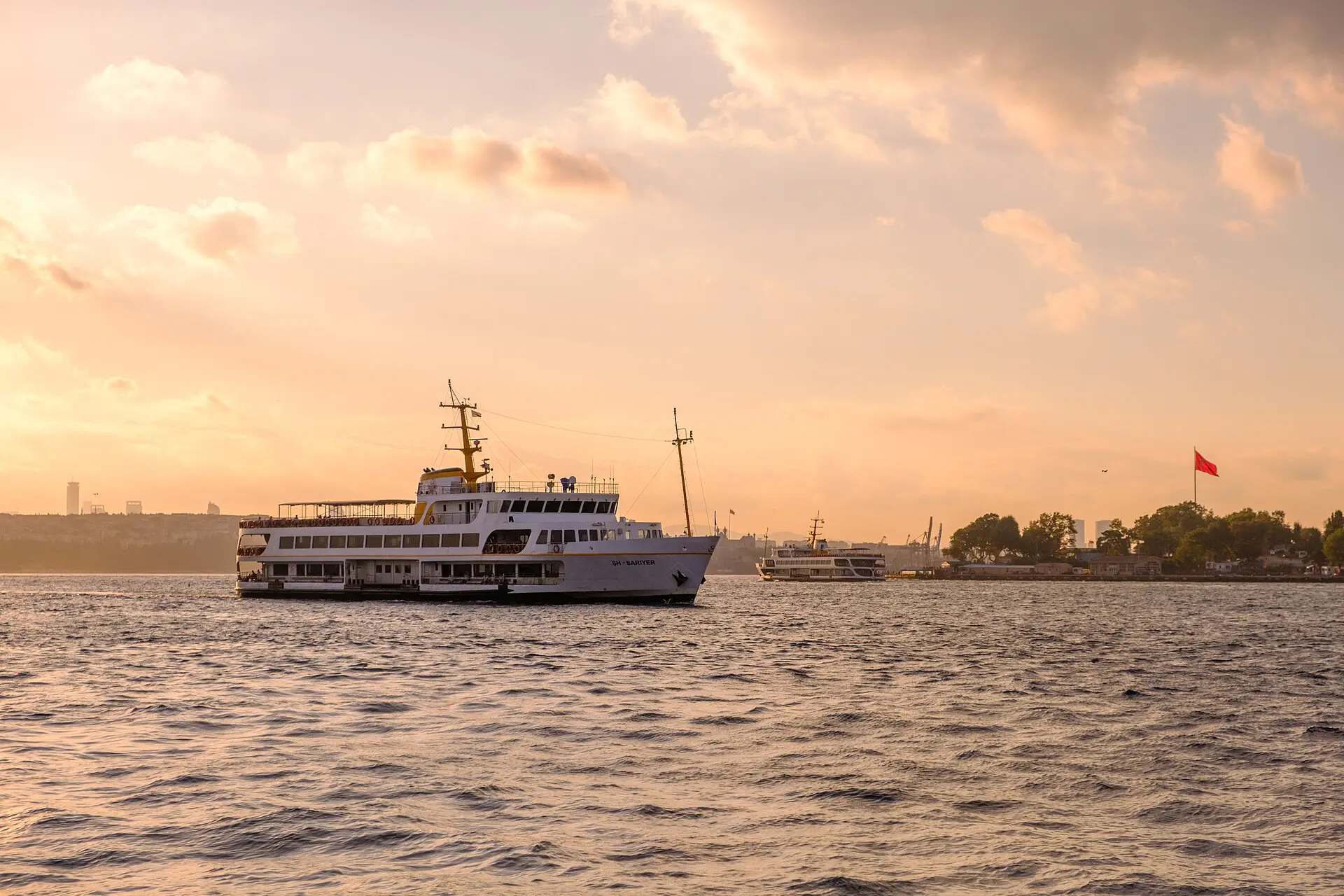
- Ride a Bosphorus ferry: the public ferries cost little and cross between Europe and Asia.
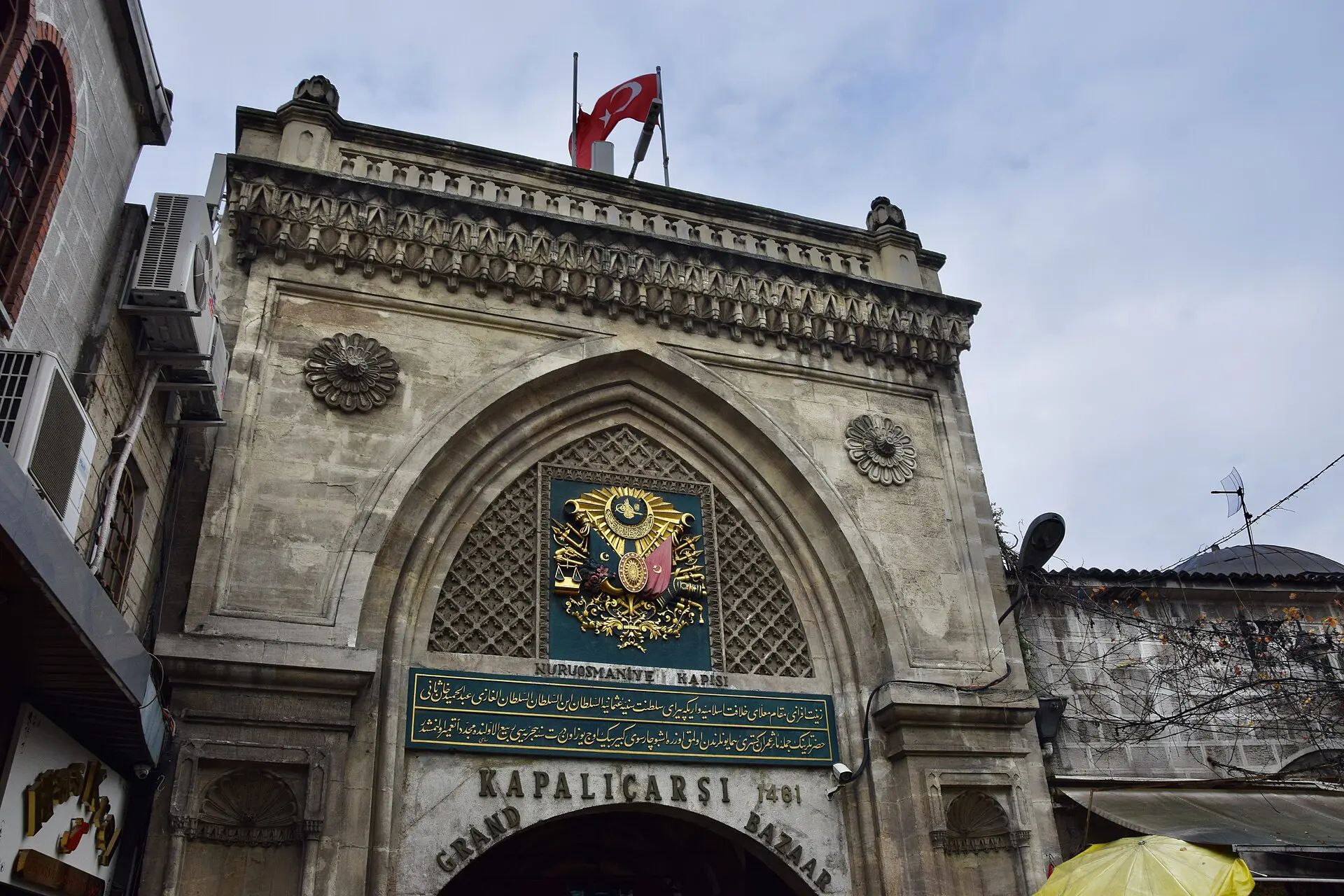
- Shop at the Grand Bazaar: thousands of stalls sell carpets, ceramics, leather and lamps, and bargaining is expected.
- Take a Cappadocia balloon flight: flights run at sunrise, and tickets are among the country’s best-known purchases.
- Walk Ephesus: walk the marble road to the Library of Celsus and the grand theatre.
- Soak at Pamukkale: walk barefoot on the travertine and swim among the ruins.
- Sail a gulet: multi-day wooden boat cruises run from Fethiye or Marmaris along the Turquoise Coast.
- Hike the Lycian Way: a waymarked coastal trail of about 500 kilometres, best in spring and autumn.
- Visit a hamam: choose a historic one such as Cağaloğlu for a traditional scrub.
- Explore Gallipoli: the battlefields and memorials on the peninsula are best visited with a guide.
Best time to visit Turkey
The best time to visit Turkey is April to May and September to October, when temperatures are comfortable for cities, ruins and coasts and crowds are lighter than in summer. July and August are very hot in the south and interior and busy at the resorts. Winter suits Istanbul and Cappadocia, where snow can make the landscape striking, but coastal resorts largely close.
| Season | Weather | Crowds and prices | Good for |
|---|---|---|---|
| Spring (Apr-Jun) | Mild to warm, some rain early | Moderate, rising | Istanbul, Cappadocia, Aegean ruins |
| Summer (Jul-Aug) | Hot, over 35 C in the south and interior | Highest on the coast | Beaches, gulet cruises, eastern highlands |
| Autumn (Sep-Oct) | Warm, sea still warm | Falling | Coast, culture, hiking |
| Winter (Nov-Mar) | Cool to cold; snow inland | Low; coastal resorts close | Istanbul, Cappadocia, skiing |
Balloon flights depend on weather and may be cancelled, so allow a spare day in Cappadocia.
Is Turkey safe to visit?
Yes, Turkey is safe for most visitors, and millions of tourists visit each year without problems, but some regions need caution. Check your government’s advice, such as UK FCDO or US State Department pages, before you book, because terrorism warnings and regional advisories change.
Areas to avoid. Governments advise against travel to areas close to the Syrian border and urge extra care in parts of the southeast. Istanbul, the Aegean and Mediterranean coasts and Cappadocia are the usual tourist routes and are generally calm.
Crime and scams. Petty theft occurs in crowded areas of Istanbul. Common scams include overpriced restaurant bills, shoe-shine tricks, rigged taxi meters and fake friendly guides in tourist districts. Use ride apps, check bills and decline unsolicited offers.
Protests and law. Avoid demonstrations, and do not insult the Turkish state or its founder, as this is illegal. Drug laws are strict.
Nature and health. Turkey sits on active fault lines, and earthquakes occur, with a very serious one in 2023 in the southeast. Wildfires affect the west and south in summer. Carry travel insurance and follow local advice.
Visa and entry requirements for Turkey
Entry rules vary by nationality. Citizens of many countries, including most EU states and the UK, have generally been able to enter without a visa for tourist stays of up to 90 days. Others, depending on nationality, need an e-visa applied for online or a visa from an embassy, and rules change, so confirm with the official Turkish e-visa and foreign ministry sources before booking.
Bring a passport valid for several months beyond your stay, and be prepared to show onward travel and accommodation. Use only the official government e-visa site if you need one, because many lookalike sites charge extra fees.
If you cross by land from Bulgaria, Greece or Georgia, check which borders are open and carry the same documents. Rental cars may need an international driving permit, depending on your licence. For heritage planning, the UNESCO page for Turkey lists World Heritage sites, though it does not cover entry rules.
Getting to and around Turkey
Most visitors arrive at Istanbul Airport, with Sabiha Gökçen on the Asian side, and the resort airports at Antalya, Dalaman, Bodrum and İzmir take large numbers of charter and scheduled flights. Land crossings exist with Bulgaria, Greece and Georgia, and ferries link some coastal ports with Greek islands.
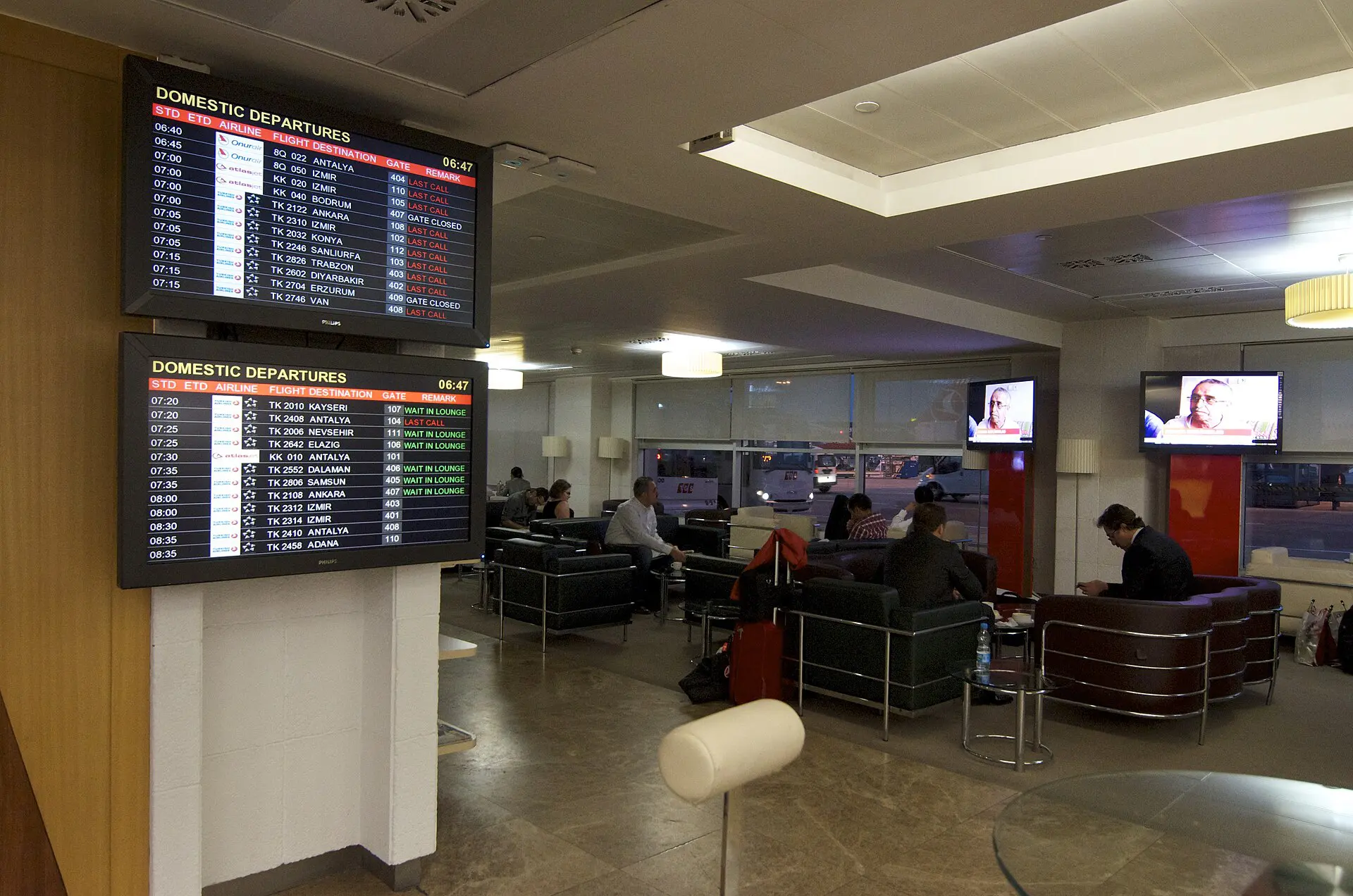
Distances are large, so domestic flights between Istanbul, Cappadocia (Kayseri or Nevşehir), Antalya and İzmir are good value and take about an hour to ninety minutes. High-speed trains connect Istanbul, Ankara and Konya, taking around four to five hours from Istanbul to Ankara. Long-distance buses are comfortable and cheap, and they reach almost everywhere, with an overnight bus from Istanbul to Cappadocia taking around 10 to 11 hours.
In cities, metros, trams and ferries are efficient, and a rechargeable transit card saves money. Renting a car works well on the Aegean and Mediterranean coasts. Driving is on the right, and city traffic is intense, so allow extra time. Taxis in Istanbul are cheap, but insist on the meter or use a ride app.
How much does a trip to Turkey cost?
Turkey is generally cheaper than Western Europe, but inflation has pushed prices up and the Turkish lira (TRY) has weakened for years, so local costs change quickly. Many hotels and tours price in euros. The figures below are rough per-person guides for 2026.
- Budget: around EUR 30 to 60 per day, with hostels or simple pensions, buses and street food.
- Mid-range: around EUR 60 to 120 per day, with private hotel rooms, restaurant meals, domestic flights and entry fees.
- High-end: from around EUR 200 per day, with boutique cave hotels, gulet cruises and private guides.
Istanbul and Cappadocia hotels are priciest in peak months, and balloon flights are a large one-off cost. Food is cheap in local lokantas, while entry fees for Istanbul’s top museums and Ephesus have risen in recent years. Check whether the Museum Pass saves money for your route.
Turkey food and drink
Turkey food is one of the world’s great cuisines, based on grilled meat, fresh vegetables, yoghurt, pastry and olive oil, with strong regional variety. Lokantas and local kebab houses offer excellent value.
- Kebabs: from İskender in Bursa to Adana’s spiced mince and Urfa’s kebab, usually served with flatbread and salad.
- Meze: small plates such as hummus, stuffed vine leaves and aubergine dishes that start a meal.
- Pide and lahmacun: boat-shaped baked flatbread and thin spiced meat flatbread, cheap and quick.
- Simit and börek: sesame bread rings and layered pastry, common breakfast items.
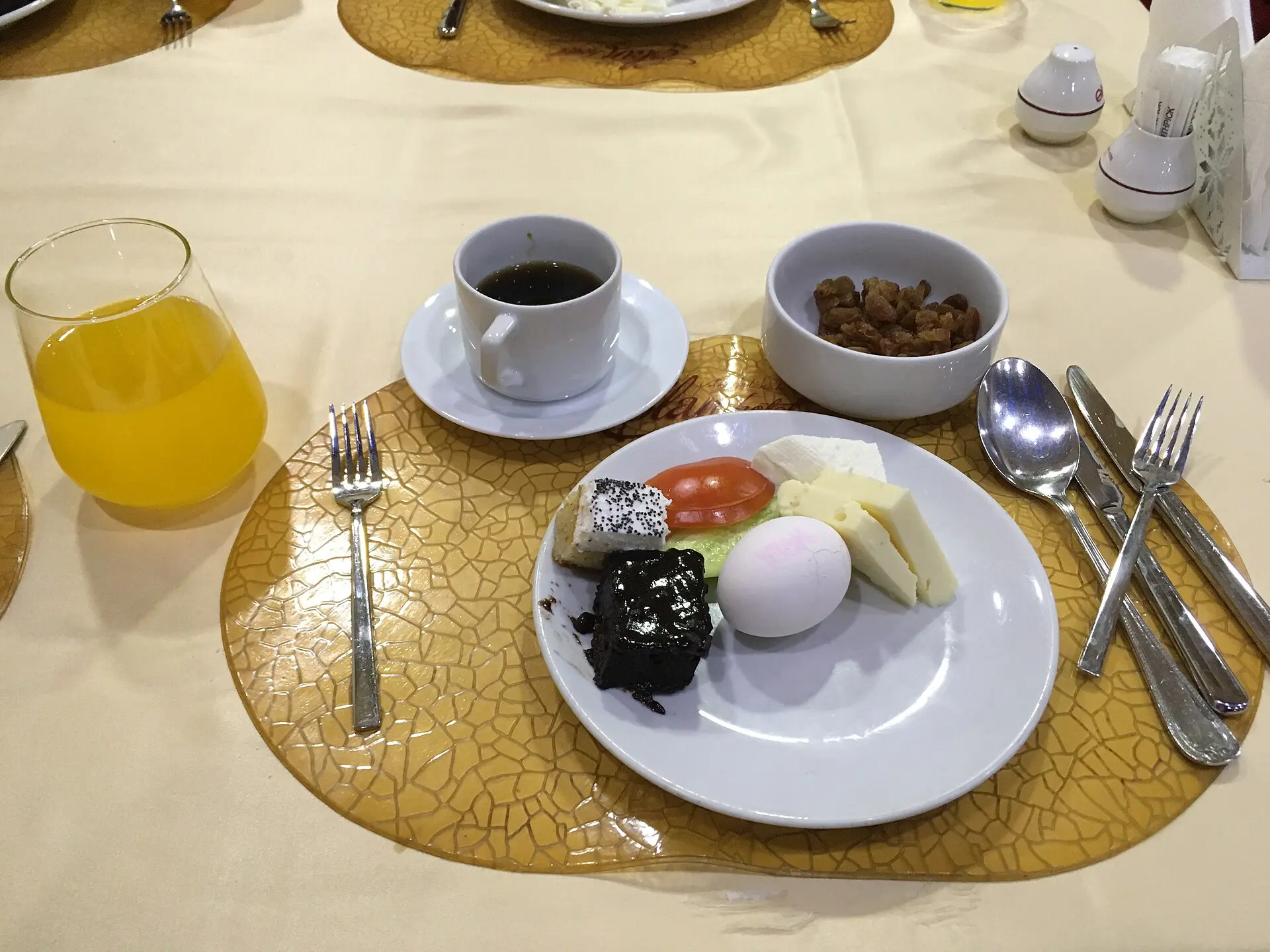
- Turkish breakfast: a spread of cheeses, olives, eggs, tomatoes, honey and bread, served with tea.
- Baklava and Turkish delight: sweets from Gaziantep and Istanbul shops.
- Drinks: tea in tulip glasses, strong Turkish coffee, ayran and, for those who drink alcohol, rakı.
Vegetarians can eat well through meze, lentil soup, vegetable dishes and pide, though ask about meat stock. Seafood is excellent on the Aegean and Bosphorus. Eating where locals queue is a good rule, and Ramadan can affect opening hours in smaller towns.
Culture, language and etiquette in Turkey
Turkish is the official language, and Kurdish and other languages are also spoken in various regions. English is common in tourist areas and among younger people in cities, while elsewhere a few Turkish words go a long way: merhaba (hello), teşekkürler (thank you) and lütfen (please).
Turkey is a secular republic with a Muslim-majority population, and social attitudes vary widely between cosmopolitan Istanbul and conservative towns. Hospitality is a point of pride, and being offered tea is a normal part of any shop visit, with no obligation to buy.
Dress modestly when visiting mosques: cover shoulders and knees, and women should carry a headscarf. Remove shoes at the entrance and avoid visiting during prayer times, especially on Fridays at midday. Public displays of affection are best kept discreet outside the big cities. Bargaining is normal in bazaars but not in fixed-price shops. Avoid criticising Atatürk or the Turkish state, and be careful about topics such as the Kurdish issue and Armenian history, which can be sensitive.
Turkey itinerary: a 7-day route
This route combines the three most popular regions using domestic flights to save time and avoids areas near the Syrian border.
- Day 1, Istanbul: arrive, walk Sultanahmet and see Hagia Sophia and the Blue Mosque.
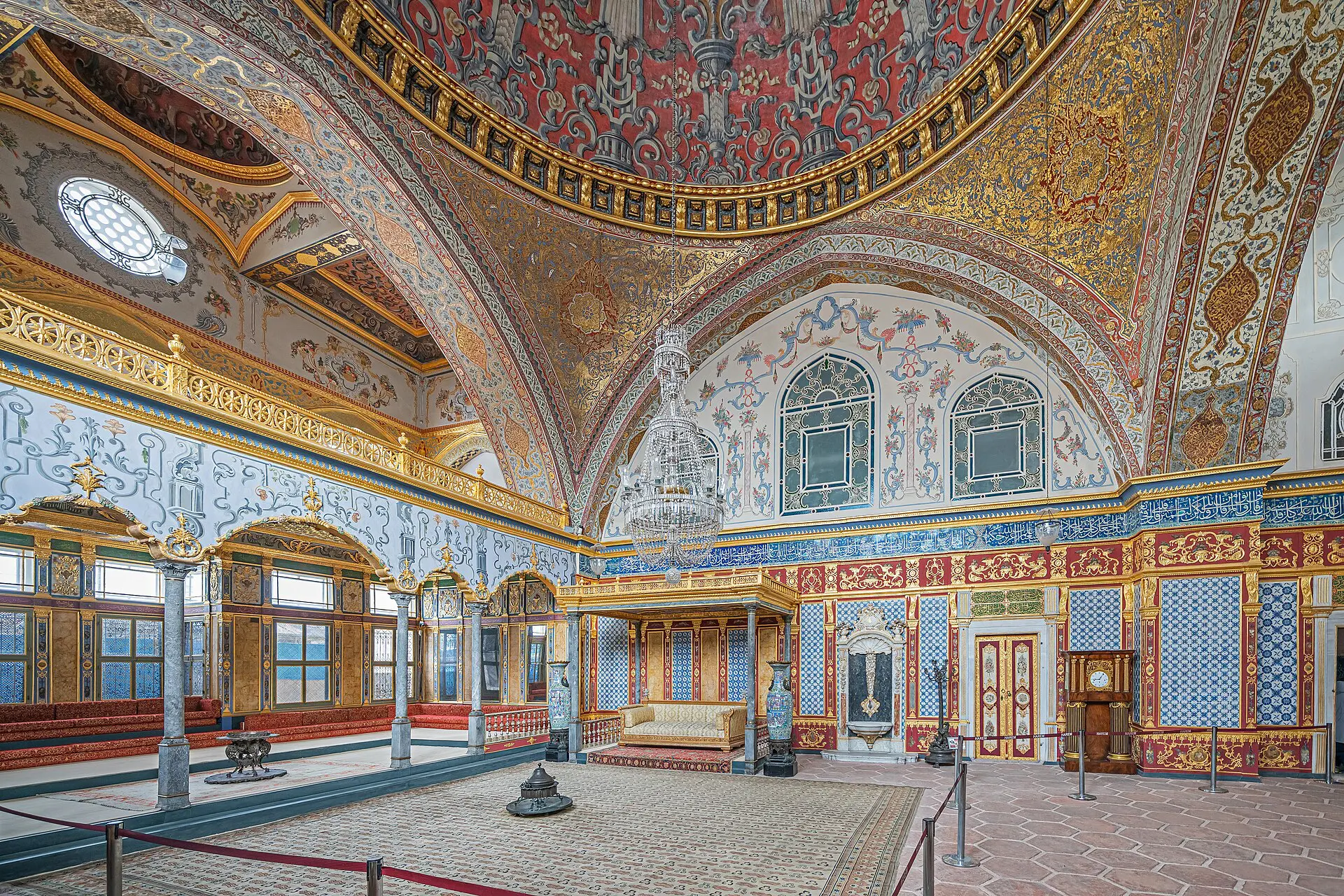
- Day 2, Istanbul: visit Topkapi Palace, cross the Bosphorus by ferry, and explore the Grand Bazaar.
- Day 3, Istanbul to Cappadocia: fly to Kayseri or Nevşehir and transfer to Göreme.
- Day 4, Cappadocia: optional dawn balloon, then hike the Rose and Red Valleys or visit the open-air museum.
- Day 5, Cappadocia to İzmir: fly to İzmir, then travel to Selçuk.
- Day 6, Ephesus and Şirince: visit Ephesus early, then spend the afternoon in the hill village of Şirince.
- Day 7, Pamukkale or departure: add a morning at Pamukkale if time allows, or return to İzmir for the flight home.
With ten days, add Antalya and the Turquoise Coast. Book balloon rides and domestic flights early in peak months.
Practical tips for Turkey
- Money: the Turkish lira is the local currency. ATMs are common, cards are widely accepted, and cash helps in small shops and buses. Exchange at banks or ATMs rather than street changers.
- SIM and eSIM: tourist eSIMs work well; foreign phones may need registration for a local SIM, so check the rules.
- Plugs: types C and F at 230 V.
- Tipping: about 10 percent in restaurants if no service charge is included, and round up for taxis.
- Health: tap water is generally not recommended for drinking, so use bottled water. Pharmacies are plentiful, and insurance with medical cover is advisable.
- Packing: comfortable walking shoes for cobbled streets, modest clothing for mosques and layers for cool evenings and cave hotels.
- Etiquette tip: keep your passport copy with you, and carry small change for public toilets and transport.
For more background, see the Wikivoyage Turkey guide.
FAQ
Q1Is Turkey safe to visit?
Yes for most visitors in the main tourist areas such as Istanbul, Cappadocia and the Aegean and Mediterranean coasts. Avoid areas near the Syrian border, steer clear of protests, watch for petty theft and scams, and check your government's current travel advice before you go.
Q2What is the best time to visit Turkey?
April to May and September to October are best, with comfortable temperatures and fewer crowds than summer. July and August are hot and busy on the coast. Winter suits Istanbul and Cappadocia, but many coastal resorts close from November to March.
Q3What are the best things to do in Turkey?
Top picks are Hagia Sophia and the Grand Bazaar in Istanbul, a hot-air balloon flight in Cappadocia, the ruins of Ephesus, the terraces of Pamukkale, a gulet cruise on the Turquoise Coast and Turkish food from kebabs to baklava.
Q4Do you need a visa for Turkey?
It depends on nationality. Many visitors, including from most EU states and the UK, have generally been able to enter visa-free for short stays, while others need an e-visa or embassy visa. Use only the official Turkish government site and confirm before booking.
Q5Is Turkey cheap to visit?
Turkey is cheaper than Western Europe but not as cheap as it once was. Around EUR 60 to 120 per day covers mid-range travel. Istanbul, Cappadocia balloon flights and summer coastal resorts push costs up, while buses and local restaurants stay inexpensive.
Q6Is Turkey or Türkiye the right name?
Both are used. The country's official name is Türkiye, adopted by the government in recent years, and many guides and airlines now use it. Turkey remains the common English name, and either will be understood in travel contexts.
Q7How many days do you need in Turkey?
Seven days is enough for Istanbul, Cappadocia and Ephesus with domestic flights. Ten to fourteen days adds Pamukkale, Antalya and the Turquoise Coast. Turkey is large, so choose two or three regions rather than rushing between all of them.