Why visit Istanbul
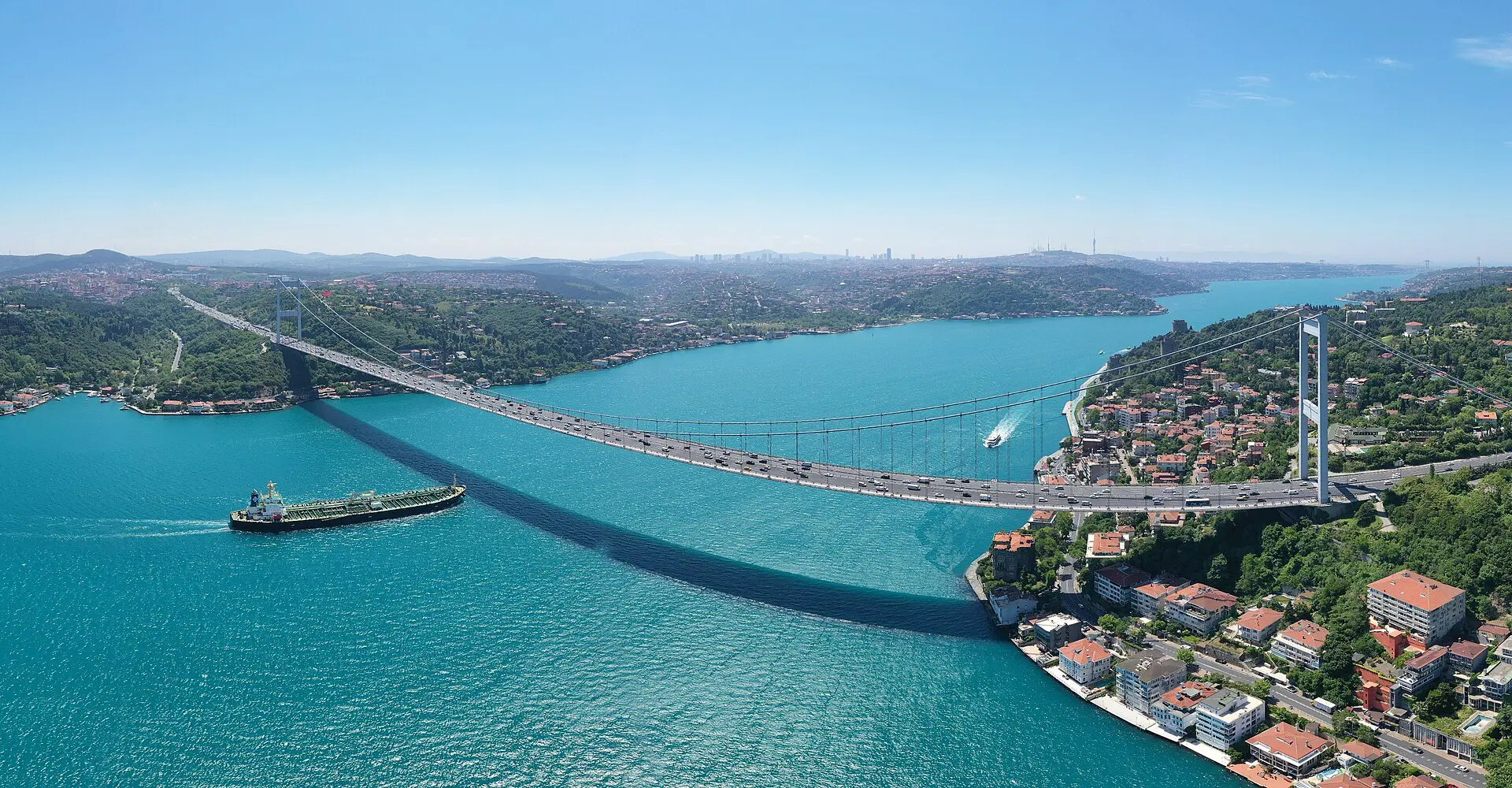
The best things to do in Istanbul come from its position and its past. It is the largest city in Turkey, home to more than 15 million people, and it sits on both sides of the Bosphorus, so about two-thirds of residents live in Europe and the rest in Asia.
The city began as the Greek colony of Byzantium, then became Constantinople in 330 AD. Over nearly 16 centuries it served as the capital of four empires, including the Roman, Byzantine and Ottoman, and that layered history is visible in its mosques, churches, walls and palaces.
It is also a modern megacity with ferries, neighbourhood cafes and busy markets. Expect crowds, hills and heavy traffic, but also some of the most striking views in the region. Plan to see the historic peninsula and at least one other area.
Top things to do in Istanbul
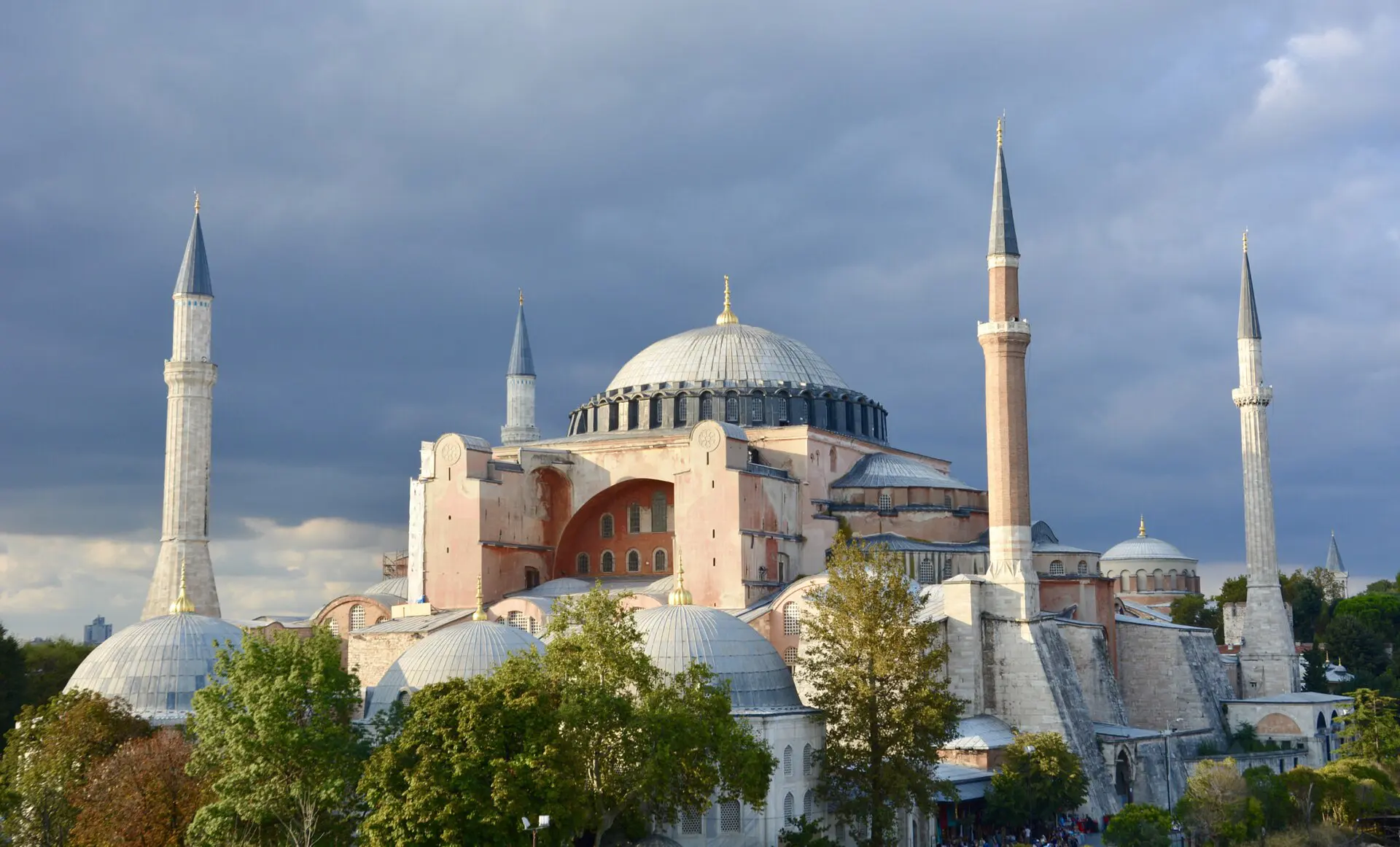
Hagia Sophia
This landmark of Byzantine architecture dominates the old city skyline. Allow about an hour. Rules for entry, dress and tickets have changed over time, so check the current arrangements before you go, and cover your shoulders and knees.
Blue Mosque
Just across the square from Hagia Sophia, this working mosque is known for its tiled interior and its six minarets. Allow about 30 to 45 minutes. It closes to visitors around prayer times, so plan around them and remove your shoes.
Topkapi Palace
The former Ottoman palace is a complex of courtyards, pavilions and collections with views over the water. Plan two to three hours. Check which sections need separate tickets, and go early to beat the crowds.
Grand Bazaar
This covered market is a maze of shops selling ceramics, textiles and jewellery. Allow one to two hours. Bargaining is normal, and you will be approached by sellers, so a calm, polite no works. It is closed on some days, so check ahead.
Basilica Cistern
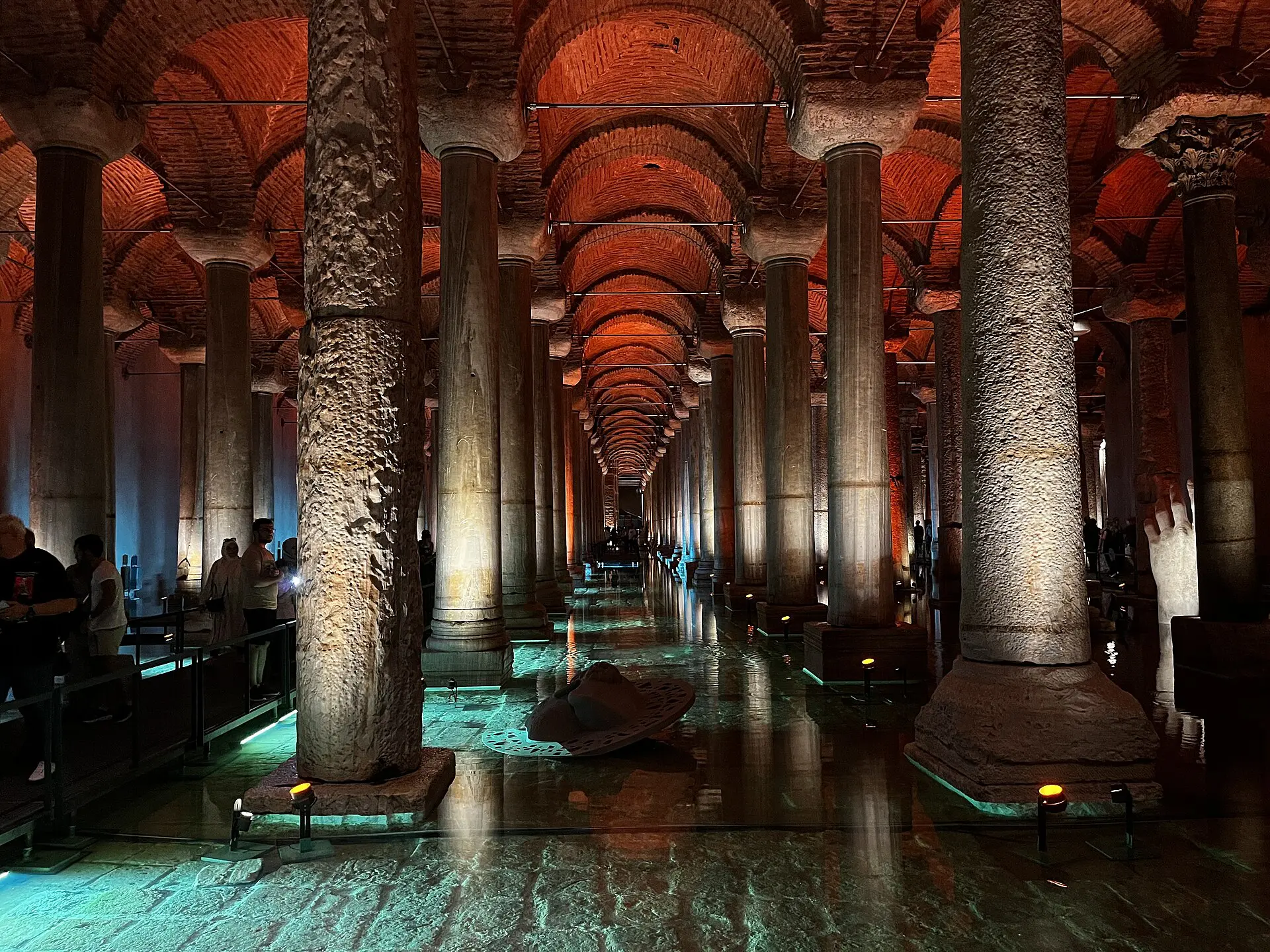
This underground water reservoir from the Byzantine era is atmospheric and cool on hot days. A visit takes about 30 to 45 minutes, and queues can build, so buy tickets in advance if possible.
Bosphorus ferry ride
Public ferries and tour boats run along the strait and between the European and Asian sides. A trip takes from 20 minutes to a couple of hours, depending on the route. It is one of the best ways to see the skyline and the waterside districts.
Galata Tower and Beyoglu
The tower gives a wide view over the Golden Horn, and the surrounding streets have cafes, galleries and shops. Allow an hour for the tower and a couple more to wander. Go near sunset for good light.
Best time to visit Istanbul
Spring, from April to June, is a good time to visit, with mild weather and long days. Autumn, from September to November, is also pleasant, with warm days and slightly fewer visitors toward the end of the season.
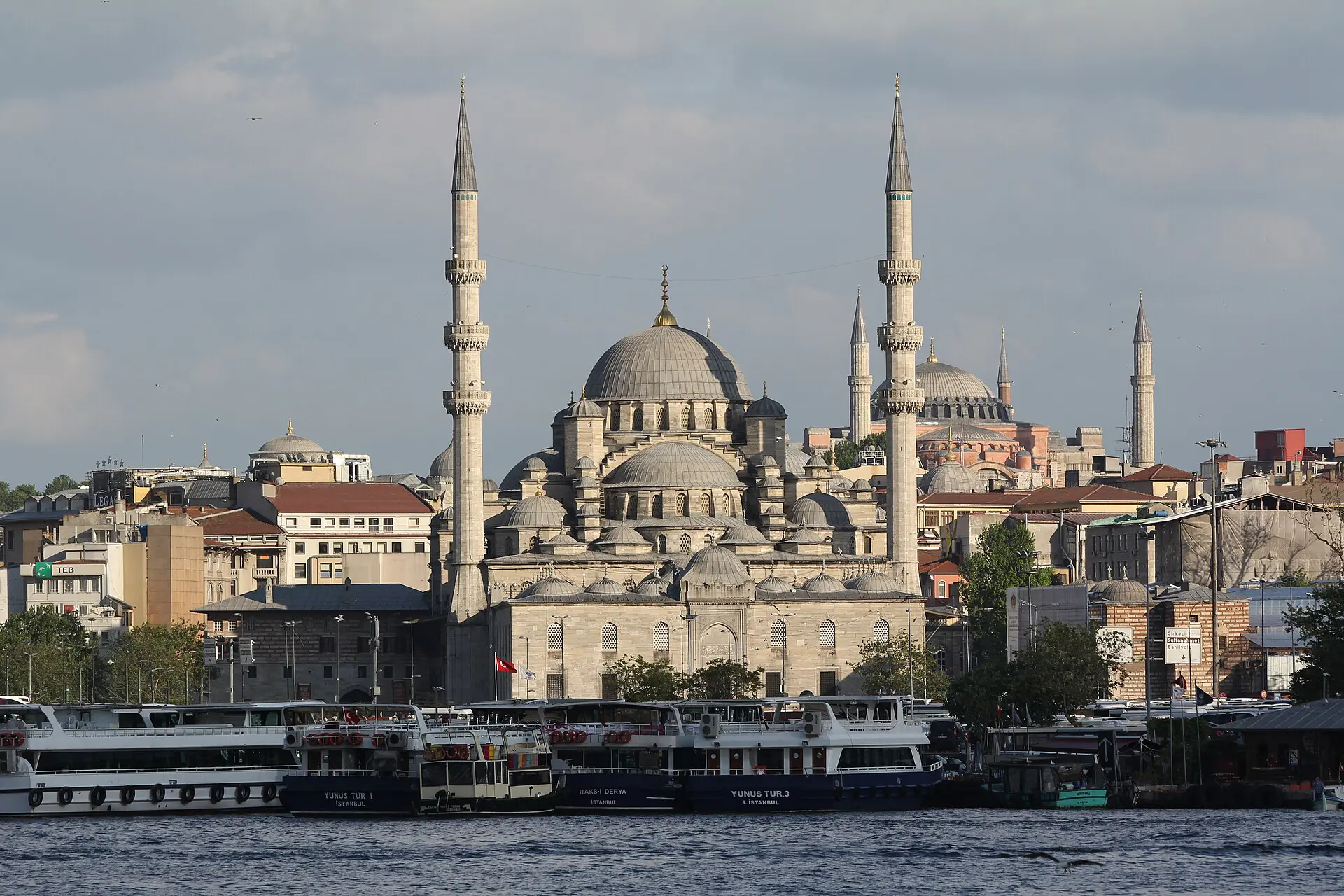
Summer can be hot and humid, with large crowds at the main sites, so start early and use ferries and shaded spots in the afternoon. Winter is cooler and can be damp, with occasional cold snaps, but it is the quietest time, and hotel prices are often lower.
| Season | Weather | Crowds and prices |
|---|---|---|
| Spring | Mild, some rain | Busy, higher prices |
| Summer | Hot, humid | Busy, high prices |
| Autumn | Warm, then cooler | Moderate |
| Winter | Cool, damp | Quietest, cheaper |
How to get to Istanbul and around
Istanbul has two main airports. Istanbul Airport handles most international traffic, while Sabiha Gokcen sits on the Asian side and serves many other routes. Both link to the city by bus, metro or shuttle and taxi, but trips can be long, so check current options and allow extra time.
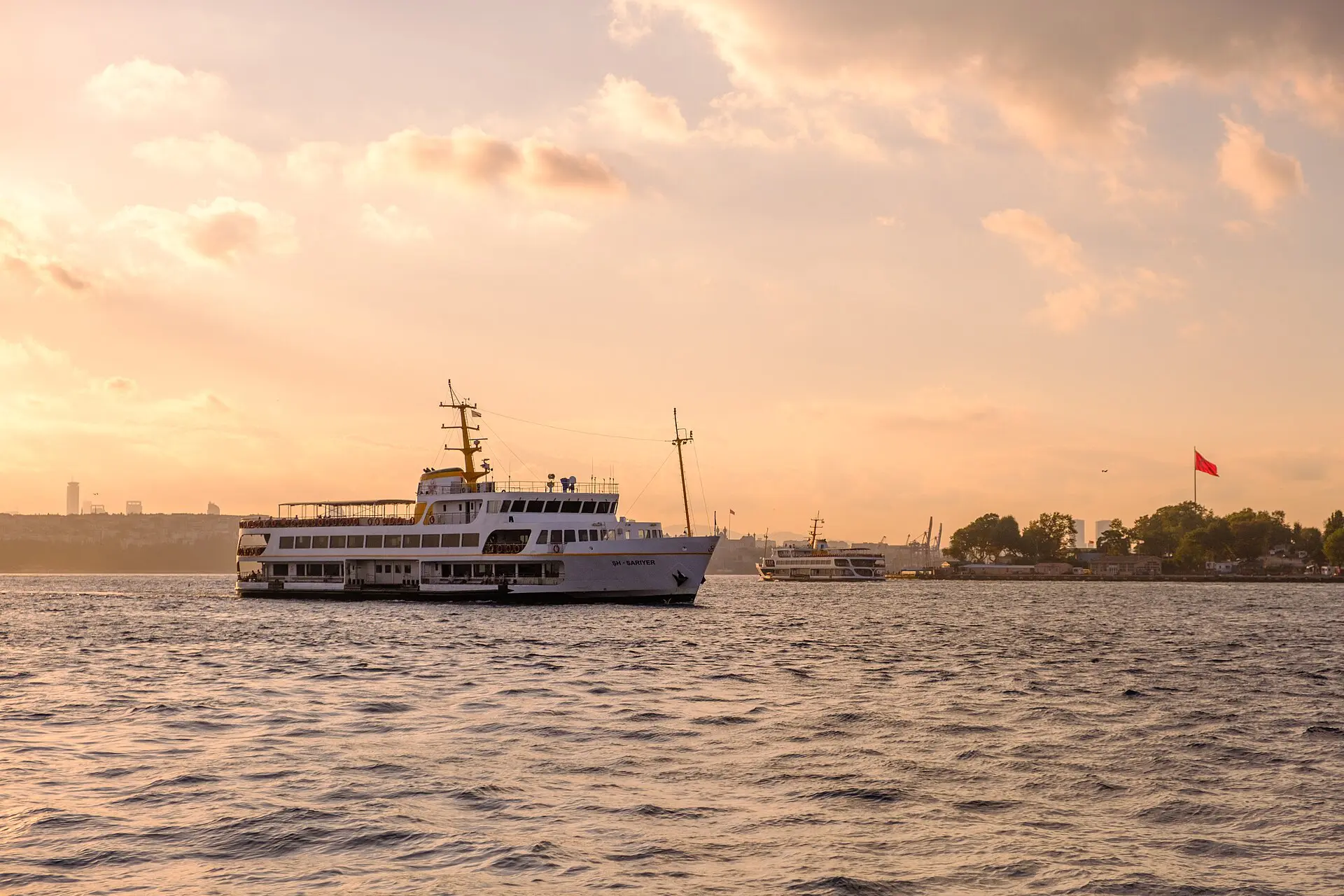
Within the city, a mix of metro, tram, funicular and ferry services covers most visitor areas. A rechargeable travel card is usually the easiest way to pay. The historic peninsula is walkable but hilly, and traffic is heavy at peak hours.
Ferries are both transport and sightseeing, and a good way to cross between Europe and Asia. Taxis are plentiful; insist on the meter or use a ride-hailing app, and agree on the route for longer trips.
Where to stay in Istanbul
Sultanahmet, in the old city, puts you beside the main historic sights, so you can walk to them early before the crowds. It is touristy and quieter in the evenings, with a more limited range of local restaurants.
Beyoglu and the area around Galata suit travellers who want nightlife, cafes and a livelier atmosphere. It is hilly but has good transport links, and it is a good base for exploring both sides of the Golden Horn.
The Asian side, such as Kadikoy, suits visitors who want a local feel and good food, with ferry links to the old city. It is less convenient for a short trip but often better value. Book early for spring and autumn.
How many days do you need?
Three days covers the main historic sights, a ferry ride and a couple of neighbourhoods. Four days leaves room for a slower pace, a market and the Asian side. If you have only two days, focus on the old city and one ferry trip.
- Day 1: Hagia Sophia, Blue Mosque, Basilica Cistern and the Grand Bazaar.
- Day 2: Topkapi Palace in the morning, a Bosphorus ferry in the afternoon.
- Day 3: Galata Tower and Beyoglu, then an evening on the Asian side.
Day trips and nearby
Bursa
Bursa lies across the Sea of Marmara and was an early Ottoman capital. It can be reached by road and ferry in a few hours, so it works as a long day trip or an overnight.
Troy
The ancient site of Troy is far enough from the city that it requires a long day or an overnight stay. Check transport options before planning, and consider a guided trip.
Ephesus
Ephesus is a major ancient site on the Aegean coast, and it is best reached by flying to Izmir and continuing by road. Treat it as a separate trip.
Cappadocia
Cappadocia is a different region of central Turkey and best reached by a flight from Istanbul. Plan at least two nights, and do not try to fit it into a day.
FAQ
Q1When is the best time to visit Istanbul?
April to June and September to November offer the most pleasant weather. Summer is hot, humid and crowded, while winter is cool and damp but quiet and cheaper. Start early at major sights in any season.
Q2How many days do you need in Istanbul?
Three to four days is a good amount of time for the historic sights, a Bosphorus ferry and a couple of neighbourhoods. Two days is possible if you focus on the old city, and a longer stay lets you add the Asian side.
Q3How do you get around Istanbul?
A mix of metro, tram, funicular and ferries covers most visitor areas, and a rechargeable travel card is the easiest way to pay. Taxis and ride-hailing apps are common, but traffic can be heavy, so allow extra time.
Q4Is Istanbul expensive?
Istanbul can suit a range of budgets, and costs depend on the neighbourhood and season. Public transport and street food are generally good value, while central hotels and major attractions cost more. Check current prices before you go.
Prices, schedules and entry rules change. Check current details with official sources before you travel. Read the Turkey travel guide.