Why visit Antalya
If you are planning things to do in Antalya, start with the setting. The city sits on the Mediterranean coast of southern Turkey, with the Taurus mountains rising behind it and a long run of beaches either side. It is the largest city on this stretch of coast and a major gateway to the so-called Turkish Riviera.
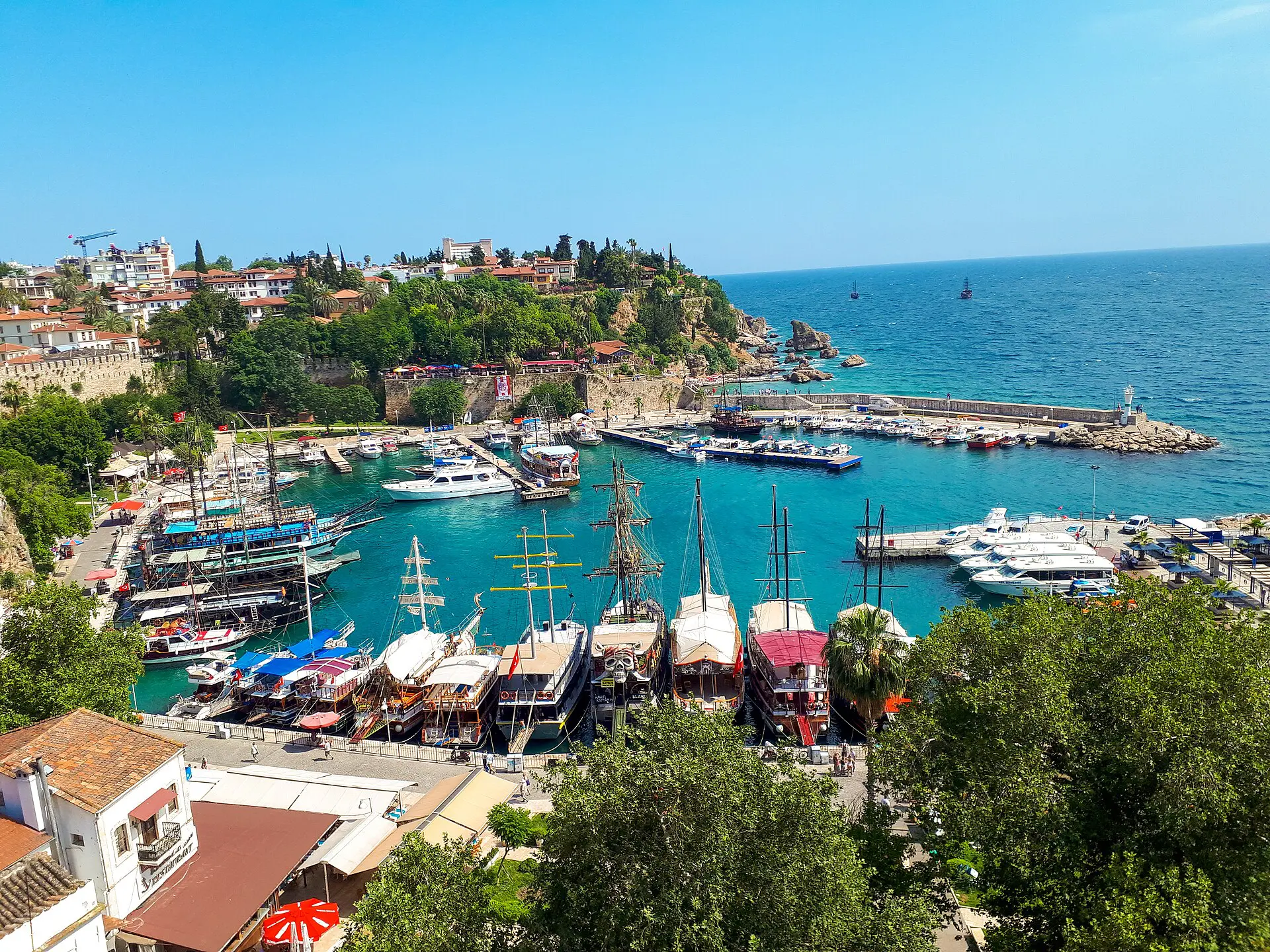
At its heart is Kaleiçi, the old walled quarter, with narrow streets, restored houses and a small harbour below cliffs. Around it are modern districts, parks and cliff-top promenades, so you can mix old-town wandering with a beach day.
The region is also rich in ancient sites, including Roman and Greek ruins within easy reach. That combination of sea, history and good transport links makes Antalya a flexible base for a week or a long weekend.
Top things to do in Antalya
Kaleiçi old town
The walled old quarter is the best place to start. Walk its lanes, look at restored Ottoman-era houses and stop for coffee. Plan two to three hours. Streets can be steep and uneven, so wear sturdy shoes, and visit early or late in summer to avoid the heat.
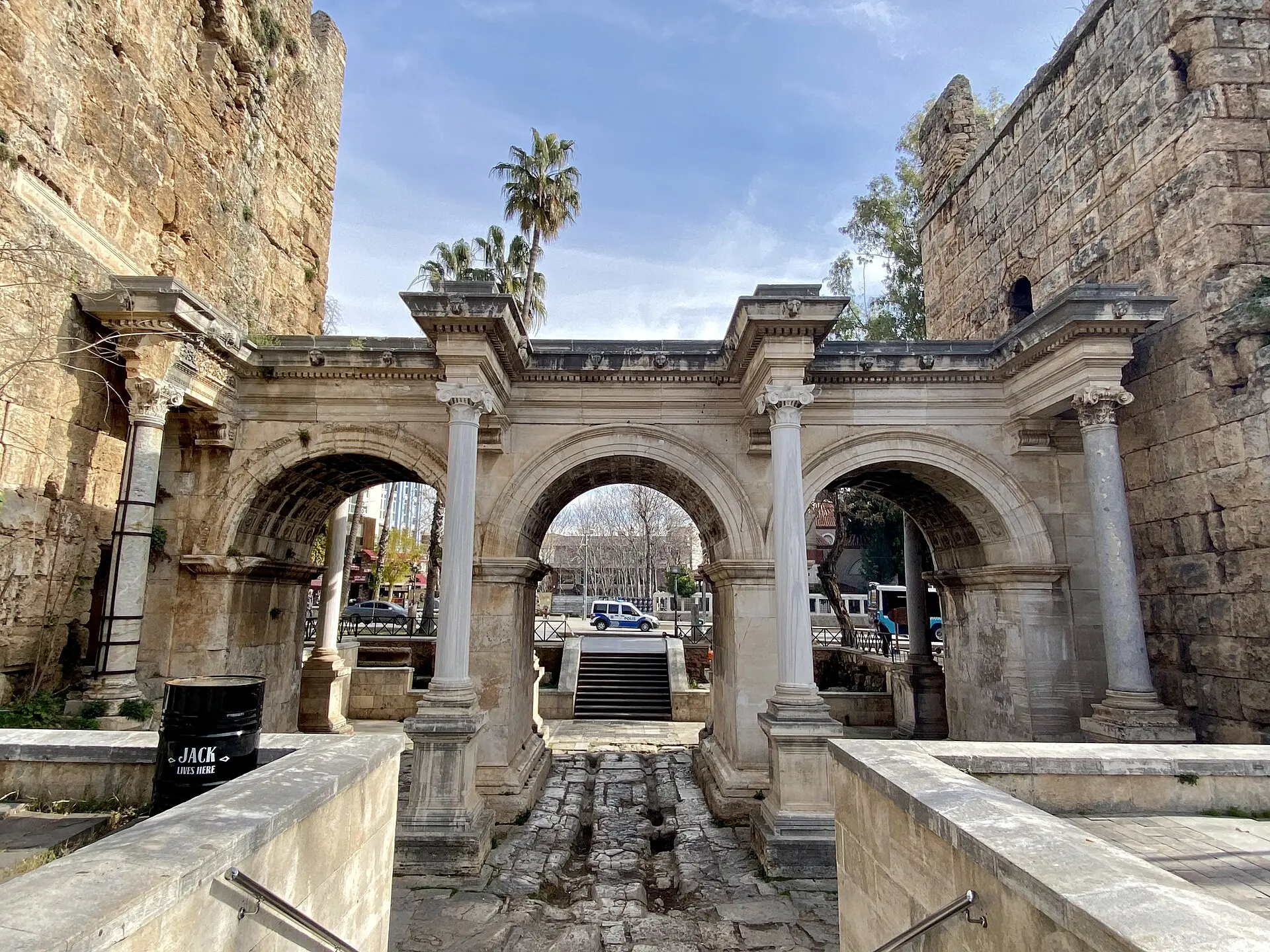
Hadrian’s Gate
A Roman triumphal arch that marks an entrance to the old town. It takes only a few minutes to see and is a popular photo stop. Combine it with a walk through Kaleiçi, and note that it can be crowded in the middle of the day.
The old harbour
The small harbour sits below the cliffs of the old town and is lined with restaurants and boat operators. Plan an hour for a stroll or a short boat trip along the coast. Agree prices before boarding and check what the trip includes.
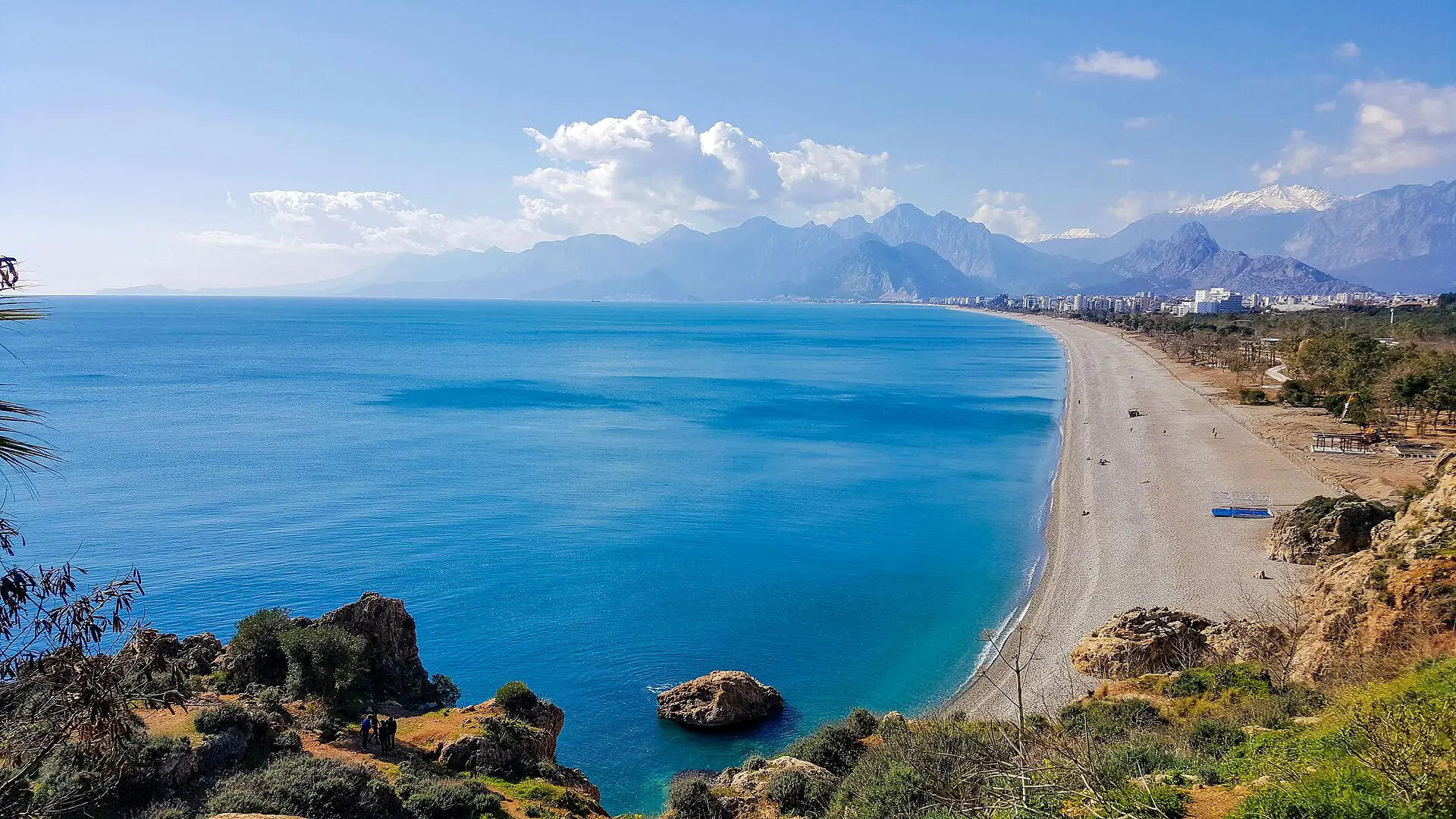
Konyaaltı and Lara beaches
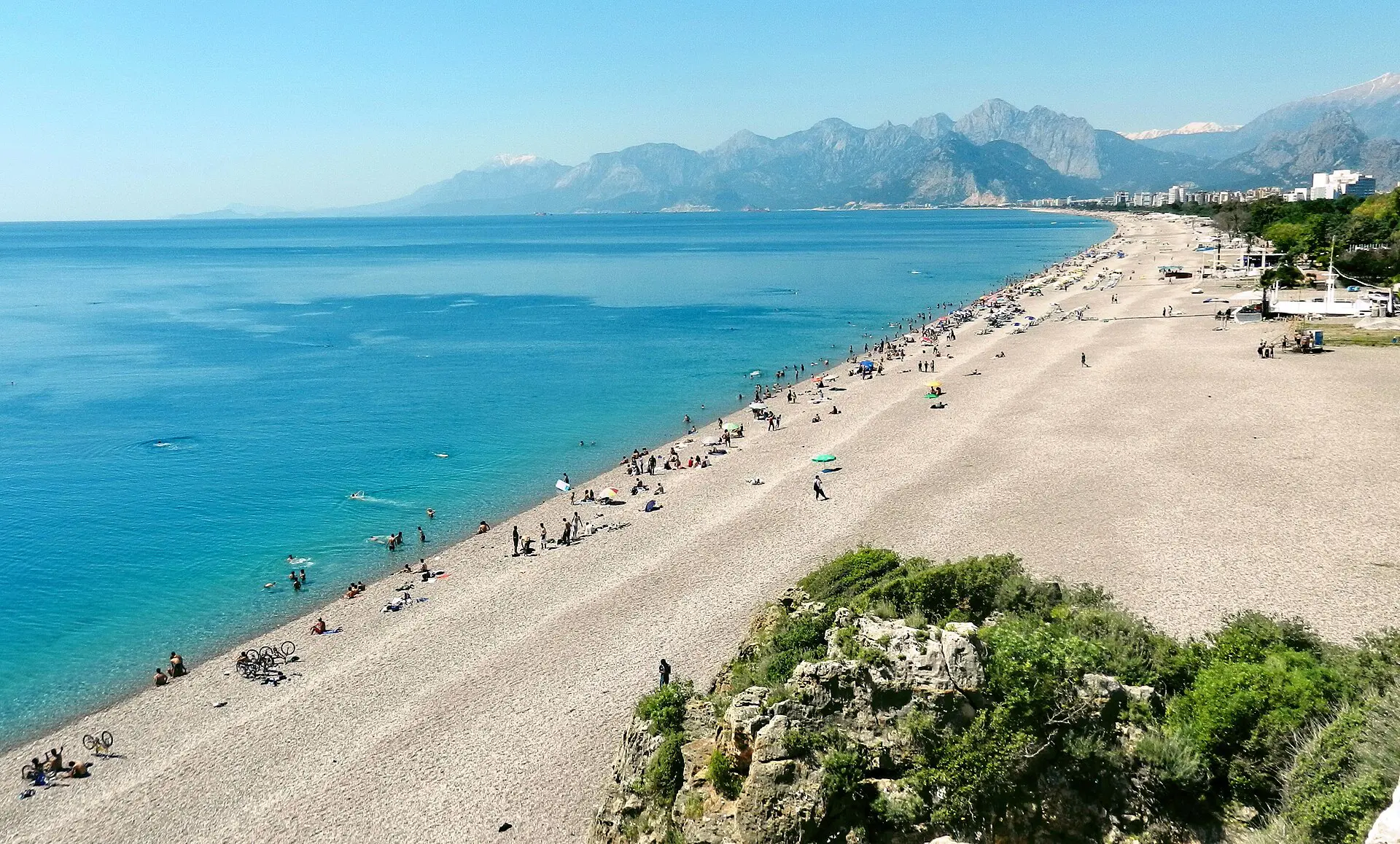
Konyaaltı lies west of the centre and Lara to the east. Both have beach clubs, sunbeds and water access. Konyaaltı has mountain views, while Lara is more resort-focused. Public access is available, but facilities vary, so check before you go.
Düden Waterfalls
The Lower Düden Waterfall drops into the sea from a cliff and is easy to reach from the city; the upper falls sit inland in a park. Allow one to two hours and bring water. Opening arrangements and fees can change, so check locally.
Antalya Museum
The archaeological museum holds finds from the surrounding region, including sculpture and artefacts. Plan one to two hours, especially if you are visiting nearby ruins afterwards. Check current opening days, since museums often close one day a week.
Cable car and viewpoints
Cliff-top parks and viewpoints give good coastal views, and a cable car runs up Tünek Tepe in the nearby mountains. Go in the evening for cooler air and sunset, and check operating times before you set out.
Best time to visit Antalya
Antalya has a Mediterranean climate with long, hot summers and mild, wetter winters. Spring and autumn are the best times for sightseeing and swimming without extreme heat. July and August are very hot and busy, with the highest prices; the sea is warm, but sightseeing is tiring in the middle of the day. Winter is mild enough for walking and ruins, but swimming is less appealing, and some beach businesses close. Rain is more common between November and March.
| Season | Weather | Crowds and prices |
|---|---|---|
| Spring (April-June) | Warm, sunny | Moderate |
| Summer (July-August) | Very hot | Busiest, highest prices |
| Autumn (September-October) | Warm, sea still warm | Moderate, good value |
| Winter (November-March) | Mild, wetter | Quiet, low prices |
How to get to Antalya and around
Antalya Airport is one of Turkey’s busiest and lies roughly 10 km east of the centre. Airport buses, shuttles and taxis run into the city; check current options on arrival. International and domestic flights are frequent, especially in summer. Long-distance buses connect Antalya with other Turkish cities and are comfortable and widely used; journey times are long, so check schedules.

In the city, a tram line runs through the centre, and buses and taxis cover the rest. Kaleiçi is easy to explore on foot. To reach ruins and coastal towns, many visitors use organised tours, minibuses or a rental car. Taxi fares should use the meter, and ride-hailing apps may be available. Allow extra time for traffic in summer.
Where to stay in Antalya
Antalya offers a wide range, from restored guesthouses to large beach resorts, so decide how much you want to be in the city.
- Kaleiçi: the most atmospheric option, with boutique hotels and guesthouses inside the old town. Suits couples and short city stays, but streets are narrow and nights can be lively.
- Konyaaltı: a modern district with a long beach and mountain views. Good for beach holidays with easy access to the centre by tram.
- Lara: an eastern resort area with large all-inclusive hotels. Suits families and travellers who want to stay put, but it is further from the old town.
- City centre: a practical mid-range option with shops and restaurants and good transport links.
Check whether prices include meals and transfers, and book early for July and August.
How many days do you need?
Three days covers the old town, one beach day and a day trip. Five days is more relaxed and lets you add a second ruins visit or a boat trip. One or two days is enough for a short stopover if you stay in Kaleiçi.
- Day 1: Explore Kaleiçi and the old harbour, see Hadrian’s Gate, then watch the sunset from a cliff-top park.
- Day 2: Spend the morning at the museum and Düden Waterfalls, and the afternoon on Konyaaltı or Lara beach.
- Day 3: Take a day trip to ancient ruins or a coastal town, returning for dinner.
Begin outdoor sights early in summer to avoid the midday heat.
Day trips and nearby
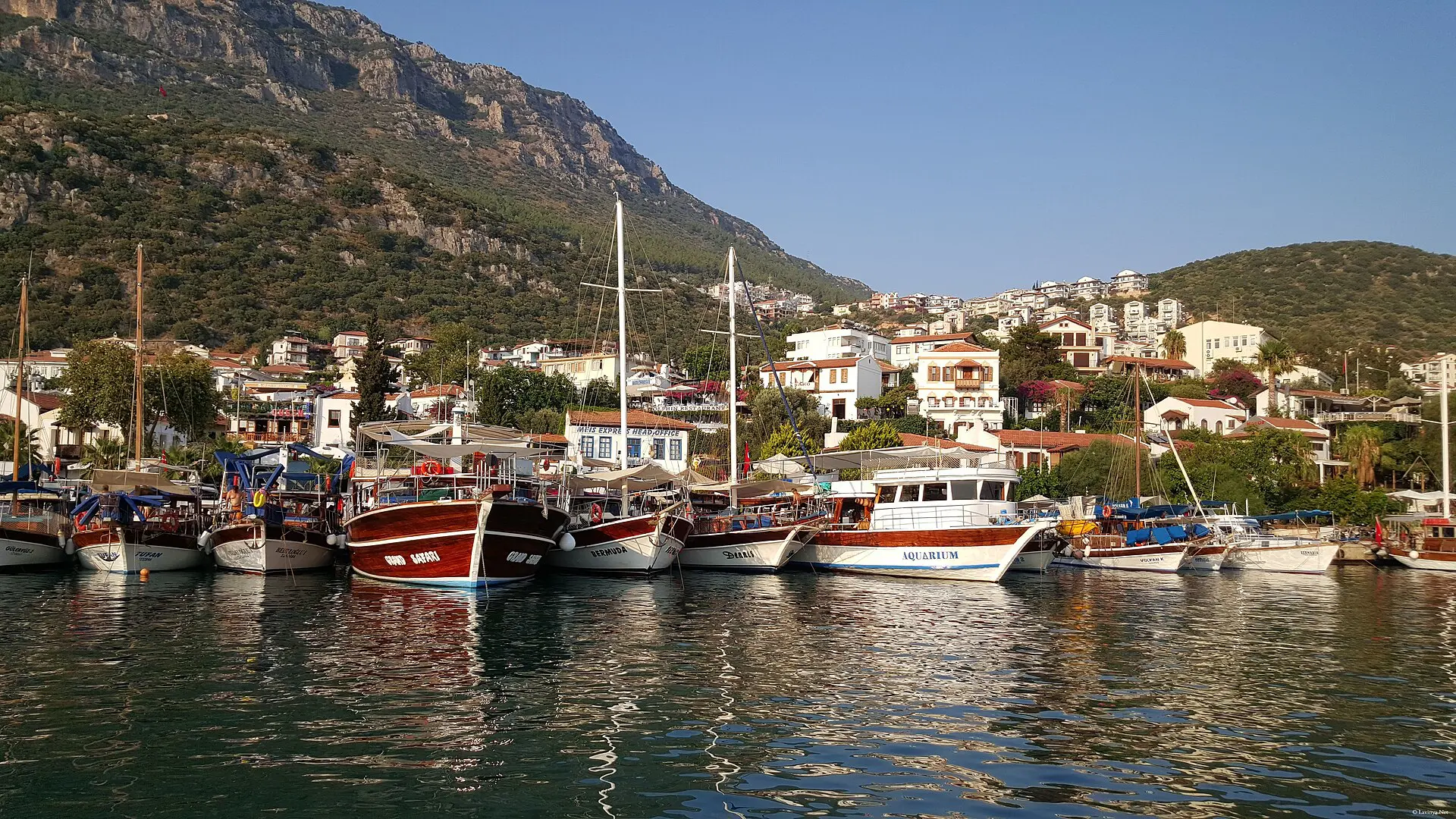
Kaş
A small, relaxed coastal town along the Mediterranean, popular for diving, boat trips and sea views. It is a long day trip from Antalya by road, so many travellers stay overnight. Check bus and minibus schedules in advance.
Fethiye
Another coastal base, known for its bay and boat trips. It is too far for a comfortable day trip, so plan it as an overnight stop or as part of a longer coast itinerary.
Alanya
A coastal town east of Antalya with a hilltop castle and long beaches. It is a long but feasible day trip by road or an overnight stop. Check transport times and travel early in the day.
Ephesus and Cappadocia
Both major sights are far from Antalya, and most travellers reach them by flight or an overnight bus, not as a day trip. Plan them as separate stops on a longer Turkish itinerary.
FAQ
Q1How many days do you need in Antalya?
Three to five days is a good range. That gives you time for Kaleiçi, a beach day, the waterfalls or museum and a day trip to ruins. Two days is enough for a short stopover.
Q2When is the best time to visit Antalya?
April to June and September to October offer warm weather, a swimmable sea and manageable crowds. July and August are very hot and busy. Winter is mild but wetter, with quieter beaches and lower prices.
Q3How do you get to Antalya?
Most visitors fly into Antalya Airport, about 10 km east of the centre, then take a shuttle, bus or taxi into town. Long-distance buses also connect Antalya with other Turkish cities. Check current schedules and journey times.
Q4Is Antalya expensive?
By European standards it can be good value, though prices vary with season and the type of stay. Expect mid-range costs of roughly USD 70-140 per day. Resort areas and July to August cost more than the old town and winter.
Prices, schedules and entry rules change. Check current details with official sources before you travel. Read the Turkey travel guide.