Why visit Azerbaijan
The things to do in Azerbaijan cover three very different worlds: a rebuilt, oil-funded capital on the Caspian Sea, medieval towns on the old Silk Road, and remote villages high in the Greater Caucasus. Azerbaijan is a former Soviet republic of about 86,600 square kilometres, often called the Land of Fire, and is variously counted as part of Europe or Asia (see the Wikipedia overview for background).
It suits independent travellers who like unusual destinations, architecture, hiking and food, and who are comfortable with limited English outside Baku and some bureaucracy. Tourism is still developing, so crowds are small and hospitality is warm. It works for a short city break or for a one-week loop that adds Sheki and the mountains, as long as you stay away from the border areas that governments advise against.
Best places to visit in Azerbaijan
The best places to visit in Azerbaijan are the capital, a handful of heritage towns and the northern mountains, all reachable within a day’s drive of Baku.
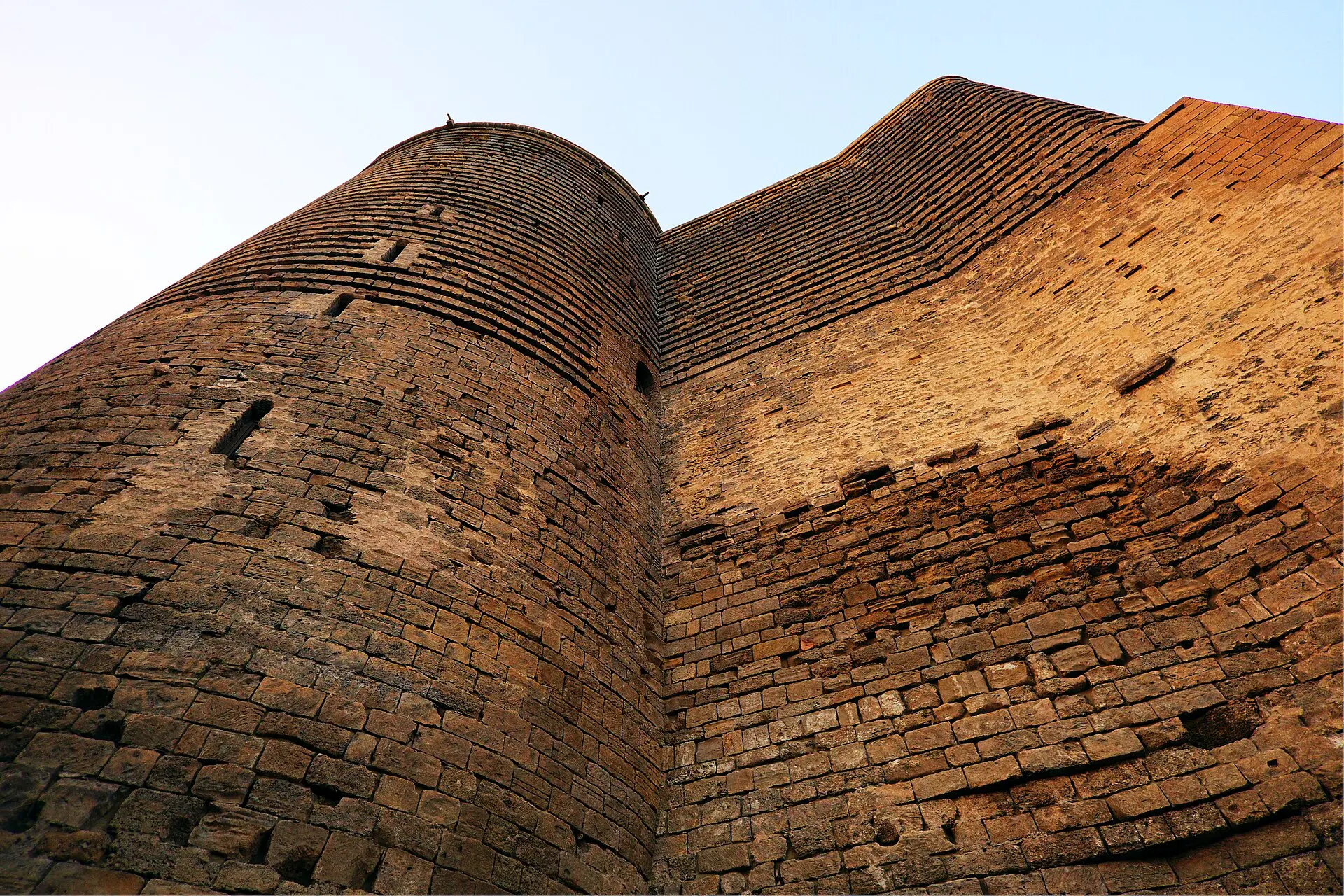
Baku
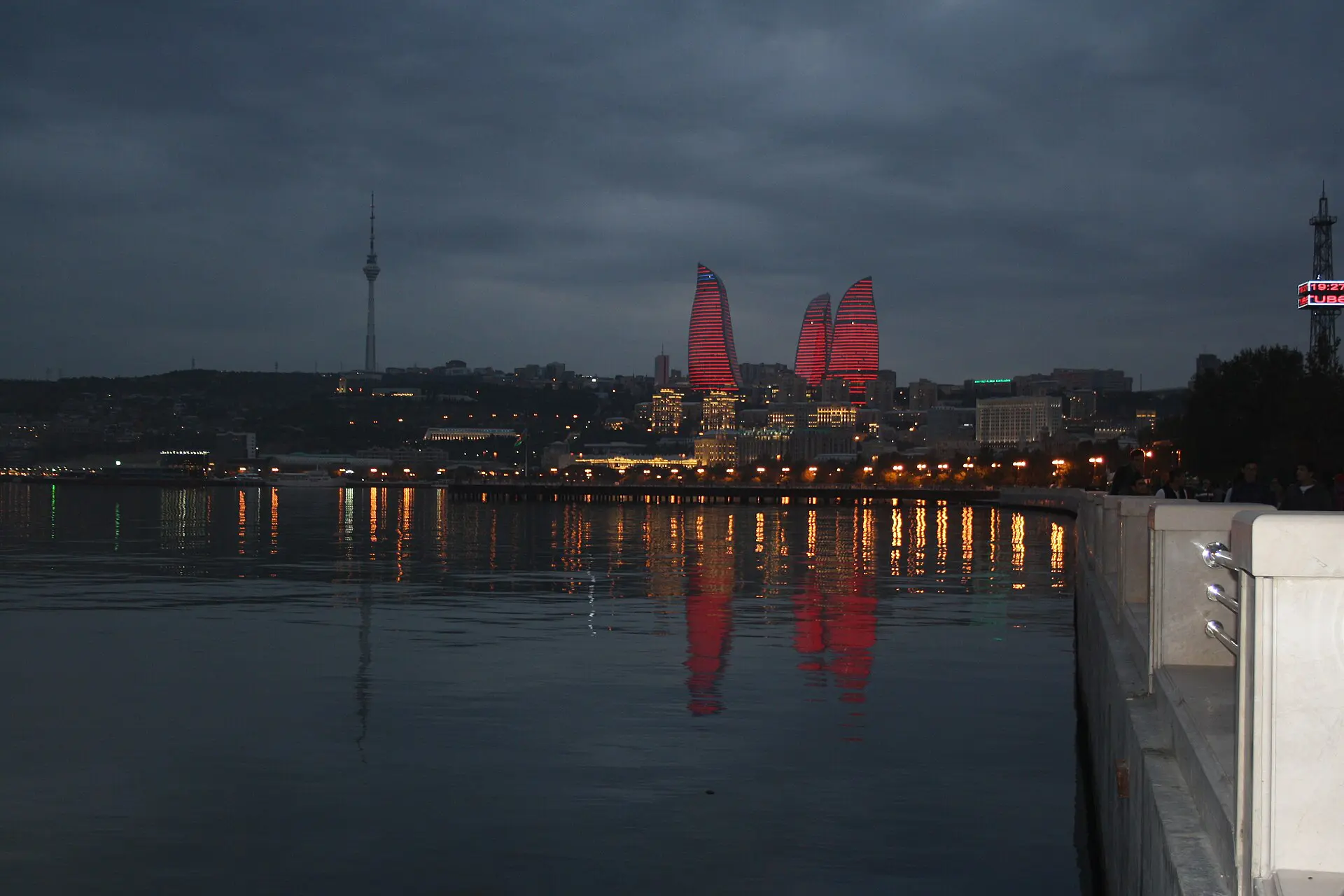
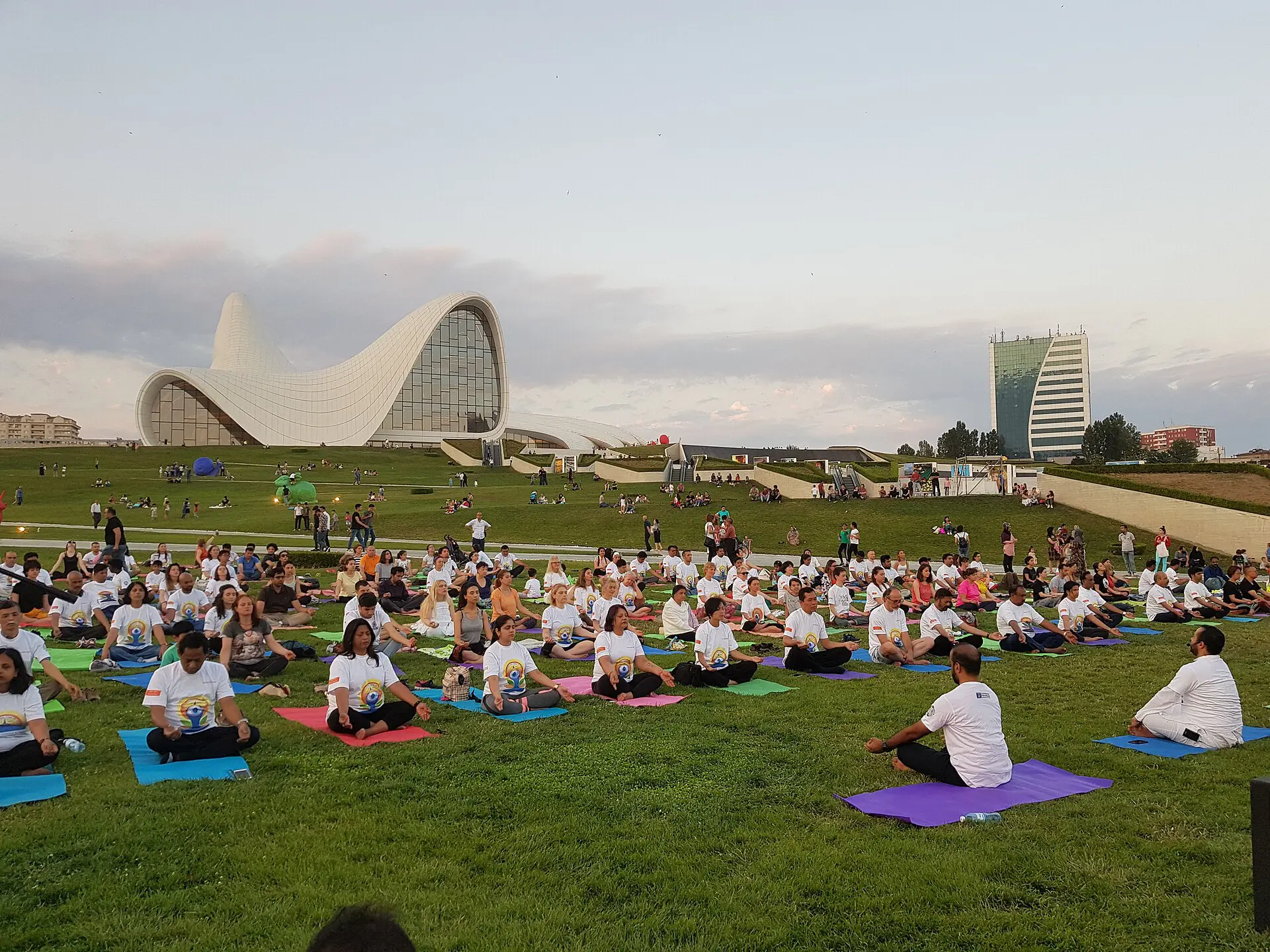
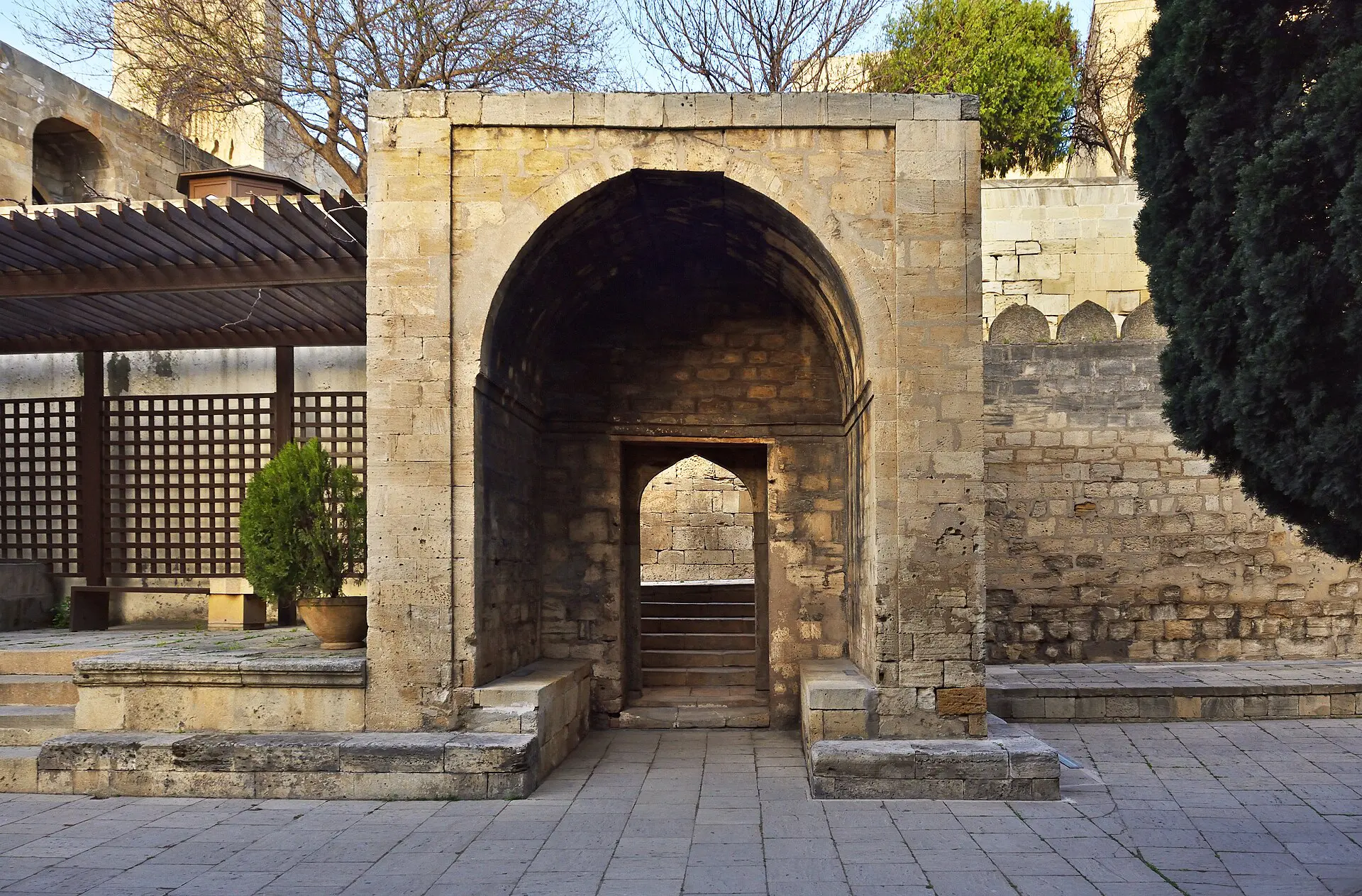
The capital mixes the walled Icheri Sheher old city, with Maiden Tower and the Palace of the Shirvanshahs, a seaside boulevard and bold modern buildings such as the Flame Towers and the Heydar Aliyev Center. Allow three nights.
Gobustan and Absheron
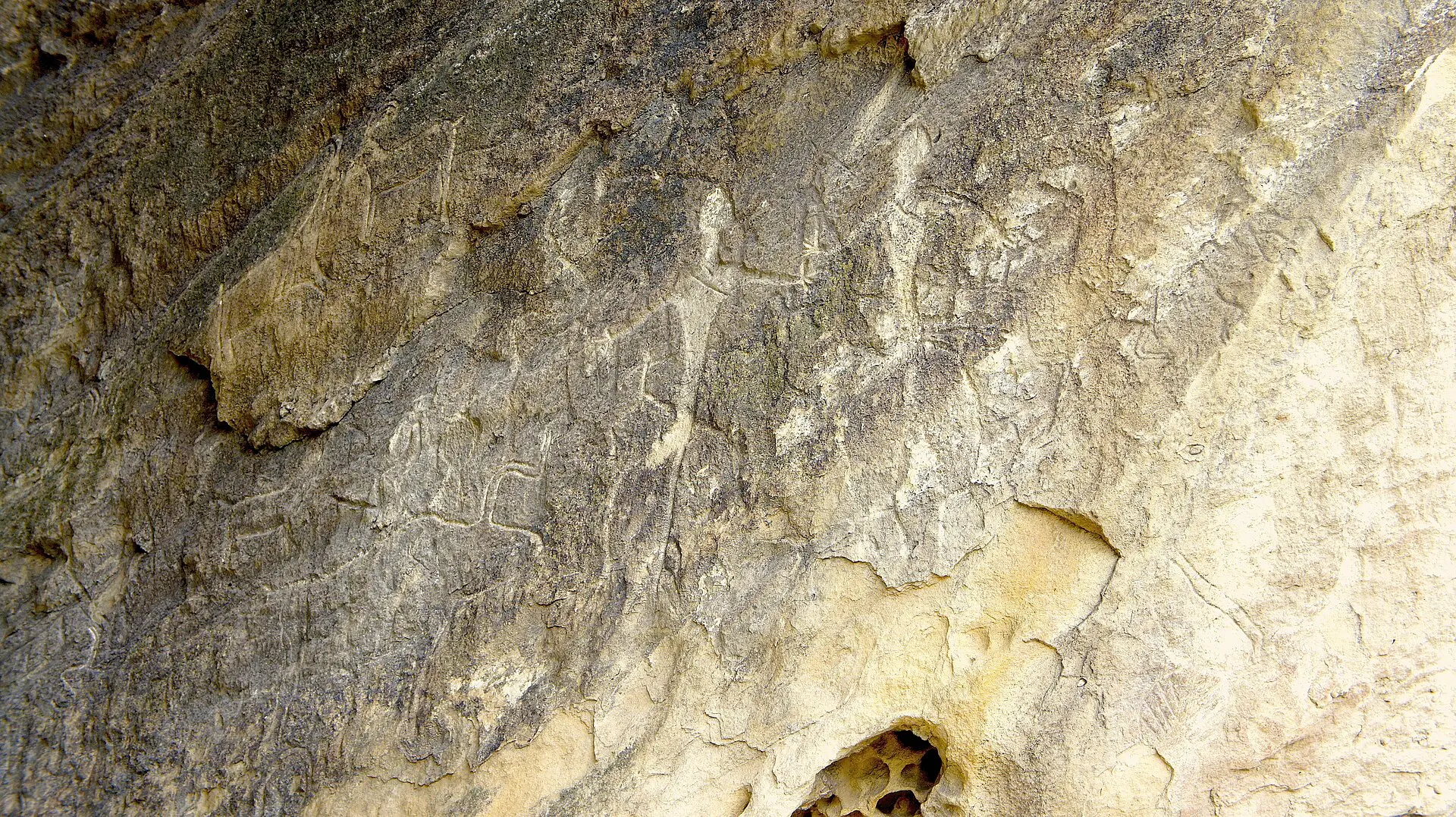
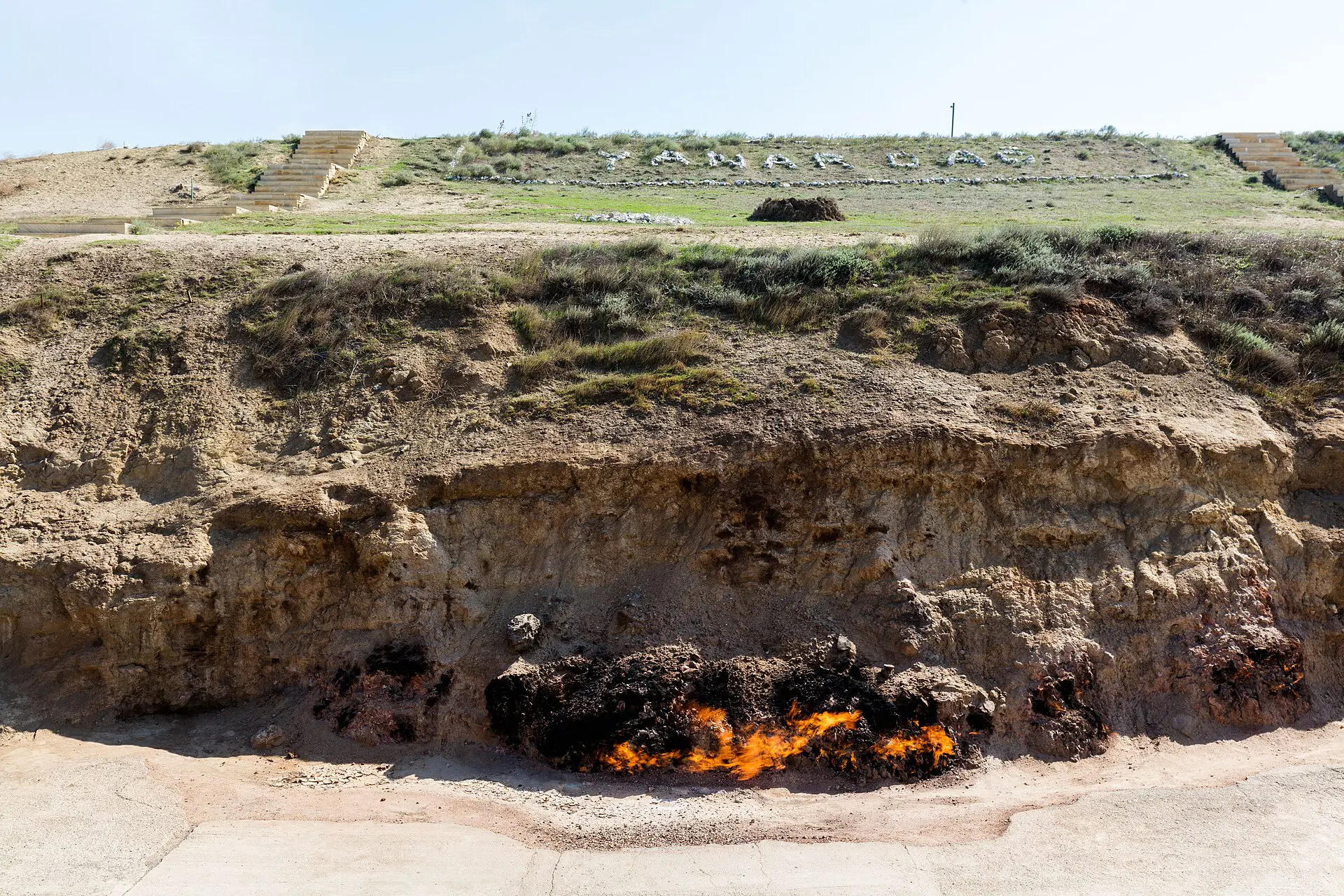
An hour from Baku, Gobustan National Park has thousands of prehistoric rock carvings, and nearby mud volcanoes bubble on the plain. The Absheron peninsula adds the Yanar Dag gas flame and the Ateshgah fire temple.
Sheki
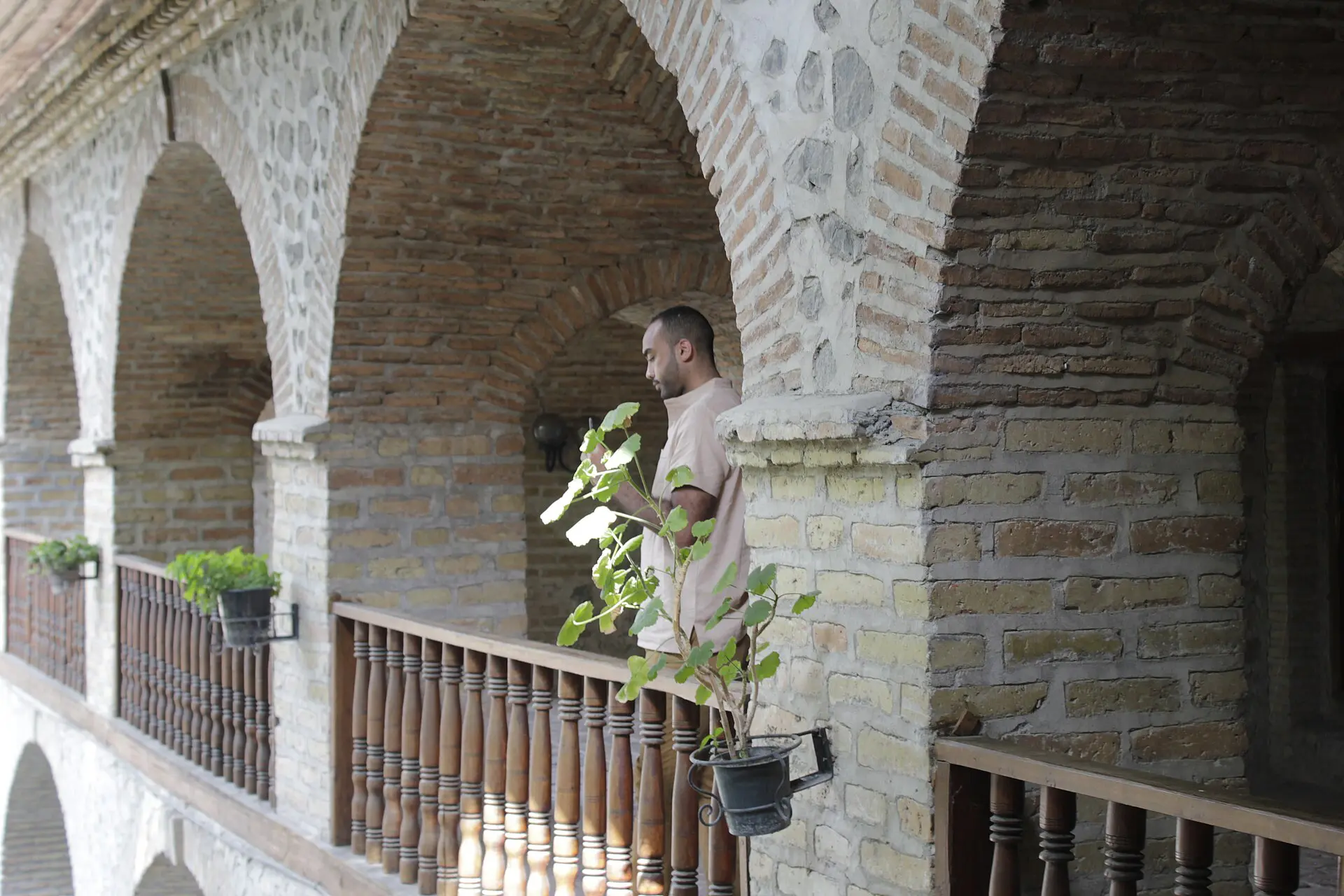
This hill town in the Caucasus foothills has the Khan’s Palace, a caravanserai and a famous sweet called pakhlava. Stay at least one night to see it quiet.
Quba and Khinalug
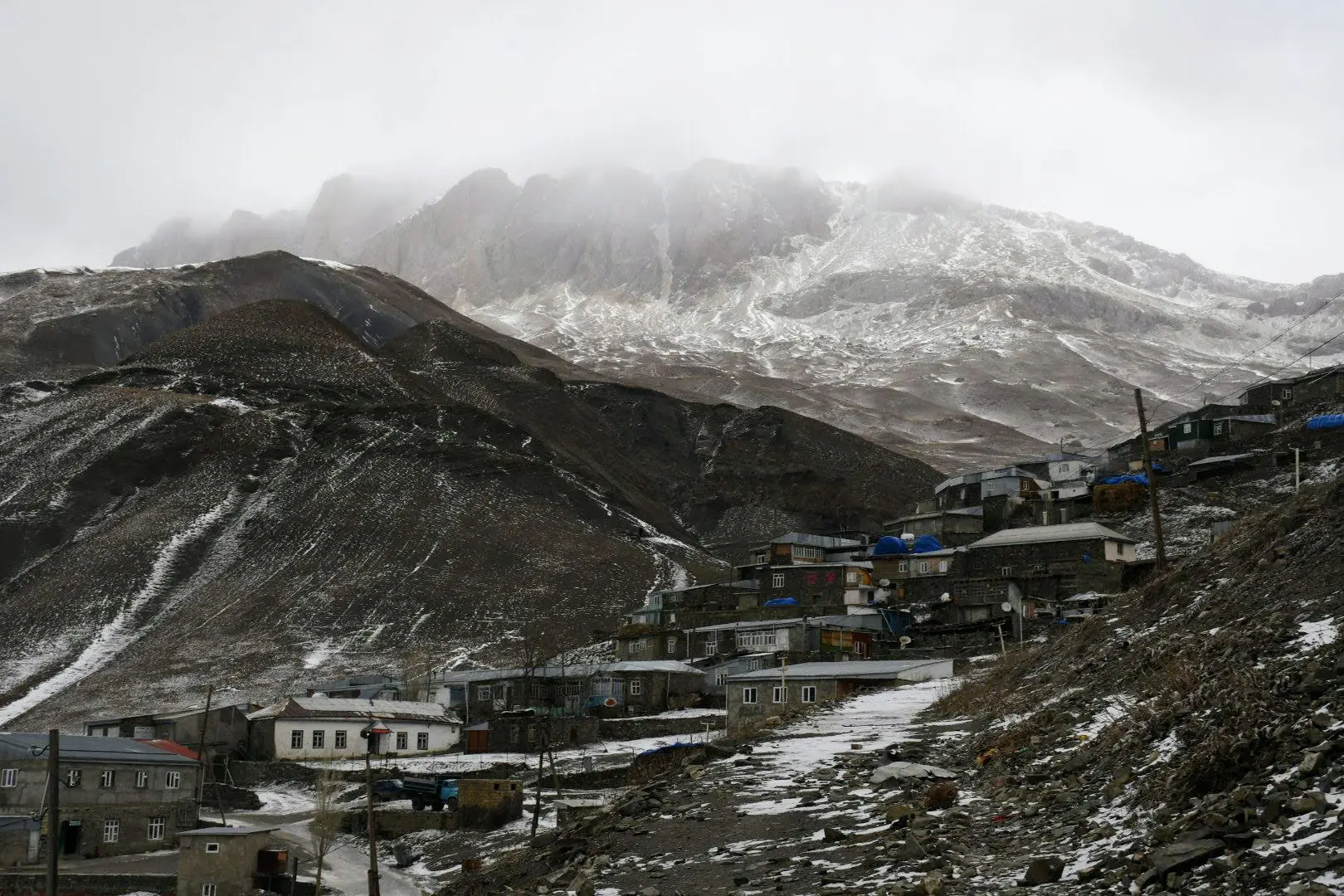
Quba is a Caucasus foothill town with a historic Jewish settlement and a carpet tradition. Khinalug, a remote village above 2,000 metres, has a unique language and rugged hiking.
Shamakhi and Lahij
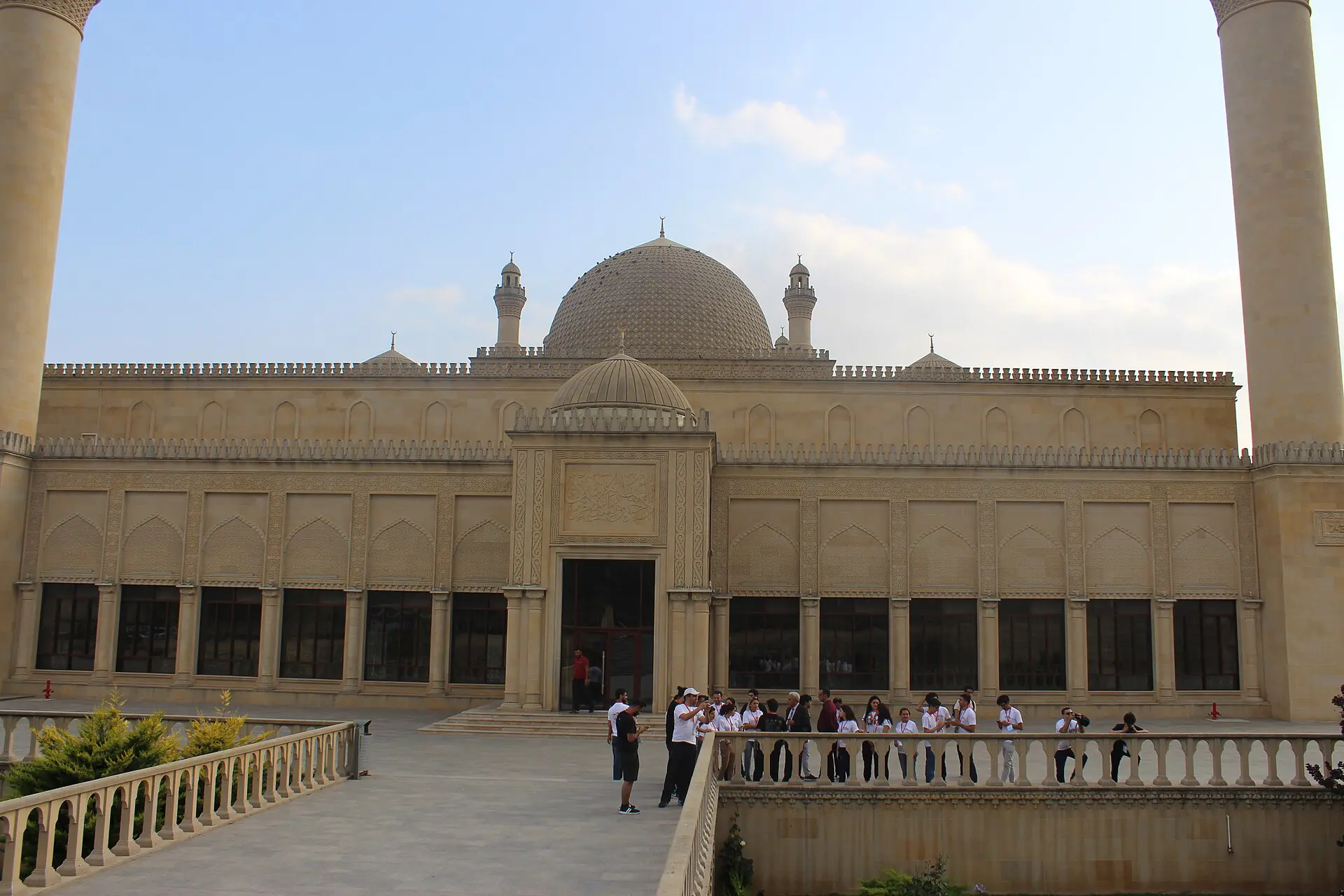
Shamakhi was an old capital of the Shirvanshahs, with a large mosque. Lahij is a copper-working mountain village with cobbled lanes.
Things to do in Azerbaijan
The top things to do in Azerbaijan are a mix of city sights, ancient sites and mountain walks, and most can be done with a taxi, a rental driver or a short train ride.
- Walk Baku’s old city: follow the lanes of Icheri Sheher to the Maiden Tower and the Shirvanshahs’ Palace.
- See the Heydar Aliyev Center: Zaha Hadid’s curved white building is the symbol of modern Baku.
- Stroll the Baku seaside boulevard: the promenade is busy in the evening with families and cafés.
- Visit Gobustan: view prehistoric petroglyphs and the nearby mud volcanoes.
- Watch Yanar Dag burn: a natural gas flame on a hillside near Baku that is best at dusk.
- Tour Sheki’s Khan’s Palace: its stained-glass windows and murals are the highlights.
- Hike to Khinalug and Lahij: day walks and homestays give a taste of mountain life.
- Taste tea and sweets: pakhlava and pear-shaped glasses of tea are part of every stop.
- Visit the Carpet Museum: the building is shaped like a rolled carpet and tells the story of a national craft.
- Ride the Gabala cable car: the Tufandag resort has mountain views in summer and skiing in winter.
Best time to visit Azerbaijan
The best time to visit Azerbaijan is April to June and September to October, when Baku and the lowlands are warm rather than hot and the mountain villages are green and accessible. July and August are hot and humid in the lowlands, and the Caspian coast gets crowded with local holidaymakers. Baku is also windy, which is why it is called the City of Winds.
| Season | Weather | Crowds and prices | Good for |
|---|---|---|---|
| Spring (Apr-Jun) | Mild to warm, some rain, green hills | Moderate | Cities, villages, hiking |
| Summer (Jul-Aug) | Hot lowlands, cool in the mountains | Higher on the coast | Mountain villages, Gabala |
| Autumn (Sep-Oct) | Warm to mild, harvest season | Moderate | Culture, food, hikes |
| Winter (Nov-Mar) | Cool and wet in Baku, snow in the mountains | Low | Baku city break, skiing |
Mountain roads to remote villages such as Khinalug can close in heavy snow, so check conditions before travelling between November and March.
Is Azerbaijan safe to visit?
Yes, Azerbaijan is generally safe for visitors in Baku and the main tourist areas, and violent crime against tourists is uncommon. The important exception is the area near the Armenian border and the former Nagorno-Karabakh region, which several governments advise against visiting because of the risk of landmines and unexploded ordnance. Check the UK FCDO, US State Department or your own government’s page before you book, and stay on main roads and paths.
Theft and scams. Petty theft is uncommon, but use official taxis or ride-hailing apps in Baku and agree the price in advance for out-of-town trips.
Roads. Driving can be aggressive and road quality varies. Mountain roads need care, especially in winter or fog.
Law and behaviour. Photographing military sites and government buildings can cause problems, and political protests are best avoided. Carry a copy of your passport and your e-visa.
Health and nature. Tap water is not recommended for visitors. Earthquakes occur in the Caucasus region, and a hiking route can be steep and unmarked, so take a guide or offline maps. Carry travel insurance with medical cover.
Azerbaijan visa and entry requirements
The Azerbaijan visa rules depend on your nationality. Many visitors, including citizens of the US, UK and much of Europe, have generally been able to apply for an electronic visa (e-visa) online before travel, with approval often arriving within days. Citizens of some countries, including several former Soviet states and Turkey, have been able to enter without a visa for short stays, and some travellers have had the option of a visa on arrival at Baku airport. These arrangements change.
Apply only through the official government e-visa portal, because lookalike sites charge more. Print or save the approval and carry a passport that is valid for at least three months beyond your stay.
Visitors who stay for longer than a short period may need to register with the authorities, and hotels usually handle this. Entry may be refused if your passport shows travel to the Nagorno-Karabakh region without Azerbaijani permission, so check the official foreign ministry source. Land borders with Armenia are closed, and crossings to Georgia and Russia have specific rules. Confirm all requirements officially before booking.
Getting to and around Azerbaijan
Most visitors fly into Heydar Aliyev International Airport in Baku, which has direct flights from many European, Gulf and Turkish cities. Ganja and Nakhchivan also have airports with limited services. Land crossings with Georgia are used by overland travellers, but the Armenian border is closed.
Baku has a metro, buses and cheap taxis, and ride-hailing apps are common. Walking works well in the old city and along the boulevard. Between cities, trains link Baku with Ganja and some other towns, and a fast train serves the Baku-Ganja line. Shared taxis, minibuses and buses cover the rest. Baku to Sheki takes about six hours by road, Baku to Quba about two and a half hours, and Baku to Gobustan about an hour.
For flexibility, hire a car with a driver, which is affordable and takes the stress out of mountain roads and signs in Azerbaijani. Self-drive is possible, but traffic can be aggressive. Avoid driving at night outside towns, and avoid roads near the Armenian border.
How much does a trip to Azerbaijan cost?
Azerbaijan is moderately priced, with Baku costing the most and rural areas far less. The currency is the Azerbaijani manat (AZN). Figures below are rough per-person guides for the 2026 season and can change with exchange rates.
- Budget: around EUR 25 to 45 per day, with hostels or simple guesthouses, local restaurants, metro and buses.
- Mid-range: around EUR 50 to 90 per day, with three-star hotels, restaurant meals and taxis or a driver for day trips.
- High-end: from around EUR 130 per day, with luxury hotels in Baku, private guides and a car with a driver.
Accommodation in Baku is the biggest swing factor, especially during major events such as the Formula 1 race weekend. Meals are inexpensive, and a hearty local lunch often costs a few euros. Museum entry is modest. Cards are widely accepted in Baku, but carry cash for villages, markets and taxis outside the capital.
Azerbaijan food and drink
Azerbaijan food mixes Turkic, Persian and Caucasian traditions, with plenty of herbs, lamb, rice, walnuts and fruit. Meals are generous, and tea is served with almost every visit.
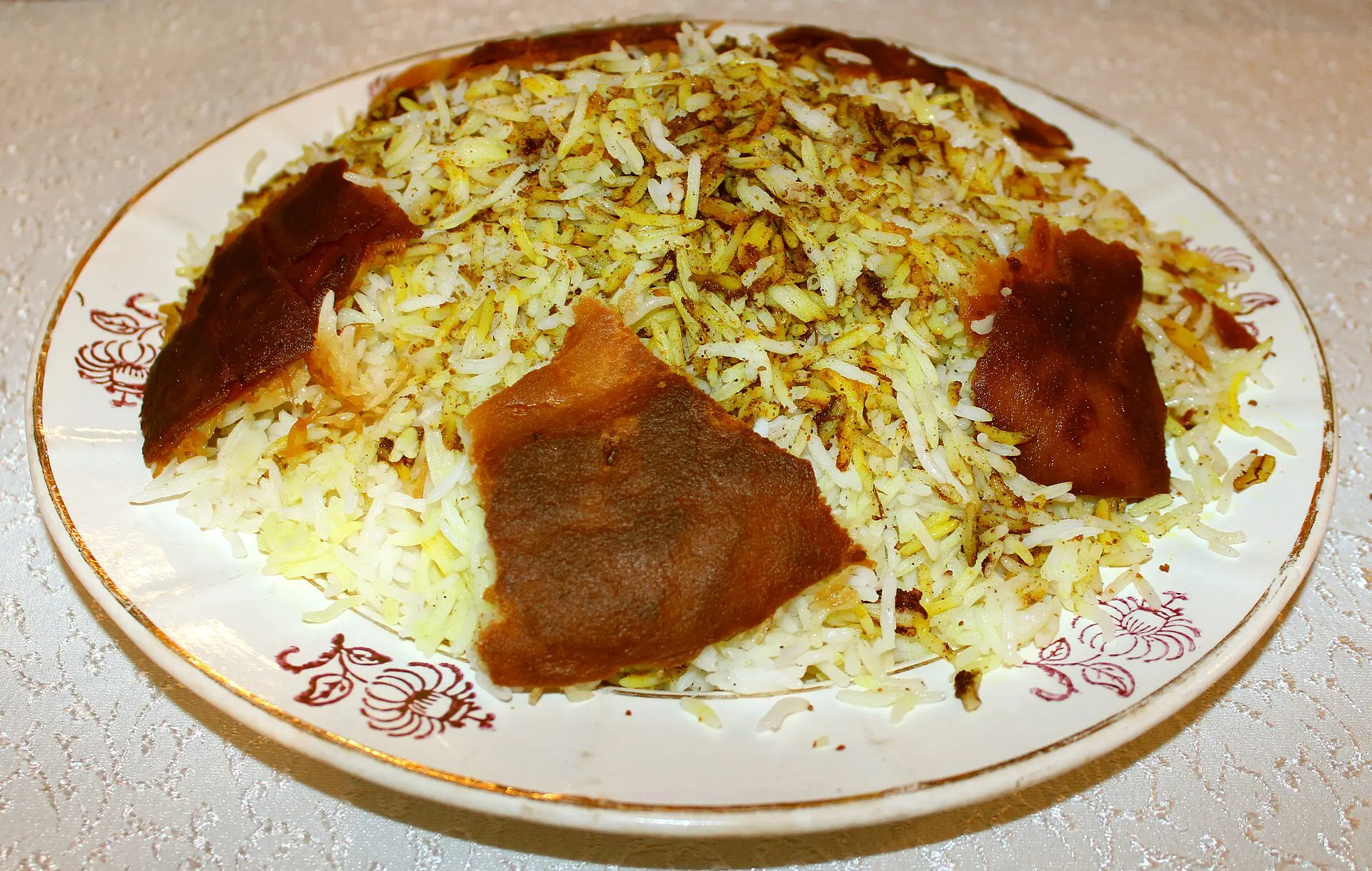
- Plov: saffron rice cooked with lamb, dried fruit and chestnuts, the national dish.
- Dolma: grape leaves or vegetables stuffed with minced meat and rice, often with yoghurt.
- Dushbara: tiny dumplings in a clear lamb broth with vinegar and dried mint.
- Kebab and lule: grilled lamb, often served with grilled tomatoes and flatbread.
- Piti: a lamb and chickpea stew from Sheki, baked in a clay pot.
- Qutab: thin folded flatbreads filled with herbs, pumpkin or meat.
- Pakhlava and sherbet: sweet layered pastry with nuts and a fruity drink.
- Tea: served black in small glasses with jam and sugar, a daily ritual.
Vegetarians can eat well on herbs, cheese, qutab and vegetable dolma, but meat dominates menus. Alcohol, including local wine and beer, is available in restaurants and shops, although the country has a Muslim majority.
Culture, language and etiquette in Azerbaijan
Azerbaijani is the official language and is closely related to Turkish. Russian is still widely understood, especially among older people, and English is common among younger people in Baku and in hotels. Useful words are salam (hello), sağ ol (thank you) and bəli (yes).
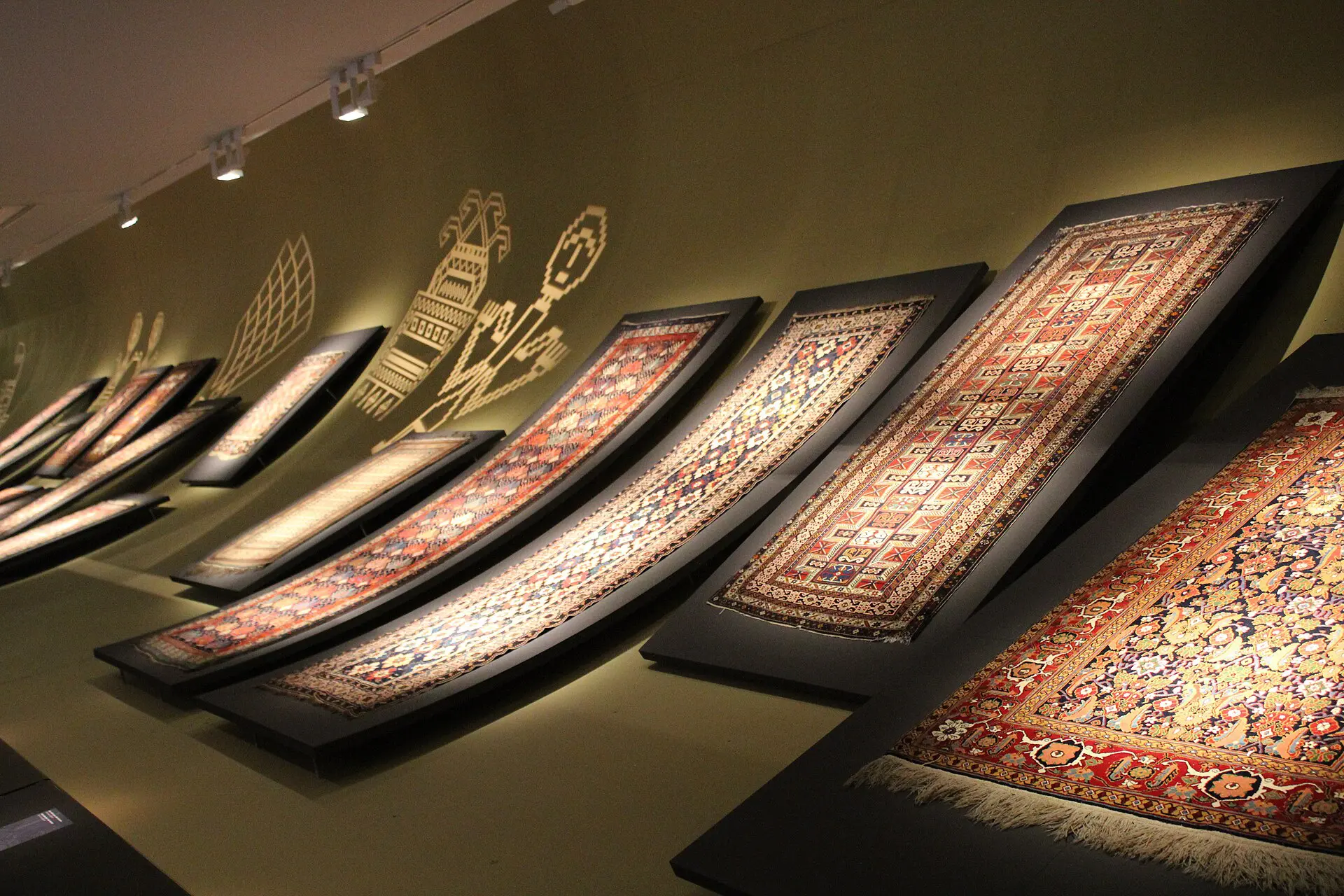
Azerbaijan is a secular country with a Muslim majority, and it is relatively relaxed on dress and alcohol, especially in Baku. Dress modestly in mosques, remove shoes where asked, and women should cover their hair in some religious sites.
Hospitality is a point of pride. If you are invited into a home, bring sweets or fruit, and expect repeated offers of tea and food. Refusing everything may seem rude, so accept a small portion. Greet elders first and use your right hand to give and receive items.
Avoid discussing the conflict with Armenia or the region of Karabakh unless a local raises it, and ask before photographing people, military sites or police. Public displays of affection are best kept low-key outside Baku. Nowruz in March is the main holiday, with fire jumping and special sweets.
Azerbaijan itinerary: a 7-day route
This route stays in the north-east and centre of the country, well away from the Armenian border and the former Nagorno-Karabakh region.
- Day 1, Baku: arrive, walk Icheri Sheher and the Maiden Tower, and dine near the old city.
- Day 2, Baku: visit the Heydar Aliyev Center and the Carpet Museum, then stroll the boulevard at sunset.
- Day 3, Gobustan and Absheron: see the petroglyphs and mud volcanoes in the morning, and Yanar Dag in the evening.
- Day 4, Shamakhi to Sheki: drive about six hours with stops at the Juma Mosque and a roadside lunch.
- Day 5, Sheki: tour the Khan’s Palace and caravanserai, and try piti and pakhlava.
- Day 6, Quba and Khinalug: travel by road for a village visit and a short walk, if the mountain road is open.
- Day 7, return: drive about three hours back to Baku for your flight.
In winter, skip Khinalug and add a second night in Sheki or Baku. Avoid detours to border districts, and use the foreign ministry advice as your guide.
Practical tips for Azerbaijan
- Money: the manat is the local currency. ATMs are common in towns and cards are accepted in Baku, but carry cash for villages and taxis. Avoid unofficial money changers.
- SIM and eSIM: prepaid SIMs and eSIMs are cheap and coverage is good along main roads. Bring your passport to buy a local SIM.
- Plugs: types C and F at 220 to 230 V, as in much of continental Europe.
- Tipping: about 10 percent in restaurants if no service charge is added; round up for taxis.
- Health: bring travel insurance and drink bottled water. Pharmacies are common in towns.
- Packing: comfortable shoes for cobbles, layers for windy Baku and the mountains, and a scarf for mosques.
- Language help: download an offline translation app, because English is limited outside Baku.
- Booking: reserve Baku hotels early for major events, and ask a guesthouse about mountain road conditions.
For wider background, see the Wikivoyage Azerbaijan guide.
FAQ
Q1Is Azerbaijan safe?
Yes, in Baku and the main tourist areas violent crime against visitors is uncommon. Avoid the area near the Armenian border and the former Nagorno-Karabakh region, where governments advise against travel and landmines remain. Use official taxis, take care on roads and check your government's current travel advice before you go.
Q2What is Azerbaijan food like?
Azerbaijan food blends Turkic, Persian and Caucasian cooking: saffron plov with lamb, dolma, dushbara dumplings, kebabs, qutab flatbreads and Sheki's piti stew, finished with pakhlava and black tea. Vegetarians can eat well on herbs, cheese and vegetable dolma, but menus are meat-heavy.
Q3What are the best things to do in Azerbaijan?
Top picks are walking Baku's old city, seeing the Heydar Aliyev Center, visiting Gobustan's petroglyphs and mud volcanoes, watching Yanar Dag burn, touring Sheki's Khan's Palace and hiking to Khinalug or Lahij in the Caucasus mountains.
Q4Do I need a visa for Azerbaijan?
Most visitors need an electronic visa, which many nationalities can apply for online before travel, though some are exempt for short stays. Approval is often quick. Use only the official government portal, carry a passport valid for three months, and confirm current rules and fees before you book.
Q5What is the best time to visit Azerbaijan?
April to June and September to October are best, with mild weather and green or golden hills. July and August are hot and humid in lowland areas but pleasant in the mountains. Winter is cool and wet in Baku, and snow can close mountain roads.
Q6Is Azerbaijan safe to visit for solo travellers and women?
Azerbaijan is generally considered safe for solo travellers, including women, in cities and main tourist towns. Use official taxis at night, dress modestly outside Baku and keep copies of your passport and e-visa. Avoid border regions and unmarked rural areas near former conflict zones.
Q7How many days do you need in Azerbaijan?
Three days covers Baku and Gobustan, and seven days adds Shamakhi, Sheki and either Quba or Khinalug. Allow extra time for long drives, since Baku to Sheki takes about six hours by road. Longer stays suit hikers who want to reach more remote Caucasus villages.