Why visit Georgia
The things to do in Georgia span snow peaks, wine cellars and thousand-year-old monasteries, all within a country of about 69,700 square kilometres. This guide covers the country in the Caucasus, between the Black Sea, Russia, Turkey, Armenia and Azerbaijan, not the US state (see the Wikipedia overview for background). Georgians speak Georgian, a language unrelated to any other major family, and the country claims some of the world’s earliest evidence of winemaking, dating back roughly 8,000 years.
Georgia suits food and wine lovers, hikers, road-trippers and anyone curious about a country that mixes Orthodox Christian heritage, Soviet history and fast modernisation. It is affordable, hospitable and compact enough that a single trip can include a capital city, a wine region, alpine hiking and a Black Sea beach town. Infrastructure is improving, but mountain roads and public transport still call for patience.
Best places to visit in Georgia
The best places to visit in Georgia are Tbilisi, the wine region of Kakheti, the Greater Caucasus and the western towns, all reachable within a few hours.
Tbilisi
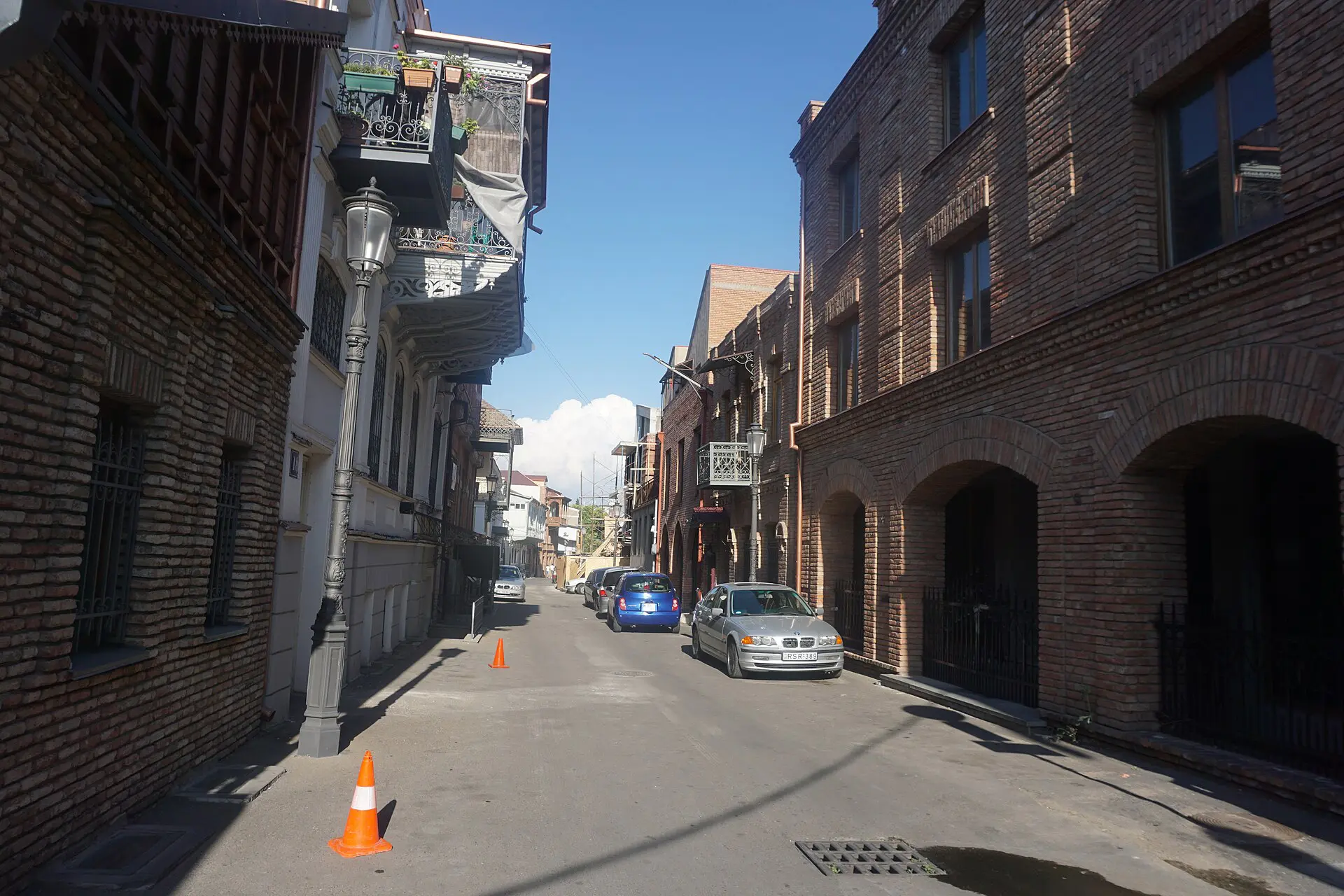
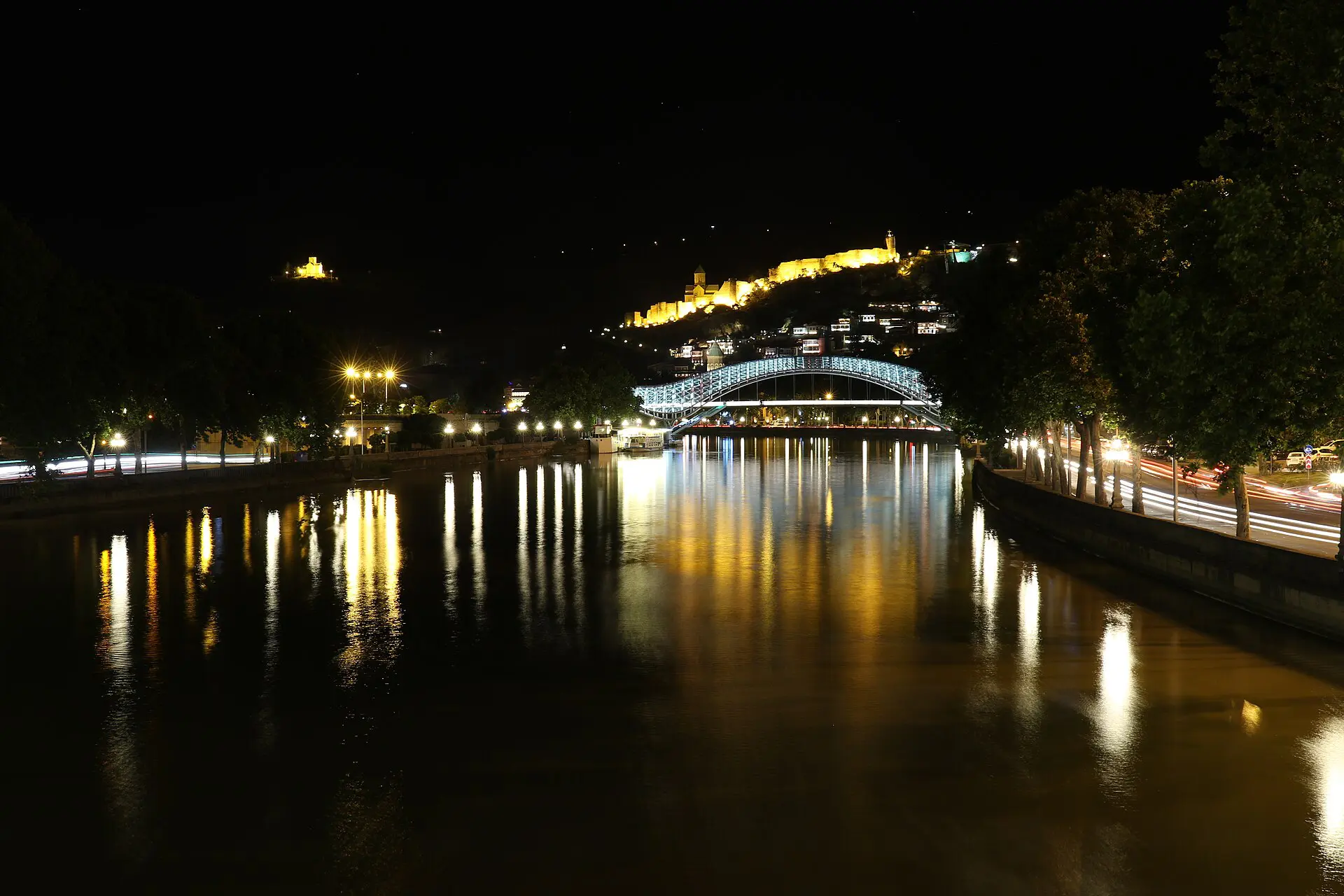
The capital mixes sulphur baths, wooden balconied houses, Soviet-era blocks and modern architecture such as the Peace Bridge. Narikala Fortress and the old town are the core, with lively wine bars nearby.
Mtskheta
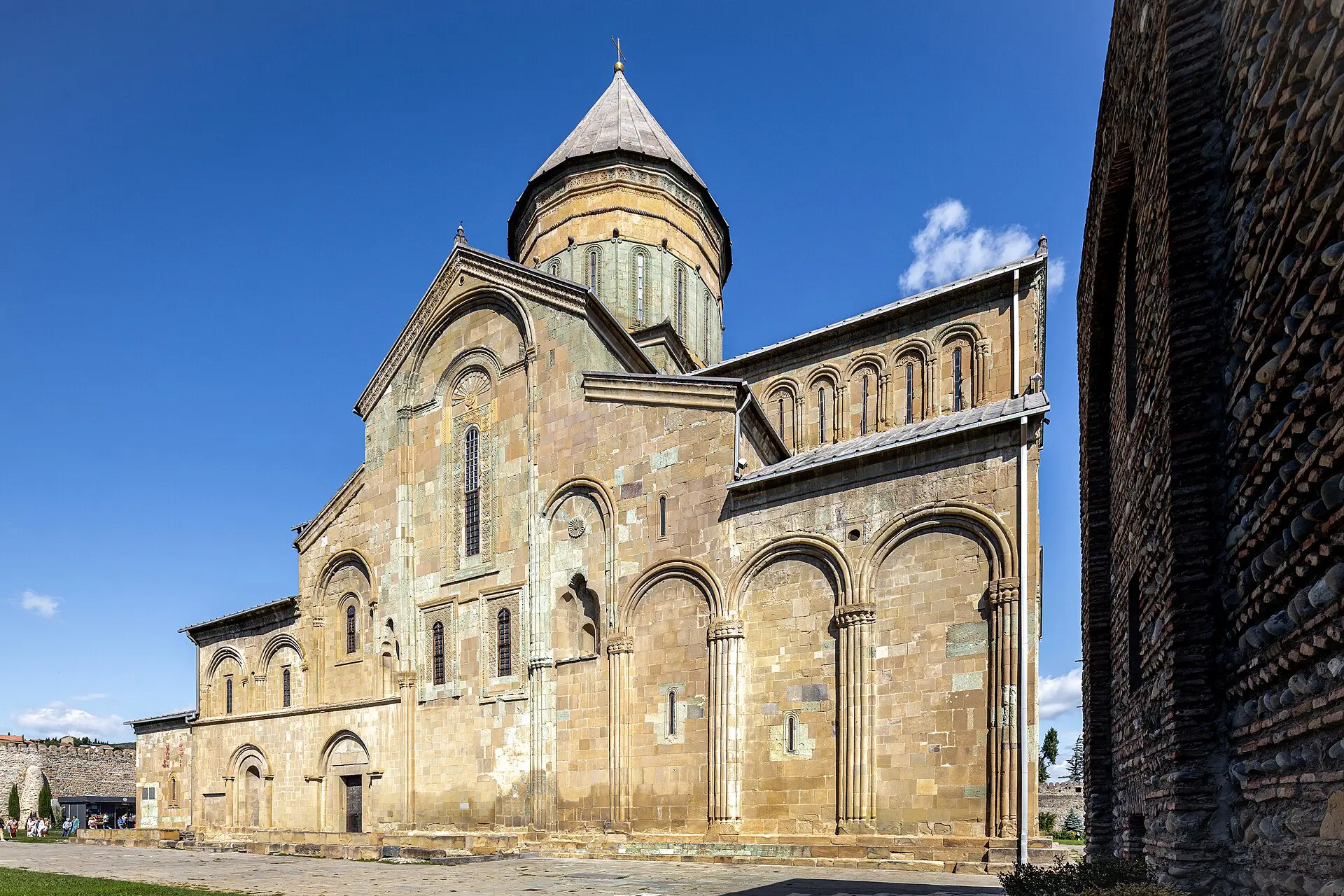
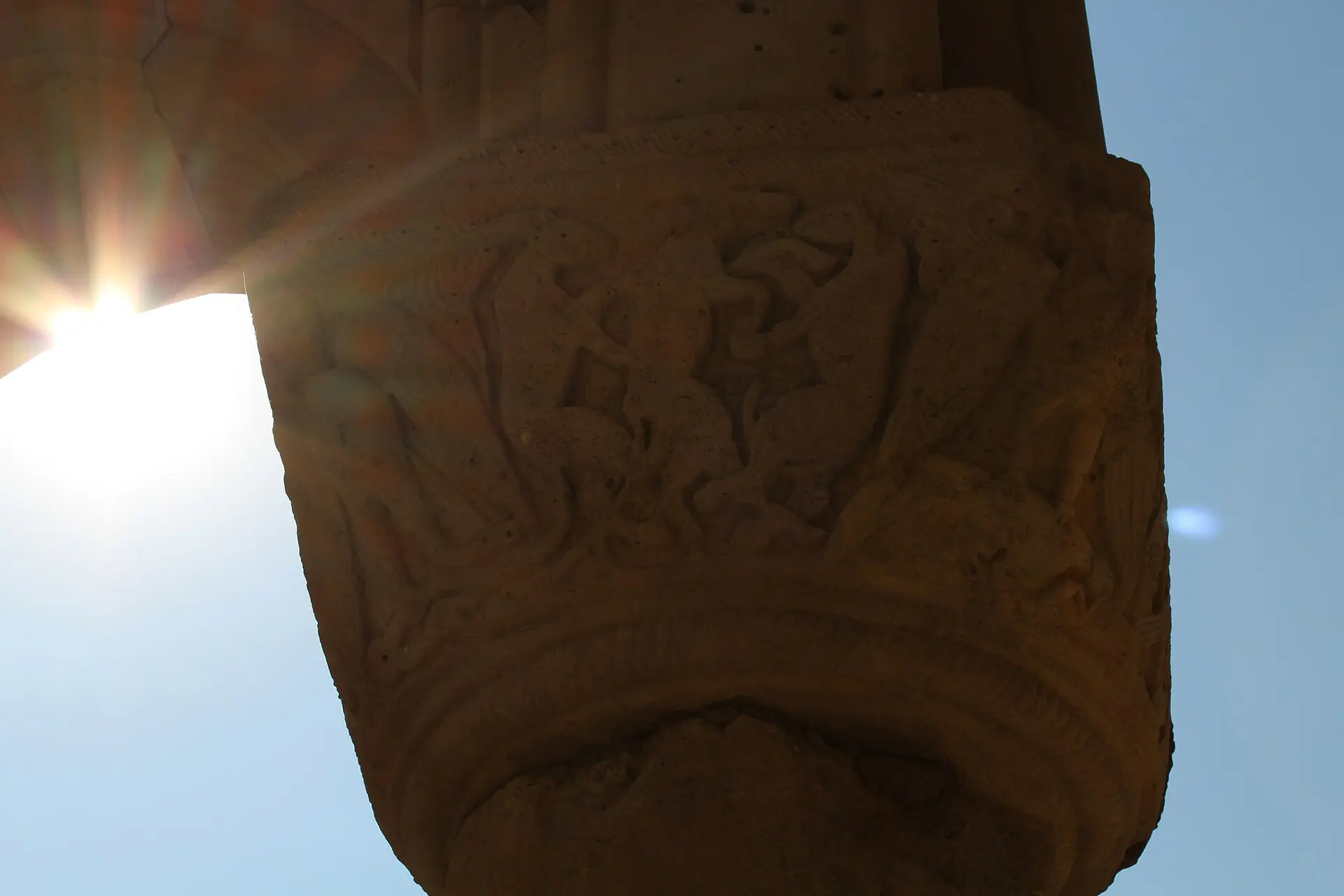
The former capital, about 20 minutes from Tbilisi, has the UNESCO-listed Svetitskhoveli Cathedral and Jvari Monastery.
Kakheti
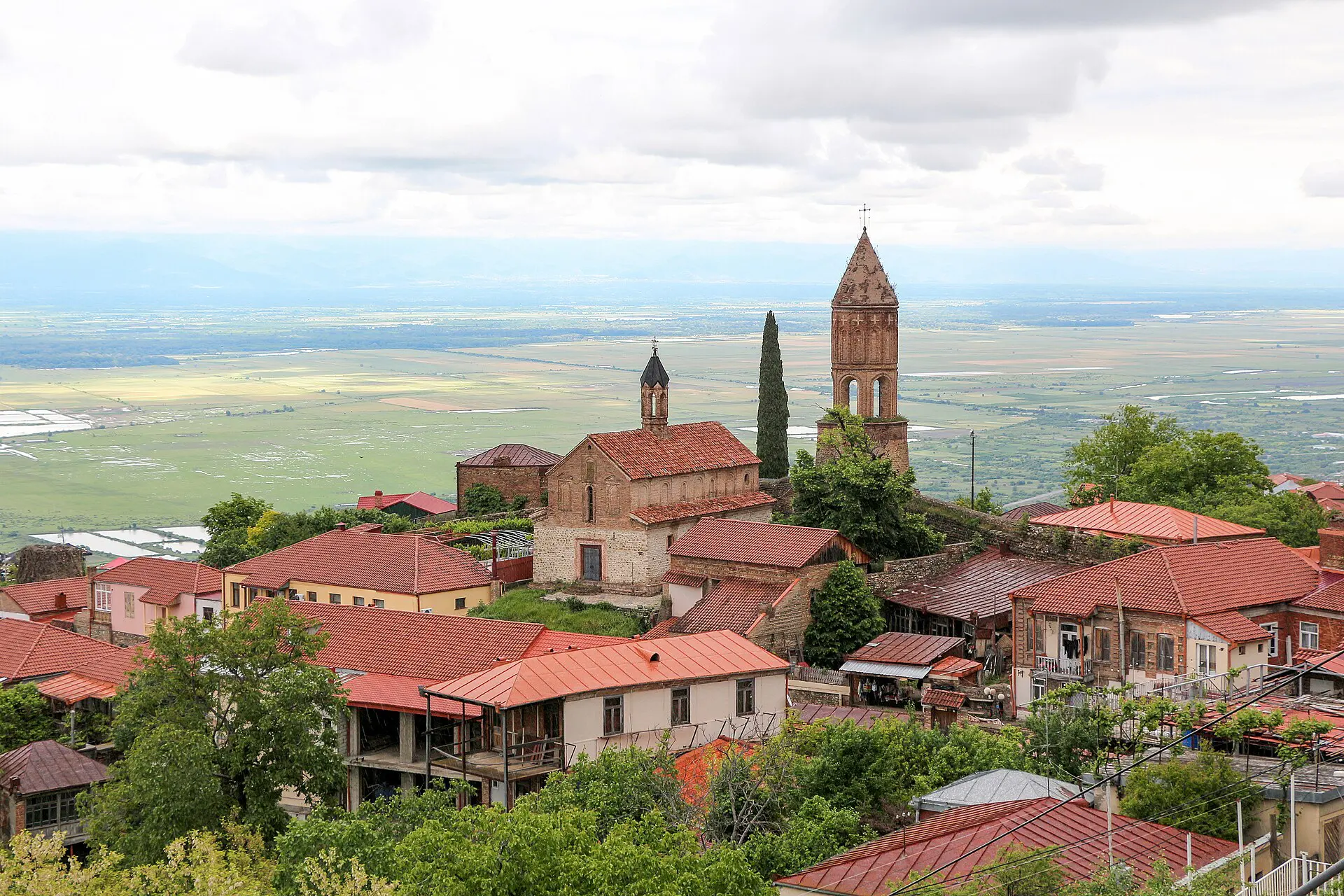
Georgia’s main wine region has Sighnaghi, a walled hill town with views toward the Caucasus, and family cellars that make qvevri wine.
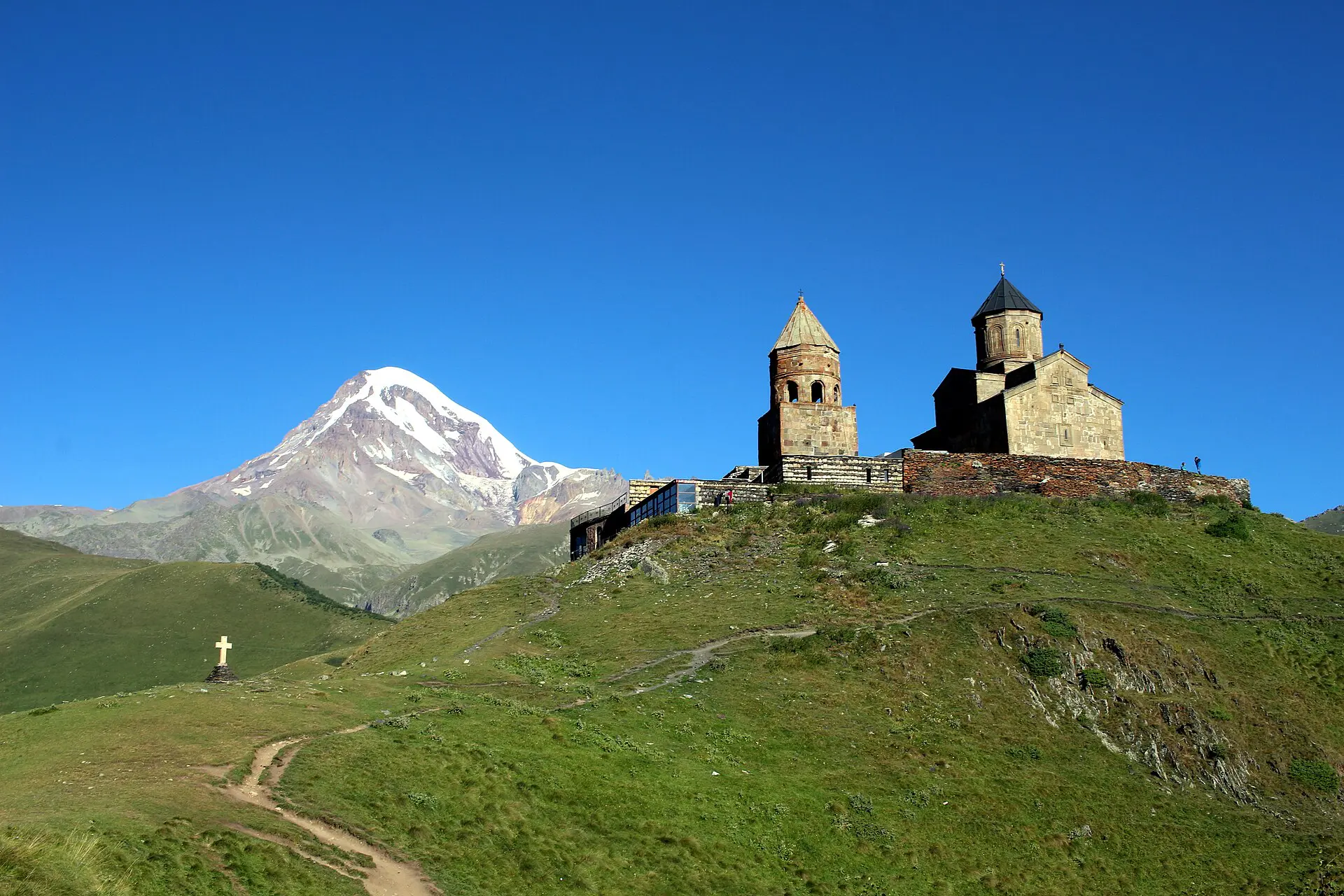
Kazbegi (Stepantsminda)
The Georgian Military Highway leads to the mountain town beneath Mount Kazbek, with the hilltop Gergeti Trinity Church.
Svaneti
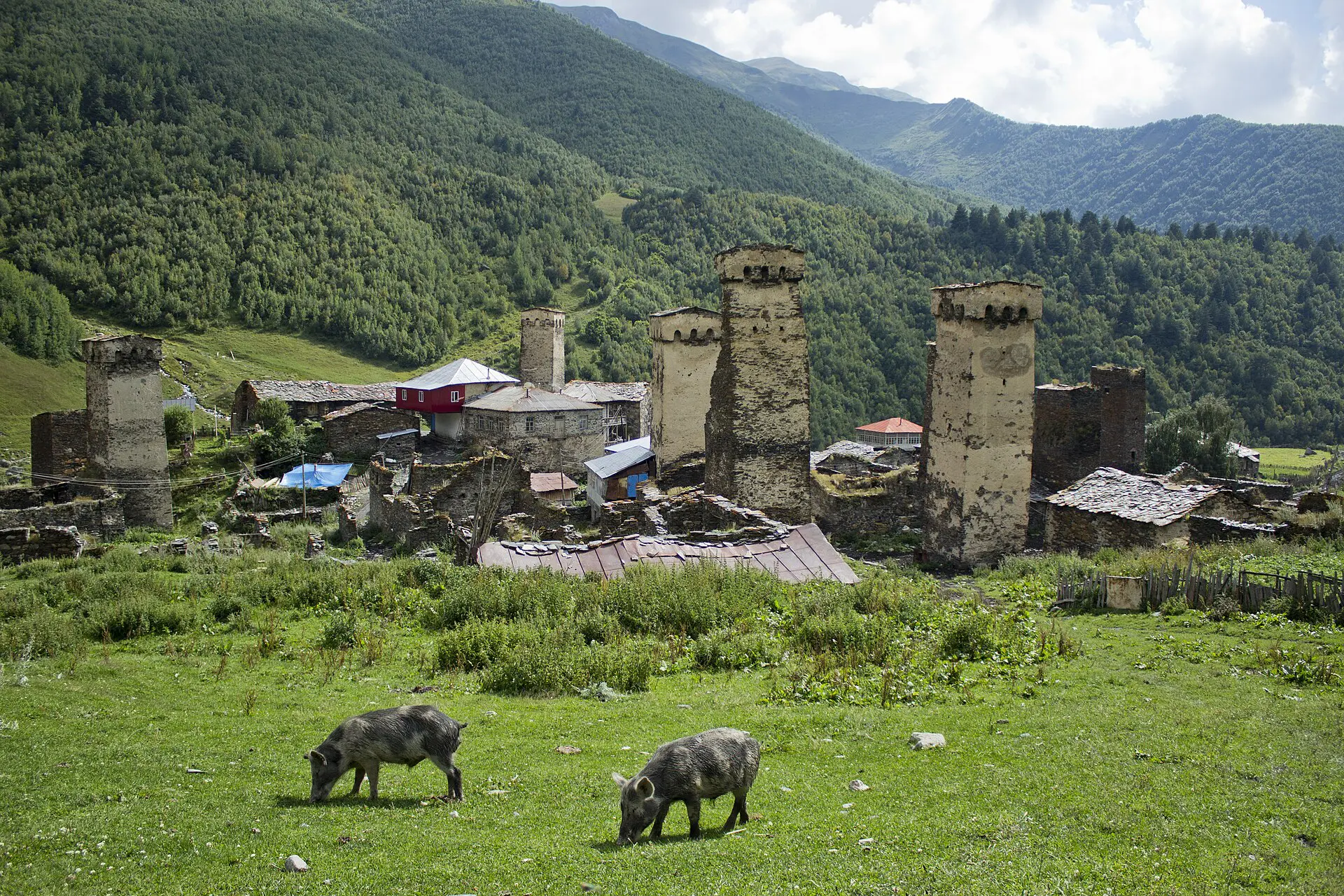
Mestia and Ushguli have medieval stone defence towers and excellent hiking among high peaks.
Kutaisi and Batumi
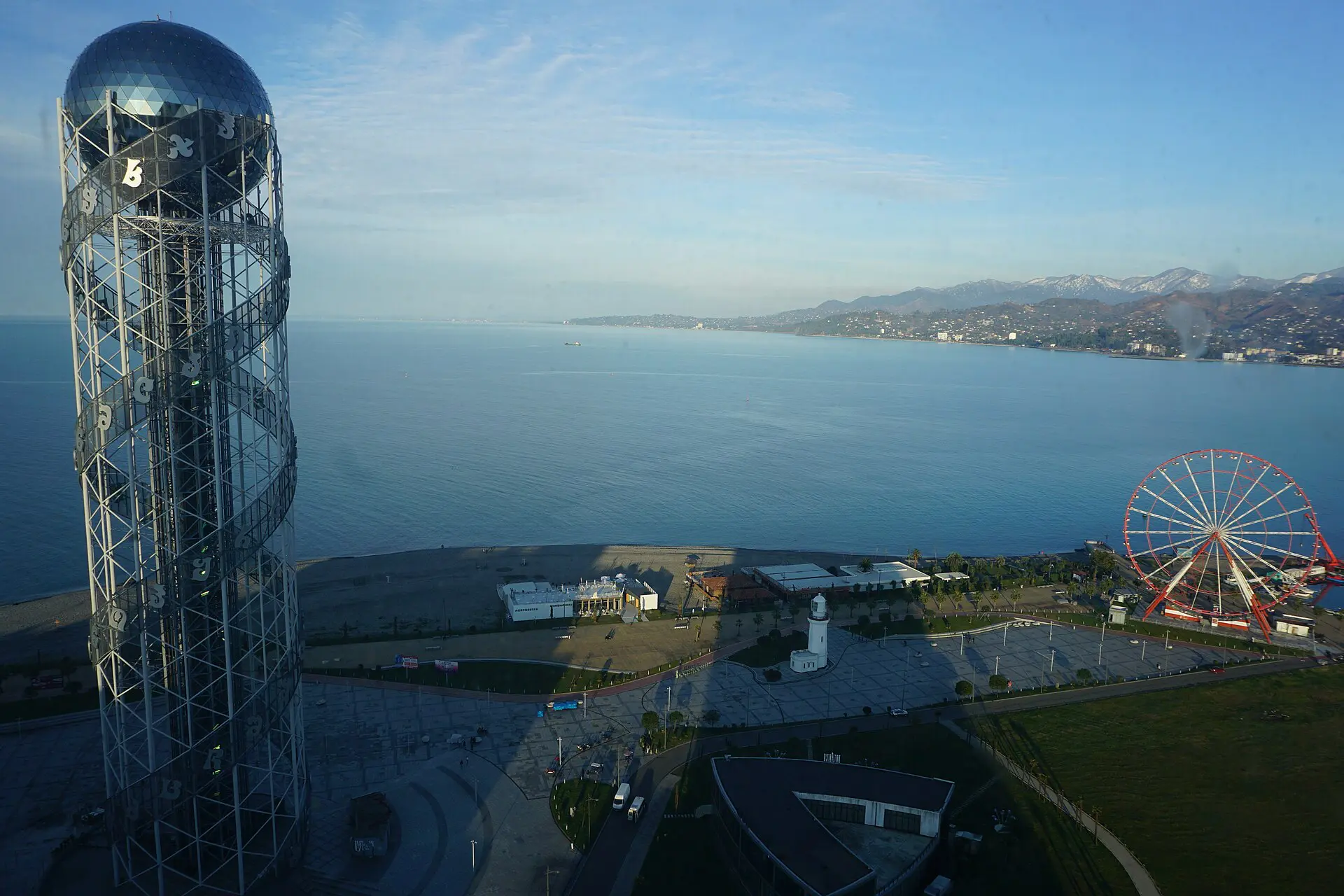
Kutaisi has Bagrati Cathedral and nearby caves, while Batumi is the Black Sea resort city with a seafront boulevard and modern towers.
Things to do in Georgia
The top things to do in Georgia mix food, wine, mountains and heritage, and many can be done on easy day trips from Tbilisi.
- Walk Tbilisi’s old town: climb to Narikala Fortress and wander the lanes below it.
- Soak in the sulphur baths: the Abanotubani district has traditional bathhouses with private rooms.
- Visit Svetitskhoveli in Mtskheta: the 11th-century cathedral is a major pilgrimage site.
- Taste qvevri wine in Kakheti: family cellars pour amber and red wines made in buried clay vessels.
- Drive the Georgian Military Highway: the route climbs to Gudauri and Kazbegi with big mountain views.
- Hike to Gergeti Trinity Church: the trail from Stepantsminda takes about two to three hours up.
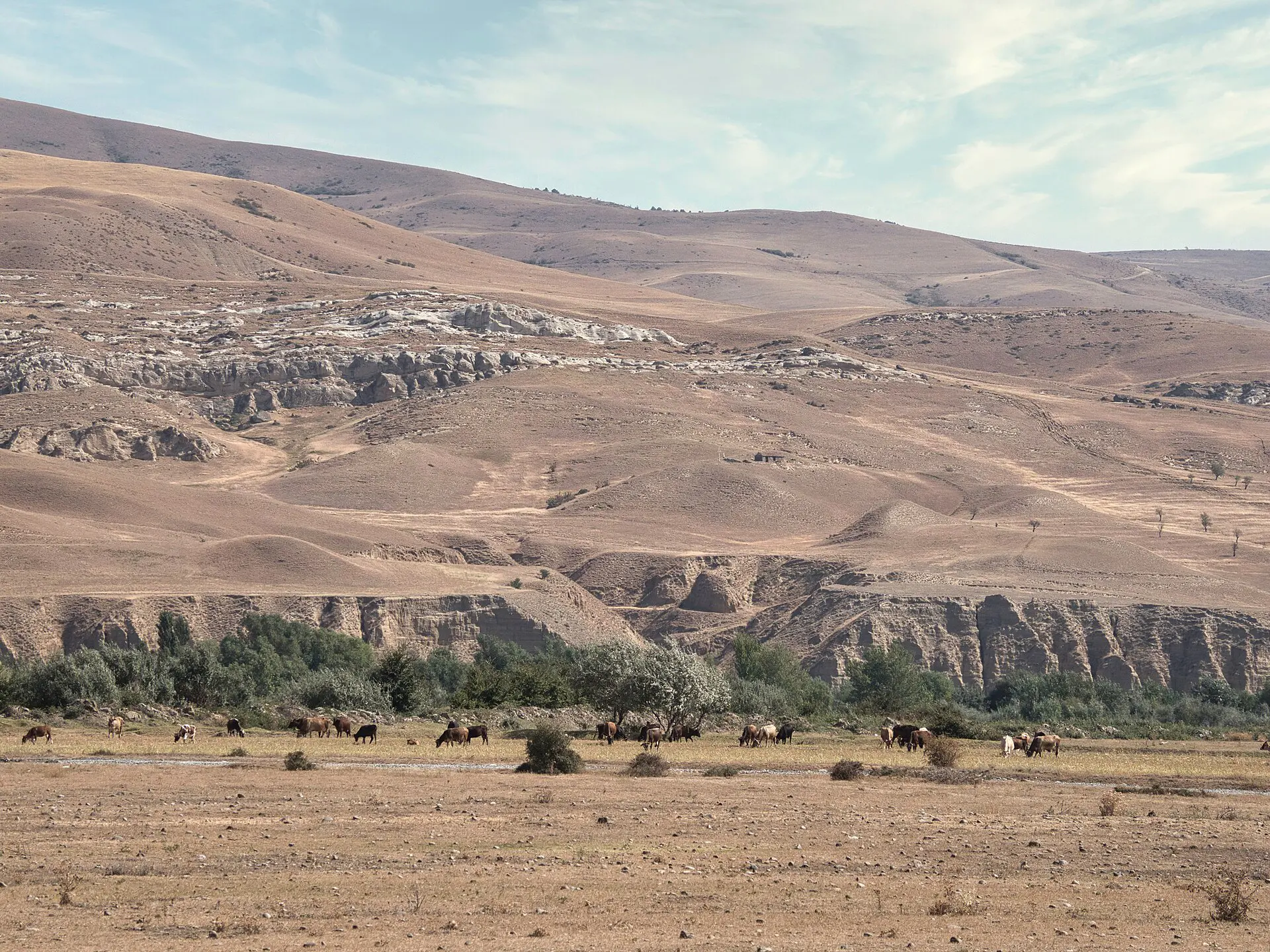
- Explore Uplistsikhe: a rock-cut cave town near Gori dating back to the Iron Age.
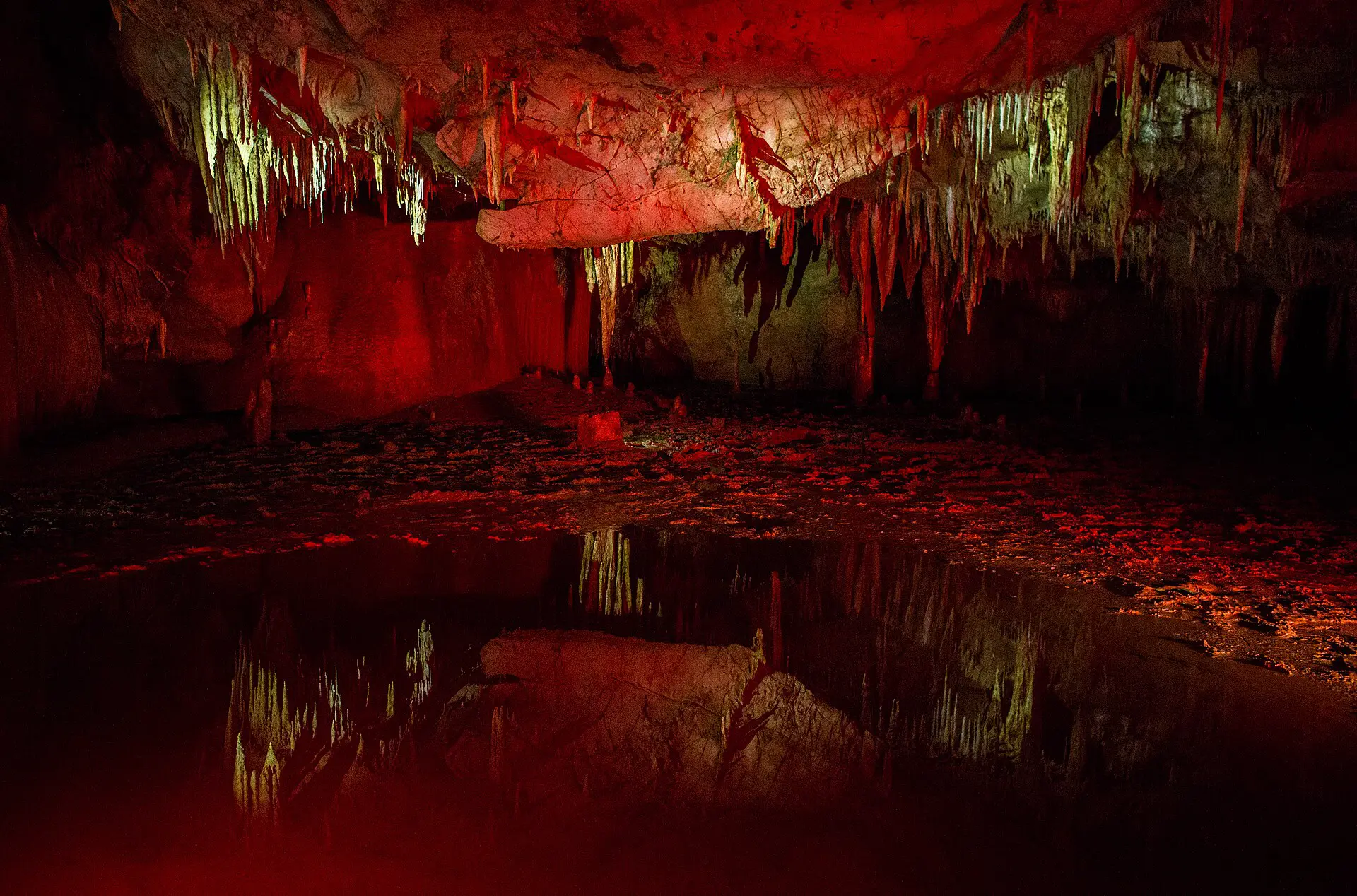
- See Prometheus Cave near Kutaisi: a large show cave with lit stalactite halls.
- Trek in Svaneti: multi-day routes link Mestia and Ushguli, best from July to September.
- Relax in Batumi: the Black Sea promenade, botanical garden and beach suit a slower finish.
- Take a cooking class: learn khachapuri and khinkali with a local host.
Best time to visit Georgia
The best time to visit Georgia is May to June and September to October, when Tbilisi and the wine country are warm but not hot and the mountains are walkable. Summer is hot in Tbilisi and humid on the Black Sea, but ideal for high-mountain trekking. Winter suits skiing at Gudauri and Bakuriani, with fewer visitors elsewhere.
| Season | Weather | Crowds and prices | Good for |
|---|---|---|---|
| Spring (Apr-Jun) | Mild to warm, some rain in April and May | Moderate, rising in June | Cities, wine, low-altitude hikes |
| Summer (Jul-Aug) | Hot in the lowlands, cool in the mountains | High on the coast | Svaneti trekking, Batumi beaches |
| Autumn (Sep-Oct) | Warm days, wine harvest in Kakheti | Falling | Wine, culture, hiking |
| Winter (Nov-Mar) | Cold, snow in the mountains | Low, except ski resorts | Skiing, Tbilisi baths, city breaks |
Mountain roads such as the route to Kazbegi can close briefly in heavy snow, so check conditions in winter.
Is Georgia safe?
Yes, Georgia is generally safe for visitors, with low levels of violent crime, but it has regional restrictions and some practical risks. Most trips to Tbilisi, Kakheti, Kazbegi, Svaneti and Batumi pass without problems. Check your government’s current travel advice, such as the UK FCDO or US State Department pages, before you book.
Occupied regions. Abkhazia and South Ossetia are Russian-occupied, and governments advise against all travel there and near the administrative boundary lines. Do not attempt to cross into them from Georgia proper, as it may be treated as illegal entry.
Roads. Driving standards are aggressive, mountain roads are steep and winter conditions are hard. Avoid night driving outside towns and consider hiring a driver for the highlands.
Crime and scams. Pickpocketing is uncommon but possible in busy places. Agree taxi fares first or use a ride app.
Protests and nature. Political protests have occurred in Tbilisi, so avoid crowds. Mountain weather, landslides and stray dogs are the main outdoor risks, and trekkers should register their route and carry a map.
Georgia visa and entry requirements
Entry rules depend on your nationality. Citizens of many countries, including the EU, UK, US, Canada and Australia, have generally been able to enter Georgia without a visa for stays of up to one year, while others must apply for an e-visa online or a visa through an embassy. These rules can change, so confirm the current requirement for your passport with the official Georgian e-visa portal or your nearest embassy.
Bring a passport valid for the length of your stay, and keep proof of accommodation and onward travel in case you are asked. Land crossings from Turkey, Armenia and Azerbaijan are open to most travellers, with queues at busy times. The land border with Russia, at Upper Lars, is not recommended for tourists and may have restrictions.
Entering Abkhazia or South Ossetia from Russia is considered illegal entry into Georgia, and can lead to prosecution. The UNESCO page for Georgia lists its World Heritage sites, though it does not cover entry rules.
Getting to and around Georgia
Most visitors fly into Tbilisi International Airport, while Kutaisi and Batumi have airports with budget-airline routes from Europe. Land crossings link Georgia with Turkey, Armenia and Azerbaijan, and trains connect Tbilisi with Baku and Yerevan on some routes.
Fast Stadler trains run between Tbilisi and Batumi in about five hours, with Kutaisi on a branch route; check the current timetables. Minibuses called marshrutkas link nearly every town and leave when full, and fares are very cheap. Tbilisi to Kazbegi takes around three hours, Tbilisi to Sighnaghi about two hours and Tbilisi to Kutaisi about three to four hours by road.
Roads in the mountains are slower than the distances suggest. Mestia is roughly five to six hours from Kutaisi, and the road past Ushguli is rough and often needs a 4×4. A rental car gives freedom, but a hired driver is often better in the highlands. In Tbilisi, use the metro, buses or ride apps such as Bolt.
How much does a trip to Georgia cost?
Georgia is inexpensive by European standards, though Tbilisi and Batumi have become pricier. The currency is the Georgian lari (GEL), and cards are widely accepted in cities, but cash is needed in villages and on marshrutkas. Figures below are rough per-person guides for 2026, and August and the ski season cost most.
- Budget: around EUR 30 to 50 per day, with hostels or guesthouses, marshrutkas and local food.
- Mid-range: around EUR 50 to 90 per day, with private hotel rooms, restaurant meals and some tours or taxis.
- High-end: from around EUR 120 per day, with boutique hotels, private drivers and wine experiences.
Accommodation and transport are the main swing factors, along with guided tours to mountain areas. Restaurant meals are cheap, and a khachapuri and a drink can cost a few euros. Wine is inexpensive, and entrance fees to churches and museums are low. Guesthouses often include home-cooked breakfast and dinner.
Georgia food and drink
Georgia food is among the great regional cuisines, built on bread, cheese, walnuts, herbs and slow-cooked meat, and it is central to why people visit.

- Khachapuri: cheese-filled bread; Adjarian khachapuri is boat-shaped with egg and butter.
- Khinkali: large soup dumplings, eaten by hand, holding the top knob aside.
- Pkhali and badrijani: walnut-based spreads of spinach, beetroot or aubergine.
- Lobio: a bean stew served in a clay pot with cornbread.
- Mtsvadi: skewered grilled pork or lamb, often served with tkemali plum sauce.
- Churchkhela: strings of walnuts coated in grape juice, a popular snack.
- Wine and chacha: qvevri wines, including amber wines, and chacha, a strong grape spirit; Borjomi is the famous mineral water.
A supra, the traditional feast, is led by a tamada who makes toasts. Vegetarians do very well because many dishes are meat-free, though meat is common elsewhere. Tbilisi has a strong modern restaurant scene, while village guesthouses serve the most authentic home cooking.
Culture, language and etiquette in Georgia
Georgian is the national language, written in its own alphabet, and Russian is understood by many older people. English is common among younger people and in tourism. Learning gamarjoba (hello) and madloba (thank you) is welcomed.
Hospitality is a point of pride, and guests are often offered food and wine. At a supra, wait for the tamada to begin toasting and do not drink before the first toast. Declining politely is acceptable, but accept at least something small. Most Georgians belong to the Georgian Orthodox Church, and its role in culture is strong, so cover shoulders and knees in churches, and women should cover their heads. Men should remove hats.
Georgians are proud of their history and independence, and conversations about Russia, Abkhazia and South Ossetia are sensitive. Listen rather than argue. Photography is welcome in most places, but ask before photographing people and avoid military sites.
Punctuality is relaxed, meals are long and evenings run late. Public displays of affection are modest, and LGBT visitors should be discreet in some areas.
Georgia itinerary: a 7-day route
This route covers Tbilisi, Kakheti, the mountains and the west, staying clear of the occupied regions and using road transport with a driver for the highlands.
- Day 1, Tbilisi: arrive, walk the old town and Narikala, and eat at a local restaurant.
- Day 2, Tbilisi and Mtskheta: visit Mtskheta in the morning, then soak in the sulphur baths.
- Day 3, Kakheti: drive about two hours to Sighnaghi and visit a family cellar for qvevri wine, returning to Tbilisi.
- Day 4, Kazbegi: drive the Military Highway (about three hours), then hike to Gergeti Trinity Church.
- Day 5, Gori and Uplistsikhe: travel south and west, stopping at the cave town, then continue to Kutaisi (a long travel day).
- Day 6, Kutaisi: see Bagrati Cathedral and Prometheus Cave, then take the train or a bus toward Batumi (about two hours).
- Day 7, Batumi: walk the seafront, then fly out from Batumi or return to Tbilisi.
With extra days, add Mestia and Ushguli in Svaneti.
Practical tips for Georgia
- Money: the lari (GEL) is the local currency; ATMs are plentiful in towns, and cards work in most hotels and restaurants. Carry cash for villages and marshrutkas.
- SIM and eSIM: prepaid SIMs from Magti, Silknet and Beeline are cheap, and eSIMs are easy. Coverage is good on main routes but patchy in the mountains.
- Plugs: types C and F at 220 to 230 V.
- Tipping: around 10 percent in restaurants if no service charge is included.
- Health: tap water is generally safe in Tbilisi, but many travellers choose bottled water elsewhere. Carry travel insurance, including cover for mountain activities.
- Packing: sturdy shoes for cobbles and trails, layers for the mountains and a scarf for churches.
- Booking: reserve guesthouses in Svaneti and Kazbegi early for July and August.
- Apps: Bolt and Yandex-style ride apps work in Tbilisi and Batumi, and Google Maps covers most of the country.
For wider background, see the Wikivoyage Georgia guide.
FAQ
Q1What are the best things to do in Georgia?
Top picks are exploring Tbilisi's old town and sulphur baths, visiting Mtskheta, tasting qvevri wine in Kakheti, driving to Kazbegi for Gergeti Trinity Church, trekking in Svaneti, exploring Uplistsikhe and Kutaisi, and relaxing in Batumi. Georgia food and wine fill the gaps.
Q2What is Georgia food like?
Georgia food is hearty and flavourful: khachapuri cheese bread, khinkali dumplings, walnut-based pkhali, lobio bean stew, grilled mtsvadi and churchkhela sweets, plus qvevri wine and chacha. Vegetarians eat well, portions are generous, and a traditional feast, or supra, comes with toasts.
Q3What are the best places to visit in Georgia?
Tbilisi, Mtskheta and Kakheti are the first stops, followed by Kazbegi and Svaneti for mountains, and Kutaisi and Batumi in the west. Uplistsikhe and Prometheus Cave suit day trips. Allow at least a week to combine the capital, wine country and one mountain region.
Q4What is the best time to visit Georgia?
May to June and September to October are best, with warm weather, wine harvests and walkable mountains. July and August suit high-mountain trekking and the Black Sea but are hot in the lowlands. December to March suits skiing at Gudauri and Bakuriani.
Q5Is Georgia safe?
Yes, for most visitors, with low violent crime. The main cautions are the occupied regions of Abkhazia and South Ossetia, which governments advise against visiting, aggressive driving, winter mountain roads and occasional protests in Tbilisi. Check your government's travel advice before you go.
Q6Do I need a visa for Georgia?
It depends on your nationality. Citizens of the EU, UK, US and many other countries have generally been able to enter visa-free for long stays, while others need an e-visa or an embassy visa. Confirm the current rule on the official Georgian e-visa portal before booking.
Q7What is a good Georgia itinerary for one week?
A seven-day route covers Tbilisi, Mtskheta, Kakheti wine country, Kazbegi, Kutaisi and Batumi, using a driver for the mountain sections. Add Svaneti if you have extra days, and avoid Abkhazia and South Ossetia, which governments advise against visiting.