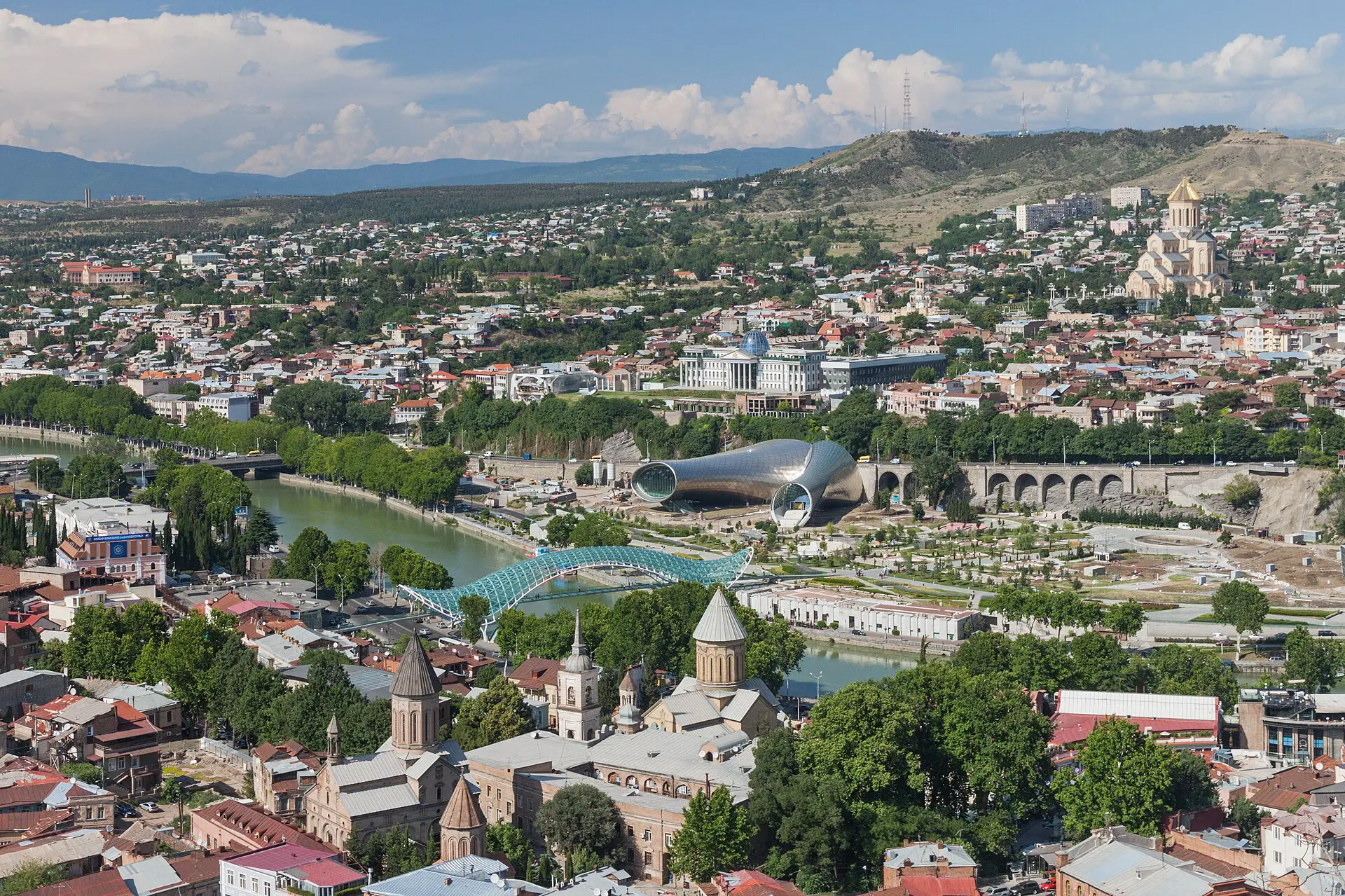
Why visit Tbilisi
If you are planning things to do in Tbilisi, start with the old town. The capital of Georgia lies on the banks of the Kura River, known in Georgian as the Mtkvari, in the foothills of the Trialeti range. Its name comes from the Georgian word tbili, meaning warm, a reference to the hot springs that gave the city its origin story.
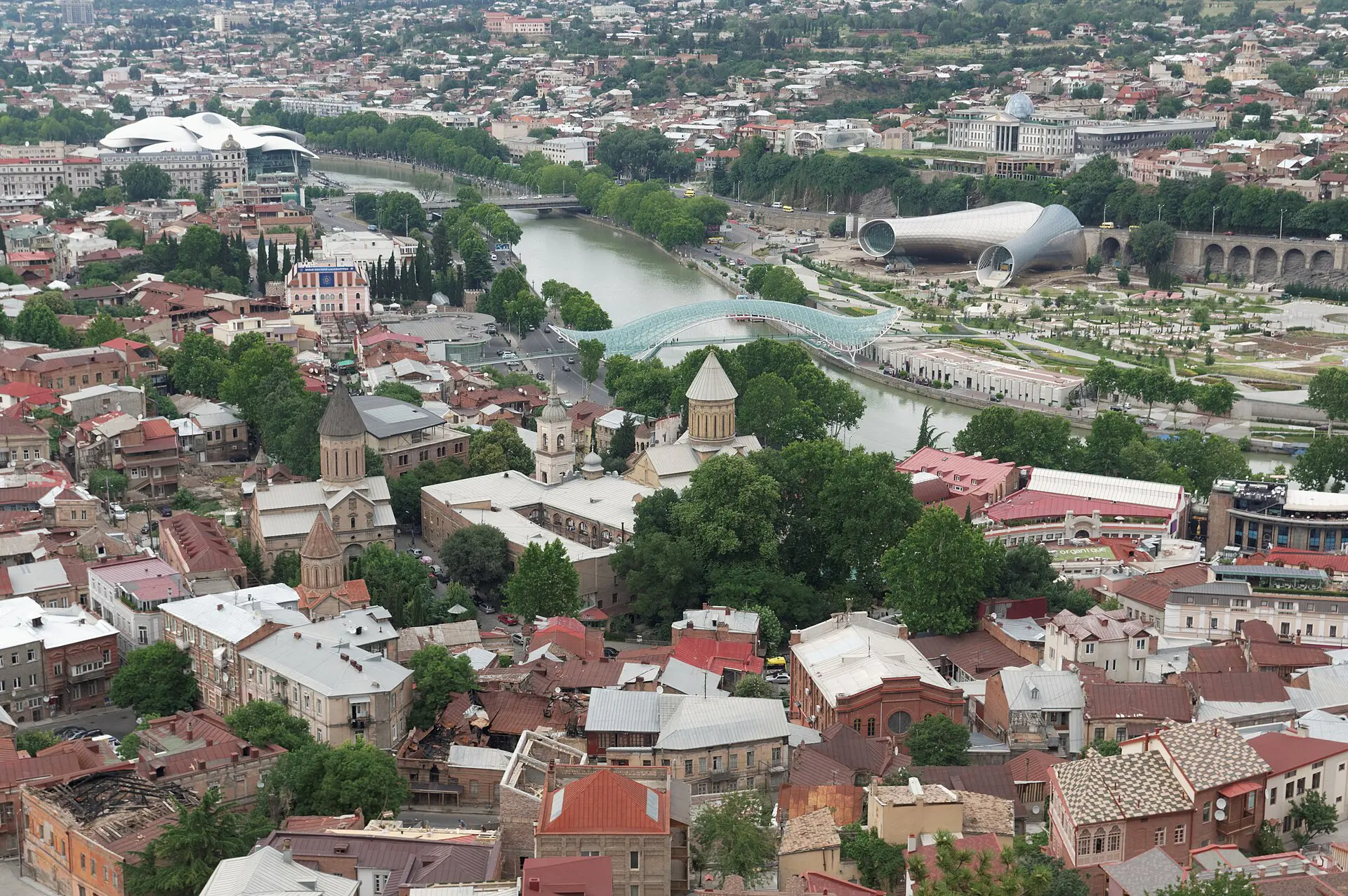
Founded in the fifth century, Tbilisi has been destroyed and rebuilt many times, yet the old town layout of narrow alleys and houses built around courtyards largely survives. Its position between Europe and Asia and near the Silk Road shows in the mix of churches, mosques, a synagogue and Soviet-era buildings.
It is a lively, affordable capital with a strong food and wine culture, and a good base for trips into the Caucasus. Expect hills, uneven pavements and a relaxed pace.
Top things to do in Tbilisi
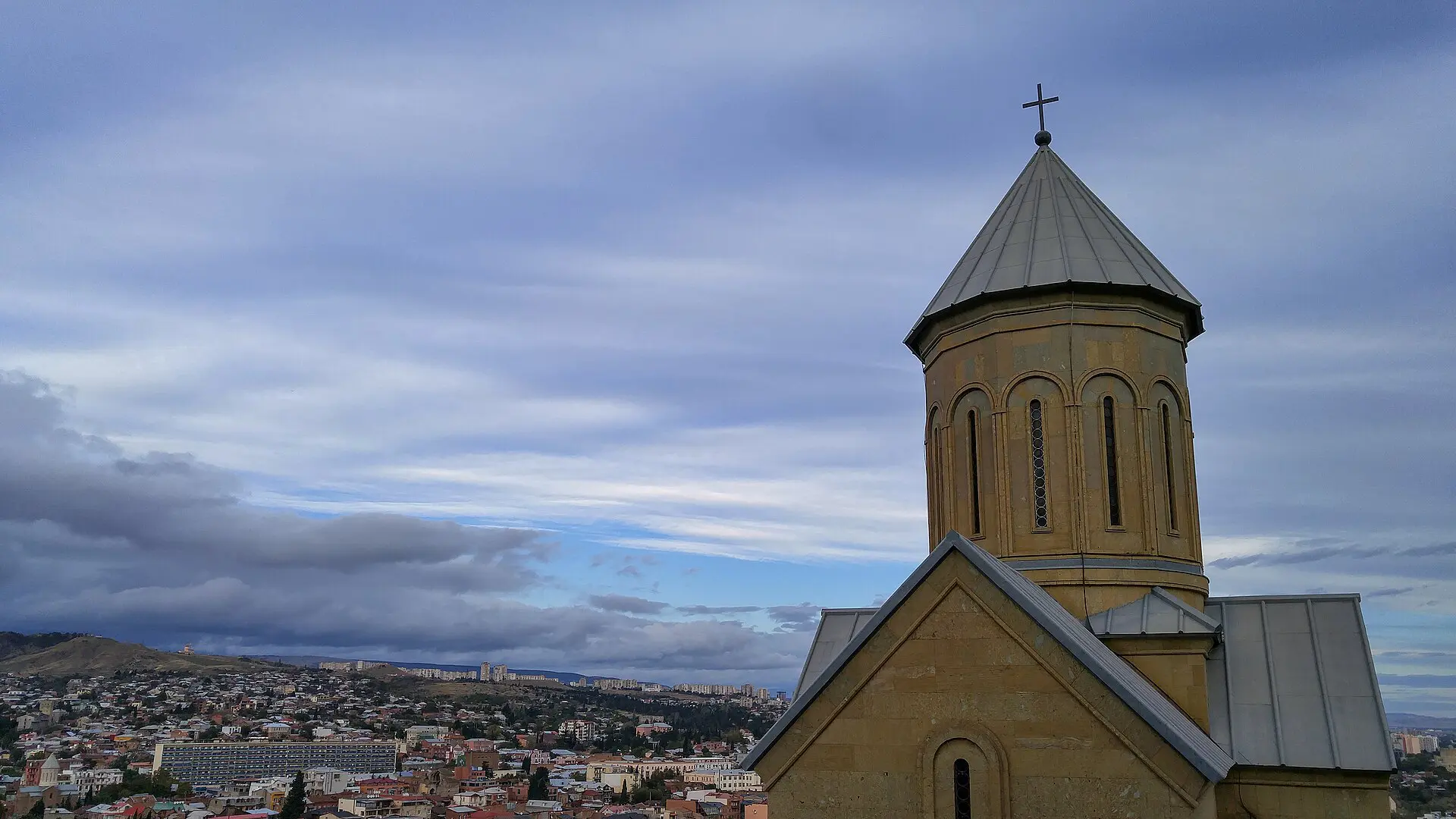
Old Town and Abanotubani
The old town has crooked wooden balconies, small squares and cafes. Allow half a day to wander. Abanotubani, the sulphur bath district, is the oldest part. Bath prices and booking rules vary, so check ahead and choose a private room if you want more privacy.
Narikala Fortress
This ancient fortress looks over the old town and the river. Reach it on foot or by cable car from Rike Park. Allow one to two hours. The walk up is steep in places, so go early in summer and bring water.
Mother of Georgia and Sololaki
The aluminium statue on the hill above the city, Mother of Georgia, holds a sword and a bowl of wine. The nearby Sololaki district has faded mansions and courtyards worth an hour or two of wandering. Check current opening arrangements for any viewing areas.
Rustaveli Avenue
The main boulevard has theatres, museums and cafes, and it is a good way to see the 19th-century city. Allow two to three hours. Several national museums are along it, with hours that change, so check before you set out.
Dry Bridge Market
This open-air market sells antiques, art and souvenirs, and it is a pleasant weekend browse of about an hour. Prices are negotiable and genuine antiques are rare, so treat items as souvenirs rather than investments.
Bridge of Peace and Rike Park
The modern glass pedestrian bridge crosses the river to Rike Park. It is good for photos, especially at dusk. Allow 30 to 60 minutes, and combine it with the cable car to Narikala.
Wine and Georgian food
Georgia has a long wine tradition, including qvevri wine made in clay vessels. Try khachapuri, khinkali and local wines in a restaurant or wine bar. Allow an evening, and ask staff to explain dishes, as portions are large.
Best time to visit Tbilisi
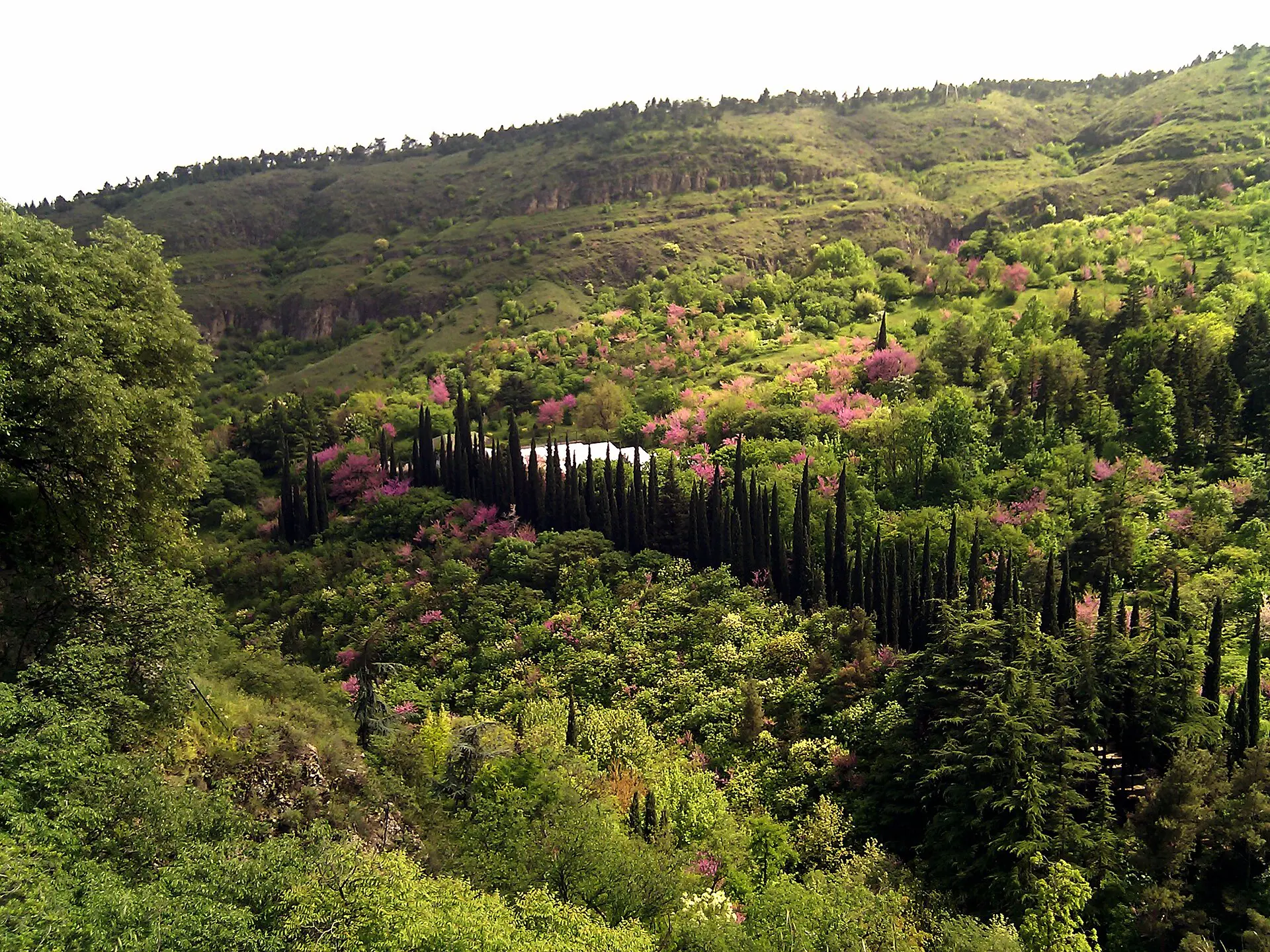
Tbilisi has hot summers and relatively cold winters, as it is ringed by mountains. Spring and autumn are the most comfortable seasons, with mild days and plenty to do. July and August can be very hot, so plan sightseeing for mornings and evenings.
| Season | Weather | Crowds and prices |
|---|---|---|
| Spring (Mar to May) | Mild, some rain | Moderate crowds, good value |
| Summer (Jun to Aug) | Hot, sometimes very hot | Busier, higher prices |
| Autumn (Sep to Nov) | Warm, then cooler; harvest season | Moderate crowds, good value |
| Winter (Dec to Feb) | Cold, occasional snow | Quietest, lowest prices |
April to June and September to October are the best bets. Autumn is also the grape harvest period in the wine regions nearby.
How to get to Tbilisi and around
Tbilisi International Airport is about 15 km east of the centre and has flights from a number of European and regional hubs. Taxis and ride-hailing apps are cheap, and a public bus link also serves the airport, so check current options. Some visitors arrive by train or road from Batumi or Kutaisi.
Within the country, trains and minibuses (marshrutkas) link Tbilisi to other cities, and shared taxis and private drivers are common for mountain routes. Check timetables and road conditions, particularly in winter.
In the city, the metro, buses and ride-hailing apps are inexpensive, and you pay with a reloadable travel card. The old town and centre are walkable, but the hills are steep and pavements can be uneven. Walking between the main sights takes time, so plan for steady transport use.
Where to stay in Tbilisi
The old town and Abanotubani put you among the oldest streets and close to the baths and cafes. It suits first-time visitors and couples who want atmosphere. Nights can be busy with bars, so check the room’s location.
Sololaki and the area near Rustaveli Avenue are central, calmer and good for walking. They have boutique hotels, guesthouses and apartments, and suit travellers who want a mix of old-city charm and convenience.
Vera and Mtatsminda are residential, leafy neighbourhoods with a quieter local feel and a range of cafes, suited to longer stays. Budget hostels and guesthouses are common across the centre. Book ahead in summer and during major events.
How many days do you need?
Three days covers the main sights without rushing. Two works for a quick city stay, and four or five lets you add one or two day trips. Tbilisi also makes a natural base for the Caucasus, so many visitors use it for the first and last nights of a wider trip around Georgia.
- Day 1: Explore the old town, then soak in a sulphur bath and head up to Narikala Fortress for the sunset.
- Day 2: Walk Rustaveli Avenue and Sololaki, visit a museum, browse the Dry Bridge Market and eat a long Georgian dinner.
- Day 3: Take a day trip to Mtskheta, or spend a day tasting wine in Kakheti.
Day trips and nearby
Mtskheta
This ancient former capital lies a short drive north of Tbilisi and is known for Svetitskhoveli Cathedral and Jvari Monastery. Allow half a day. Dress modestly for the churches, and combine the visit with another stop if you have a car.
Kakheti
Georgia’s main wine region lies to the east, with vineyards, cellars and small towns such as Sighnaghi. Allow a full day. Tours are widely available, and if you taste wine, arrange a driver rather than driving yourself.
Kazbegi
This mountain town in the Greater Caucasus is reached by the Georgian Military Road. Allow a full day, though many visitors prefer an overnight stay. Check road conditions and weather, particularly in winter and spring.
Kutaisi
Kutaisi lies in western Georgia, several hours from Tbilisi. It makes a better stop on a longer route than a day trip, though it connects well with other western highlights.
FAQ
Q1When is the best time to visit Tbilisi?
April to June and September to October are best, with mild weather and comfortable sightseeing. July and August can be very hot, while winters are cold and occasionally snowy. Autumn adds the grape harvest in the nearby wine regions.
Q2How many days do you need in Tbilisi?
Three days covers the old town, baths, Narikala, Rustaveli Avenue and a day trip to Mtskheta. Add one or two days for Kakheti or Kazbegi. Two days works for a quick city break if you move fast.
Q3How do you get to Tbilisi?
Most visitors fly into Tbilisi International Airport, about 15 km east of the centre, and take a taxi or ride-hailing app. Within Georgia, trains, minibuses and shared taxis link the capital with other cities. Check current schedules before you go.
Q4Is Tbilisi cheap and safe?
Tbilisi is generally affordable by European standards, with low prices for food, taxis and local transport. It is widely considered safe for visitors, though normal precautions apply against pickpockets and nightlife scams. Check your government's current travel advice before you go.
Prices, schedules and entry rules change. Check current details with official sources before you travel. Read the Georgia travel guide.