Why visit Bahrain
The things to do in Bahrain are surprisingly varied for a country of only 765 square kilometres: ancient Dilmun burial mounds, a UNESCO-listed fort, traditional souqs, modern malls, a Formula One circuit and some of the Gulf’s best-known restaurants. Bahrain is an archipelago in the Persian Gulf, and its name means two seas in Arabic (see the Wikipedia overview for background).
It suits short city breaks, stopovers, culture and food travellers and families, and it is easy to see in three or four days. Bahrain is socially more relaxed than some of its neighbours, and alcohol is legal in licensed venues, though it remains a Muslim country with conservative norms. Most visitors use Manama as a base and add day trips by taxi or rental car, since distances are short and the island is flat and easy to drive.
Best places to visit in Bahrain
The best places to visit in Bahrain are all within an hour’s drive of Manama, so most trips can combine them in a few days.
Manama
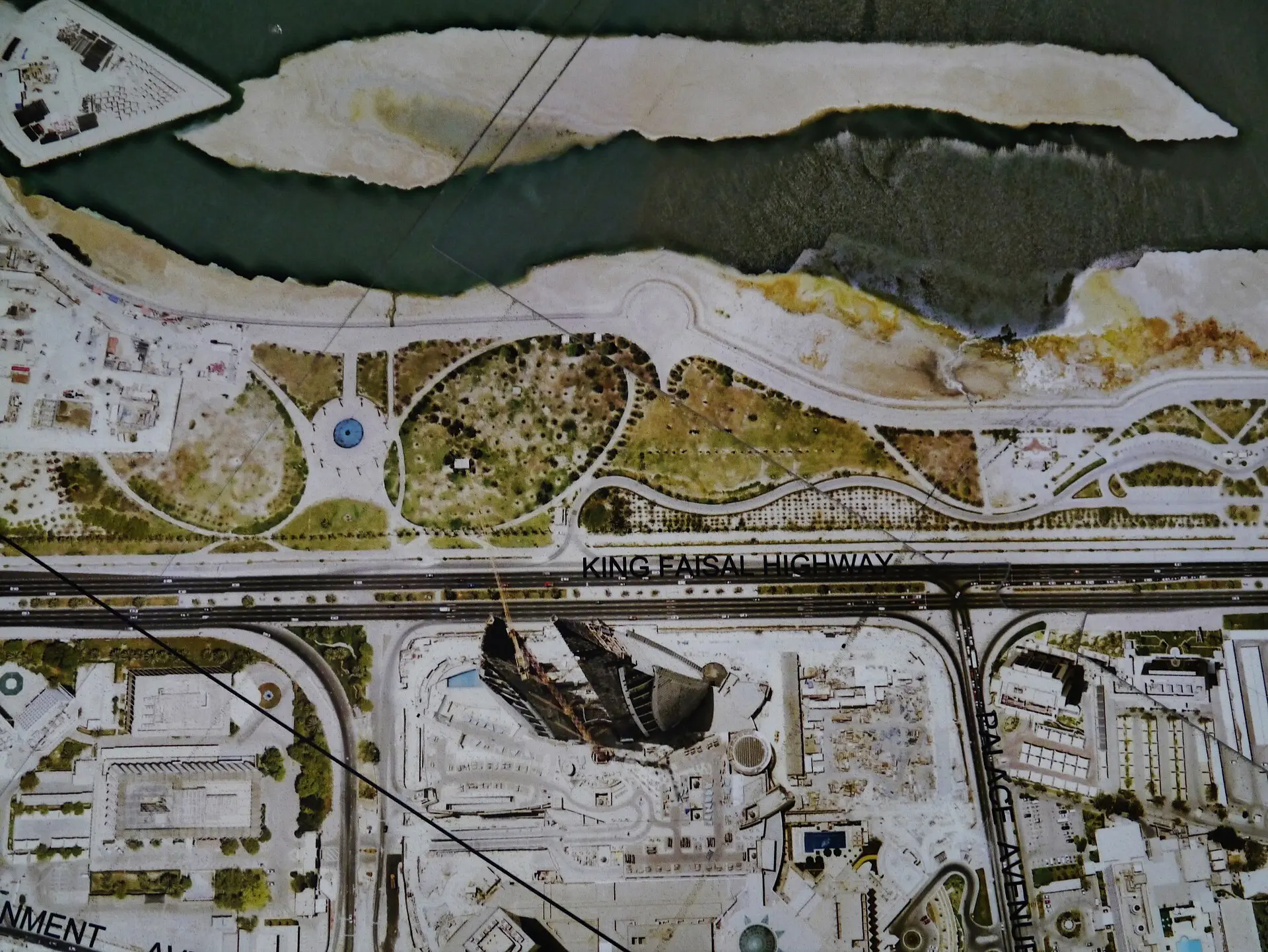
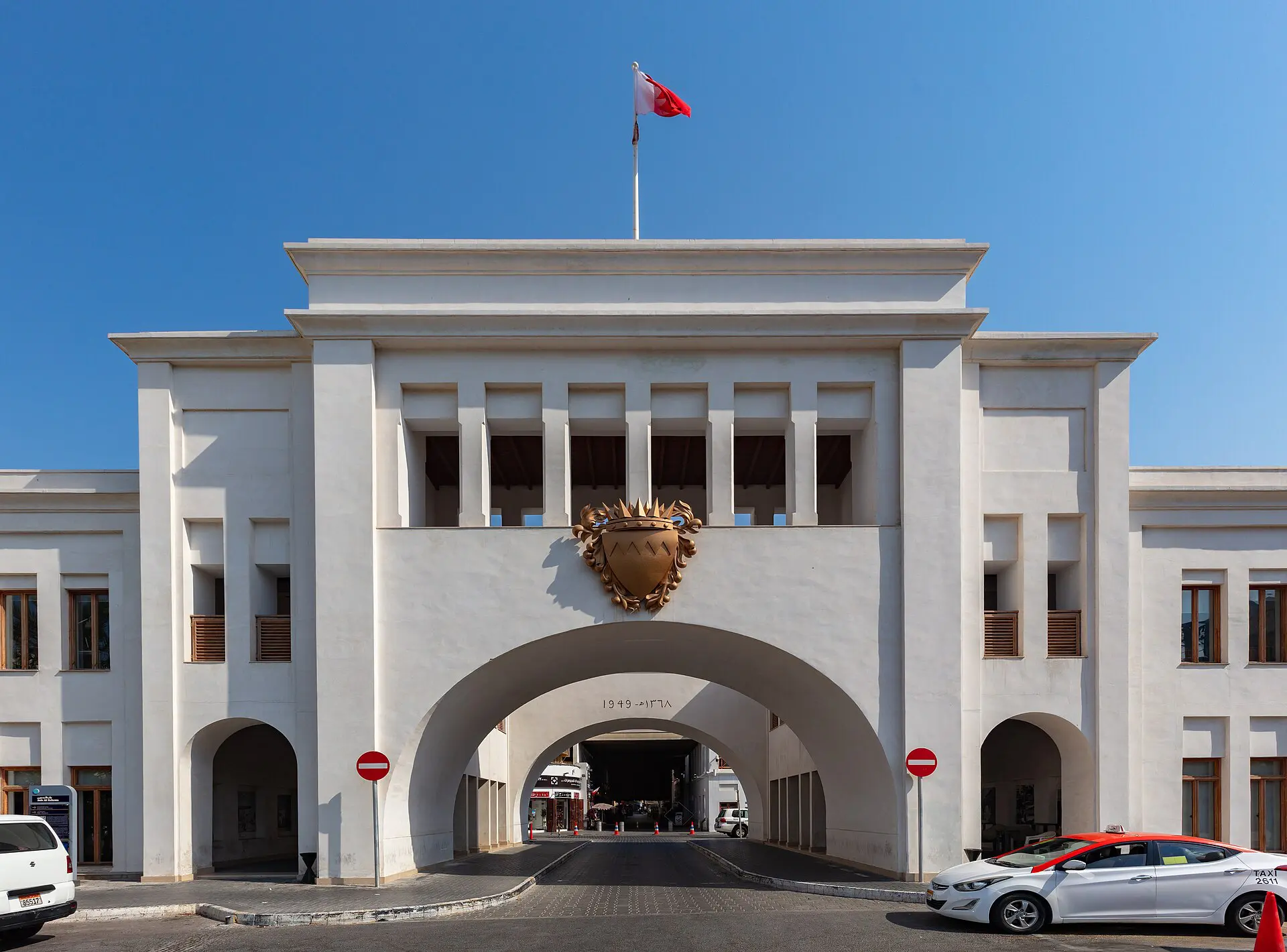
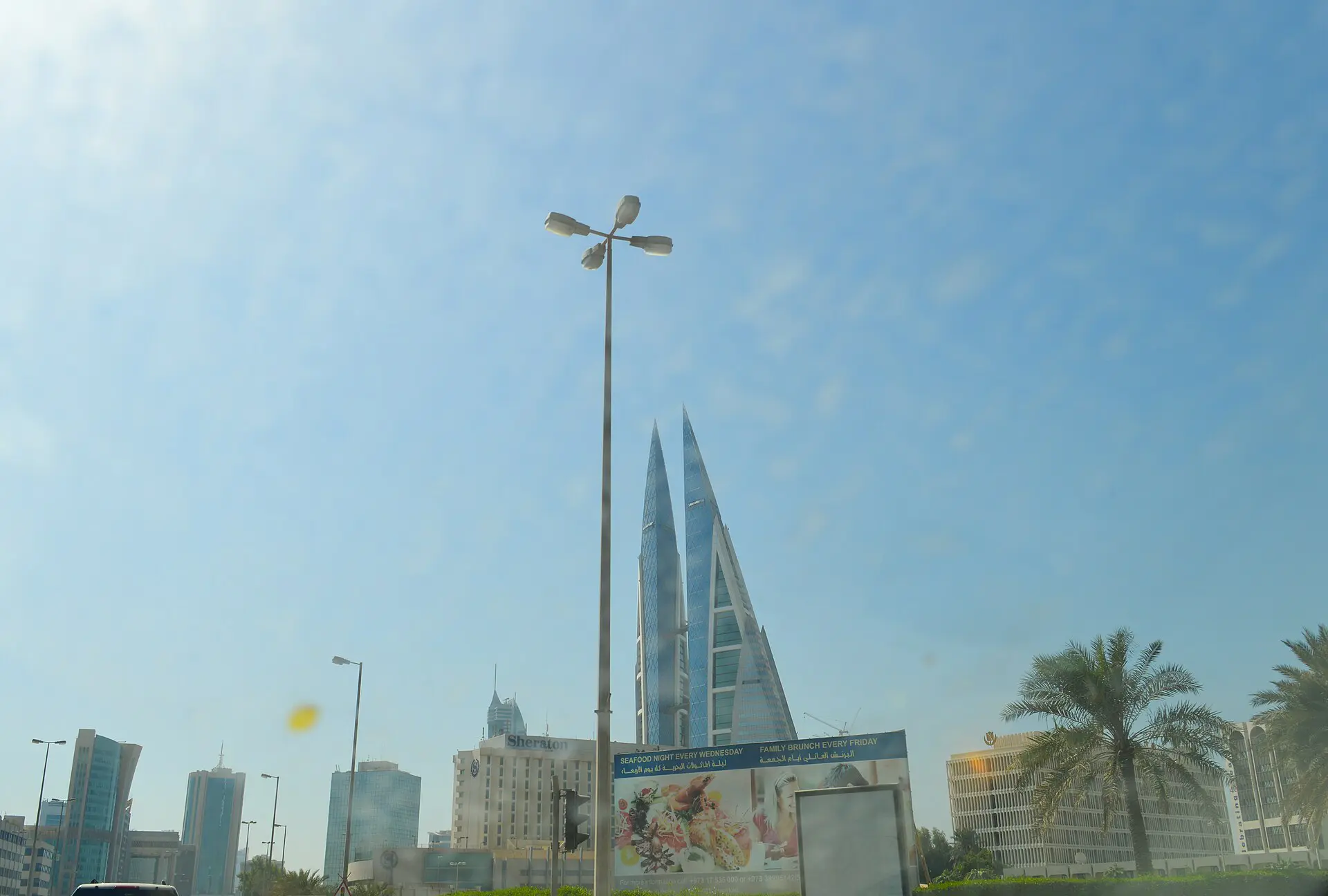
The capital has the Bahrain National Museum, the Bab Al Bahrain gateway, the old souq and Gold City, as well as the modern skyline around the Bahrain World Trade Center. The old district is best explored on foot in the evening.
Muharraq
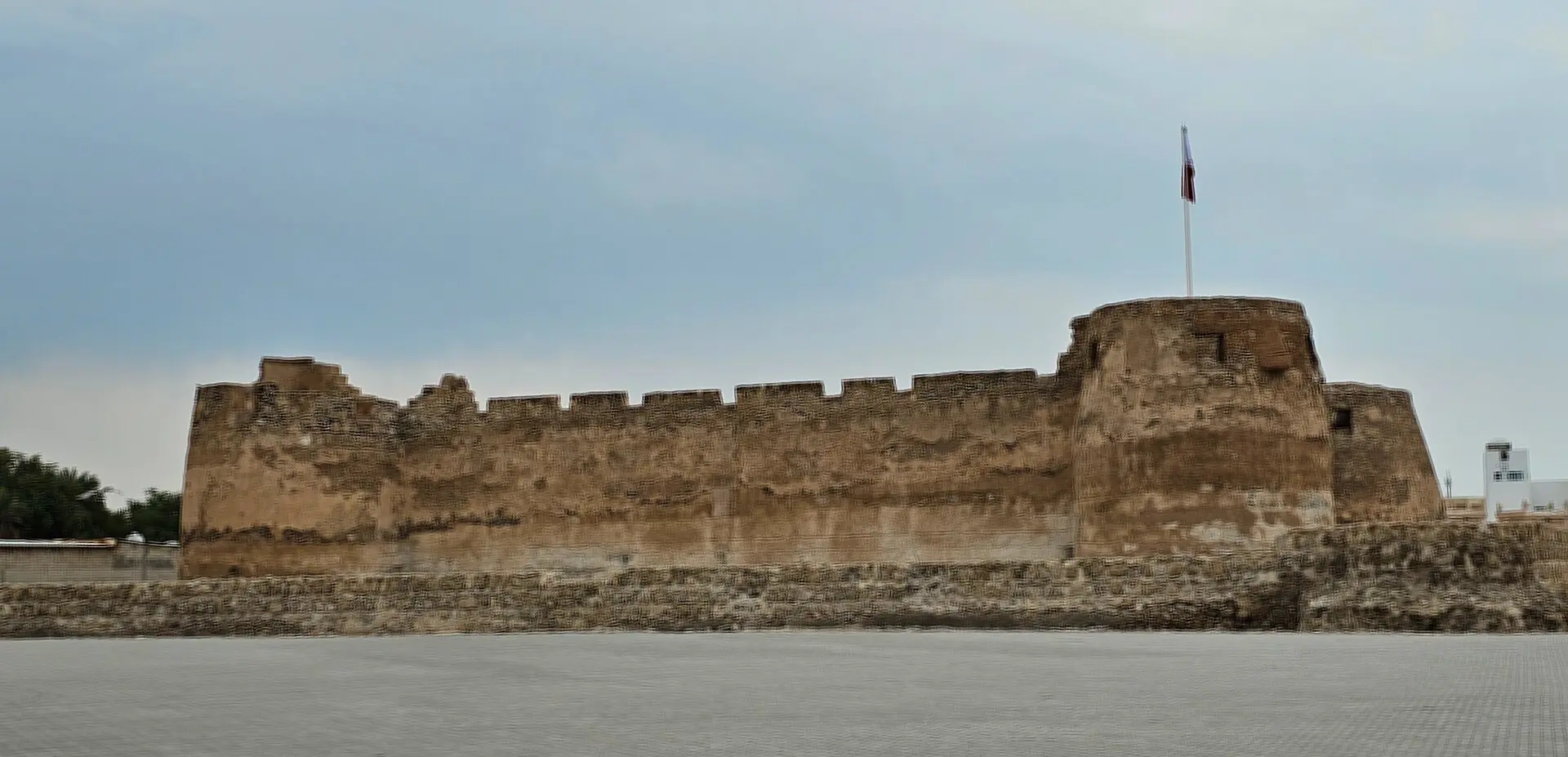
The former capital has the UNESCO-listed Pearling Path, a trail of restored merchant houses, shops and oyster beds, plus Arad Fort. It is a quieter, more traditional area than Manama.
Qal’at al-Bahrain
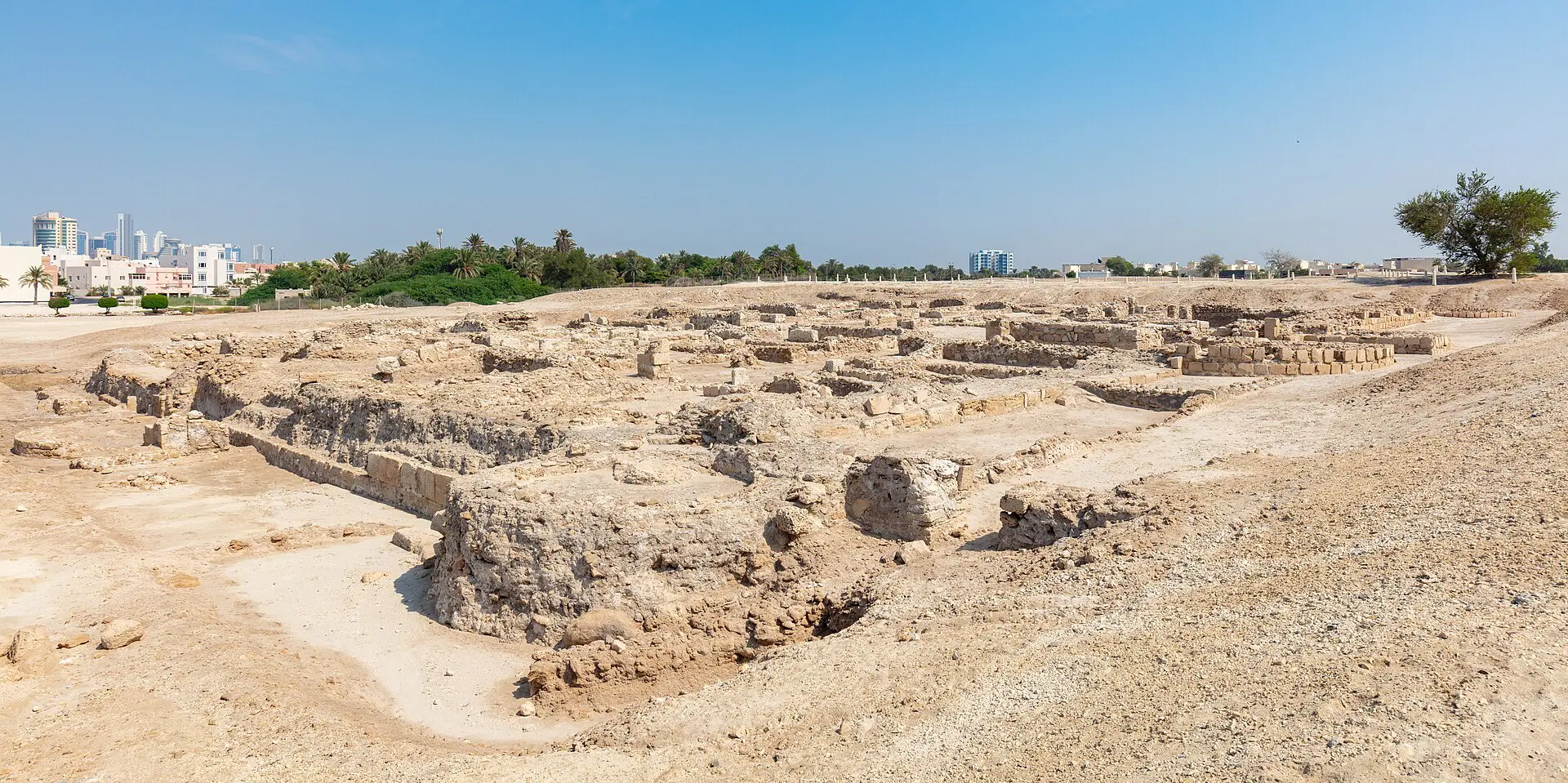
This fort on the north coast sits on a mound built up over some 4,000 years and is on the UNESCO World Heritage list. It was a capital of the ancient Dilmun civilisation.
Sakhir and the south
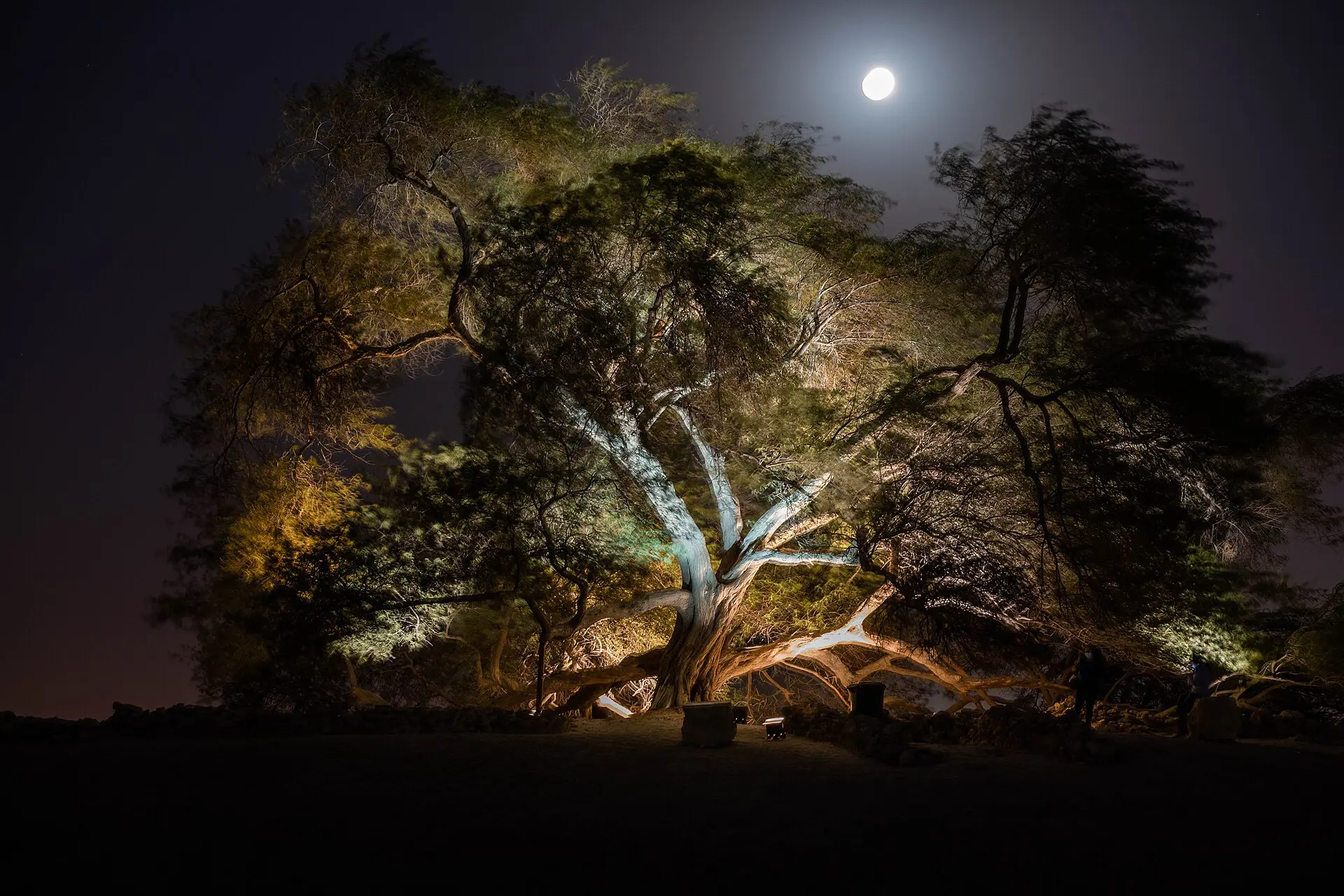
The Bahrain International Circuit hosts the Formula One Grand Prix, and the desert nearby is home to the Tree of Life, a lone mesquite that grows without visible water.
A’ali and Riffa
A’ali has huge Dilmun burial mounds and traditional pottery workshops, while Riffa has the fort and royal area.
Things to do in Bahrain
The top things to do in Bahrain mix heritage, markets and outdoor activities, and most can be done as half-day trips from Manama.
- Visit Qal’at al-Bahrain: walk the fort ramparts and see the on-site museum, with views over the Gulf.
- Tour the Bahrain National Museum: exhibits cover 9,000 years of history, from burial mounds to pearl diving.
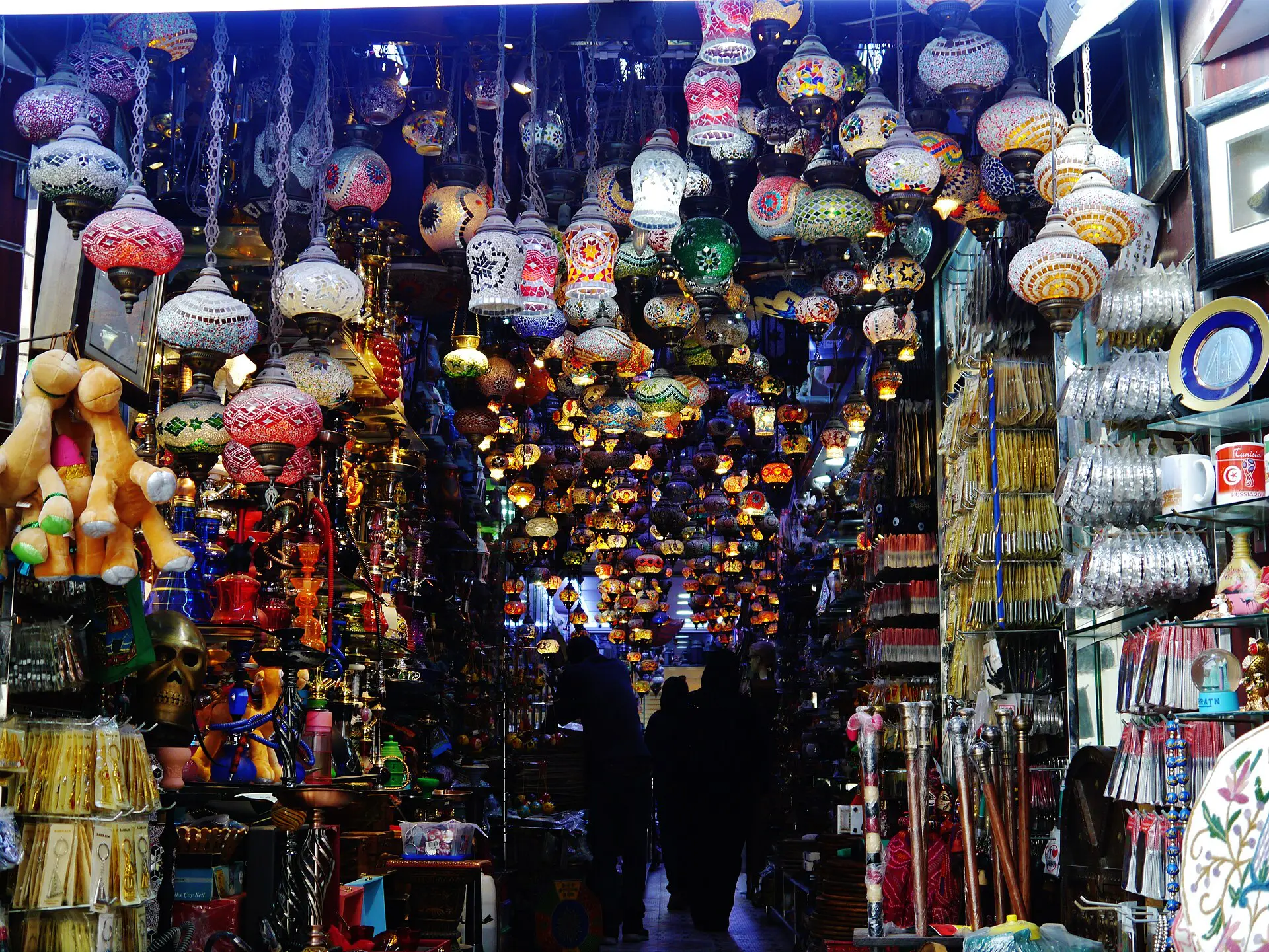
- Wander Manama Souq: the old market has spices, textiles, gold and street food, and is liveliest in the late afternoon.
- Walk the Pearling Path in Muharraq: restored houses tell the story of the pearl trade.
- See the Tree of Life: a roughly 400-year-old tree stands alone in the desert near Sakhir.
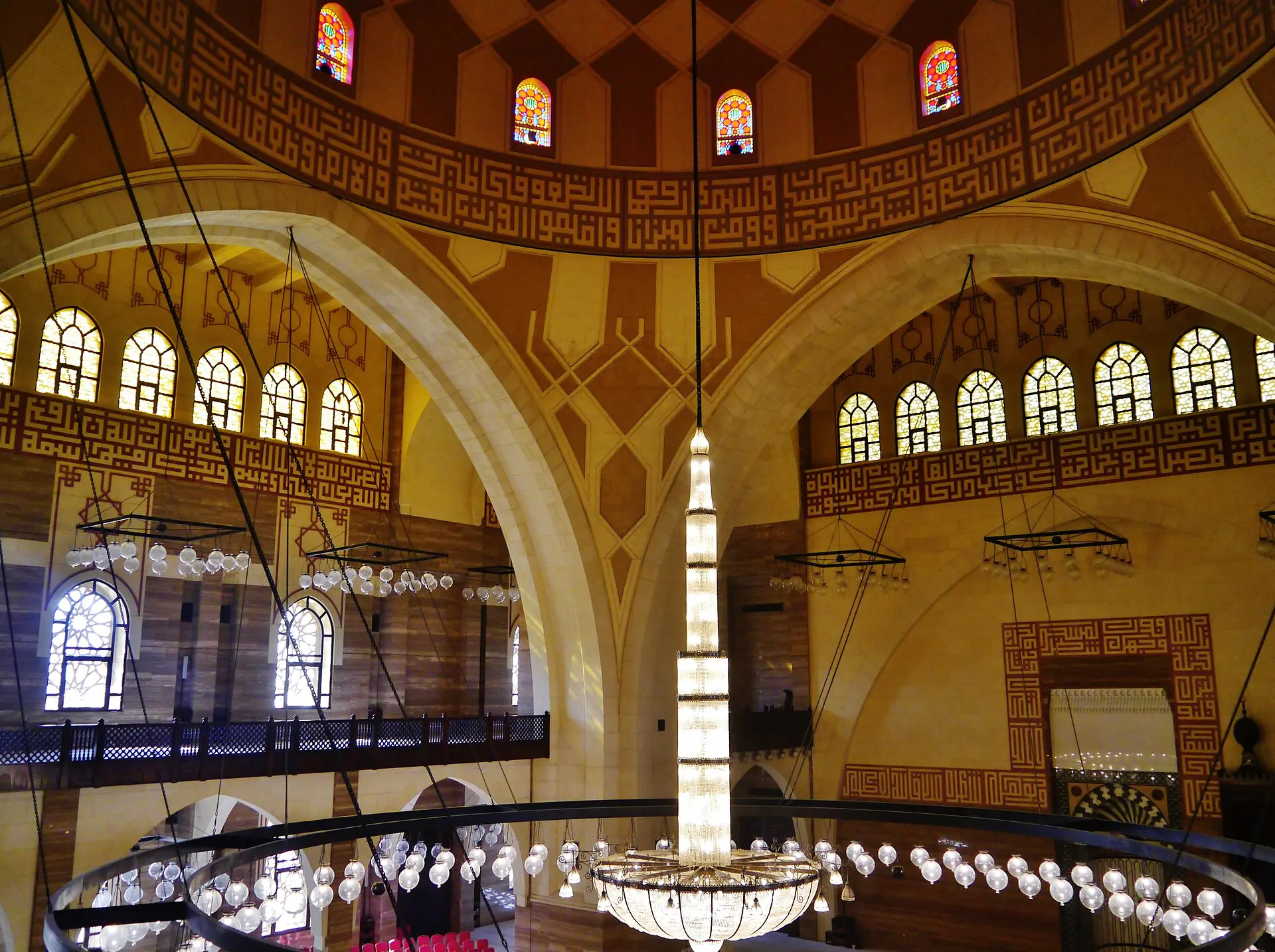
- Visit the Al Fateh Grand Mosque: one of the largest mosques in the country welcomes non-Muslim visitors outside prayer times.
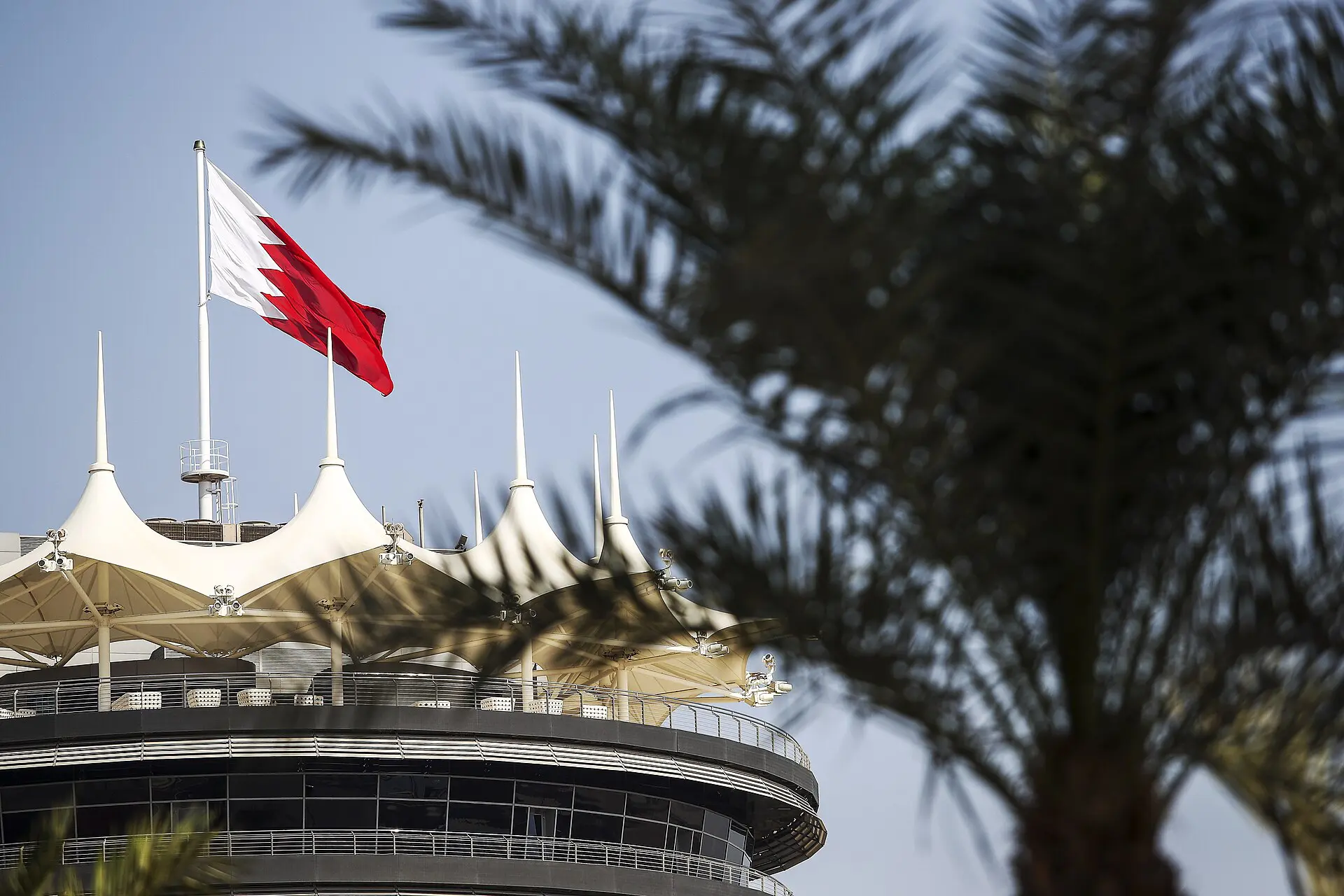
- Watch a Formula One race or tour the circuit: the Bahrain International Circuit offers races and track experiences.
- Go birdwatching or diving: the Hawar Islands are known for birds, and dive operators run trips to wrecks and reefs.
- Explore A’ali burial mounds: thousands of Dilmun-era tombs sit in a field south of Manama.
- Ride a traditional dhow: boat trips leave from Manama and Muharraq at sunset.
Best time to visit Bahrain
The best time to visit Bahrain is November to March, when daytime temperatures are pleasantly warm and evenings can be cool enough for a sweater. October and April are warm but manageable. From May to September, it is extremely hot and humid, with daytime highs often above 40 C, and most visitors stay indoors during the day.
| Season | Weather | Crowds and prices | Good for |
|---|---|---|---|
| Winter (Dec-Feb) | Mild and sunny, cool evenings, occasional rain | Highest prices, Grand Prix period busy | Sightseeing, outdoor dining |
| Spring (Mar-Apr) | Warm and pleasant, then hot | Moderate | Forts, boat trips, souqs |
| Summer (May-Sep) | Very hot and humid | Lowest prices | Malls, museums, hotel stays |
| Autumn (Oct-Nov) | Hot, then comfortable | Rising from November | Culture, food, desert trips |
Ramadan moves each year, and daytime dining, opening hours and music are restricted, though evenings are lively. Book early for the Formula One weekend, when prices rise sharply.
Is Bahrain safe to visit?
Bahrain is generally safe for tourists, and street crime is low, but check your government’s current advice because regional tensions can change the picture. Governments such as the UK and US publish travel advice that mentions the risk of terrorism, occasional protests and wider tensions in the Gulf. Read the UK FCDO or US State Department page before you book and again before you travel.
Politics and protests. Political unrest has occurred since 2011, mostly in villages outside the main tourist areas. Avoid demonstrations and do not photograph police or security sites.
Laws. Drug laws are very strict, and public drunkenness, offensive behaviour and insulting the ruling family or religion can lead to arrest. Same-sex relations and public displays of affection can cause problems, so be discreet.
Roads and heat. Driving is fast and drivers can be aggressive. In summer, heat stroke is a real risk, so drink water and avoid midday sun.
Health. Tap water is treated but many visitors prefer bottled water. Carry travel insurance with medical cover.
Bahrain visa and entry requirements
The Bahrain visa rules depend on your nationality. Many visitors, including citizens of the US, UK and EU countries, have generally been able to get an electronic visa online before travel or, for some nationalities, a visa on arrival at the airport or the causeway. Citizens of Gulf Cooperation Council states can enter with ID cards, and some other nationalities require a sponsor or a full visa. Rules and fees change, so check the official Bahrain eVisa portal or the nearest embassy.
Apply only through the official government portal and avoid lookalike sites, which charge extra. You need a passport valid for at least six months from arrival and proof of onward travel or a return ticket. Keep your visa printout or electronic copy handy.
If you plan to cross the King Fahd Causeway to or from Saudi Arabia, you need a valid Saudi visa and, for car travel, the correct insurance and papers. Border queues can be long at weekends, so check conditions and rules before you set off.
Getting to and around Bahrain
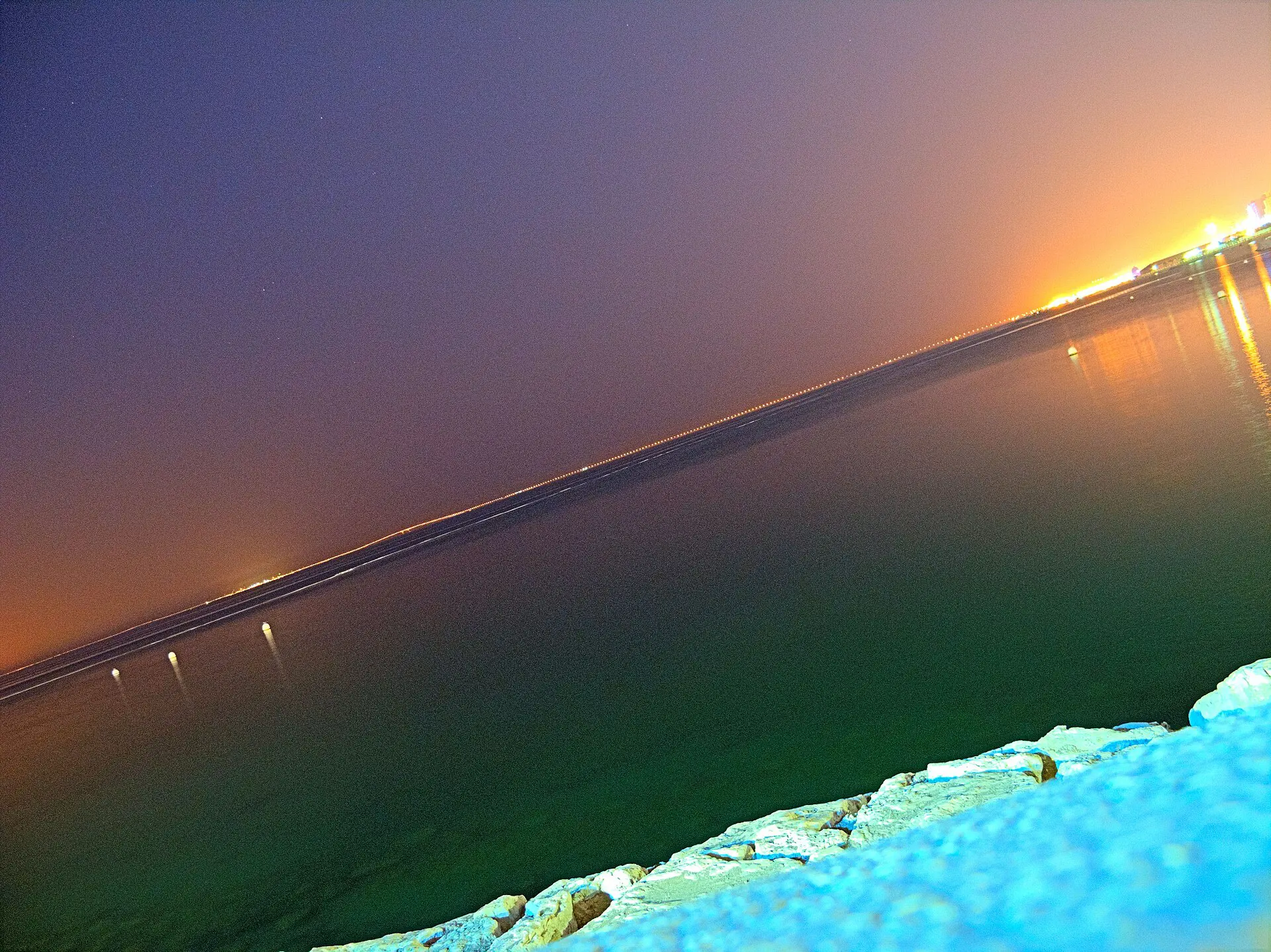
Bahrain International Airport is on Muharraq island and has direct flights across the Gulf, Europe, South Asia and beyond, including Gulf Air, the national carrier. Flights from Dubai take about an hour, and from London around six and a half hours. You can also arrive overland by the King Fahd Causeway from Saudi Arabia, which is about 25 kilometres long.
The island is small and flat, so distances are short: Manama to Muharraq takes about 15 minutes, and Manama to the Sakhir circuit about 30 minutes. Taxis and ride-hailing apps are cheap and the best choice for most visitors. Buses operate on set routes but are slow and infrequent for tourists. Car hire is easy, and driving is on the right, with good roads and clear signs.
A day on a rental car lets you combine the fort, Tree of Life and burial mounds. Parking in central Manama can be tight in the evening. Boat trips to the Hawar Islands and diving sites need a licensed operator and advance booking.
How much does a trip to Bahrain cost?
Bahrain is moderately priced by Gulf standards. The currency is the Bahraini dinar (BHD), which is pegged to the US dollar at roughly 0.376 BHD per dollar, so one dinar is worth about 2.65 US dollars. Figures below are rough per-person guides for the 2026 season and rise around the Formula One weekend.
- Budget: around BHD 20 to 35 per day, with a simple hotel, local cafés, shawarma and taxis or buses.
- Mid-range: around BHD 40 to 75 per day, with a three or four-star hotel, restaurant meals and taxis or a rental car.
- High-end: from around BHD 110 per day, with a five-star hotel, fine dining and private tours.
Accommodation is the biggest cost, followed by dining out in hotels, where alcohol is expensive. Local food at small restaurants is inexpensive. Museum and fort tickets are modest, and taxis are cheap, though you should agree the price or use a meter or app. Prices drop a lot in the hot summer months.
Bahrain food and drink
Bahrain food reflects its Gulf, Persian, Indian and Levantine influences, with fish, rice, dates and spices at the centre. Meals are social, and the best food is often found at small cafés and street stalls rather than hotels.
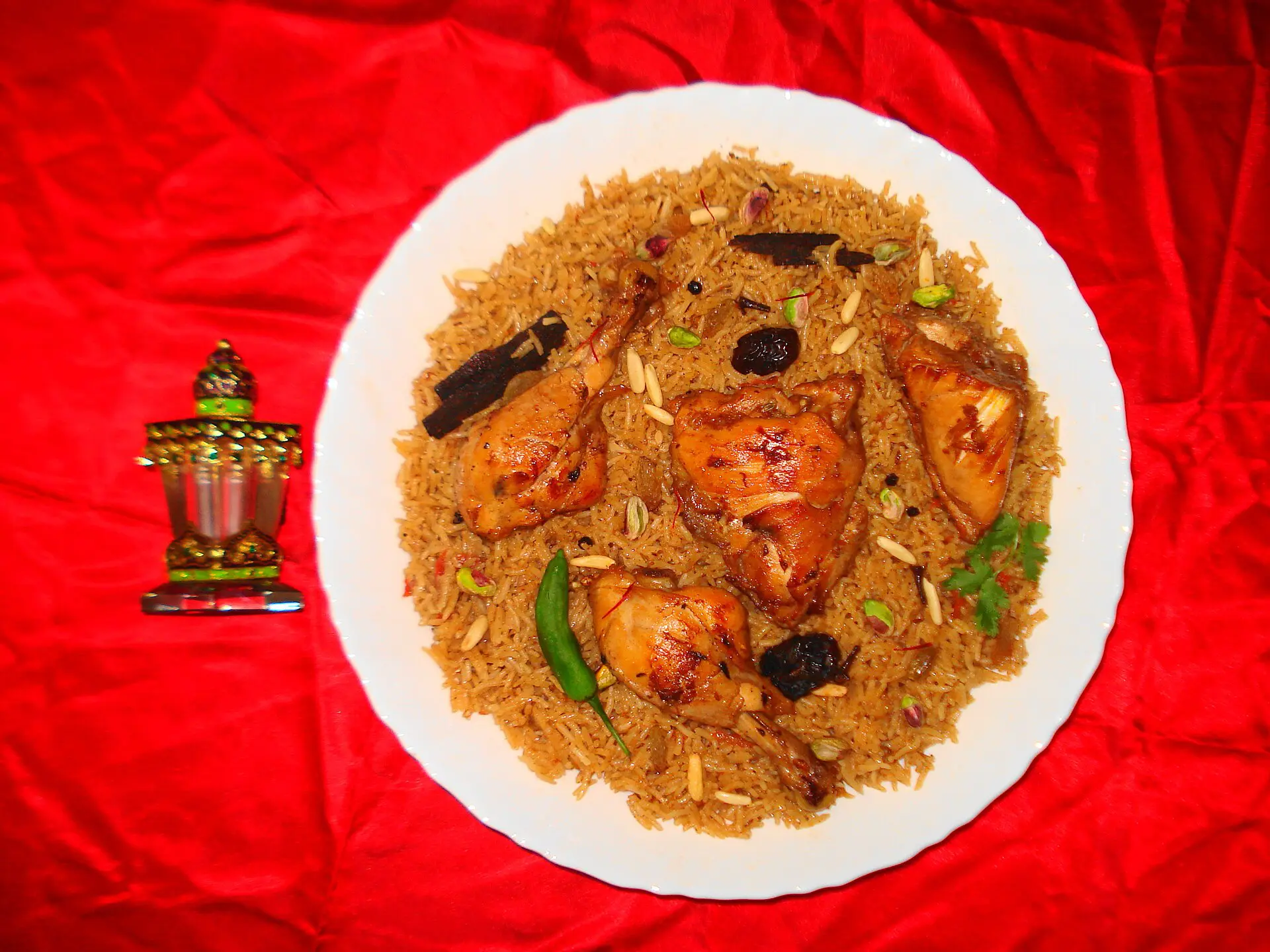
- Machboos: spiced rice cooked with chicken, lamb or fish, the national dish.
- Muhammar: sweet rice made with dates or sugar, often served with fish.
- Halwa Bahrainiya: a sticky sweet made from starch, sugar, nuts and saffron, offered to guests.
- Shawarma and falafel: cheap, filling street food sold across Manama.
- Grilled fish and shrimp: fresh from the Gulf, often served with rice or bread.
- Karak chai: strong, sweet milky tea, popular at all hours.
- Arabic coffee and dates: served in a small cup as a sign of welcome.
Vegetarians can eat well on mezze, falafel, hummus and lentil dishes. Alcohol is legal and served in licensed hotels, bars and some restaurants, but not in most local cafés. During Ramadan, many restaurants close in daytime, and eating in public is discouraged.
Culture, language and etiquette in Bahrain
Arabic is the official language. English is widely spoken in hotels, restaurants, shops and taxis, and many signs are bilingual. Useful words are marhaba (hello), shukran (thank you) and min fadlak (please).
Bahrain is relatively liberal for the Gulf, but it is still a Muslim country, and visitors should dress modestly, with shoulders and knees covered in public and in malls. Swimwear is for pools, hotel beaches and private resorts. Women do not need to cover their hair except when visiting mosques, where everyone should dress modestly and women should wear a headscarf.
Greet people with a handshake, using the right hand, and wait for women to offer a handshake. Accept coffee and dates if offered. Avoid public displays of affection, and do not photograph people, especially women, without asking.
Friday is the main day of prayer, and many shops open late. Ramadan and Eid change opening hours and restaurant rules, so check dates. Avoid discussing local politics and the ruling family, and follow rules on photography near government buildings and military sites.
Bahrain itinerary: a 7-day route
Bahrain is small, so this route is relaxed and includes spare days for the desert, the coast and shopping. Use Manama as your base.
- Day 1, Manama: arrive, walk through Bab Al Bahrain and the souq, and eat dinner in the old district.
- Day 2, National Museum and Gold City: spend the morning at the museum and the afternoon in the Gold Souq and nearby cafés.
- Day 3, Muharraq: follow the Pearling Path, visit Arad Fort and try halwa and coffee in a restored house.
- Day 4, Qal’at al-Bahrain: visit the fort in the morning and return for sunset on the corniche.
- Day 5, Sakhir and the Tree of Life: take a taxi or rental car to the desert, and tour the circuit if open.
- Day 6, A’ali and Riffa: see the burial mounds and pottery workshops, then visit the fort and enjoy a long lunch.
- Day 7, return: allow about 30 minutes to the airport and spend any time left at the souq.
In summer, move outdoor visits to the early morning and spend afternoons in museums and malls. With extra time, book a dhow trip or a dive.
Practical tips for Bahrain
- Money: the Bahraini dinar is the currency. Cards are widely accepted and ATMs are common, but carry some cash for souqs and taxis.
- SIM and eSIM: prepaid SIMs and eSIMs are cheap, and mobile coverage is excellent across the small island. Bring your passport to buy a SIM.
- Plugs: type G (British three-pin) at 230 V. Visitors from North America and continental Europe need an adapter.
- Tipping: about 10 percent in restaurants if a service charge is not already added. Round up for taxis.
- Health: bring insurance, sunscreen and a hat. Drink plenty of water, especially in summer.
- Packing: light, loose clothing that covers shoulders and knees, a scarf for mosques and a light layer for air-conditioned interiors.
- Rules: drug laws are strict, so check any medication is allowed before you fly. Avoid photographing government buildings.
- Booking: reserve hotels early for the Formula One weekend and for winter holidays.
For wider background, see the Wikivoyage Bahrain guide.
FAQ
Q1What are the best things to do in Bahrain?
Top picks are visiting Qal'at al-Bahrain fort, the National Museum, the Manama and Gold souqs, walking the Pearling Path in Muharraq, seeing the Tree of Life and A'ali burial mounds, and watching a Formula One race at the Bahrain International Circuit.
Q2Is Bahrain safe?
Bahrain is generally safe for tourists, with low street crime. Regional tensions, occasional protests and strict laws on drugs and public behaviour are the main concerns. Avoid demonstrations, dress modestly and check your government's current travel advice, such as the UK FCDO or US State Department page, before you go.
Q3What is Bahrain food like?
Bahrain food blends Gulf, Persian, Indian and Levantine cooking. Try machboos spiced rice, muhammar sweet rice with fish, grilled seafood, shawarma and halwa Bahrainiya, with karak tea or Arabic coffee. Vegetarians can eat well on mezze and falafel, and alcohol is served only in licensed venues.
Q4Do I need a visa for Bahrain?
Most visitors need a visa. Many nationalities can get an e-visa online or a visa on arrival, while Gulf citizens can enter with an ID. Apply only through the official Bahrain eVisa portal, carry a passport valid for six months, and confirm current rules and fees before you book.
Q5What are some practical Bahrain travel tips?
Visit between November and March, dress modestly, and use taxi apps for short trips. Carry a UK-style adapter, cards and some cash for souqs, and check Ramadan dates because opening hours change. Drug laws are strict, so confirm any medication is allowed before flying.
Q6What is the best time to visit Bahrain?
November to March is best, with mild, sunny days and cool evenings. October and April are warm but manageable. May to September is extremely hot and humid, with highs above 40 C, so plan indoor activities. Book early if you want to attend the Formula One weekend.