Why visit Armenia
The list of things to do in Armenia is long for such a small country. Armenia is a landlocked former Soviet republic of about 29,700 square kilometres in the South Caucasus, and it is often described as the first country to adopt Christianity as its state religion, in 301 AD (see the Wikipedia overview). The result is a landscape dotted with medieval monasteries, many of them on dramatic cliffs and gorges, within a couple of hours of the capital, Yerevan.
Armenia suits history and architecture fans, hikers, food and wine lovers, and independent travellers who like to combine a city with road trips. It is easy to organise on your own, and hospitality is strong. The roads in the mountains can be slow, public transport is basic outside Yerevan, and the closed borders with Turkey and Azerbaijan shape how you enter and leave. A few days in Yerevan plus a few days in the countryside is a good first trip.
Best places to visit in Armenia
The best places to visit in Armenia are close enough to link in a loop from Yerevan, with a few stops that need an overnight stay.
Yerevan
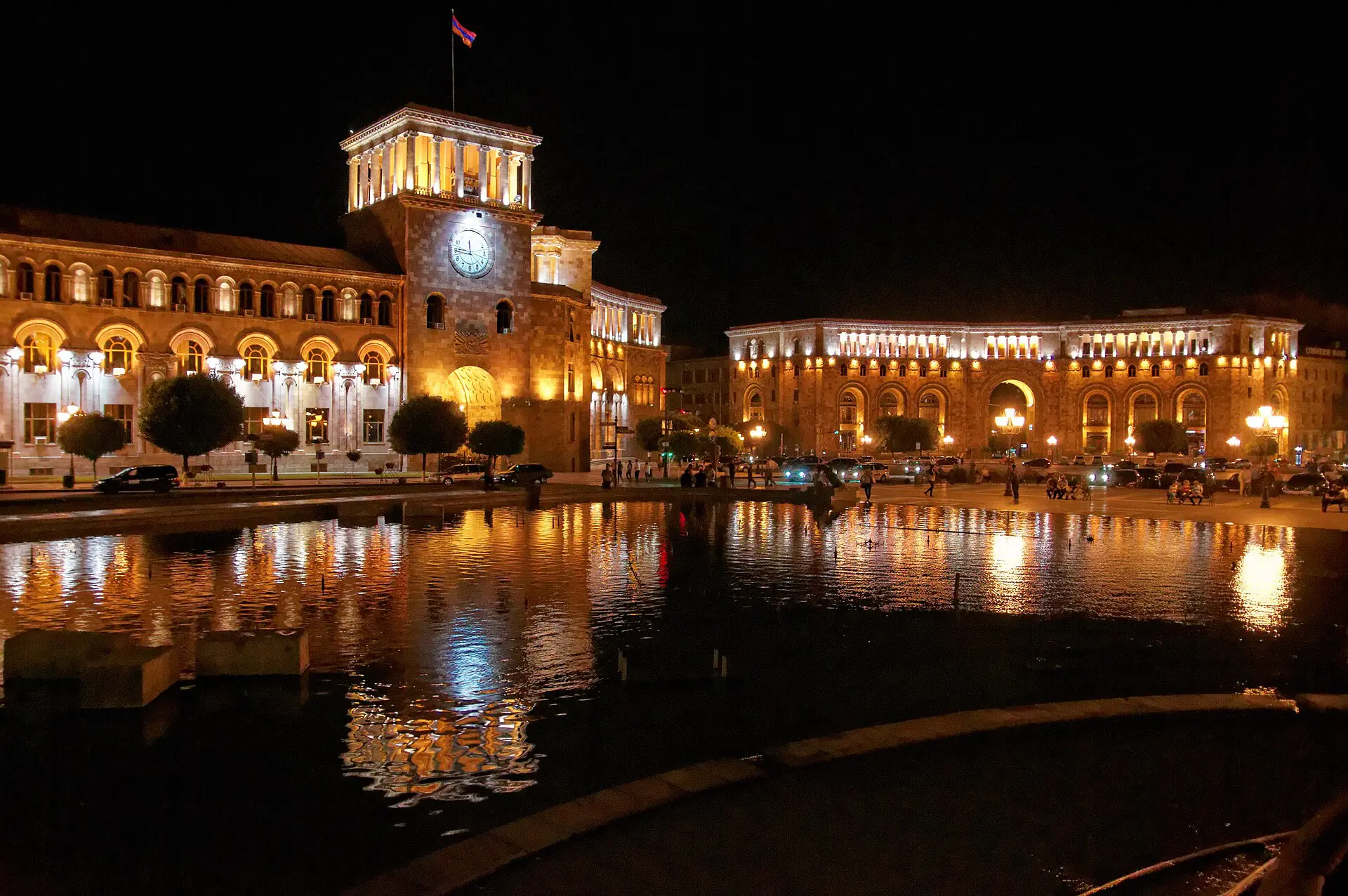
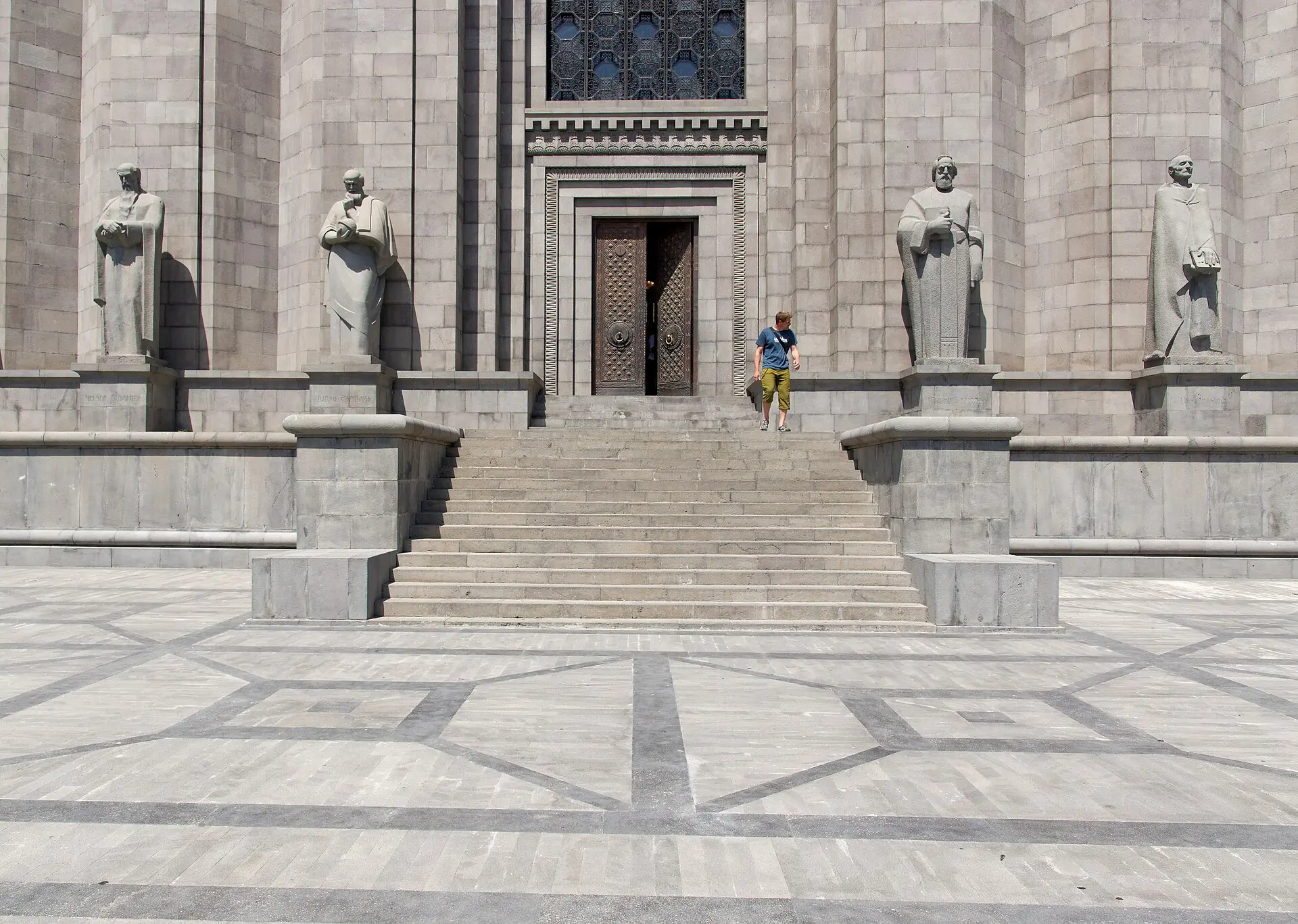
The pink-stone capital has a Soviet-era grid, the Cascade complex with city views, the Matenadaran manuscript library, Republic Square and a busy cafe and wine bar scene. It is the base for most day trips.
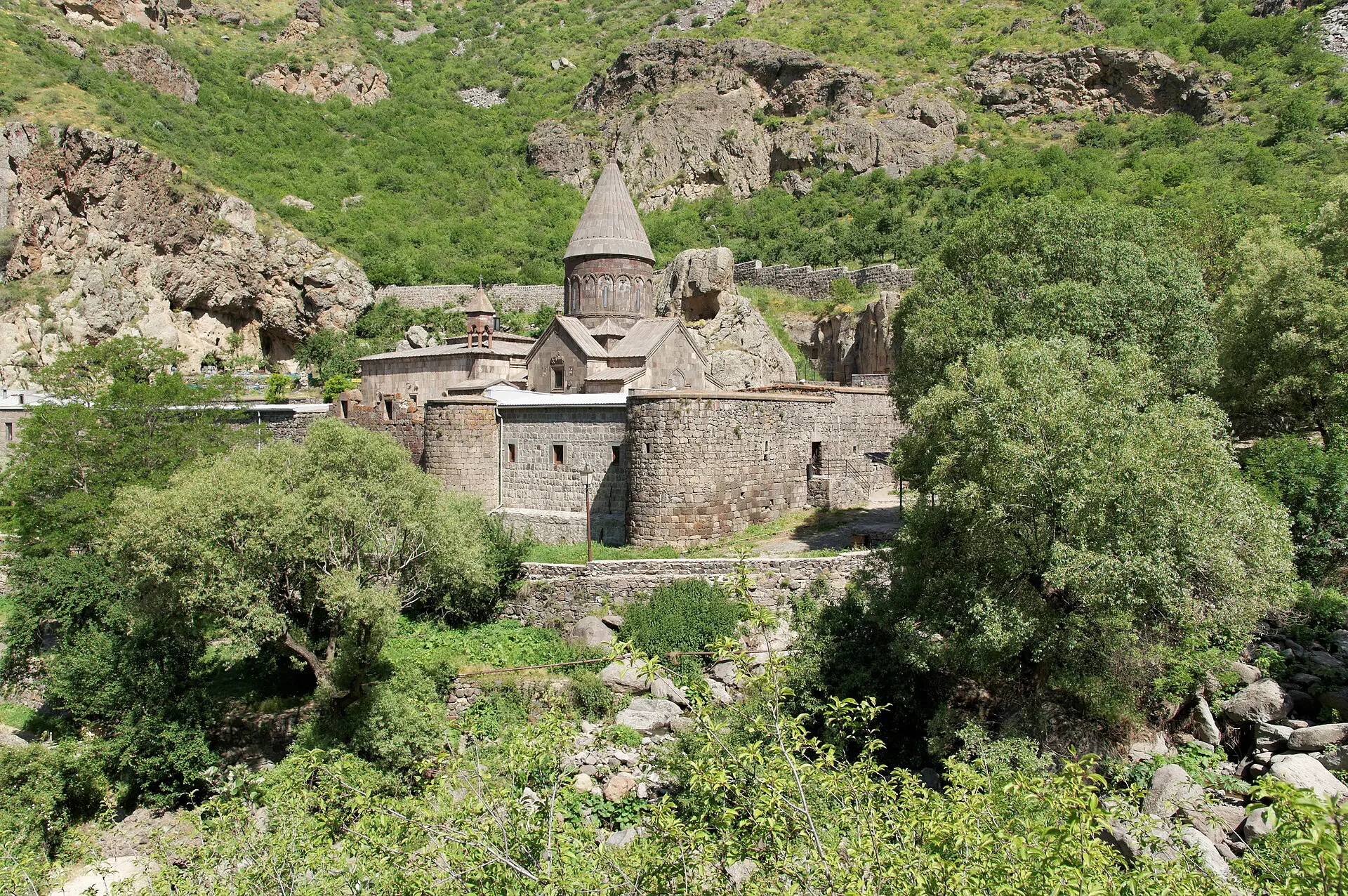
Garni and Geghard
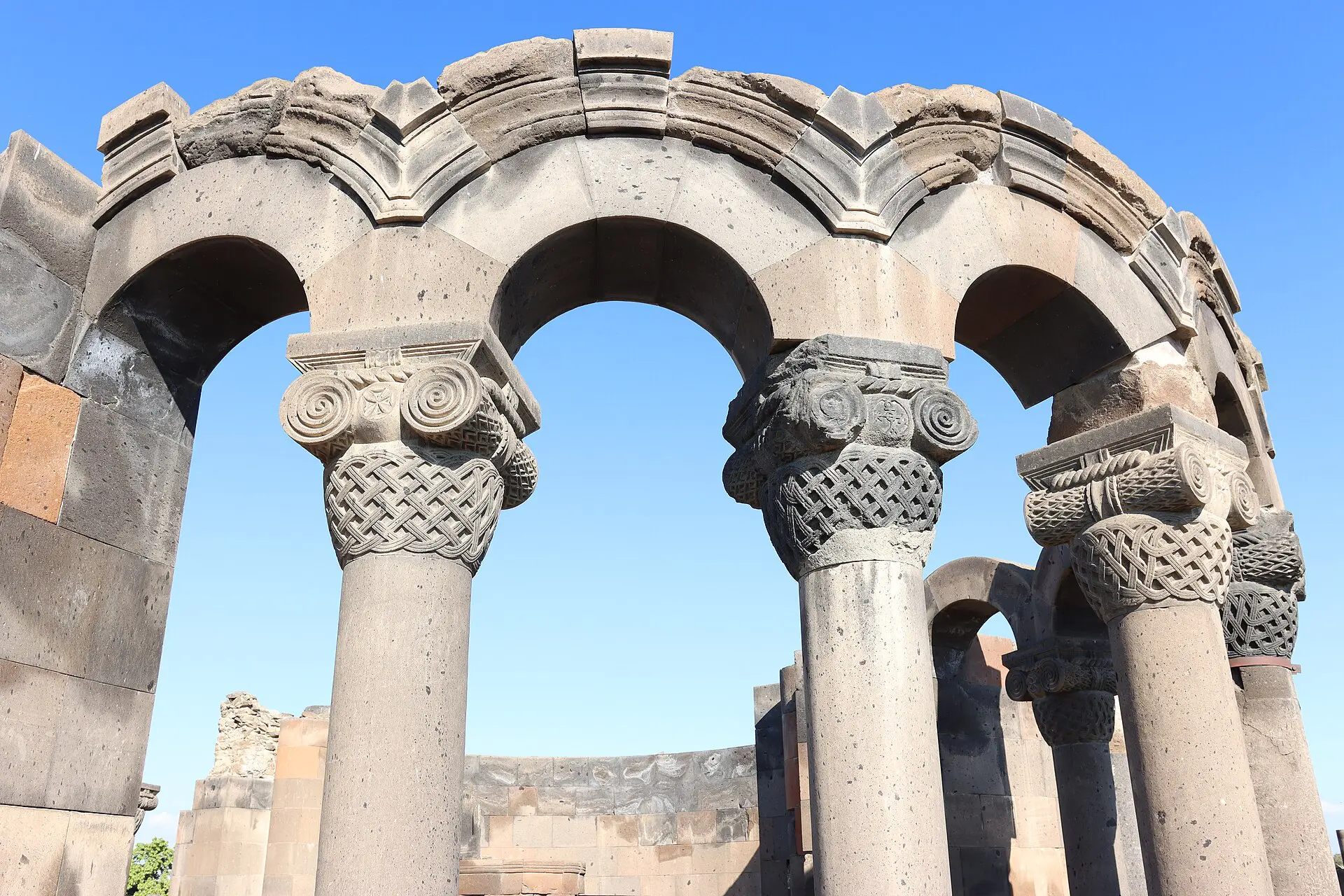
The first-century Garni temple is the only standing Greco-Roman colonnade in the country, and the Geghard monastery is partly carved from the cliff. Both are about 40 minutes from Yerevan.
Khor Virap and Noravank
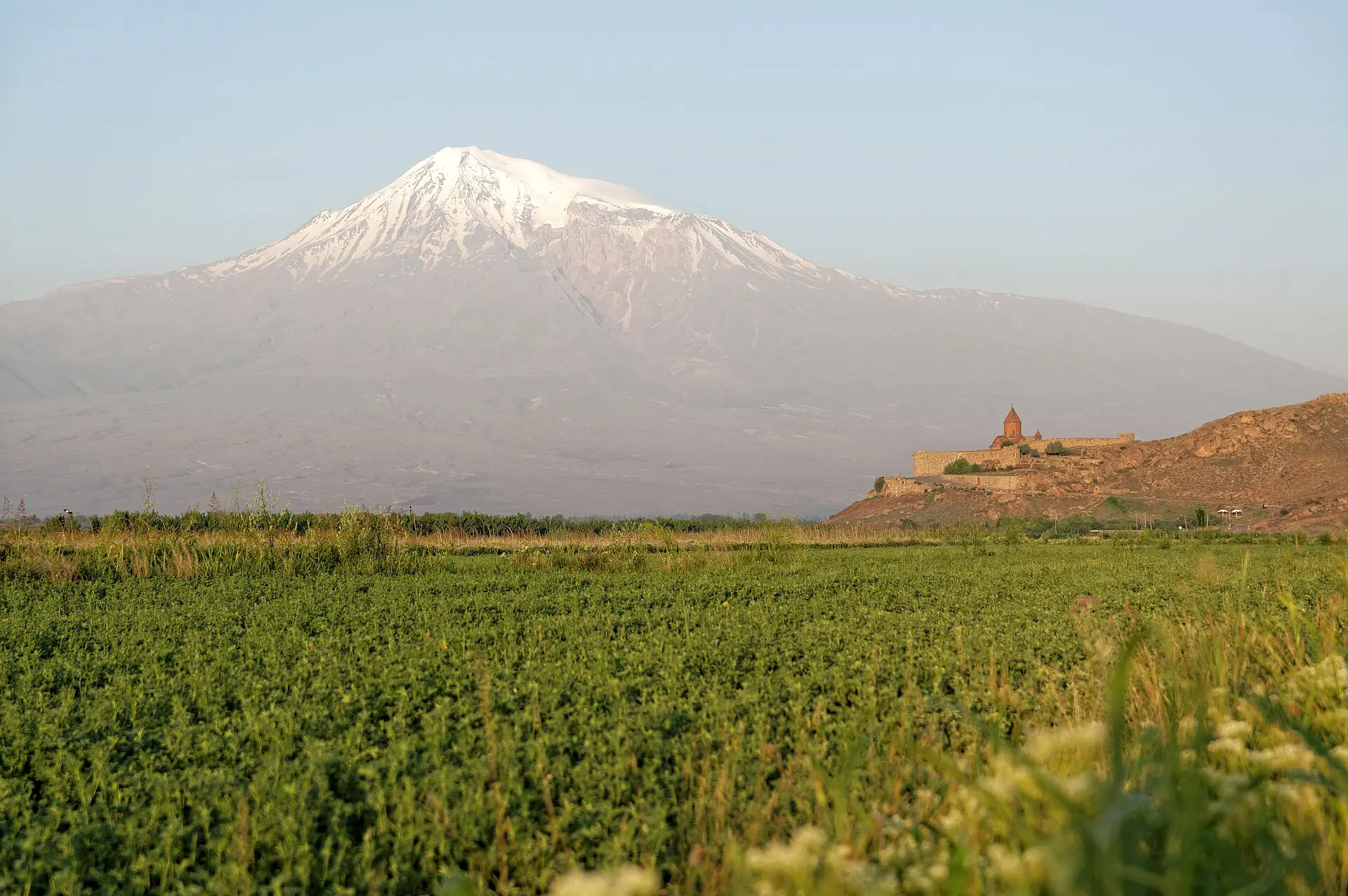
Khor Virap sits on the Turkish border plain with a famous view of Mount Ararat, and Noravank lies in a red-rock canyon farther south. Together they make a full day trip.
Lake Sevan and Dilijan
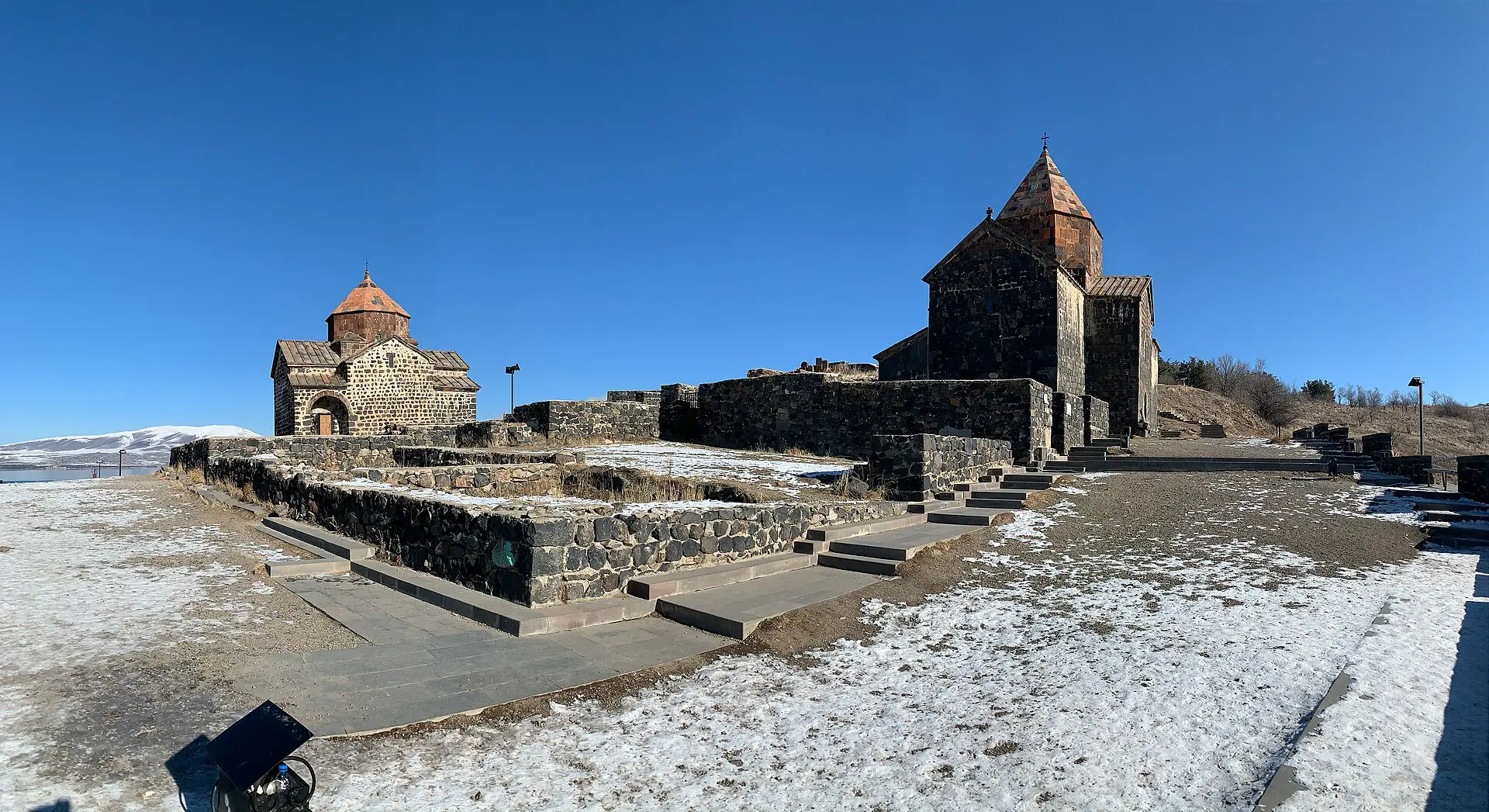
Sevan is a huge high-altitude lake with a lakeside monastery. Dilijan, in the forested hills to the north, is a quiet town with walking trails and old wooden houses.
Tatev and Syunik
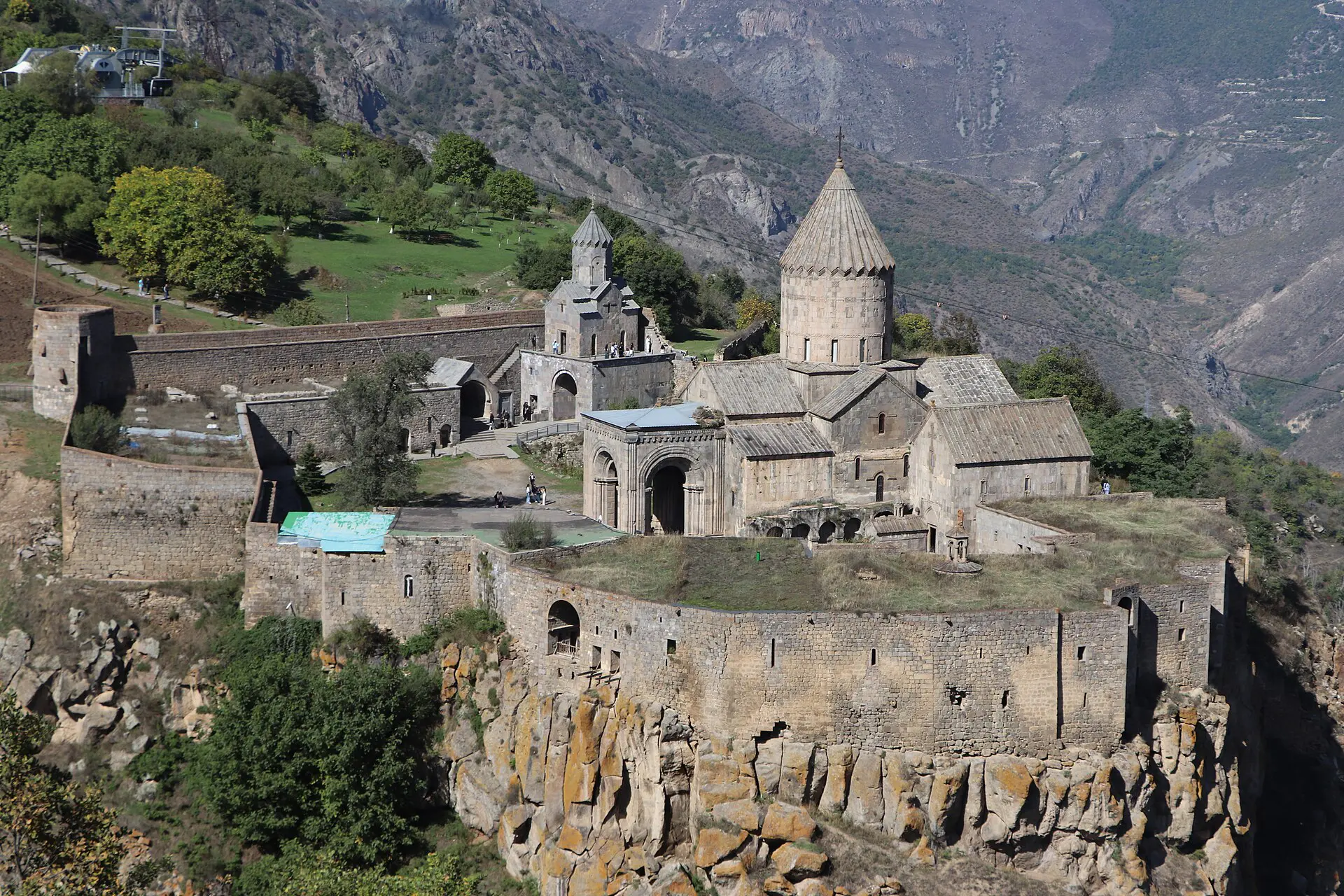
Tatev monastery perches above a gorge and is reached by a long cable car, but this southern region is close to the Azerbaijan border, so check advice before going.
Debed Canyon
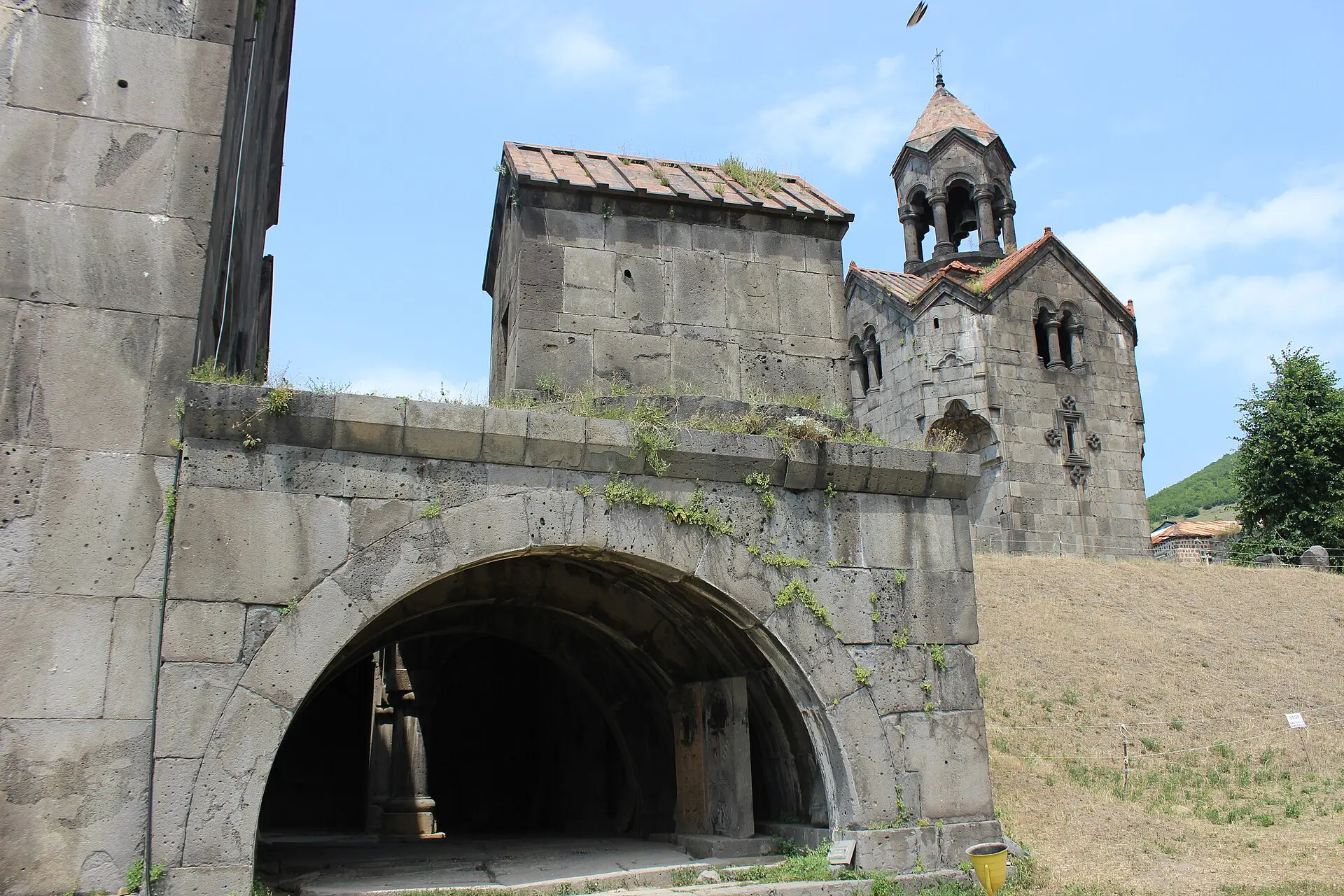
Haghpat and Sanahin, both UNESCO-listed monasteries, sit in the northern canyon near Georgia.
Things to do in Armenia
Things to do in Armenia mix heritage, outdoors and food, and most can be done on day trips from Yerevan.
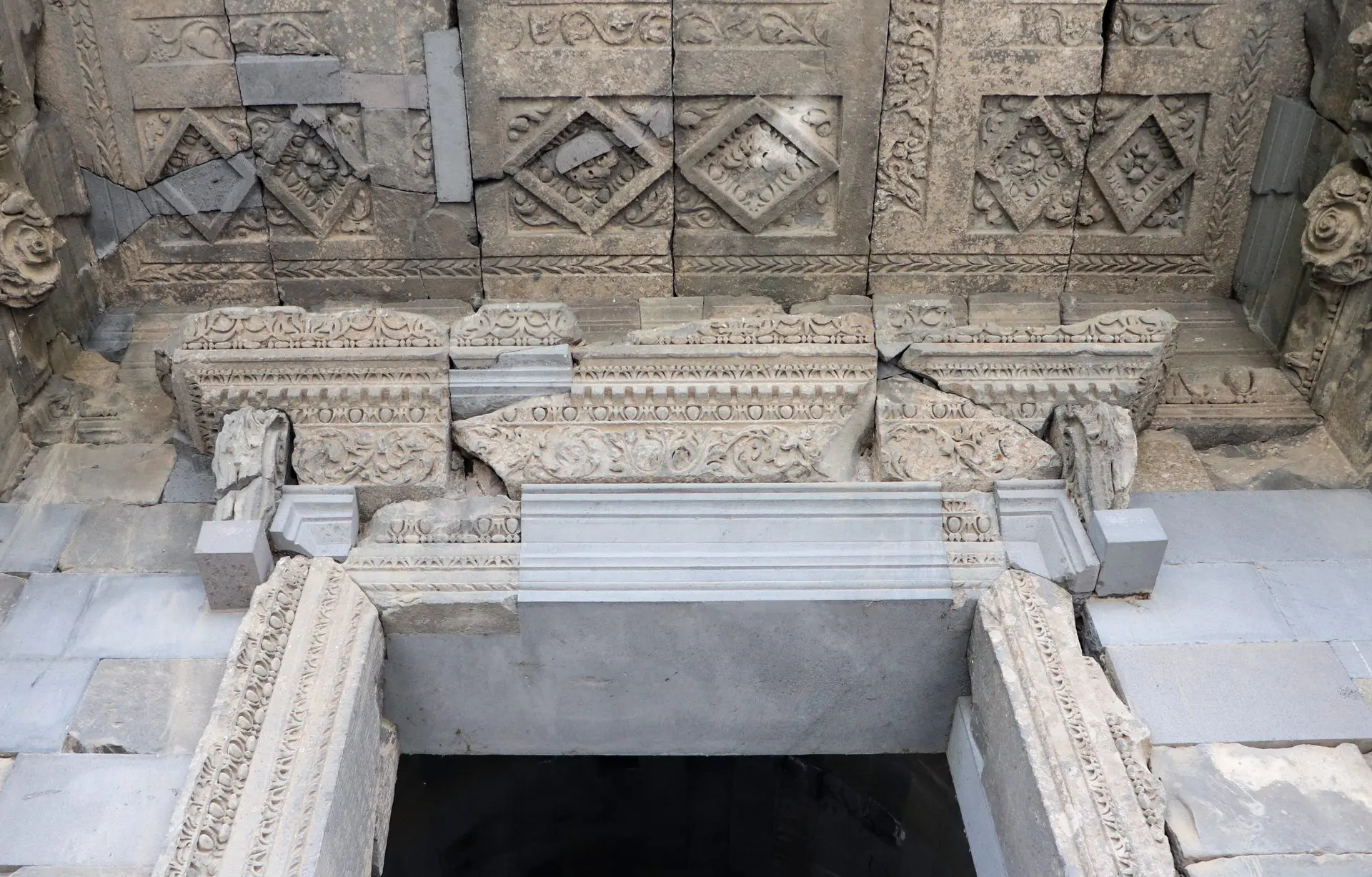
- Visit Geghard and Garni: combine the cave-carved monastery with the classical temple in one morning.
- See Mount Ararat from Khor Virap: clear mornings give the best view of the snow-capped peak.
- Explore Noravank: the two-storey church stands against red cliffs, and the road passes vineyards.
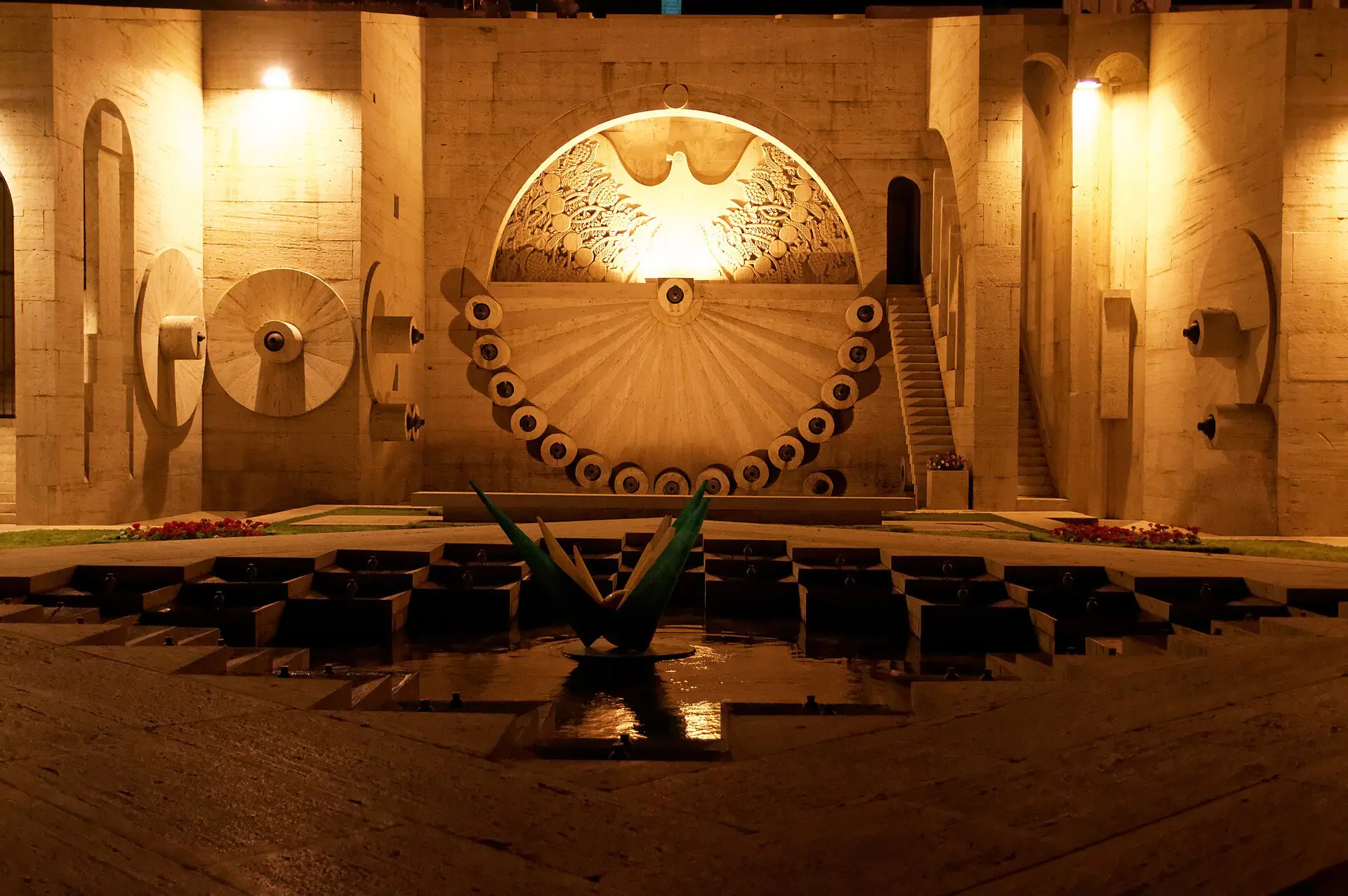
- Climb the Cascade in Yerevan: the giant stairway has outdoor sculpture, galleries and city views.
- Walk Lake Sevan: swim in summer or visit Sevanavank on the peninsula.
- Hike near Dilijan: forest trails lead to small monasteries and viewpoints.
- Tour Haghpat and Sanahin: medieval monastery complexes in the Debed Canyon (see the UNESCO page for Armenia).
- Taste wine at Areni: the region holds some of the oldest evidence of winemaking known.
- Browse the Vernissage market: a weekend market for crafts, carpets and souvenirs in Yerevan.
- Visit the Genocide Memorial and Museum: Tsitsernakaberd presents the history of the 1915 massacres.
Add a cable car to Tatev if your government’s advice allows travel in the south.
Best time to visit Armenia
The best time to visit Armenia is May to June and September to October, when days are warm, hiking is pleasant and the countryside is green or golden. July and August are hot in Yerevan, often above 35 C, though Lake Sevan and Dilijan are cooler. Winters are cold and snowy, with ski options in Tsaghkadzor.
| Season | Weather | Crowds and prices | Good for |
|---|---|---|---|
| Spring (Apr-Jun) | Mild, some rain, snow in high areas until May | Moderate, rising in June | Monasteries, blossom, hiking |
| Summer (Jul-Aug) | Hot in Yerevan, cooler at altitude | Busiest; diaspora visitors | Lake Sevan, Dilijan, mountain trails |
| Autumn (Sep-Oct) | Warm days, cool nights, golden forests | Moderate; wine harvest | Road trips, wine, photography |
| Winter (Nov-Mar) | Cold, snow on mountain roads | Low; some sites quiet | Skiing, Yerevan cafes, budget stays |
Mountain passes can close in heavy snow, so check road conditions before driving in winter.
Is Armenia safe?
Yes, Armenia is generally safe for visitors, with low levels of street crime, but the border with Azerbaijan is a real exception. The UK FCDO and other governments have advised against travel to areas near that border, so check their pages before you plan, and avoid the border zone in the south and east. Is Armenia safe to visit if you stay away from those areas? For most trips, yes.
Is Armenia safe to visit?
Is Armenia safe to visit as a solo traveller or a woman travelling alone? Most visitors report friendly, helpful locals and little harassment, though normal city precautions apply. Pickpocketing is uncommon but possible in crowded markets.
Roads. Driving is the biggest day-to-day risk. Mountain roads are narrow, drivers can be aggressive and some rural surfaces are poor. Avoid night driving.
Scams. Taxi overcharging happens at the airport and train station. Use ride-hailing apps such as Yandex Go or agree a fare first.
Nature. Earthquakes occur, including a major one in 1988. Summer heat and mountain weather can change quickly on trails.
Politics. Avoid commenting on the Karabakh conflict or Turkey, and do not photograph military sites.
Armenia visa and entry requirements
Entry rules depend on nationality. Citizens of the EU, UK, US and many other countries have generally been able to enter without a visa for short tourist stays, often up to 180 days in a year, while others can apply for an e-visa online. Rules change, so confirm the current position for your passport with the official Armenian foreign ministry source or an embassy.
Bring a passport valid for the length of your stay, a return or onward ticket and your accommodation details. Citizens of some countries may be asked for proof of funds, and passports showing visits to Azerbaijan or the Nagorno-Karabakh region can be a problem for entry to Azerbaijan, so think about your onward route.
The land borders with Turkey and Azerbaijan have been closed to most travellers for years, so overland entry is normally from Georgia or Iran. Check the status of crossings shortly before travel, because arrangements have changed in recent years. If you rent a car, check that your driving licence is accepted and ask about restrictions on crossing borders.
Getting to and around Armenia
Most visitors fly into Zvartnots International Airport near Yerevan, which has links to European, Middle Eastern and Russian cities. Overland, buses and shared taxis run from Tbilisi in Georgia to Yerevan, a journey of roughly five to six hours, and routes from Iran enter in the south. The Turkish and Azerbaijani borders are closed to most travellers.
Armenia has a small railway network with limited passenger service, so most travel is by minibus (marshrutka), bus, taxi or car. Marshrutkas serve nearly every town from Yerevan’s bus stations and are cheap, but timetables are loose and leave when full. Ride-hailing apps work well in Yerevan, and the Yerevan metro is a simple one-line system.
A rental car or a hired driver gives the most flexibility for monasteries and mountain scenery. Garni and Geghard take about 40 minutes from Yerevan, Lake Sevan about an hour and a half, and Dilijan about two hours. Roads are improving, but allow extra time in the mountains and avoid driving at night.
How much does a trip to Armenia cost?
Armenia is affordable compared with Western Europe. The currency is the Armenian dram (AMD), and cards are widely accepted in Yerevan, though cash is useful in villages. Figures below are rough per-person guides for 2026 in US dollars.
- Budget: around USD 30 to 50 per day, with hostels, marshrutkas, local meals and free sights.
- Mid-range: around USD 50 to 100 per day, with a private hotel room, restaurant meals, taxis and entrance fees.
- High-end: from around USD 150 per day, with boutique hotels, a private driver and wine tastings.
Accommodation and transport are the biggest costs, and prices in Yerevan rose in recent years. Meals are good value, and a full lunch with local wine often costs far less than in Western Europe. Monastery entry is usually free or inexpensive, and a driver for a day trip is a modest cost when shared between several people.
Armenia food and drink
Armenia food is a standout reason to visit, built on grilled meat, fresh herbs, cheese, bread, fruit and brandy. Meals are social, with many small plates, and portions are generous.
- Khorovats: Armenian barbecue of pork, lamb or chicken grilled over coals, with grilled vegetables.
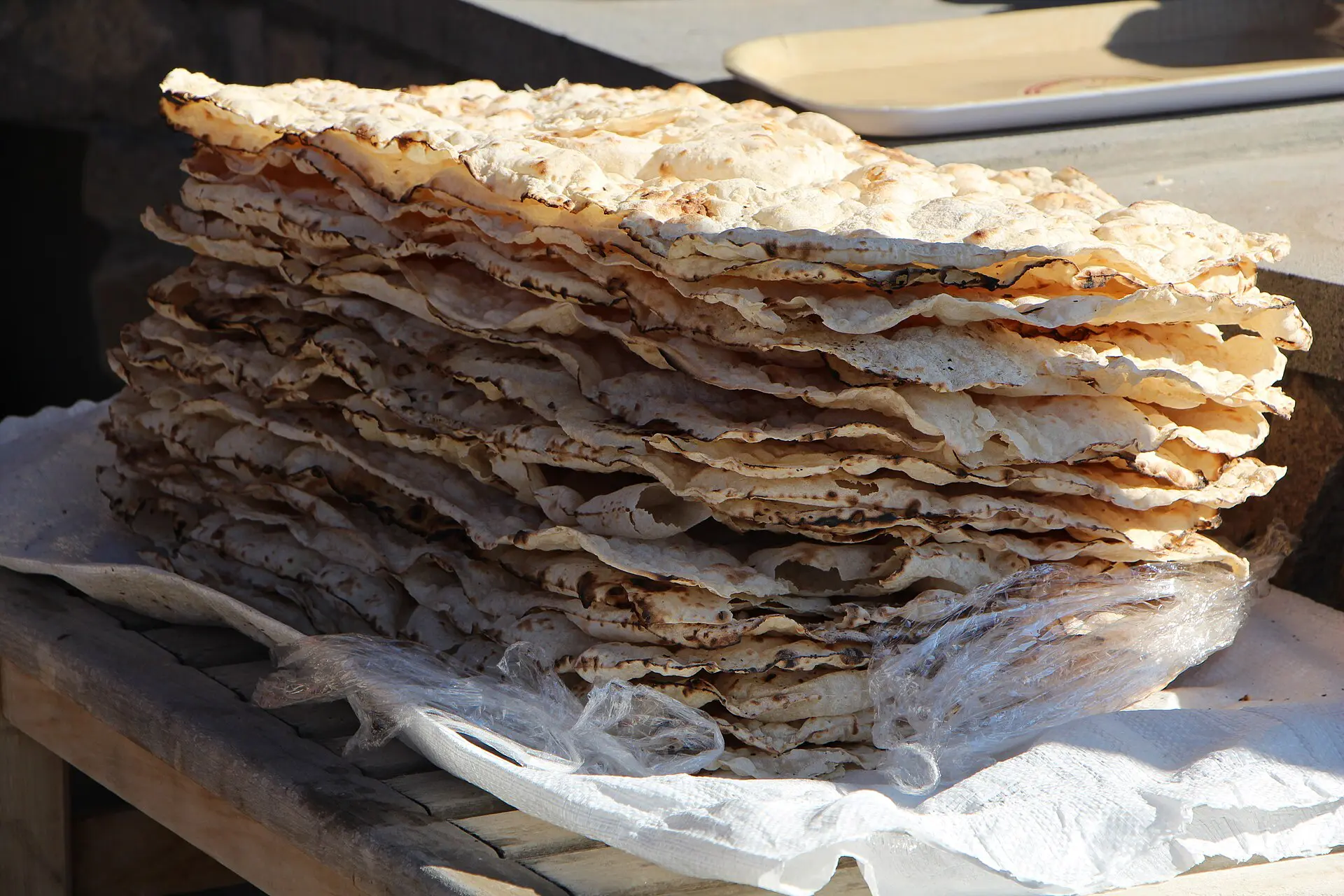
- Lavash: thin flatbread baked in a clay oven, recognised by UNESCO, eaten with almost everything.
- Dolma (tolma): grape leaves or vegetables stuffed with rice and meat, served with yoghurt.
- Khash: a slow-cooked cow’s feet broth, traditionally eaten on winter mornings.
- Jingalov hats: flatbread stuffed with many chopped herbs and greens.
- Ghapama: a baked pumpkin stuffed with rice, dried fruit and nuts.
- Gata: a sweet pastry, often served with coffee.
- Brandy and wine: Armenian brandy is famous, and Areni and other indigenous grapes make good red and white wines.
Vegetarians can eat well with cheese, herbs, beans, vegetables and lavash, though many soups and stuffings contain meat. Fresh apricots in summer and local honey are worth seeking out.
Culture, language and etiquette in Armenia
Armenian is the official language and has its own alphabet, created in 405 AD. Russian is widely understood among older people, and English is common among younger Armenians in Yerevan and tourism. Useful words are barev (hello) and shnorhakalutyun (thank you).
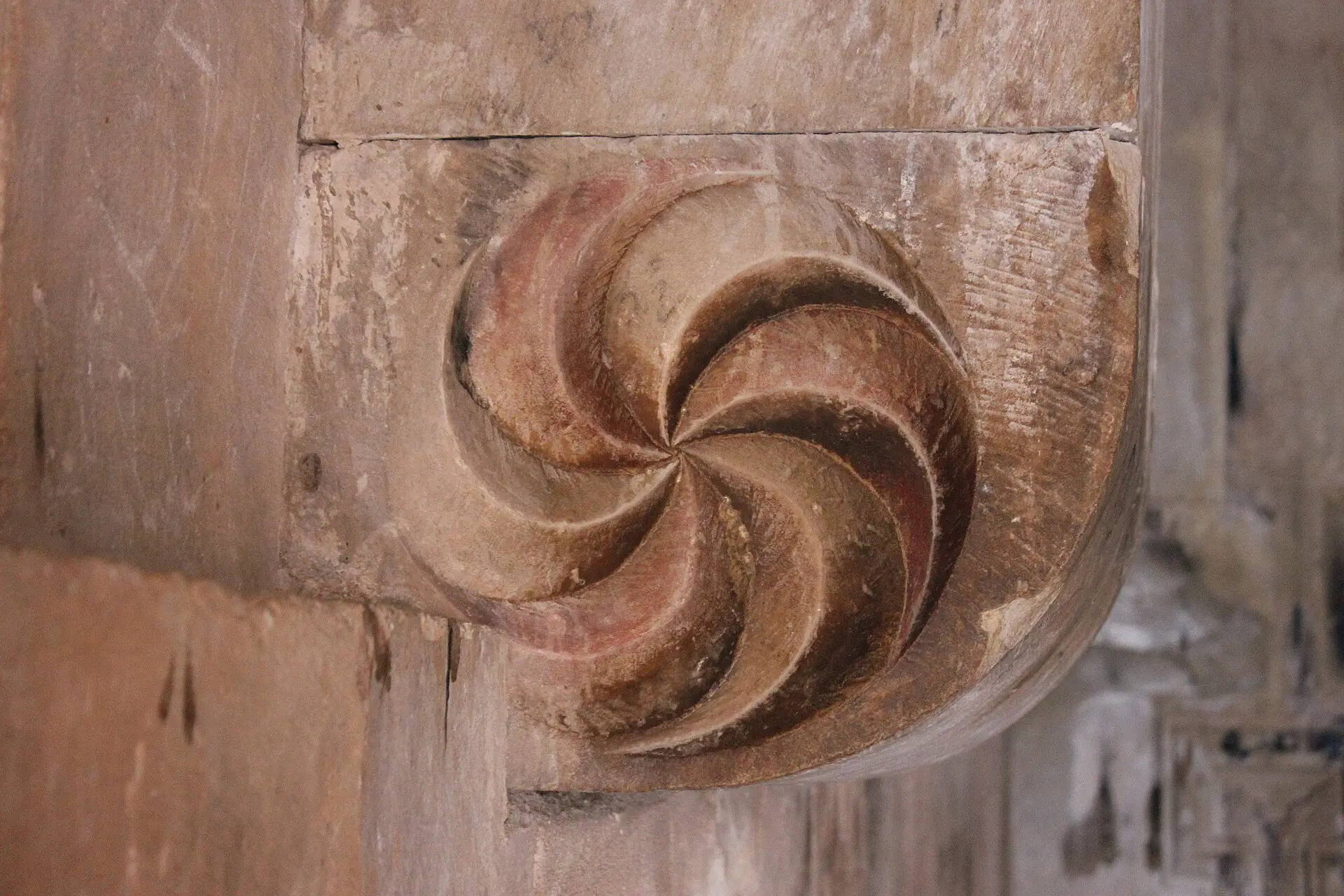
Armenia has strong church traditions, and the Armenian Apostolic Church is central to cultural identity. Dress modestly when visiting monasteries, women often cover their shoulders, and keep quiet inside. Candles are lit at churches as an offering. The Armenian diaspora is larger than the population of the country, which is why many visitors come to reconnect with family and heritage.
Hospitality is strong. Guests are often offered coffee, brandy or food, and toasts at the table are a ritual, often long and thoughtful. Accepting at least a small portion is polite. The Armenian Genocide of 1915 to 1923 is a deeply sensitive subject, and visitors should treat the memorial with respect. Politics around Turkey, Azerbaijan and Karabakh are best avoided unless locals raise them. Ask permission before photographing people, and do not photograph military sites.
Armenia itinerary: a 7-day route
This route uses Yerevan as a base, then loops north and east through the safer central regions, avoiding areas near the Azerbaijan border.
- Day 1, Yerevan: arrive, then walk Republic Square and the Cascade at sunset.
- Day 2, Yerevan: visit the Matenadaran, the Genocide Memorial and the Vernissage market, and try khorovats for dinner.
- Day 3, Garni and Geghard: go in the morning and return for an afternoon at Zvartnots Cathedral or Echmiadzin.
- Day 4, Khor Virap and Noravank: take a full-day trip with a stop at Areni for wine tasting.
- Day 5, Lake Sevan and Dilijan: drive about an hour and a half to the lake, then continue about an hour to Dilijan for the night.
- Day 6, Debed Canyon: go north to Haghpat and Sanahin, about two hours from Dilijan.
- Day 7, return: allow around three hours back to Yerevan and onward flights.
With extra days, add Gyumri or Tatev if your government’s advice allows travel in the south.
Practical tips for Armenia
- Money: the dram is the local currency. ATMs and cards are common in Yerevan and big towns, but carry cash for villages and marshrutkas.
- SIM and eSIM: prepaid local SIMs and eSIMs are cheap, with good coverage on main routes. Roaming can cost more, so check your plan.
- Plugs: types C and F at 230 V, as in most of continental Europe.
- Tipping: around 10 percent in restaurants if no service charge is added.
- Health: tap water in Yerevan is generally drinkable, but many visitors choose bottled. Bring insurance and sun protection, since altitude intensifies sun.
- Packing: layers for cool mountain evenings, sturdy shoes for monastery paths and a scarf for church visits.
- Apps: Yandex Go and GG are widely used for taxis in Yerevan.
- Booking: reserve rooms ahead in July and August and during major holidays.
For wider background, see the Wikivoyage Armenia guide.
FAQ
Q1What are the best things to do in Armenia?
Top things to do are visiting Geghard, Garni and Khor Virap, exploring Yerevan's Cascade and Matenadaran, walking at Lake Sevan and Dilijan, seeing Noravank and Haghpat, tasting wine at Areni, and eating khorovats with fresh lavash.
Q2What is Armenia food like?
Armenia food centres on charcoal-grilled khorovats, lavash bread, stuffed dolma, herb-filled jingalov hats, cheese, fruit and strong coffee. Khash is a winter specialty, and local brandy and Areni wines are well known. Vegetarians can eat well, though many soups contain meat.
Q3Is Armenia safe?
Armenia is generally safe, with low street crime and friendly locals. The exception is the border with Azerbaijan, where governments such as the UK have advised against travel. Be careful on mountain roads, use ride-hailing apps and check your government's advice.
Q4What is the best time to visit Armenia?
May to June and September to October are best, with mild weather, green or golden scenery and manageable crowds. July and August are hot in Yerevan but good for Lake Sevan and Dilijan. Winter is cold and snowy, with skiing at Tsaghkadzor.
Q5How many days do you need in Armenia?
Five to seven days is enough to see Yerevan, the main monasteries near the capital, Lake Sevan and Dilijan at a steady pace. Add two or three days for the Debed Canyon in the north or for the south, if your government's advice allows.
Q6Do you need a visa for Armenia?
It depends on nationality. Citizens of the EU, UK, US and many other countries have generally entered visa-free for short stays, while others can use an online e-visa. Confirm the current rule with the official Armenian source before you book.
Q7Is Armenia safe to visit for solo travellers and women?
Armenia is generally considered safe for solo travellers, including women, especially in Yerevan and tourist areas. Use normal precautions, avoid isolated places at night, use ride-hailing apps and stay away from the Azerbaijan border zone.