Why visit Saudi Arabia
This Saudi Arabia travel guide begins with scale: the kingdom covers about 2.15 million square kilometres and takes up most of the Arabian Peninsula (see the Wikipedia overview). Apart from pilgrimage, it was largely closed to tourism for decades until the government introduced tourist visas in 2019. Today it offers pre-Islamic archaeology, Red Sea coral reefs, mountain villages in the southwest and a capital that has been changing rapidly.
Saudi Arabia suits travellers interested in heritage, desert landscapes and a country in transition, and it rewards those who plan well and respect local norms. It is a conservative society, alcohol is banned and distances are long, so it is better for independent, flexible visitors than for those who want a quick beach break. Access to central Mecca and the Prophet’s Mosque in Medina is limited to Muslims.
Best places to visit in Saudi Arabia
The best places to visit in Saudi Arabia are scattered across a huge country, so most trips pick two or three regions.
AlUla and Hegra
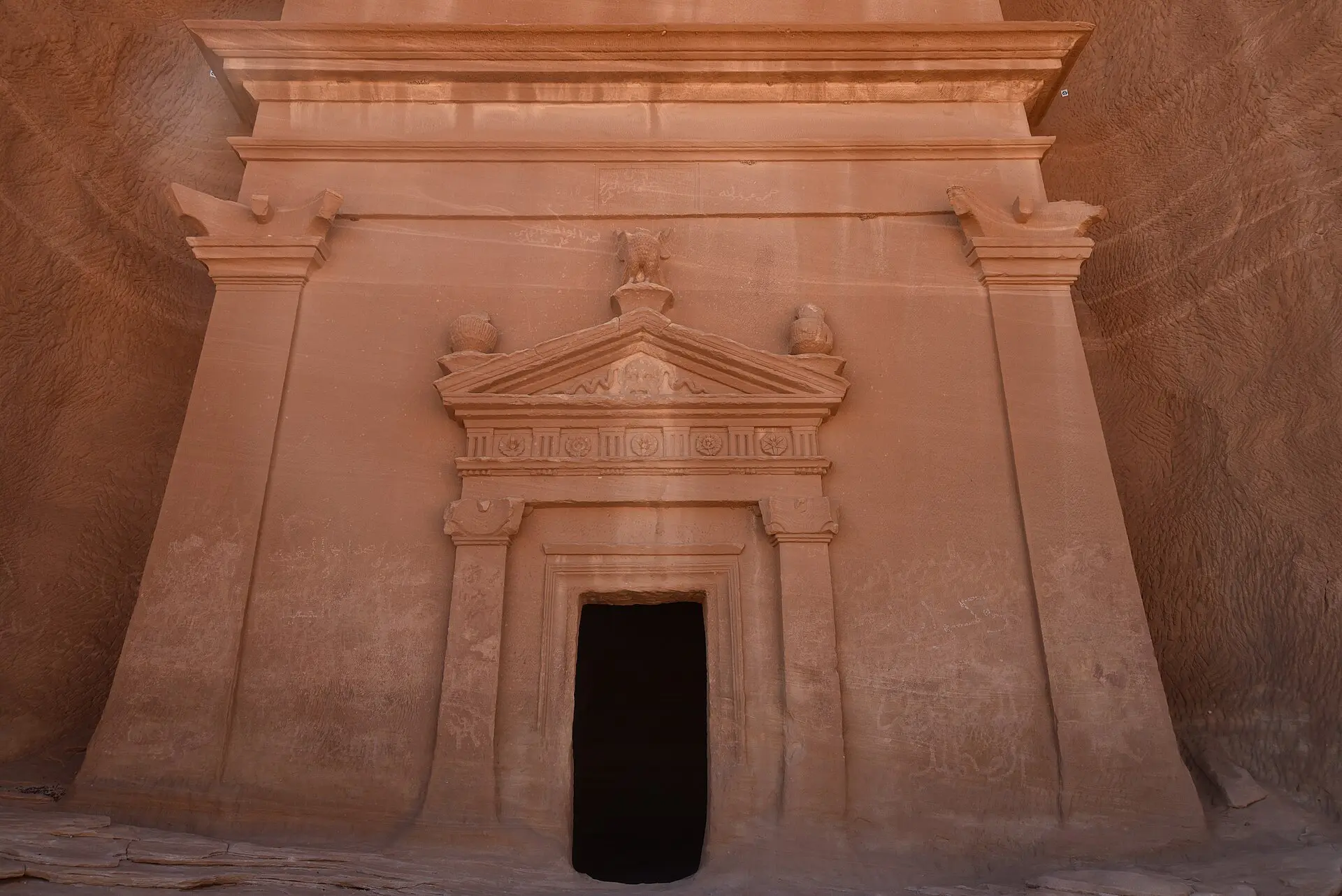
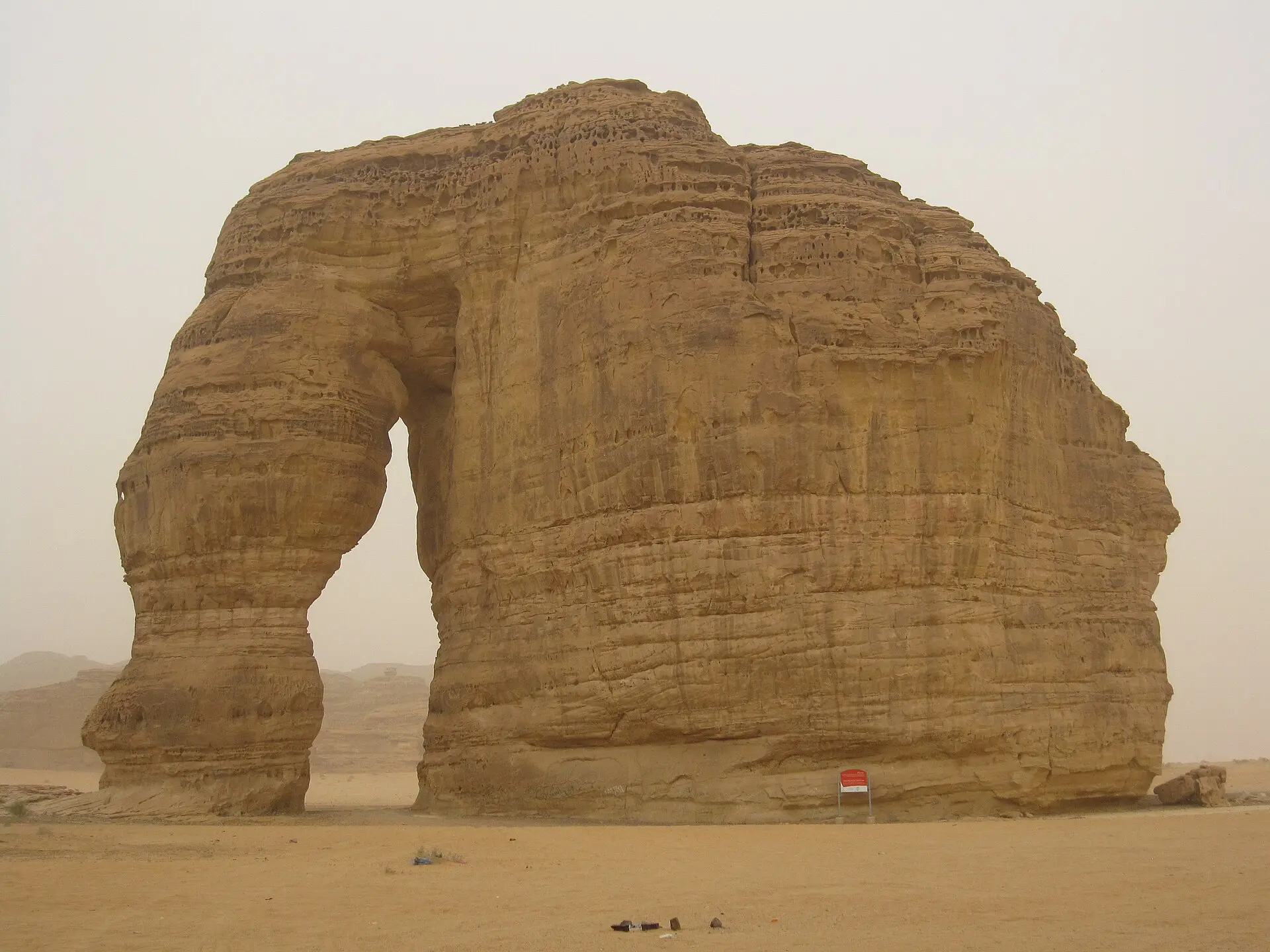
In the northwest, AlUla combines sandstone canyons with Hegra, the kingdom’s first UNESCO World Heritage Site, where more than 100 monumental Nabataean tombs are cut into rock outcrops. The old town and the Elephant Rock formation are also popular. Plan at least two nights.
Jeddah
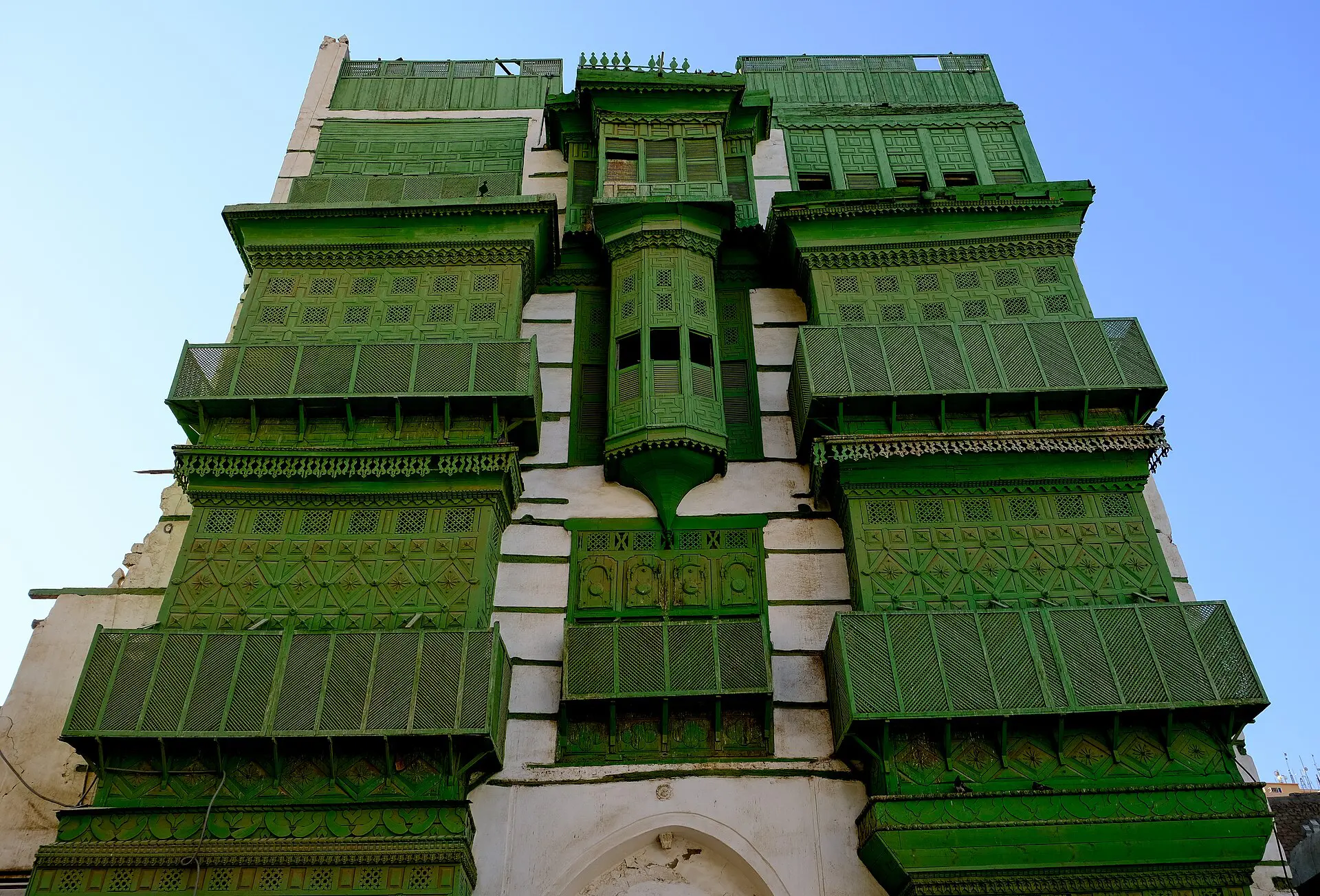
The Red Sea port’s Al-Balad district is a UNESCO-listed old town of coral-stone merchant houses with carved wooden balconies. The corniche, seafront promenade and the sea add a relaxed contrast. It is also the usual gateway for pilgrims heading to Mecca.
Riyadh
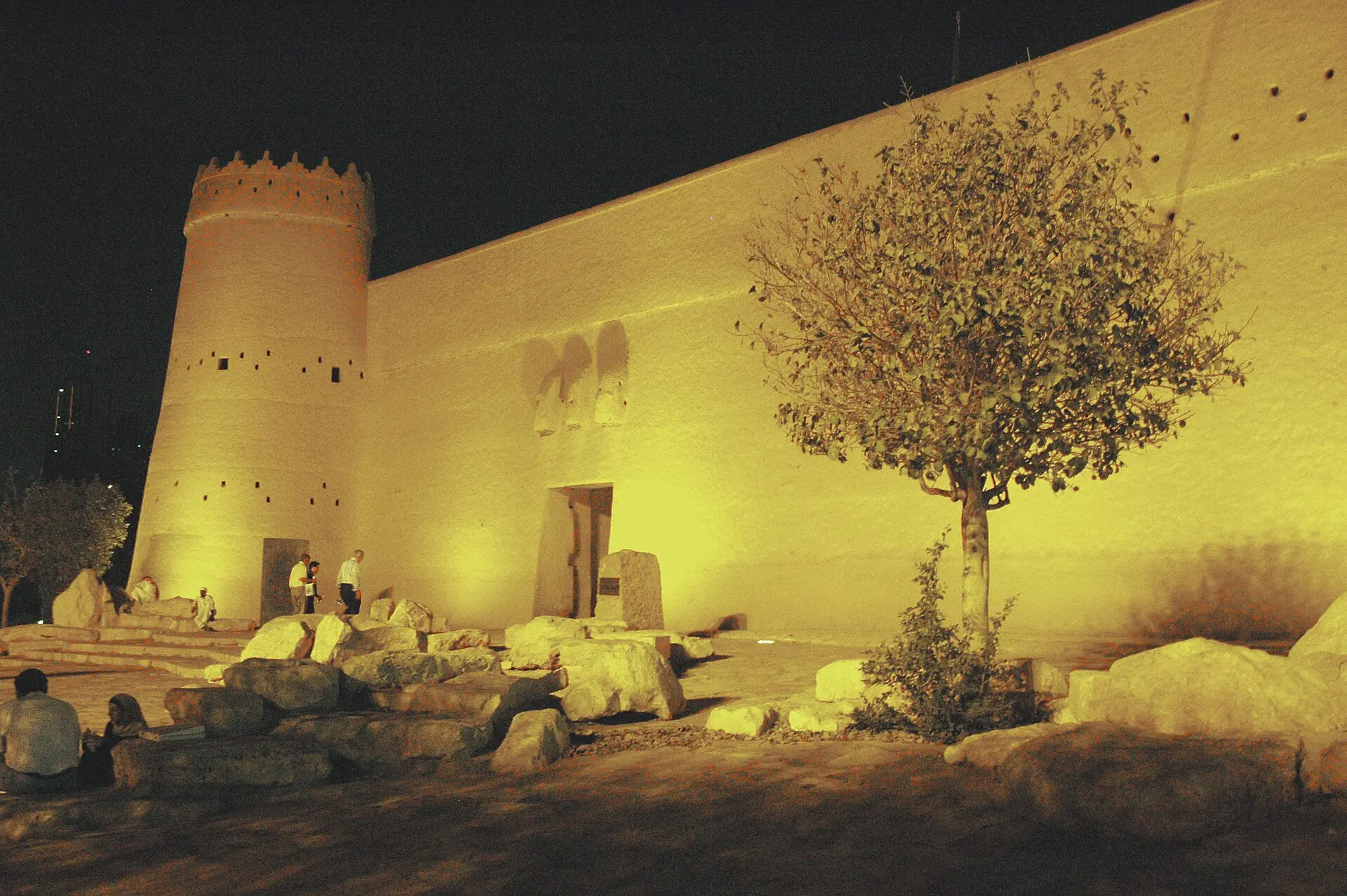
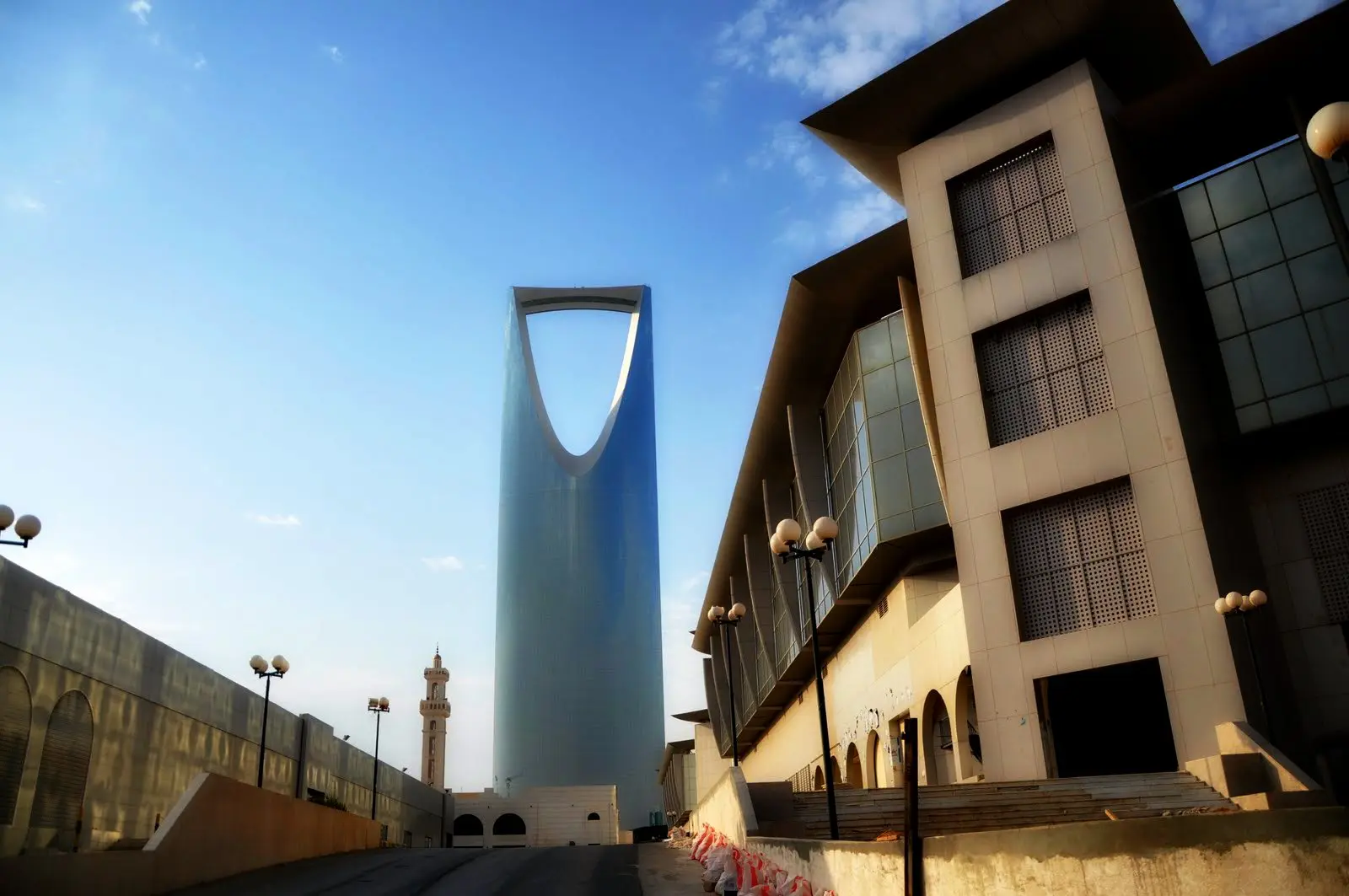
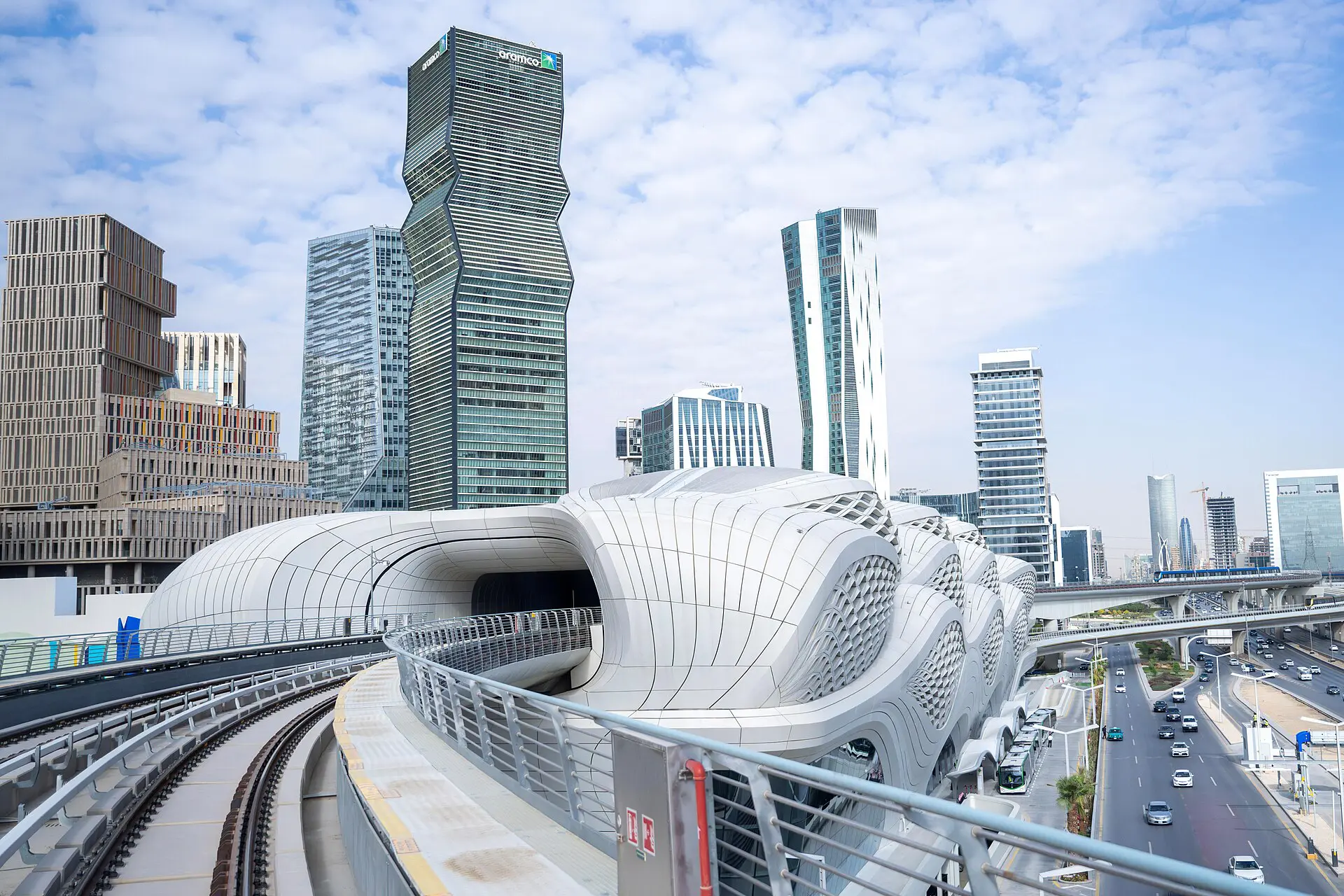
The capital mixes the old mud-brick fort of Masmak and the restored village district of Diriyah with glass towers such as Kingdom Centre. The National Museum is a good introduction to the country’s history.
Asir and Abha
The southwestern highlands are green and cooler, with stone-and-slate villages such as Rijal Almaa and terraced mountains. It is a popular summer escape, though some border areas are restricted.
Red Sea coast
North of Jeddah, coastal areas such as Yanbu and new resorts offer snorkelling and diving on reefs with relatively few visitors. Quality varies, so check operators.
Eastern Province
The Dammam-Khobar area on the Gulf offers calm beaches, a modern waterfront and the Ithra cultural centre.
Top things to do in Saudi Arabia
The top things to do in Saudi Arabia range from archaeology and desert trips to cities and sea.
- Tour Hegra: book a guided visit to see the Nabataean tombs at AlUla, including the large tomb of Qasr al-Farid.
- Walk Al-Balad in Jeddah: wander the lanes of the old town at sunset.
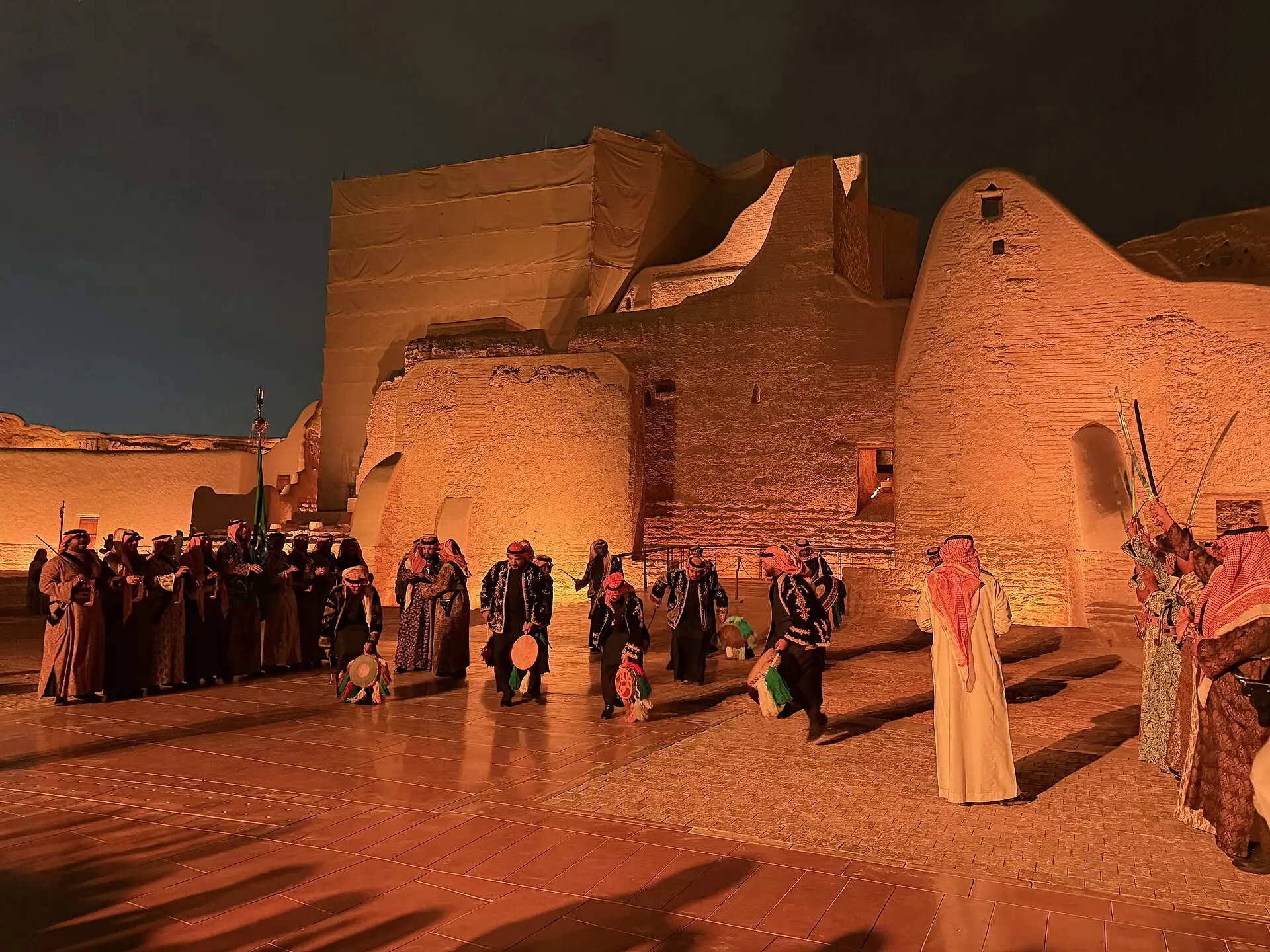
- Visit Diriyah: explore the mud-brick former capital of the first Saudi state on the edge of Riyadh.
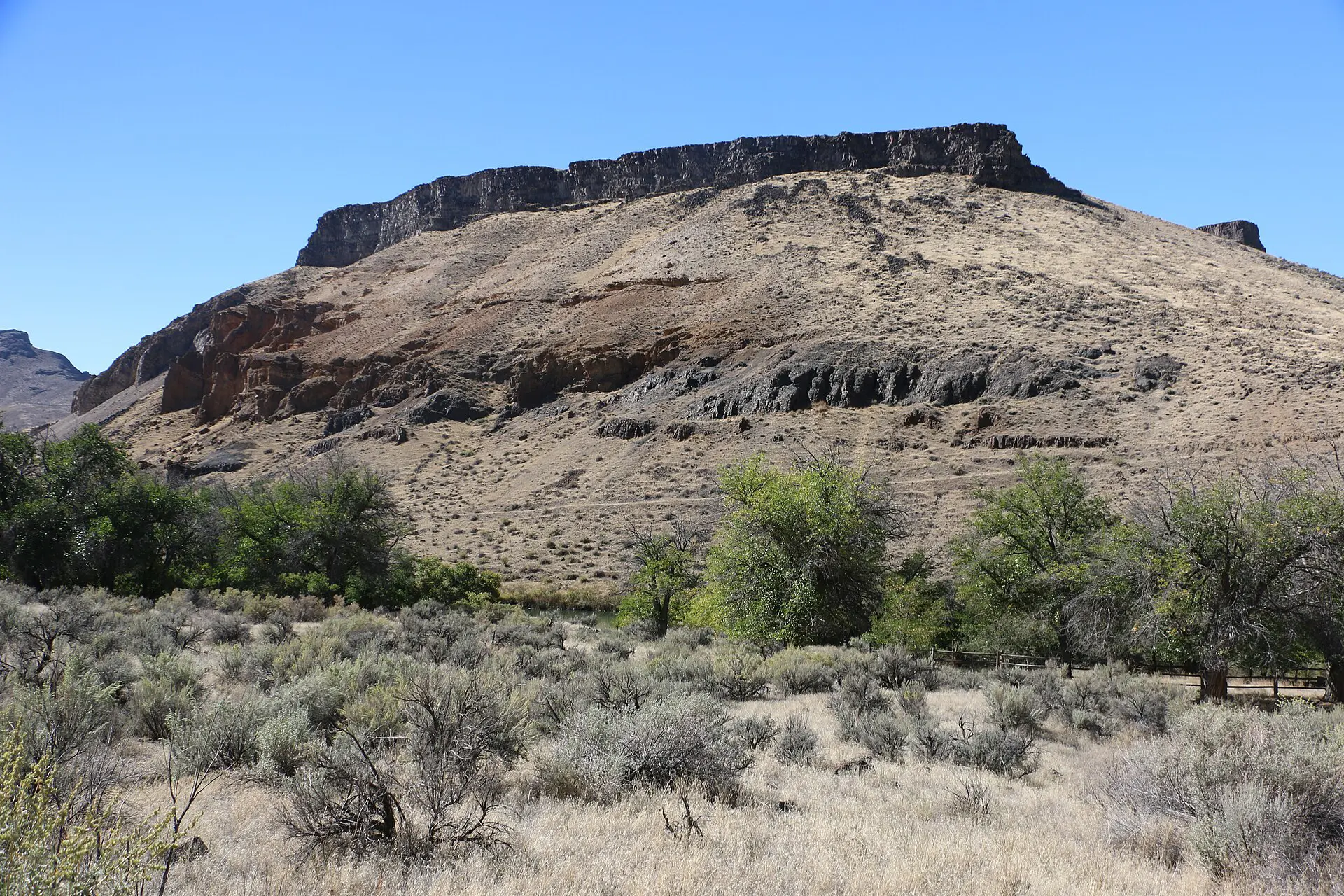
- Look over the Edge of the World: this cliff escarpment near Riyadh gives wide desert views, usually reached with a guide or 4×4.
- Dive the Red Sea: reefs and wrecks off Jeddah and the north coast suit certified divers.
- Ride through the desert: camel rides and dune drives are offered around Riyadh and AlUla.
- Visit museums: the National Museum in Riyadh and the Ithra centre in Dhahran are strong picks.
- Drive to Abha: cool mountain roads and villages are a contrast to the desert.
- Attend a festival or concert: events such as Riyadh Season and AlUla’s winter programme change each year.
- Shop in a souq: traditional markets sell dates, incense and textiles.
Best time to visit Saudi Arabia
The best time to visit Saudi Arabia is October to March, when daytime temperatures in most regions are bearable and nights can be cool. Summers from June to September are extremely hot, often above 40 C in Riyadh, Jeddah and the Eastern Province, so travel then is best limited to the Asir highlands. Ramadan changes opening hours and daytime dining, and the dates move each year.
| Season | Weather | Crowds and prices | Good for |
|---|---|---|---|
| Winter (Dec-Feb) | Mild days, cool nights, cold in highlands | High season, higher hotel prices | AlUla, desert trips, cities |
| Spring (Mar-May) | Warm to hot, occasional dust | Moderate | Cities, Red Sea diving |
| Summer (Jun-Sep) | Extreme heat, humid on the coast | Low, except in Asir | Abha and the southwest |
| Autumn (Oct-Nov) | Warm, cooling quickly | Rising | Hegra, hiking, festivals |
Hajj and Umrah seasons affect Mecca and Medina, and hotel prices in the holy cities and Jeddah can rise sharply at those times.
Is Saudi Arabia safe to visit?
For most visitors, yes: street crime and violent crime against tourists are low, and police presence is visible. The main concerns are the heat, road accidents, a stricter legal environment than many travellers expect and, in some regions, security risks. Check your government’s current travel advice, such as the UK FCDO or US State Department pages, before you go.
Security. Some governments advise against travel near the Yemen border and warn of the risk of missile and drone attacks in parts of the kingdom, including areas of Jizan, Najran and Asir. Follow local news and official guidance, and avoid restricted zones and military sites.
Law. Alcohol, drugs and public displays of affection are illegal or heavily restricted, and drug penalties are severe. Photography of government or military buildings can cause problems.
Roads and heat. Driving is fast and drivers can be aggressive, and desert roads have long empty stretches. Carry water, avoid midday heat and tell someone before desert trips. Flash floods can occur in wadis after rain.
Visa and entry requirements for Saudi Arabia
Entry rules depend on your nationality and change regularly. Since 2019, the kingdom has issued tourist e-visas online, and citizens of a long list of countries have been eligible for an e-visa or, in some cases, visa on arrival. Residents of certain countries may also qualify through other arrangements. Confirm your eligibility, fees and validity on the official Saudi visa portal before you book.
You will usually need a passport valid for at least six months, proof of accommodation and a return ticket. Women of all nationalities can obtain tourist visas, and rules about male guardians for travel have been relaxed in recent years.
Tourist visas have generally not permitted Hajj, but Umrah can be performed on a tourist visa at most times of the year. Non-Muslims cannot enter the central areas of Mecca or the Prophet’s Mosque in Medina, and signs mark the points where non-Muslims must turn off. Drones and some medicines need permits, so check restrictions before packing.
Getting to and around Saudi Arabia
Most visitors arrive by air at Riyadh’s King Khalid International, Jeddah’s King Abdulaziz International or Dammam. AlUla has its own international airport with seasonal connections. There are land crossings from Jordan, the United Arab Emirates, Bahrain via the King Fahd Causeway, and others, though some are restricted to certain traffic, so check ahead.
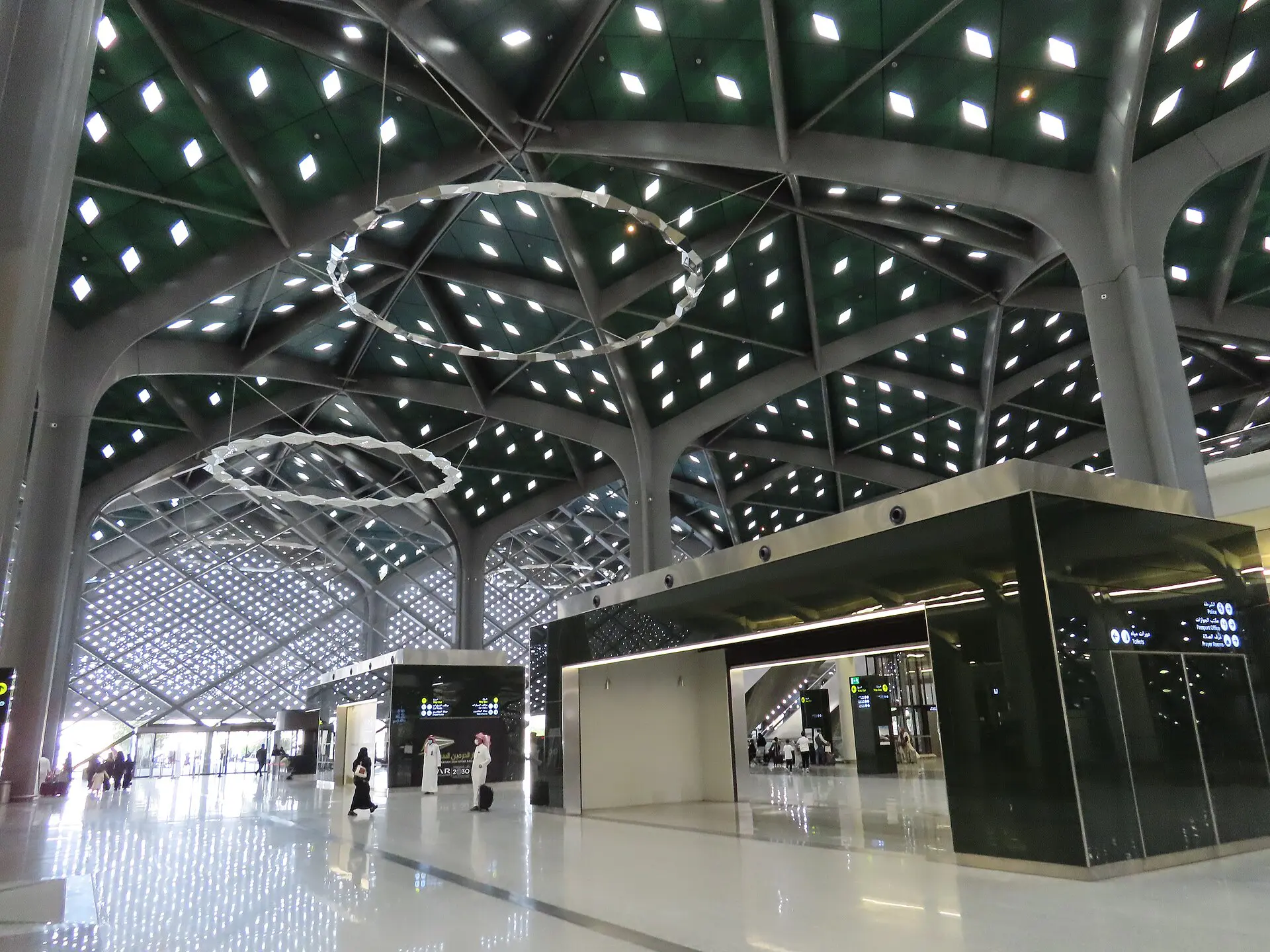
Distances are large, so many travellers fly domestically; Saudia and low-cost airlines link the main cities. The Haramain high-speed railway connects Mecca, Jeddah, King Abdullah Economic City and Medina, with Jeddah to Medina taking roughly two hours. A separate line links Riyadh with Dammam. Intercity buses exist but are slower.
Car hire is possible with an international driving licence, and driving is on the right. Within cities, ride-hailing apps such as Uber and Careem are widely used and inexpensive, and metro lines have opened in Riyadh. Plan for heat and fuel stops on desert routes.
How much does a trip to Saudi Arabia cost?
Saudi Arabia is more expensive than many Middle Eastern neighbours, mainly because of hotel prices and the distances involved. The currency is the Saudi riyal (SAR), which is pegged to the US dollar at about 3.75 riyals. Figures below are rough per-person guides for 2026.
- Budget: around USD 70 to 120 per day, with simple hotels, local restaurants and ride-hailing.
- Mid-range: around USD 130 to 250 per day, with four-star hotels, restaurant meals and some tours.
- High-end: from around USD 400 per day, with luxury desert and Red Sea resorts, which can cost far more.
Accommodation is the biggest cost, and prices spike during festivals, Ramadan and pilgrimage seasons. Local meals are cheap, whereas AlUla’s organised tours and desert experiences are priced for tourists. Fuel is inexpensive, so a rental car can be good value for groups. Alcohol is not sold, which lowers the bar bills.
Saudi Arabia food and drink
Saudi Arabia food centres on rice, lamb, chicken, flatbread, dates and spiced stews, with regional touches from the Hejaz, Najd and the Gulf. Hospitality is generous, and meals are often shared.
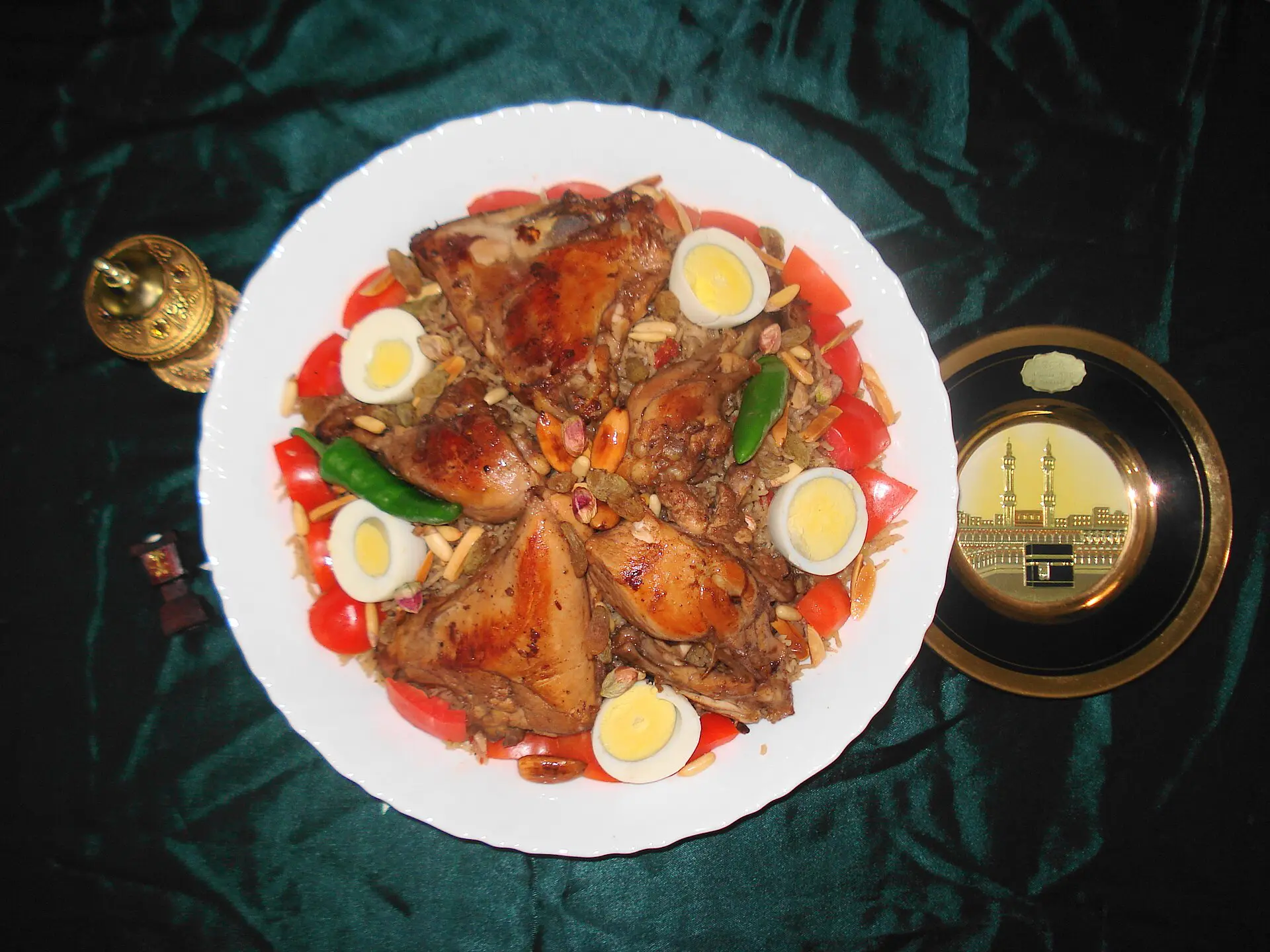
- Kabsa: spiced rice with chicken or lamb, widely considered the national dish.
- Mandi: meat and rice cooked in an underground oven, with a smoky flavour from the pit.
- Jareesh and harees: wheat porridges cooked with meat, common in the Najd region.
- Mutabbaq: a stuffed, folded pan-fried pastry sold as a street snack, especially in the Hejaz.
- Saleeg: a creamy rice dish with chicken from the Hejaz.
- Saudi coffee (gahwa): lightly roasted, flavoured with cardamom and served with dates.
- Fresh dates and camel milk: available in markets and cafes.
Alcohol is banned, but fresh juices, tea and coffee culture are strong. Pork is not served. Vegetarians can find salads, hummus, foul and falafel, although meat dominates menus. Many restaurants close briefly for prayer times, and in Ramadan most places serve only after sunset.
Culture, language and etiquette in Saudi Arabia
Arabic is the official language, and English is widely understood in hotels, shops and among younger Saudis. Learning salaam alaikum (peace be upon you) and shukran (thank you) is appreciated. Islam shapes public life, and the five daily prayers are announced from mosques, when many shops briefly close.
Dress is modest. Since 2019, foreign women are not required to wear an abaya, but are expected to dress modestly, covering shoulders and knees in public; many choose a loose long coat. Men should avoid shorts in most settings. Public displays of affection are discouraged, and unmarried couples may face questions at hotels, although rules have eased for visitors.
Use your right hand for eating and greeting. Wait for a woman to offer her hand before shaking. Coffee and dates are offered as a sign of welcome, so accept at least one cup. Avoid public criticism of the government or religion, and never photograph people, especially women, without permission. During Ramadan, avoid eating, drinking or smoking in public during daylight.
Saudi Arabia itinerary: a 7-day route
This route links the capital, AlUla and Jeddah by domestic flights and avoids border areas and restricted zones.
- Day 1, Riyadh: arrive, visit the Kingdom Centre sky bridge or the National Museum, and dine on kabsa.
- Day 2, Diriyah and Masmak: explore At-Turaif in the morning, and Masmak Fortress and the old souqs in the afternoon.
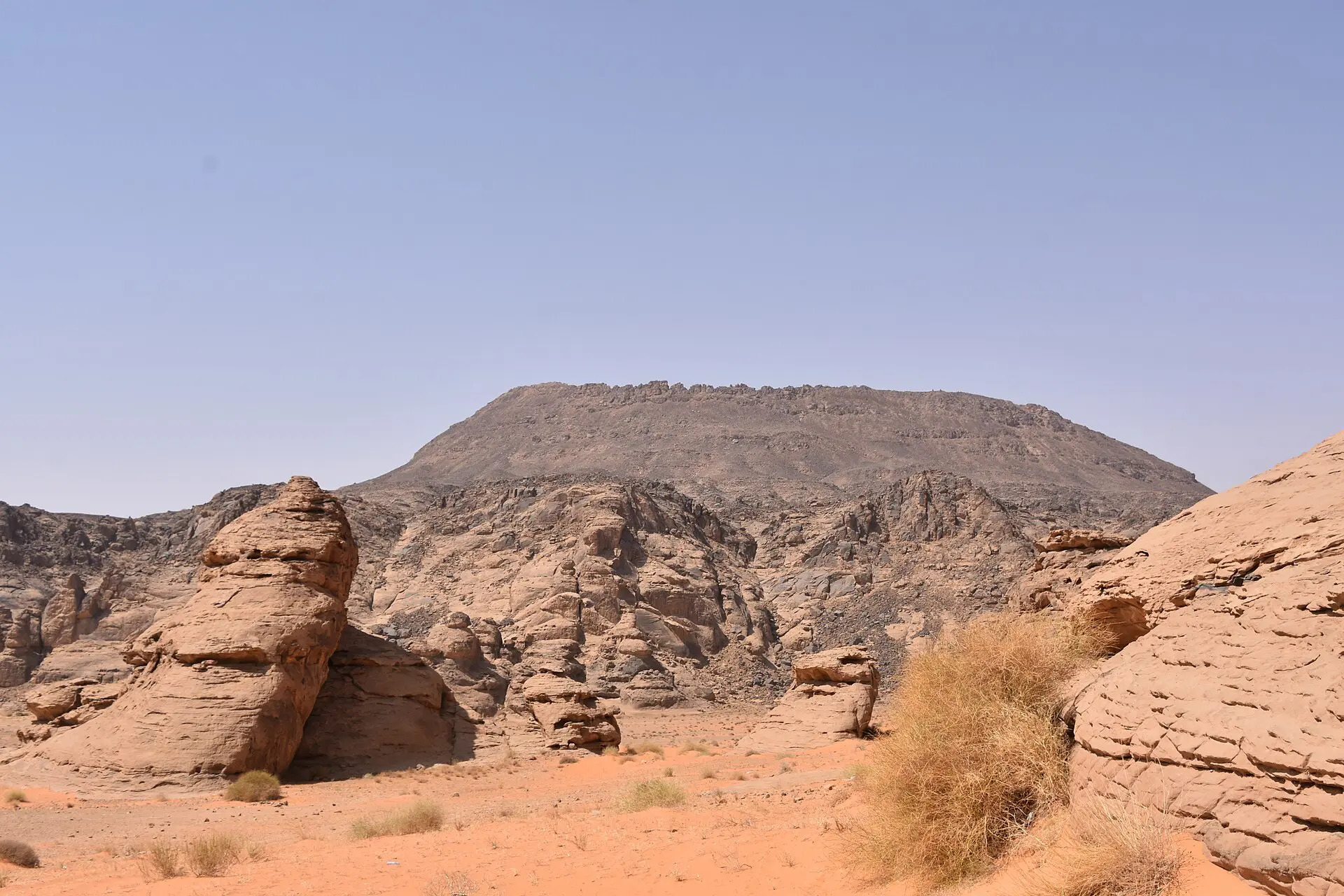
- Day 3, Edge of the World: take a guided desert day trip, returning in the evening to Riyadh.
- Day 4, fly to AlUla: the flight takes roughly 1 hour 30 minutes; settle in and see the old town and Elephant Rock at sunset.
- Day 5, Hegra: take a guided tour of the tombs in the morning and join a canyon or Dadan tour in the afternoon.
- Day 6, fly to Jeddah: walk Al-Balad and the corniche, and eat seafood.
- Day 7, Red Sea: snorkel or dive on a half-day boat trip, then depart from King Abdulaziz airport.
In summer, replace AlUla with Abha and the Asir highlands. Book Hegra tours ahead, as access is by tour only.
Practical tips for Saudi Arabia
- Money: the Saudi riyal (SAR) is the currency. Cards and contactless payments are widely accepted, and ATMs are common, but carry some cash for small shops and taxis.
- SIM and eSIM: tourist SIMs and eSIMs are sold at airports and online, with good 4G and 5G coverage in cities.
- Plugs: types G, F, A and B at 230 V; bring a universal adaptor.
- Tipping: not mandatory; about 10 percent in restaurants without a service charge, and small tips for drivers and guides.
- Health: use sunscreen, a hat and plenty of water; pharmacies are widespread and healthcare is good in major cities. Carry insurance and prescriptions for your own medicines.
- Packing: light, loose, long clothes for the heat and modesty, plus a layer for cool desert nights in winter.
- Apps: the Absher and Tawakkalna apps are mainly for residents, but Uber and Careem are useful for visitors.
For more background, see the Wikivoyage Saudi Arabia guide.
FAQ
Q1Is Saudi Arabia safe for tourists?
For most visitors, yes. Street crime is low, but heat, driving and strict laws need care, and some governments advise against travel near the Yemen border and warn of missile and drone risks in parts of the country. Follow local rules and check your government's current advice.
Q2Can tourists visit Saudi Arabia?
Yes. The kingdom has issued tourist visas since 2019, and many nationalities can apply for an online e-visa or in some cases get one on arrival. Confirm your eligibility, fees and conditions on the official Saudi visa portal before booking flights.
Q3What is the best time to visit Saudi Arabia?
October to March is best, with mild days and cool nights suited to AlUla, desert trips and cities. Summer is extremely hot, often above 40 C, though the Asir highlands around Abha stay cooler. Ramadan changes opening hours, so check dates.
Q4What are the best things to do in Saudi Arabia?
Tour the Nabataean tombs of Hegra at AlUla, walk the old town of Jeddah, visit Diriyah and Masmak Fortress in Riyadh, see the Edge of the World cliffs, dive the Red Sea and drive to the cooler mountains around Abha.
Q5What should women wear in Saudi Arabia?
Foreign women are not required to wear an abaya, but should dress modestly, covering shoulders and knees, and many wear loose long clothes. A headscarf is not required in most places, though it is expected when entering mosques.
Q6Can non-Muslims visit Mecca and Medina?
Non-Muslims cannot enter central Mecca or the Prophet's Mosque in Medina, and road signs mark where they must turn off. Other parts of Medina, such as museums, may be accessible, while Jeddah and the Haramain railway are open to all travellers.
Q7Is alcohol allowed in Saudi Arabia?
No. Alcohol is banned for residents and visitors, and importing it is illegal. Bars and most restaurants do not serve it. Fresh juices, coffee and non-alcoholic drinks are common, and breaking the rules can lead to fines, detention or deportation.