Why visit Riyadh
If you are planning things to do in Riyadh, begin with the scale. It is the capital and largest city of Saudi Arabia and the largest on the Arabian Peninsula, sitting on the Najd plateau at around 600 metres above sea level. Its population was about 7 million in 2022, and it receives millions of visitors each year.
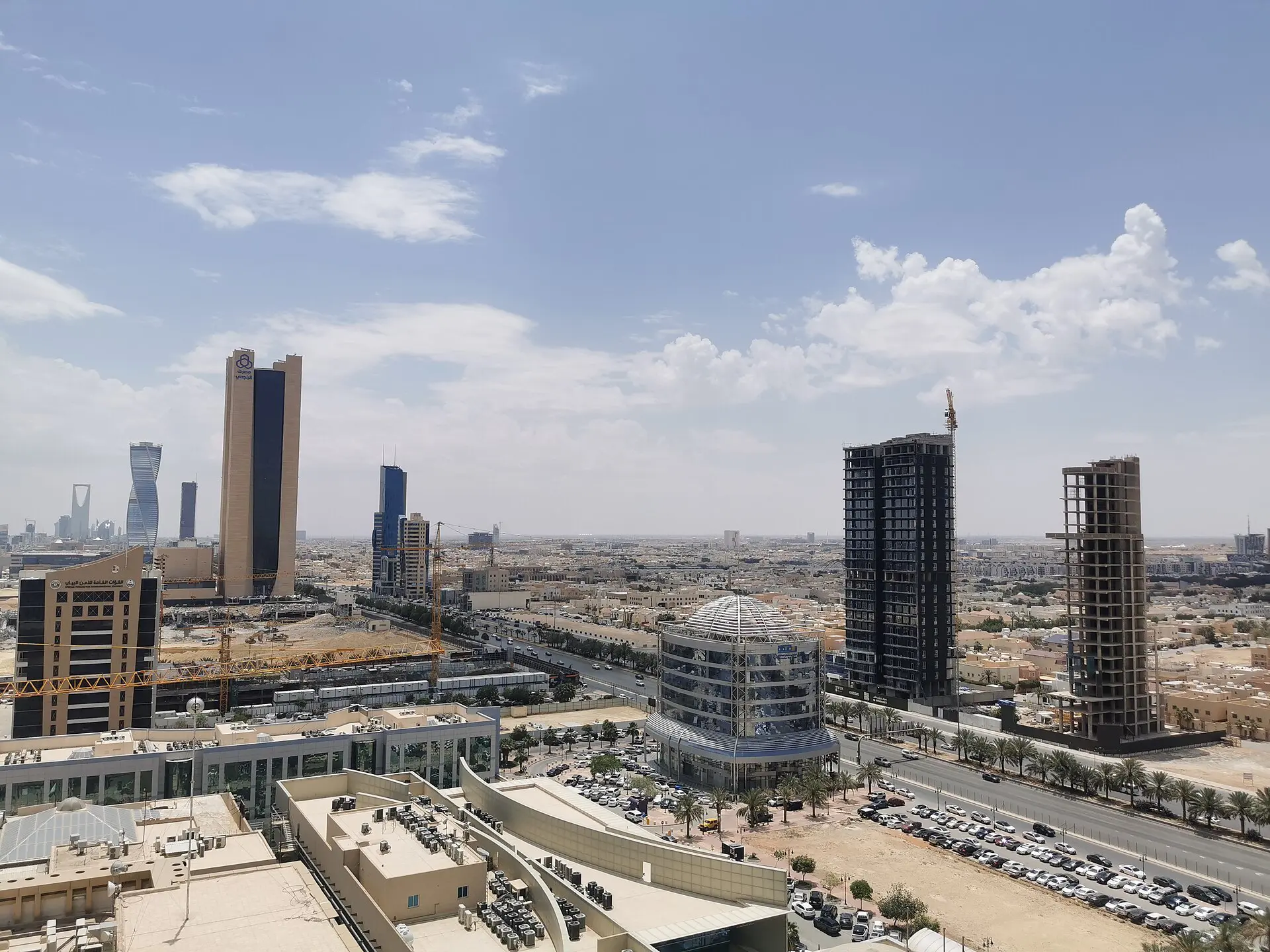
The modern city largely emerged in the 1950s as an expansion of the 18th-century walled town, once the fortifications were taken down. Traces of that older settlement survive, and nearby Diriyah is a major heritage site. Alongside the history, you will find towers, malls, museums and a growing range of concerts, events and restaurants.
The city has long had a reputation as a business destination with few sights, but that picture is changing as entertainment options expand. Riyadh gives a clear view of how fast the country is changing, and it works well as a first stop before AlUla, Jeddah or other regions.
Top things to do in Riyadh
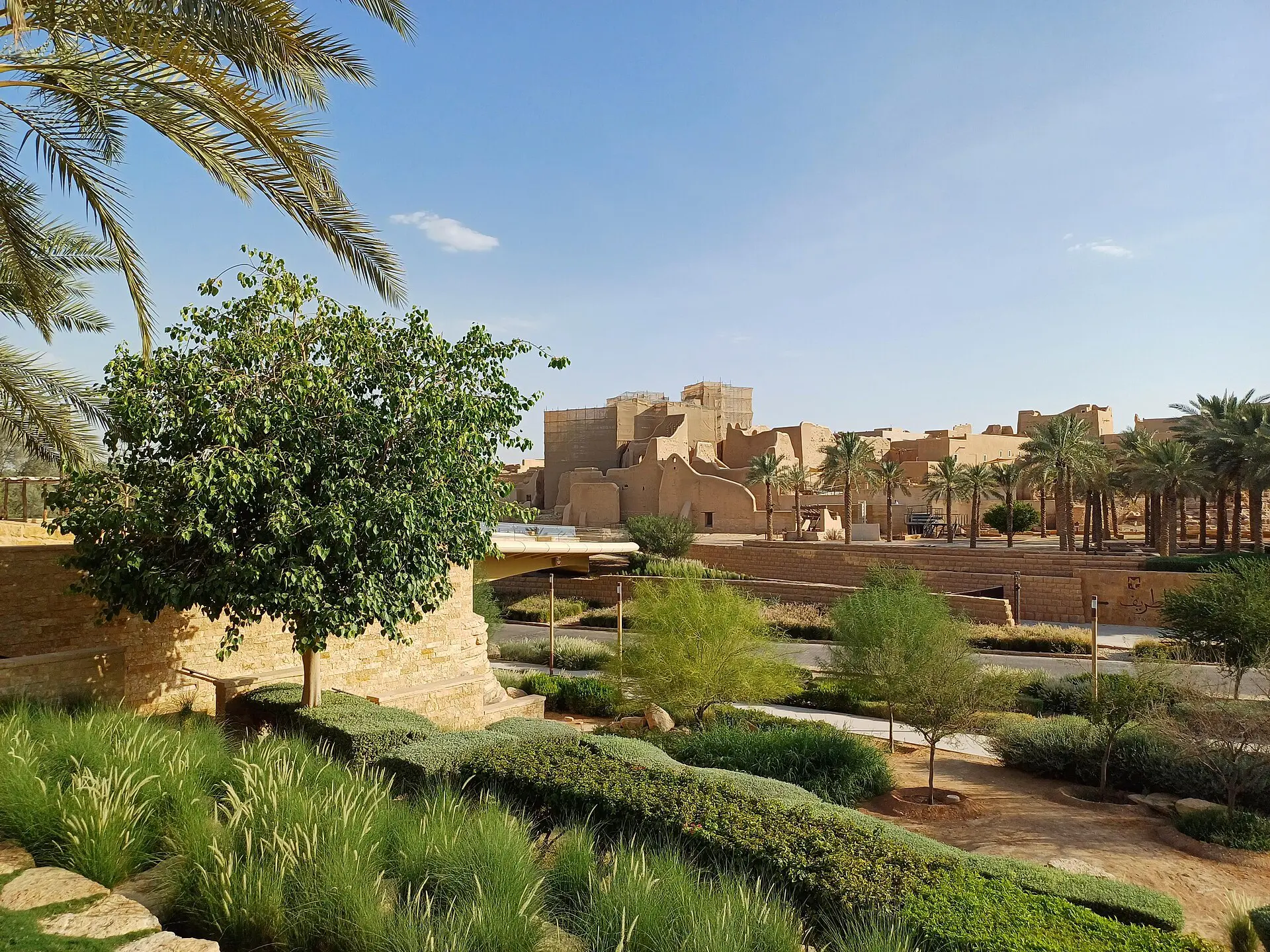
Diriyah and At-Turaif
Diriyah is the historic home of the Saudi ruling family, on the edge of the city, and At-Turaif is a UNESCO World Heritage Site of mudbrick buildings. Allow three to four hours. Book tickets online, and go late afternoon for cooler air and softer light.
Masmak Fort
This mudbrick fort in the old centre is tied to the early 20th-century capture of Riyadh and now serves as a museum. It takes about an hour. Check opening hours and any dress expectations before you go.
National Museum of Saudi Arabia
The national museum in the Murabba district covers the history of the Arabian Peninsula through galleries on geology, early civilisations and the Islamic era. Plan around two hours, and check current opening times and ticket rules, which can change.
Kingdom Centre and Al Faisaliah Tower
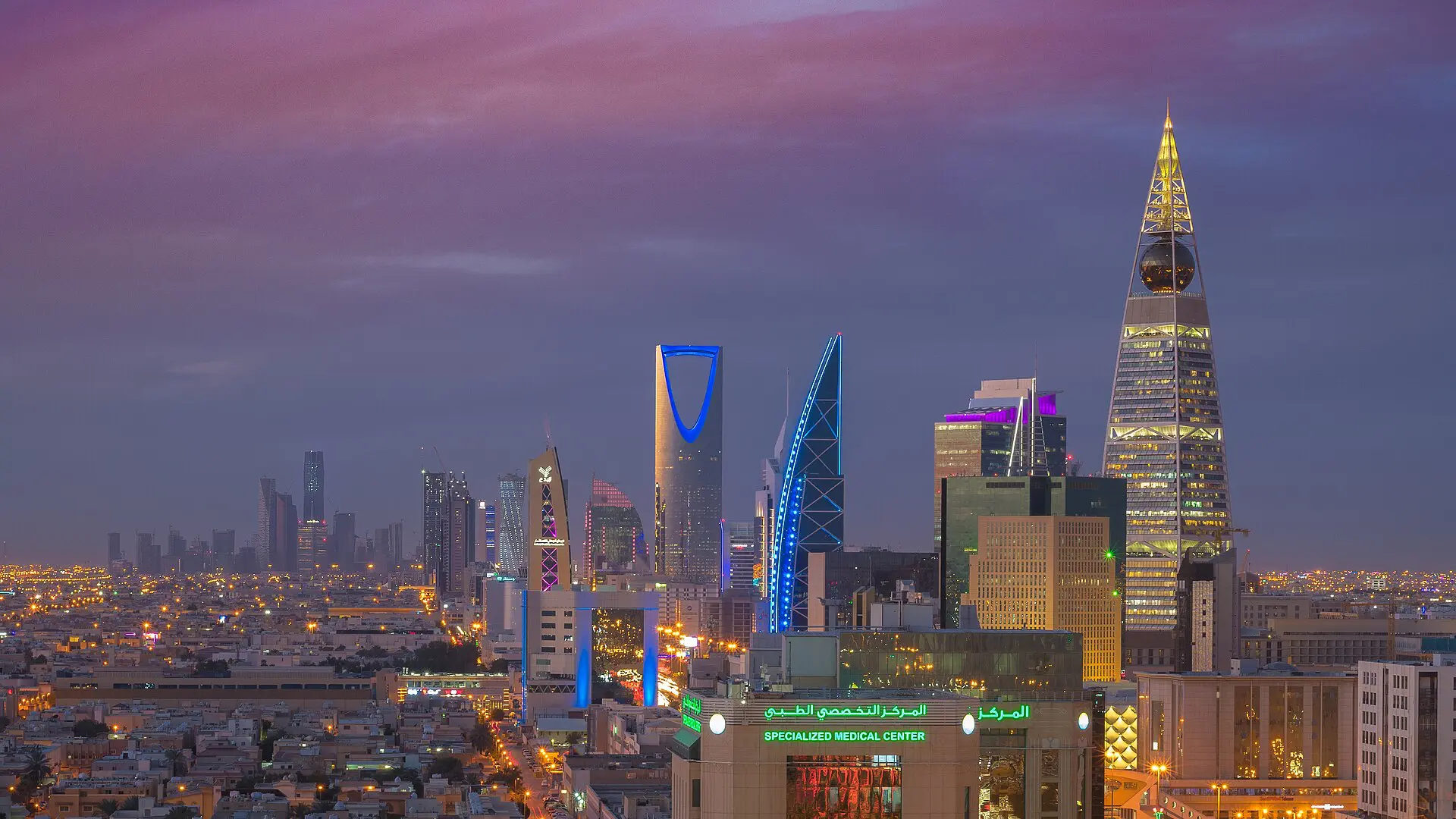
These two towers define the skyline, and the Kingdom Centre has a well-known sky bridge. Access and hours change, so check ahead. Allow an hour or so, and combine with a mall visit and a meal.
Edge of the World
This cliff area on the Tuwaiq escarpment, a drive west of the city, offers wide views across the desert. It is usually visited on a half-day or full-day trip by car or tour. Road conditions can be rough, so go with an experienced driver and check the weather.
Wadi Hanifa and parks
The valley along the Wadi Hanifa has green space, walking paths and picnic spots on the western edge of the city. It is a gentle contrast to the urban core. Visit in the cooler hours.
Boulevard and entertainment zones
New entertainment districts host events, restaurants and shows. Programmes change often, so check what is on. Plan an evening, when temperatures drop and the areas are busiest.
Best time to visit Riyadh
Riyadh has a hot desert climate. Summers, from roughly May to September, are extremely hot, and daytime sightseeing outdoors can be uncomfortable or tiring. Winters are mild to cool and are the best time to visit, with pleasant days and chilly evenings. Rain is rare, though short heavy showers occur, mostly in spring and winter.
Major events and public holidays change prices and availability. Ramadan alters opening hours and daily rhythm, with many sites open later at night. Check dates before booking.
| Season | Weather | Crowds and prices |
|---|---|---|
| Winter (Nov-Mar) | Mild days, cool nights | Busiest, higher prices |
| Spring (Mar-Apr) | Warm, occasional showers | Moderate |
| Summer (May-Sep) | Extremely hot | Quieter, lower prices |
How to get to Riyadh and around
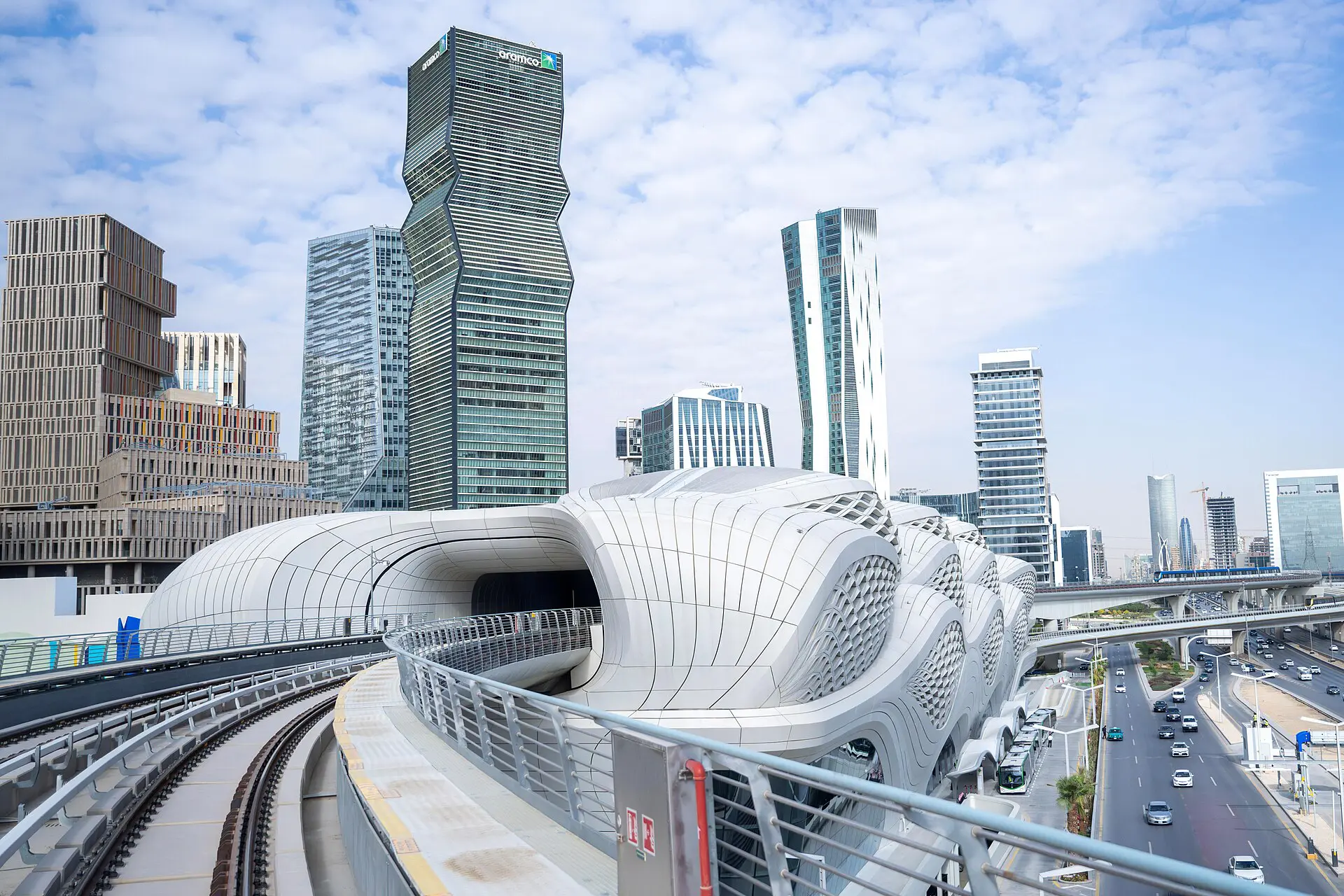
Most visitors fly into King Khalid International Airport, north of the centre, which has international and domestic connections. Check which terminal your airline uses. Taxis and ride-hailing apps are the simplest transfers, and a metro network has been opened in the city, so check which lines serve the airport.
Visa rules for Saudi Arabia have changed in recent years, with an e-visa system available to many nationalities. Check the current requirements for your passport before you travel, along with local rules on dress and conduct. Also read your government’s current travel advice for Saudi Arabia, since some regions and border areas are flagged.
Within the city, distances are large and public transport is still developing. Ride-hailing apps and taxis are the usual choice for visitors, and the metro is useful along its routes. Driving yourself is possible but traffic can be heavy. Plan your day by district to avoid long cross-town trips.
Where to stay in Riyadh
Olaya and the surrounding central districts have many hotels, malls, restaurants and towers, and they suit first-time visitors who want convenience and a wide range of dining.
Areas near Diriyah and the northwest are good if heritage is the priority, with newer hotels and quieter surroundings. You will need a ride to reach the centre.
The diplomatic quarter and other quiet residential areas suit travellers who prefer calm streets and green space, though choice for evening dining can be more limited.
Business hotels near the airport and the financial district suit short stopovers and meetings. Book early during major events and conferences, when prices rise.
How many days do you need?
Two days covers the main heritage and museums, and three allows time for the desert viewpoint and evening events. If you are using Riyadh as a stopover on the way to AlUla or Jeddah, one full day can work, but it will be rushed. Do outdoor sights early or late because of heat.
- Day 1: Masmak Fort and the National Museum, then an evening at a tower or entertainment district.
- Day 2: Diriyah and At-Turaif in the afternoon, with dinner nearby.
- Day 3: Edge of the World by car or tour, returning for a quiet evening.
Day trips and nearby
AlUla
AlUla in the northwest is known for rock tombs and desert scenery. It is far from Riyadh, so travel there by flight and plan at least two nights. It is a separate trip, not a day excursion.
Jeddah
Jeddah is on the Red Sea coast and has a historic district, a corniche and a different atmosphere. A flight from Riyadh takes around two hours. It pairs well with a longer itinerary.
Al-Ahsa
Al-Ahsa in the east is known for its large oasis and heritage sites. It is a few hours by road or a short flight, and it suits an overnight stay.
Dammam and Al Khobar
These Gulf coast cities in the east have waterfronts and a more relaxed pace. Trains and flights link them with Riyadh. Check schedules, and allow at least a night.
FAQ
Q1How many days do you need in Riyadh?
Two to three days is enough for Diriyah, Masmak Fort, the national museum and an evening event or two. Add a day if you want the Edge of the World viewpoint. A single day works as a stopover, but it will feel rushed.
Q2When is the best time to visit Riyadh?
November to March is the best period, with mild days and cool nights. Summers are extremely hot, and outdoor sightseeing is hard in the middle of the day. Check Ramadan dates, as opening hours change then.
Q3Do you need a visa for Riyadh?
Most visitors need a visa, and an e-visa system is available to many nationalities. Rules change, so check the official requirements for your passport before you book. Also read current guidance on dress and local etiquette.
Q4How do you get around Riyadh?
Taxis and ride-hailing apps are the simplest option, and a metro is available on its routes. The city is spread out, so group sights by district. Driving is possible, but traffic can be heavy and parking varies.
Prices, schedules and entry rules change. Check current details with official sources before you travel. Read the Saudi Arabia travel guide.