Why visit Jeddah
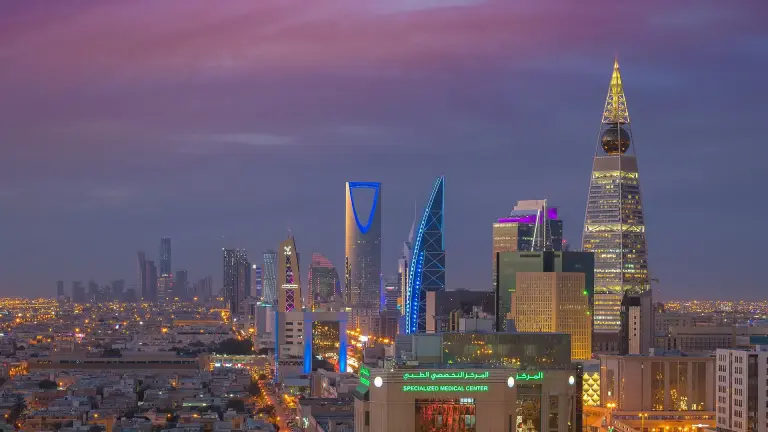
If you are searching for things to do in Jeddah, the short answer is a historic port quarter, a very long seafront and a food-focused city life. Jeddah sits on the Red Sea in western Saudi Arabia and is the kingdom’s second largest city, with roughly 3.4 million people.
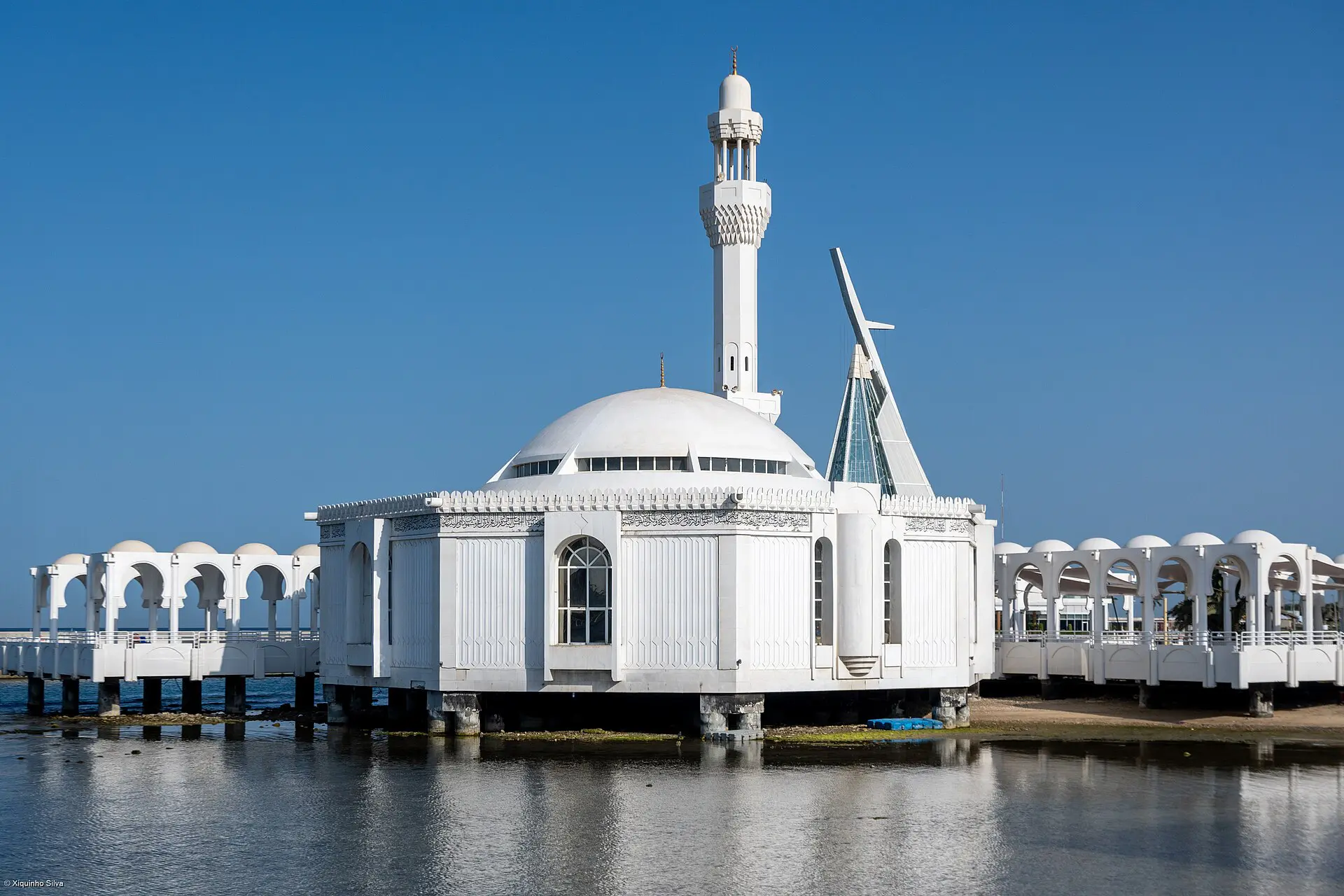
The city has been a port and trading hub for centuries, which shows in its mix of residents and in the cooking you find in its restaurants and cafes. The historic district, known as Al-Balad, has been on the UNESCO World Heritage list since 2014.
Jeddah is also the main entry point by air or sea for pilgrims travelling to Mecca and Medina, both a few hours inland. Culturally it is generally regarded as slightly more liberal than Riyadh. It suits travellers who want a coastal city with heritage, shopping and cafes rather than a resort break. Rules for visitors can change, so check current entry requirements and local norms before you go.
Top things to do in Jeddah
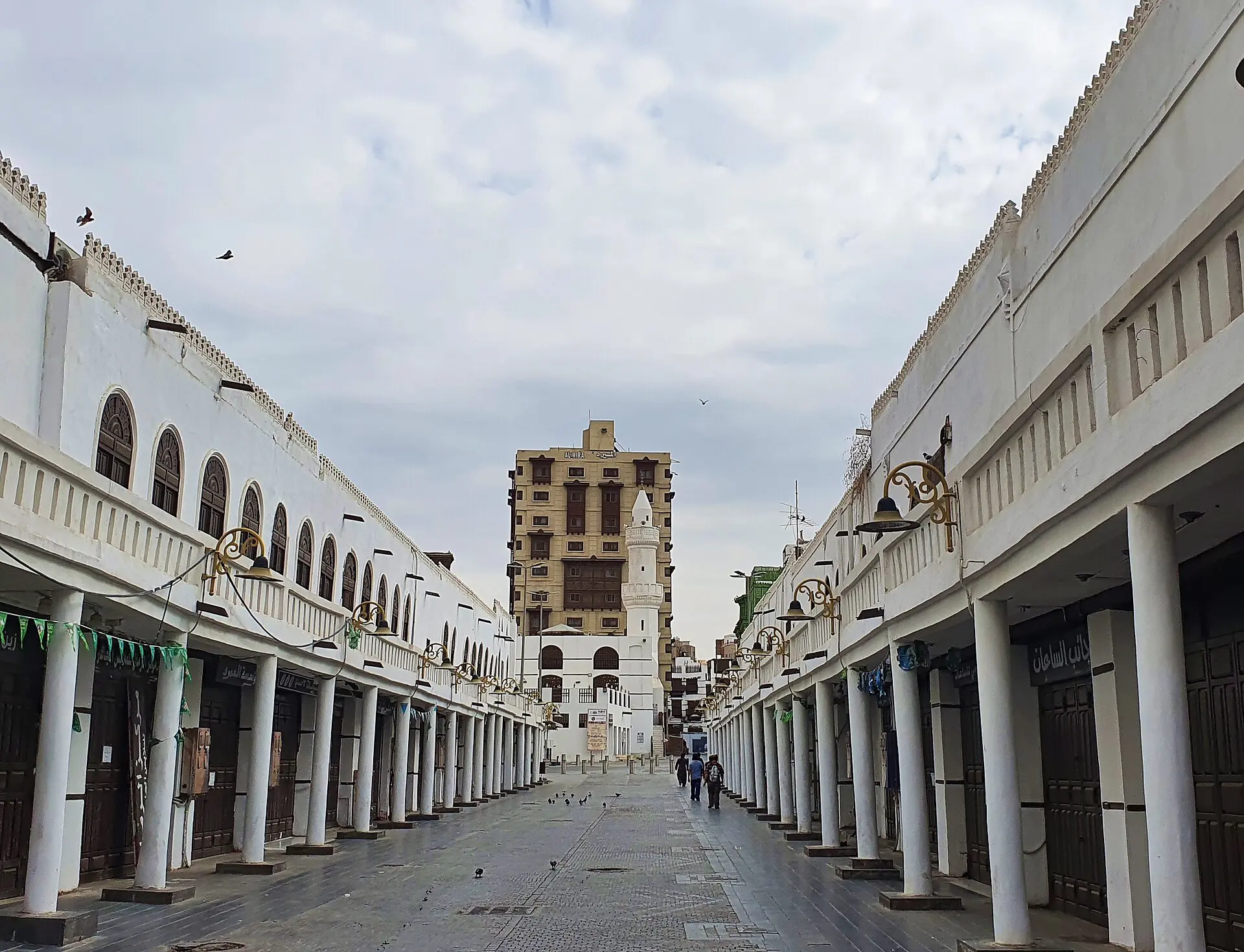
Walk Al-Balad, the historic quarter
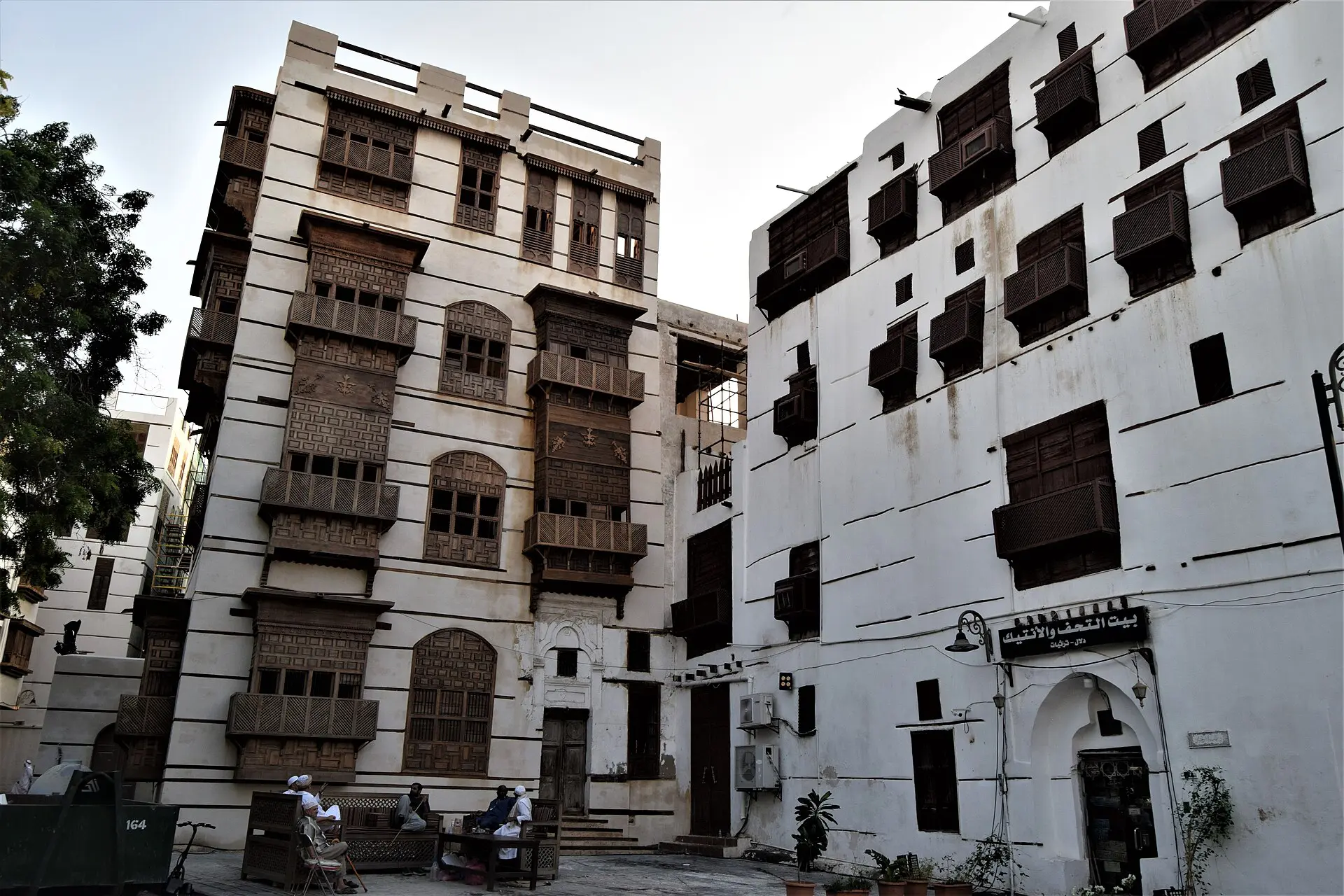
The old town is the main reason to come, with traditional buildings, narrow lanes and markets that reflect Jeddah’s long trading past. Allow half a day. Tip: go in the cooler hours, wear comfortable shoes, and check which buildings and museums are open, as restoration work is ongoing.
Stroll the Jeddah Corniche
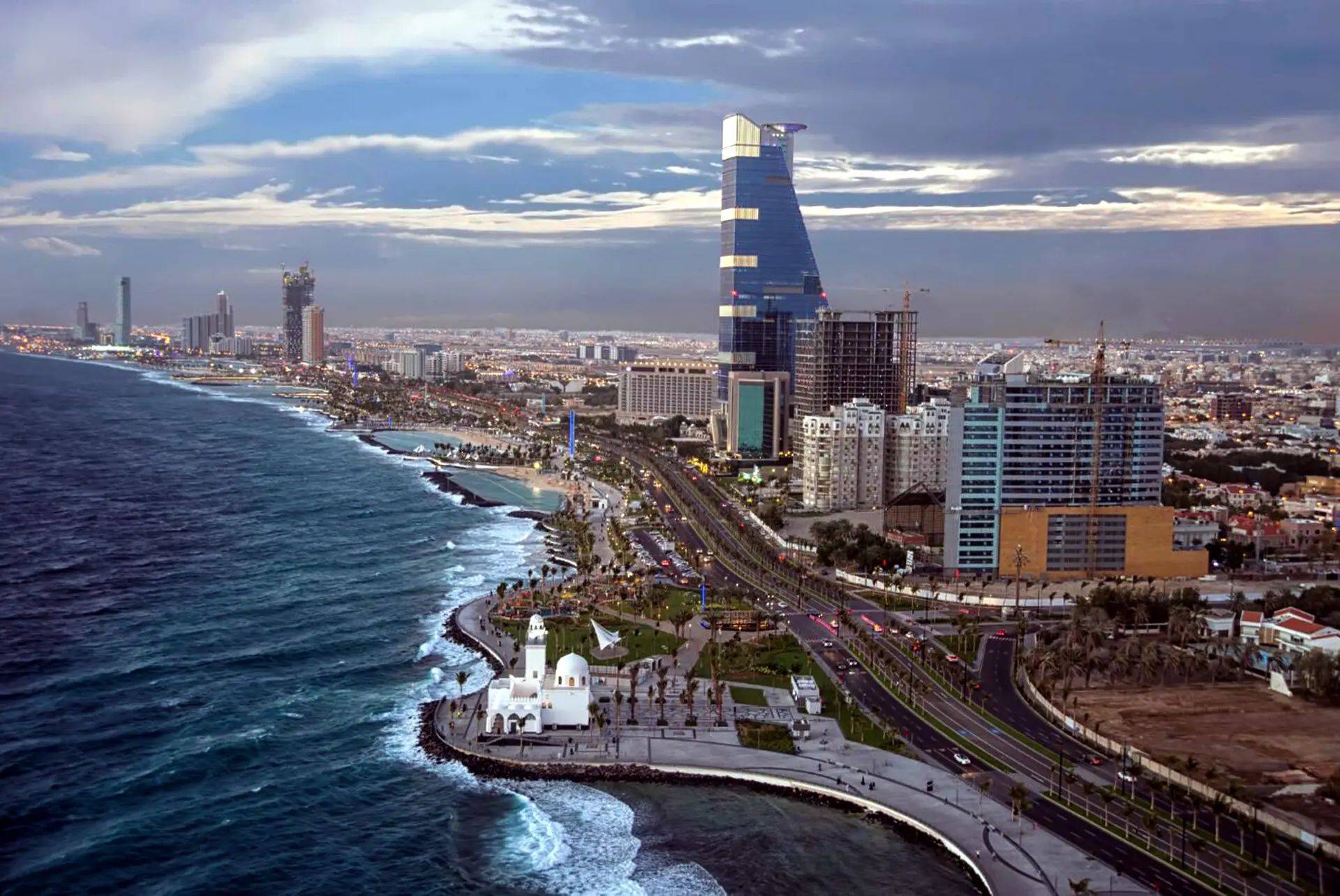
The Corniche is the largest waterfront area in the kingdom, lined with hotels, beaches and resorts. Allow two to three hours. Tip: it is best in the evening when temperatures drop, and many people come to walk, eat and sit by the sea.
See the waterfront public art
The seafront is known for sculptures and open-air art placed along the promenade. Allow an hour or two. Tip: combine it with a sunset walk, since lighting and crowds make the evening the most pleasant time to look around.
Eat your way through the city
Jeddah is known across the kingdom for its restaurants and cafes, and its port history shapes the food. Allow an evening or two. Tip: ask locally for regional dishes and check opening times, as many places open late and stay busy after dark.
Shop in the malls and old souks
Jeddah is known for its shopping districts. Modern malls sit alongside traditional market streets in the old town. Allow half a day. Tip: haggling is normal in traditional souks but not in malls, and prices are best checked against a couple of stalls first.
Take a Red Sea boat trip or dive
The Red Sea coast offers snorkelling and diving in clear water, arranged through licensed operators. Allow a half or full day. Tip: confirm that your operator is licensed, check conditions, and bring sun protection, as the sun is strong.
Visit the beach resorts north of the city
A string of resort compounds lies north of the city and is a common weekend escape. Allow a day. Tip: access is often through the resort or by paid day pass, so confirm entry and dress rules before travelling.
Best time to visit Jeddah
Jeddah is hot for much of the year, and summer can be very hot and humid because of the coastal location. The cooler months, roughly November to March, are the most comfortable for walking the old town and the seafront. The dates of Ramadan and the Hajj season shift each year and strongly affect crowds, opening hours and hotel prices, so check the calendar before booking.
| Season | Weather | Crowds and prices |
|---|---|---|
| November to March | Warm to mild, best for walking | Busier, higher prices |
| April to May, October | Hot, rising humidity | Moderate |
| June to September | Very hot and humid | Quieter for leisure, lower prices |
Ramadan and Hajj can change opening hours and fill hotels, so plan around them if they overlap with your dates.
How to get to Jeddah and around
Jeddah is reached by air or by sea, and it is a major entry point for the kingdom. Most travellers arrive at King Abdulaziz International Airport, which is a significant distance from the city centre, so allow time for the transfer. Flight connections to Riyadh and other cities are frequent, and international services run to many regions, though routes change.
Within the city, taxis and ride-hailing apps are the usual way to get around, since distances are large and walking between districts is rarely practical, especially in summer. Mecca and Medina lie inland and access to the holy sites is restricted for non-Muslims, so check the rules rather than assuming you can visit. Visa and entry rules for tourists have changed in recent years, and some governments advise against travel in parts of the kingdom, so check current official travel advice and entry guidance before you book.
Where to stay in Jeddah
Where you stay shapes the trip, because the city is spread out. Pick the area that matches how you want to spend your days and expect to rely on taxis between districts.
- Near Al-Balad: best for heritage and early morning walks in the old town, with simpler accommodation and a more local feel.
- Along the Corniche: the strongest choice for sea views, beaches, resorts and evening strolls, with a range of hotels from mid-range to high-end.
- Central commercial districts: useful for shopping, restaurants and business travel, with good access to malls.
- Resort compounds to the north: suited to beach time and a slower pace, though you will depend on transport to reach the city.
Prices rise during Ramadan, Hajj and the cooler winter months, so book ahead and check cancellation terms.
How many days do you need?
Two to three days is enough for a first visit: one day for the historic quarter, one for the waterfront and food, and a third for a boat trip or a resort day. If you are adding a pilgrimage or other trips from Jeddah, allow extra time, since transfers are long.
- Day 1: Morning in Al-Balad, lunch nearby, then an evening walk along the Corniche and dinner by the sea.
- Day 2: Waterfront art in the morning, shopping at a mall or market in the afternoon, then a long dinner.
- Day 3: A Red Sea boat trip, snorkelling or a day at a beach resort north of the city.
With only one day, spend it in Al-Balad and on the Corniche at sunset.
Day trips and nearby
Mecca
Mecca is a few hours inland from Jeddah and is Islam’s holiest city. Access to it is restricted to Muslims, so it is not a standard day trip for other visitors. Check the rules and respect them rather than attempting the journey.
Medina
Medina is the second holiest city in Islam, also a few hours from Jeddah, and parts of it are restricted to Muslims. Pilgrims often combine it with Mecca. Allow a full day each way if you are travelling there, and check current entry rules.
Taif
Taif is in the mountains east of Jeddah and is known as a cooler escape from the coastal heat. It works as an overnight or long day trip. Check road and weather conditions before you go.
Yanbu
Yanbu is a Red Sea port north of Jeddah and is better as an overnight stop than a day trip. It can suit travellers heading up the coast, so check transport options in advance.
FAQ
Q1When is the best time to visit Jeddah?
The cooler months from about November to March are the most comfortable for walking the old town and the waterfront. Summers are very hot and humid. Ramadan and the Hajj season change each year and can affect opening hours, crowds and hotel prices, so check dates when planning.
Q2How many days do you need in Jeddah?
Two to three days is enough for Al-Balad, the Corniche, a few good meals and one outdoor trip. If you only have a day, focus on the old town in the morning and the waterfront in the evening. Add time for any trips inland.
Q3How do you get to Jeddah?
Most visitors arrive by air at King Abdulaziz International Airport, with domestic and international connections. Jeddah is also a port. Check current visa and entry requirements before booking, since rules for tourists have changed in recent years and may change again.
Q4Is Jeddah expensive?
Mid-range costs are moderate by international standards, but hotel prices rise sharply during Ramadan, the Hajj season and winter holidays. Taxis and ride-hailing add up because the city is spread out. Budget on the higher side and book accommodation early for peak periods.
Prices, schedules and entry rules change. Check current details with official sources before you travel. Read the Saudi Arabia travel guide.