Why visit Malaysia
The list of things to do in Malaysia is unusually varied for a country of about 330,000 square kilometres. It is split by the South China Sea into Peninsular Malaysia and East Malaysia on the island of Borneo, and it holds a cosmopolitan capital, colonial port cities, tea highlands, rainforest and offshore reefs. The population is ethnically mixed, with Malay, Chinese, Indian and indigenous communities, and that mix shows up in the food, festivals and temples. The Wikipedia overview gives the background.
Malaysia suits first-time visitors to Southeast Asia because infrastructure is good, English is widely understood and prices are lower than in Singapore, its neighbour to the south. It works for food-focused trips, family holidays, scuba divers and wildlife watchers. Backpackers find it a little pricier and more conservative than Thailand or Vietnam, but also easier to travel.
Best places to visit in Malaysia
The best places to visit in Malaysia fall into two groups: heritage and food cities on the peninsula, and nature on Borneo and the islands.
Kuala Lumpur
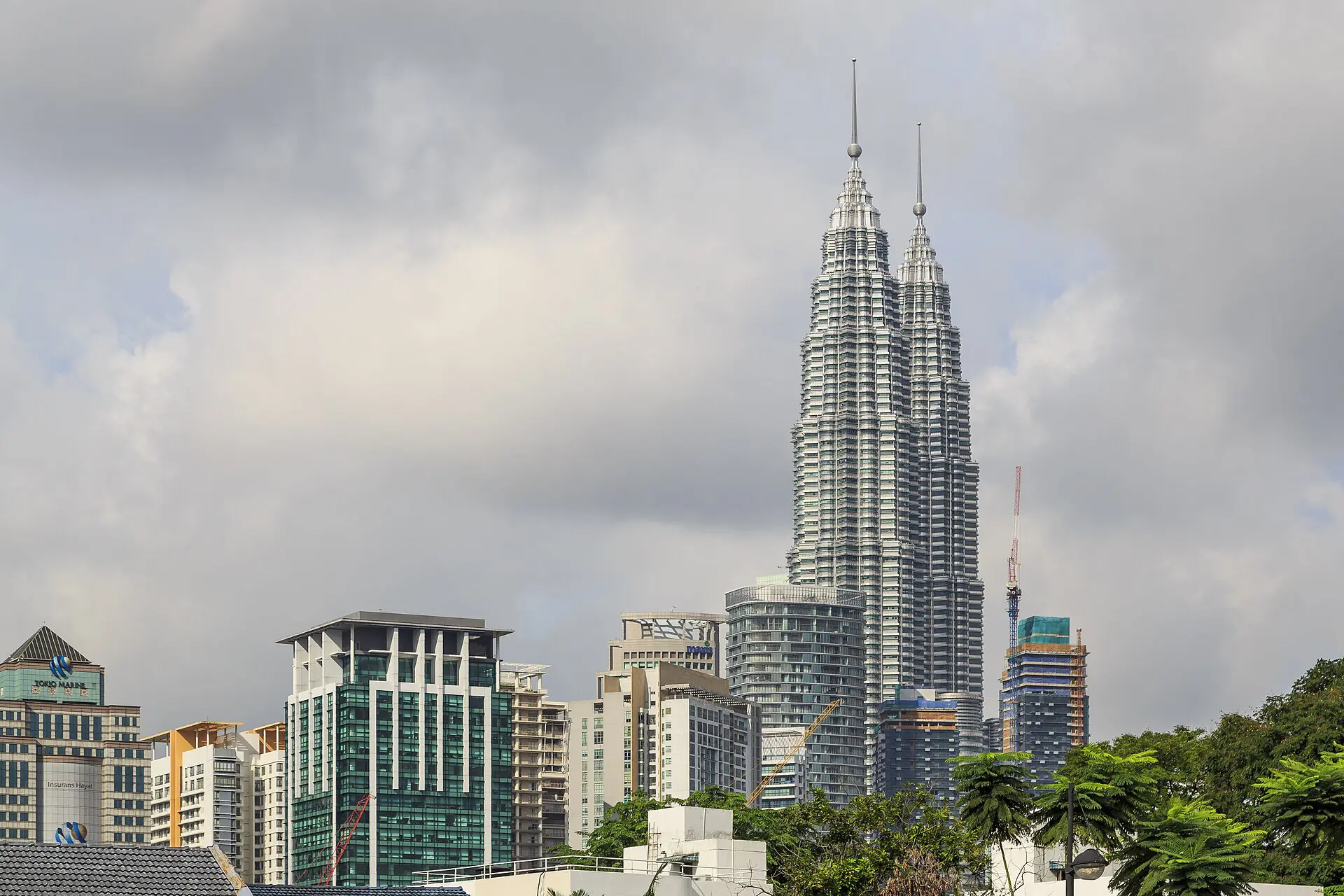
The capital is a modern city of towers, malls, markets and mosques. The Petronas Twin Towers and the KL Tower are the landmarks, while Chinatown, Little India and Masjid Jamek show the older layers. Two or three nights is enough for the main sights and the food.
George Town, Penang
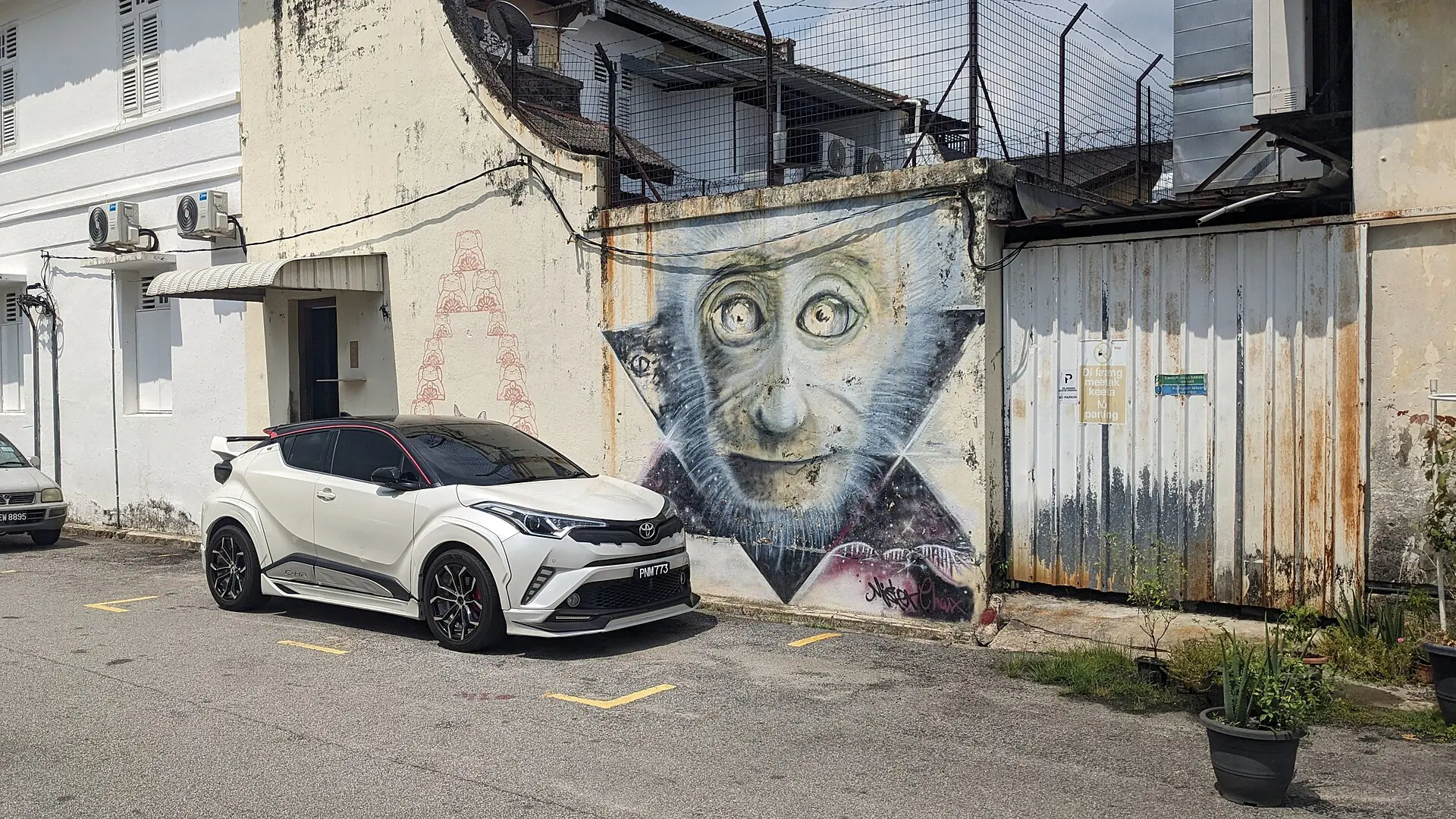
George Town is a UNESCO-listed port with colonial shophouses, clan houses, temples and street art. It is the country’s best-known food destination, and many visitors plan their meals around its hawker centres. Two to three nights works well.
Malacca
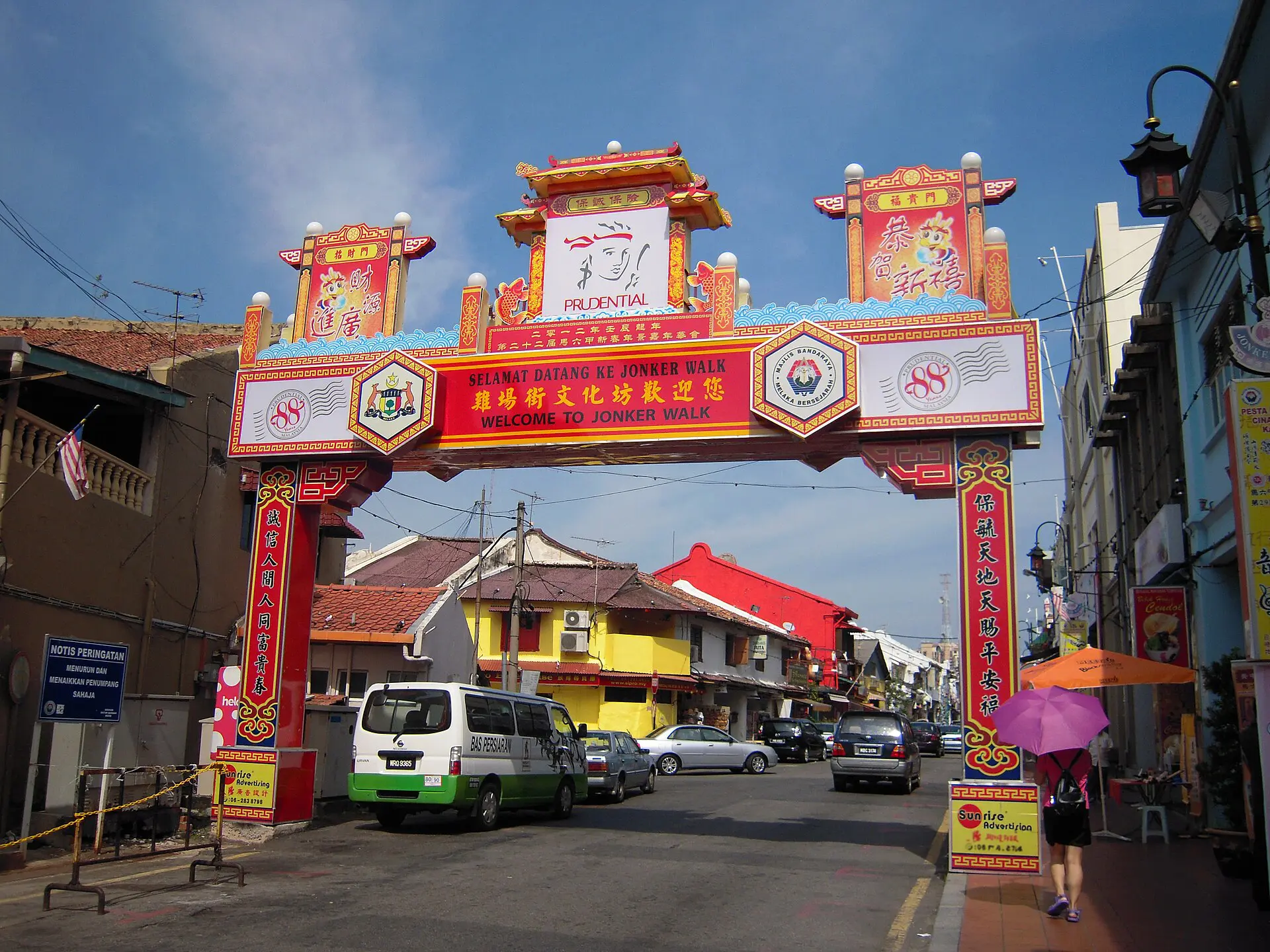
The historic city on the west coast has Portuguese, Dutch and British layers, including the red Stadthuys and a lively riverfront. It is an easy day trip or overnight stop from Kuala Lumpur.
Cameron Highlands
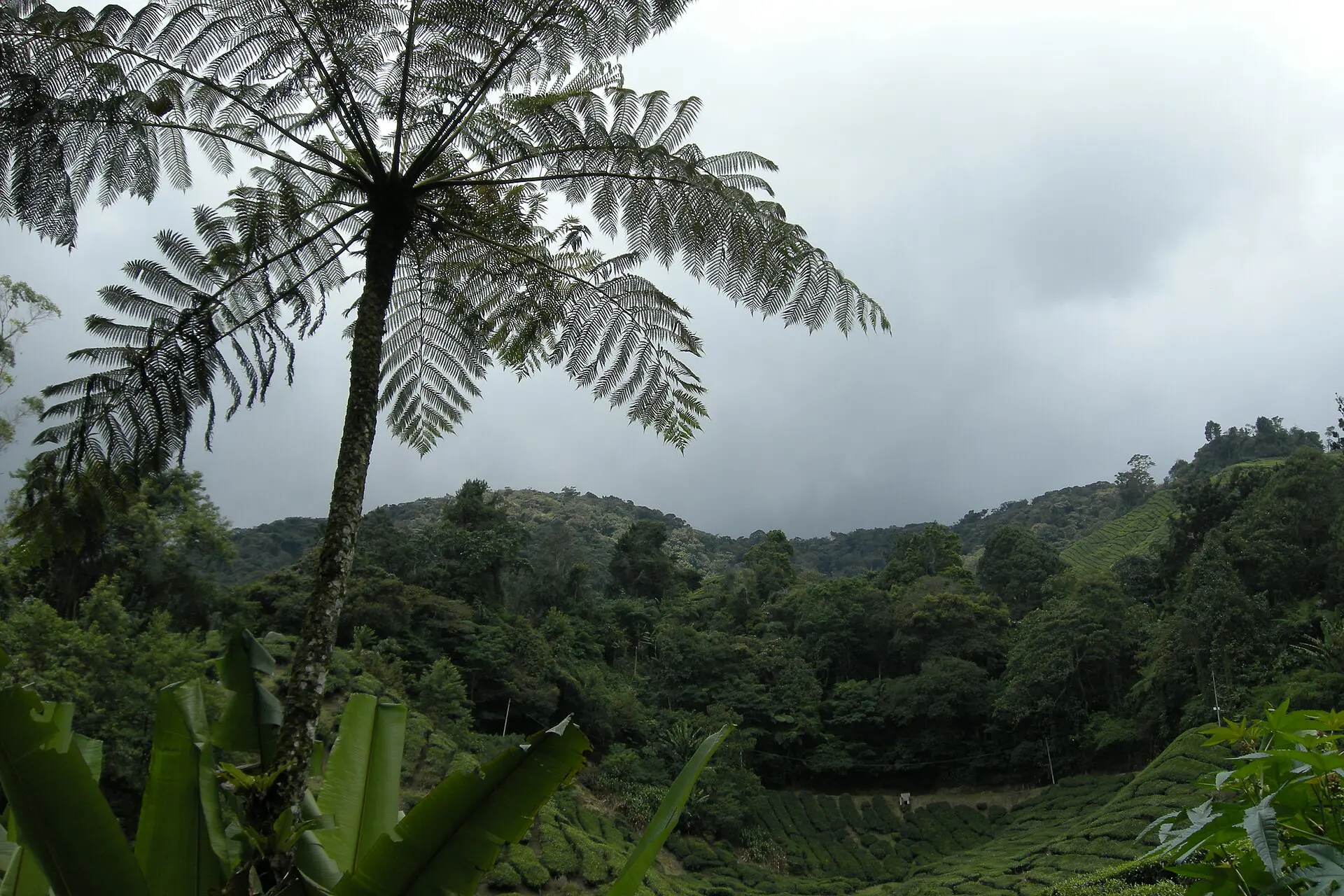
This cool upland region is known for tea plantations, strawberry farms and mossy forest walks. The air is much fresher than on the coast, which makes it a popular break from the heat.
Langkawi and the east coast islands
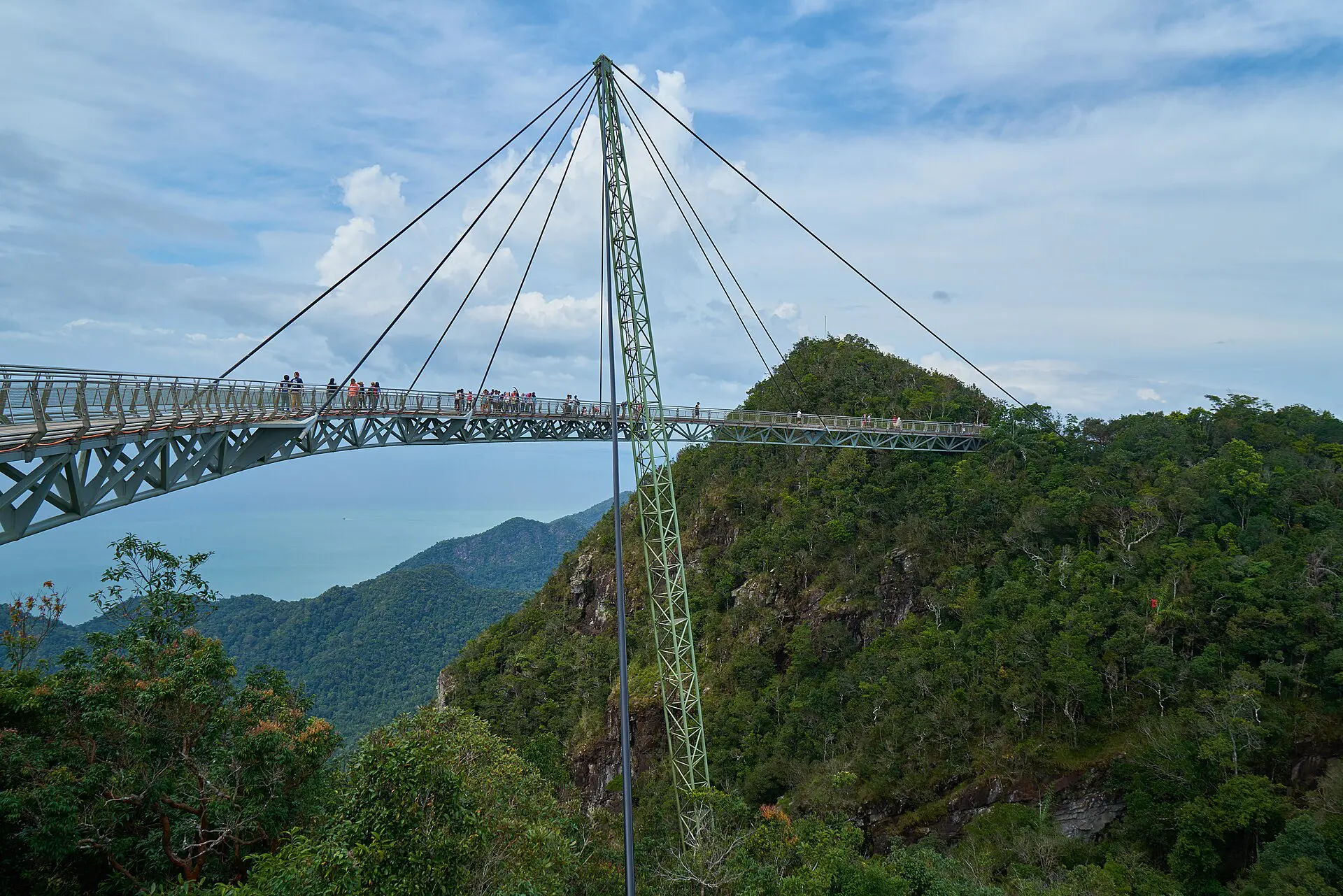
Langkawi in the northwest has beaches, mangroves and a cable car. On the east coast, the Perhentian Islands, Redang and Tioman offer snorkelling and diving in the dry season.
Kuching, Mulu and Sabah
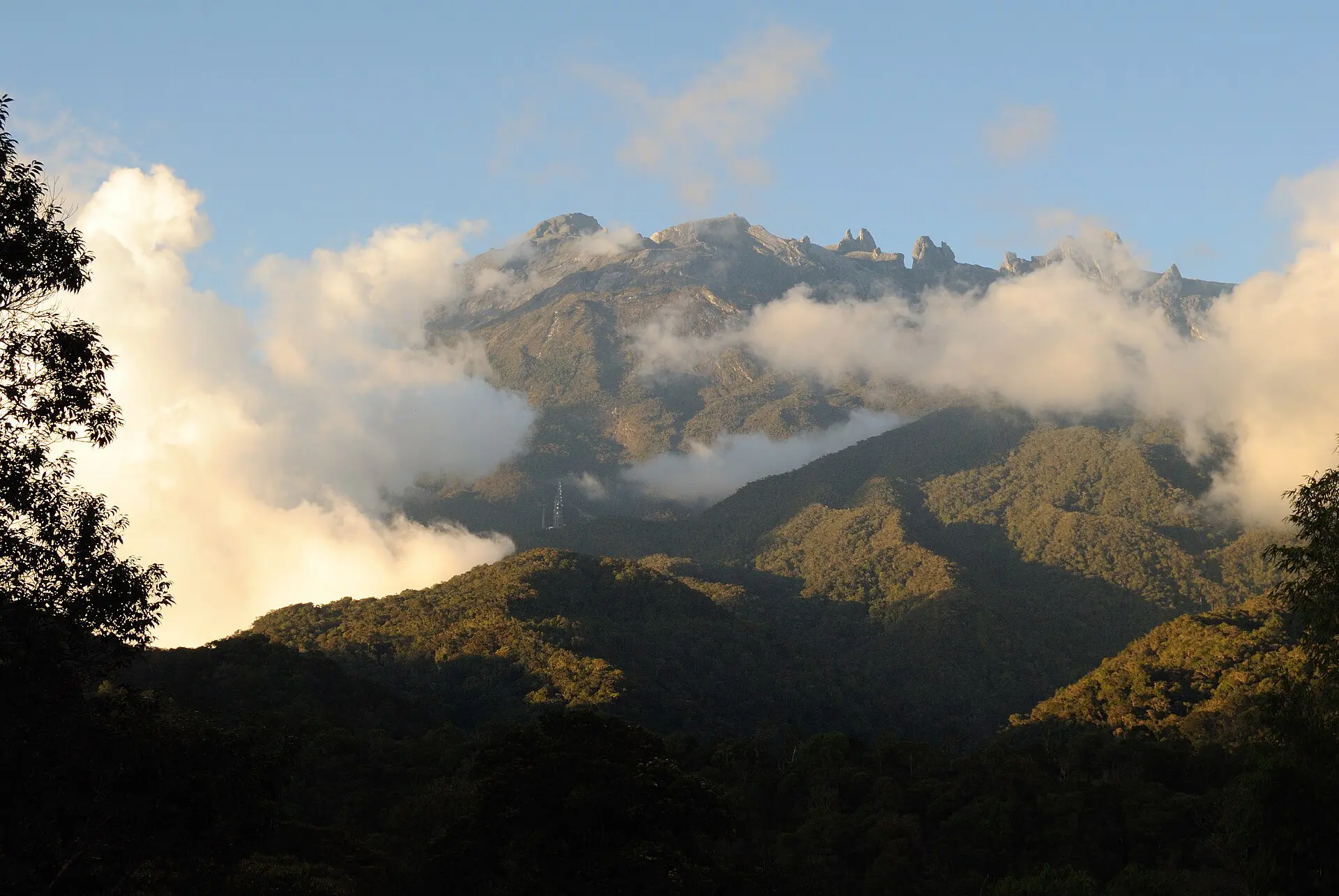
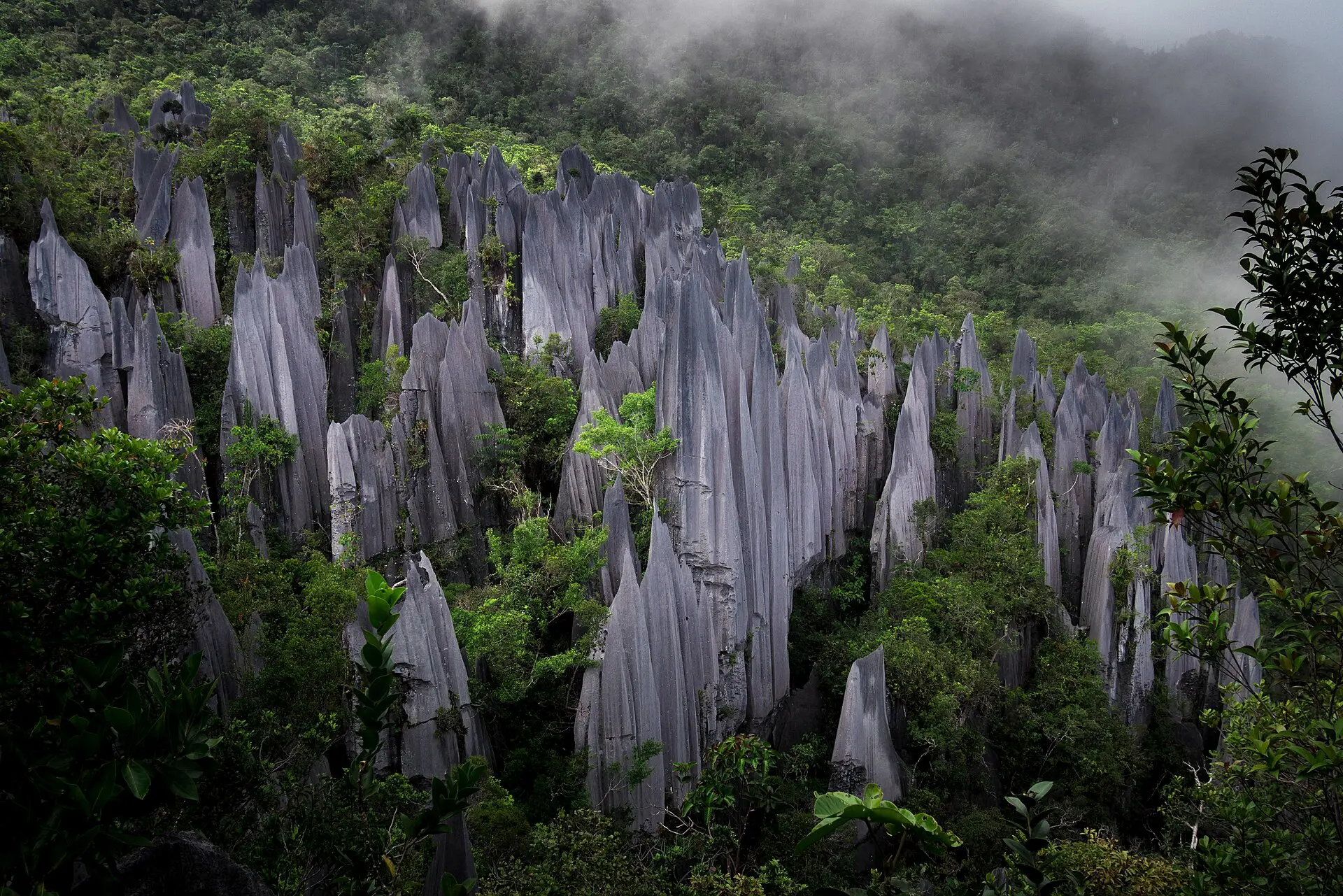
Borneo has Kuching’s waterfront, the caves and limestone pinnacles of Gunung Mulu National Park, orangutans near Sandakan, and Mount Kinabalu above Kota Kinabalu.
Top things to do in Malaysia
The top things to do in Malaysia combine city food, culture and wild places, and most fit into a ten-day trip.
- Eat at a hawker centre in George Town: try char kway teow, assam laksa and cendol from separate stalls in one evening.
- Visit Batu Caves: climb the 272 colourful steps to a Hindu shrine inside a limestone cave just north of Kuala Lumpur.
- See the Petronas Towers: the skybridge and observation deck need advance tickets, while the park below is free.
- Walk the Malacca River: follow the heritage trail past the Stadthuys and Christ Church, then eat at the night market.
- Tour a tea plantation: the Cameron Highlands have working estates with viewing cafes.
- Dive or snorkel off Sabah: Sipadan is one of the world’s best-known dive sites, with a daily permit quota, so book through a dive operator well ahead.
- Trek in Taman Negara: the peninsula’s largest rainforest park has canopy walks and river trips.
- Explore the Mulu caves: guided tours cover vast caverns and the evening bat exodus.
- Meet orangutans: the Sepilok rehabilitation centre near Sandakan shows young apes in a forest setting.
- Ride the Langkawi cable car: it climbs Mount Mat Cincang for views over the archipelago.
Best time to visit Malaysia
The best time to visit Malaysia depends on where you are going, because the monsoons hit the two coasts at different times. The west coast, including Kuala Lumpur, Penang and Langkawi, is generally driest from December to March. The east coast islands, such as the Perhentians, Redang and Tioman, are best from about March to October, and many resorts close during the heavy rains of November to February. Temperatures stay around 30 C on the lowlands all year.
| Season | Weather | Crowds and prices | Good for |
|---|---|---|---|
| Dec-Mar | Drier on the west coast; wet on the east coast | High on Langkawi and Penang around holidays | Cities, west coast beaches |
| Apr-Jun | Hot and humid, with afternoon storms | Moderate; east coast islands open | Diving, island stays |
| Jul-Sep | Hot; drier in Borneo, some haze risk | Busy in school holidays | Sabah and Sarawak, orangutans |
| Oct-Nov | Frequent rain, especially on the west | Lower prices | Cities, food trips, culture |
Check public holiday dates, as Chinese New Year and Hari Raya Aidilfitri fill buses and hotels, and many people travel home at the same time.
Is Malaysia safe to visit?
Yes, Malaysia is safe for most visitors, and it regularly ranks well on global peace measures. The usual risks are petty theft, traffic and tropical weather, with one regional exception in eastern Sabah. Check the UK FCDO or your own government’s travel advice before you go.
Theft and scams. Snatch theft from motorbikes happens in Kuala Lumpur, so carry bags on the side away from the road and keep phones out of sight. Use a ride-hailing app instead of unmetered taxis, and check prices before agreeing to private tours.
Eastern Sabah. Some governments advise against travel to parts of the east coast of Sabah and nearby islands because of a past risk of kidnapping. Popular dive areas such as Sipadan are reached through operators who follow security rules, so follow their guidance.
Roads and nature. Traffic is heavy and motorbikes weave between lanes. Flash floods and landslides can follow monsoon rains, and sea conditions on the east coast can be rough. Rip currents occur on some beaches.
Health. Dengue is present, so use repellent. Tap water is generally treated, but many visitors still choose bottled water. Take travel insurance with medical cover.
Malaysia visa and entry requirements
Malaysia visa rules depend on your nationality. Many visitors, including citizens of the UK, most EU countries and the US, have been able to enter visa-free for stays of up to 90 days, while others need an e-visa or a visa from an embassy before travel. Rules change, so confirm the current requirement for your passport with the Malaysian immigration department or your nearest embassy.
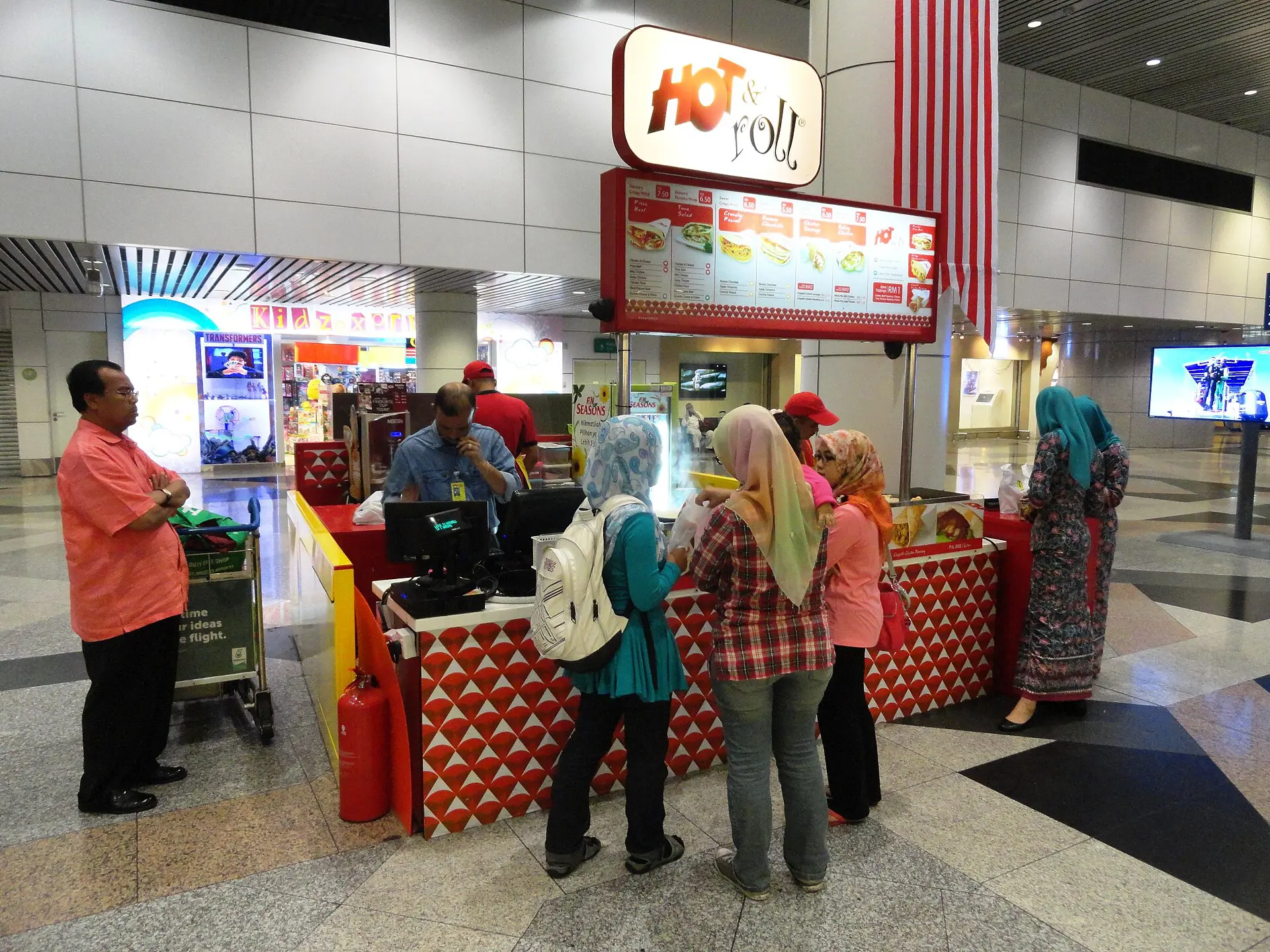
Foreign visitors have generally also had to submit the Malaysia Digital Arrival Card online before arrival, and the passport should usually be valid for at least six months. Keep proof of onward travel and accommodation in case you are asked at the border.
Sabah and Sarawak run their own immigration controls, so you may be stamped in again when flying from the peninsula to Borneo. Land border crossings with Thailand, Singapore and Brunei are open but can be slow at weekends and holidays. The UNESCO page for Malaysia is useful for planning heritage stops, though it does not cover entry rules.
Getting to and around Malaysia
Most visitors arrive at Kuala Lumpur International Airport (KLIA), which has direct flights from Europe, Asia and Australia. Penang, Langkawi, Kota Kinabalu and Kuching also have international links, and many people fly in through Singapore and cross by bus or train to Johor Bahru.
Within the peninsula, comfortable long-distance buses link most towns, and the train network runs up the west coast and on to Thailand. Express trains from Kuala Lumpur to Ipoh take about two hours, and buses from the capital to Malacca take roughly two. Kuala Lumpur has a metro, monorail and commuter rail, and ride-hailing apps are cheap.
Domestic flights are the practical choice for Borneo, with Kuala Lumpur to Kota Kinabalu taking about two and a half hours. Ferries run to Langkawi from Penang, Kuala Perlis and Kuala Kedah, and boats leave Kuala Besut for the Perhentians in season. Malaysia drives on the left. Car hire is easy on the peninsula, but allow extra time in cities and on mountain roads.
How much does a trip to Malaysia cost?
Malaysia is cheaper than Singapore, Japan or Australia and a little pricier than Vietnam or Indonesia. The currency is the Malaysian ringgit (MYR, RM). The figures below are rough per-person guides for 2026, and exchange rates move.
- Budget: around RM 100 to 180 per day, with hostel dorms or basic guesthouses, hawker meals, buses and public transport.
- Mid-range: around RM 250 to 450 per day, with a private hotel room, restaurant meals, ride-hailing apps and some paid attractions.
- High-end: from around RM 600 per day, with international hotels, island resorts, domestic flights and private guides.
The biggest swings come from accommodation in Kuala Lumpur, Langkawi and the islands, followed by domestic flights to Borneo. Street food is very cheap, with a plate at a hawker stall often costing a few ringgit. Diving, Mount Kinabalu permits and Mulu tours add significant costs, and some national parks charge higher fees to foreigners. Alcohol is heavily taxed and expensive compared with neighbouring countries.
Malaysia food and drink
Malaysia food is the reason many people visit. Malay, Chinese, Indian and indigenous cooking sit side by side, often in the same hawker centre or kopitiam (coffee shop). Food is cheap, and meals are served all day and late into the night.
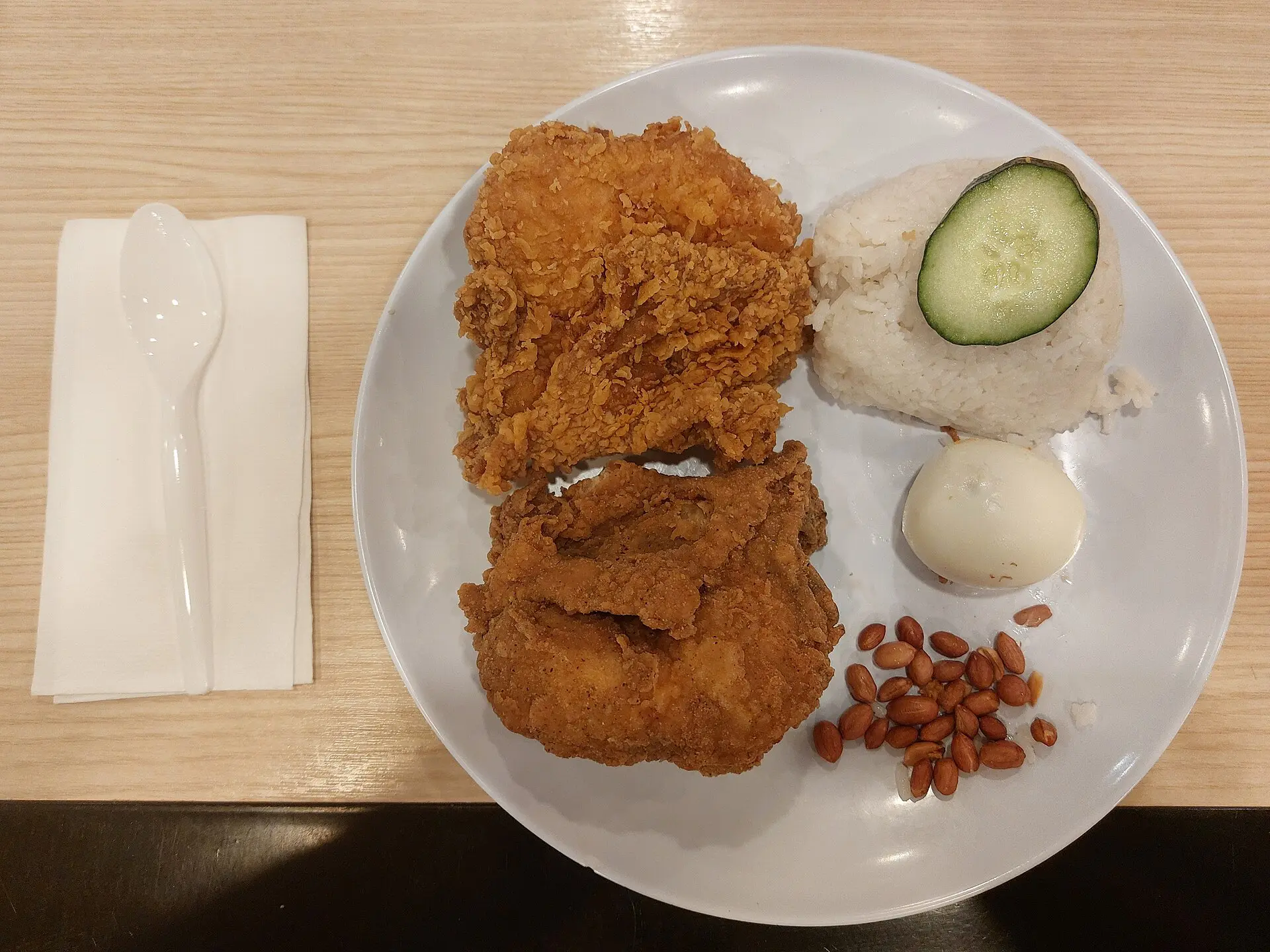
- Nasi lemak: coconut rice with sambal, fried anchovies, peanuts, egg and often chicken or rendang, widely seen as the national dish.
- Char kway teow: flat rice noodles wok-fried with prawns, egg and bean sprouts, a Penang favourite.
- Assam laksa: a sour fish-based noodle soup with tamarind and mint.
- Roti canai: flaky flatbread served with dal or curry for breakfast.
- Satay: grilled skewers with peanut sauce, cucumber and rice cakes.
- Hainanese chicken rice: poached chicken with fragrant rice and chilli sauce.
- Cendol and ais kacang: shaved-ice desserts with coconut milk, palm sugar and beans.
- Teh tarik: sweet pulled milk tea served in kopitiams.
Most Malay restaurants are halal, and pork and alcohol are easy to find in Chinese areas but not in Malay ones. Vegetarians can eat well in Indian banana-leaf restaurants. Sarawak adds dishes such as laksa Sarawak and kolo mee, and durian season, usually mid-year, draws a strong following.
Culture, language and etiquette in Malaysia
Malay (Bahasa Malaysia) is the official language, and English is widely used in business and tourism. Mandarin, Cantonese, Hokkien, Tamil and many indigenous languages are spoken as well, and many Malaysians switch between several in one conversation. Saying terima kasih (thank you) is always welcome.
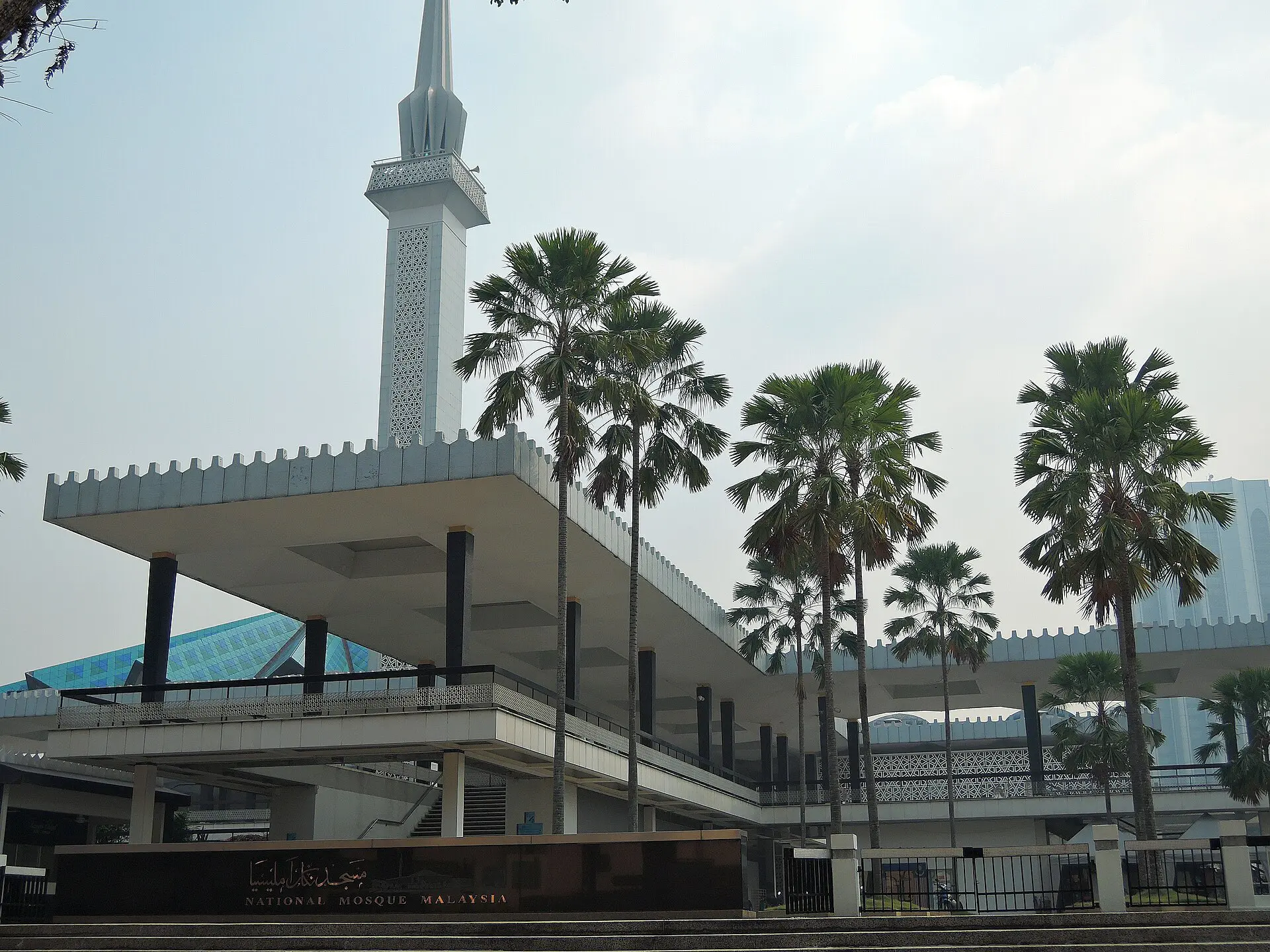
Islam is the official religion and about half of the population is Malay Muslim, but the constitution grants freedom of religion and Buddhist, Hindu, Christian and Taoist places of worship are common. Visitors should dress modestly when visiting mosques, where women may be asked to cover hair and shoulders, and remove shoes before entering mosques, temples and homes.
Use the right hand to give and receive things, and avoid pointing with the index finger or touching someone’s head. Public displays of affection are frowned upon. During Ramadan, eat and drink discreetly in Malay areas, although most restaurants stay open in cities. Same-sex relations are criminalised, so LGBT travellers should be discreet. Malaysia also has strict drug laws, and penalties include the death sentence for trafficking.
Malaysia itinerary: a 7-day route
This route covers the peninsula’s main sights with one flight and no long overland days.
- Day 1, Kuala Lumpur: arrive, then see the Petronas Towers and eat in Jalan Alor or Chinatown.
- Day 2, Kuala Lumpur: visit Batu Caves in the morning, then Masjid Jamek, Merdeka Square and the Central Market.
- Day 3, Malacca: take a bus of about two hours, walk the Stadthuys area and the river, and stay for the night market.
- Day 4, return and fly to Penang: go back to Kuala Lumpur by bus and take an evening flight of about one hour.
- Day 5, George Town: follow the street art trail, visit a clan house and eat at hawker stalls.
- Day 6, Penang Hill and Kek Lok Si: ride the funicular up Penang Hill, then visit the large Buddhist temple at Air Itam.
- Day 7, departure: fly out of Penang, or take a ferry to Langkawi if you have extra days.
With more time, replace Malacca with the Cameron Highlands, or add Kota Kinabalu and Sandakan for Borneo. For the islands, plan around the monsoon, since boats stop running to the east coast in the wet season.
Practical tips for Malaysia
- Money: the ringgit is the local currency. Cards are widely accepted in cities, but carry cash for hawker stalls, taxis and island shops. ATMs are common.
- SIM and eSIM: prepaid SIM cards and eSIMs are cheap and coverage is good in towns and along main roads, with gaps in rainforest and on remote islands.
- Plugs: type G at 240 V, as in the UK. Bring an adapter if you travel with US or EU devices.
- Tipping: not expected. Many restaurants and hotels add a 10 percent service charge and government tax to the bill.
- Health: bring insurance, insect repellent and sun protection. Pharmacies are plentiful in towns, and hospitals in the larger cities are good.
- Packing: light, breathable clothing, a rain jacket, a layer for air-conditioned buses and the Cameron Highlands, and modest clothes for mosques.
- Transport apps: ride-hailing apps are the easiest way to avoid taxi disputes in the larger cities.
For more background, see the Wikivoyage Malaysia guide.
FAQ
Q1What are the best things to do in Malaysia?
Top picks are eating at hawker centres in George Town, climbing to Batu Caves, seeing the Petronas Towers in Kuala Lumpur, walking historic Malacca, trekking Borneo's rainforest and diving or snorkelling off Sabah and the east coast islands.
Q2What is Malaysia food like?
Malaysia food mixes Malay, Chinese, Indian and indigenous cooking. Try nasi lemak, char kway teow, assam laksa, roti canai, satay and cendol. Meals are cheap at hawker stalls, many restaurants are halal and vegetarians can eat well in Indian restaurants.
Q3What is the best time to visit Malaysia?
December to March suits the west coast, including Kuala Lumpur, Penang and Langkawi. March to October suits the east coast islands and much of Borneo. The country is hot all year, and heavy monsoon rain hits the east coast from November to February.
Q4Is Malaysia safe?
Yes, for most visitors. Petty theft, snatch theft from motorbikes and traffic are the main risks. Some governments advise against travel to parts of eastern Sabah, so check your own government's advice. Dengue is present, so use repellent.
Q5What are the best places to visit in Malaysia?
Kuala Lumpur for the city, George Town for food and heritage, Malacca for history, the Cameron Highlands for tea and cool air, Langkawi and the Perhentians for islands, and Borneo for caves, orangutans and Mount Kinabalu.
Q6Do I need a visa for Malaysia?
It depends on your nationality. Many travellers, including those from the UK, the US and most EU countries, have been able to enter visa-free for short stays, usually with a digital arrival card. Others need an e-visa. Confirm the current rule with Malaysian immigration.
Q7How many days do you need in Malaysia?
Seven days covers Kuala Lumpur, Malacca and Penang at a comfortable pace. Ten to fourteen days lets you add the Cameron Highlands, an island and either Sabah or Sarawak in Borneo. Borneo and the east coast need extra time because of flights and boats.