Why visit Kuala Lumpur
If you are looking for things to do in Kuala Lumpur, expect a big, hot, modern city that rewards appetite and curiosity. Known as KL to locals, it is Malaysia’s federal capital and largest city, with roughly 2.1 million people in the city proper and about 8.8 million in Greater Kuala Lumpur.
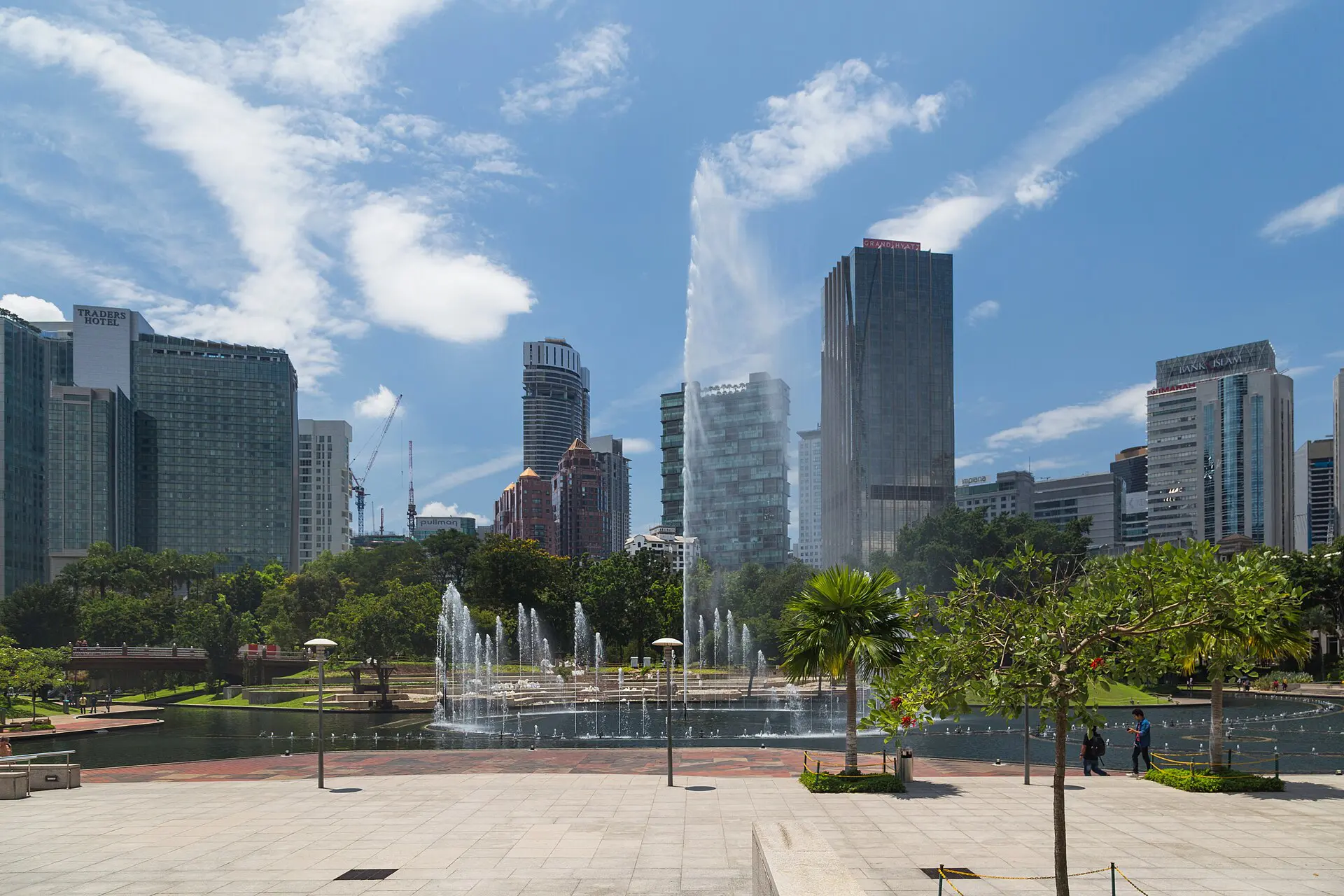
It is a cultural meeting place with some of the cheapest five-star hotels in the world, impressive shopping districts, food from many places and natural areas within day-trip distance. The city is a sprawling place with suburbs that seem to go on forever.
For visitors, the useful core is smaller. The old city centre, the botanical gardens and areas to the north form what is known as the Diamond Triangle, and it is where much of the history is. Add towers, malls and street food, and KL makes a strong first stop in Southeast Asia.
Top things to do in Kuala Lumpur
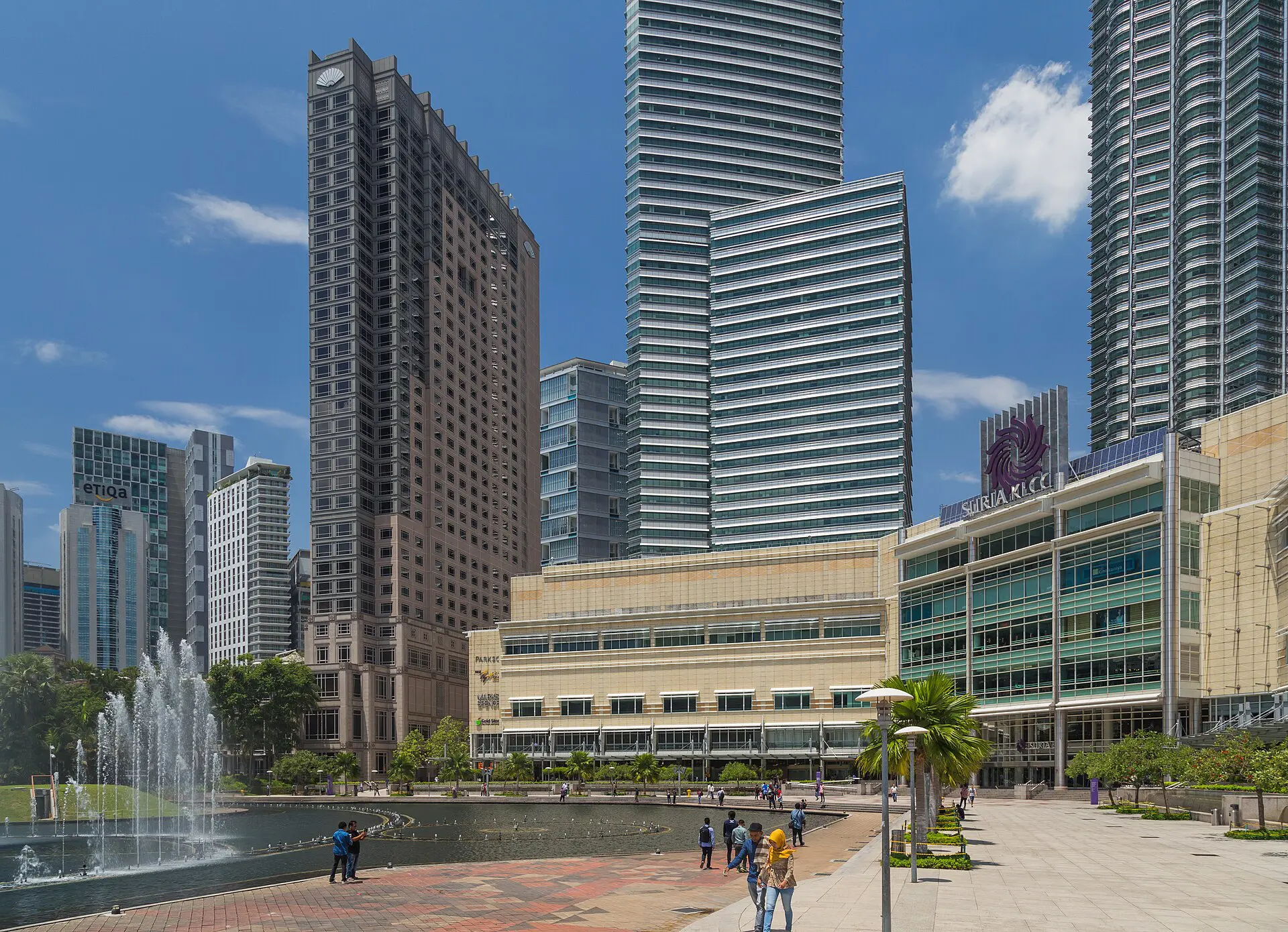
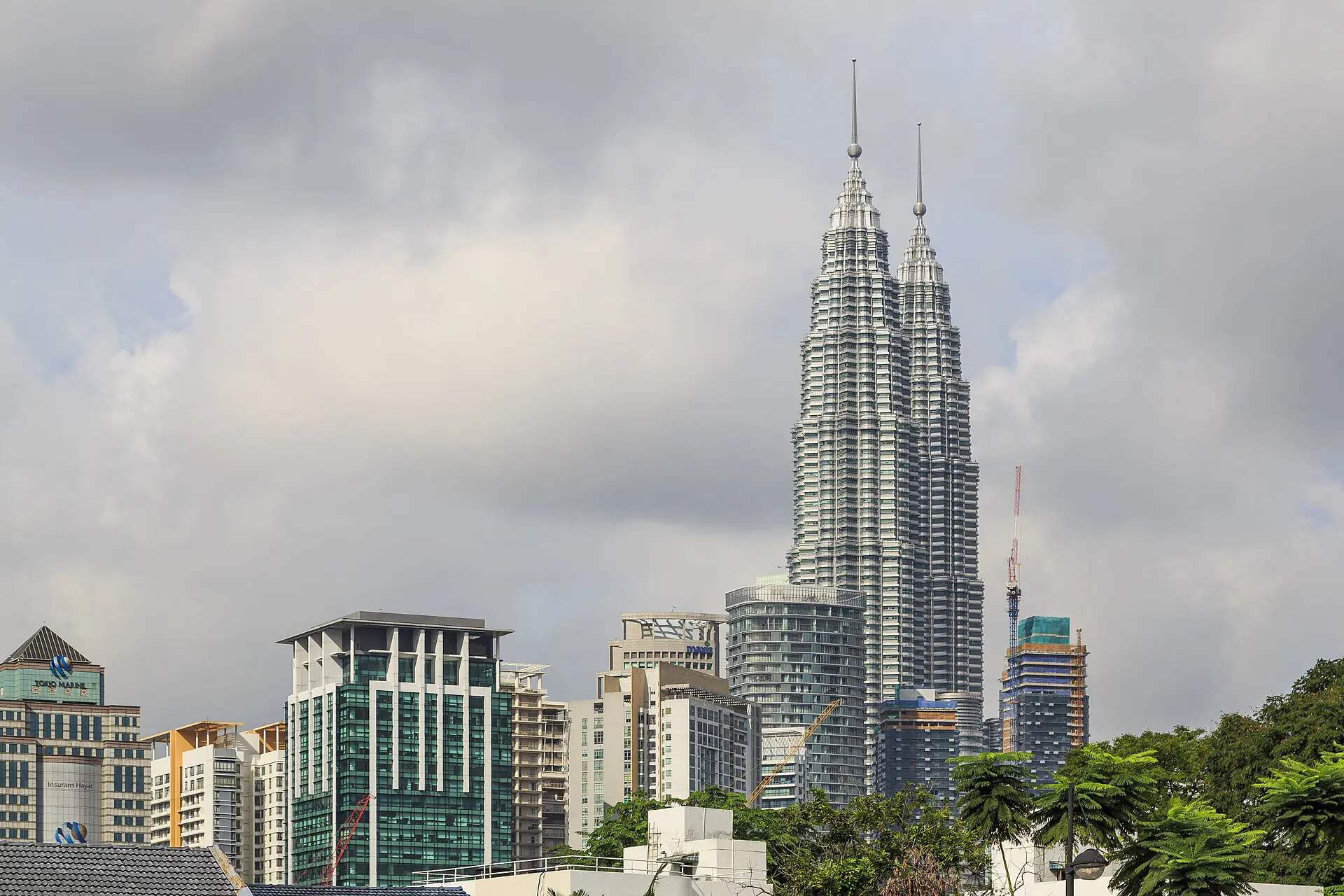
Petronas Towers
The twin towers are the city’s best-known landmark, with a sky bridge and a shopping centre at their base. Allow one to two hours, including the park beside them. Tip: viewing tickets can sell out, so check booking options and opening arrangements ahead of time.
Batu Caves
This Hindu shrine complex sits in limestone caves outside the city centre, reached by a long staircase. Allow two to three hours. Tip: go early to avoid heat and crowds, dress modestly and watch for monkeys.
Merdeka Square and the old centre
The historic core has colonial-era buildings, a large square and nearby mosques. Allow two hours on foot. Tip: start in the morning, when it is cooler, and bring water.
Chinatown and Petaling Street
A busy market area with street food, shops and temples nearby. Allow one to two hours. Tip: bargaining is common at stalls, and watch for imitation goods.
Street food
Food is a main reason to come, with many cuisines and local dishes on offer, from street stalls to food courts. Allow an evening. Tip: choose busy stalls with high turnover, and try a few small plates in different places.
Perdana Botanical Gardens and museums
The gardens provide a green break, and nearby museums cover Islamic art and local culture. Allow two to three hours. Tip: a quiet morning here is a good counterpoint to the busy centre.
Shopping malls
The city is known for large malls, which also offer air conditioning and food courts. Allow a few hours. Tip: they are a practical retreat from midday heat or rain.
Best time to visit Kuala Lumpur
Kuala Lumpur is hot and humid all year, with temperatures that vary little between months, so the main question is rain. Afternoon thunderstorms are common in much of the year. Showers are often heavy but short, so plan indoor activities for the afternoon and outdoor sights for the morning.
The drier months, roughly mid-year, are often the easiest for walking, though conditions vary. Heavier rain tends to arrive towards the end of the year. Festivals and school holidays bring crowds and higher hotel prices, so check calendars for your dates. Haze from regional fires can occasionally affect air quality, so check forecasts. Whenever you go, bring a light rain layer and an umbrella.
How to get to Kuala Lumpur and around
Kuala Lumpur International Airport (KLIA) is the main gateway and is about an hour south of the centre. An express train runs to KL Sentral, the central transport hub, in roughly half an hour, and buses and taxis also serve the airport. Check current timetables and options.
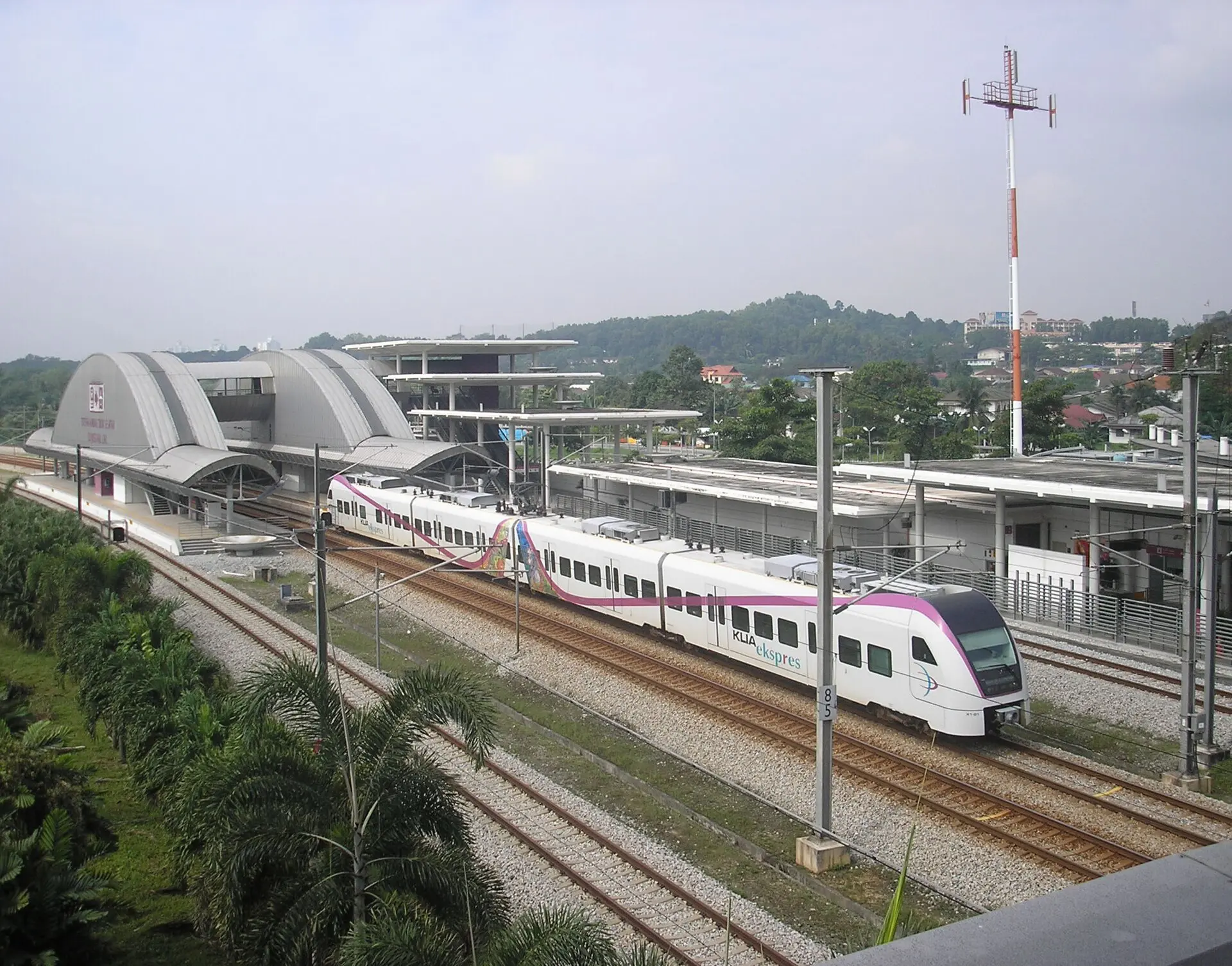
Within the city, light rail, monorail, MRT and commuter trains link the main districts, though stations are not always well connected, so plan your transfers. Ride-hailing apps are widely used and often cheaper and simpler than street taxis. Distances look short on a map, but traffic can be heavy, so allow extra time. Walking is pleasant only in cooler hours.
Where to stay in Kuala Lumpur
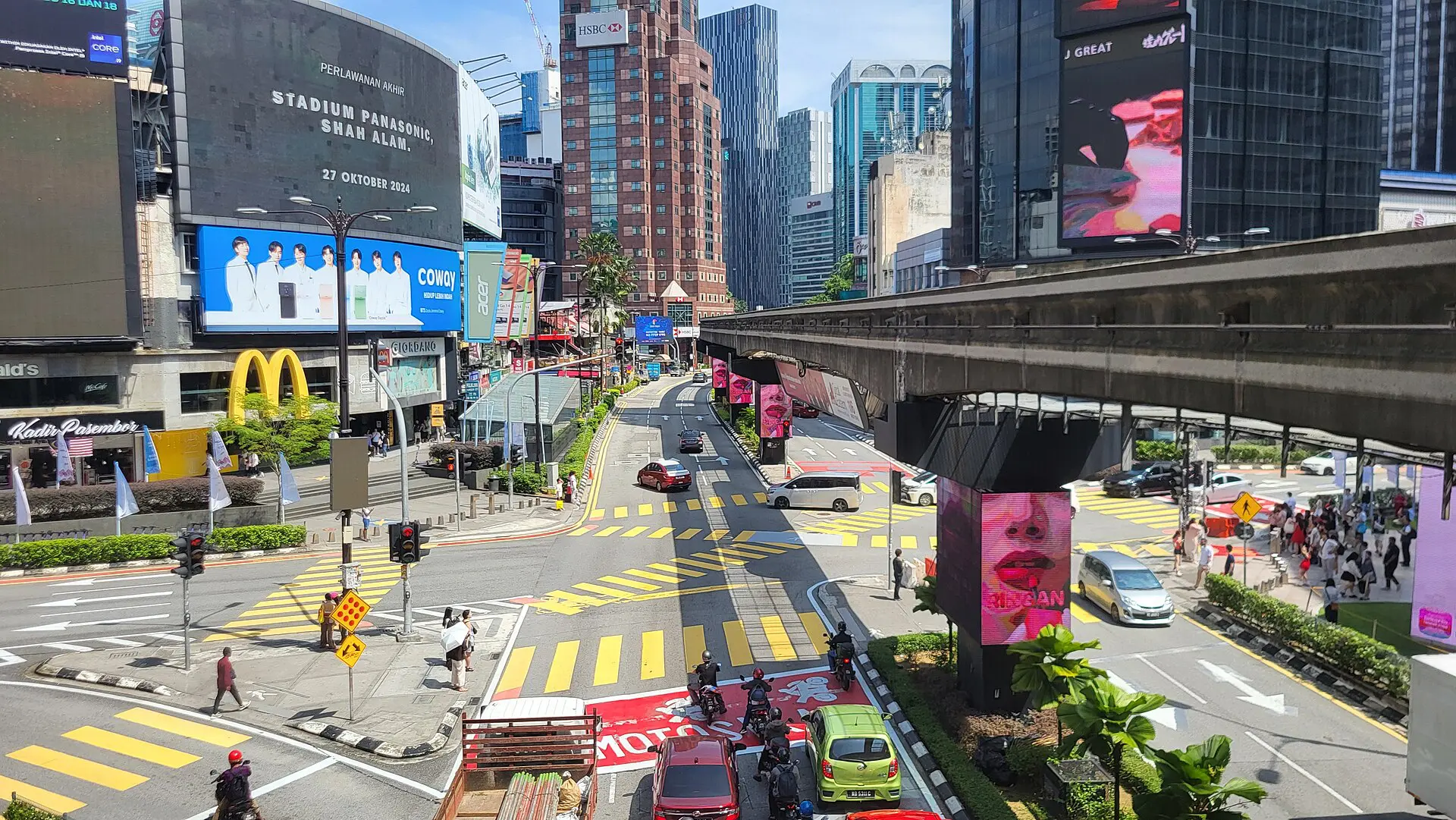
Bukit Bintang is the main shopping and nightlife district, with many hotels and restaurants, and suits first-time visitors who want to be in the centre of things. It is lively and can be noisy.
The area around the Petronas Towers is more upmarket, with high-rise hotels and views. Chinatown and the old centre suit travellers who want history and street food close by, often with budget options. Brickfields and KL Sentral are practical for transport links. Some five-star hotels are very cheap, so it is worth comparing prices, but check what is included and the location before you book.
How many days do you need?
Two days covers the towers, the old centre, street food and Batu Caves. Three days gives time for a slower pace, museums and more food. Add one or two days if you want to visit Putrajaya or the hills.
- Day 1: Batu Caves in the morning, then Merdeka Square and Chinatown, followed by street food in the evening.
- Day 2: Perdana Botanical Gardens and a museum, then the Petronas Towers and a mall for the afternoon.
- Day 3: A day trip to Putrajaya or a slower day of food and shopping.
Day trips and nearby
Putrajaya
This planned administrative city lies south of KL and is known for its wide lakes, bridges and government buildings. It is easy by train or taxi, and works as a half-day trip.
Genting Highlands
This hill resort lies in the mountains north-east of the city and is reached by road and cable car. Check current transport options. It is cooler than the city and suits a day out.
Malacca City
Malacca is a historic port town reachable by bus in a couple of hours, though check schedules. It is better with an overnight stay but can be done as a long day trip.
Cameron Highlands and Ipoh
Both are farther north and require a few hours each way, so they suit a separate overnight trip. Cameron Highlands is cooler and known for tea plantations, and Ipoh is known for food.
FAQ
Q1When is the best time to visit Kuala Lumpur?
The city is hot and humid all year, so the main factor is rain. Mid-year tends to be drier, and the end of the year is often wetter. Afternoon storms are common, so schedule outdoor sights for the morning and keep an umbrella handy.
Q2How many days do you need in Kuala Lumpur?
Two to three days is enough for the Petronas Towers, Batu Caves, the old centre, Chinatown and street food. Add one or two days if you want to visit Putrajaya, the Genting Highlands or other places by day trip.
Q3How do you get to Kuala Lumpur?
Kuala Lumpur International Airport (KLIA) is the main gateway, with an express train to KL Sentral in around half an hour. Buses, taxis and ride-hailing are also available. Check current schedules and options before you travel.
Q4Is Kuala Lumpur cheap?
It is generally good value compared with many capitals, with low-cost street food and relatively cheap hotels. Some of the world's cheapest five-star hotels are here. Prices vary by area and season, so check current rates, and budget more for malls and tourist attractions.
Prices, schedules and entry rules change. Check current details with official sources before you travel. Read the Malaysia travel guide.