Why visit Ipoh
If you want things to do in Ipoh, the main answers are eating, wandering and visiting caves. The capital of Perak sits on the Kinta River, nearly 200 km north of Kuala Lumpur and 150 km southeast of George Town, and had about 760,000 residents in the 2020 census.
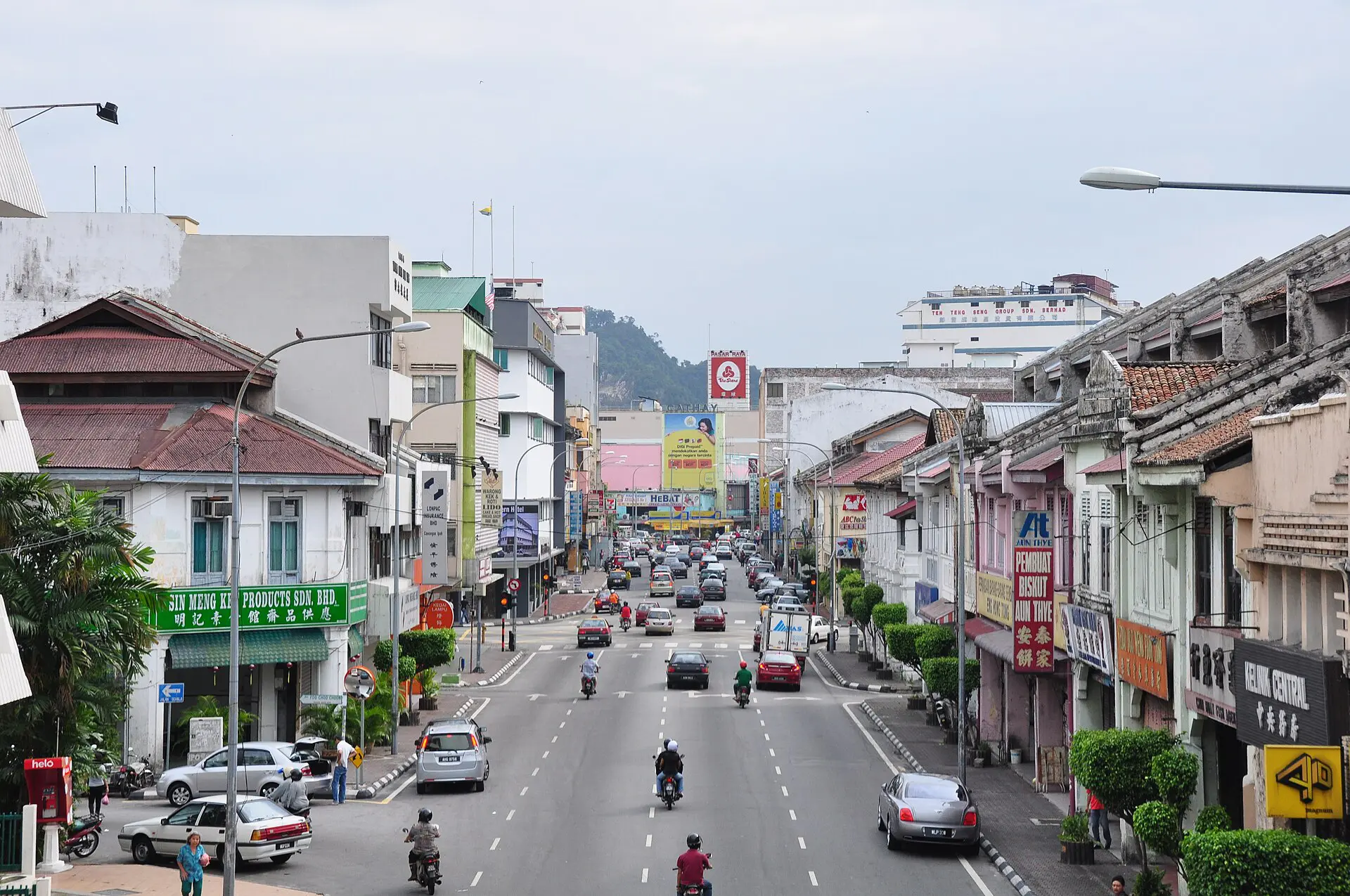
Ipoh grew as a tin-mining boom town after rich deposits were discovered in the Kinta Valley in 1876. Many Chinese immigrants came to work in the mines and supporting trades. Its heyday was in the early 20th century, and the city is now better known for restaurants, hawkers and local dishes.
Efforts to conserve British colonial-era architecture have boosted tourism, and limestone hills around the city hold Buddhist cave temples. Ipoh sits on the West Coast rail line and the North-South Expressway, so it is an easy stop between Kuala Lumpur and Penang.
Top things to do in Ipoh
Ipoh Old Town
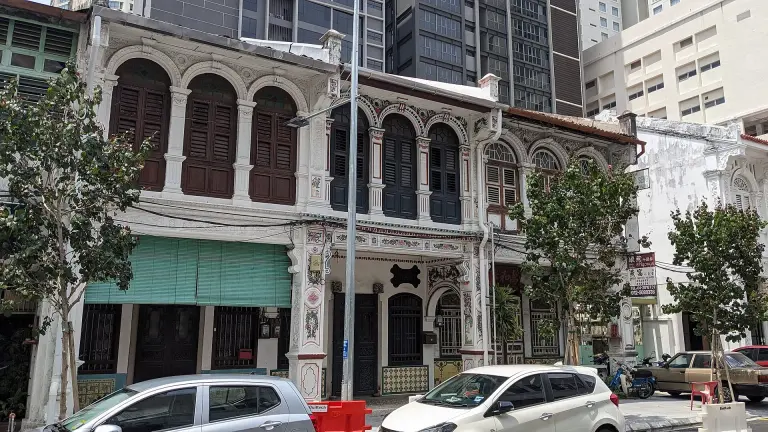
The colonial-era streets hold restored shophouses, cafes and murals. Allow two to three hours on foot, ideally in the morning before the heat. Look for the old Kinta River side of the centre, and stay aware of traffic on narrow streets.
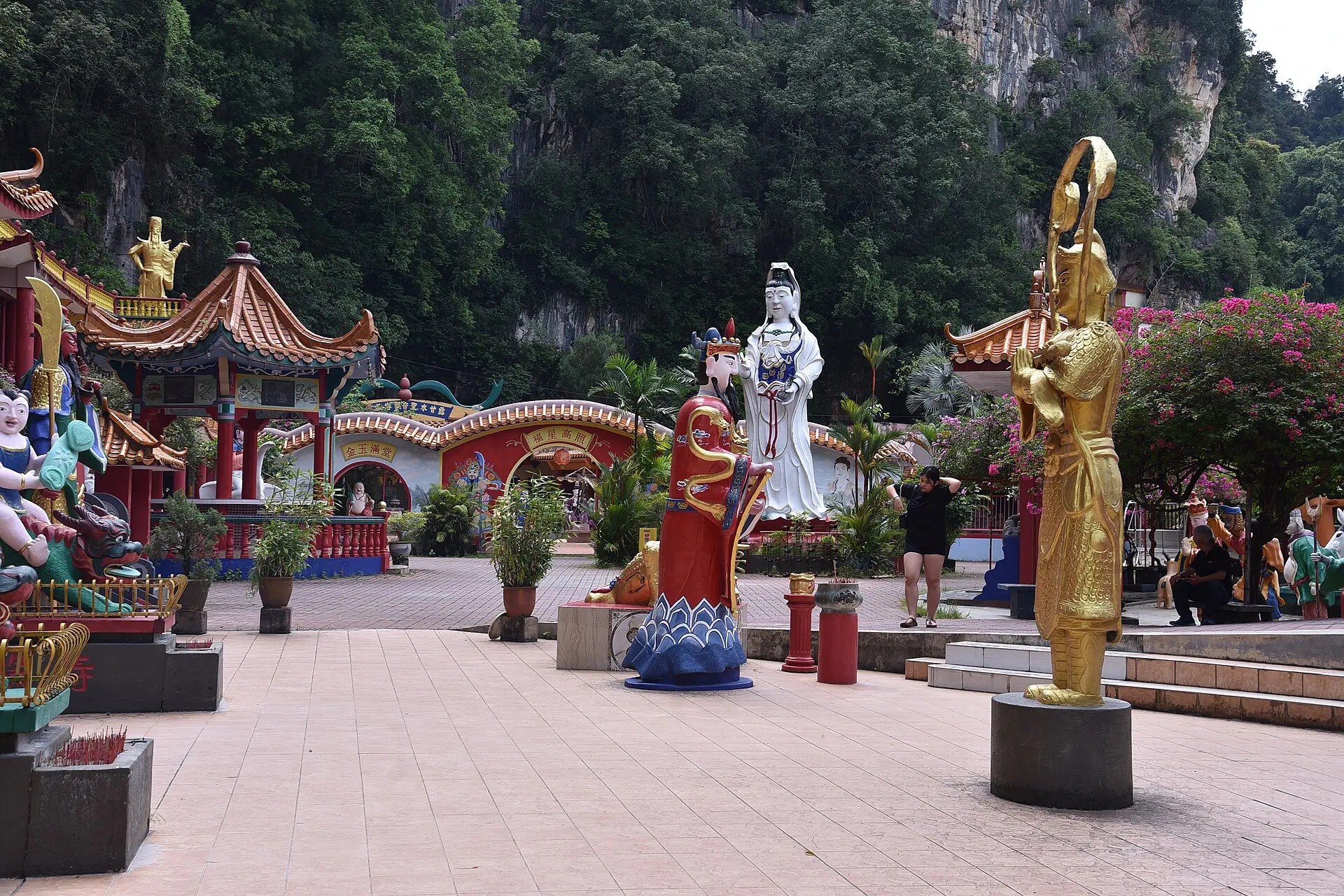
Cave temples in the limestone hills
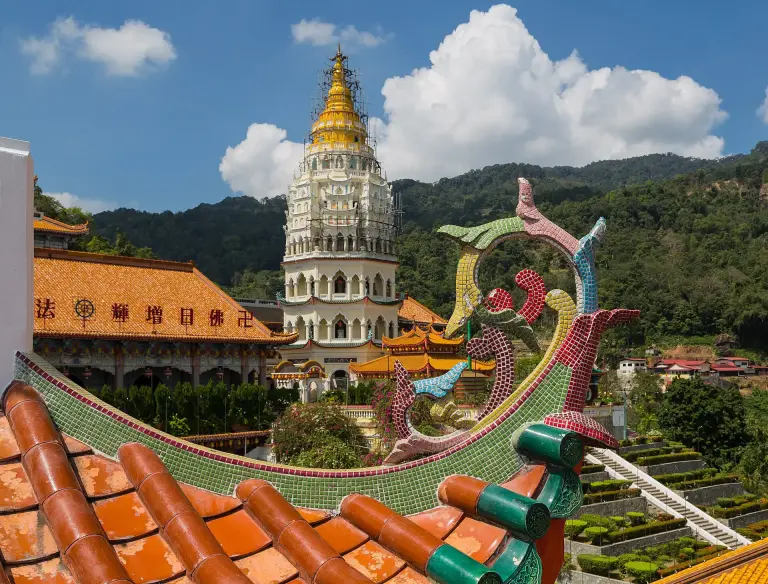
There are limestone hills and caves with Buddhist temples built inside them. Perak Tong and Sam Poh Tong are two well-known examples. Allow one to two hours each, dress modestly and watch for steep steps and monkeys.
Ipoh Railway Station
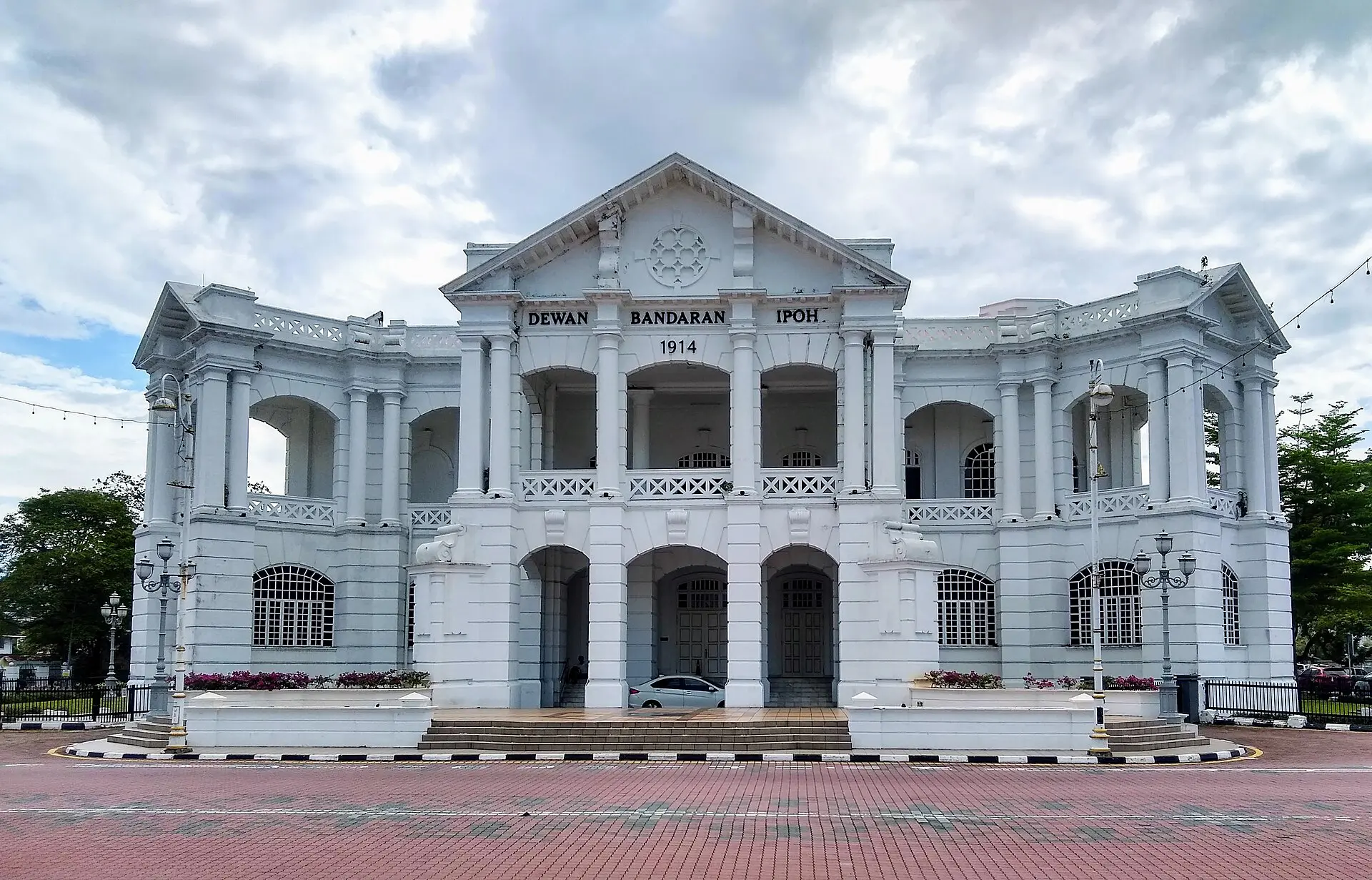
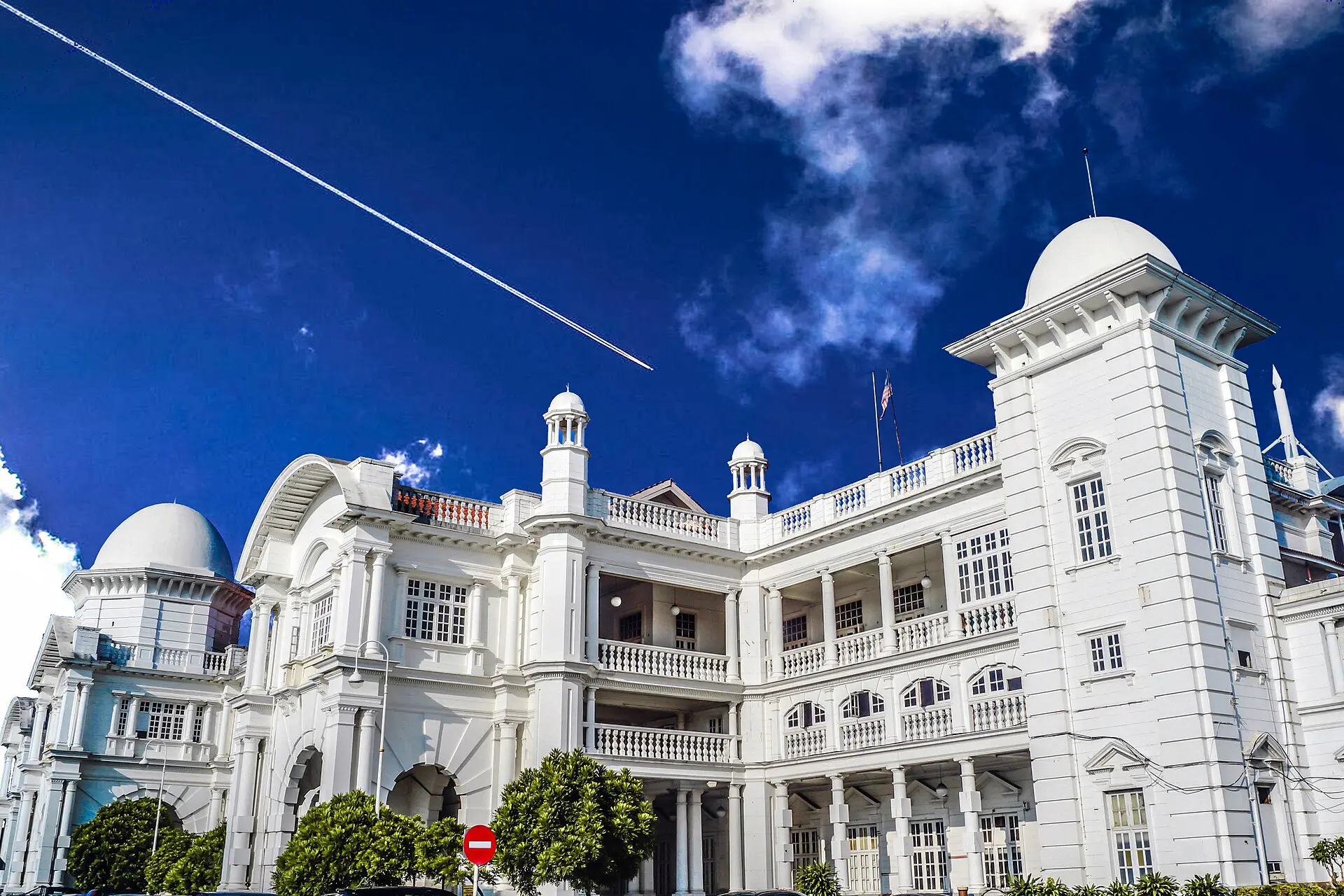
The grand colonial station, nicknamed the Taj Mahal of Ipoh for its style, is a photogenic landmark and an active station. A short visit of about 20 minutes works. Look at the facade and nearby town hall, and check access if you wish to enter.
Local food
Ipoh is known for its white coffee, chicken and bean sprout dishes, hawker stalls and street snacks. Allow time for several meals. Go early at popular stalls, bring small notes and try one or two dishes at a time.
Concubine Lane and street art
A narrow lane in the old town is lined with shops, snacks and souvenirs, and murals appear on walls across the centre. Allow an hour. It gets crowded at weekends, so aim for weekday mornings.
Kellie’s Castle and nearby heritage
Just outside the city, this unfinished mansion is a popular detour for its unusual history. Allow an hour or two by taxi or ride-hailing. Check the opening hours and ticket price in advance.
Cafes and night walks
Old shophouses now host coffee shops and small bars. Spend an evening in the old town, where lighting and a cooler temperature make it pleasant. Plan transport back, as some streets are quiet late at night.
Best time to visit Ipoh
Ipoh has a warm, humid tropical climate with rain possible year-round, so timing is mostly about avoiding the wettest weeks.
- March to October: Generally somewhat drier, with warm days. Afternoon thunderstorms still occur. A good general window for walking and cave visits.
- November to February: The wetter months, with heavier rain in some years. Carry a light rain jacket and plan flexible indoor stops.
- Festivals and holidays: Chinese New Year and other holidays can bring crowds and closures at food stalls, so check ahead.
Mornings are cooler and are best for sightseeing, while afternoons suit cafes and indoor activities.
How to get to Ipoh and around
Ipoh is served by Sultan Azlan Shah Airport, with a limited set of domestic and regional flights. Most visitors arrive overland. The city is nearly 200 km north of Kuala Lumpur and 150 km southeast of George Town, so buses and cars take roughly 2.5 to 3.5 hours depending on the route.
The Malayan Railway’s West Coast Line stops in Ipoh, and the train is a comfortable alternative to the bus, with timetables to check in advance. The North-South Expressway passes through the city, which makes driving straightforward.
The old town is compact and walkable, but sights such as cave temples and Kellie’s Castle are spread around the city. Ride-hailing apps and taxis are the easiest way to reach them. Local buses exist, but schedules are limited.
Where to stay in Ipoh
Staying in or near the old town makes it easy to walk to food and heritage sights.
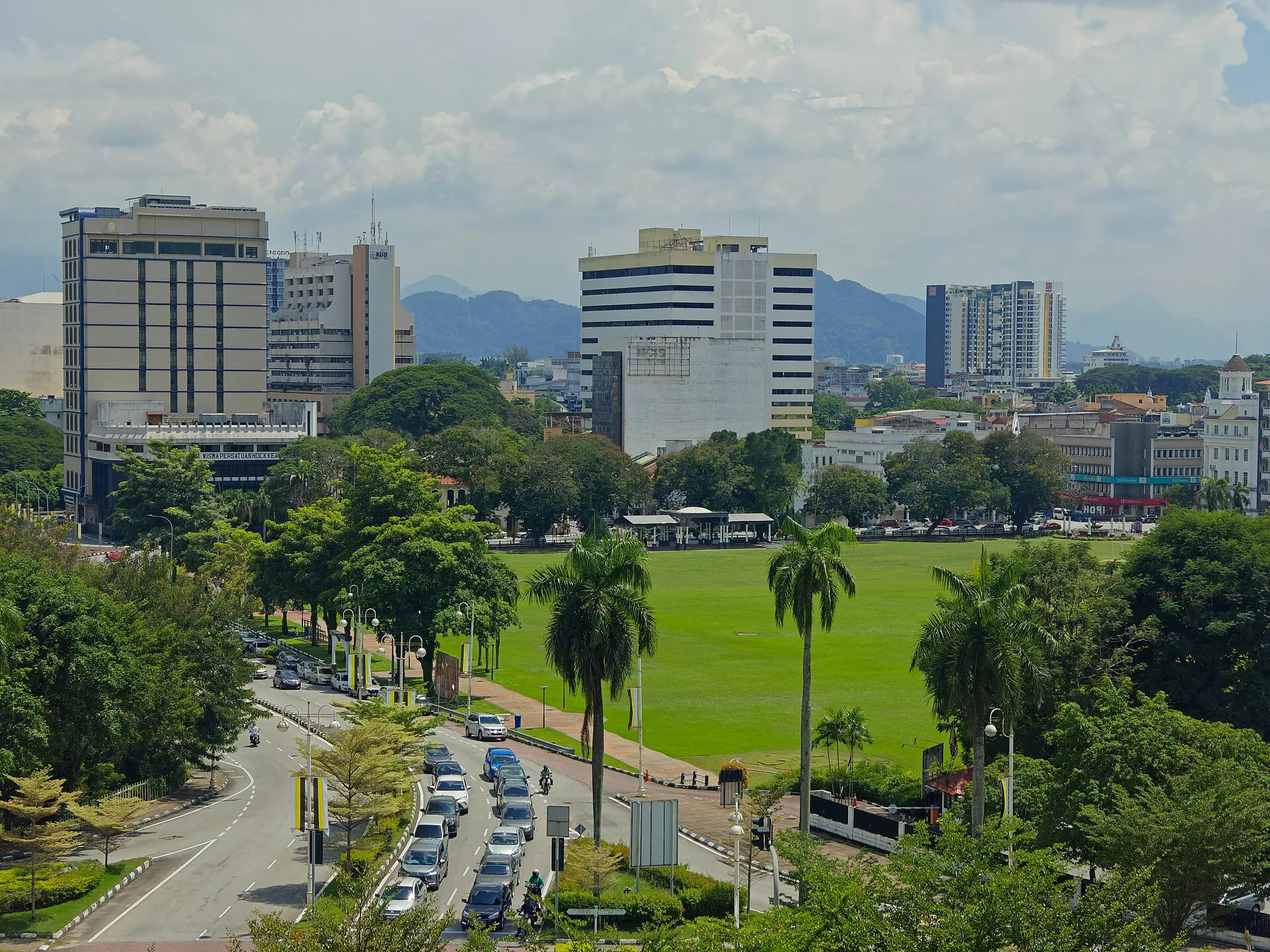
- Old Town: Boutique guesthouses and converted shophouses near cafes and restaurants. Best for first-time visitors and food lovers, though some streets can be noisy at night.
- New Town: Larger hotels and shopping areas on the other side of the river. Suits travellers who want familiar chains, parking and easy transport.
- Near the cave temples and outskirts: Quieter budget and mid-range stays with easier parking. A fit for road-trippers with a car.
Book ahead for holiday weekends. Check the walking distance to your first-choice food stalls before you pick a location.
How many days do you need?
Two days is enough for the old town, a cave temple and a good run of meals. Add a third day for Kellie’s Castle or a trip to the highlands. A single day suits a quick stop between Kuala Lumpur and Penang.
- Day 1: Explore Old Town and the railway station, have lunch at a local stall, then visit a cave temple in the afternoon.
- Day 2: Take a morning drive to Kellie’s Castle or another outlying site, then a late lunch and a stroll through the cafe streets.
- Day 3: Continue to the Cameron Highlands or Pangkor Island, both easy from Ipoh.
Day trips and nearby
Cameron Highlands
Ipoh is a gateway to the Cameron Highlands, a cooler hill region with tea estates. It is roughly two to three hours by road each way, so consider an overnight stay and check road conditions.
Pangkor Island
This island off the coast is also reached from the Ipoh region, with ferries from the mainland. Plan a full day or an overnight beach stay, and check ferry times in advance.
Penang and George Town
About 150 km north-west, George Town is known for heritage streets and food. It makes a long day trip or a natural next stop by bus or train. Check the schedule.
Kuala Lumpur
Malaysia’s capital lies nearly 200 km south and is the main alternative base. It is better as a separate stay than a day trip, though the trip is straightforward by train or bus.
FAQ
Q1How many days do you need in Ipoh?
Two days is enough for the old town, a cave temple and several meals. Add a third day if you want to see Kellie's Castle or continue to Cameron Highlands or Pangkor Island. One day suits a quick stop between cities.
Q2When is the best time to visit Ipoh?
March to October is generally drier, though afternoon showers are common. November to February is wetter. It is warm and humid year-round, so plan outdoor sightseeing for the morning and keep afternoons flexible.
Q3How do you get to Ipoh from Kuala Lumpur?
Ipoh is nearly 200 km north of Kuala Lumpur. You can take a train on the West Coast Line, a bus or drive on the North-South Expressway. Journeys usually take a few hours, so check current timetables and fares.
Q4Is Ipoh worth visiting?
Yes, especially for food, restored colonial streets and cave temples. It is quieter than Kuala Lumpur and George Town, and it suits a relaxed two-day stop. It is less appealing if you want beaches or big landmarks.
Prices, schedules and entry rules change. Check current details with official sources before you travel. Read the Malaysia travel guide.