Why visit Israel
Israel travel packs unusual variety into an area of about 20,770 square kilometres: the layered holy city of Jerusalem, a Mediterranean coast with a busy beach city, the lowest point on Earth at the Dead Sea, and desert craters in the Negev (see the Wikipedia overview). Distances are small, so a first trip can include a city, a desert and a coast in a week.
It suits history and religious-heritage travellers from Jewish, Christian and Muslim traditions, food lovers, archaeology fans and anyone who likes a fast, opinionated urban culture. It is less suited to travellers who want a predictable, low-risk holiday: the situation has been volatile since October 2023, and conditions vary sharply by region.
Read the safety section first, and expect to adjust plans on short notice. Israel is also one of the costliest countries in the region.
Best places to visit in Israel
The best places to visit in Israel centre on Jerusalem, Tel Aviv and the Dead Sea corridor. Confirm current conditions for any area before going, particularly in the north and south.
Jerusalem
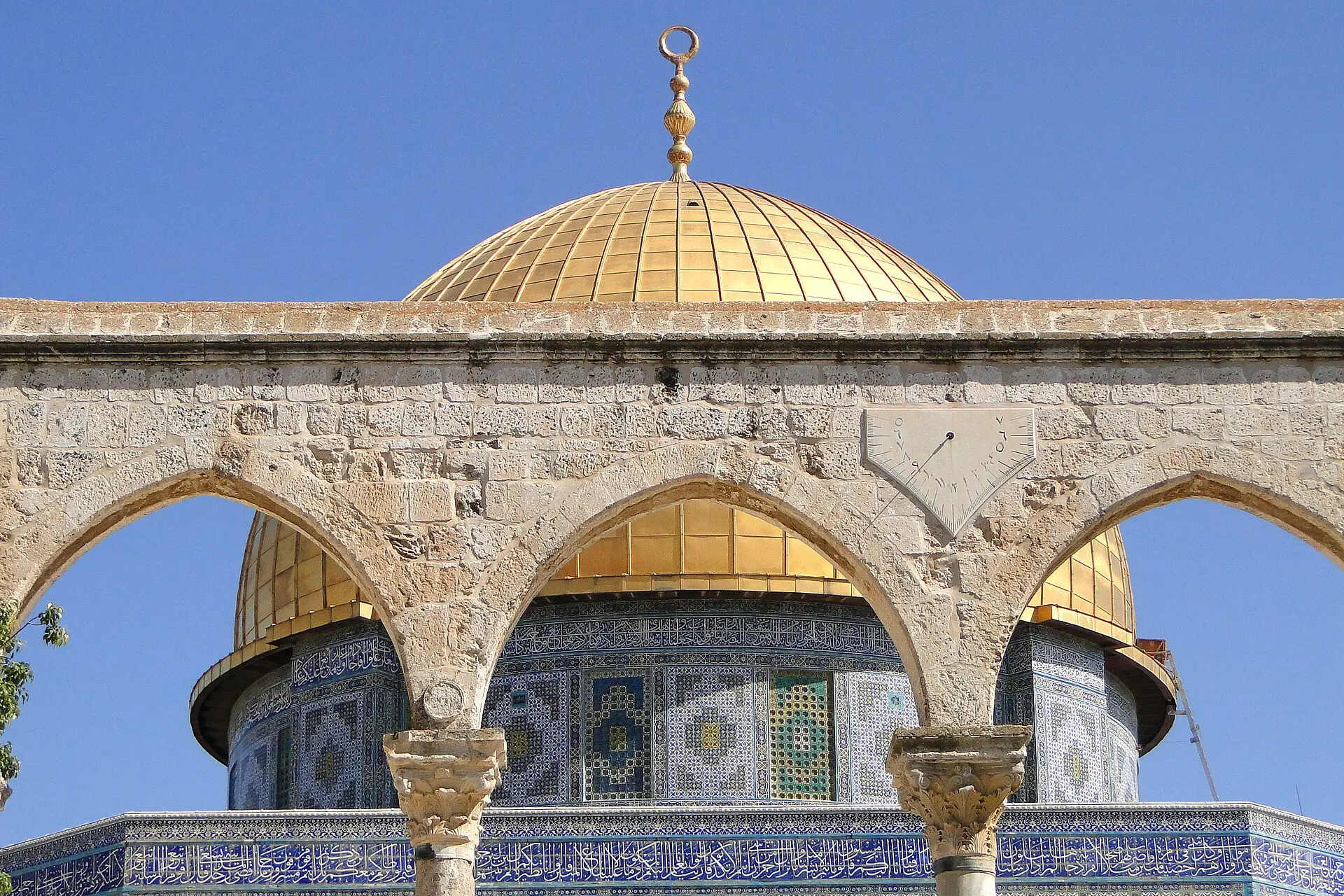
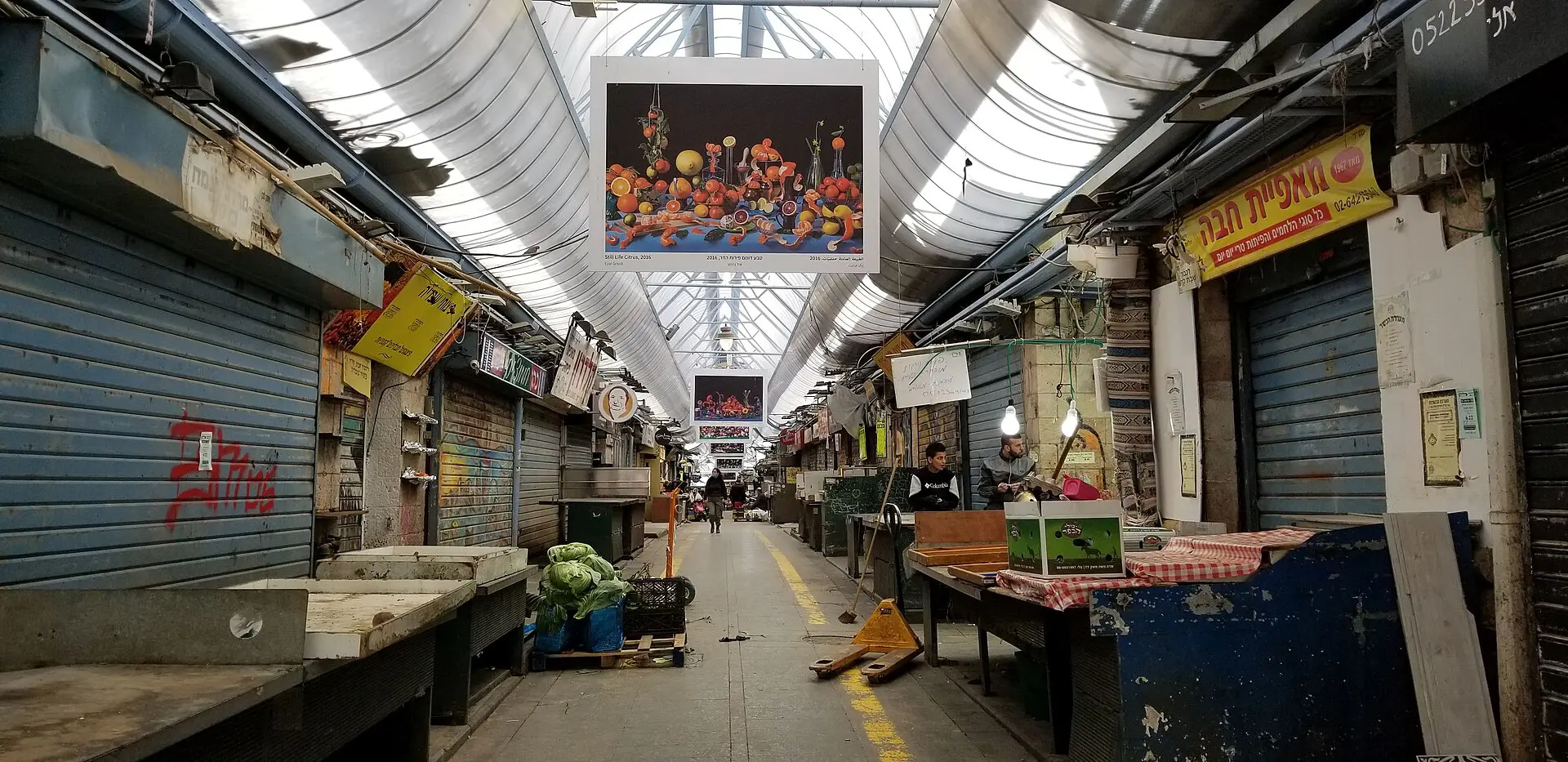
The Old City holds the Western Wall, the Church of the Holy Sepulchre and the Haram al-Sharif with the Dome of the Rock. Beyond the walls, the Israel Museum and Mahane Yehuda market show a different side of the city. Allow at least two days.
Tel Aviv and Jaffa
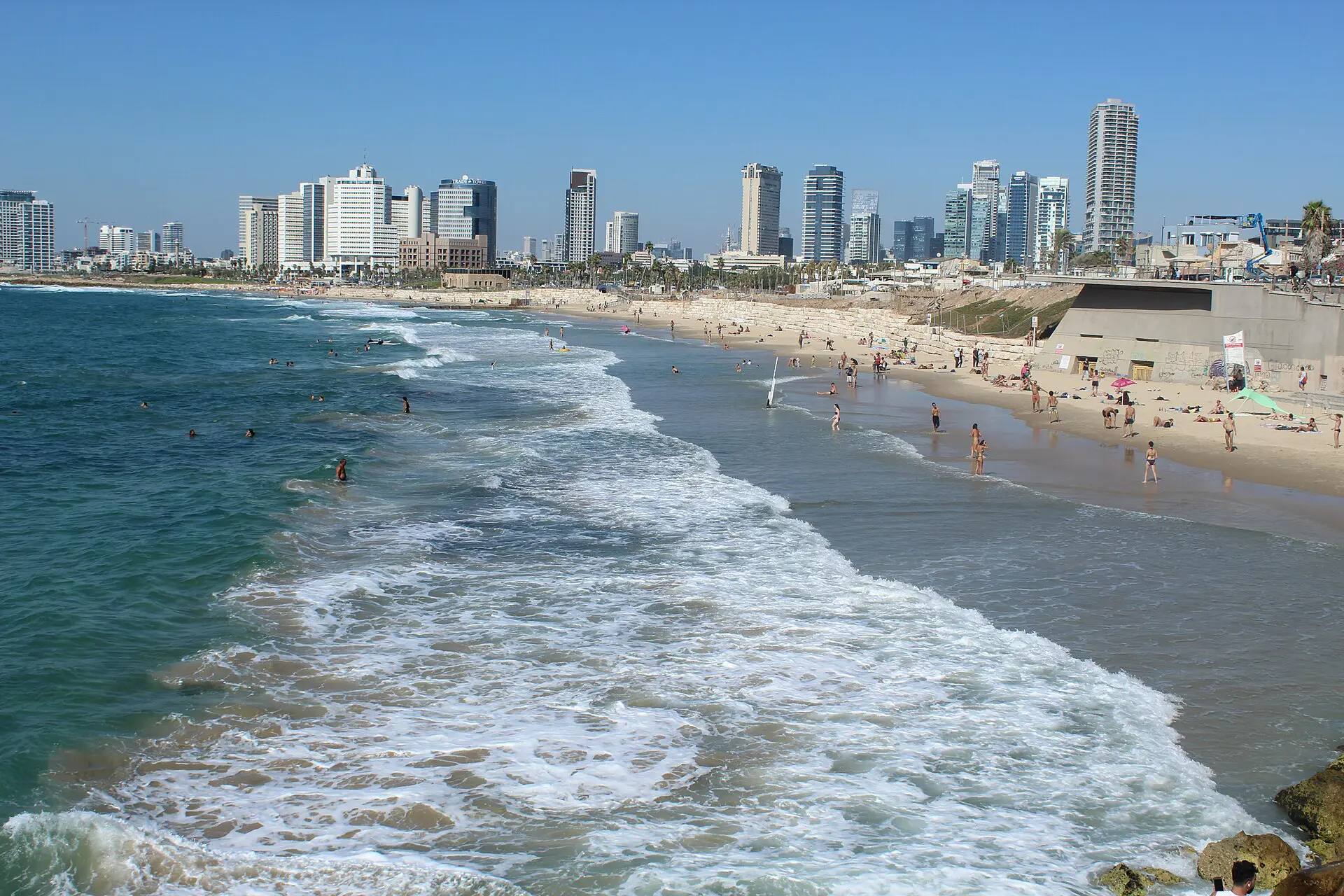
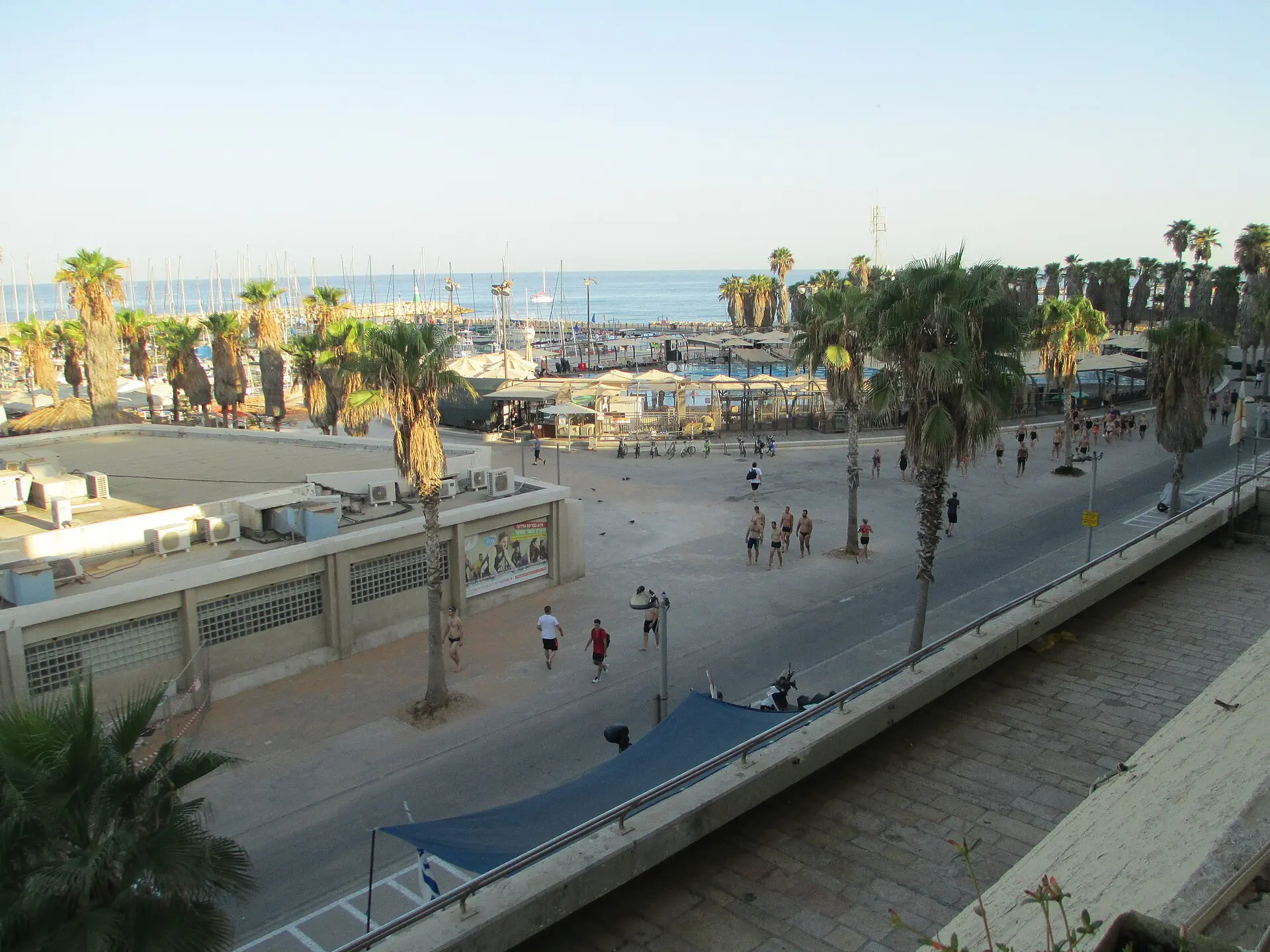
Tel Aviv is the country’s coastal city, known for Bauhaus architecture, beaches, cafés and nightlife. Old Jaffa, to the south, has a port, flea market and stone alleys.
Dead Sea and Masada
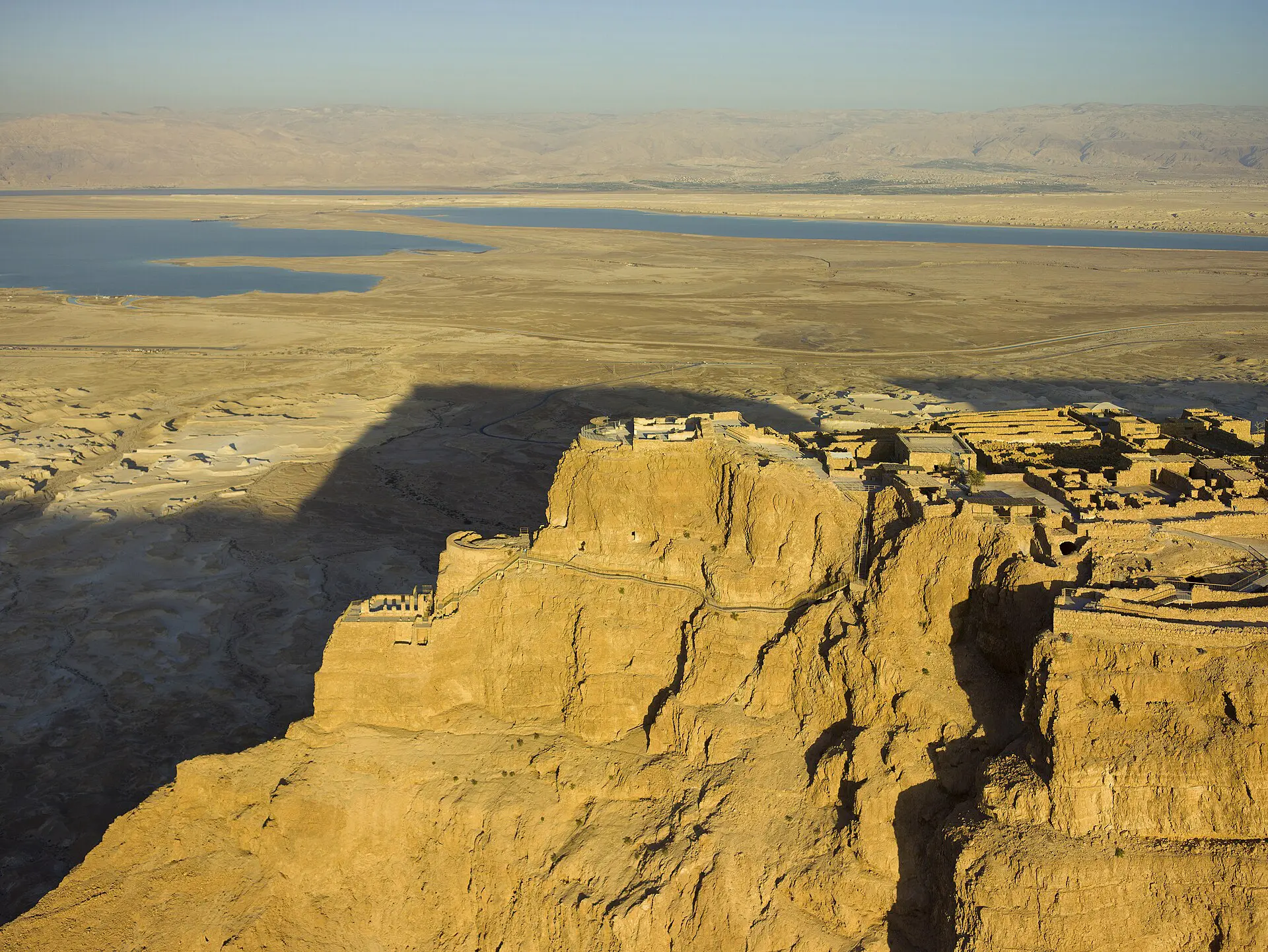
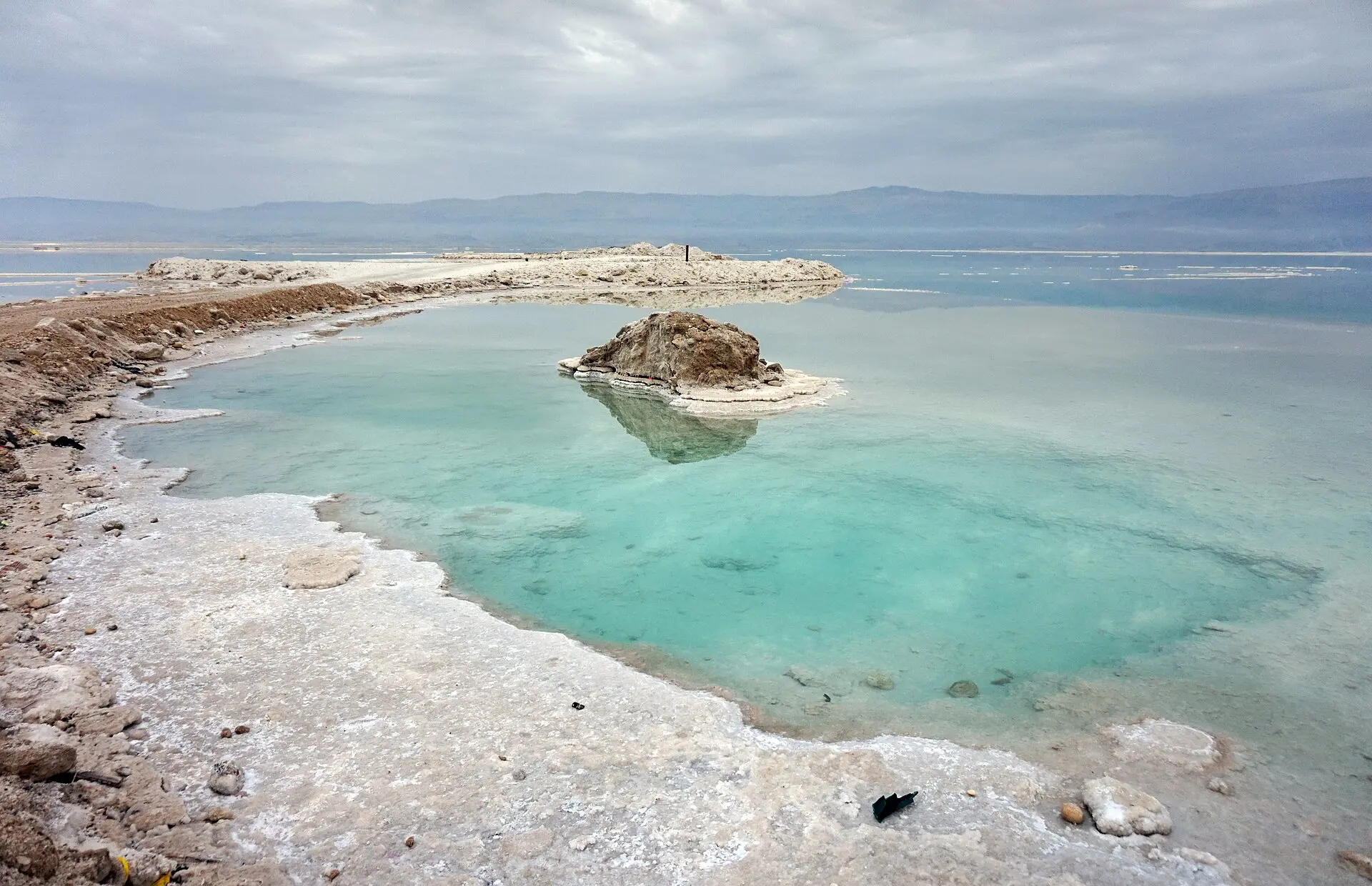
The Dead Sea shore offers floating in salty water and mud treatments. Nearby Masada, a hilltop fortress built by Herod, is a UNESCO site and a popular sunrise climb.
Haifa and Akko
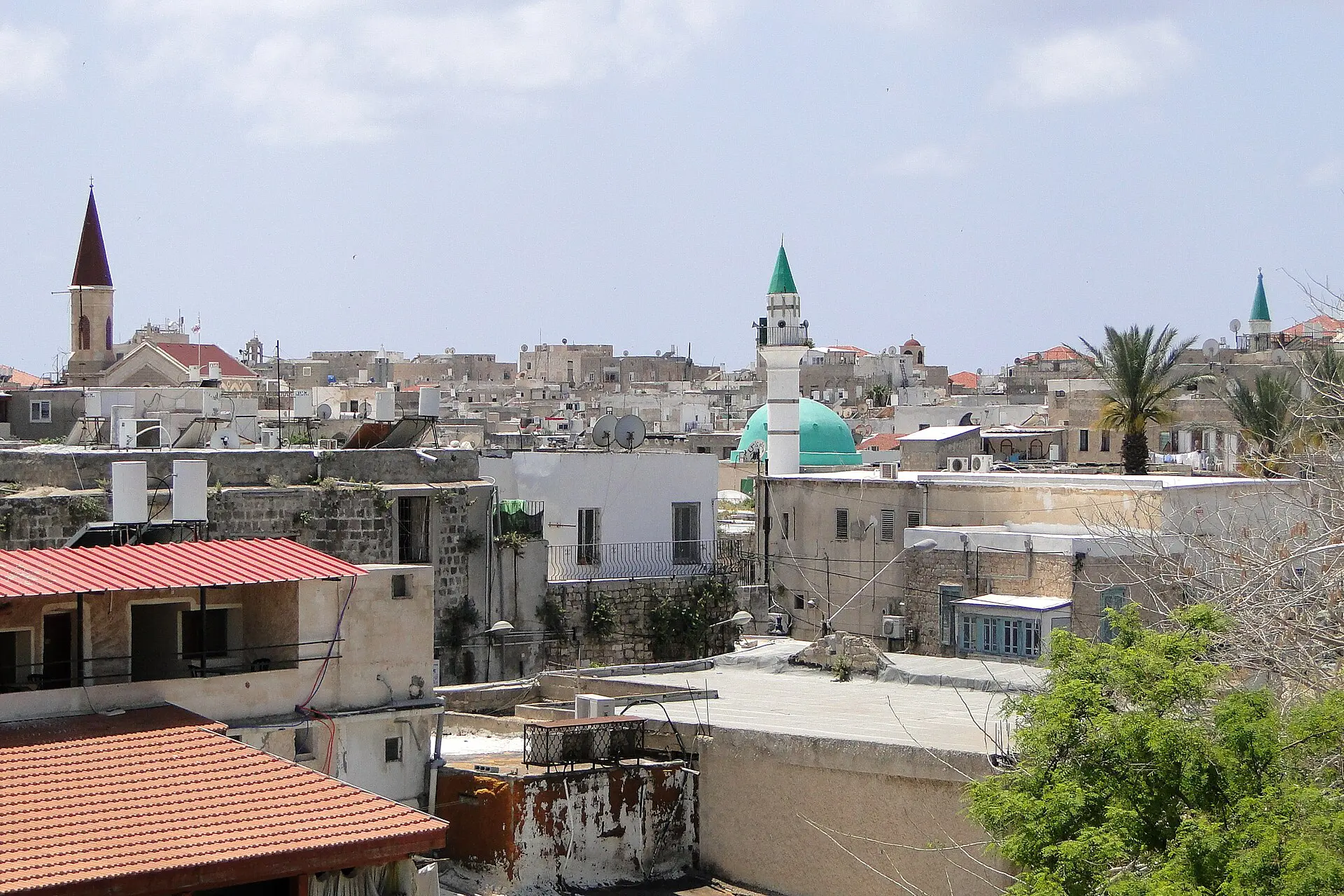
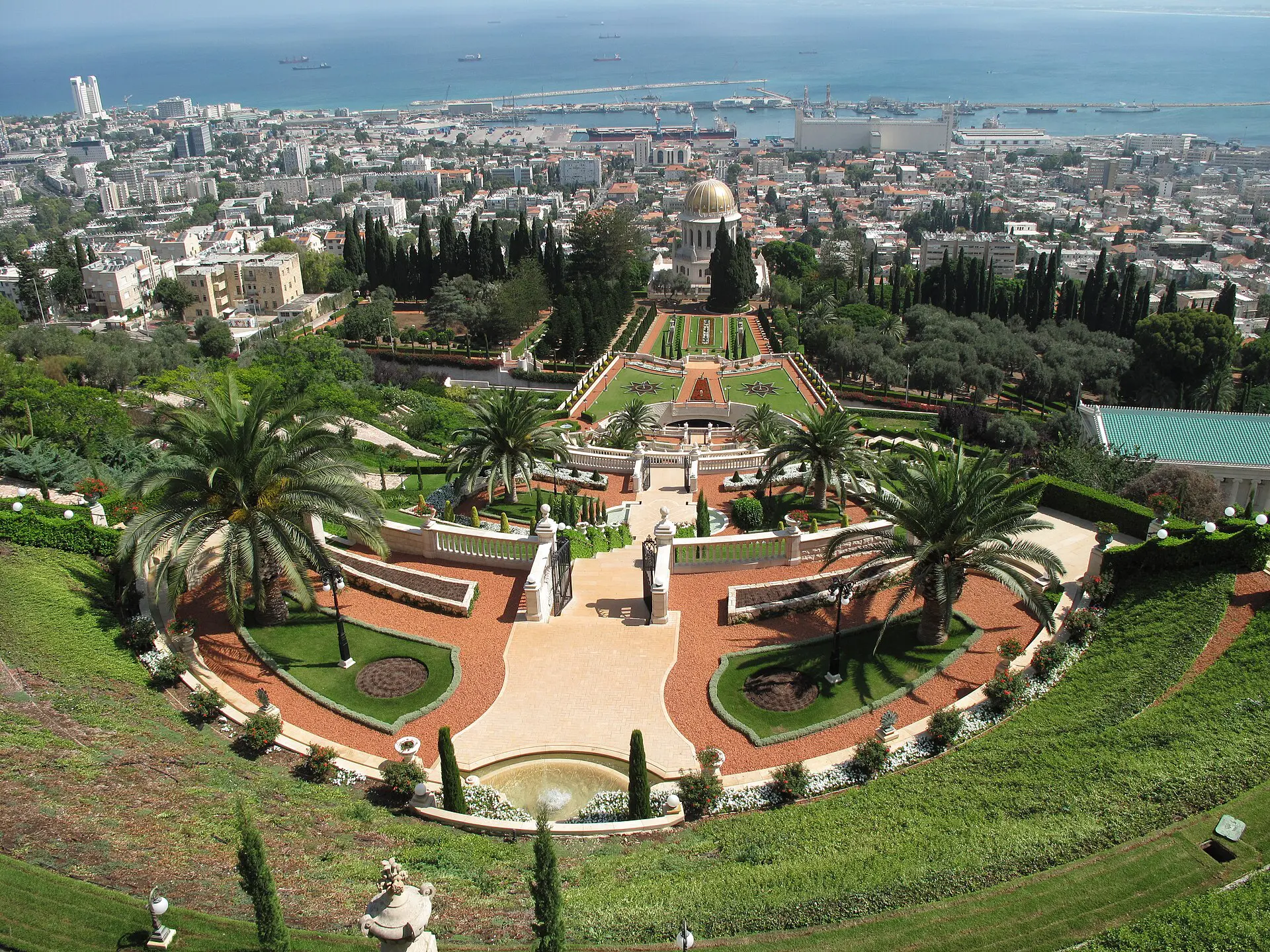
Haifa’s terraced Baha’i Gardens climb Mount Carmel, while Akko (Acre) has a Crusader citadel and an intact Ottoman port.
Negev and Mitzpe Ramon
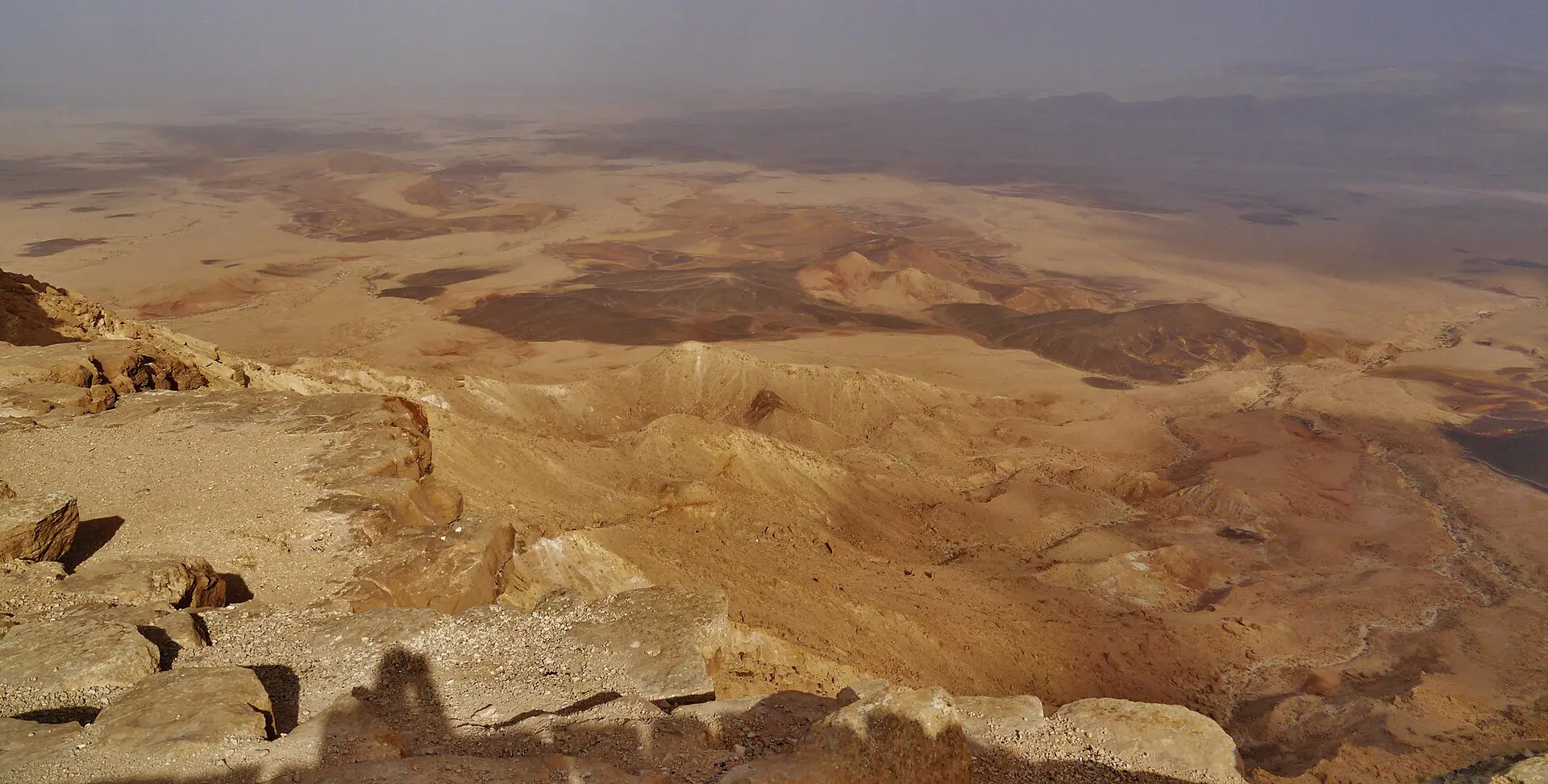
Mitzpe Ramon sits on the rim of the Ramon Crater, a vast erosion cirque with hiking and stargazing.
Galilee
The Sea of Galilee region has Christian pilgrimage sites and Safed, but areas near the northern border may be restricted.
Top things to do in Israel
The top things to do in Israel mix ancient sites, beaches and markets, and many are within an hour or two of each other.
- Walk Jerusalem’s Old City: pass through the four quarters, and follow the Via Dolorosa, the Western Wall and the Church of the Holy Sepulchre.
- Climb Masada at sunrise: take the Snake Path or the cable car for views over the Dead Sea.
- Float in the Dead Sea: public beaches such as Ein Bokek have showers and facilities.
- Explore Old Jaffa: wander the port, flea market and lanes in the evening.
- Eat at Carmel Market: Tel Aviv’s busiest food market has fresh produce and street snacks.
- Visit Yad Vashem: the Holocaust memorial in Jerusalem is sober and well designed; book ahead.
- Tour Akko’s Crusader halls: a medieval citadel and a working Ottoman-era port.
- Hike Ein Gedi: waterfalls and pools in a desert oasis nature reserve.
- Stargaze at Mitzpe Ramon: the crater has low light pollution and clear skies.
- Cycle Tel Aviv’s coastline: a flat promenade links Jaffa and the northern beaches.
Best time to visit Israel
The best time to visit Israel is March to May and September to November, when temperatures are comfortable for sightseeing and hiking. Summer is hot and humid on the coast and extremely hot in the Dead Sea and Negev, while winter is mild by the sea but cool and rainy in Jerusalem. Jewish holidays and Shabbat change prices and opening hours.
| Season | Weather | Crowds and prices | Good for |
|---|---|---|---|
| Spring (Mar-May) | Warm, wildflowers, some rain early | High around Easter and Passover | Hiking, cities, Galilee |
| Summer (Jun-Aug) | Hot; above 40 C at the Dead Sea | High on the coast | Beaches, Tel Aviv, early-morning sites |
| Autumn (Sep-Nov) | Warm, then milder | Busy during September and October holidays | Sightseeing, Negev |
| Winter (Dec-Feb) | Mild on the coast, cool and wet inland | Lower, except Christmas | Dead Sea, Eilat, museums |
Book well ahead for Easter, Passover and the autumn holidays, and note that Ramadan affects Muslim-majority areas such as East Jerusalem and Akko’s old market.
Is Israel safe to visit?
Israel can be visited, but it carries elevated risk, and the answer depends on the area and the news that week. Missile and drone attacks, security incidents and sudden airport or airspace closures have occurred since October 2023. Check your government’s current advice, such as the UK FCDO or US State Department pages, and make sure your insurance covers Israel.
Is Israel safe? Where advice differs
Governments commonly advise against travel to Gaza, the area close to the Gaza border, the Lebanon and Syria border zones and much of the West Bank. Tel Aviv, Jerusalem, the Dead Sea and most of the south have generally been more open to visitors, though they have also been affected by incoming fire at times.
Practical safety
Know where the nearest shelter is, and follow instructions from the Home Front Command app or hotel staff if sirens sound. Expect bag checks at many entrances. Ordinary crime against tourists is low, and petty theft and taxi overcharging are the usual annoyances. In summer, drink water and avoid midday hiking in the desert. If you travel alone, tell someone your plans, and check events before visiting sensitive sites such as the Temple Mount area, which can close without notice.
Israel visa and entry requirements
Israel visa rules depend on your nationality. Visitors from the EU, the UK, the US, Canada, Australia and many other countries have generally been able to enter visa-free for up to 90 days, but Israel has introduced an electronic travel authorisation (ETA-IL) for visa-exempt travellers, so confirm whether you need it. Others must apply through an Israeli embassy. Check the Israeli Population and Immigration Authority before booking.
Your passport should be valid for at least six months beyond your stay. Israeli border officers may ask detailed questions about your plans, and travellers have sometimes been refused entry or held for further checks, so carry accommodation and onward travel details. Israel normally issues a separate entry card rather than a passport stamp.
Some countries, such as Lebanon, Iran, Syria, Iraq, Yemen and others, do not accept passports with Israeli entry records, and may refuse entry to the holder. Crossing into the West Bank or Jordan can involve extra documents. The UNESCO page for Israel lists heritage sites, but it does not cover entry rules.
Getting to and around Israel
Most visitors fly to Ben Gurion Airport near Tel Aviv. Ramon Airport in the south serves Eilat. Flight schedules have been disrupted by regional events, and some airlines have suspended or reduced services, so check your carrier and book flexible fares. Land crossings with Jordan and Egypt exist, though availability and rules vary.
Intercity trains link Ben Gurion, Tel Aviv, Haifa, Akko and Nahariya, with a fast line to Jerusalem; Tel Aviv to Jerusalem takes around 30 minutes by train and Tel Aviv to Haifa about an hour. Buses reach almost everywhere. Public transport largely stops from Friday afternoon to Saturday evening for Shabbat, except in some Arab and mixed towns. Light rail runs in Tel Aviv and Jerusalem, with Shabbat limits in Jerusalem.
A rental car is useful for the Dead Sea, Negev and Galilee. Driving is on the right, and highways are good but busy. Taxis and ride-hailing apps work in cities; Shabbat fares may be higher. Plan around checkpoints if you travel into the West Bank, which many governments advise against.
How much does a trip to Israel cost?
Israel is among the most expensive destinations in the region. The currency is the Israeli new shekel (ILS), and cards are accepted almost everywhere. Figures below are rough per-person daily guides for 2026 and vary with exchange rates, season and conditions.
- Budget: around USD 90 to 130 per day, with hostel beds, falafel and market meals, and buses.
- Mid-range: around USD 180 to 300 per day, with a comfortable hotel, restaurant meals and some tours or car hire.
- High-end: from USD 400 per day, with boutique hotels in Tel Aviv or Jerusalem and guided tours.
Accommodation is the biggest cost, especially in Tel Aviv and around holidays. Restaurant meals are pricey, but falafel, hummus and market food keep daily costs down. Entry fees to sites such as Masada, Yad Vashem (free) and national parks are moderate; a national parks pass can save money. Visitors can often claim back VAT on some hotel stays and purchases, so ask. Note that Shabbat can reduce opening hours and raise taxi prices.
Israel food and drink
Israel food reflects waves of immigration, so you will find Middle Eastern, North African, Eastern European and Mediterranean dishes in one city. Markets and small hummus places are often better than formal restaurants.

- Hummus: a creamy chickpea paste, often eaten warm with pita, tahini and fava beans.
- Falafel and sabich: fried chickpea balls, and a pita stuffed with aubergine, egg, salad and amba.
- Shakshuka: eggs poached in a spiced tomato and pepper sauce, served for breakfast.
- Israeli salad: finely chopped tomato and cucumber with olive oil and lemon.
- Malawach and jachnun: flaky Yemenite breads served with tomato and egg.
- Halva and knafeh: sesame sweets and a hot cheese pastry soaked in syrup.
- Israeli wine and local beer: wineries operate in the Galilee, Judean Hills and Negev.
Kosher rules shape many menus: kosher restaurants do not mix meat and dairy and close on Shabbat, while non-kosher places are common in Tel Aviv and Arab towns. Vegetarians and vegans are well served, because Tel Aviv has a large plant-based scene and many traditional dishes are meat-free. Always check Shabbat opening times.
Culture, language and etiquette in Israel
Hebrew and Arabic are the official languages, and English is widely spoken in cities and tourism. Russian, French and Amharic are heard in many communities. Learning shalom (hello) and todah (thank you), or the Arabic marhaba and shukran, is appreciated.
Israelis tend to be direct, informal and quick to start conversation. Shabbat, from Friday sunset to Saturday night, shapes life: many shops, restaurants and public transport close, especially in Jerusalem and religious areas. Dress modestly in religious sites and neighbourhoods, with covered shoulders and knees, and a head covering for men at the Western Wall. Women should avoid skimpy clothing in ultra-Orthodox neighbourhoods and some Muslim areas.
The population includes Jewish, Muslim, Christian, Druze and Bahai communities, and the Israeli-Palestinian conflict is a sensitive subject. Listen more than you argue, avoid assumptions about someone’s views, and do not photograph soldiers, checkpoints or people praying without permission. Mind the rules in holy places, where silence and no eating or smoking are expected.
Israel itinerary: a 7-day route
This route stays in the central parts of the country and the Dead Sea corridor. It avoids the Gaza border area, the northern border zone and the West Bank, where many governments advise against travel. Recheck advisories and flight schedules before booking and again before you leave.
- Day 1, Tel Aviv: arrive, walk the beachfront promenade and eat in Carmel Market.
- Day 2, Jaffa and Tel Aviv: explore Old Jaffa in the morning, then Bauhaus streets and the beach.
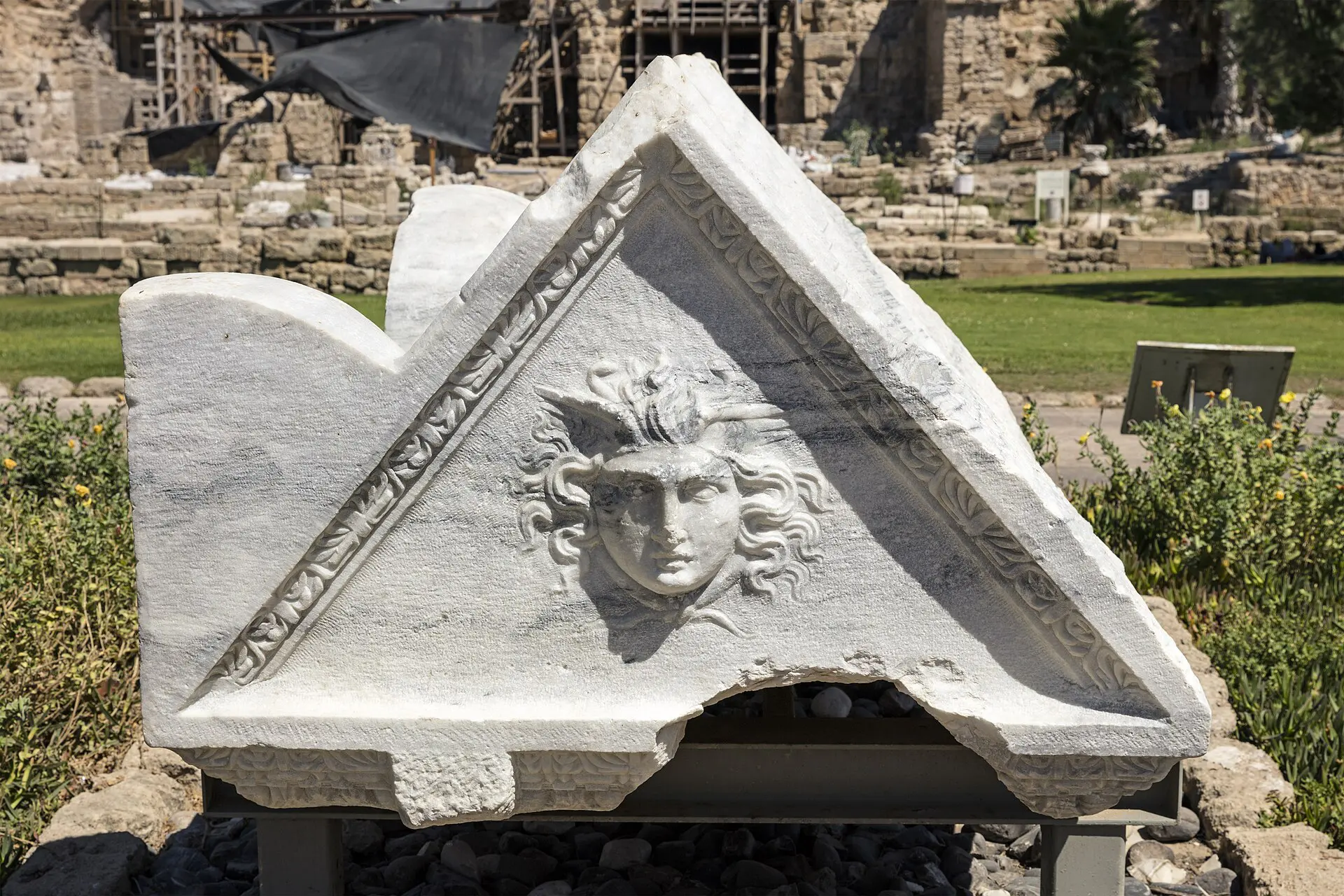
- Day 3, Caesarea and Haifa: drive or take the train north to the Roman ruins at Caesarea, then the Baha’i Gardens in Haifa (about 1 hour from Tel Aviv).
- Day 4, Akko: visit the Crusader halls and sea walls, then return south.
- Day 5, Jerusalem: travel about 45 minutes by train or bus, walk the Old City and stay in the city.
- Day 6, Jerusalem: visit the Israel Museum or Yad Vashem, then the Mahane Yehuda market, avoiding Shabbat closures.
- Day 7, Dead Sea and Masada: drive about 1.5 to 2 hours, climb Masada early, float, and return to the airport with a safe buffer.
With more time, add Mitzpe Ramon in the Negev. Skip the West Bank, including Bethlehem and Hebron, unless your government advice allows it.
Practical tips for Israel
- Insurance: check that your policy covers Israel and any disruption caused by conflict; many exclude war-related cancellations.
- Money: the shekel is the currency; cards and contactless payments are accepted everywhere, and ATMs are common. Carry a little cash for markets.
- SIM and eSIM: eSIMs and prepaid SIMs are easy to buy, and coverage is strong. Install your embassy’s alert app and the official Home Front Command app.
- Plugs: types C and H at 230 V; type H has three flat pins, so bring an adapter.
- Tipping: 10 to 15 percent in restaurants if service is not already added; round up for taxis.
- Health: drink plenty of water in the desert, wear sunscreen and avoid midday heat. Pharmacies are plentiful.
- Shabbat: buy food and arrange transport before Friday afternoon.
- Packing: modest clothes for religious sites, sturdy sandals, a hat and a swimsuit for the Dead Sea.
For wider background, see the Wikivoyage Israel guide.
FAQ
Q1What is Israel food like?
Israel food blends Middle Eastern, Mediterranean, North African and Eastern European cooking. Try hummus, falafel, sabich, shakshuka, Israeli salad, malawach and knafeh, plus local wine. Markets are the best value. Many menus are kosher, and vegetarians and vegans eat very well.
Q2What are the best things to do in Israel?
Walk Jerusalem's Old City, climb Masada at sunrise, float in the Dead Sea, explore Old Jaffa, eat at Carmel Market, visit Akko's Crusader citadel and hike Ein Gedi. Most are reachable from Tel Aviv or Jerusalem within one to two hours.
Q3Is Israel safe to visit right now?
Risk is elevated. Since October 2023 there have been missile and drone attacks and airspace disruptions, and governments advise against travel to Gaza, border zones and much of the West Bank. Check current advice, airline status and insurance before booking, and follow shelter guidance.
Q4Do I need a visa for Israel?
It depends on nationality. Many visitors, including EU, UK and US citizens, can enter visa-free for up to 90 days, but may need an electronic travel authorisation first. Others require a visa from an Israeli embassy. Confirm with the official Israeli immigration source before you book.
Q5What is the best time to visit Israel?
March to May and September to November have the most comfortable weather. Summer is hot, with 40 C at the Dead Sea, while winter is mild on the coast and cool in Jerusalem. Book early for Easter, Passover and the autumn Jewish holidays.
Q6Is Israel safe?
Ordinary crime against tourists is low, but security conditions are the main concern. Rocket fire, sirens and security incidents have affected several regions. Stay informed through official apps, follow instructions, avoid advised-against areas and make sure your insurance covers conflict-related disruption.
Q7What are the best places to visit in Israel?
Jerusalem, Tel Aviv and Jaffa, the Dead Sea and Masada, Haifa and Akko, and the Negev's Mitzpe Ramon are the main highlights. Access to the north and the border areas depends on current security, so check advice before planning them.