Why visit Jerusalem
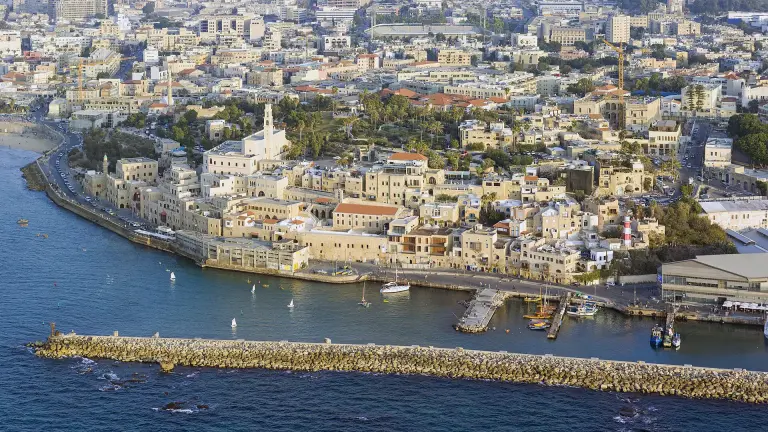
The things to do in Jerusalem are shaped by its place in history. The city in the Judean Hills has a record that spans thousands of years, and it is holy to Judaism, Christianity and Islam, which makes it a spiritual and cultural centre for people across the world.
Its status is politically sensitive. Israel claims it as its capital, and a few countries recognise that claim, while most other countries and the United Nations do not. Travellers will see this reflected in signs, maps and conversations, so it helps to stay neutral and respectful.
The Old City, divided into four quarters, is the core of most visits, but the modern city has museums, markets and neighbourhoods worth time too. Jerusalem rewards slow walking and early starts, and a guide can add much to the experience.
Top things to do in Jerusalem
Old City walk
The walled Old City has four quarters, Jewish, Christian, Muslim and Armenian, linked by narrow lanes and markets. Allow half a day to a full day. Start early, wear comfortable shoes, and use a map or guide, since the alleys are easy to get lost in.
Western Wall and the Temple Mount
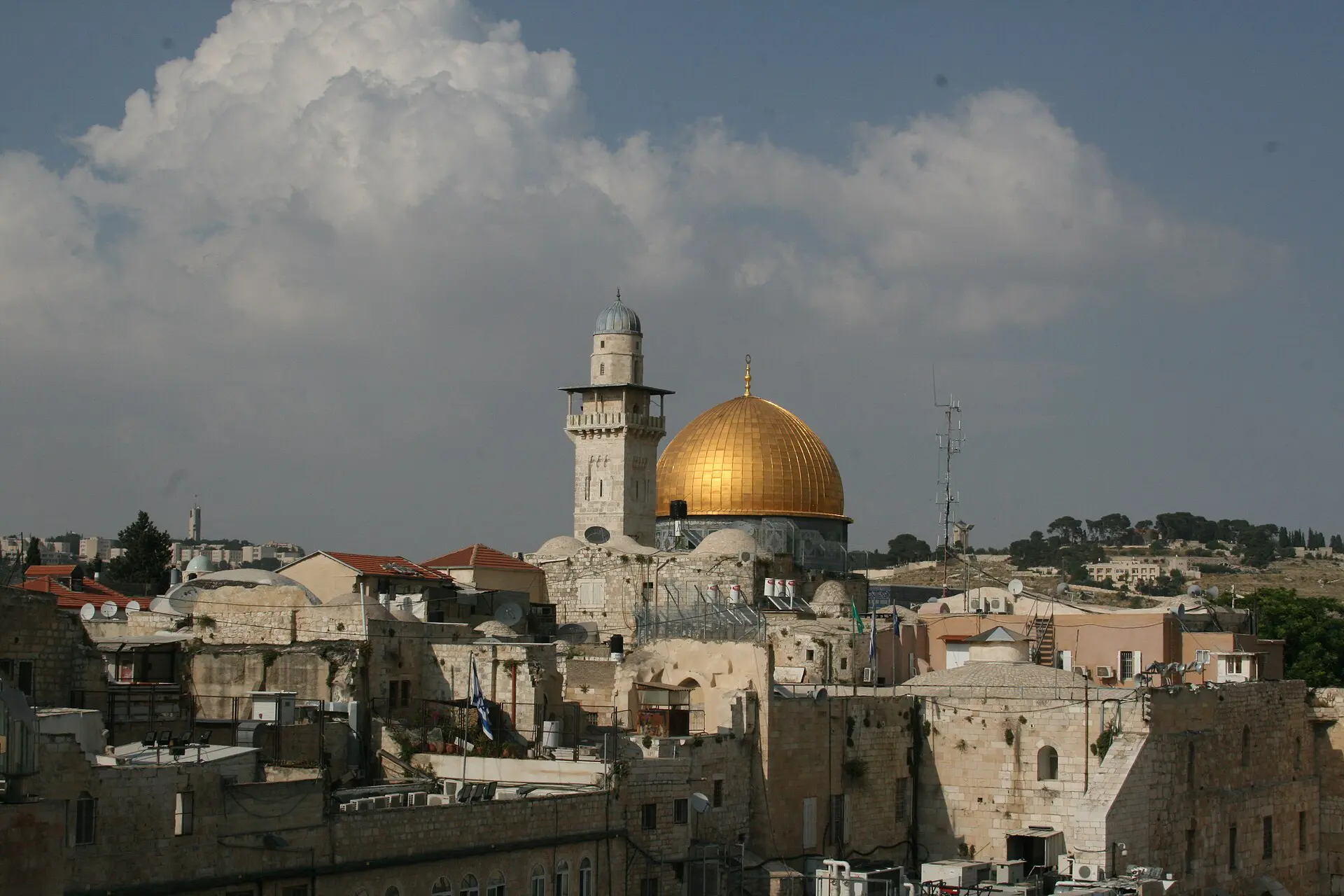
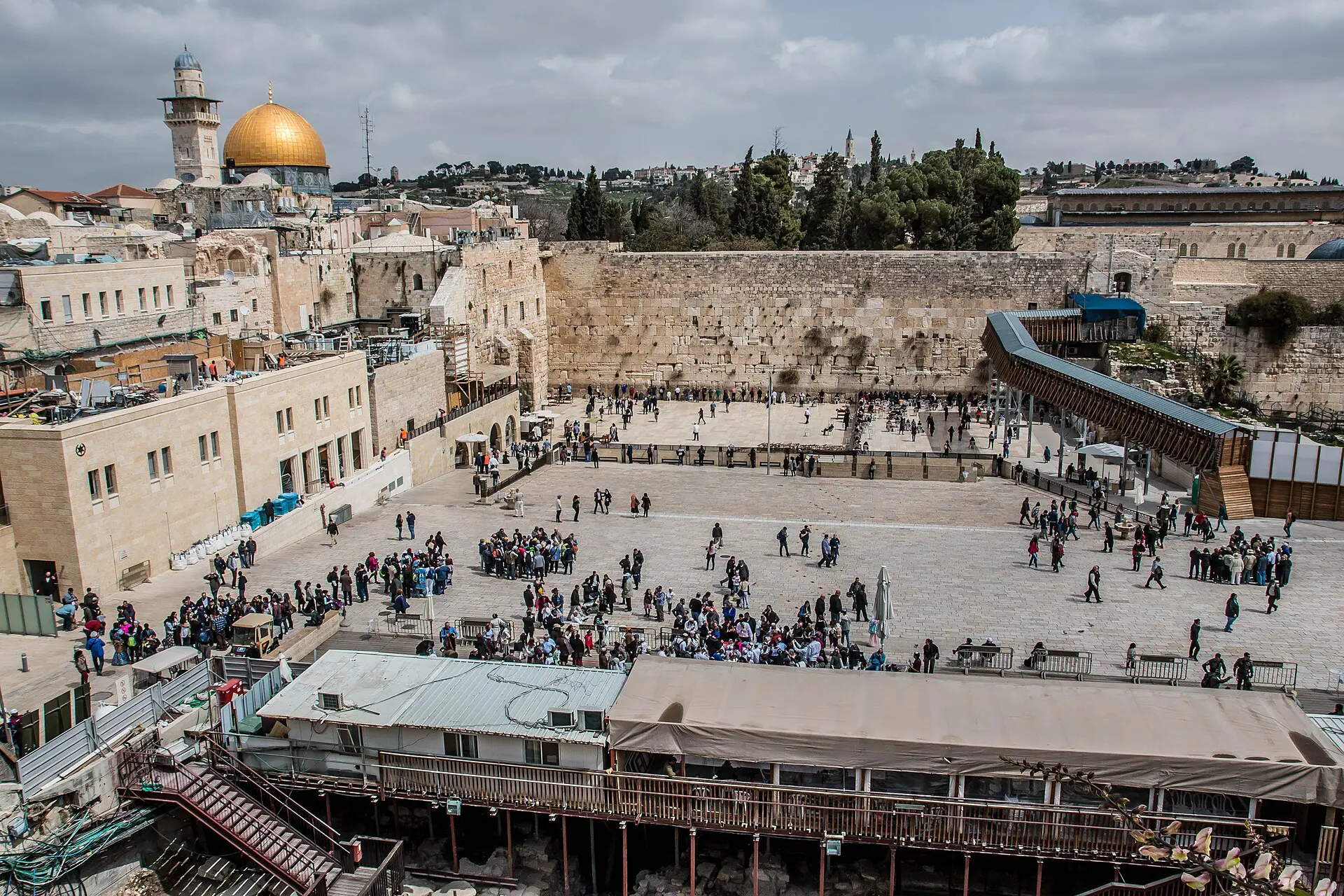
The Western Wall is a major Jewish prayer site, while the Temple Mount, known to Muslims as Haram al-Sharif, holds the Dome of the Rock and Al-Aqsa Mosque. Access rules and hours vary and change, so check current conditions, dress modestly and follow security instructions.
Church of the Holy Sepulchre
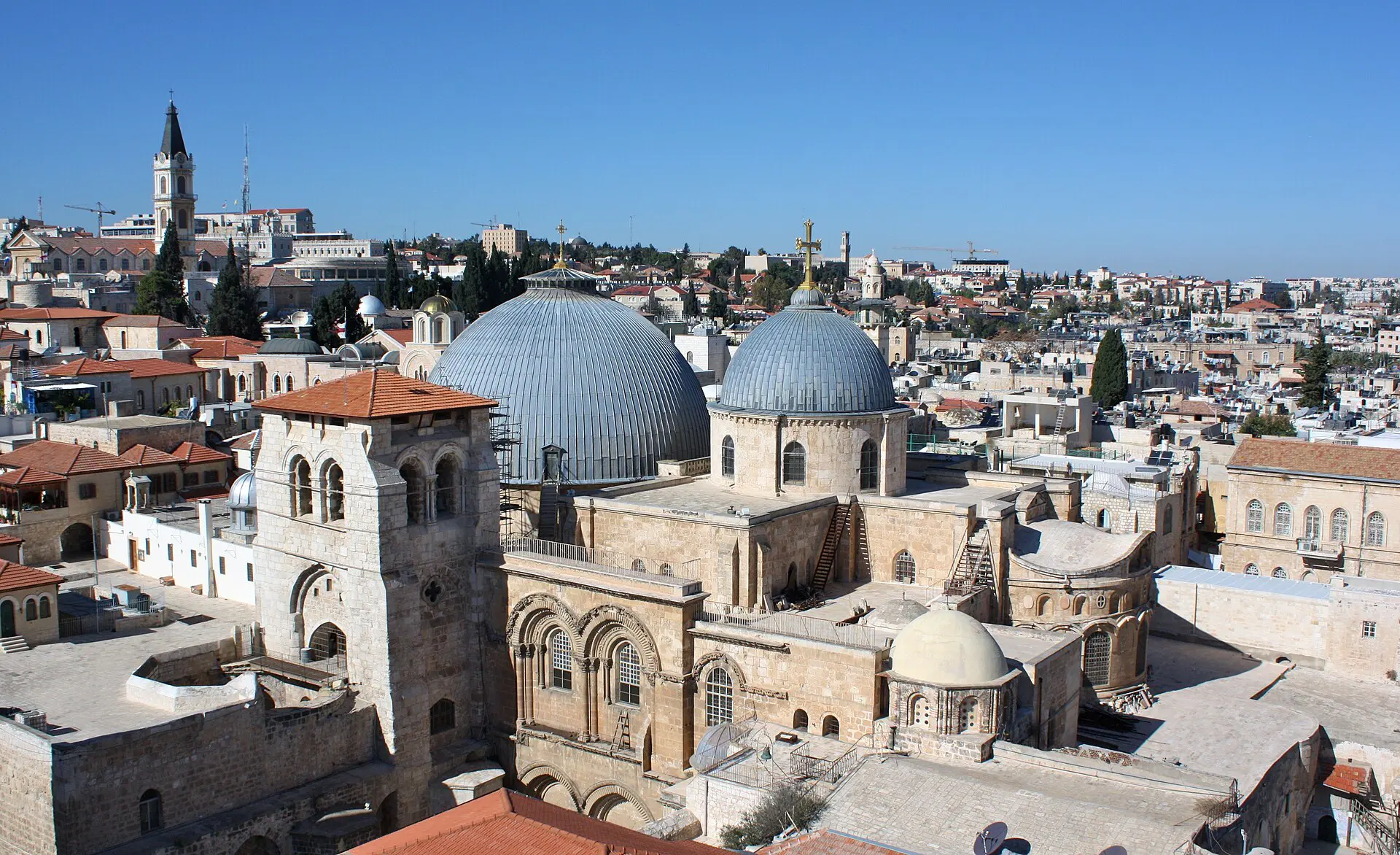
This ancient church is traditionally held to stand on the site of the crucifixion and burial of Jesus. Allow one to two hours, and expect queues at busy times. Go early in the morning, and respect the services that are held in the church.
Mount of Olives
The ridge east of the Old City offers the classic panorama of Jerusalem, especially in the morning light. Allow one to two hours, combining the view with nearby churches. Take a taxi up and walk down, and check current local advice.
Mahane Yehuda Market
The covered market in the western part of the city is a good place for food, snacks and the local atmosphere, with a lively evening scene. Allow one to two hours. Many stalls close early on Fridays and on Shabbat.
Israel Museum and Yad Vashem
The Israel Museum has archaeology, art and a famous display of the Dead Sea Scrolls, while Yad Vashem is the national Holocaust memorial and museum. Allow half a day each, and check opening hours and booking requirements ahead of time.
Best time to visit Jerusalem
Jerusalem sits at a higher altitude than the coast, so summers are warm but dry and winters are cool and rainy. Spring and autumn offer the most comfortable weather for walking.
| Season | Weather | Crowds and prices |
|---|---|---|
| Spring (Mar-May) | Mild, pleasant | Busy around Easter and Passover |
| Summer (Jun-Aug) | Hot and dry | Busy, higher prices |
| Autumn (Sep-Nov) | Warm, clear | Busy during Jewish holidays |
| Winter (Dec-Feb) | Cool, rainy, occasional snow | Quieter, lower prices |
Religious holidays and Shabbat, which runs from Friday evening to Saturday evening, change opening hours and public transport, so plan around them and book early.
How to get to Jerusalem and around
Most visitors arrive at Ben Gurion Airport near Tel Aviv, roughly 50 km from Jerusalem. From there, you can take a train to Jerusalem’s Yitzhak Navon station, or a bus or shared taxi (check current options and Shabbat schedules). Some visitors also arrive by road from Amman, via border crossings that have their own rules.

Inside the city, a light rail line and buses cover the main routes, and taxis and ride-hailing are widely available. Public transport largely stops from Friday afternoon to Saturday evening for Shabbat, so plan accordingly.
The Old City is best explored on foot. Regional conflict has affected travel to and around Israel since 2023, so check your government’s current travel advice and airline status before you plan, and carry your passport.
Where to stay in Jerusalem
Choose a base based on how you want to spend your evenings, and remember that Shabbat affects the western districts.
- Old City: atmospheric, with hostels and guesthouses close to the main sites, suiting visitors who want to be inside the walls, though evenings are quiet.
- Downtown and Jaffa Road: central with a range of hotels and restaurants, and close to the light rail, suited to first-time visitors.
- German Colony and Emek Refaim: a leafy neighbourhood with cafes and restaurants, suiting those who want a more local feel.
- East Jerusalem: a base with local hotels and good access to the Old City, suiting travellers interested in the Arab neighbourhoods.
Book well ahead for Easter, Passover and autumn holidays.
How many days do you need?
Three days lets you cover the Old City, the main museums and a day trip, without rushing. If time is short, two days will cover the Old City and one major museum. Leave time for Shabbat, which affects opening hours.
- Day 1: the Old City early, including the Western Wall and the Church of the Holy Sepulchre.
- Day 2: the Mount of Olives in the morning, then the Israel Museum or Yad Vashem.
- Day 3: Mahane Yehuda Market and a day trip to Bethlehem or the Dead Sea, depending on current conditions.
Day trips and nearby
Dead Sea
Roughly an hour to an hour and a half from Jerusalem by road, the Dead Sea offers floating in salty water and spa facilities. Allow a full day, and bring water and sun protection. Check conditions, as some beaches are closed or restricted.
Bethlehem
The town just south of Jerusalem has the Church of the Nativity and is a short trip, though it involves a checkpoint crossing. Check current access rules and consider going with a guide. Bring your passport.
Tel Aviv
The coastal city is reachable by train in under an hour, and offers beaches and a lively food scene. It works as a day trip, though many visitors prefer to stay overnight. Check train times, especially around Shabbat.
FAQ
Q1When is the best time to visit Jerusalem?
Spring and autumn offer the most comfortable weather for walking, though they coincide with major religious holidays that raise prices and crowds. Summers are hot and dry, and winters are cool and rainy. Check holiday dates before booking.
Q2How many days do you need in Jerusalem?
Three days cover the Old City, a few museums and a day trip. Two days are enough for the essentials, while four allow a more relaxed pace and a visit to the Dead Sea or Bethlehem. Plan around Shabbat and holidays.
Q3How do you get to Jerusalem?
Most visitors fly into Ben Gurion Airport and take a train, bus or shared taxi to the city, usually taking 30 to 60 minutes. Services are limited during Shabbat, so check schedules and book a taxi in advance if you arrive late.
Q4What should you wear in Jerusalem?
Dress modestly at religious sites, with covered shoulders and knees, and bring a scarf for women entering some mosques and churches. Comfortable walking shoes are important for the stone streets of the Old City. Check specific rules at each site.
Prices, schedules and entry rules change. Check current details with official sources before you travel. Read the Israel travel guide.