Why visit Tel Aviv
If you are listing things to do in Tel Aviv, expect a lot of time outdoors. The city sits on the Mediterranean coast of Israel, about 60 km northwest of Jerusalem, and its long promenade and sandy beaches are the heart of daily life. Officially the city is Tel Aviv-Yafo, reflecting the ancient port of Jaffa that lies at its southern end.
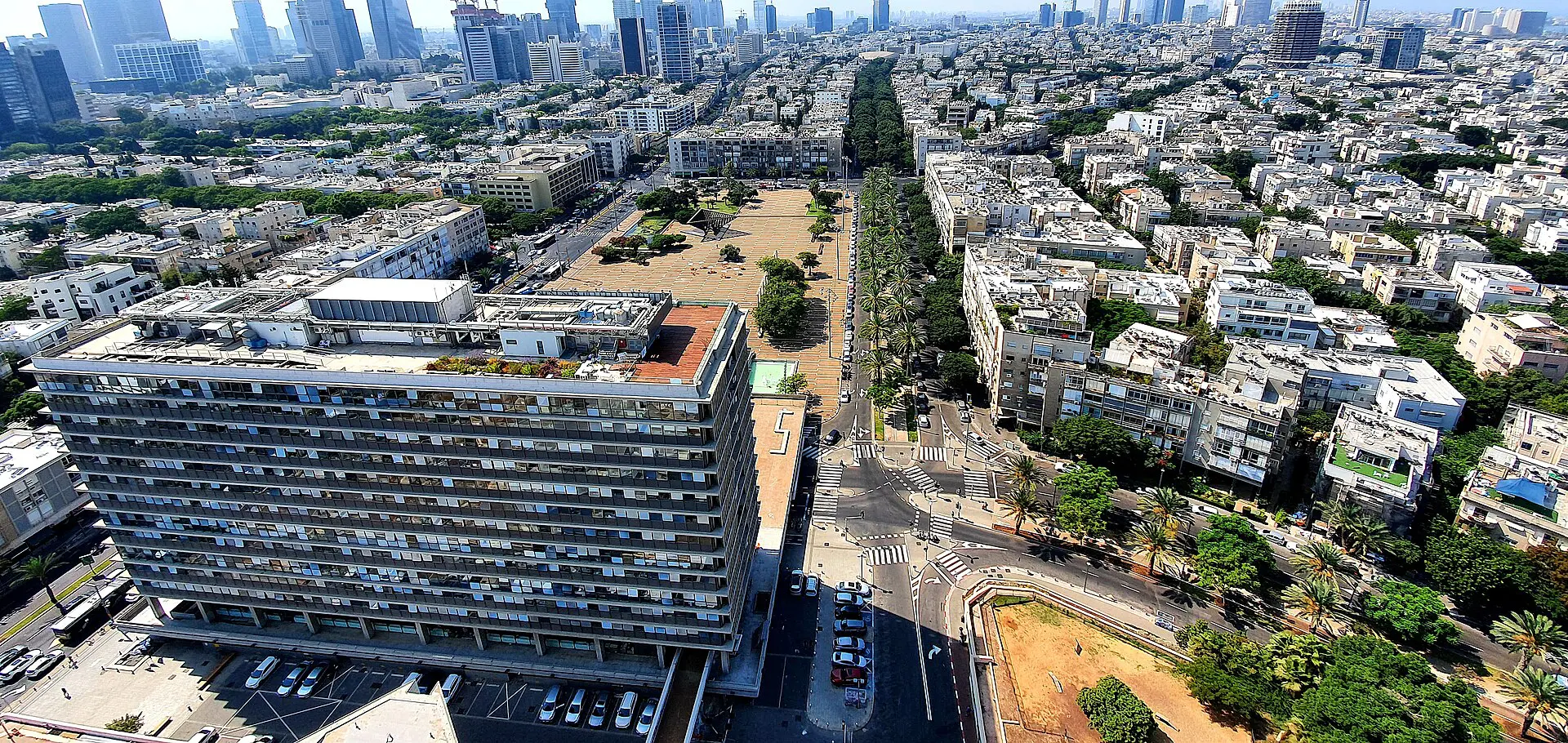
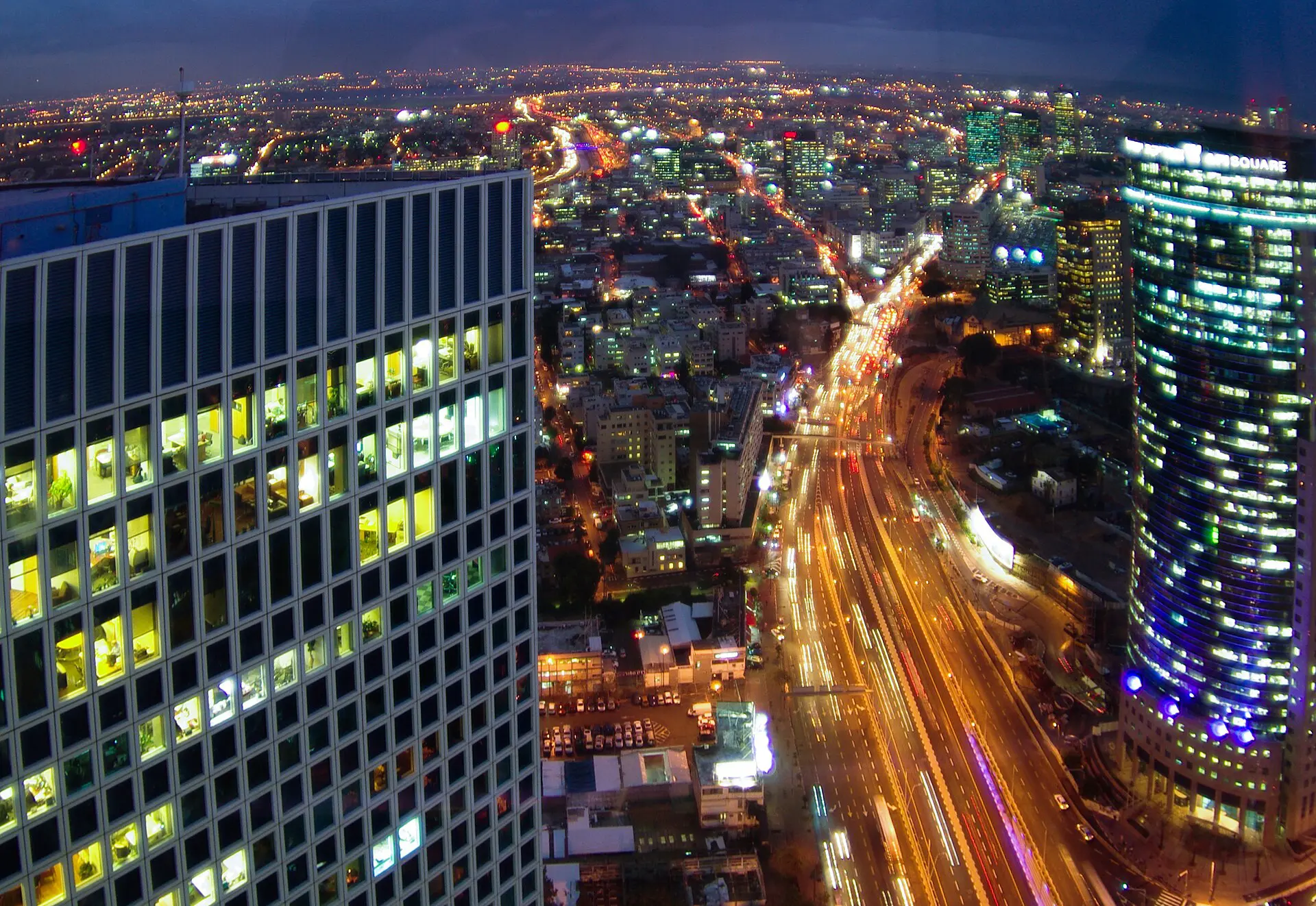
Tel Aviv was founded in 1909 and grew into the economic and technology centre of the country, with a population of around 495,000 in the city itself and much more in the surrounding metropolitan area. It has a liberal, cosmopolitan feel and a lively LGBTQ scene, and its social norms are similar to those of major Western European and American cities.
The city is compact, flat and easy to explore on foot or by bike, and it is known for its restaurants, cafes and nightlife. It is also one of the most expensive cities in the world, so plan your budget. Israel has been affected by armed conflict since October 2023, including missile and drone attacks, so check your government’s current travel advice and airline status before booking and again before you leave.
Top things to do in Tel Aviv
Jaffa (Yafo)
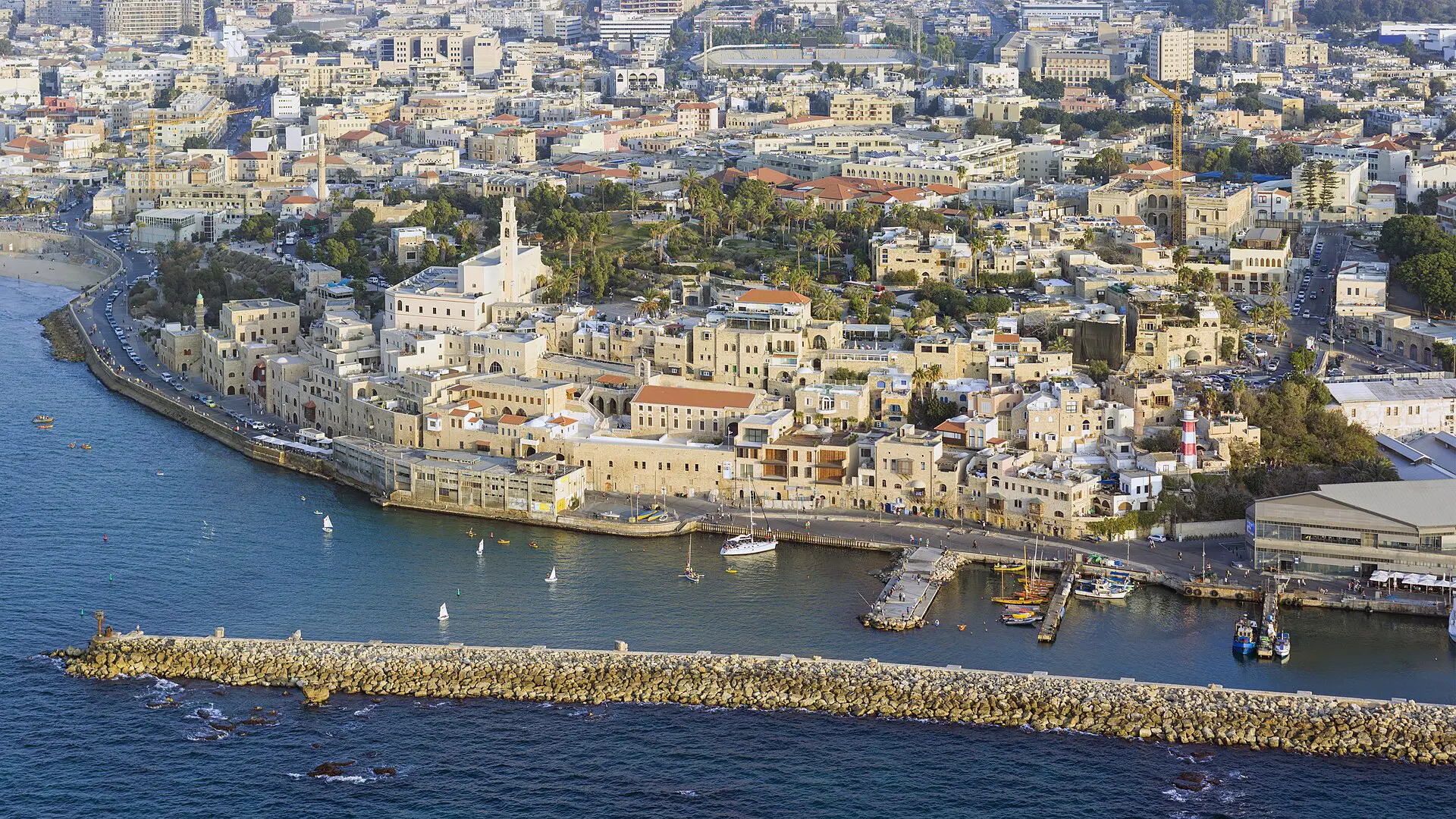
The old port city south of the centre has stone alleys, a flea market, galleries and sea views. It is one of the oldest ports in the world. Allow half a day. Go in the late afternoon for softer light, and walk back along the seafront promenade.
Beaches and the promenade
A long string of city beaches runs along the coast, with a continuous promenade for walking and cycling. Different stretches attract different crowds, from families to surfers. Allow a few hours, bring sun protection, and follow lifeguard flags, since currents can be strong.
White City and Bauhaus architecture
Tel Aviv has a large collection of modernist buildings from the 1930s, many in the central neighbourhoods. A self-guided walk along the boulevards, such as Rothschild, shows them well, and guided tours are available. Allow two to three hours, and start early, before the heat.
Carmel Market and Nachlat Binyamin
The Carmel Market is the city’s busiest food market, with produce, snacks and street food, and a craft market operates nearby on set days. Allow one to two hours. Check opening hours around Shabbat, since many stalls close from Friday afternoon.
Neve Tzedek
One of the first neighbourhoods built outside old Jaffa, with small streets, boutiques, cafes and restored houses. It suits a slow afternoon. Allow one to two hours, and combine it with a walk to Jaffa along the coast.
Museums and culture
The city has museums for art, history and Jewish life, and a busy calendar of music and performance. Check opening hours and exhibitions in advance, and note that some venues close on Saturdays. Allow two to three hours per museum.
Best time to visit Tel Aviv
Tel Aviv has a Mediterranean climate with hot, humid summers and mild winters. Spring and autumn are the most comfortable seasons, with warm days, sea swimming and pleasant evenings for walking. These months can also be busy around holidays, and hotel prices rise.
Summer, roughly June to August, is hot and sticky, though the beaches are at their liveliest. Winter is cooler with some rain, but days can still be mild, and it is a good time for museums, food and lower prices. Public holidays and Shabbat affect opening hours and transport, so check the calendar before you book.
| Season | Weather | Crowds and prices |
|---|---|---|
| Spring and autumn | Warm, comfortable | Busy, higher prices around holidays |
| Summer | Hot and humid | Busy beaches, high prices |
| Winter | Mild, some rain | Quieter, better value |
How to get to Tel Aviv and around
Ben Gurion Airport is the main gateway, southeast of the city. Trains run from the airport to Tel Aviv, and taxis and shared vans are other options. Check current schedules, since services can change. Trains also link the city with Jerusalem, Haifa and other towns, while buses cover the rest of the country.

The city centre is compact and flat, so walking is practical, and shared bikes and scooters are widely available. A light rail line and a bus network add coverage, and taxi and ride-hailing apps are common. Public transport operates reduced or no service on Shabbat, from Friday afternoon to Saturday evening, so plan around it and book taxis in advance if needed.
Where to stay in Tel Aviv
Hotels along the seafront suit visitors who want the beach on their doorstep, with sea views and easy access to the promenade. Expect higher prices, especially in summer.
The central neighbourhoods, around Rothschild Boulevard and the Bauhaus streets, suit travellers who want cafes, restaurants and nightlife within walking distance. This area has many boutique hotels and apartments, and works well for first-time visitors.
Neve Tzedek and Jaffa offer a quieter, more atmospheric stay close to the old stone buildings and sea, with fewer rooms to choose from. Budget travellers should look at hostels and smaller guesthouses a few blocks from the beach, and book early for holiday periods.
How many days do you need?
Two days is enough to see the main neighbourhoods, walk along the beach and visit Jaffa. Three days lets you slow down, add a museum or market and take a day trip. A long weekend suits most visitors, since the city is more about atmosphere than a long list of sights.
- Day 1: Neve Tzedek in the morning, a walk along the promenade to Jaffa, the flea market and old port, then sunset by the sea.
- Day 2: A Bauhaus walk along Rothschild Boulevard, the Carmel Market, then beach time and dinner out.
- Day 3: A day trip to Jerusalem or Caesarea, or a museum day and a relaxed evening.
Day trips and nearby
Jerusalem
About 60 km away, the holy city is reachable by train or bus in under an hour or two, depending on service. Allow a full day, dress modestly for religious sites and check opening hours around holy days.
Caesarea
The coastal site has ancient Roman and later ruins by the sea. It lies north of the city and is best reached by car or an organised tour. Allow half a day, and bring water and sun protection.
Haifa
About 100 km north, Haifa is a port city with terraced gardens and views over the bay. Trains connect it to Tel Aviv, so it works as a long day trip. Check current schedules before you go.
Dead Sea and Masada
These are longer trips, usually done as a full day or overnight by tour or hire car. Heat can be intense, so go early and carry plenty of water. Check access and conditions before booking.
FAQ
Q1When is the best time to visit Tel Aviv?
Spring and autumn are the most comfortable, with warm days and sea temperatures good for swimming. Summer is hot and humid, while winter is mild with some rain. Check holiday dates, since they affect prices and opening hours.
Q2How many days do you need in Tel Aviv?
Two to three days is enough for the beaches, Jaffa, Bauhaus buildings and markets. Add one more day if you want a trip to Jerusalem or another place along the coast.
Q3How do you get to Tel Aviv?
Most visitors fly into Ben Gurion Airport and continue by train, taxi or shared van. Trains and buses also link the city with Jerusalem, Haifa and other towns. Check current schedules, and note that public transport slows on Shabbat.
Q4Is Tel Aviv expensive?
Yes, it is among the most expensive cities in the world, particularly for hotels, dining and nightlife. A mid-range traveller might budget around USD 150-300 per day, though prices change, so check current rates before you book.
Prices, schedules and entry rules change. Check current details with official sources before you travel. Read the Israel travel guide.